Fly fishing is a remarkable and increasingly popular sport that not only hinges on angler skill but also on the quality and creativity of the flies used. One intriguing subset of fly patterns is beetle patterns. Beetles are a prevalent part of many freshwater ecosystems, making them an excellent choice for fly fishers aiming to outsmart trout and other fish. Tying beetle patterns is not only a functional endeavor but also an art form, blending creativity, precision, and fishing intelligence.
When we speak of beetle patterns, we mean flies designed to mimic the appearance, behavior, and texture of real beetles. From their shiny, hard exoskeleton to their distinctive silhouette and sporadic movements, a well-crafted beetle fly can be irresistible to fish. However, it’s not just about replication; understanding when and where to use these flies amplifies their effectiveness.
In this article, we will dive deeply into the intricacies of tying beetle patterns, covering the essential tools and materials, step-by-step tying techniques, and the deployment of these flies in various fishing scenarios. By the end, you will be well-equipped to craft your own beetle patterns and enhance your fly fishing endeavors.
Understanding Beetle Behavior and Anatomy
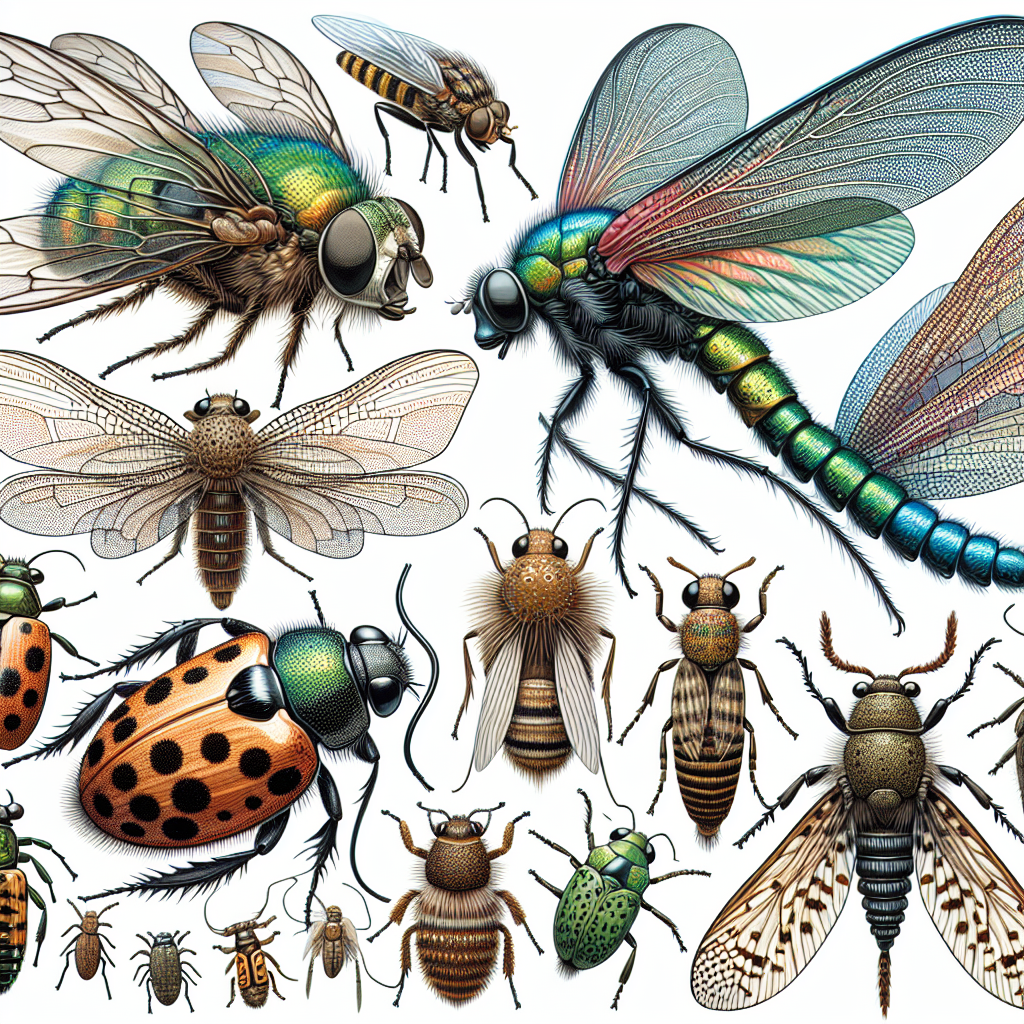
Before tying your first beetle pattern, it’s crucial to understand the behavior and anatomy of real beetles in the wild. Beetles are diverse and can vary greatly in size, shape, and color, but they share some common characteristics. Most beetles have a hard, glossy exoskeleton, six legs, and distinctive wing covers (elytra) that often contribute to their buoyancy when they fall into the water.
In terms of behavior, beetles tend to be clumsy fliers and often end up on the water surface, where they struggle to break free, making them easy prey for fish. This vulnerability is what we aim to mimic when designing beetle fly patterns. Knowing the types of beetles prevalent in the waters you fish in can provide a significant advantage. For instance, if certain beetle species are more common during specific seasons, you can tailor your flies accordingly.
Observing real beetles in their native environment can also offer insights into their size, coloration, and movement, all of which can be replicated in your fly patterns.
Essential Tools and Materials for Tying Beetle Patterns
To start, you’ll need a basic fly-tying kit, which generally includes a vice, various tools like scissors and thread bobbins, and of course, the materials specific to beetle patterns. Here’s a breakdown of what you’ll need:
- Hooks: Opt for dry fly hooks, typically in sizes ranging from 10 to 16, depending on the beetle species you’re imitating.
- Thread: Black or brown fly tying thread works well for most beetle patterns.
- Body Material: Foam sheets in black, brown, or green are commonly used to replicate the beetle’s hard exoskeleton.
- Legs: Rubber leg materials or feather fibers can be used to create the beetle’s legs.
- Adhesives: Super glue or UV resin can be useful for securing materials.
- Tools: Scissors, bodkin needle, hackle pliers, and a whip finisher are essential for precise tying.
With these materials and tools at your disposal, you are now ready to proceed to the step-by-step process of creating beetle patterns.

Step-by-Step Tying Techniques
1. Hook Placement and Thread Base
Begin by securing the hook in your vice, ensuring it’s held firmly. Wrap the thread around the shank, starting from just behind the hook eye and moving towards the bend. This thread base will serve as the foundation for attaching your materials.
2. Creating the Beetle’s Body
Cut a strip of foam approximately twice the length of the hook shank. Tie down one end of the foam at the bend of the hook, then fold the foam back over itself and secure it again at the bend. This double layering creates the beetle’s characteristic rounded body.
3. Adding Legs
Trim pieces of rubber leg material, roughly an inch long, and tie them into the thread wraps at the sides of the hook just below the foam body. Ensure they are evenly spaced to imitate the beetle’s six legs. You may use a bodkin needle to position the legs accurately.
4. Finishing the Fly
Once the legs are in place, apply a small drop of superglue or UV resin to secure all the components. Use a whip finisher to create a clean thread head near the hook eye and snip off the excess thread. Inspect the fly to ensure everything is secured and aligned.
5. Optional Steps for Realism
For added detail, you can use markers to add color patterns to the foam body or attach small peacock herl fibers to give the beetle a more defined texture. These extras aren’t necessary for catching fish but can make your flies more visually appealing.
Deploying Beetle Patterns in Various Fishing Scenarios
Beetle patterns are versatile and can be used in many fishing situations. Here’s how to maximize their effectiveness:
- Dry Fly Fishing: Beetles are great dry fly options, particularly during late spring and summer when they are most active. Fish these flies on the surface, allowing them to drift naturally with the current. An occasional twitch can mimic a struggling beetle and prompt strikes.
- Using a Dropper Setup: Beetle patterns can also be used as part of a dropper setup, with a nymph or wet fly beneath. This combination can be particularly deadly in deeper pools where fish might be feeding at different levels.
- Fishing in Cover: Beetles often fall into the water from overhanging vegetation, and fishing near the bank or under trees can often produce results. Cast your beetle fly close to these areas and be ready for aggressive takes.
- Overcast Conditions: On cloudy days, fish might be more willing to venture near the surface. Beetle patterns can shine during these times, providing a significant advantage over more traditional dry flies.
Maintenance and Care for Your Beetle Patterns
Proper care and maintenance of your beetle patterns will ensure they last longer and remain effective. Here are a few tips:
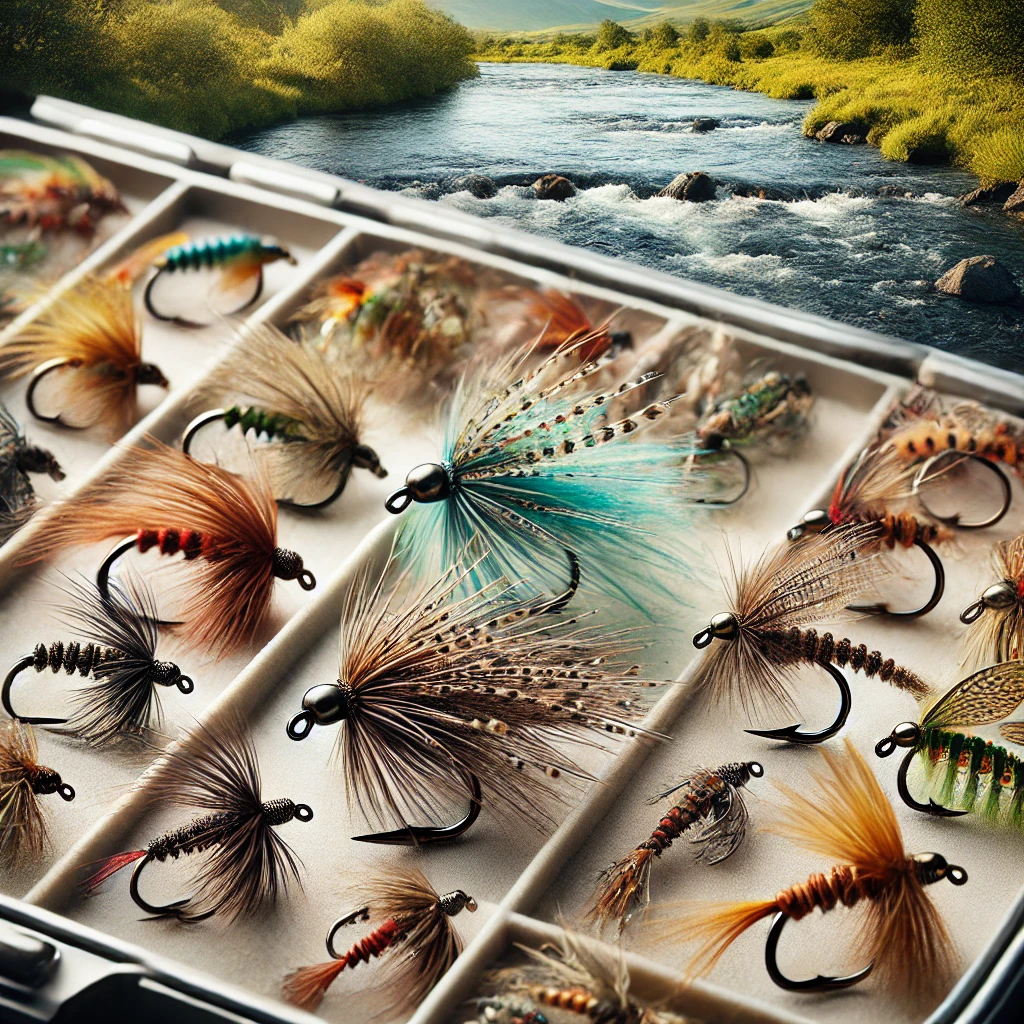
- Storage: Store your flies in a dry, cool place. Using fly boxes with foam inserts can help keep the flies organized and prevent crushing.
- Cleaning: After a fishing trip, rinse your flies in freshwater to remove any dirt or debris and allow them to dry completely before storing.
- Inspection: Regularly inspect your flies for wear and tear. Replace any damaged parts, such as legs or bodies, to maintain their effectiveness.
In Conclusion: Mastering the Beetle Fly Pattern
Tying beetle patterns is both an art and a science, demanding attention to detail, creativity, and a deep understanding of beetle anatomy and behavior. The process outlined above serves as a foundation, but don’t be afraid to experiment with different materials, colors, and techniques to customize your flies.
Whether you are a seasoned fly fisher or a newcomer to the sport, mastering beetle fly patterns can significantly boost your catch rate and enrich your fishing experience. Fish are naturally attracted to these realistic imitations, and with practice, your ability to create and deploy them effectively will grow. Embrace the journey of tying beetle patterns, from understanding the intricate details of beetle anatomy to deploying your handmade flies in the ideal fishing scenarios. The blend of creativity and technique in this endeavor makes fly fishing an endlessly rewarding pursuit.