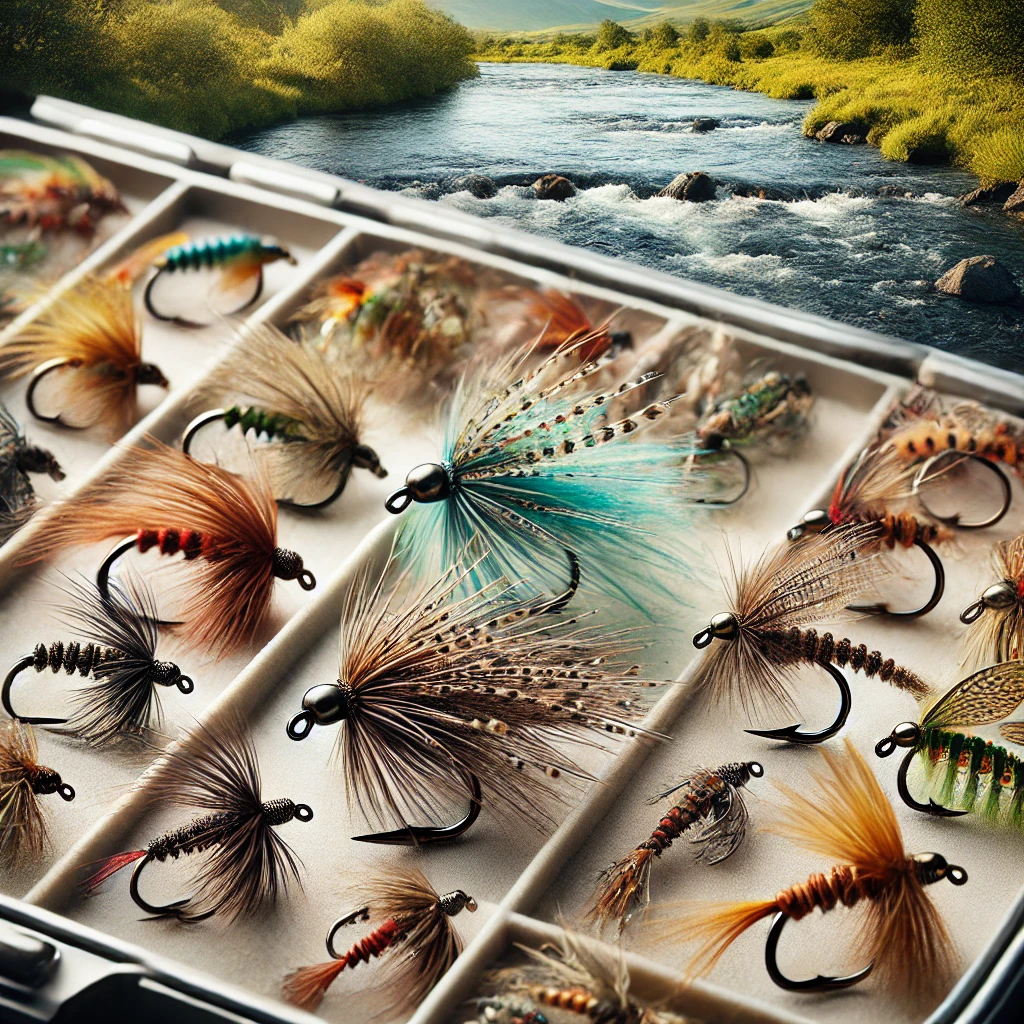
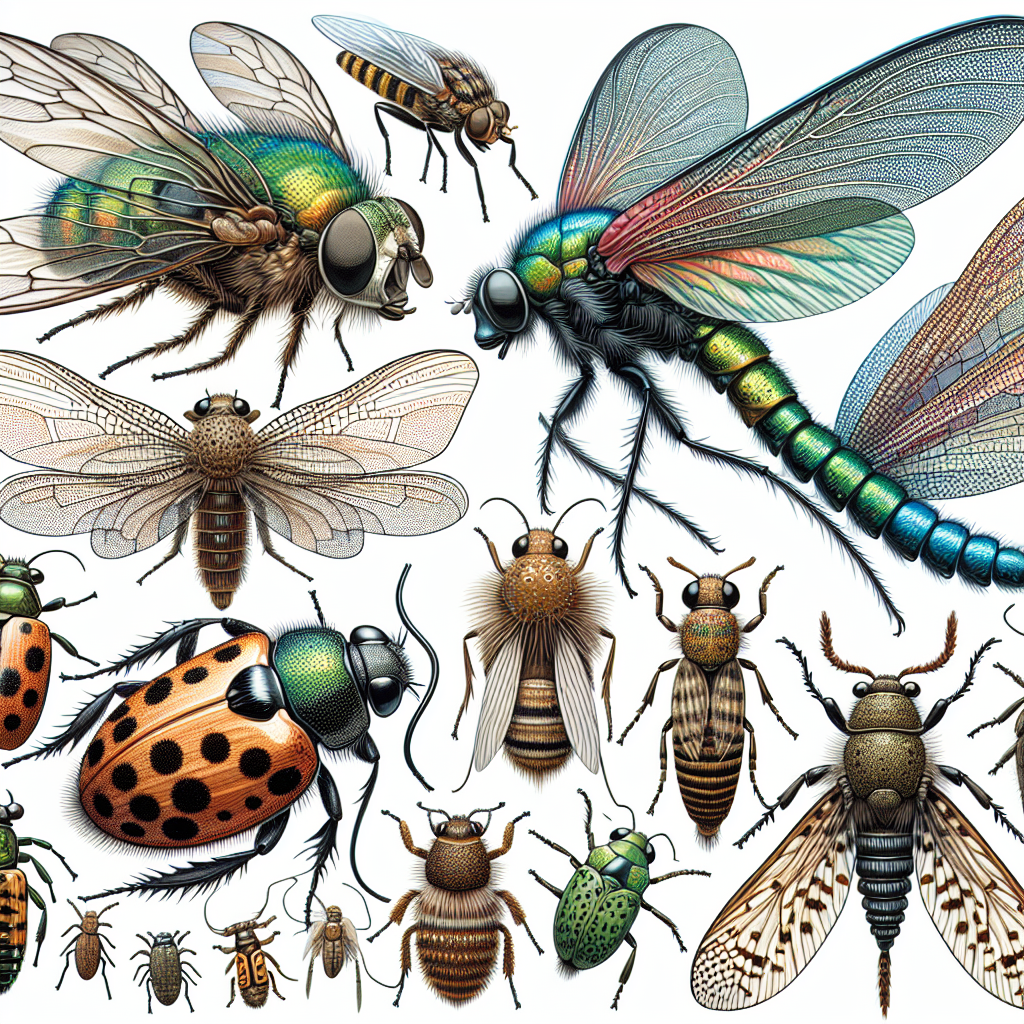
Fly tying is an art form that plays a crucial role in fly fishing, particularly when it comes to tying dry flies. Dry flies imitate insects on the surface of the water, tricking fish into thinking they’re the real deal. Whether you’re a seasoned fly tier or just getting started, improving your technique will result in more effective flies and more successful fishing trips. In this article, we’ll dive into the essential tips and tricks for tying dry flies to help you perfect your craft.
Understanding Dry Flies
Before we get into the nitty-gritty of techniques, it’s important to understand what dry flies are and why they matter. Dry flies are designed to float on the water’s surface, mimicking insects like mayflies, caddisflies, and stoneflies. Fish rise to the surface to feed on these insects, making dry fly fishing an exciting and visual experience.
Materials Used for Dry Flies
The materials you use are critical in ensuring your dry fly behaves correctly on the water. Some key materials include:
- Hackle Feathers: These provide buoyancy and represent the legs or wings of the insect. Rooster feathers are commonly used for this purpose.
- Dubbing: This is a mixture of fibers that help create the body of the fly. Synthetic dubbing often works best for dry flies as it floats better.
- Hooks: Use light-wire hooks to help the fly stay buoyant.
- Thread: Fine thread like 8/0 or 10/0 helps you tie precise and durable flies without adding unnecessary bulk.
- Wing Material: Synthetic materials or natural feathers are used to create the wings.
The Importance of Proportions
Getting the proportions right is one of the most important aspects of tying dry flies. A fly that is out of proportion will not look natural to fish. The wings should be roughly the length of the body, and the hackle should wrap around the hook in clean, even turns. A well-proportioned fly will float properly and appear lifelike to fish.
Essential Tools for Tying Dry Flies
Having the right tools is half the battle. Here are some key tools you’ll need:
- Vise: Holds the hook securely while you work on the fly.
- Bobbins: Used to hold the thread and allow you to wrap it around the hook easily.
- Hackle Pliers: Grip hackle feathers to help you wrap them neatly around the fly.
- Whip Finisher: Helps you tie off the thread neatly without causing the fly to unravel.
- Scissors: Small, sharp scissors are essential for trimming materials.
Techniques for Tying Dry Flies
1. Thread Control
One of the most basic yet important skills in fly tying is thread control. Always start with a smooth base of thread along the hook shank, making sure not to build up too much bulk. When tying dry flies, less is more. Keep your wraps tight but not overly numerous, as excess thread will make the fly heavy and less buoyant.
Tip:
Use flat thread (or untwist your thread) to keep the body smooth and avoid adding unnecessary bulk.
2. Proper Hackling
Hackling is essential for giving the fly buoyancy and imitating the insect’s legs. To properly hackle a dry fly, select a feather that’s appropriate for the size of the hook. Attach the feather with the shiny side facing out and wrap it in even, spaced-out turns toward the eye of the hook. The key is consistency.
Tip:
Always size your hackle to match the hook. For example, if you’re using a size 12 hook, choose a feather that will wrap cleanly without overwhelming the fly.
3. Dubbing for the Perfect Body
Dubbing gives the body of the fly a natural appearance. The key to good dubbing is to use a small amount. Less is more! Lightly twist the dubbing onto the thread to form a thin noodle, then wrap it evenly around the hook. Too much dubbing will make your fly bulky and less realistic.
Tip:
Use your fingers to gently tease out the dubbing after wrapping to create a more lifelike texture.
4. Creating Realistic Wings
Wings are an important part of many dry fly patterns, especially those that imitate mayflies. When adding wings, choose a material that mimics the natural transparency of insect wings. Align the tips of your wing material and tie them in just behind the eye of the hook. Make sure the wings are evenly spaced and angled upward slightly.
Tip:
Use a little bit of floatant on the wings to help them sit properly on the water’s surface.
5. Whip Finish with Precision
Once you’ve completed your fly, you’ll need to finish the thread so the fly doesn’t come undone. Use a whip finisher or your fingers to create a secure knot at the hook’s eye. This step ensures durability.
Tip:
Apply a small drop of head cement on the knot for added security, but don’t overdo it, as too much can weigh down the fly.

Tips for Specific Dry Fly Patterns
Tying the Adams Dry Fly
The Adams is one of the most popular and versatile dry flies. It imitates a variety of insects and is relatively simple to tie.
- Materials:
- Gray dubbing for the body
- Grizzly and brown hackle for the legs and wings
- Light-wire hook (size 12-16)
- Rooster feathers for the wings
Steps:
- Start by creating a thread base on the hook.
- Tie in the tail using hackle fibers.
- Add the dubbing and create the body.
- Tie in the grizzly and brown hackle, then wrap evenly around the hook.
- Finish by adding the wings and whip finish.
Tying the Elk Hair Caddis
The Elk Hair Caddis is another essential dry fly pattern that’s excellent for fast-moving water.
- Materials:
- Tan or olive dubbing for the body
- Elk hair for the wings
- Grizzly hackle for the legs
- Size 12-16 hook
Steps:
- Start with a thread base and tie in a small bunch of elk hair for the tail.
- Add dubbing to form the body, making sure it’s even.
- Tie in the hackle and wrap toward the eye of the hook.
- Tie in the elk hair wing, ensuring it points backward over the body.
- Whip finish and add a small drop of cement to secure.
Final Touches: Testing Your Fly
Once you’ve finished tying your dry fly, it’s important to test it before hitting the water. Drop the fly into a small bowl of water to see how it floats. The fly should rest lightly on the surface, with the hackle and wings providing buoyancy. If it sinks, consider using less dubbing or adjusting the proportions of your materials.
Troubleshooting Common Issues
- Bulky Fly: If your fly looks too bulky, you may be using too much dubbing or making too many thread wraps. Go lighter on both next time.
- Sinking Fly: A sinking dry fly could be caused by using the wrong type of materials, such as too much dubbing or a heavy hook. Switch to a lighter hook and be sparing with materials.
- Unraveling Fly: If your fly is coming undone, practice your whip finish technique and make sure to secure the thread tightly.
Conclusion
Tying dry flies is both a science and an art, but with practice and attention to detail, you can master the craft. Focus on using high-quality materials, maintaining proper proportions, and practicing key techniques like dubbing and hackling. By incorporating these tips and tricks into your fly tying routine, you’ll create dry flies that not only look realistic but also perform well on the water.
Remember, the beauty of fly tying is in the details. Each small improvement you make will pay off on your next fishing trip. Happy tying!