For many anglers, bass fishing is more than a hobby; it’s a passion. The thrill of the chase, the zen-like concentration, and the satisfaction of landing a big catch—there’s nothing quite like it. However, the key to a successful bass fishing experience often lies in the details, especially the type of lure you use. Enter the world of fly tying, where you can create custom-made bass bugs that not only attract bass but also offer a personalized touch to your fishing gear. If you’ve ever wondered how to tie your own bass bugs or want to enhance your existing fly tying techniques, this guide is designed for you.
Bass bugs are specially designed to mimic the appearance and movement of insects and small creatures that bass find irresistible. From the intricately designed poppers to the more straightforward streamers, there’s a wide variety of patterns to explore. Whether you are a novice or an experienced angler looking to refine your skills, understanding the basics of tying bass bugs can significantly improve your fishing outcomes.
This comprehensive guide will cover essential fly patterns for bass fishing, the materials you’ll need, fundamental fly tying techniques, and some expert tips to elevate your fly tying game. Our goal is to equip you with the knowledge and tactics necessary to tie effective bass bugs that will help you reel in those elusive big bass. Sit back, grab your tying vise and materials, and let’s dive into the art of tying bass bugs.
Essential Fly Patterns
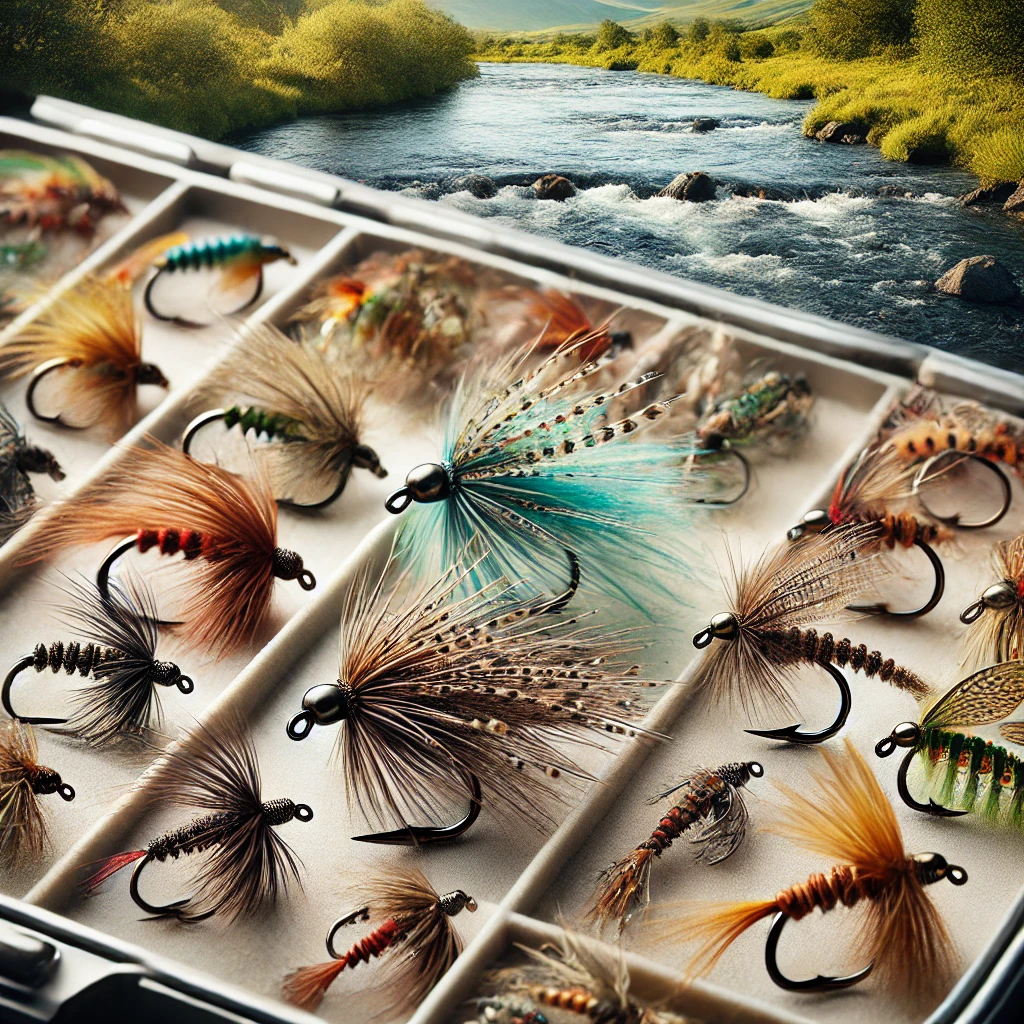
Before we delve into the nuts and bolts of tying techniques, it’s essential to familiarize yourself with some popular fly patterns commonly used in bass fishing. Understanding these patterns will give you a head start and a clearer vision of what you aim to achieve. Below are a few must-know bass bug patterns:
- Deer Hair Poppers: These are surface flies that create a disturbance on the water’s surface, attracting bass from a distance. The buoyant deer hair makes for excellent floating capabilities.
- Woolly Buggers: Versatile and effective, these streamers imitate small fish and aquatic creatures, making them irresistible to bass. They work well in various colors and sizes.
- Clouser Minnow: This pattern is particularly effective in deeper waters. The fly’s weight and streamlined design make it ideal for getting down quickly to where the bass are hiding.
- Frog Imitations: These make for some incredibly fun topwater action. The patterns usually feature rubber legs and a buoyant body to mimic the erratic movements of a frog.
Understanding these patterns will provide you with a good foundation for tying your flies. Once you know the aim and action of each bug, you can start customizing and creating variations that suit your local fishing conditions.
Required Materials and Tools
Before starting your fly tying journey, it’s essential to gather all the necessary materials and tools. Having the right equipment will make the process smoother and more enjoyable. Here are the basics that you’ll need:
- Fly Tying Vise: This is the cornerstone of your setup. Investing in a quality vise will go a long way in making your tying experience comfortable.
- Bobbin Holder: This tool holds the thread spool and allows for precise thread placement. Look for one with a smooth thread release mechanism.
- Scissors: Get a pair of fine-tipped scissors for cutting material with precision.
- Hooks: The hook forms the base of your fly. Make sure to use hooks that are appropriate for the specific pattern you are tying.
- Threads and Floss: Different patterns require different threads and flosses. Have a variety of colors and strengths at hand.
- Materials: Depending on the pattern, you may need deer hair, chenille, feathers, synthetic fibers, rubber legs, and various other materials.
Having all these tools and materials organized and within reach will make your tying sessions more focused and productive. Experiment with different textures and colors to find what works best for the bass in your local waters.
Step-by-step Fly Tying Techniques
Now that you’re acquainted with the basic patterns and have gathered your materials, it’s time to delve into the actual process of tying bass bugs. Below is a step-by-step guide to tie one of the most popular bass bugs—the Deer Hair Popper.
- Start with the Hook: Secure the hook in your vise, making sure it is tightly held. The hook size depends on the size of the popper you are aiming to create.
- Thread Base: Attach your thread to the hook shank and wrap it downward to create a base layer. This helps in holding other materials firmly.
- Create the Head: Take a clump of deer hair and trim it to the desired length. Spin the deer hair around the hook to form the head. Pack it tightly to ensure buoyancy.
- Attach Rubber Legs: Cut rubber legs to your preferred length and tie them on either side of the hook. These will wiggle and mimic the movement of an injured bug or frog.
- Form the Body: Use chenille or any synthetic body material to create a tapering body. This can be done by wrapping the material around the hook shank and gradually reducing the diameter as you move forward.
- Finish Off: Tie off the thread securely by forming a whip finish or using a half-hitch knot. Secure it with a dab of head cement for extra durability.
Repeat these steps and practice regularly. The more you practice, the better you will get at achieving the right balance of materials and impeccable finish.
Expert Tips for Better Bass Bugs
Mastering the basics is only half the journey. To truly excel at tying bass bugs, consider incorporating some expert tips into your practice:
- Use Quality Materials: Don’t compromise on the quality of materials. High-quality fibers and hooks will result in more durable and effective flies.
- Match the Hatch: Observe the insects and small creatures in your fishing area. Try to imitate their size, shape, and colors for more effective results.
- Precision is Key: Pay attention to details. A well-crafted fly can make a significant difference in attracting more bass.
- Experiment: Don’t be afraid to mix and match materials or try new color combinations. Sometimes, unconventional patterns yield the best results.
- Keep a Journal: Document your tying sessions, noting which patterns work best under various conditions. This will help you refine your techniques over time.
Implementing these tips will not only make the process more enjoyable but also tremendously increase your chances of success on the water.
Tying Bass Bugs in Different Conditions
Bass fishing conditions vary significantly throughout the year and across different fishing spots. Being adaptable and modifying your bass bugs to suit various conditions is crucial for success. Here’s a quick guide on how to tweak your flies for different scenarios:
For Clear Water: Use more natural colors and streamlined designs. Transparent or light-colored materials often work best.
For Murky Water: Opt for brighter, more visible colors. Adding elements that create vibrations or sound can be beneficial in low-visibility conditions.
For Warm Weather: Bass are more active in warm temperatures, so fast-moving, flashy patterns often work well. Topwater bugs can provoke aggressive strikes.
For Cold Weather: Bass are less active in cold temperatures, so slower-moving, more subtle flies are more likely to be effective. Use darker colors that blend into the environment.
Adapting your flies to different conditions will significantly improve your chances of a successful fishing day. Always be observant and willing to adjust your approach based on the environment and the behavior of the fish.
Conclusion
Tying bass bugs is both an art and a science. It combines creativity with practical knowledge and precision. Whether you’re a seasoned angler or a beginner, crafting your flies offers immense satisfaction and a unique edge in bass fishing. From understanding essential fly patterns and gathering the right materials to mastering the tying techniques and adapting to varied fishing conditions, each step plays a vital role in creating effective bass bugs.
Remember, the art of fly tying is an evolving journey. Don’t be afraid to experiment with new patterns, colors, and materials. The more you tie, the more you’ll discover what works best for you and the bass you aim to catch. Keep practicing, stay patient, and enjoy the process. You’ll find that the more effort you put into tying your flies, the more rewarding and successful your fishing experiences will be.
Now it’s time to put your newfound knowledge into practice. Grab your tools, select your materials, and start tying some bass bugs. Before long, you’ll have a collection of beautifully crafted flies ready to lure in those big bass.