Fly fishing is an age-old hobby that has drawn enthusiasts from all around the globe. Part of its allure lies in the artistry and complexity of the fly patterns used. Understanding the different types of flies and mastering the art of tying them is essential for anyone seeking to improve their fly fishing skills. Whether you’re a seasoned angler or a beginner, knowing the basics of fly patterns can vastly enhance your fishing experience and success.
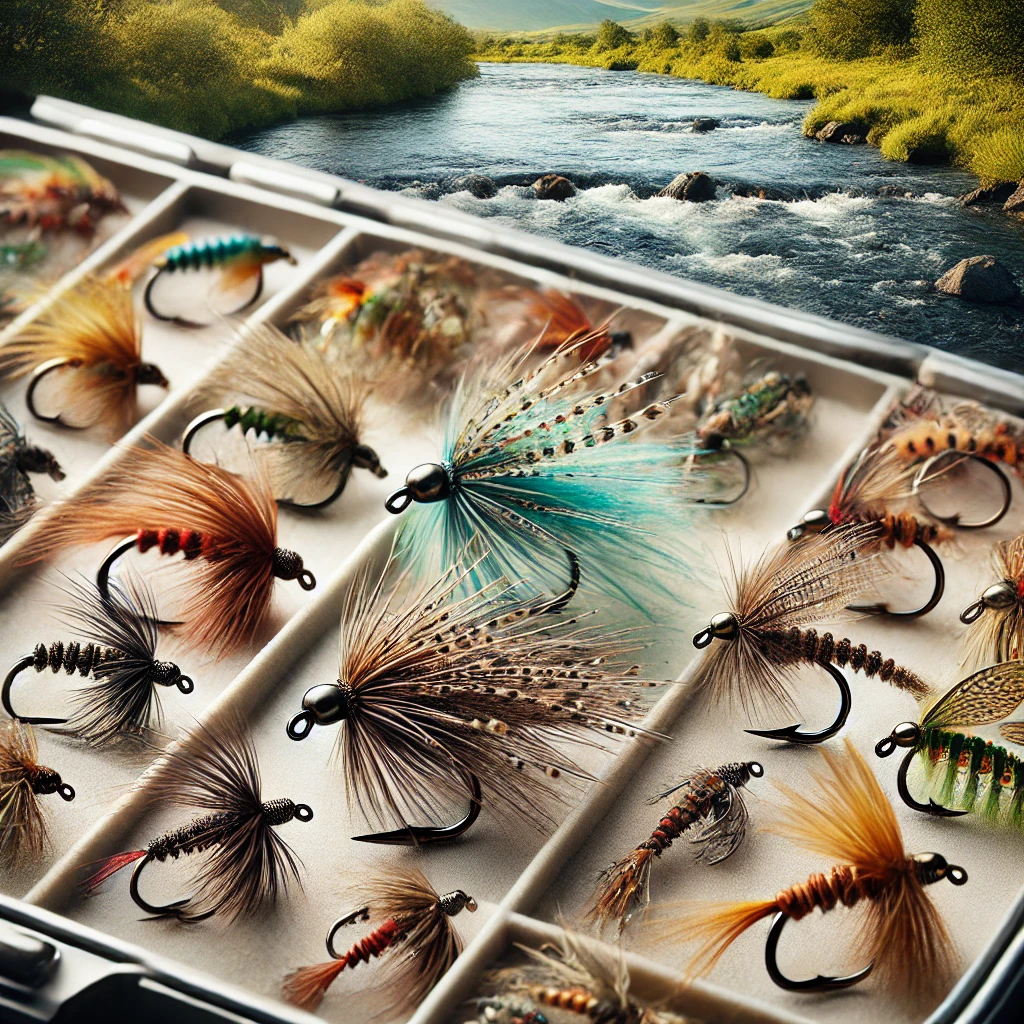
Flies are artificial lures designed to imitate the appearance and behavior of natural insects and other creatures that fish prey on. They come in various shapes, sizes, and colors, each tailored to attract specific types of fish. These patterns are not only essential tools in a fly fisher’s kit but also a fascinating intersection of art and science. This introductory guide will help you understand the fundamental categories of fly patterns and the basics of tying them. By grasping these concepts, you’ll be better prepared to select the right fly for each fishing situation.
In fly fishing, the difference between success and failure often lies in the smallest details. The choice of fly pattern can determine whether you have a productive day on the water or leave empty-handed. With so many patterns to choose from, it can be overwhelming to know where to start. That’s why this guide will break down the primary types of flies and provide insights into their specific uses. From dry flies to streamers, nymphs to terrestrials, understanding the basics is essential for any aspiring fly tyer or seasoned angler looking to refine their skills.
Let’s dive into the captivating world of fly patterns and tying, uncovering the secrets that can transform your fly fishing adventures from ordinary to extraordinary.
Dry Flies
Dry flies are designed to float on the surface of the water, imitating adult insects that fish feed on. These are often the most exciting flies to fish with because you can see the fish rise to take the fly. One of the most classic dry fly patterns is the Adams, which is versatile enough to mimic various types of adult insects.
The key to successfully using dry flies lies in their presentation. It requires delicate casts and precise placement to ensure the fly lands softly on the water, just like a real insect. Seasoned anglers often apply floatant to their dry flies to ensure they remain buoyant for as long as possible.
Dry flies are particularly effective during hatch seasons when insects are emerging from the water and fish are actively feeding on the surface. The ability to identify and match the hatch type can dramatically increase your chances of success. Popular dry fly patterns include the Pale Morning Dun, Elk Hair Caddis, and Royal Wulff. Each of these patterns has distinct characteristics tailored to imitate specific insects.
Tying dry flies requires specific materials such as hackle feathers, dubbing, and high-quality hooks. Learning the various techniques for tying these flies can be intricate but rewarding. Whether you’re tying the intricate wings of a mayfly or shaping the delicate body of a caddis, mastery of dry fly tying can elevate your entire fly fishing experience.
Nymphs
Nymphs are designed to sink below the water’s surface, mimicking the immature stages of insects. These flies are often considered the bread and butter of fly fishing because they are effective year-round and during various water conditions. Fish feed on nymphs more than any other type of fly because they spend the majority of their lifecycle in this stage.
The design of nymphs can range from simple to highly detailed, with patterns like the Pheasant Tail and the Hare’s Ear being staples in any angler’s fly box. Nymph fishing often involves techniques like dead drifting, where the fly is allowed to drift naturally with the current, imitating a drifting nymph.
Unlike dry flies, nymphs require weight to sink, often achieved by using beadheads or lead wraps in their construction. The material used can include natural fibers, synthetic materials, and a variety of hooks designed to ensure the nymph sinks to the desired depth quickly and moves naturally in the water.
While nymphs may not offer the visual excitement of dry fly fishing, their effectiveness makes them indispensable. Fish usually feed on these subsurface insects in various water conditions, making nymphs versatile and reliable. Learning to tie these flies helps you understand the detailed anatomy of aquatic insects, allowing you to develop patterns that are irresistible to fish.
Streamers
Streamers are larger flies designed to imitate baitfish, leeches, and other underwater prey. Unlike dry flies and nymphs, which might require subtlety and finesse, streamers are all about movement and aggression. They are often fished with a dynamic retrieve that mimics the erratic movements of a fleeing baitfish.
Popular streamer patterns include the Woolly Bugger, Clouser Minnow, and Muddler Minnow. Each of these patterns is effective in various water conditions and for different fish species. Streamers are particularly useful when targeting predatory fish like trout, bass, and pike, which rely heavily on their sense of sight and movement to hunt.
Tying streamers involves using materials that provide realistic movement in the water. Marabou feathers, chenille, and tinsel are often used to create a lifelike profile and motion. The construction of streamers requires understanding the balance between weight and buoyancy to ensure they swim properly in the water.
Streamer fishing can be extremely rewarding, particularly when targeting larger, more aggressive fish. The visual aspect of watching a fish chase and strike your fly can be immensely satisfying. Learning to tie your own streamers allows you to customize patterns and sizes to match the specific baitfish in the waters you fish.
Terrestrials
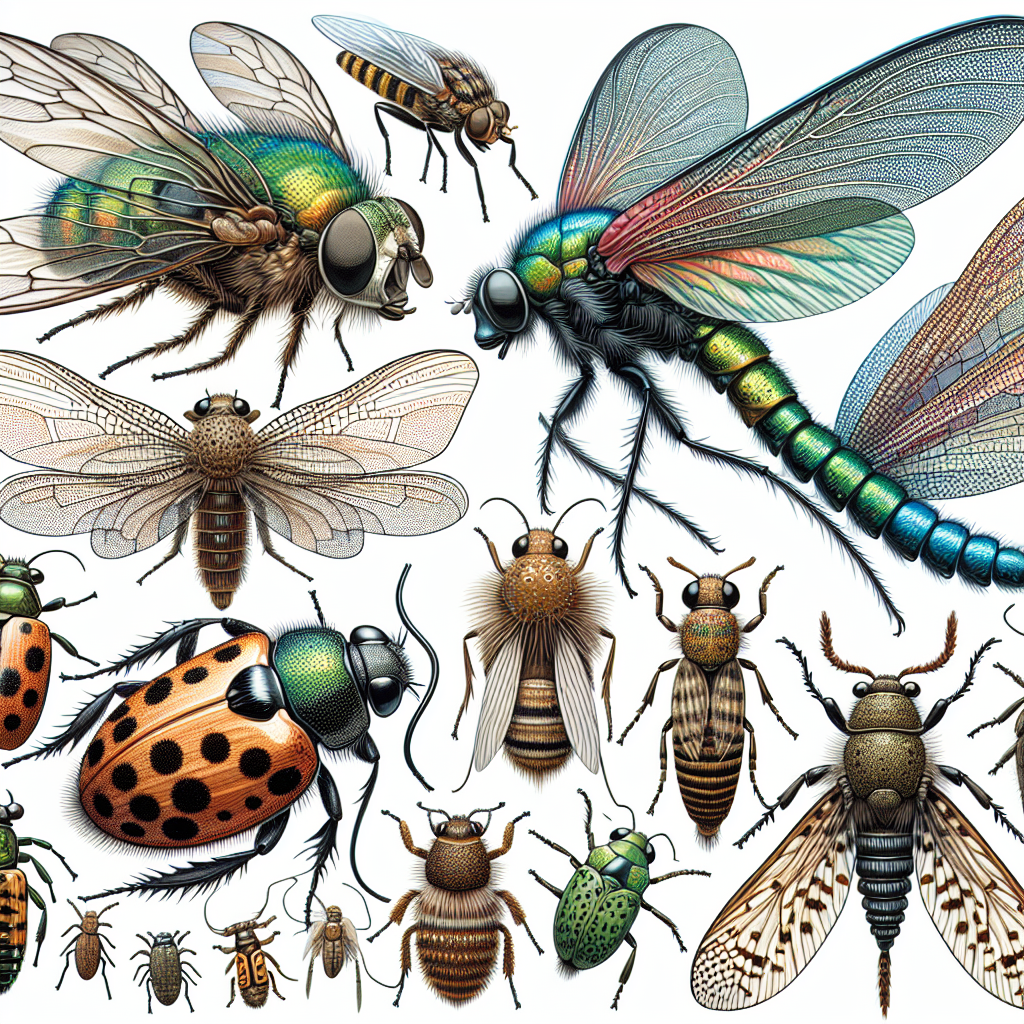
Terrestrials are flies designed to imitate land-dwelling insects that may fall into the water, such as ants, beetles, grasshoppers, and crickets. These flies are particularly effective during late summer and early fall when such insects are abundant.
Popular terrestrial patterns include the Dave’s Hopper, Foam Beetle, and Ant. These flies often have distinct features that mimic the legs, bodies, and wings of their real-life counterparts. The use of foam, rubber legs, and detailed body patterns helps create realistic imitations that entice fish.
Fishing with terrestrials often involves using a floating line and a gentle presentation. Since these flies imitate insects that have accidentally fallen into the water, their movement should be natural and unhurried. Terrestrials can attract a variety of fish species, making them a versatile addition to any fly box.
Tying terrestrial patterns can be fun and creative. The use of different colors and materials allows for a wide range of patterns to be developed. Whether you’re emulating the segmented body of an ant or the bulky form of a grasshopper, the art of tying terrestrials adds another dimension to your fly fishing repertoire.
Wet Flies
Wet flies are designed to be fished below the water’s surface, somewhere between nymphs and streamers in their behavior. They can imitate a variety of underwater forms, including drowned insects, emergers, and small baitfish.
Classic wet fly patterns include the Partridge and Orange, Soft Hackle Wet Fly, and Winged Wet Fly. These patterns often feature soft, flowing materials like hackle and feathers that provide lifelike movements underwater.
Wet fly fishing is often done using techniques like swinging, where the fly is cast across the current and allowed to swing downstream, imitating an emerging or struggling insect. This method can be particularly effective in slower-moving waters or deeper pools where fish are likely to be feeding.
Tying wet flies involves using materials that can move fluidly in the water. The balance of weight and buoyancy is crucial, as the fly needs to maintain a natural movement. Learning different wet fly tying techniques opens up numerous possibilities for patterns that can entice fish under various conditions.
Conclusion
Whether you are a beginner or an experienced angler, understanding the different types of fly patterns is crucial for successful fly fishing. Each category of fly—dry flies, nymphs, streamers, terrestrials, and wet flies—serves a unique purpose and mimics different types of prey. Mastering the art of tying these flies not only enhances your fishing experience but also deepens your appreciation for the intricate artistry and science behind fly fishing.
Investing time in learning how to tie your own flies can be immensely rewarding. It gives you the opportunity to experiment with different materials and techniques, tailoring each fly to match the specific conditions of the waters you fish. Moreover, a well-crafted fly tied by your own hands can provide a sense of accomplishment and a deeper connection to the sport.
As you embark on your journey into fly patterns and tying, remember that practice and patience are key. Each pattern you learn to tie adds another valuable tool to your fly fishing arsenal, increasing your chances of success on the water. Keep experimenting, learning, and refining your skills, and soon enough, you’ll find yourself crafting flies that attract fish with unparalleled precision.
Fly fishing is a dynamic and ever-evolving sport. Staying abreast of new patterns, techniques, and innovations will keep your fly box well-stocked and your fishing adventures exciting. Dive into the world of fly tying, embrace the artistry, and watch your fly fishing prowess soar to new heights.