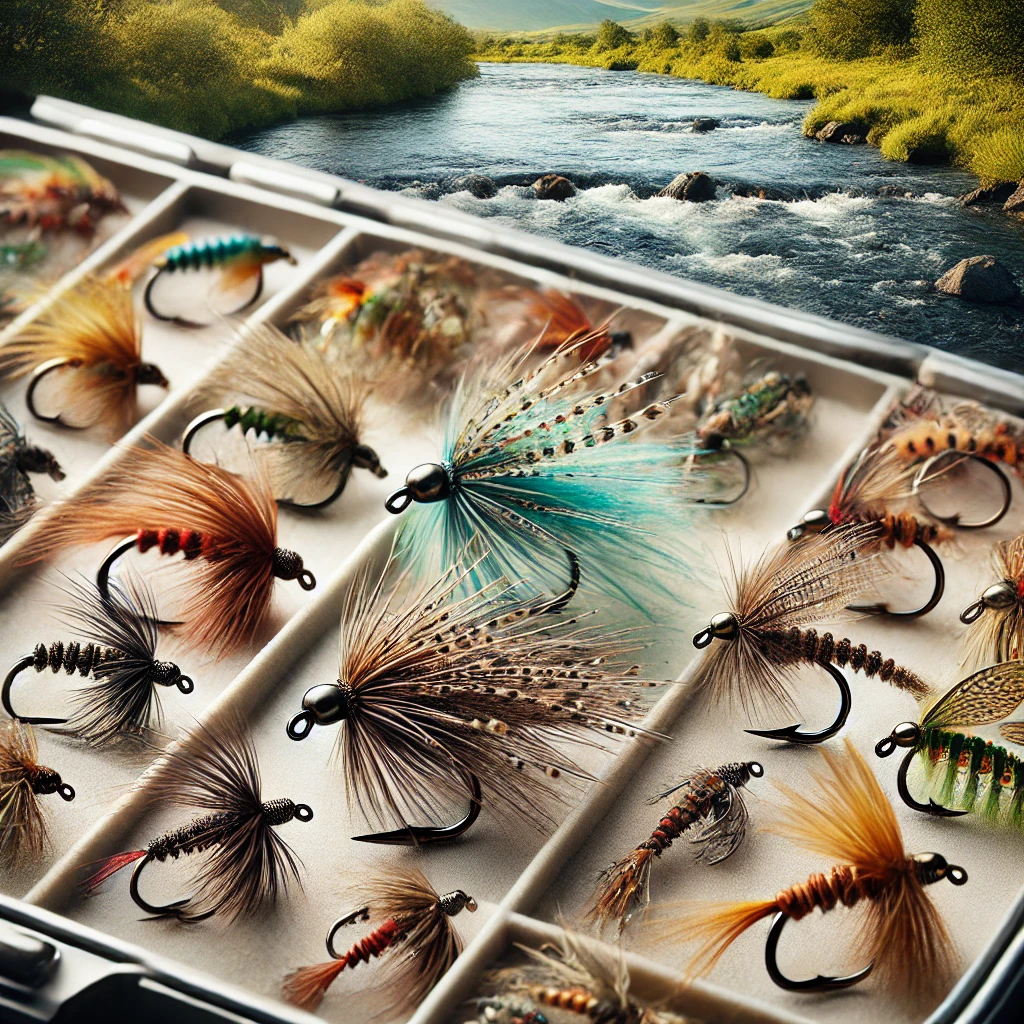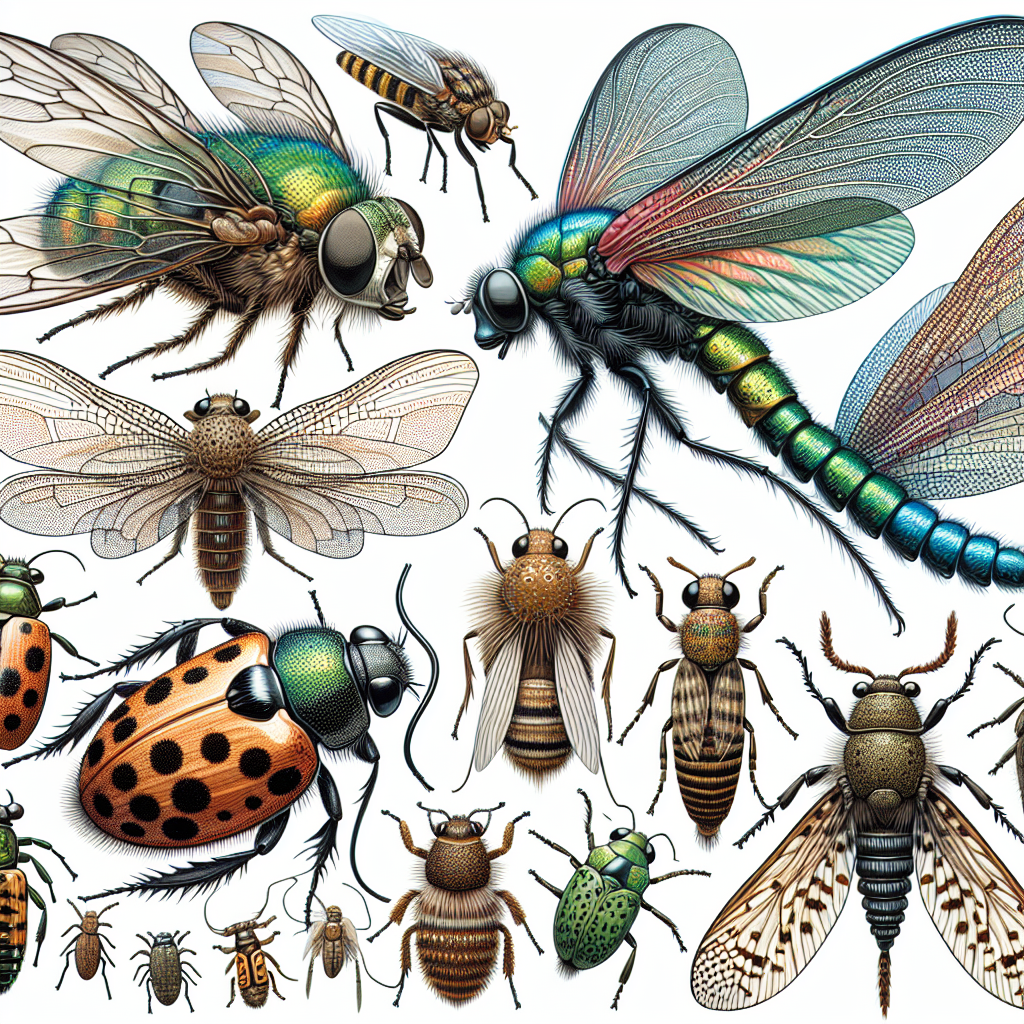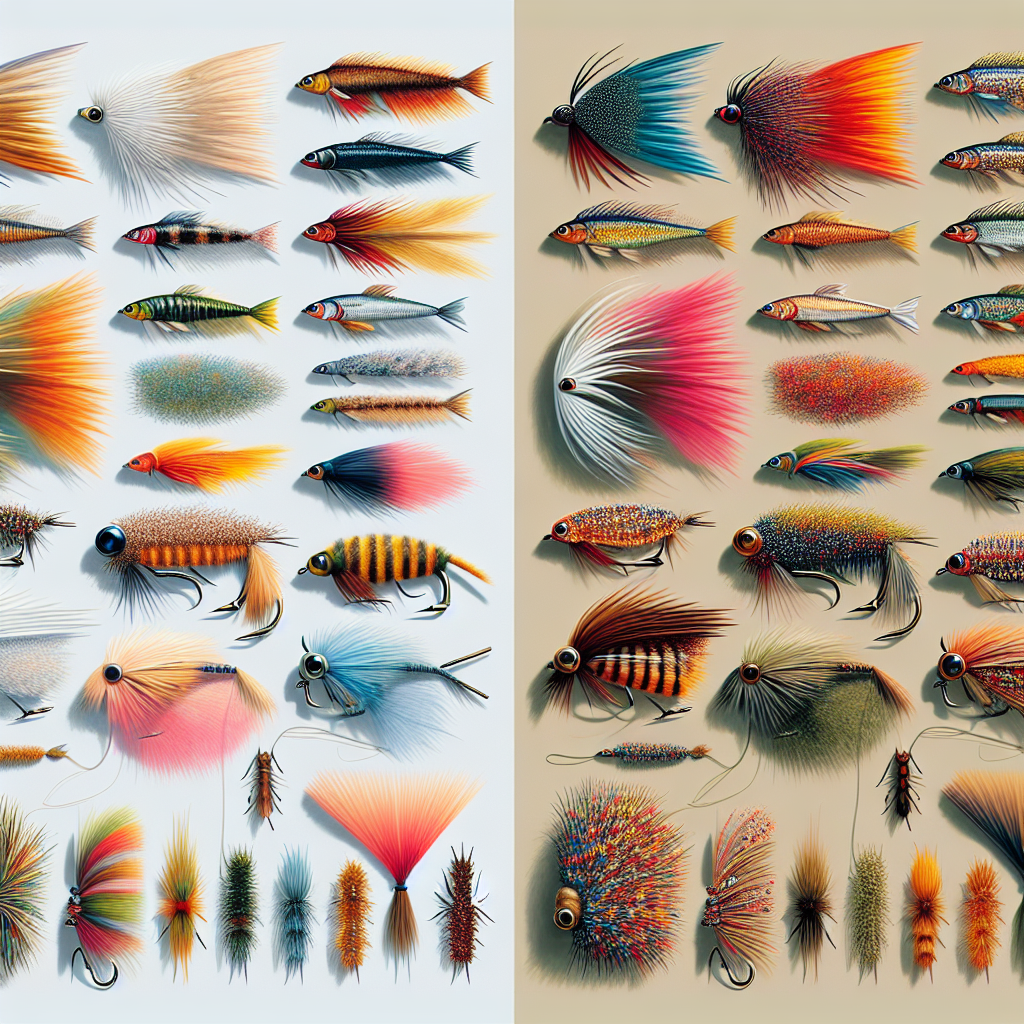
Fly fishing is an art, and at the heart of this art are the flies themselves. The choice between impressionistic and realistic flies can significantly impact your fishing success. Understanding the nuances of each type can help you select the perfect pattern for your fly box. In this article, we’ll dive into the differences between impressionistic and realistic flies, their uses, and how to choose the best pattern for various fishing conditions.
Understanding Fly Patterns
Fly patterns are essentially designs that imitate the natural food sources of fish. They are crafted using a variety of materials to mimic insects, crustaceans, and other prey. Fly patterns fall into two broad categories: impressionistic and realistic. Each has its unique characteristics and purposes.
Impressionistic Flies
Impressionistic flies are designed to suggest, rather than replicate, the appearance of natural prey. These flies rely on general shapes, sizes, and colors to attract fish. They are often more abstract and less detailed than realistic flies.
Characteristics of Impressionistic Flies
- Simplified Design: These flies use basic shapes and patterns to imitate a range of prey species.
- Versatility: Due to their generalized design, impressionistic flies can mimic multiple types of insects or prey.
- Attractiveness: They often incorporate bright colors and flashy materials to catch the fish’s attention.
- Ease of Tying: These flies are typically easier and quicker to tie, making them ideal for beginners.
Popular Impressionistic Fly Patterns
- Woolly Bugger: One of the most versatile and effective patterns, the Woolly Bugger can imitate anything from baitfish to nymphs.
- Elk Hair Caddis: This dry fly is excellent for mimicking caddisflies and works well in a variety of conditions.
- Adams: A classic dry fly that suggests a variety of mayflies and works in almost any situation.
When to Use Impressionistic Flies
Impressionistic flies are ideal in situations where:
- The fish are not being particularly selective.
- The water is murky, making it harder for fish to discern fine details.
- You are fishing in unfamiliar waters and need a versatile pattern.
Realistic Flies
Realistic flies are meticulously crafted to closely resemble specific insects or prey. These flies often include intricate details and accurate colors, making them appear almost lifelike.
Characteristics of Realistic Flies
- Detailed Design: Realistic flies feature precise imitations of the size, shape, and coloration of natural prey.
- Specificity: These flies are designed to match specific insects or other food sources closely.
- Complexity: Tying realistic flies requires more skill and time due to the detailed work involved.
- Effectiveness: In situations where fish are feeding selectively, realistic flies can be highly effective.
Popular Realistic Fly Patterns
- Parachute Adams: A dry fly that closely mimics mayflies, particularly effective during a hatch.
- Copper John: A nymph pattern that imitates various underwater insects, known for its effectiveness in clear waters.
- RS2: A small emerger pattern that closely matches midges and other small insects.
When to Use Realistic Flies
Realistic flies are best used when:
- Fish are feeding selectively and are ignoring general patterns.
- The water is clear, and fish can easily see details.
- There is a specific hatch, and you need to match the hatch precisely.
Selecting the Perfect Fly Pattern
Choosing between impressionistic and realistic flies depends on several factors, including water conditions, the fish’s behavior, and the local insect population. Here are some tips to help you make the right choice:
Assessing Water Conditions
- Clear Water: In clear water, fish can see more details. Realistic flies can be more effective because they closely resemble natural prey.
- Murky Water: In murky or stained water, fish rely more on shape and movement. Impressionistic flies, with their general features and bright colors, can attract fish better.
Observing Fish Behavior
- Selective Feeding: If fish are feeding selectively, often seen during specific hatches, realistic flies that match the exact insect can be more successful.
- Opportunistic Feeding: When fish are not being picky and are feeding on a variety of prey, impressionistic flies can work well.
Matching the Hatch
Matching the hatch involves selecting a fly that closely resembles the insects currently hatching in the water. During a hatch, fish focus on specific prey, making realistic flies the ideal choice. However, if you cannot match the hatch precisely, an impressionistic fly can sometimes still trigger a strike by suggesting the general appearance of the insects.
Experimentation
Fly fishing often involves a bit of trial and error. Carry a variety of both impressionistic and realistic flies and be prepared to switch patterns if you’re not having success. Observing what the fish are responding to can provide valuable insights and improve your future fly selections.
Tips for Fly Tying
If you enjoy tying your own flies, here are some tips to enhance your skills and create effective patterns:
For Impressionistic Flies
- Focus on Simplicity: Use basic materials and patterns that suggest the general shape and movement of prey.
- Experiment with Colors: Don’t be afraid to use bright and unconventional colors to catch the fish’s eye.
- Incorporate Flash: Adding some flashy materials can make your flies more attractive in murky water.
For Realistic Flies
- Study Insects: Observe the insects in your fishing area closely to replicate their size, color, and behavior.
- Use Fine Materials: Invest in quality materials that allow for detailed and accurate imitations.
- Practice Precision: Take your time and practice tying detailed patterns to improve your skills and effectiveness.

Advanced Fly Tying Techniques
For those who are passionate about fly tying, advancing your skills can be both a rewarding and practical endeavor. Mastering advanced techniques allows you to create highly effective flies that can outsmart even the most selective fish.
Advanced Techniques for Impressionistic Flies
- Dubbing Loops: Creating dubbing loops can add bulk and texture to your flies, enhancing their impressionistic appeal. This technique involves twisting dubbing material into a loop of thread, which is then wrapped around the hook.
- Soft Hackle: Using soft hackle feathers can give your flies a lifelike movement in the water. Soft hackle patterns like the Soft Hackle Pheasant Tail are excellent for mimicking the pulsating motion of underwater insects.
- Weighted Bodies: Adding weight to your flies, such as bead heads or lead wire, helps them sink quickly and mimic the movement of natural prey in the water column.
Advanced Techniques for Realistic Flies
- Realistic Legs and Antennae: Using fine materials like monofilament, rubber, or microfibbets can create detailed legs and antennae, making your flies look incredibly lifelike.
- Layering and Segmenting: Techniques like layering different colors of dubbing or using ribbing materials can create segmented bodies that closely resemble the natural exoskeletons of insects.
- Advanced Wing Cases: For nymph patterns, creating realistic wing cases with materials like Thin Skin or Mottled Turkey can add a level of realism that can be crucial in clear water conditions.
Fly Fishing Strategies
Understanding how to use your flies effectively is just as important as selecting or tying them. Here are some strategies for using impressionistic and realistic flies in various fishing scenarios.
Nymphing with Realistic Flies
Nymphing is a technique where you fish with flies that imitate the immature stages of aquatic insects. Realistic nymph patterns can be incredibly effective, especially in clear waters where fish can scrutinize their prey closely.
- Dead Drift Presentation: Allow your fly to drift naturally with the current, mimicking the behavior of a real nymph. Use an indicator to detect subtle strikes.
- Tandem Rigs: Fish two nymphs at once, often pairing a realistic pattern with a larger attractor nymph. This increases the chances of attracting fish and mimicking a more natural presentation.
Dry Fly Fishing with Impressionistic Flies
Dry fly fishing involves using flies that float on the surface of the water, imitating adult insects. Impressionistic dry flies can be highly effective, especially when fish are not keyed in on a specific hatch.
- Skating and Twitching: These techniques involve imparting motion to your dry fly to mimic the behavior of struggling or emerging insects. This can trigger aggressive strikes from fish.
- Prospecting: Use impressionistic dry flies to prospect for fish in likely holding spots. These flies can draw strikes even when there is no visible hatch.
Streamer Fishing with Both Types
Streamers imitate larger prey like baitfish and leeches. Both impressionistic and realistic streamers can be effective, depending on the situation.
- Strip and Pause: Retrieve your streamer with a series of strips and pauses to mimic the erratic movement of a fleeing baitfish. This can trigger predatory instincts in larger fish.
- Swinging: Let your streamer swing across the current, using the water’s natural flow to impart lifelike action. This technique works well with both impressionistic and realistic streamers.
Fly Box Essentials
Every fly angler should have a well-stocked fly box with a variety of patterns to cover different situations. Here are some must-have flies for both categories:
Essential Impressionistic Flies
- Prince Nymph: A versatile nymph pattern that works in a variety of water conditions.
- Royal Wulff: An attractor dry fly that combines visibility and buoyancy.
- Zebra Midge: An effective midge pattern that works well in clear waters.
Essential Realistic Flies
- Blue Winged Olive: A detailed mayfly pattern that is highly effective during hatches.
- Pheasant Tail Nymph: A realistic nymph pattern that mimics many different aquatic insects.
- Hopper Patterns: Realistic terrestrial patterns like grasshoppers, which are particularly effective in late summer and fall.
Conclusion
Mastering the art of fly selection and tying is a journey that enhances your overall fly fishing experience. Whether you prefer the versatility of impressionistic flies or the precision of realistic patterns, understanding their strengths and applications is key to success on the water. By continuously observing, experimenting, and refining your techniques, you can become a more adaptable and effective angler. So, the next time you head out to your favorite fishing spot, make sure your fly box is stocked with a variety of patterns, and be ready to select the perfect fly for the conditions at hand. Tight lines!