How to measure your impact as a fly fisher starts with accepting a simple truth: every day on the water leaves a footprint. That footprint may be small, but it is real, and sustainable practices in fly fishing are about learning how to see it, quantify it, and reduce it without losing the joy of the sport. In practical terms, your impact includes fish handling outcomes, habitat disturbance, gear choices, travel emissions, waste, and the influence your behavior has on other anglers. I have spent enough days guiding, volunteering on river cleanups, and helping anglers improve catch-and-release technique to know that most harm is not intentional. It usually comes from habits people have never been taught to measure.
For a conservation and ethics hub, this topic matters because measurement turns vague good intentions into action. If you say you care about trout, salmon, carp, bass, or the rivers that support them, you need a way to track whether your choices are helping or hurting. Sustainable practices are the repeated decisions that maintain fish populations, protect habitat, minimize pollution, and preserve access for future anglers. They include keeping fish wet, crushing barbs when appropriate, avoiding redds, cleaning gear to prevent invasive species transfer, selecting non-toxic tackle, respecting seasonal closures, and reducing unnecessary travel and waste. Measured over time, these habits reveal your real contribution to fisheries conservation.
This article is a hub for sustainable practices because the subject is broader than catch-and-release alone. Ethical fly fishing includes what happens before you cast, while you fight a fish, after you land it, and even when you post about the trip. The most useful framework I have found is to assess impact across five categories: fish survival, habitat protection, material and pollution load, carbon and travel footprint, and community stewardship. Each category can be tracked with simple field notes and improved with specific tactics. If you can measure those categories consistently, you can make better choices on every water you fish.
Measure fish-level impact first
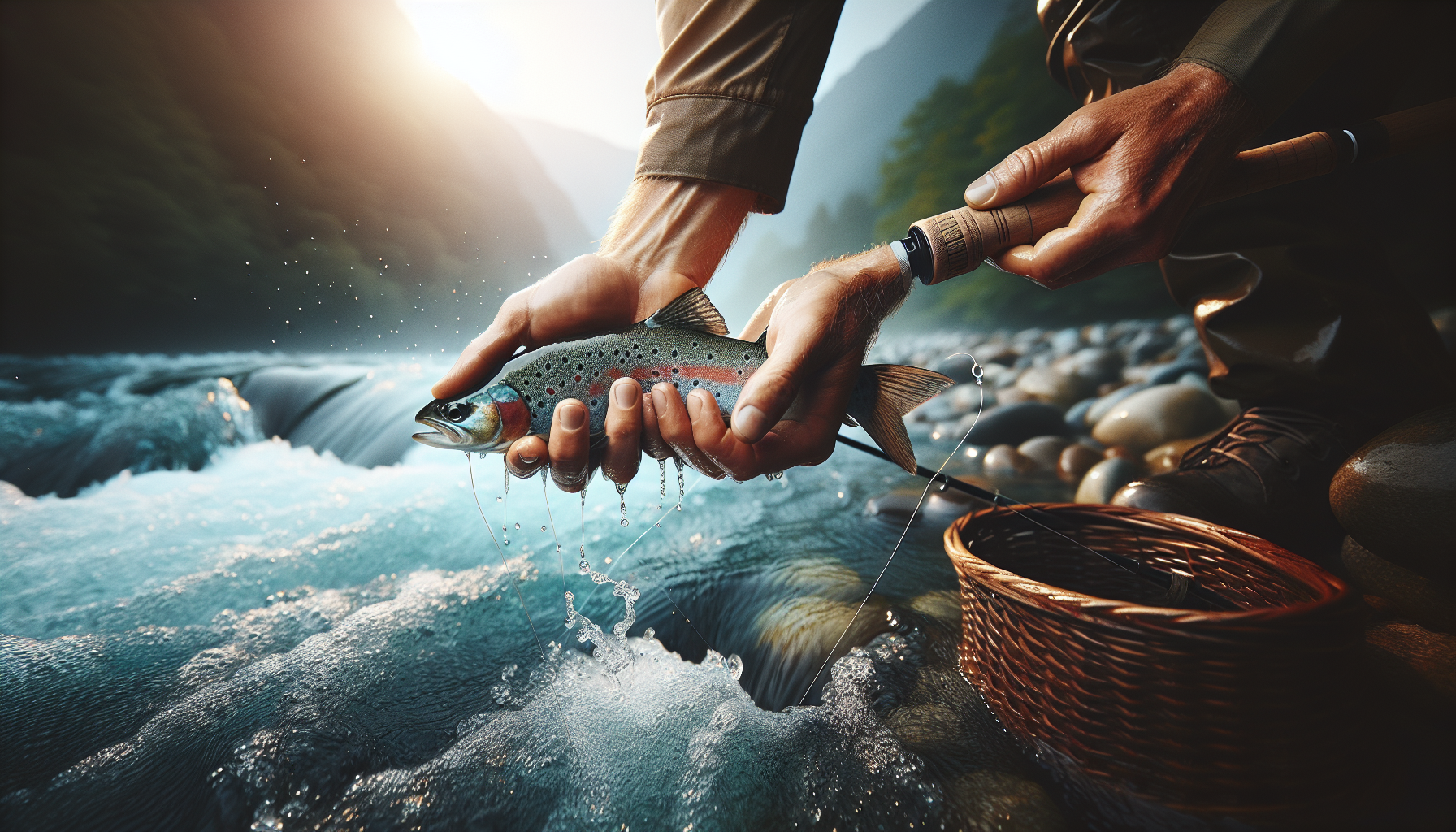
The most immediate effect you have as a fly fisher is on individual fish. A sustainable practice is any action that increases the chance that a released fish survives and resumes normal feeding and spawning behavior. The best metrics are straightforward: average fight time, average air exposure, percentage of fish landed without beaching, hook placement frequency, and release condition. Many biologists and agencies emphasize minimizing handling because stress rises with exhaustive fights, warm water, and time out of water. A practical benchmark is to keep air exposure as close to zero as possible and generally under ten seconds if a quick photo is taken. Better yet, photograph the fish partially submerged.
Water temperature is one of the clearest predictors of release risk. For trout, many anglers use 68 degrees Fahrenheit as a caution threshold, with some fisheries recommending anglers stop targeting them entirely when temperatures push into the upper sixties or beyond. The exact number varies by species and local conditions, but the principle does not: warmer water holds less dissolved oxygen, and fish recover more slowly. Measuring your impact therefore means carrying a reliable thermometer and logging temperatures when you fish. If you notice that your catches on hot afternoons require longer recovery, that is data telling you to fish earlier, target warmwater species instead, or skip the day.
Gear choices affect fish-level impact too. Heavier tippet within safe sporting limits often shortens fights, especially in fast current. Rubber nets reduce scale loss compared with abrasive mesh. Barbless or pinched-barb hooks usually speed unhooking and reduce tissue damage. None of this means every fish survives, and that nuance matters. Deep-hooked fish, fish played too long, or fish released in marginal conditions may die later. Measuring your impact honestly means recording those incidents instead of pretending they do not count. I advise anglers to keep a small log with four columns after each trip: fish landed, fish handled in water, fish exposed to air, and fish that needed prolonged revival. Patterns appear quickly.
Track habitat disturbance and streamside behavior
Many anglers underestimate how much impact comes from where they walk. Streambeds are not just rocks; they are nursery habitat, insect habitat, and spawning ground. Sustainable practices begin with learning to identify redds, the cleaned gravel nests where trout and salmon deposit eggs. Wading through redds can crush eggs and reduce recruitment long after the adults are gone. Measuring your impact here means noting whether you crossed spawning gravel, entered the river at hardened access points, stayed on established trails, and avoided trampling bankside vegetation. If a run can be fished from one stable position instead of ten random steps, that is measurable improvement.
Habitat impact also includes sediment. On small streams and spring creeks, careless bank entry can collapse undercut edges, loosen fine material, and cloud the water downstream. Sediment fills gaps between spawning gravels and lowers oxygen flow to eggs and aquatic insects. A useful self-audit is to rate each session for bank disturbance: none, minor, or visible. If you consistently leave slide marks, muddy entries, or broken vegetation, you have identified a fixable problem. I have seen heavily pressured access points recover when clubs added clear entry routes and anglers disciplined themselves to use them.
Boats create another category of disturbance. Anchoring in shallow spawning habitat, dragging hulls over grass beds, or beaching on fragile shorelines all add impact. On stillwaters, repeated passes over nesting bass or cruising carp can alter fish behavior during sensitive periods. Sustainable measurement is simple: record launch type, anchor use, shoreline contacts, and whether your route crossed obvious shallow habitat. On rivers with migratory fish, add whether you gave holding fish space and avoided repeated false casting over concentrated pods. Habitat protection is not abstract; it is the sum of repeated, observable actions.
Audit gear, waste, and contamination risk
Not all impact happens in the water column. Some of it sits in your vest, truck, and tying bench. Tippet spools, packaging, split shot, fly boxes, fuel containers, and worn waders all create material footprints. Sustainable practices ask you to reduce waste, choose safer materials, and prevent biological contamination between waters. A strong example is invasive species control. Felt soles have been restricted in some places because porous materials can transport organisms. Whether you use rubber or felt where legal, the essential practice is cleaning and drying gear thoroughly, and where recommended, using approved disinfection methods before moving between watersheds.
Lead is another measurable issue. Traditional split shot and some weighted materials can introduce toxic metal into aquatic systems and wildlife food chains. Alternatives such as tin, tungsten, and putty weights are widely available. Tungsten is denser and often more efficient, though usually more expensive. The point is not purity signaling; it is choosing materials with lower environmental risk where possible. I tell anglers to inventory terminal tackle once a season and calculate what percentage is non-toxic. That single number gives you a baseline and makes improvement visible.
| Impact area | What to measure | Low-impact benchmark | Practical improvement |
|---|---|---|---|
| Fish handling | Air exposure per fish | Zero to 10 seconds | Prepare net and forceps before lifting fish |
| Water conditions | Temperature at time of fishing | Within species-safe range | Carry a thermometer and stop when stress rises |
| Habitat | Bank entries and spawning gravel crossings | Use established access, avoid redds | Plan approach before stepping into the run |
| Materials | Percentage of non-toxic weights | Near 100 percent | Replace lead with tin or tungsten |
| Biosecurity | Gear cleaned between waters | Every transfer between drainages | Dry, inspect, and disinfect when advised |
| Waste | Line and packaging packed out | Zero left behind | Carry a dedicated trash pouch |
Waste is the easiest metric to improve. Count what you pack in and what you pack out. Lost leaders, clipped tippet, beverage cans, and food wrappers should never be incidental. Monofilament can entangle birds and mammals for years. A simple habit I use is a micro-trash pouch for tag ends and foil, emptied after every trip. You can also track fly loss in snag-heavy water. Some loss is unavoidable, but repeated break-offs may signal poor casting angles, over-weighted rigs, or fishing fragile structure too aggressively. In that sense, waste data can improve both skill and sustainability.
Calculate travel footprint and trip design
For many anglers, the largest environmental cost of fly fishing is transportation. A fifteen-minute walk to a local creek has a radically different footprint than a long drive to a famous tailwater or a flight to a destination lodge. Measuring your impact means acknowledging this honestly. Use simple categories: local day trip, regional drive trip, or flight-based trip. Then estimate distance traveled and frequency. You do not need laboratory precision to identify the biggest lever. If one annual destination trip equals dozens of local sessions in carbon terms, you now know where reductions matter most.
The answer is not that no one should travel. Travel supports guides, shops, lodges, and rural economies, and many anglers build lifelong conservation commitments by seeing important fisheries firsthand. The sustainable practice is better trip design. Carpool when possible. Fish longer once you arrive instead of making multiple short drives. Combine errands or family travel with fishing rather than creating an extra trip. Maintain tire pressure, reduce idling, and choose efficient routes. If you own a boat, factor towing mileage and launch frequency into your review. The goal is not guilt; it is informed choice.
Localism can be a conservation tool. When anglers invest more time in nearby waters, they often become better stewards because they notice changes in flow, temperature, litter, invasive plants, and access issues. I have watched people move from occasional visitors to active advocates once they began logging weekly sessions on the same river. Their travel footprint dropped while their stewardship value rose. If you want a useful annual metric, compare local days fished to destination days fished and aim to increase the local share unless there is a compelling reason not to.
Measure community stewardship and long-term contribution
Your impact is not limited to direct harm reduction. It also includes the positive value you create for fisheries and other anglers. This is where sustainable practices become larger than personal technique. Stewardship can be measured in volunteer hours, money donated to credible conservation groups, participation in public comment periods, mentoring of new anglers, and adherence to local regulations even when no one is watching. Organizations such as Trout Unlimited, Backcountry Hunters & Anglers, Bonefish & Tarpon Trust, and local watershed councils turn small individual effort into measurable habitat gains. If you never track these contributions, you may overlook one of the most important parts of your fishing footprint.
Education is a force multiplier. When one skilled angler shows five friends how to identify redds, handle fish correctly, or clean boots between watersheds, the impact compounds. The same is true online. Posting grip-and-grin photos of overhandled fish on dry rocks normalizes poor practice; posting thoughtful examples of in-water releases normalizes better standards. Measure what you model. Ask yourself how many anglers you influenced this season and whether your examples improved behavior or encouraged stress on fish and spots. Ethics spread socially, for better or worse.
The most effective approach is to build a personal impact scorecard and review it monthly during the season. Keep it simple enough to maintain: temperatures logged, average air exposure, fish requiring revival, visible habitat disturbance incidents, percentage of non-toxic tackle, gear cleanings between waters, miles traveled, trash packed out, volunteer hours, and dollars donated. A scorecard will not capture everything, but it will reveal trends. More importantly, it will push sustainable practices out of the realm of identity and into the realm of evidence. That is where real improvement happens, and it is how responsible fly fishers protect the waters they love.
Measuring your impact as a fly fisher is ultimately about replacing assumptions with records. Sustainable practices become meaningful only when you can see whether your actions reduce stress on fish, protect habitat, limit pollution, lower unnecessary travel, and strengthen the angling community. The key insight is that your footprint is multi-layered. You can handle trout perfectly yet still damage spawning gravel, or fish close to home yet spread invasive species through dirty gear. Good conservation and ethics require a wider view.
The encouraging part is that the best improvements are usually practical, affordable, and immediate. Carry a thermometer. Keep fish in the water. Use stronger tippet when conditions allow. Avoid redds and fragile banks. Replace lead. Clean gear between watersheds. Pack out every scrap of waste. Consolidate travel. Support credible conservation work. Teach others what good practice looks like. When you write these actions down and review them across a season, you create a feedback loop that makes each trip better than the last.
As the hub for sustainable practices, this page should guide every related choice you make on the water and beyond it. Start a simple log after your next outing and measure one category if that feels manageable. Then add another. Small, consistent records lead to better habits, healthier fisheries, and a form of fly fishing that remains worthy of the places and fish that make it possible.
Frequently Asked Questions
How can I realistically measure my impact as a fly fisher without turning every trip into a science project?
The best way to measure your impact is to focus on a few practical categories you can observe consistently rather than trying to track everything at once. Start by looking at fish handling, habitat disturbance, gear and waste, travel, and social influence. After each outing, ask simple questions: How many fish did I land? How long were they out of the water? Did I pinch my barbs or use single hooks? Did I step on redds, trample banks, or wade through sensitive spawning or nursery water? How far did I drive, and was that trip necessary or combined with other errands? Did I pack out all waste, including tippet clippings and leader material? Did my behavior encourage ethical fishing for others who were watching?
A simple fishing journal can make this process easy. You do not need a spreadsheet full of complicated formulas unless you want one. A small notebook or phone note with a few repeated fields works well: location, miles traveled, fish landed, fish lost, average fight time, estimated air exposure, water temperature, visible habitat disturbance, and waste packed out. Over time, patterns emerge. You may notice, for example, that you handle fish better on certain rivers, fish longer than ideal in warm water, or drive long distances for short sessions that could be replaced by local opportunities. That kind of pattern recognition is the real value of measurement. It turns vague intentions into visible habits, and visible habits are much easier to improve.
What are the most important signs that my fish handling practices are having too much impact?
Fish handling is one of the clearest areas where individual behavior matters, because the consequences are immediate even when they are not always obvious. A fish that swims away is not automatically unharmed. The main warning signs of excessive impact include long fight times, repeated air exposure, dry hands touching fish, squeezing the body, beaching fish on rocks or sand, and handling fish in warm water when stress is already high. If a fish rolls, struggles to maintain balance, takes a long time to recover, or drifts after release, those are strong signals that the encounter was too stressful.
To measure this more carefully, track a few indicators on your trips. Note how long the fight lasted, whether the fish remained in the water during release, and whether conditions were already stressful, especially water temperature. Many experienced anglers use a target of keeping fish wet as much as possible and limiting air exposure to an absolute minimum, ideally just a second or two if a quick photo is taken at all. Barbless hooks, heavier tippet when appropriate, and landing fish efficiently can reduce exhaustion significantly. If you begin to see that certain techniques, hook setups, or photo habits consistently lead to longer handling times, that is useful data. The goal is not perfection. It is to shorten the chain of stress from hookset to release so the fish has the best chance of full recovery.
How do I measure my effect on the river or shoreline habitat itself?
Habitat impact is often overlooked because it feels less direct than catching fish, but it is just as important. Riverbanks, spawning beds, aquatic vegetation, insect life, and shallow margins can all be affected by where and how you move. To measure your effect, pay attention to your entry and exit points, how often you cross the same section, whether you are breaking down vegetation, causing bank erosion, or wading through areas where fish may be spawning. On many trout streams, for example, redds can be easy to miss if you are not looking carefully. Once you train yourself to see them, avoiding them becomes part of responsible fishing.
A good habit is to review your path after each outing. Did you stick to durable access points, or did you create new ones? Did your boots leave visible damage in soft banks or side channels? Did you unnecessarily turn over rocks, disturb undercut banks, or push through fragile streamside plants? You can also note seasonal conditions, because the same river can tolerate very different levels of traffic depending on water level, temperature, and spawning activity. Measuring habitat impact is really about building awareness of cumulative disturbance. One careless step may not seem like much, but repeated pressure by many anglers in the same places adds up quickly. If your notes show you are using fragile access areas or high-risk sections often, changing your route can have a meaningful effect.
What role do travel, gear, and waste play in my overall impact as a fly fisher?
They play a much larger role than many anglers assume. When people think about impact, they often focus only on catch-and-release, but the footprint of a day on the water starts long before the first cast. Travel can be one of the biggest contributors, especially if you regularly drive long distances for single sessions. Gear matters too, from the materials and packaging involved in what you buy to how often you replace waders, boots, fly lines, and accessories. Waste includes obvious trash, but also less visible items like clipped tippet, damaged leaders, fly packaging, split shot, and lost gear left in the environment.
You can measure this by keeping rough but consistent records. Track mileage per trip, estimate fuel use if you want a clearer picture, and note whether you carpooled, combined trips, or chose a closer fishery. For gear, ask yourself how often you replace versus repair, whether you buy durable items, and whether your products contain materials with known environmental concerns. Waste is straightforward to track: record what you packed out, what you generated, and whether anything was accidentally left behind or lost. This is not about guilt. It is about understanding where your footprint is actually coming from. Many anglers are surprised to discover that a few smarter travel decisions, longer gear life, and better waste discipline may reduce impact as much as, or more than, small adjustments in other areas.
Can my behavior influence other anglers, and should that count as part of my impact?
Absolutely. One of the most underestimated parts of angling impact is the example you set. Fishing culture spreads through observation, conversation, and imitation. If newer anglers see you handling fish carelessly, crowding others, leaving mono on the bank, or fishing stressed water without concern, that behavior can normalize poor practices. The opposite is also true. If they see you release fish quickly, avoid sensitive habitat, respect space, pick up litter, and talk calmly about why those choices matter, you help raise the standard without lecturing anyone.
Measuring social impact is less exact than counting miles or fish landed, but it still belongs in the picture. Ask whether your actions make the fishery healthier, more respectful, and more sustainable for others. Did you share ethical information when it was appropriate? Did you model good fish handling? Did you avoid posting content that encourages overcrowding, mishandling for hero shots, or sensitive spot exposure? Did you support local conservation groups, report obvious violations, or participate in cleanups and habitat work? Your impact as a fly fisher is not just the footprint you leave physically. It is also the standard you reinforce. In a sport built heavily on shared norms, your example can ripple outward far beyond a single day on the water.