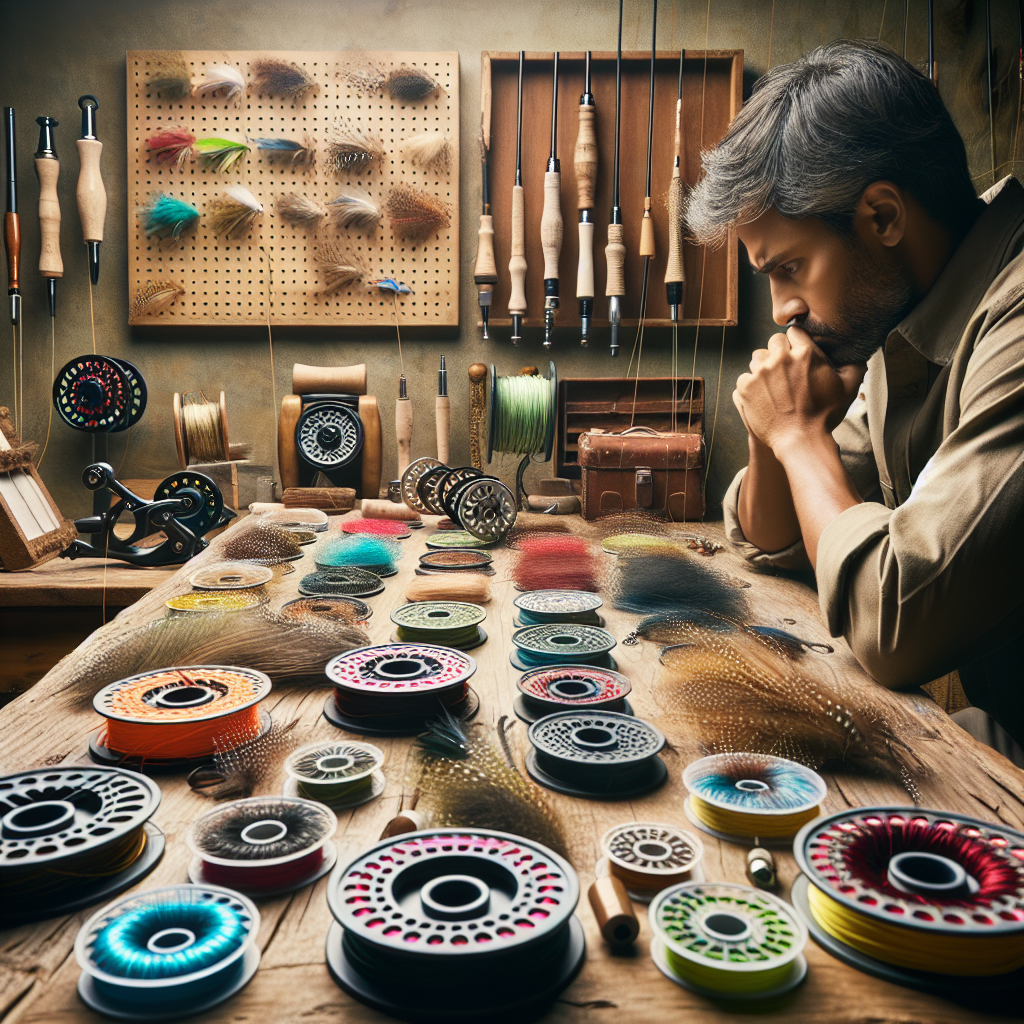
Fly fishing is a sport that requires patience, technique, and the right equipment. One of the most vital pieces of that equipment is the fly line. Often overlooked by beginners, the fly line plays a crucial role in casting distance, accuracy, and overall fishing experience. Selecting the right fly line can be the difference between a day of frustration and a successful fishing trip. This guide will walk you through the essentials of choosing the right fly line for your needs.
Whether you’re a newcomer to fly fishing or looking to upgrade your gear, understanding the basics of fly line selection can be incredibly beneficial. Fly lines are not a one-size-fits-all piece of equipment. They come in various shapes, sizes, weights, and types, each designed for different fishing situations and techniques. From freshwater to saltwater fishing and from dry fly to nymphing, the options can be overwhelming. However, by breaking down the key factors, you can make an informed decision that enhances your fly fishing experience.
In this article, we’ll discuss the different types of fly lines, their specific uses, and the factors to consider when choosing one. We’ll dive into the technical aspects, like weight and taper designs, and how they influence your casting and fishing technique. We’ll also touch on advanced considerations like line coatings and core materials, ensuring that you have all the information you need to make a well-rounded decision.
By the end of this guide, you’ll have a comprehensive understanding of fly lines, empowering you to select the one that best matches your fishing style and the environment you’ll be fishing in. So, let’s dive into the world of fly lines and discover how this critical piece of gear can enhance your fly fishing experience.
Types of Fly Lines
Fly lines come in various types, each tailored for different fishing scenarios. The primary types are Floating, Intermediate, Sink-Tip, and Full-Sinking lines. Selecting the right type of fly line is the first step in optimizing your fly fishing setup.
Floating Lines
As the name suggests, floating lines remain on the water’s surface. They are ideal for dry fly fishing, where you want your fly to sit on the water’s surface to attract fish. Floating lines are also versatile enough for nymphing and small streamer fishing in shallow waters.
Intermediate Lines
These lines have a slow sinking rate, usually between 1-2 inches per second. They are ideal for fishing just below the surface, in situations where fish are feeding a few feet under. Intermediate lines are excellent for lake fishing and situations where a more subtle presentation is necessary.
Sink-Tip Lines
Sink-tip lines have a floating main body with a sinking tip. This design allows the fly to sink while the rest of the line floats, making it easier to control your fly’s depth and retrieve. Sink-tip lines are perfect for river or stream fishing where you need the fly to get down quickly in fast-moving water.
Full-Sinking Lines
These lines sink at a consistent rate throughout their entire length. Full-sinking lines are used for deep water fishing, especially in lakes or ponds where fish are holding down deep. They come in various sink rates, allowing you to select the line that matches the depth you’re targeting.

Understanding Line Weight
The weight of the fly line is one of the most critical factors to consider. It is measured on a scale from 1 to 14, with 1 being the lightest and 14 being the heaviest. The weight of the line should match the weight rating of your fly rod for optimal performance.
Light Lines (1-3 Weight)
Light lines are designed for small streams and delicate presentations. They are best suited for catching small to medium-sized fish like trout in clear, calm waters. Due to their lightweight, they require more finesse and skill to cast effectively.
Medium Lines (4-6 Weight)
These are the most versatile lines, ideal for a wide range of fishing scenarios, including both fresh and saltwater environments. Medium lines can handle larger flies and moderate-sized fish, making them a good choice for those who want one line that can do it all.
Heavy Lines (7-9 Weight)
Heavy lines are designed for larger fish and more challenging conditions, such as strong winds or fast-moving waters. They are commonly used in saltwater fishing and for targeting large freshwater species like bass and pike.
Extra Heavy Lines (10-14 Weight)
These lines are reserved for the biggest game fish, including species like tarpon, marlin, and large salmon. They require a powerful rod and are used in extreme fishing conditions. Generally, these lines are used by seasoned anglers who need the additional strength and capability.
Taper Designs
The taper design of a fly line affects its casting performance and presentation. There are several taper designs to choose from, including Weight Forward, Double Taper, and Shooting Taper lines. Each design has its own advantages and is suited for specific types of fishing.
Weight Forward (WF)
Weight Forward lines are the most popular choice for beginners and experienced anglers alike. They have a heavier front section that helps load the rod quickly and deliver the fly with precision. This makes them ideal for long casts and windy conditions.
Double Taper (DT)
Double Taper lines have a symmetrical design with a consistent diameter throughout, except for the tapered ends. This design allows for smoother, more delicate presentations, and is excellent for roll casting. Double Taper lines are commonly used in short to medium distance casts.
Shooting Taper (ST)
Shooting Taper lines have a short, heavy front section followed by a thin running line. This design is excellent for distance casting and is often used in saltwater fishing where long casts are necessary. It also helps in quickly getting the fly line out, making it easier to cover more water.
Specialty Tapers
There are also specialty taper designs tailored for specific fishing techniques, such as nymphing or streamer fishing. These lines often have unique taper profiles that optimize them for their intended use, providing an edge in specialized fishing scenarios.
Line Coatings and Core Materials
The coating and core material of a fly line can significantly impact its performance. Modern fly lines are made with advanced materials that enhance durability, flexibility, and casting distance. Understanding these materials can help you make a more informed choice.
Coatings
Most fly lines are coated with PVC or polyurethane. These materials provide a smooth, durable surface that reduces friction during casting. Some premium lines also feature hydrophobic coatings, which repel water and improve floating ability. When choosing a fly line, consider the environmental conditions you’ll be fishing in, as certain coatings perform better in specific climates.
Core Materials
The core of the fly line determines its flexibility and strength. The two primary types of cores are braided and monofilament. Braided cores offer more flexibility and are less prone to memory, making them ideal for cold water fishing. Monofilament cores are stiffer and provide more strength, making them suitable for warm water and saltwater fishing. Select the core material that matches the conditions you’ll be fishing in for optimal performance.
Temperature Considerations
Different fly lines are designed for various temperature ranges. Cold weather lines are more flexible and perform better in cold water, while warm weather lines are stiffer to prevent tangling in hot conditions. Always check the temperature rating of the fly line before purchasing to ensure it suits the environment you’ll be fishing in.
Sink Rates
For sinking lines, the sink rate is an important factor. Lines are available in various sink rates, measured in inches per second (IPS). Choose a sink rate that matches the depth you wish to fish. For example, a slow sink rate is suitable for shallow waters, while a fast sink rate is ideal for deep lake fishing.
Matching Line to Rod and Reel
Ensuring that your fly line matches your rod and reel is crucial for achieving optimal performance. Each component in your setup should be compatible to avoid any imbalances that could affect your casting and fishing experience.
Rod Compatibility
Fly rods come with a line weight rating, usually indicated on the rod itself. This rating corresponds to the optimal fly line weight for that rod. For example, a 5-weight rod should be paired with a 5-weight line. Using a line that is too heavy or too light for your rod can lead to poor casting performance and potentially damage the rod.
Reel Compatibility
Your reel should also match the weight of your fly line. Reels are designed with specific line weight ranges, and using an incompatible reel can lead to line management issues and inefficient casting. Ensure that your reel has the appropriate capacity and drag system to handle the fly line and fish species you’re targeting.
Balancing the Setup
A well-balanced fly fishing setup ensures smooth casting and reduces fatigue. When assembling your gear, test the balance by holding the rod and reel as you would while fishing. The setup should feel comfortable and well-balanced in your hand, with no excessive weight at either end.
Line Backing
Line backing is an additional line that goes on the reel before the fly line. It provides extra length for fighting large fish and helps fill the reel to ensure optimal performance. The amount of backing needed depends on the reel’s capacity and the target species. Consult the manufacturer’s recommendations for the appropriate amount of backing for your setup.
Practical Tips for Fly Line Maintenance
Proper maintenance of your fly line extends its lifespan and ensures optimal performance. Here are some practical tips to help you care for your fly line:
Cleansing Your Line
Regularly clean your fly line to remove dirt, algae, and other debris that can affect its performance. Use a mild soap and warm water to gently clean the line, then rinse thoroughly and dry with a soft cloth. Cleaning your line after every few fishing trips can help maintain its smoothness and casting ability.
Storage
Store your fly line properly to prevent damage and tangling. Avoid exposing your line to extreme temperatures, direct sunlight, or chemicals, as these can degrade the material. Use a reel case or line spool to keep your line organized and protected between fishing trips.
Check for Wear and Tear
Regularly inspect your fly line for signs of wear and tear, such as cracks, abrasions, or weak spots. Pay special attention to the first few feet of the line, as this area is more prone to damage from casting and contact with the water. Replace the line if you notice any significant damage to ensure reliable performance.
Use Line Dressing
Line dressing products can enhance the performance of your fly line by reducing friction and improving floatation. Apply a small amount of line dressing to a clean cloth and run it along the length of your line. This can help maintain the line’s smoothness and extend its lifespan.
Conclusion
Choosing the right fly line is a critical step in enhancing your fly fishing experience. By understanding the different types of lines, their specific uses, and the factors such as weight, taper design, core materials, and coatings, you can make an informed decision tailored to your needs. Matching your fly line to your rod and reel, combined with proper maintenance, ensures optimal performance and longevity of your gear.
Remember, the right fly line can make a significant difference in your casting accuracy, distance, and overall success on the water. Take the time to consider your fishing style, target species, and the environments in which you’ll be fishing. With the knowledge gained from this guide, you’ll be well-equipped to choose the fly line that best suits your needs, enhancing your fly fishing adventures and increasing your chances of landing that prized catch.
Happy fly fishing!