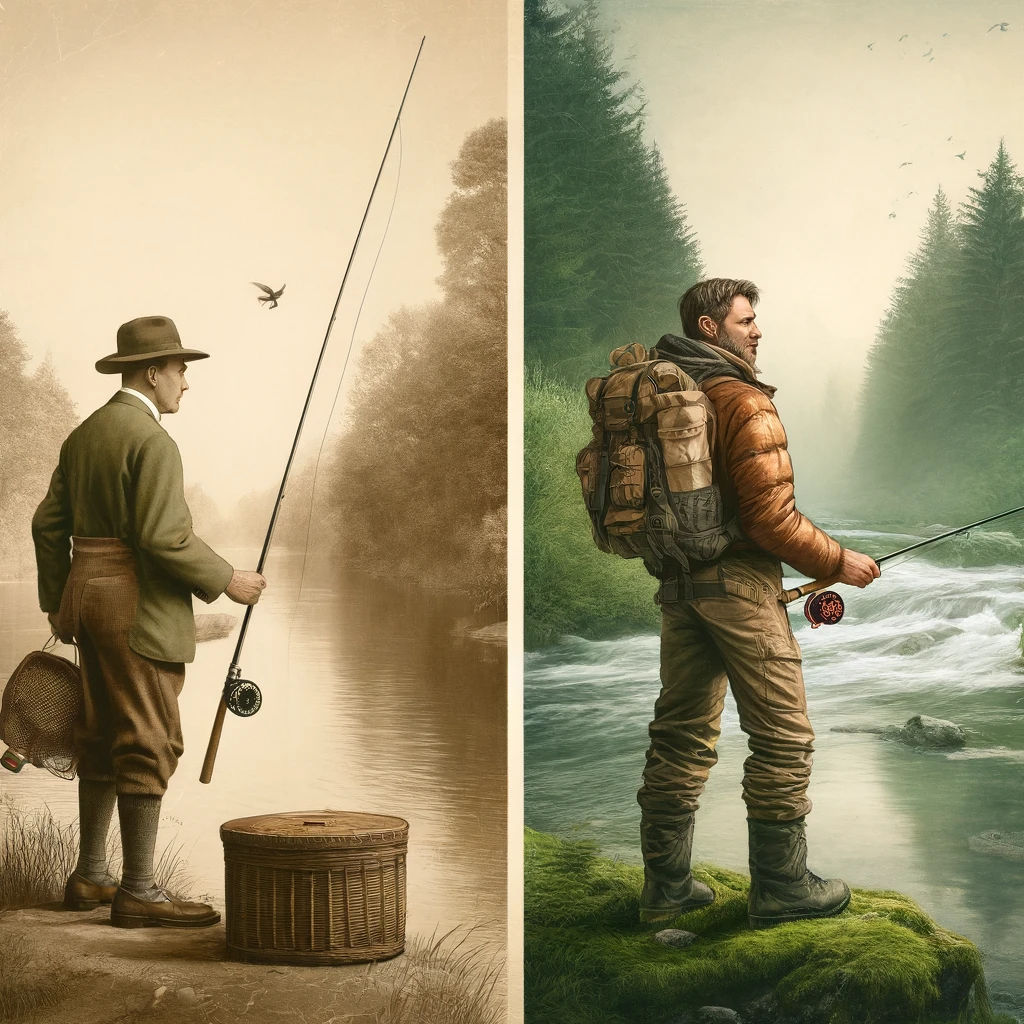
Fly fishing, an age-old tradition known for its serene beauty and the unique dance between angler and fish, can present particularly tough challenges during the heat of summer. Balancing comfort and success on those blistering hot days requires a combination of the right strategies, equipment, and an in-depth understanding of how fish behave in high temperatures. Whether you’re a seasoned angler or just getting started, summer fly fishing can offer some of the most rewarding experiences. This article will provide you with the insights and tips you need to tackle the challenges of summer fly fishing, ensuring both you and your catch stay cool and comfortable.
Timing Is Everything
One of the golden rules for fly fishing during summer is to fish during the cooler parts of the day. Early mornings and late evenings are prime times for fishing as temperatures tend to be lower, and fish are generally more active. During the middle of the day, when the sun is at its highest and the heat is most intense, fish tend to move to deeper, cooler waters, making them harder to catch.
If you have no choice but to fish during the hotter parts of the day, look for shaded areas, such as overhanging trees or structures that provide cover. These spots can offer cooler water and more active fish.
Moreover, understanding the habitat of your target fish species will help you to better predict their behavior and increase your chances of a catch. For instance, trout often prefer cooler temperatures and can be found in deeper pools or near inlets where fresh, cooler water flows in.
Additionally, keeping track of the local weather forecast can also be incredibly helpful. Sudden changes in weather, such as a cool front, can temporarily increase fish activity, providing a valuable window of opportunity for anglers.
Choosing the Right Fly
Choosing the right fly is essential for a successful summer fishing trip. During the hot months, fish tend to feed on different insect populations compared to other seasons.
Matching the hatch – selecting flies that mimic the insects currently hatching in the area – is a proven method during any season, and it’s particularly important in the summer. Pay attention to local insect activity and try to match the size, color, and behavior of the insects you see. In summer, terrestrial insects such as ants, beetles, and grasshoppers often become a significant part of fish diets, so having a variety of these flies in your tackle box is highly recommended.
Furthermore, consider using smaller flies during the hottest months. Fish can become more selective in their feeding habits when water temperatures rise, making them more likely to bite smaller, less conspicuous flies.
Experimenting with different fly types and presentations can also help. Sometimes, a subtle change in the way you present your fly can make all the difference. Whether it’s a slight adjustment in size, pattern, or even presentation technique, being adaptable and observant of fish behavior will enhance your chances of success.

Gearing Up for the Heat
Proper gear can make a substantial difference when fly fishing in hot weather. Wearing lightweight, breathable clothing helps keep you cool and comfortable throughout the day. Look for moisture-wicking fabrics that will help manage sweat and provide UV protection to shield your skin from harmful sun rays.
A wide-brimmed hat and polarized sunglasses are essential for protecting your face and eyes from the sun, reducing glare off the water, and allowing you to spot fish more easily. Also, don’t forget sunscreen and lip balm with SPF to protect your skin from sunburns.
Staying hydrated is crucial. Bring plenty of water and consider using hydration packs for easier access. Drinking water consistently throughout the day can help prevent heat-related illnesses and keep your energy levels up.
Lastly, ensure your wading gear is appropriate for higher temperatures. Lightweight, breathable waders and wading boots will keep you cool while providing the support and protection you need on rocky riverbeds.
Reading the Water
Understanding how to read the water is a valuable skill for any angler, especially when fly fishing in the summer. As temperatures rise, fish behavior and water conditions change, requiring a more strategic approach.
Look for structures that provide shelter and cooler temperatures. Deep pools, riffles (shallow, fast-moving sections of water), and areas with substantial shade are prime spots. Fish often congregate in these areas to escape the heat and to find food.
Pay attention to water clarity and temperature. Clear water in summer can make fish more cautious and selective, necessitating a stealthy approach. On the other hand, slightly murky water might make fish less wary and more likely to bite. Carry a thermometer to measure water temperature; cooler waters are usually more productive.
Check for currents and eddies. Faster currents tend to be more oxygenated and cooler, attracting fish. Meanwhile, eddies (circular water flows) can trap food, making them excellent fishing spots. By observing these features and adjusting your strategy, you can significantly improve your chances of a successful catch.
Fish Behavior in High Temperatures
Fish behavior changes noticeably with rising water temperatures, and understanding these changes is key to successful summer fly fishing.
Most fish species become less active in overly warm water as their metabolic rates increase, requiring them to consume more oxygen. Since warmer water holds less oxygen, fish will often move to areas where the oxygen levels are higher, such as deeper pools or faster-moving sections of a stream.
Fish might also be less aggressive and more selective in their feeding habits during the heat. They are less likely to chase after fast-moving prey and more inclined to conserve energy by feeding opportunistically.
Additionally, fish tend to be more cautious in clear, shallow waters that are typical during summer. Using longer leaders (the tapered line that connects your fly to your main line) can help present your fly more naturally without spooking fish.
Understanding these behavioral tendencies allows you as an angler to target the right areas and use the most effective techniques for catching fish during the summer months.
Conclusion
Fly fishing in the heat of summer presents unique challenges, but with the right approach and preparation, it can also offer some of the most rewarding experiences. By timing your outings to coincide with cooler parts of the day, choosing the right flies, gearing up properly, reading the water effectively, and understanding fish behavior in high temperatures, you can maintain your comfort and significantly improve your success rates.
Remember that each fishing trip is an opportunity to learn. Pay attention to the environment, observe how fish are responding to different conditions, and be willing to adapt your strategies as needed. By staying cool, both literally and figuratively, you’ll be better positioned to enjoy the full experience of summer fly fishing.
Ultimately, the joy of fly fishing lies not just in the number of fish you catch, but in the experience of being out in nature, honing your skills, and appreciating the simple pleasures of this age-old pastime. So, prepare well, stay hydrated, and have fun exploring the beautiful waters during the summer months.