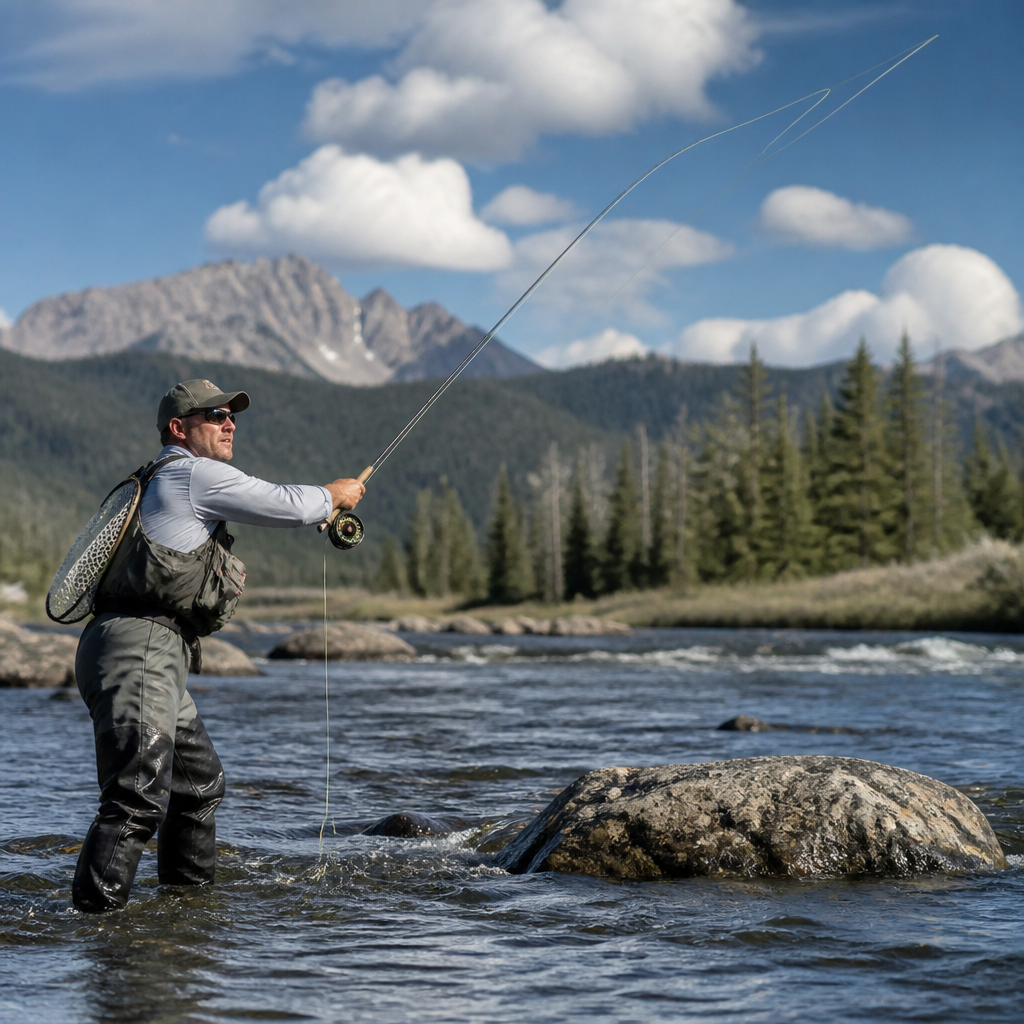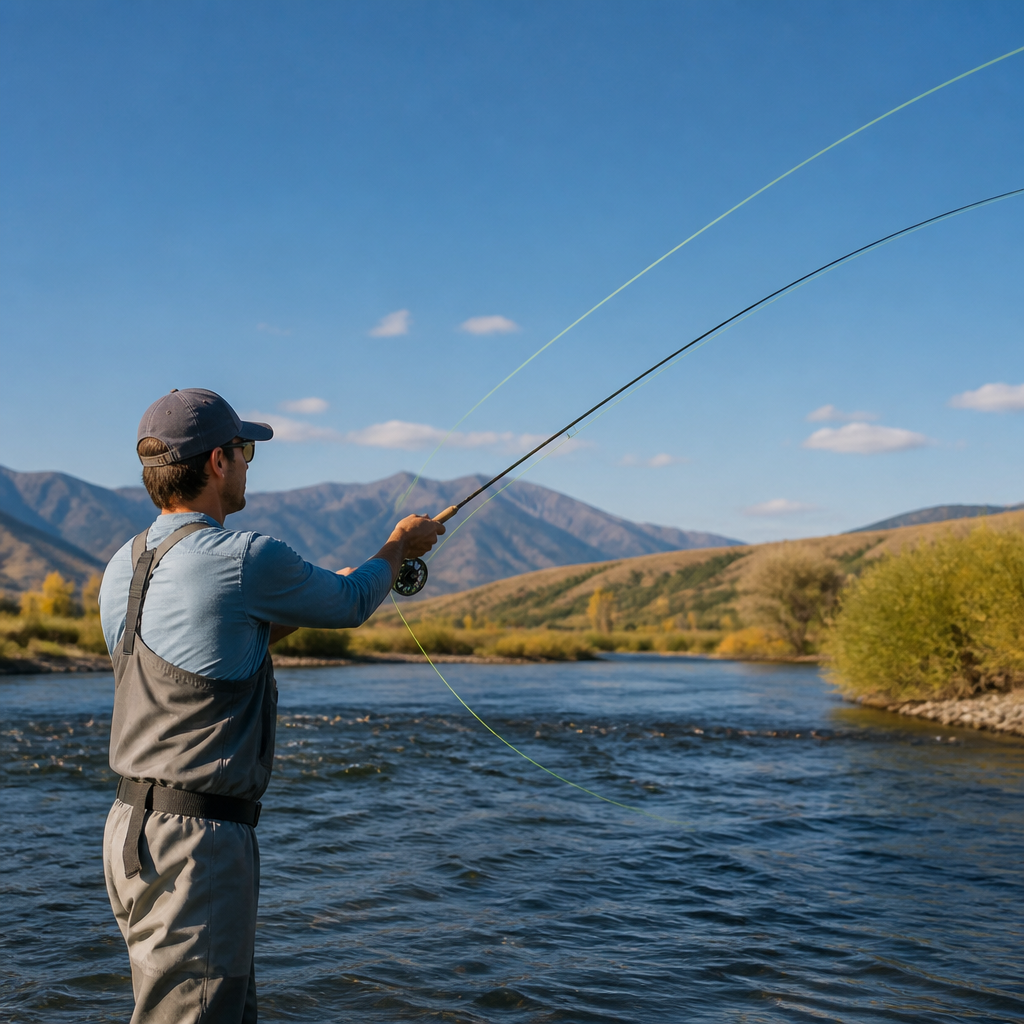
Fly fishing in tailwaters demands a different mindset from freestone fishing because the river below a dam behaves with unusual consistency, changing food supply, temperature, and current speed in ways that reward precise observation. A tailwater is the stretch of river immediately downstream from a dam or bottom-release reservoir, where regulated flows create stable aquatic habitat, long growing seasons, and trout populations that often reach exceptional size. In my own seasons guiding and scouting these rivers, from clear Western systems to Southern limestone-influenced tailwaters, the pattern repeats: anglers who understand water types and conditions catch fish consistently, while those who fish them like ordinary rivers struggle. This matters because tailwaters compress many variables into a manageable puzzle. Water temperature can remain cool through summer, insect hatches can become highly predictable, and trout can feed in remarkably specific lanes. At the same time, generation schedules, abrupt water-level changes, and extreme clarity make these fisheries technical. To fish them well, you need to read seams, shoals, shelves, gravel bars, drop-offs, and soft edges created by dam releases, then match your fly choice, leader design, and presentation to each situation.
As a hub topic within techniques and strategies, water types and conditions sit at the center of every decision you make on a tailwater. They determine whether you nymph with tiny midge larvae, drift a scud under an indicator, swing a soft hackle through a slick, or strip a streamer along a ledge during rising water. They also shape safety, access, and timing. On many productive rivers, one unit of generation can turn ankle-deep riffles into dangerous channels in minutes, and low-water windows may be the only practical time to wade. Learning tailwater fly fishing therefore means learning a system: how dams affect dissolved oxygen, how substrate influences aquatic life, how current speed changes trout holding positions, and how light levels alter feeding behavior. Once you understand those relationships, techniques and patterns stop feeling random. They become logical responses to measurable conditions, and that is what makes tailwater fishing one of the most exacting and rewarding forms of trout angling.
How tailwaters create unique trout water
Tailwaters are productive because dams moderate extremes that limit trout elsewhere. Bottom-release dams typically send cold, oxygenated water downstream, often keeping summer temperatures in a trout-friendly range near 45 to 60 degrees Fahrenheit. Stable temperatures extend insect activity and reduce the stress that hot afternoons place on trout in freestone rivers. Flows are also more consistent over seasons, which encourages dense populations of midges, mayflies, caddis, scuds, sowbugs, and aquatic worms. On famous fisheries such as the South Holston, Bighorn, White, and San Juan, that dependable food base helps trout feed year-round and grow large on relatively small prey.
Consistency does not mean simplicity. Tailwaters often have fewer obvious pocket-water lies and more subtle feeding lanes. The river may appear gentle, but trout use microcurrents, depth transitions, weed beds, and gravel depressions with precision. I look first for structure created by flow control: inside seams below shoals, shelves near islands, and soft cushions beside midstream ledges. Fish hold where they can conserve energy and intercept food drifting at a predictable speed. Because they see so much pressure, they often refuse flies that are only slightly off in size, color, or drift angle. That is why successful tailwater anglers pay attention to current tongues, not just the broad run in front of them.
Low water, wadable flows, and technical presentations
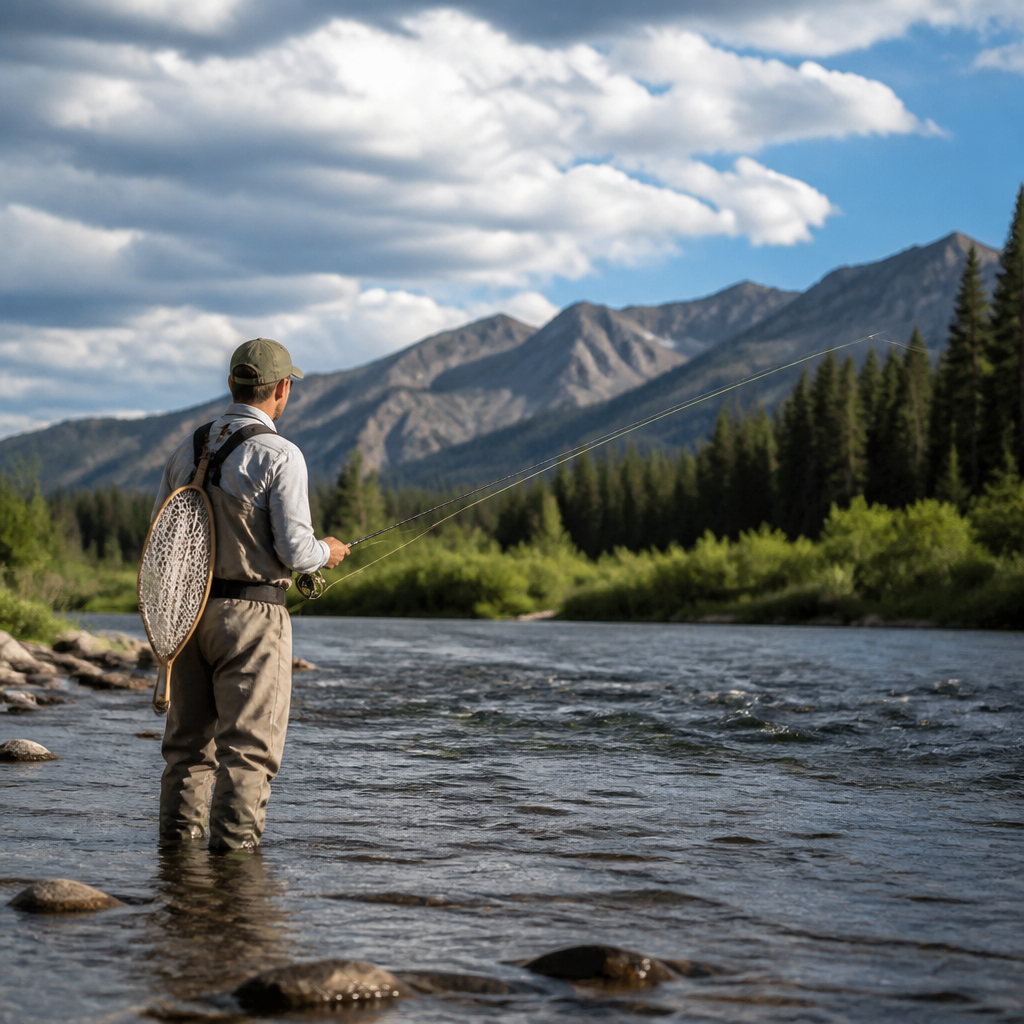
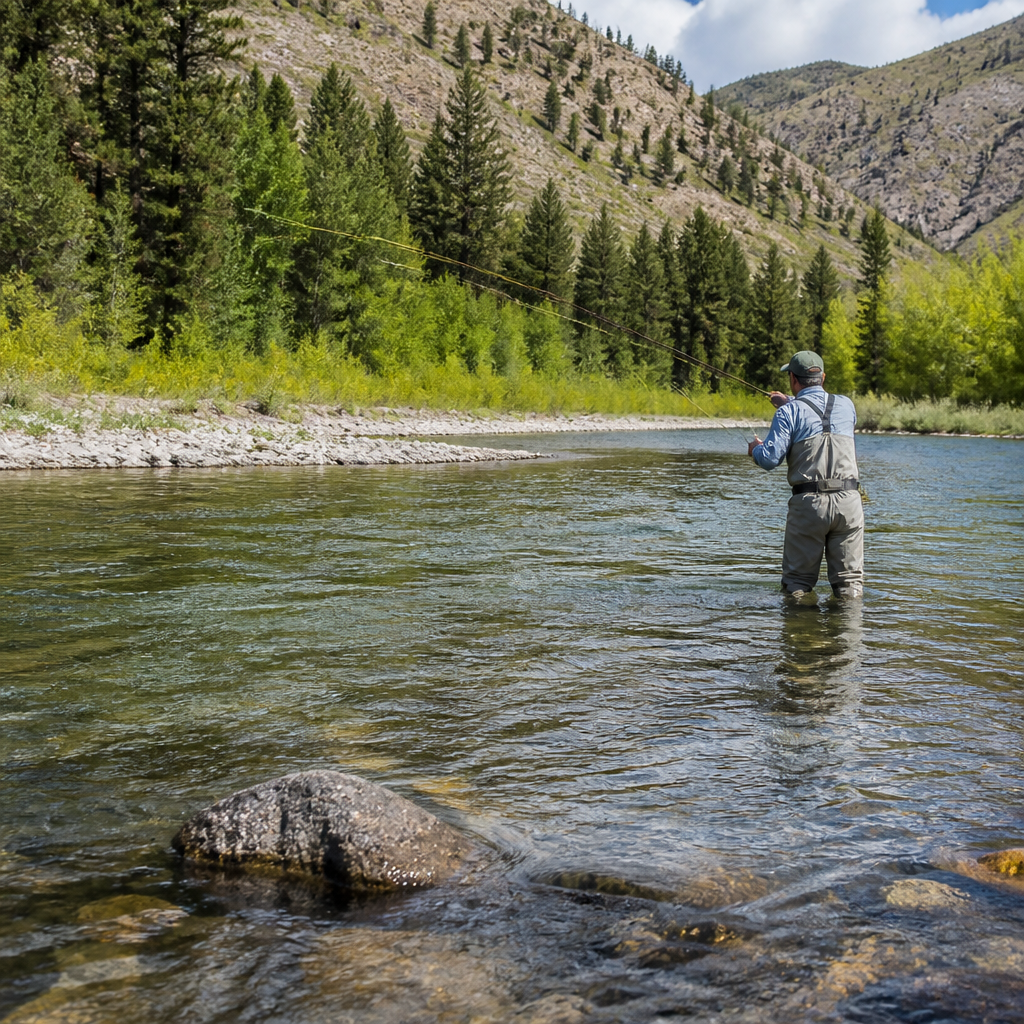
Low water is when many tailwaters reveal their architecture. Gravel bars emerge, side channels become visible, and trout settle into narrow buckets, troughs, and slicks where current brings food without forcing them to move far. These conditions favor wading, but they also expose anglers. Clear water and reduced depth make trout wary, especially on heavily fished rivers. Long leaders, fine tippet, muted clothing, and careful wading angles matter more here than on stained freestones.
During low flows, I usually begin with subsurface patterns that reflect the constant tailwater menu: zebra midges, thread midges, RS2s, pheasant tails, WD-40s, scuds, and sowbugs. Sizes 18 to 24 are common, with fluorocarbon tippet in 5X to 7X depending on current and fish size. A two-fly rig under a small indicator or with a tight-line approach lets you cover slight depth changes without excessive drag. Split shot placement becomes critical. Too far from the flies and they drift unnaturally; too close and they snag or stall. On flat glides, moving the weight six to ten inches can be the difference between ticking bottom and floating above feeding fish.
Low water also favors dry-fly opportunities during predictable hatches. Midges often emerge through winter and spring afternoons, while blue-winged olives, sulfurs, tricos, and caddis can bring fish to the surface in season. Tailwater trout rarely forgive sloppy line control. Reach casts, slack presentations, and downstream drifts are often more effective than standard upstream casts because they buy extra drag-free inches over fish holding in glassy current.
Generation flows, rising water, and repositioning trout
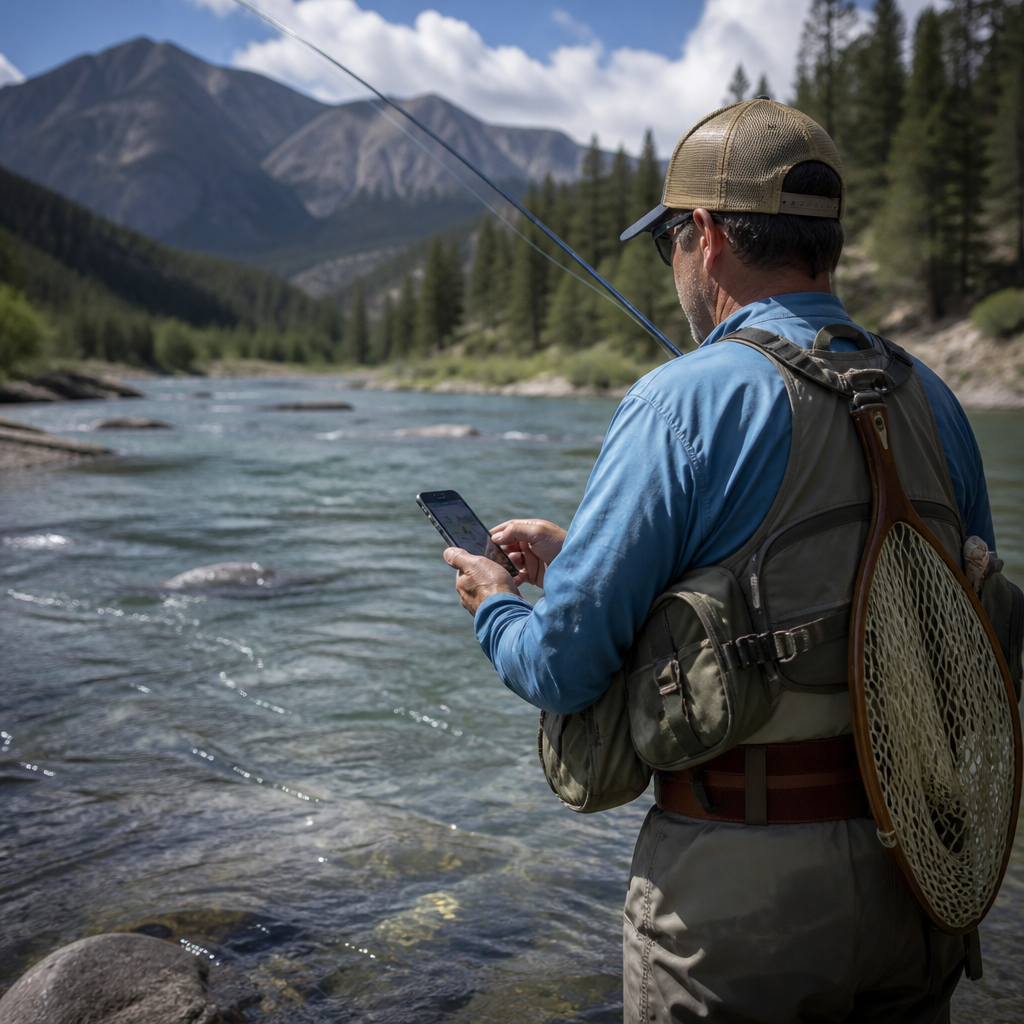
Generation changes everything on a tailwater. When turbines start, water depth, speed, and color can shift quickly, and trout respond by sliding toward banks, dropping behind structure, or moving onto freshly flooded shelves to exploit dislodged food. Rising water often turns a technical midge game into a streamer or heavier nymph scenario within an hour. The best anglers anticipate these transitions by checking release schedules from agencies such as the U.S. Army Corps of Engineers or the Bureau of Reclamation, then matching river sections to safe access points and likely trout movement.
As flows increase, the prime water is not always the middle of the river. Soft edges along banks, eddies below trees, and seams where fast water meets slower margin current become high-percentage targets. Larger indicators, heavier tippet, more weight, and flies with stronger profiles gain importance. I commonly switch to stonefly nymphs, jigged perdigons, worm patterns, leeches, and streamers in olive, black, or white when rising water pushes fish into opportunistic feeding. Trout have less time to inspect the offering, so presentation remains important but exact imitation becomes slightly less critical than depth and speed.
| Condition | Where trout hold | Best technique | Reliable patterns |
|---|---|---|---|
| Low, clear flow | Slicks, troughs, subtle seams | Light nymphing, precise dry-fly drifts | Zebra Midge, RS2, WD-40, BWO dry |
| Moderate stable flow | Riffle tails, runs, ledges | Indicator nymphing, euro nymphing, soft hackles | Pheasant Tail, Scud, Sowbug, Soft Hackle Pheasant Tail |
| Rising generation | Bank edges, current breaks, flooded shelves | Heavier nymph rigs, streamers | San Juan Worm, Pat’s Rubber Legs, Woolly Bugger, Sculpin |
| High sustained flow | Soft margins, back eddies, side channels | Boat fishing, streamer swings, deep indicators | Balanced Leech, Zonker, Egg pattern, Mega Prince |
One practical lesson from years on tailwaters is that the first hour of rising water can be excellent if you know your exits and respect the speed of the rise. Trout often feed aggressively as current dislodges worms, scuds, and immature insects. But no fish is worth gambling on a cut-off gravel bar. Build your plan around water movement, not just hatch timing.
Reading classic tailwater structure
Not all productive tailwater water types look dramatic. In fact, some of the best lies are barely visible unless you study surface texture and bottom contour. Riffles oxygenate water and concentrate drifting nymphs, making their tails especially strong feeding zones. Long flats can appear empty, yet they often hold pods of trout over darker weed lines or slight depressions in the gravel. Drop-offs at the heads of pools give trout a depth refuge while allowing quick access to passing food. Inside bends collect softer current and fine substrate, which can support scuds and sowbugs where aquatic vegetation is present.
Seams are the most important structure category because they let trout balance calories and effort. A fish can sit in slower water with its nose near faster current, intercepting food with minimal movement. On tailwaters with broad even flow, these seams may form around tiny depth changes, not obvious boulders. Polarized glasses help, but so does watching bubbles. If bubbles split and recombine, a current edge exists there, and trout may line up beneath it. I often make several drifts at different distances from that edge before changing flies, because the exact feeding lane may be only a foot wide.
Vegetation adds another layer. Weed beds host scuds, damselfly nymphs, snails, and sowbugs, and trout patrol their margins. Fish rarely sit deep inside dense weeds unless flows are high; they usually hold on the clean lanes beside them. A lightly weighted scud in tan, gray, or olive drifted along that edge can outperform more famous patterns by a wide margin.
Matching flies to food sources and seasonal conditions
The phrase match the hatch is useful on tailwaters, but match the biomass is often better. In many systems, trout eat subsurface food far more often than they rise. Midges dominate in winter and during non-hatch periods because they are abundant and available in all life stages. Larvae in red, black, olive, cream, and brown account for countless fish. Pupae and emergers such as the Mercury Midge and RS2 become important when trout suspend just below the film.
Scuds and sowbugs are staples on fertile tailwaters with vegetation or limestone influence. These patterns should not be tied as generic blobs. Good versions show segmentation, subtle translucence, and muted colors that match the riverbed. On the Missouri and Bighorn, pink or tan scuds can be excellent after flow changes or weed disturbance. On the San Juan, tiny gray and black midge patterns often outproduce larger mayfly imitations except during focused hatches.
Mayflies drive some of the most memorable dry-fly fishing. Blue-winged olives appear in cool, overcast weather; pale morning duns and sulfurs can dominate warmer months; tricos create demanding late-summer mornings with spinner falls that test both vision and patience. Caddis, craneflies, worms, and eggs also matter depending on the river. Streamers become especially relevant in off-color water, during shoulder seasons, or when larger browns key on sculpins and juvenile trout. The point is not to carry everything. It is to organize fly selection by water condition, dominant forage, and trout position in the column.
Presentation systems that solve tailwater problems
Tailwaters reward anglers who can switch presentation systems without ego. Indicator nymphing covers broad runs and varying depths efficiently, especially when fish are spread through a seam or shelf. Tight-line nymphing shines on low clear flows where direct contact improves strike detection and reduces dependence on bulky indicators. Dry-dropper rigs can be effective in riffled water but are less universal on smooth tailwaters where splashy dries spook fish. Swinging soft hackles is underused and deadly during caddis or midge emergences, particularly at the transition from riffle to glide.
Leader design deserves more attention than it usually gets. A standard nine-foot 5X leader is rarely enough for selective fish in flat water. I often fish twelve- to fifteen-foot leaders for dries, then adjust butt stiffness and terminal diameter according to wind, fly size, and current complexity. For nymphing, the distance between indicator, weight, and flies should mirror both depth and current speed. In deep generation flows, a simple rule helps: if you are not occasionally touching bottom, you are probably too high.
Mending is equally important. Good anglers mend not to move the indicator, but to reposition line so the flies drift at the speed of the subsurface current. On tailwaters with layered currents, that may require an upstream aerial mend on the cast, a stack mend after the fly lands, or feeding slack as the rig enters a slower tongue. The visible line is only the handle; the drift beneath the surface is what trout judge.
Safety, access, and building a repeatable plan
Because this article serves as a hub for water types and conditions, the final skill is turning observation into a repeatable plan. Start every trip by checking release data, weather, and water temperature. Mark access points that remain safe at different flows. On new tailwaters, spend the first hour reading structure instead of rushing casts. Note insect life on rocks, weeds, and the air above the river. Watch where experienced local anglers stand, but also where they avoid standing when water is rising.
Keep records. I log flow level, time of generation, clarity, productive depths, insect activity, and fly size after every serious outing. Over time, patterns emerge. You may learn that fish move to flooded grass banks at 1,500 cubic feet per second, that sulfur hatches peak when cloud cover holds to evening, or that the best midge window begins after the first direct sun reaches a winter flat. Those details are what separate random success from consistent tailwater fly fishing.
Fly fishing in tailwaters becomes far less mysterious when you view the river through water types and conditions first, techniques second, and fly patterns third. Stable temperatures, rich food webs, and regulated flows create extraordinary trout habitat, but they also demand precision. Low clear water calls for stealth, long leaders, and tiny imitations. Moderate stable flows open classic nymphing and hatch fishing. Rising generation shifts trout toward edges and structure, often rewarding heavier rigs and streamers. Across every scenario, the core principles stay the same: identify the feeding lane, control depth and speed, and match your flies to the dominant food actually available.
If you want to improve quickly, pick one tailwater and learn it at three different flow levels before chasing variety. Study release schedules, map safe access, and build a compact fly box around midges, scuds, sowbugs, mayflies, worms, and a few streamers. Then practice reading seams, shelves, riffle tails, and weed edges until they become obvious. Master the water, and the right techniques and patterns will follow.
Frequently Asked Questions
What makes tailwater fly fishing different from freestone river fishing?
Tailwater fly fishing is different because the river below a dam is shaped less by recent weather and more by controlled releases, water depth, and reservoir management. In a freestone stream, flows, temperature, and clarity can swing dramatically after rain, snowmelt, or heat. In a tailwater, those variables are often moderated, which creates a more stable and productive environment for aquatic insects, midges, sowbugs, scuds, and baitfish. That stability usually leads to healthier trout populations, longer feeding windows, and fish that see a steady diet all year.
From an angler’s perspective, that means you often need a more precise and disciplined approach. Trout in tailwaters commonly hold in predictable seams, shelves, gravel transitions, and soft current lanes, but they can also become highly selective because they feed so consistently. Fine tippets, exact depth control, realistic drifts, and close observation matter more than simply covering lots of water. Instead of chasing aggressive reaction strikes the way you sometimes can on freestone streams, tailwater fishing often rewards reading subtle rises, watching the drift of your indicator, and matching the dominant food form at the correct stage.
Another major difference is that dam releases can quickly change the character of the river. A section that is easily waded in the morning can become pushy or unsafe when generation begins. Successful tailwater anglers learn to monitor release schedules, understand how long water takes to move downstream, and adapt techniques to both low-flow and higher-flow conditions. In short, tailwaters tend to offer consistency, rich food supplies, and large trout, but they demand technical skill, patience, and attention to detail.
What are the best fly patterns to carry when fishing a tailwater?
The best tailwater fly box is built around dependable subsurface food sources first, then seasonal hatches second. In many tailwaters, midges are the foundation of the trout diet, especially during cold months or on heavily regulated systems with steady year-round productivity. That means you should carry a range of zebra midges, thread midges, midge larvae, and midge pupae in multiple colors such as black, red, olive, cream, and silver. Small mayfly nymphs are also essential, especially patterns that imitate blue-winged olives, PMDs, and baetis-style nymphs in sizes suited to your river.
Scuds and sowbugs are particularly important on many classic tailwaters because stable flows and aquatic vegetation support large populations of crustaceans. If your river has weeds, moss beds, or fertile flats, carrying several shades of gray, tan, pink, olive, and cream scud and sowbug patterns is smart. Worm patterns can also be highly effective, especially during flow changes, maintenance pulses, or after periods when food gets dislodged. For larger fish, small streamers, leeches, and baitfish patterns deserve space in the box, especially in low light, during higher generation, or when trout are feeding more aggressively.
Dry flies still matter, of course, but tailwater anglers usually do best when they understand whether trout are keyed on emergers, cripples, or adults. A selective tailwater trout may ignore high-floating adults while feeding steadily on insects trapped in the film. That is why it is wise to carry emergers, soft hackles, and sparse dry patterns alongside the obvious hatch matches. If you want one practical rule, carry more small flies than you think you need, and carry them in multiple weights and shades. On tailwaters, subtle differences in size, profile, and depth often matter more than flashy variety.
How should I adjust my techniques for changing tailwater flows and current speeds?
Changing flows are one of the defining challenges of tailwater fishing, and your technique should change with them. During lower, more stable flows, trout often hold in softer seams, shallow shelves, and defined feeding lanes where they can inspect food closely. In those conditions, longer leaders, lighter tippet, smaller indicators, and carefully weighted rigs usually produce the best drifts. Your goal is to present flies naturally without micro-drag, and that often means making short, controlled casts and managing line immediately after the flies land.
When flow increases, the river does not just get deeper; holding water changes. Trout often slide toward edges, inside seams, current breaks, drop-offs, and softer water adjacent to stronger current. At higher levels, bigger split shot, larger indicators, and heavier anchor flies may be necessary to reach the feeding zone. This is where many anglers fail: they keep fishing the same depth and same water type they fished at low flow. In reality, trout reposition, and your rig has to get down quickly while still drifting naturally through the softer slots where fish conserve energy.
Streamer fishing can also become more effective when generation rises because increased current pushes baitfish, worms, and dislodged invertebrates into predictable lanes. Likewise, nymphing becomes less about tiny visual cues and more about understanding where fish can feed efficiently in a stronger river. Always watch not only the published release schedule but also the river itself. A slight stain, floating debris, rising edges, or a stronger push at your legs can signal a change already moving through the system. On tailwaters, adjusting quickly is often the difference between fishing over trout and fishing to them.
What is the most effective way to present nymphs and emergers in a tailwater?
The most effective presentation usually starts with depth control, because trout in tailwaters commonly feed in very specific bands of the water column. A perfect fly pattern drifting too high might be ignored all day. Start by identifying whether trout are feeding on bottom-oriented food such as scuds, sowbugs, and midge larvae, or whether they are suspended and taking emergers. Then build your rig around that feeding level. For bottom-oriented trout, use enough weight to occasionally tick substrate without hanging constantly. For emergers, lighten the rig and allow flies to drift just off bottom or rise naturally at the end of the drift.
Indicator nymphing is effective on many tailwaters because it helps maintain consistent depth and reveals subtle takes, but it works best when the indicator is adjusted frequently rather than treated as fixed. Small depth changes can matter a great deal. Tight-line methods can also be excellent in shorter drifts, pockety tailwater sections, or when you need direct contact and immediate strike detection. In smoother glides and flats, however, a longer leader with a delicate indicator or a suspension-style setup may produce cleaner drifts and less spook trout.
Emerger presentations become especially important during midge and mayfly activity. Fish that appear to be rising lazily may not be taking adults at all; they may be intercepting insects in or just below the film. In those situations, trailing a small emerger behind a dry, fishing a soft hackle on a controlled swing, or using a lightly weighted two-fly rig can be far more productive than switching straight to dries. The key is to watch trout behavior closely. Splashy rises, bulges, noses, and subtle dimples all suggest different feeding positions. Tailwater success often comes from presenting the same food source at exactly the stage trout are targeting.
How can I locate big trout in a tailwater without spooking them?
Big tailwater trout are rarely random. They usually hold where food delivery, security, and energy efficiency come together. Look for transition water: the soft edge beside a stronger seam, the drop at the tail of a shelf, the inside cushion below a gravel bar, the slot beside aquatic vegetation, or the deeper bucket below a riffle that funnels food. Larger fish also favor structure that gives them cover from overhead pressure and angling traffic, including cut banks, shadow lines, deeper ledges, and less obvious side lanes that many anglers walk past.
Approach matters as much as location. Tailwater trout often live in clear water and see frequent pressure, so sloppy wading, false casting over the run, or approaching directly from downstream can put them down immediately. Move slowly, stay low when necessary, and begin by fishing the near water before stepping deeper. Many anglers charge to the “good-looking” middle seam and blow out fish holding ten feet from shore. Polarized glasses, careful observation, and a willingness to pause before casting are all part of finding larger trout consistently.
If you are specifically hunting bigger fish, fish early, late, during overcast periods, or around controlled flow changes when trout feel more secure and food becomes more mobile. Large trout in tailwaters may feed heavily on tiny insects, but they also respond to streamers, eggs, worms, and substantial nymphs when conditions line up. The best strategy is often to identify prime holding water first, then match your tactic to the mood of the fish and the current flow. Above all, think in terms of efficiency: where can a large trout hold comfortably while the river brings it the most food with the least exposure? Answer that question well, and you will find the fish that make tailwaters famous.