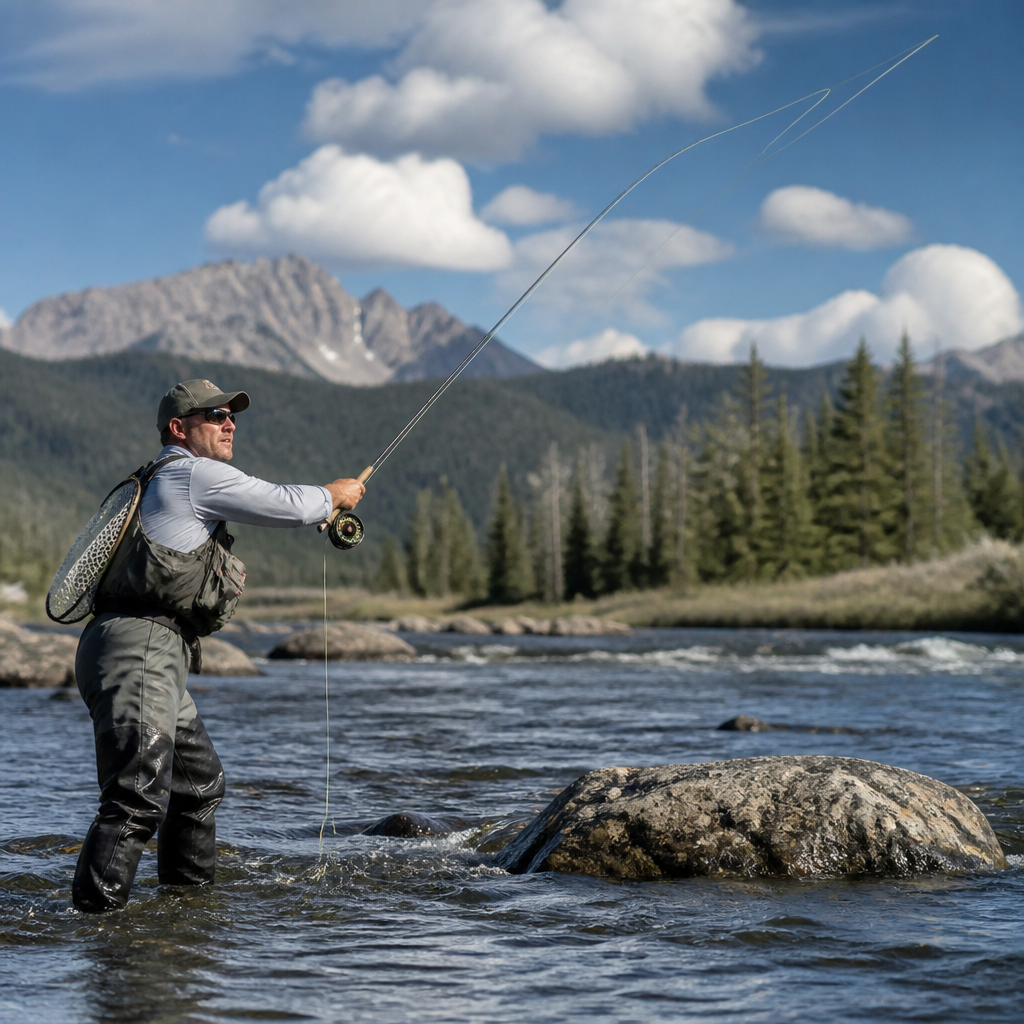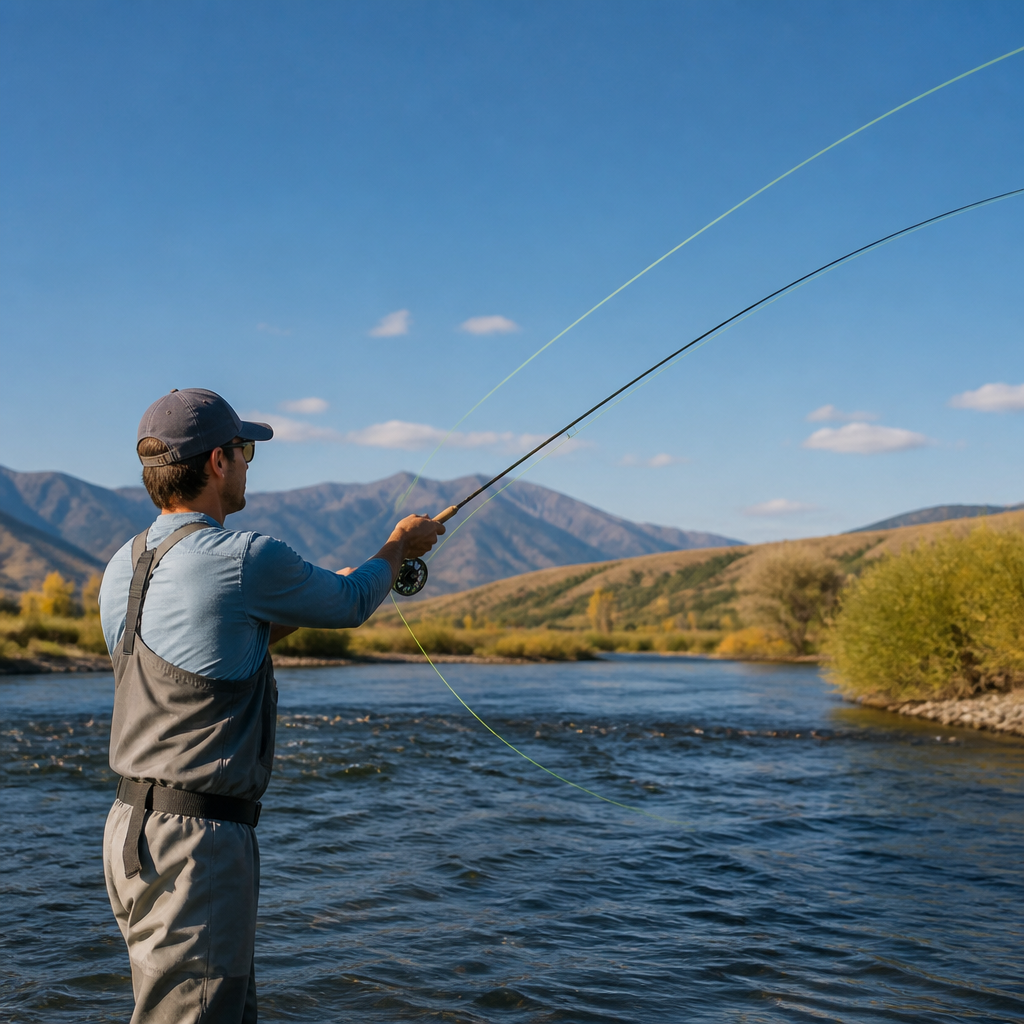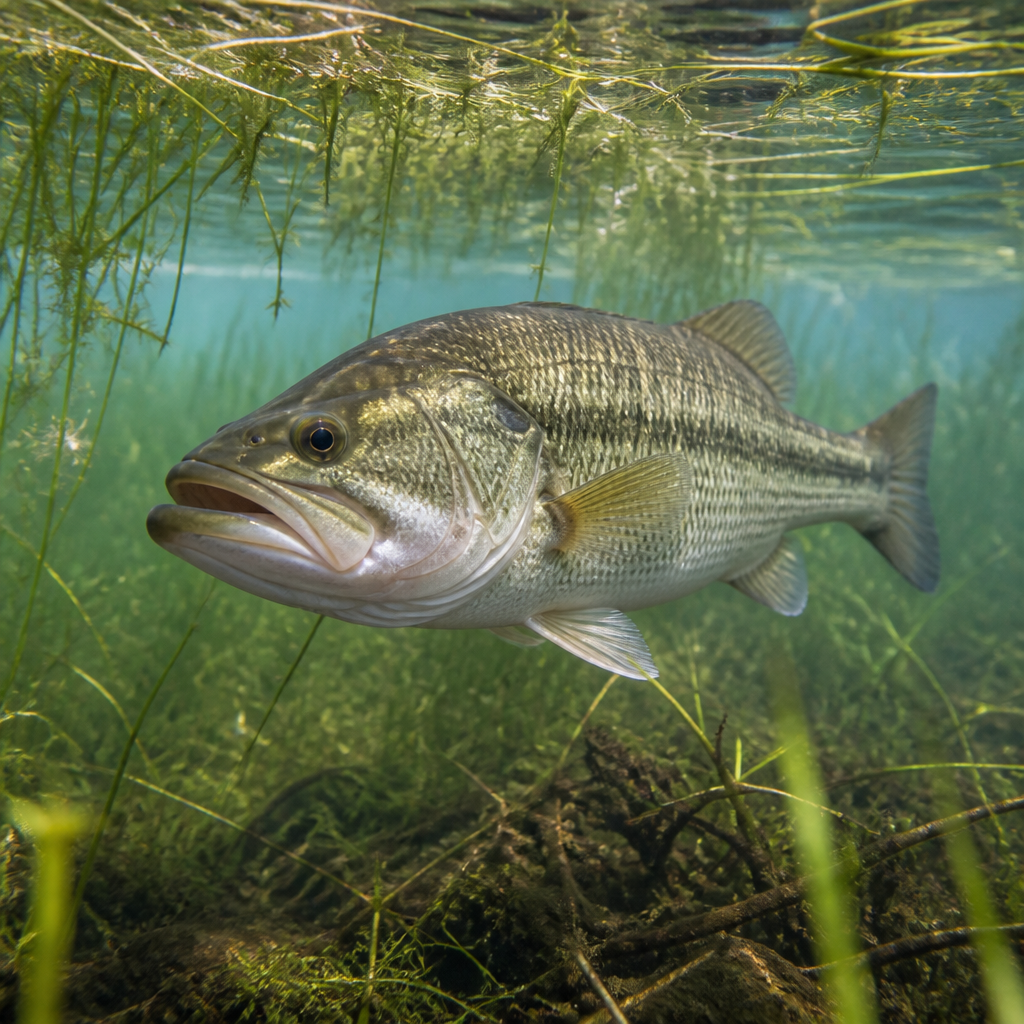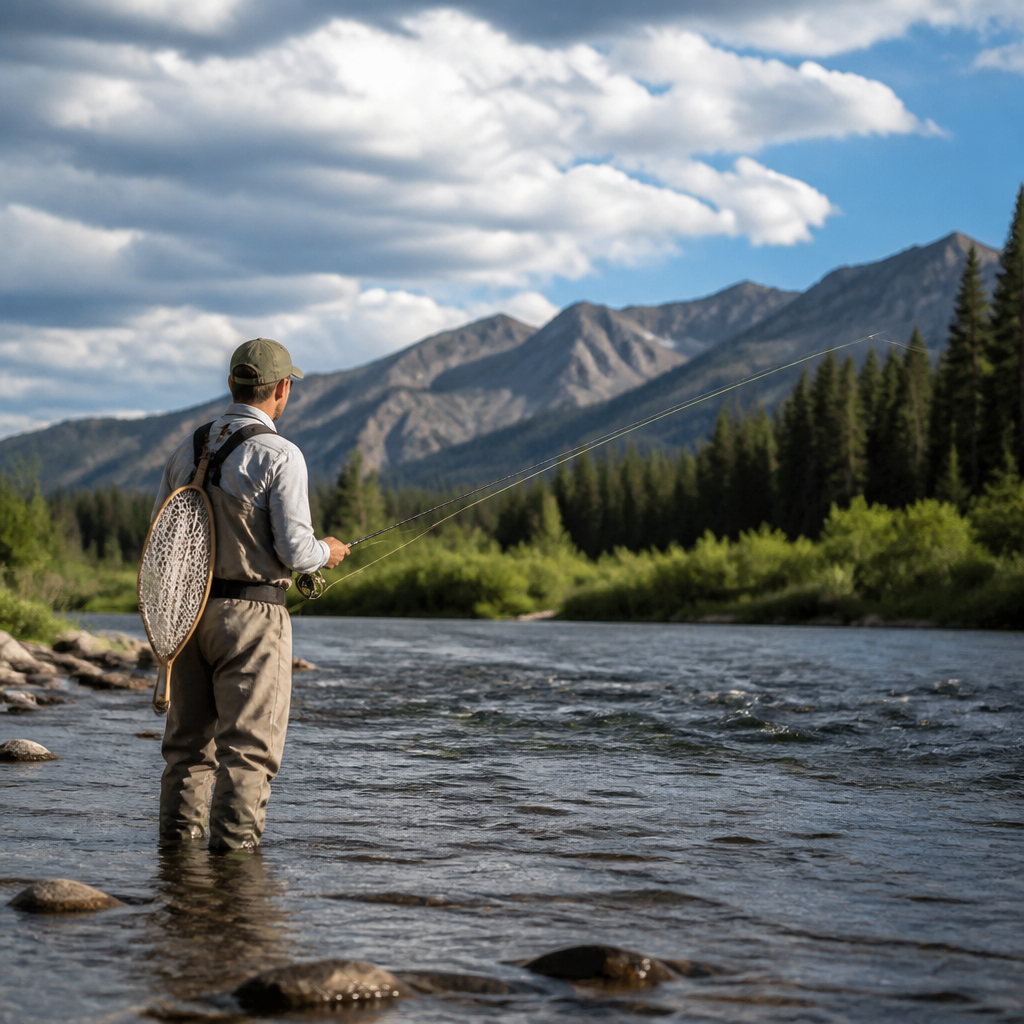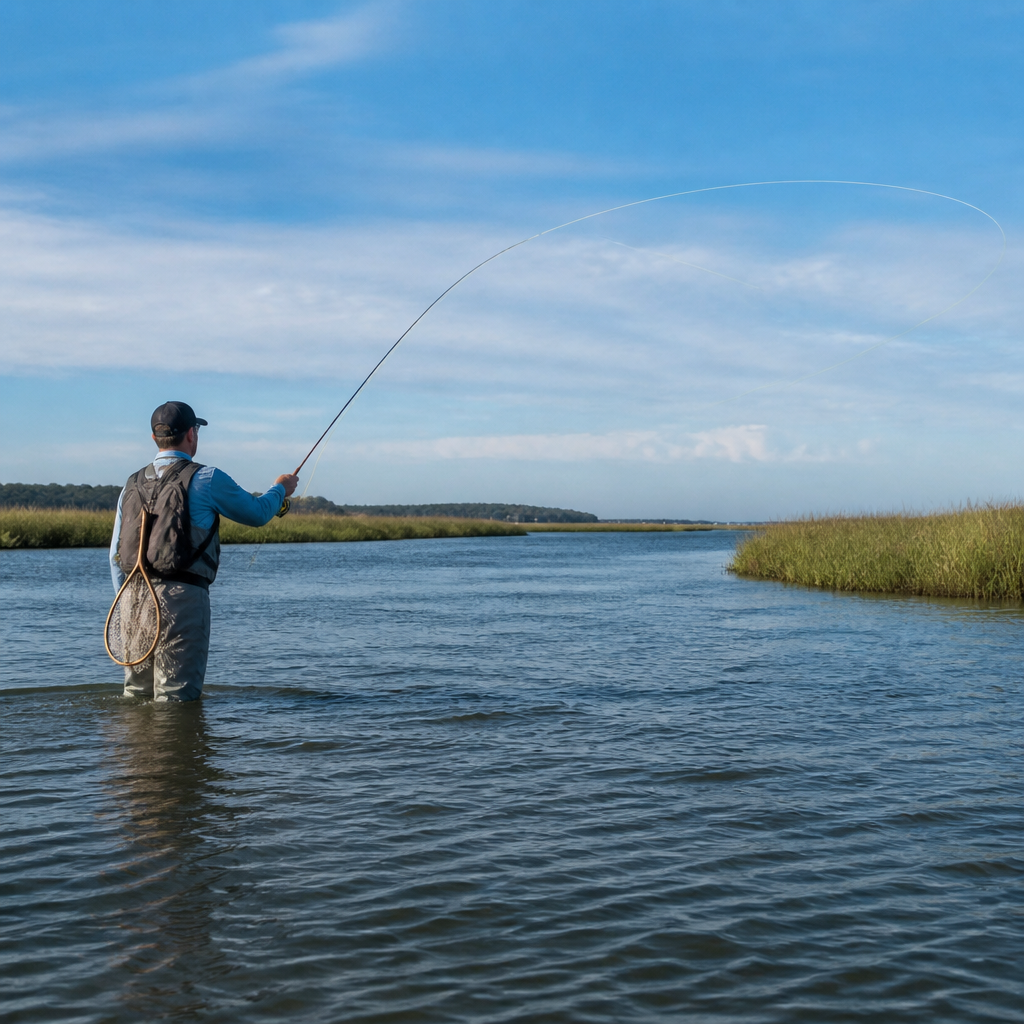
Fly fishing in estuaries demands a different mindset than river trout fishing or open-coast surf casting because estuaries are transition zones where saltwater and freshwater mix, tides reshape fish behavior, and changing clarity, depth, and current can turn the same flat from lifeless to excellent within an hour. For anglers building skill in water types and conditions, estuaries are one of the most instructive places to fish. They compress many variables into a compact system: channels, mudflats, eelgrass, oyster bars, creek mouths, drop-offs, and current seams all sit within easy reach, and each feature teaches a lesson about where bait gathers and where predators feed.
In practical terms, an estuary is any semi-enclosed coastal body of water connected to the sea and diluted by freshwater input. That includes tidal rivers, marsh creeks, bays behind barrier islands, mangrove lagoons, and broad deltas. Fly fishing in estuaries means reading salinity, tide stage, structure, and bait movement at the same time. It also means carrying gear that can cast in wind, resist corrosion, and present flies softly in skinny water or deeper channels. Species vary by region—striped bass and sea-run cutthroat in the Pacific Northwest, redfish and speckled trout along the Gulf Coast, schoolie bass and bluefish in the Northeast, sea bass and mullet hunters in parts of Europe and Australia—but the underlying strategy stays remarkably consistent.
Why does this matter? Because estuaries are nurseries, feeding zones, and travel corridors. Many game fish enter them to exploit shrimp, crabs, sand eels, mullet, anchovies, juvenile herring, and worms concentrated by tide. If you learn to decode water types and conditions here, you build transferable skill for flats, beaches, inlets, and lower rivers. I have spent enough dawns wading mud edges, poling shallow bays, and watching bait shower off channel lips to say with confidence that success rarely comes from random casting. It comes from matching the water in front of you to the behavior fish are likely to show under that exact combination of flow, light, wind, and temperature.
This estuary fly fishing hub explains the gear, water-reading, and tactical decisions that matter most. It covers what rod and line setups work, how to fish specific estuary features, how tides and weather alter the bite, and what mistakes cost anglers fish. If you want one clear framework for approaching water types and conditions in estuaries, start here and treat every outing as a lesson in moving water.
Essential fly fishing gear for estuaries
The most versatile estuary outfit is a fast-action 6- to 8-weight rod matched to a sealed-drag reel and a line system suited to both shallow and moderately deep water. A 6-weight is excellent for schoolie striped bass, sea-run cutthroat, small redfish, and calm conditions. A 7- or 8-weight handles wind better, turns over crab and baitfish flies, and gives you more control around current and structure. In most estuaries I prefer a 9-foot rod because it balances casting efficiency with line control, though an 8-foot 6-inch rod can be useful from a kayak or small skiff where lower swing weight helps repetitive short casts.
Your reel matters less for brute stopping power than for corrosion resistance, startup smoothness, and dependable drag under sand and salt exposure. Large-arbor designs pick up slack quickly when fish eat on a moving tide and run toward you. A sealed drag is worth paying for because fine silt and salt crystals destroy cheaper systems over time. Rinse reels lightly with freshwater after every trip, let them dry, and periodically inspect backing, frame screws, and spool edges. Estuary fish often are not giant, but the environment is unforgiving on tackle.
Fly lines should match common water depth, current speed, and presentation angle. Floating lines are indispensable on mudflats, grass edges, and topwater bait pushes. An intermediate line is the workhorse choice in many bays because it keeps contact in chop, cuts surface current, and fishes streamers just below the film where baitfish often travel. Sink-tip or integrated shooting-head systems help on channel edges, deep creek mouths, and fast tidal cuts. Leaders are usually shorter and stouter than trout anglers expect: 7.5 to 9 feet is standard, with fluorocarbon tippet in the 10- to 20-pound range depending on species, shell, and fly size.
Clothing and wading gear are not secondary concerns. Estuary bottoms can include ankle-sucking mud, sharp shell, ray habitat, and sudden drop-offs. Felt soles are ineffective or prohibited in many areas; sticky rubber with studs often performs better on mixed shell and clay. A stripping basket helps in surfy wind or when wading eelgrass and broken shell. Polarized glasses are mandatory for seeing current seams, bottom color changes, bait movement, and cruising fish. A waterproof pack should hold leaders, pliers, spare spool or line wallet, floatant for specific patterns, and a simple first-aid kit. Good estuary preparation is less glamorous than fly choice, but it saves trips.
How to read estuary water types and conditions
Water types and conditions determine where fish can feed efficiently, and in estuaries efficiency is everything. Predators use current to trap prey against edges, funnel bait through bottlenecks, or pin shrimp and crabs over harder bottom. Start by separating the estuary into feeding lanes rather than broad scenery. Look for current seams where fast and slow water meet, creek mouths draining marsh interiors, channel bends that scour depth, points exposed to tide, submerged bars, and flats adjacent to deeper escape water. Fish do not simply occupy structure; they position where moving water brings food within a short strike radius.
Clarity matters, but anglers often misread it. Slightly stained water is frequently ideal because it gives predators cover while still allowing them to track bait by vibration and flash. Extremely clear water demands longer leaders, cleaner presentations, and more cautious approaches, especially on bright days and slack tides. Very dirty water can still fish well near points of contrast: cleaner incoming water, warm outflows, shell edges, and channel intersections where fish rely on silhouette and pressure changes. I routinely judge clarity by whether I can see my boots in knee-deep water and by how distinctly I can make out bottom transitions from sand to mud or shell.
Bottom composition is a major clue. Sand warms and cools quickly and often holds baitfish. Mud retains heat, supports worms and crustaceans, and can attract fish in cold spells when a sunny low tide warms shallow margins. Shell and oyster provide current breaks and concentrate forage, but they punish weak tippet. Vegetation such as eelgrass and spartina edges oxygenates water, shelters shrimp and juvenile fish, and creates ambush lanes on flooding tides. In many estuaries the most productive water is not the deepest or the prettiest; it is the place where a bottom change, a current seam, and nearby bait overlap.
| Estuary feature | What it tells you | Best fly approach |
|---|---|---|
| Creek mouth on falling tide | Shrimp, minnows, and crabs are being flushed into open water | Cast across the current, let the fly swing, then strip short and sharp |
| Channel edge beside a flat | Fish move up to feed, then drop back for security and temperature stability | Fish an intermediate or sink-tip line parallel to the drop-off |
| Windward shoreline | Wind piles bait, oxygen, and suspended food against the bank | Use baitfish patterns with enough weight to maintain contact in chop |
| Oyster or shell bar | Current breaks and hard edges hold crabs and disoriented bait | Present crab or shrimp flies upcurrent and crawl them naturally |
| Flooded grass or mangrove edge | Predators push shallow to hunt crabs, shrimp, and trapped fry | Accurate short casts with weedless patterns and quick pickups |
Tides, current, and timing your session
Tide stage is the master variable in estuary fly fishing because it controls depth, speed, access, and bait displacement. The best tide is not universally high or low; it is the stage that makes a specific feature come alive. Falling tides often fish best because marsh drains and feeder creeks concentrate prey as water leaves the flats. Incoming tides can be just as strong where fish push onto newly flooded ground to hunt crabs and shrimp. Slack water, especially at the top of a tide, usually reduces feeding intensity unless there is wind-driven movement, boat wake surge, or a persistent river push.
Current strength changes how you should position and cast. On fast exchanges, fish often hold on softer inside bends, eddies behind shell bars, and the slower edge of a seam where they can intercept food without burning energy. On moderate flow, they may spread farther across flats or roam channel shoulders. Many anglers cast straight into heavy current and strip too quickly, creating an unnatural speed. A better method is often a quartering cast that allows the fly to swing across the lane naturally before you animate it. This is especially effective with sand eel, shrimp, and sparse baitfish patterns.
Timing also depends on access. If you wade, fish the window that lets you reach structure safely and retreat without getting trapped by a flooding channel. If you fish from a skiff or kayak, use tide to plan drifts and stakeout points rather than constantly chasing moving fish. Tide charts from NOAA, Navionics mapping, and local current stations give a starting point, but they do not replace on-water observation because wind, rain, and barometric shifts alter actual water height. Keep notes on when bait first appears, when birds begin working, and when fish switch from cruising to aggressively feeding. Patterns repeat more than many anglers realize.
Choosing flies and presentations for estuary species
The best estuary flies imitate what fish are eating now, not what is most famous in a catalog. Productive categories are baitfish, shrimp, crab, worm, and occasionally topwater patterns. Clouser Minnows, Deceivers, EP baitfish patterns, small shrimp flies, bendback baitfish, and simple crab imitations catch fish across regions because they suggest common prey and can be adapted in size, weight, and color. Olive, white, tan, gray, and translucent tones are reliable. In stained water, adding chartreuse, pink, or copper flash can improve visibility without looking gaudy.
Presentation matters more than pattern detail. Baitfish flies should track like vulnerable prey: short bursts, brief stalls, and occasional directional change. Shrimp patterns often work best with quick strips followed by a pause that lets the fly settle. Crab flies should move slowly, especially for redfish and other bottom-oriented feeders; too much motion looks wrong. Match fly weight to depth and bottom. Heavy eyes help in channels but snag on shallow shell and spook tailing fish on calm flats. When fish are following but not eating, first adjust retrieve cadence and angle, then size, then color.
Species-specific behavior refines these choices. Striped bass in estuaries frequently pin bait against rips, sod banks, and channel edges, making intermediate lines and slim streamers ideal. Redfish often root over mud, potholes, and flooded grass, where weed guards and accurate casts beat long-distance hero shots. Sea-run cutthroat commonly patrol current edges and beachlike estuary margins looking for fry and shrimp, rewarding smaller sparse patterns and steady strips. Speckled trout suspend over grass and drop-offs and often respond to pauses. Knowing these tendencies helps, but always let visible bait and water type make the final decision.
Weather, seasonal shifts, and common mistakes
Weather reshapes estuary conditions faster than many inland anglers expect. Wind can improve fishing by stacking bait on a shoreline, masking your approach, and oxygenating warm shallows, but it can also muddy flats or make precise presentations impossible. Temperature controls where fish hold in the water column and how far they will move to eat. In cold months, dark mud and deeper channels can be key. In heat, dawn tides, current-rich mouths, and oxygenated wind lanes become more dependable. Rain lowers salinity near river inputs and can either stimulate feeding or push fish toward more stable water, depending on species tolerance and runoff quality.
Seasonally, spring often brings migration, warming flats, and shrimp or baitfish surges. Summer expands access to flooded vegetation and early-light topwater windows, though midday heat can slow shallow action. Autumn is prime in many estuaries because bait concentrates, young-of-year fish are abundant, and predators feed heavily before winter. Winter usually narrows productive windows but rewards anglers who find warm mud, stable salinity, and slower presentations. Local forage calendars matter. If mullet are present, fish larger profiles. If worm hatches occur, downsize dramatically. If glass minnows flood the system, use slim translucent flies and avoid overpowering retrieves.
The most common mistakes are moving too fast, ignoring water level, false casting over fish, and fishing empty water simply because it looks scenic. Another costly error is failing to observe before stepping in. Spend two minutes scanning for wakes, nervous bait, flickering shrimp, birds, and subtle pushes on a seam. In estuaries, each cast should answer a question about current, depth, or prey movement. That mindset shortens the learning curve dramatically. Build your approach around water types and conditions, carry gear that matches salt, mud, and wind, and keep detailed notes after each trip. Do that consistently, and estuary fly fishing stops feeling unpredictable and starts feeling readable. The reward is not just more fish, but a repeatable system you can apply anywhere tides meet fresh water. Start with one estuary, learn its stages, and fish it with purpose.
Frequently Asked Questions
What makes fly fishing in estuaries different from river or surf fishing?
Estuaries fish differently because they are constantly changing transition zones where freshwater and saltwater meet. Unlike a river, where current direction is generally stable, or the open surf, where wave energy dominates, an estuary is controlled by tides, salinity shifts, depth changes, bait movement, and water clarity that can vary dramatically over a short period. A flat that looks empty at dead low tide may become a feeding lane as water pushes over mud, eelgrass, or shell, and a channel edge that is too deep and fast on the flood may become ideal on the ebb when bait is funneled through it. That means successful estuary fly anglers think less in terms of “the spot” and more in terms of “the stage.”
Fish behavior in estuaries is also more dynamic than many newcomers expect. Predators often use channels, creek mouths, drains, current seams, drop-offs, and flooded edges as ambush points rather than simply holding in one obvious lie. They move with the tide because their food moves with the tide. Mullet, shrimp, crabs, juvenile baitfish, and other forage become available in different places as the water rises and falls. Because of that, estuary fly fishing rewards observation, timing, and mobility. You are not just presenting a fly to fish; you are matching your location, depth, retrieve, and fly choice to a system that can transform within an hour. That complexity is exactly why estuaries are such valuable places to learn water reading and fish behavior.
What gear is best for fly fishing in estuaries?
A versatile estuary setup usually starts with a 6- to 8-weight rod, depending on target species, average wind, and fly size. A 6-weight can be excellent for smaller fish, calm conditions, and delicate presentations on shallow flats, while a 7- or 8-weight gives you better control in wind, enough lifting power for weighted flies, and more authority when fishing channels, current, or larger fish. Fast-action rods are common because they help with quick shots and saltwater-style casting, but the best rod is one you can cast accurately and comfortably for long sessions. Estuary fishing often involves repeated short- to medium-range presentations rather than maximum-distance casting, so line control and accuracy matter more than pure power.
A saltwater-safe reel with a reliable drag is important, even if many estuary fish are fought more by hand pressure and rod angle than heavy drag settings. Corrosion resistance matters because brackish water is still hard on gear. Pair the reel with a floating line for most shallow estuary situations, especially when fishing flats, banks, creek mouths, and lightly weighted flies. If you regularly fish deeper channels or stronger tidal flow, an intermediate line can be very useful for keeping the fly below surface chop and in the strike zone longer. Leaders often range from 7.5 to 10 feet, typically tapering to tippet strengths that match both the fish and the environment. In clearer water and for more selective fish, a longer leader can help; in wind, stained water, or when throwing larger flies, shorter and more powerful leaders turn over better.
For flies, carry patterns that imitate the core estuary food sources: baitfish, shrimp, crabs, and small bait-dispersal attractors. Clouser-style baitfish patterns, shrimp flies, small crab imitations, and sparse streamers cover a lot of situations. Keep multiple weights and colors. Olive, tan, white, gray, and natural translucent tones are reliable, while darker or brighter flies can stand out in stained water. Polarized glasses are essential for spotting fish movement, structure, and changes in bottom type. Good wading boots, a stripping basket if you fish from shore in current or sticky mud, and a waterproof pack round out a practical kit. Estuaries can be muddy, slick, and uneven, so safe footing is as important as fly selection.
How do tides affect estuary fly fishing, and when should I plan to fish?
Tides are the central timing factor in estuary fishing because they control access, current speed, bait movement, and where predators set up to feed. In simple terms, fish in estuaries often position where the moving water brings food to them efficiently. On a flooding tide, fish may push onto newly covered flats, marsh edges, mangrove margins, or shallow banks to hunt shrimp, crabs, and baitfish that become exposed or displaced. On an ebb tide, those same food sources are pulled off the flats and concentrated into drains, feeder creeks, gutters, and channels, creating predictable feeding lanes. Slack water can sometimes fish well, but in many estuaries, the most productive periods are around the beginning or middle of water movement, when fish can use current without expending too much energy.
The best tide depends on the layout of your estuary. A broad mudflat with narrow drains might fish best on the falling tide as forage gets pulled into chokepoints. A shallow back bay may only become accessible and alive on the incoming tide. Deep channel edges can be productive through more of the cycle because they function as travel corridors and holding water even when the flats are empty. That is why local knowledge and repeat observation matter so much. The goal is not to memorize a universal “best tide,” but to learn what each piece of water does as levels change. If possible, scout at low tide to identify drop-offs, shell bars, channels, depressions, creek mouths, and soft-bottom hazards. Then return on a moving tide and fish the structure that becomes active first.
When planning a session, try to fish at least a few hours that bracket a change in water level rather than arriving for only one static snapshot. Many experienced anglers target the start of the flood or the first half of the ebb because those windows often create concentrated feeding behavior. Also consider light, wind, and water clarity alongside the tide chart. A perfect tide can still fish poorly if strong wind muddies the flat or if harsh overhead light makes fish spooky in skinny water. The more variables you track together, the more consistent your estuary results will become.
What flies and retrieves work best in estuaries?
The best estuary flies usually imitate what fish are naturally feeding on at that exact tide stage and depth. In most systems, that means baitfish, shrimp, and crabs. If fish are pushing bait on channel edges or over shallow flats, slim baitfish patterns in white, olive, tan, or gray are strong choices. If you see nervous water, wakes, flicking mullet, or occasional spray from scattered bait, a sparse baitfish fly with a moderate sink rate often outperforms bulky patterns. When fish are tailing, cruising slowly, or working over mud and sand where crustaceans are common, shrimp and crab imitations frequently become the better option. Matching profile, sink rate, and behavior is often more important than matching a single exact species.
Retrieve style should reflect both the forage and the fish’s mood. Baitfish patterns are often effective with short, sharp strips followed by pauses, or with a steady hand-over-hand retrieve when fish are actively chasing. Shrimp flies usually respond well to short hops, little bursts, and pauses that let the fly settle naturally. Crab flies are often fished slower still, with careful placement ahead of the fish and minimal movement once the fly reaches the feeding lane. In clear shallow water, many mistakes come from moving the fly too much or too soon. Often the best presentation is one that lands softly, sinks to the correct depth, and then comes alive in a subtle way that gives the fish confidence.
Color and weight should match conditions. In clearer water, natural colors and lightly weighted flies tend to look more convincing and land more quietly. In stained water, a stronger silhouette or slightly brighter contrast can help fish find the fly. Weighted eyes help get down in channels and current seams, but too much weight on shallow flats can make the presentation noisy and unnatural. Carrying the same basic fly style in several weights is one of the smartest ways to adapt without constantly reinventing your approach. If fish are following but not committing, make a small change first: alter retrieve speed, pause length, fly depth, or size before switching to an entirely different pattern.
How do I read estuary water and find fish consistently?
Consistent estuary fishing starts with identifying travel routes, feeding zones, and places where the tide concentrates food. The most reliable features include channel edges, feeder creeks, drains, current seams, potholes on flats, drop-offs, shell bars, points, and transitions in bottom type such as sand to mud or mud to grass. Fish rarely use an estuary randomly. They move through it along efficient paths that let them feed without wasting energy. A shallow flat might hold no fish across most of its surface, yet the slight depression crossing it or the edge where it falls into a channel may act like a highway. Likewise, the mouth of a small drain can become a prime ambush point during the ebb because it compresses bait into a narrow exit.
Water clarity and surface clues matter a great deal. Polarized glasses can reveal shadows, wakes, pushes, flashes, bait showers, bottom changes, and subtle current tongues that are otherwise invisible. Even when you cannot see individual fish, signs such as