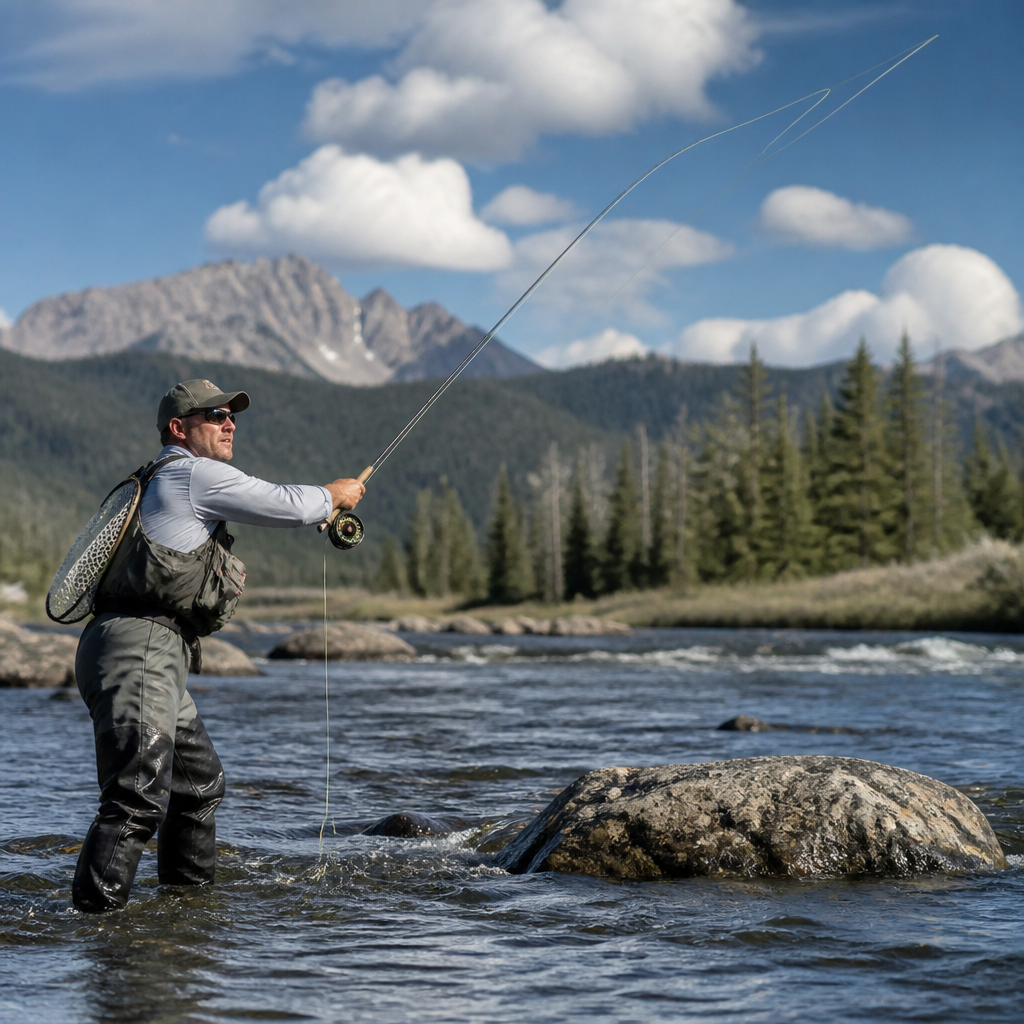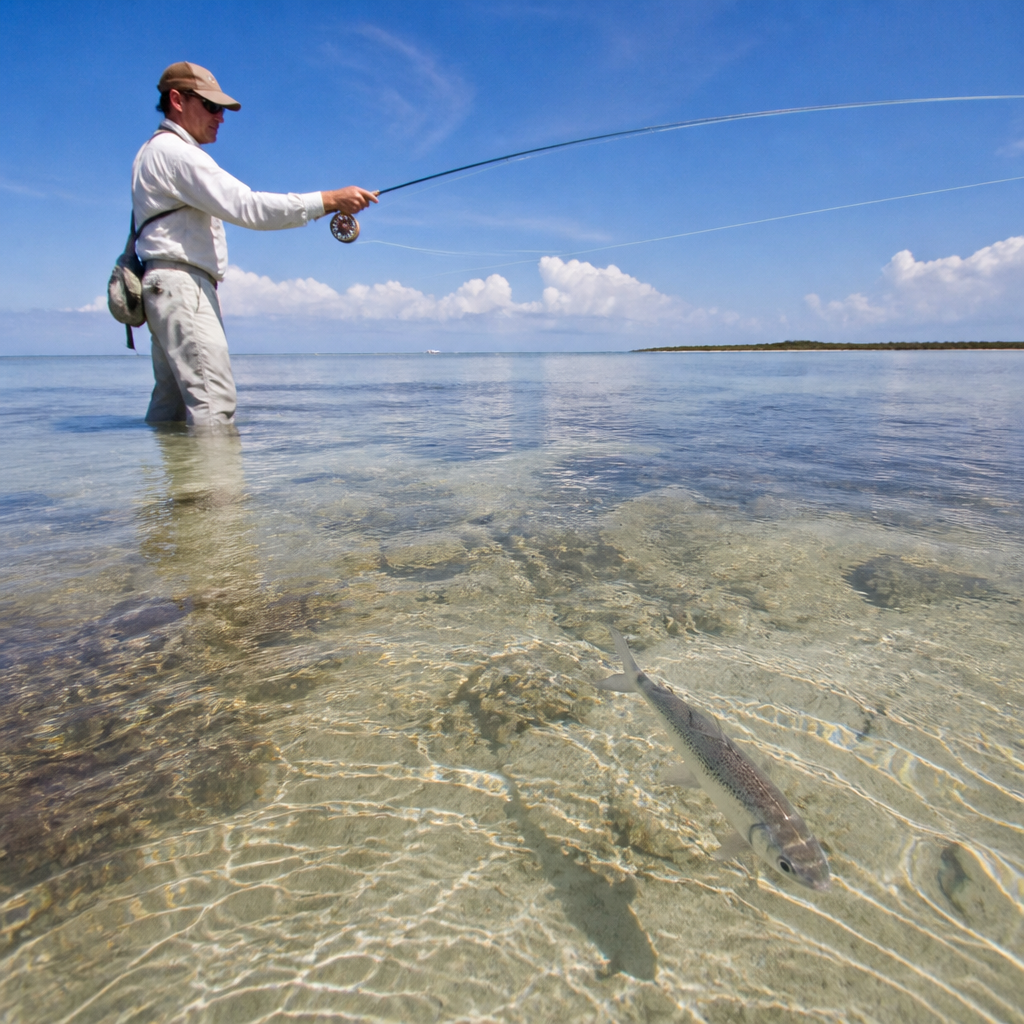
Fly fishing in saltwater flats demands a precise mix of observation, stealth, casting control, and fish behavior knowledge, because the environment changes by the hour and often by the minute. In practical terms, saltwater flats are shallow coastal areas of sand, mud, turtle grass, marl, oyster bottom, or mixed substrate where game fish move to feed, travel, and stage with the tides. For anglers focused on techniques and strategies, understanding water types and conditions is the core skill that connects every other decision, from fly selection and leader length to boat position and wading speed. I learned this quickly while guiding and scouting tropical and temperate flats: the best casters do not always catch the most fish, but the anglers who read light, depth, tide, bottom color, and current usually do. This hub article covers the full framework for reading saltwater flats, explains how different water conditions shape fish location, and outlines the proven patterns used for bonefish, redfish, permit, striped bass, and other flats species. If you want consistent results, start by treating the flat as a moving system rather than a static piece of water.
What counts as a saltwater flat and why water type matters
A saltwater flat is any broad, relatively shallow marine area where fish can be sighted or reasonably targeted with a fly rod, but not all flats fish the same. Hard white sand flats in the Bahamas behave differently from dark turtle grass basins in Belize, Gulf Coast marsh ponds, or flood tides over spartina edges in South Carolina. Water type matters because it controls visibility, prey availability, and how fish travel. On a bright day over firm sand, bonefish may tail in less than a foot of water and reveal themselves by shadows, pushes, or puffs of silt. On a grass flat with broken bottom, the same fish can disappear completely unless you lead them correctly and watch for nervous water. Redfish on mud and oyster often tolerate stained water and use vibration and scent more than pure sight. Permit may slide from deeper edges onto crab-rich flats only when current speed and depth align. In every case, the angler’s first task is classification: identify bottom composition, average depth, tide stage, current lanes, wind direction, light angle, and nearby structure such as channels, cuts, mangroves, creek mouths, or potholes. Once you classify the flat, your fishing choices become far more reliable.
Bottom composition, depth, and how fish use each flat
Bottom composition is not background scenery; it determines what lives there and which fish will feed confidently. Sand reflects light, improves visibility, and supports shrimp, small crabs, worms, and baitfish movement. Mud warms quickly, holds food, and often attracts redfish, black drum, and juvenile tarpon, but it can also reduce clarity after a wind shift or a hard push of tide. Turtle grass and eelgrass create ambush cover and concentrate crustaceans, yet they require weed guards and flies tied to ride hook point up. Marl, common on some Caribbean flats, can show fish beautifully in calm conditions, but a careless strip can blow a fish out because the fly plumes sediment. Oyster and broken shell attract forage and current, but they demand abrasion-resistant leaders and careful foot placement when wading.
Depth changes everything. Six inches of water can be ideal for tailing bonefish but too little for a comfortable presentation if your line lands heavily. Water from one to three feet often offers the best compromise between visibility and fish confidence. Deeper edge water, from three to six feet, becomes critical during low tides, cold snaps, or bright overhead sun when fish slide off the skinniest sections. In practice, I look for transition zones rather than absolute numbers: the lip of a trough, the clean edge between sand and grass, or a pothole network inside a broad flat. These micro-features concentrate movement. Fish rarely roam aimlessly across an entire basin; they follow edges, bait seams, depressions, and current paths that save energy while maximizing feeding opportunity.
Tides, current, wind, and light: the four conditions that control success
Tide is the master variable on most saltwater flats. Rising water opens new feeding zones, especially mangrove shorelines, flooded grass, and upper flat shelves. Falling water drains bait and crabs into channels, creek mouths, and depressions, creating predictable ambush points. Slack water can be difficult because fish often stop moving with intent, while moderate current usually improves feeding behavior by delivering prey. The key is local timing rather than generic tide charts. A posted high tide may peak at the inlet, but your back flat may fill or drain an hour later due to distance, narrow cuts, and wind setup. Good anglers build spot-specific tide logs.
Wind is both obstacle and asset. A hard onshore wind can muddy a shallow shoreline, but it can also push water onto a flat and extend a feed. Crosswind can help a boat drift naturally along a contour if the guide manages angle and speed. In open areas, sustained wind creates surface texture that hides the leader and masks small mistakes, yet too much chop makes spotting fish difficult. Light is equally decisive. Early and late sun can produce low-angle glare; high sun often improves sighting if the water is calm and the angler wears quality polarized lenses. Cloud cover reduces contrast and can force a shift from pure sight fishing to blind presentations on likely travel lanes.
| Condition | What it changes | Best adjustment |
|---|---|---|
| Rising tide | Opens shallow feeding water | Target newly flooded edges, tails, and wakes |
| Falling tide | Funnels prey toward drains and drop-offs | Fish channels, potholes, and creek mouths |
| Clear calm water | Improves visibility but exposes mistakes | Lengthen leaders and soften presentations |
| Stained water | Reduces sight range | Use darker flies, shorter shots, and higher contrast targets |
| Bright overhead sun | Improves fish spotting on many bottoms | Stay elevated, scan farther, and lead fish more precisely |
| Heavy wind | Alters drift, casting, and clarity | Shorten false casts, cast lower, and fish protected sides |
Reading clear water, stained water, and changing visibility
Clear water generally favors long visual leads, subtle flies, and controlled strips. Fish in clear conditions inspect a fly carefully, especially on heavily pressured flats. That is why tan shrimp patterns, spawning shrimp, small gotchas, and lightly weighted crab flies remain standards: they land softly and look natural without excessive flash. In very clear water, the problem is often not getting seen but getting refused. The fix is usually angle and speed. Lead the fish enough to avoid lining it, let the fly settle, then move it only when the fish enters the window.
Stained water is different, not worse. Slight color in the water can make fish less wary and bring them shallower in bright weather. Redfish, snook, and striped bass commonly feed well with reduced visibility if current and bait are right. In these conditions, fish by signs as much as by sight: pushes, wakes, nervous bait, shrimp flicks, mullet jumps, and mud boils. Use patterns with stronger silhouettes, such as darker shrimp, bead-chain baitfish, or small crabs with contrasting legs. Retrieval should be simpler and easier to track. I also shorten the shot distance in dirty water because fish tend to appear late and eat fast. Transitional water, where clear and stained zones meet, is often the best water on the flat because it combines cover with visibility and frequently marks a feeding edge.
Matching techniques to species and seasonal water conditions
Bonefish reward quiet wading, fast target acquisition, and accurate leads in knee-deep water over sand, marl, and mixed grass. Their behavior shifts with temperature and tide. In cooler mornings they may hold in slightly deeper channels before sliding onto the flat, while on warm flooding tides they can tail aggressively in inches of water. Permit are more conditional. They often use deeper edges, coral rubble, or crab-rich hard bottom, then move shallow when current, light, and forage line up. A permit shot is usually about positioning and composure rather than repeated casting. Redfish are the most adaptable flats species in many regions. They tolerate lower clarity, use mud, shell, marsh drains, and flooded grass, and often feed by tipping down on crabs and shrimp. On flood tides, accurate presentations tight to grass pockets can be essential. Striped bass on Northeast and Mid-Atlantic flats relate strongly to current, sand eels, silversides, and tidal stage, especially across sand bars, estuary mouths, and marsh channels.
Season changes water conditions in ways anglers often underestimate. Summer heat can push fish to early and late windows, especially where oxygen drops in backwater basins. Winter cold fronts empty ultra-shallow flats and concentrate fish in dark mud, basins, and channels that warm first. During spring transitions, bait migrations and spawning movements can create brief but exceptional opportunities on specific tide phases. The pattern is always the same: let water temperature, depth, and food availability explain fish location before choosing your fly.
Presentation strategy, fly patterns, and common mistakes on the flats
The best presentation on a saltwater flat is the one that matches bottom type, fish direction, and mood. For most species, that means casting far enough ahead to avoid spooking the fish, but not so far that you lose connection. A useful rule is to lead cruising fish more in deeper or clearer water and less when they are tailing or moving slowly. Strip speed should imitate the prey on that flat. Shrimp patterns usually need short, controlled strips with pauses; crab flies often need almost no movement once the fish sees them; small baitfish patterns can require longer strips, especially around edges, channels, or current lanes.
Weight selection is critical. Too much weight causes loud entries and snagging in grass. Too little weight leaves the fly riding too high or drifting out of the feeding window. Bead-chain eyes cover a large share of situations in skinny water, while small lead or tungsten eyes help in chop, stronger current, or slightly deeper edges. Productive standards include the Gotcha, Crazy Charlie, spawning shrimp, EP-style baitfish, Merkin-style crab, Kwan, and region-specific redfish shrimp and crab patterns. Hook choice matters as much as pattern profile; chemically sharpened saltwater hooks from trusted makers improve conversion when fish eat lightly.
The common mistakes are predictable: casting at the fish instead of ahead of it, stripping before the fish sees the fly, false casting too much in wind, wearing bright clothing on high sun days, and ignoring the direction of current. Another major mistake is fishing one visual cue only. Good flats anglers watch the whole scene. A tail may be obvious, but a faint push on a side-lit bank, a color change over sand, or bait spraying near a drain often tells the fuller story. Keep notes after each trip. Record tide height, moon phase, cloud cover, water temperature, wind direction, bottom type, and what each species actually did. Over time, those logs become more valuable than any single fly pattern.
Saltwater flats fishing becomes far more consistent when you understand water types and conditions as the foundation of every tactical choice. Bottom composition tells you what forage is present. Depth and contour show where fish can travel safely and feed efficiently. Tide, current, wind, and light explain when a flat turns on, when it shuts down, and where the best shots will develop. Clear water asks for subtle presentations and longer visual planning, while stained water rewards stronger profiles and close-range readiness. Species then fit into that framework: bonefish favor stealth and clean leads, permit demand precise positioning around crab habitat, redfish thrive around mud, shell, marsh drains, and flooded grass, and stripers key on current edges and bait movement.
If you are building a complete approach to techniques and strategies, use this article as your hub for water types and conditions, then apply each lesson on the water with disciplined observation. Start each session by classifying the flat before you make a cast. Note the bottom, tide stage, current speed, wind effect, light angle, and the nearest depth change. Choose fly weight and presentation from those facts, not from habit. That process shortens the learning curve, improves first-shot quality, and leads to more fish hooked under real conditions. The next time you step onto a flat or climb onto a poling platform, read the water first and let the fish confirm the pattern.
Frequently Asked Questions
What makes saltwater flats fly fishing different from other types of fly fishing?
Saltwater flats fly fishing is different because it is built around sight, timing, and constant adjustment. In many freshwater situations, anglers can work likely water methodically and wait for fish to reveal themselves through rises, structure use, or current seams. On the flats, the game is often much more visual and immediate. You are reading shallow coastal terrain, watching light, depth, bottom color, wind angle, and tidal movement while trying to detect fish that may appear only for a few seconds before changing direction or disappearing altogether.
The environment itself is also less static than many anglers expect. A flat can fish very differently on an incoming tide, a dropping tide, early morning low light, or a bright midday sun. Water depth may change just enough to push fish from bare sand onto turtle grass edges, from travel lanes into potholes, or from open flats toward mangrove shorelines and creek mouths. Because of that, success depends on understanding not only where fish are, but why they are there at that exact moment.
Another major difference is presentation discipline. On the flats, fish such as bonefish, redfish, permit, and striped bass in shallow coastal settings often react poorly to noisy casts, poorly placed flies, or aggressive retrieves. The best presentations are usually controlled and intentional: accurate casts delivered at the right distance, with enough lead to let the fish find the fly naturally. In many cases, the first cast is the best chance, which puts a premium on preparation, line management, and the ability to deliver under pressure.
Finally, saltwater species are heavily influenced by substrate and visibility. Sand, mud, marl, grass, oyster bottom, and mixed terrain all affect how fish move, how flies track, and how easy fish are to see. A dark fish on white sand may stand out clearly, while the same fish over mottled grass can vanish. That is why experienced flats anglers talk so much about reading water. It is not just a scenic detail; it is the foundation of the entire method.
How do tides, wind, and bottom type affect where fish hold and how I should fish the flats?
Tides are the engine that drives the flats. As water rises, fish often move onto newly flooded areas to feed on shrimp, crabs, baitfish, and worms that become accessible in shallow water. As water falls, those same fish may slide off the flat, follow drainage routes, stack along edges, or pause in slightly deeper troughs, channels, and potholes. Knowing whether fish are feeding, staging, or traveling with the tide gives you a much clearer plan than simply covering water at random.
Wind matters just as much, both for fish behavior and for your own effectiveness. A light ripple can help hide your approach and soften the outline of your leader, but too much chop makes fish harder to spot and complicates the cast. Wind direction also influences how you should position yourself. Casting with the wind at your back may increase distance and reduce effort, but if that angle pushes your line across a fish’s path unnaturally, it can hurt presentation. Skilled flats anglers constantly balance visibility, boat or wading position, and casting angle to make the cleanest shot possible.
Bottom type changes everything from fish location to fly selection. Sand flats often make fish easier to see and may favor lighter-colored flies that land softly and look natural. Mud or marl bottoms can hold food and attract tailing fish, but they may also require flies that remain visible and avoid burying too deeply. Turtle grass and mixed grass flats often hold bait and crustaceans, yet they demand patterns with weed guards or hook orientations that reduce fouling. Oyster bottom and shell can be highly productive, especially around edges and current influence, but they are abrasive and can punish careless leaders, flies, and retrieves.
The real key is learning how these factors overlap. A rising tide over dark grass under bright sun fishes differently than a falling tide across pale sand on an overcast, windy day. Fish do not use all parts of a flat equally. They use the portions that best match food availability, comfort, and safe movement. The more precisely you connect tide stage, wind condition, and bottom composition, the faster you stop “fishing water” in a general sense and start targeting the lanes, edges, and feeding zones that consistently hold fish.
What are the most important casting and presentation techniques for saltwater flats?
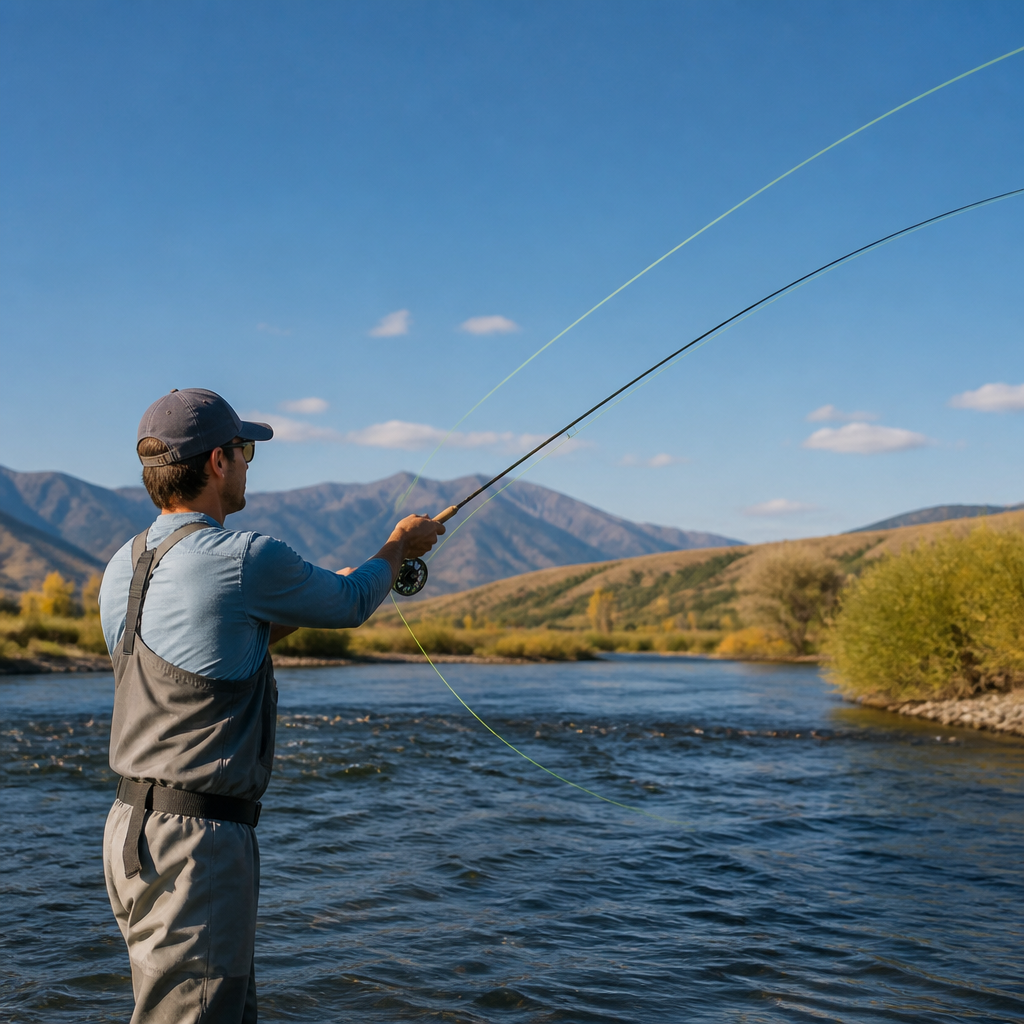
The most important flats casting skill is not maximum distance. It is delivering the fly quickly, accurately, and quietly at useful fishing distances. Many real opportunities happen inside forty to sixty feet, and some happen much closer. If you can pick up, reposition, and place a cast cleanly without false casting too much, you will catch more fish than someone who can throw far but needs too much time to do it.
Presentation begins before the cast. You need to identify the fish’s direction, speed, and attitude. Is it cruising fast, tailing in place, nervous, pushing water, or sliding casually along an edge? Those clues tell you how far ahead to place the fly. A moving fish generally needs a lead cast that allows the fly to settle before entering its window. Too close, and you risk spooking it. Too far, and the fish may never see the fly. Good flats anglers are always trying to put the fly where the fish is going, not where it is now.
Line control is another critical element. Loose coils at your feet, poor stripping management, and rushed back casts can cost fish before the retrieve even begins. In saltwater, the first strip often matters immediately, so your line has to be ready. Once the fly lands, the retrieve should match both the pattern and the species. Shrimp-style flies often work best with short, nervous strips and pauses. Crab patterns may need subtle movement or even a near-stationary presentation. Baitfish patterns generally call for a more active retrieve, though speed should still reflect the fish’s mood and the water temperature.
One of the most overlooked techniques is maintaining composure after the cast. Many anglers move the fly too soon, strip too aggressively, or fail to notice the fish has already tracked and committed. Often, less is more. If the fish tips down, flares, accelerates, or changes posture toward the fly, the right move may be a very slight strip or a pause rather than repeated hard pulls. And when the fish eats, the hook set is usually a firm strip set, not a trout-style lift of the rod. On the flats, disciplined mechanics convert far more opportunities than flashy casting ever will.
Which fly patterns work best on saltwater flats, and how should I choose between shrimp, crab, and baitfish imitations?
The best flats flies are the ones that match the food source, track correctly over the bottom, and land without alarming the fish. Shrimp, crab, and baitfish patterns are the core categories because they imitate what most flats predators actively hunt. Within those categories, success often comes down to profile, weight, sink rate, hook orientation, and how visible the fly is against the substrate.
Shrimp patterns are often the starting point for many flats species because shrimp are common, vulnerable, and familiar. These flies work especially well when fish are tailing, cruising slowly, or feeding over sand and mixed bottom where small bursts of movement trigger attention. Good shrimp patterns usually have a moderate sink rate, natural legs or feelers, and a shape that suggests life even when barely moved. Tan, pink, cream, and lightly mottled colors are reliable in clear water, though local forage and bottom color should guide the final choice.
Crab patterns become especially important when targeting species that feed heavily on bottom crustaceans, such as permit and many redfish in shallow coastal habitats. A good crab fly should sit correctly, avoid spinning, and either ride hook point up or incorporate a weed guard when grass, shell, or oyster bottom is involved. In practical use, crab flies are often presented with less movement than shrimp flies. The goal is usually to place the fly in the fish’s path and make it look vulnerable, not panicked. Olive, tan, brown, and merled tones are dependable because they blend naturally with common flats substrates.
Baitfish patterns are excellent when fish are keyed on minnows, mullet, silversides, or juvenile forage moving with current edges and drains. These patterns can be highly effective for more aggressive feeders or in slightly deeper or more mobile situations where fish are hunting rather than grubbing. Choosing between natural and brighter colors depends on water clarity, light level, and forage type. White, olive, gray, and tan remain staples, while a bit of flash can help in stained water or low light. The smartest approach is to carry a range of fly weights and sizes within each category so you can adapt not just to species, but to depth, current, bottom, and fish behavior in real time.
How can I improve my ability to spot fish and approach them without spooking them on the flats?
Improving fish spotting starts with understanding that you often will not see the whole fish clearly. More often, you are looking for signs: a push of water, a shadow moving against the bottom, a flash, a tail tip, a slight color change, nervous bait, or a subtle wake crossing a