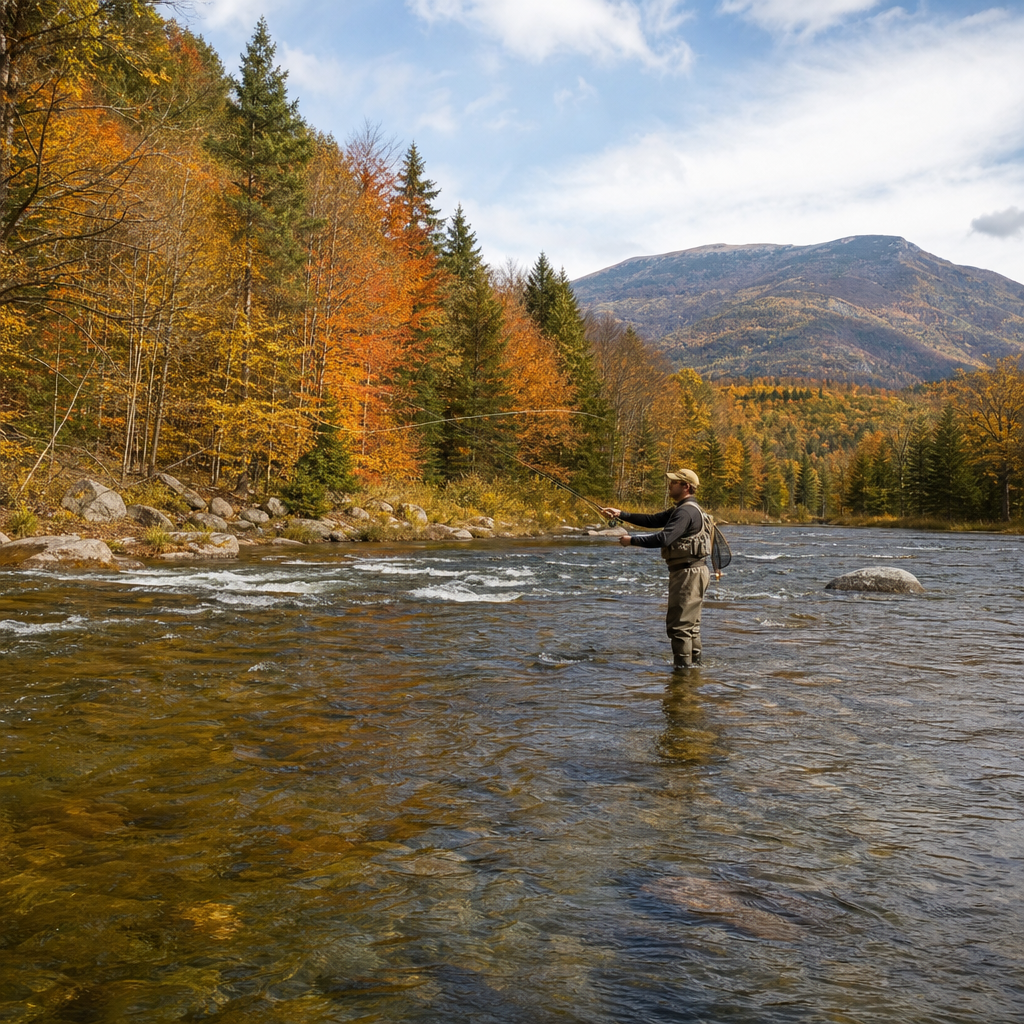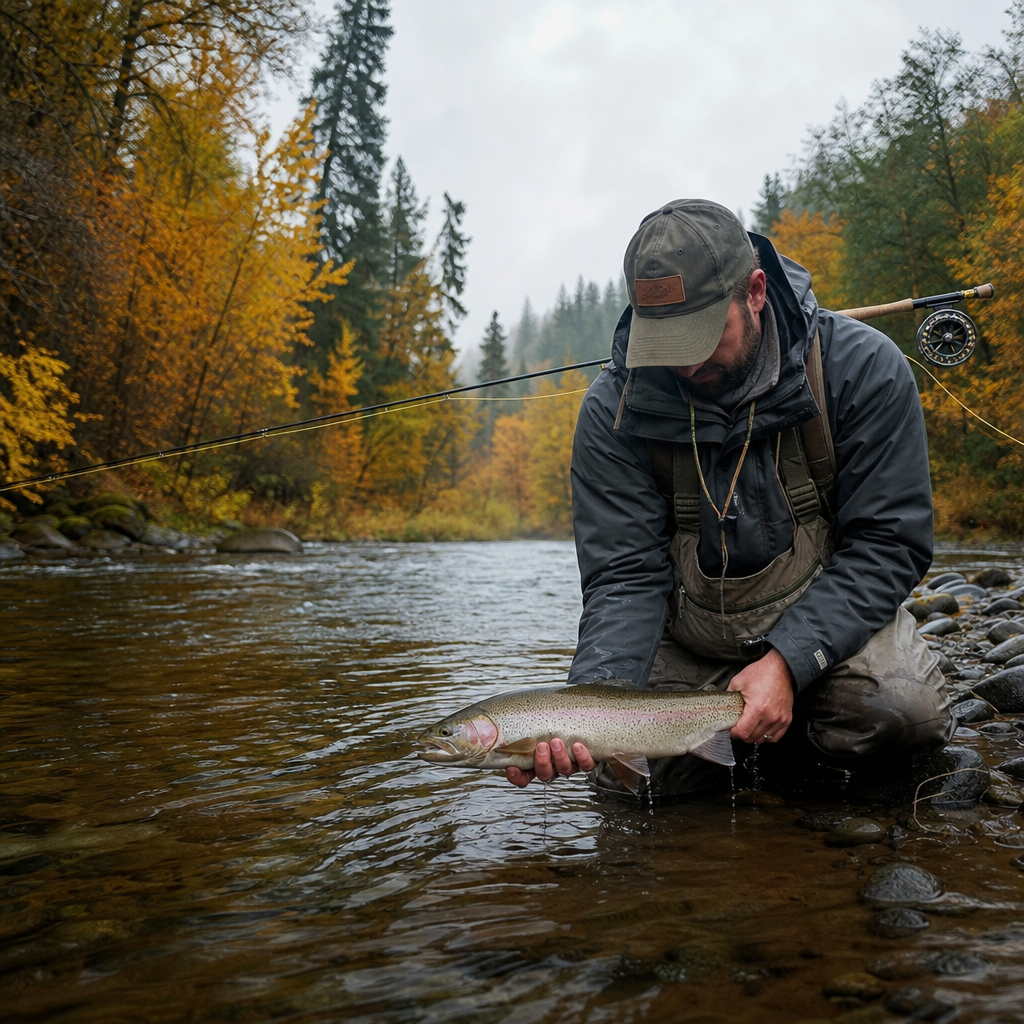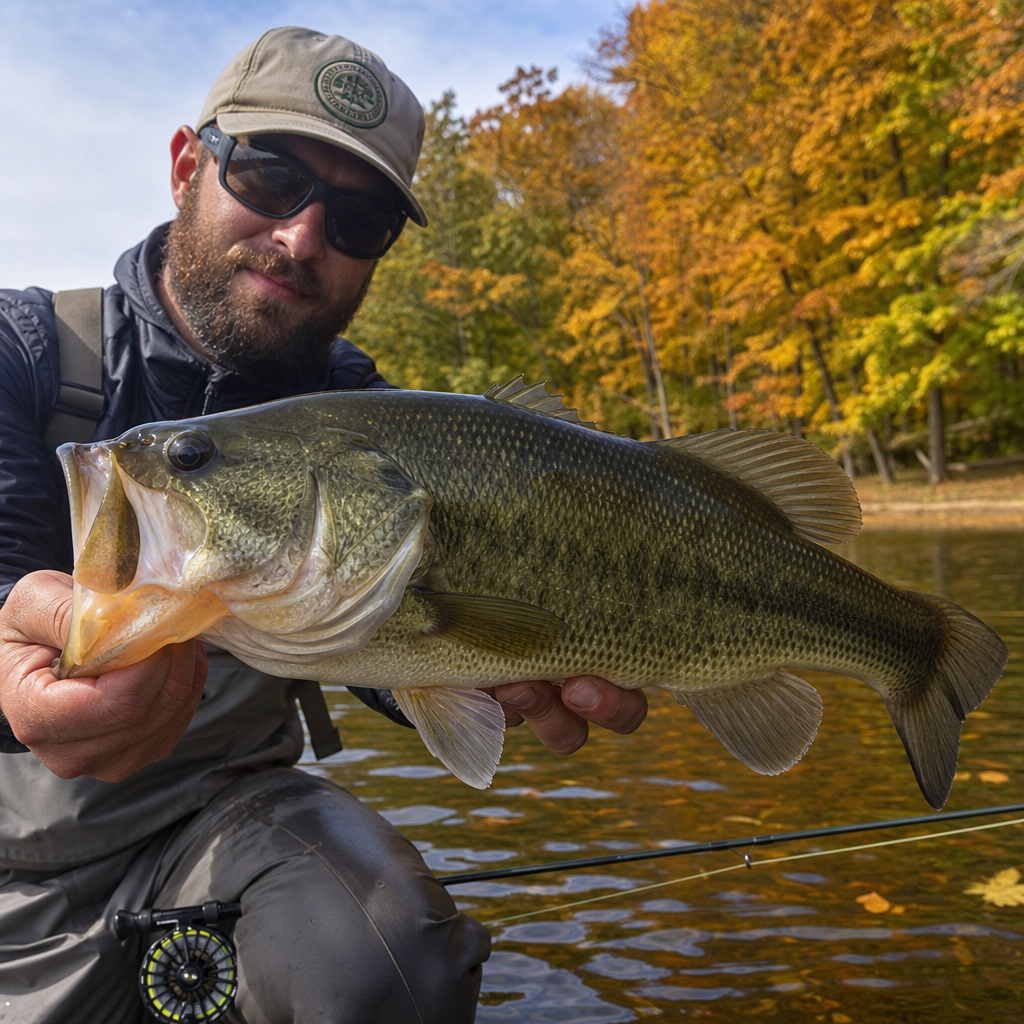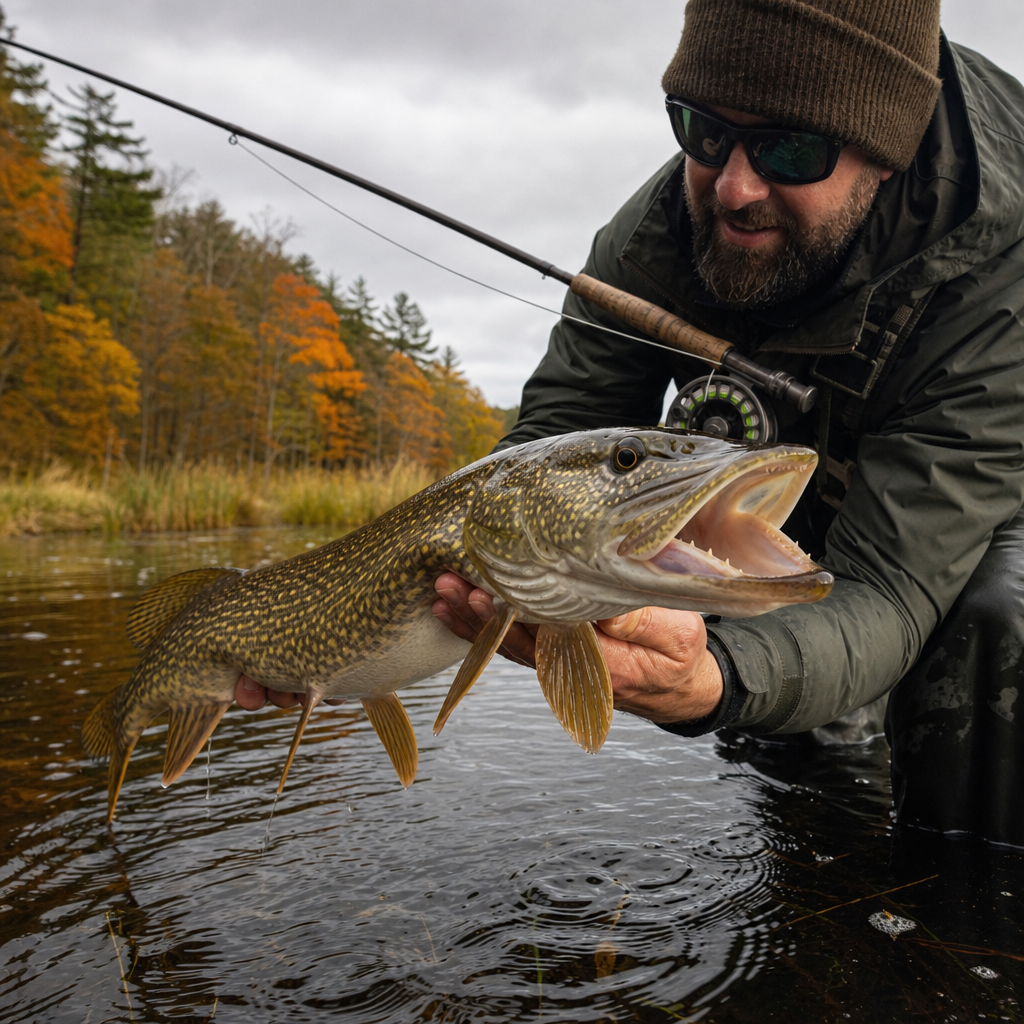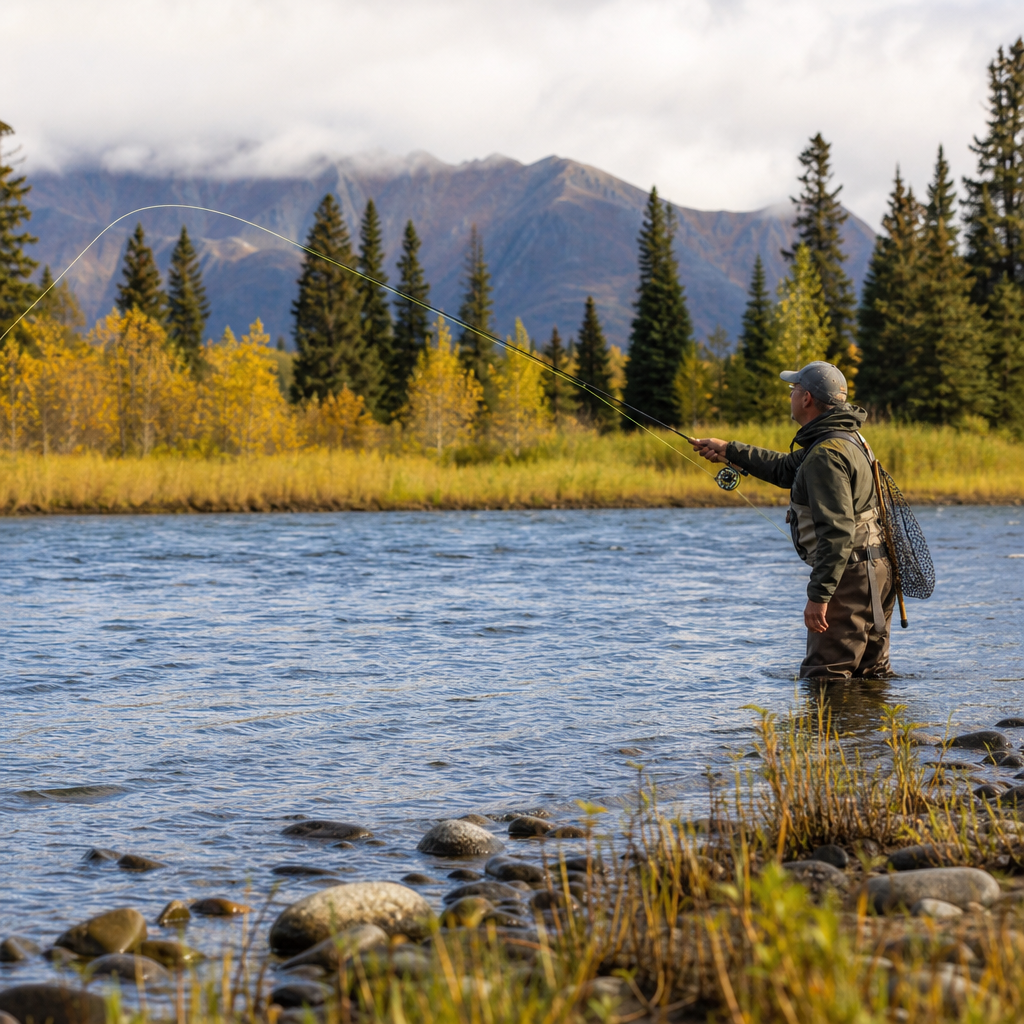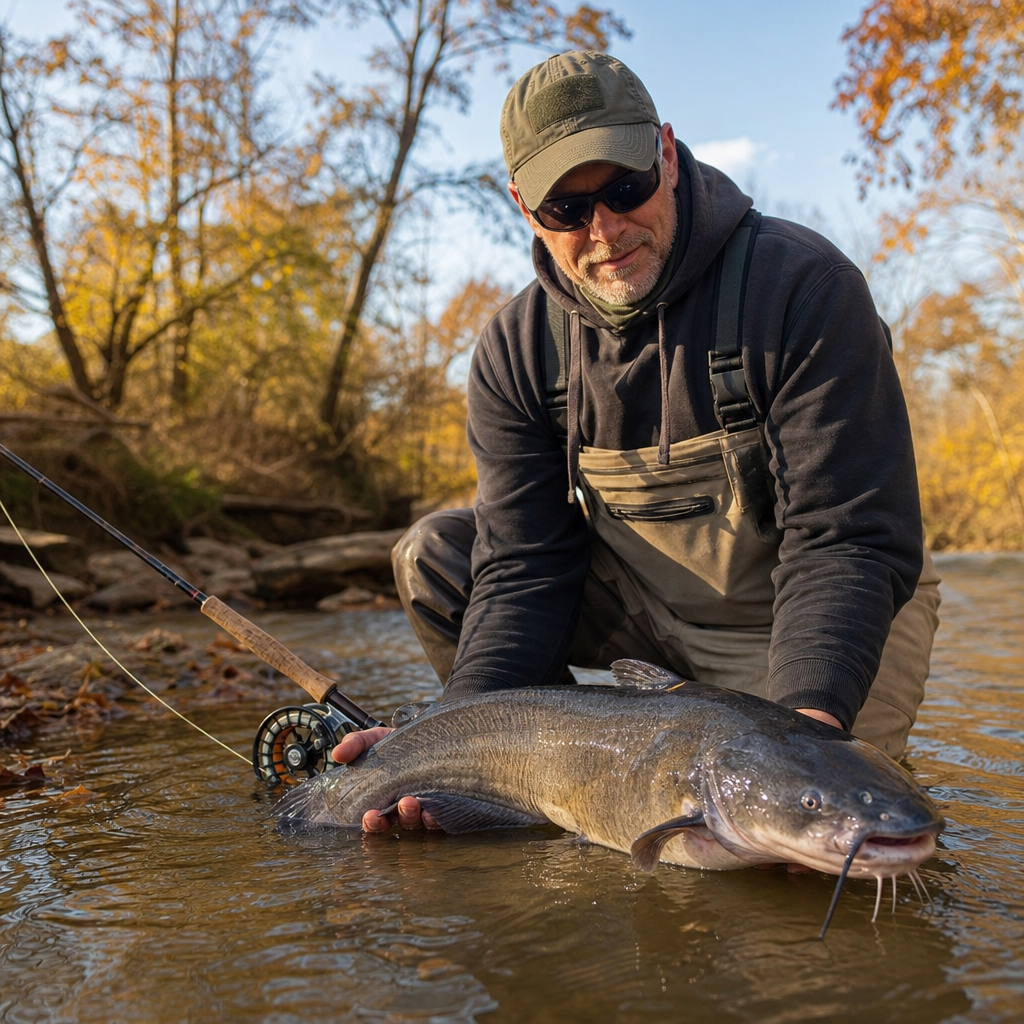
Fly fishing for catfish in fall is one of the most overlooked seasonal opportunities in freshwater angling, yet it can produce some of the most consistent action of the year when cooling water concentrates fish and sharpens feeding behavior. Fall fly fishing, in this context, means targeting catfish with fly tackle during the transition from late summer heat to early winter dormancy, when changing temperature, oxygen levels, bait movement, and river flow alter where fish hold and how aggressively they eat. Catfish include several common North American species, but channel catfish are the primary fly-rod target because they are widespread, willing predators and scavengers, and strong fighters on moderate tackle. Blue catfish and flathead catfish also enter the equation in larger rivers and reservoirs, although each demands slightly different presentations. I have spent many autumn days testing flies along riprap banks, tailouts, flooded timber edges, and dam outflows, and the pattern repeats: once you understand how fall conditions reposition catfish, the fish become far easier to locate than many anglers expect.
This matters because fall compresses the puzzle. In summer, catfish may scatter across broad flats, deep holes, current seams, and nighttime feeding lanes. In fall, shorter days and dropping water temperatures push forage species into predictable routes and concentrate catfish around structure, current breaks, and depth changes. For fly anglers, that concentration solves the biggest challenge in catfish fishing: covering enough water efficiently. Instead of blind-casting random banks after dark, you can work defined holding zones in daylight with streamers, baitfish patterns, crayfish imitations, and scented flies where legal. As a hub topic under seasons and conditions, fall fly fishing also connects to related questions anglers ask every year: when does the bite improve, what water temperature is best, how should leader design change, which flies sink fast enough, and when should you choose rivers over lakes? This guide answers those questions directly and lays out the practical system that makes catfish on the fly realistic, repeatable, and surprisingly technical.
Why Fall Is Prime Time for Catfish on the Fly
Fall improves catfish fly fishing because it combines biological urgency with environmental stability. As water cools from the upper seventies into the sixties, dissolved oxygen usually improves, especially in rivers and wind-mixed lakes. Baitfish such as shad, shiners, juvenile bluegill, and creek chubs move along breaklines and creek mouths, while crayfish remain active around rock and wood until temperatures drop further. Catfish respond by feeding heavily before winter metabolism slows. In practical terms, this means more daytime opportunity, more fish relating to obvious structure, and more takes on larger flies.
Channel catfish are especially responsive during this period. In many systems, the most reliable window starts when water temperatures slide below about 75 degrees and remains good into the upper 50s. They patrol current edges below riffles, tailraces, riprap causeways, reservoir points, and tributary inflows where food washes naturally. Blue catfish often favor deeper channels, ledges, and heavy current but will push shallower around bait concentrations. Flatheads become less surface-oriented than in warm summer nights, yet they still ambush substantial prey near wood and rock transitions. The takeaway is simple: in fall, catfish stop feeling random. They set up where food comes to them, and that makes them accessible to a fly angler who can get a fly down and keep it there.
Finding Catfish in Autumn Water Conditions
Location determines everything in fall fly fishing for catfish. Start by reading the water through three lenses: temperature trend, current delivery, and available cover. In rivers, look for moderate flow near depth. Productive places include outside bends with submerged timber, the downstream side of bridge pilings, eddies beside rock walls, and the soft seam where fast water meets a slower bucket. If a dam or spillway is releasing water, the first major slack pocket below the turbulence often holds feeding fish. I have found that catfish in these spots rarely sit in the fastest current; they hold just out of it, facing upstream and intercepting disoriented forage.
In lakes and reservoirs, the pattern shifts toward migration routes. Creek channels entering the main lake, windblown points, riprap near causeways, marinas adjacent to deep water, and the first break outside shallow flats all deserve attention. Early in fall, fish may still use evening shoreline runs. By mid-fall, many slide toward channel edges and the lower ends of coves, especially where bait shows on sonar. Mud-bottom areas are not useless, but hard structure usually outfishes featureless silt because crayfish, mussels, and baitfish all relate to something. If you have electronics, use them for depth change, bait pods, and current-generated positioning. If you are wading or bank fishing, trust visible clues: bird activity, bait flickers, current seams, rock transitions, and inflowing water after rain.
Tackle Choices That Actually Work
Fly tackle for fall catfish should be chosen for fly size, sink rate, and fish control rather than tradition. For most channel catfish, a 7- or 8-weight rod is the sweet spot. It throws weighted streamers, protects tippets, and has enough backbone to turn a fish away from wood or riprap. In larger rivers with blue catfish or heavy current, a 9-weight makes life easier. Reels matter less for line capacity than for drag smoothness. Catfish often surge close to structure, and a sticky drag costs fish. A sealed disc drag is ideal in muddy conditions.
Lines are critical. A floating line with split shot can work in shallow, slow water, but a sink-tip or full-sinking line is usually far better because catfish feed near bottom. I reach for a 200- to 300-grain sink-tip in rivers up to moderate depth and a faster full-sink in lakes or tailwaters where I need prolonged bottom contact. Leaders should be short and direct, generally 4 to 7 feet, because turnover matters more than delicacy. Twelve- to twenty-pound fluorocarbon is standard, with the heavier end around rock, zebra mussels, and timber. Fluorocarbon sinks, resists abrasion, and tolerates the abrasive mouths and habitat of catfish better than light trout-style leaders. Strong hooks are mandatory; cheap wire bends out on good fish.
Best Fall Flies for Catfish
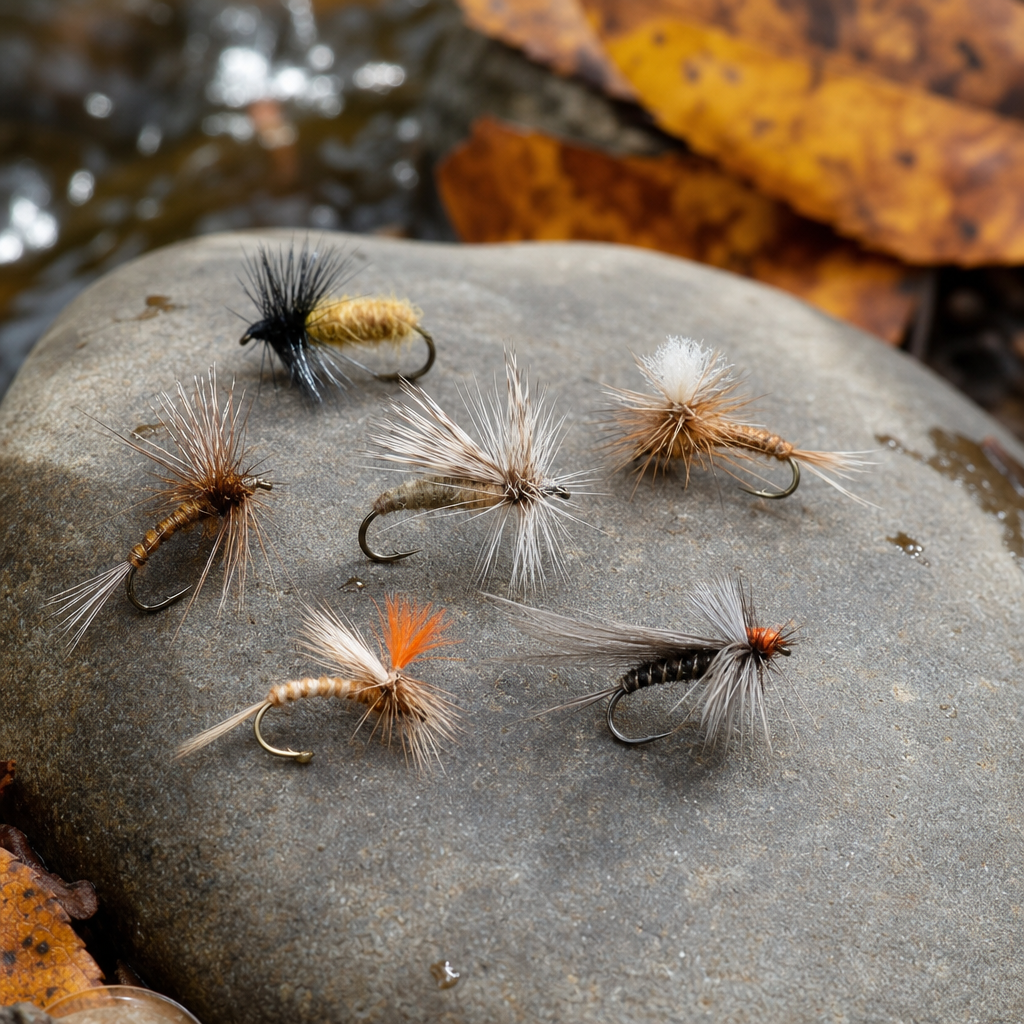
The best flies for catfish in fall imitate what the fish are already eating and stay in the strike zone without spinning or fouling. Baitfish streamers tied with bucktail, rabbit strips, EP fibers, or synthetic brushes are excellent when shad are present. White, chartreuse, olive, black, and gray cover most conditions, with white and pearl especially effective around bait schools. Crayfish patterns shine in rocky rivers and reservoirs, particularly in rust, olive, and dark brown. Leech patterns and bulky nymph-like attractors produce in stained water where silhouette matters more than exact imitation.
Weight is part of the pattern, not an afterthought. Dumbbell eyes, coneheads, tungsten beads, and lead-free wraps help the fly reach bottom quickly and ride hook point up. That matters because catfish often pin prey against the substrate. Size should match forage and current, but sizes 2 through 2/0 cover most situations for channel cats. Larger 3/0 to 5/0 patterns belong in blue cat or flathead water. Scent regulations vary by state, so check local law before adding any attractant; where it is legal, a lightly scented fly can improve commitment in cold or muddy water. The key is not gimmickry. A durable, weighted fly that tracks straight and keeps contact with structure will outfish a pretty fly that never reaches feeding depth.
| Condition | Best Fly Style | Typical Size | Color Focus | Presentation |
|---|---|---|---|---|
| Shad-rich reservoir | Baitfish streamer | 1/0 to 3/0 | White, pearl, chartreuse | Count down, slow strips near channel edge |
| Rocky river run | Crayfish pattern | 2 to 1/0 | Rust, olive, brown | Dead drift, then short hops along bottom |
| Muddy tributary after rain | Leech or dark attractor | 2 to 2/0 | Black, purple, dark olive | Slow swing with pauses in soft seams |
| Timber-lined hole | Large rabbit-strip streamer | 2/0 to 4/0 | Black, blue, olive | Drop tight to cover, strip once, then let it hang |
Presentation Techniques That Trigger Eats
Most failed catfish fly presentations are too fast, too high, or too disconnected from the bottom. In fall, your first job is depth control. Cast slightly upstream or quartering across current, mend immediately, and allow the fly to sink before tightening just enough to track contact. On rivers, the most productive sequence is often dead drift first, subtle movement second. Let the fly tumble naturally, then add one-inch to three-inch strips or short lifts as it approaches the end of the drift. This mimics a stunned baitfish or fleeing crayfish and often triggers the take right before the swing.
In lakes, think in countdowns and lanes. Make repeated casts at the same angle, count the fly down to a consistent depth, and retrieve with deliberate strips separated by pauses. Catfish are not always chasing speed, but they respond to a prey item that appears vulnerable. Around riprap, a classic approach is to cast parallel to the rocks so the fly stays in the feeding corridor longer. Around wood, drop the fly tight, let it settle, and use almost no movement. Flatheads in particular may eat on the pause. Strikes range from obvious jolts to simple heaviness. Strip-set firmly, then raise the rod once the hook is buried. Trout sets pull flies away from catfish and cost more fish than any other technical mistake.
Timing, Weather, and Water Temperature
The best time of day in fall depends on the stage of the season and the water body. Early fall can still favor dawn, dusk, and overcast afternoons, especially after hot nights linger. As the season progresses and water cools, midday often becomes excellent because sunlight slightly warms shallow edges and activates forage. Stable weather usually fishes better than sharp cold fronts, but the day before a front can be outstanding if wind stacks bait onto a point or shoreline. After major rain, rivers may fish well on the dropping and clearing phase, when current brings food but visibility is not completely blown out.
Water temperature is the most useful benchmark. Around 68 to 60 degrees, many channel catfish feed aggressively through daylight. Below the upper 50s, they often hold deeper and require slower presentations, but they still eat regularly in many southern and temperate systems. Sudden temperature drops can stall shallow patterns for a day or two; during those periods, move deeper and reduce retrieve speed. Wind matters more than many fly anglers realize. On reservoirs, a sustained wind can position plankton, bait, and predators on one bank. If you can safely cast it, a windblown shoreline near deep access is a high-percentage fall target for catfish as well as other warmwater species.
River, Lake, and Bank-Fishing Strategies
Different waters call for different plans. In rivers, mobility wins. Cover multiple current seams, outside bends, and tailouts instead of camping one hole unless you know it replenishes with fish. Wading anglers should prioritize safety because autumn flows can be deceptively pushy and slick with leaf-covered rocks. In drift boats or small jon boats, hold above structure and make repeated short drifts rather than long, unplanned passes. Precision matters more than distance.
Lakes reward methodical probing. Start on points, creek mouths, and riprap transitions, then slide deeper if bait is absent. If you have a fish finder, use it to identify the depth where life is concentrated and keep the fly there. Bank anglers should not assume they are at a disadvantage. Some of the best fall catfish water is accessible from causeways, bridge approaches, park riprap, marina walls, and below dams. Long leaders are less important from shore than angle and sink time. Cast along structure whenever possible, not straight away from it. If one bank has wind, current, shade, or inflow, fish that side first. Fall catfish are opportunists, but they still choose efficient feeding stations, and bank anglers can absolutely reach them.
Common Mistakes and How to Avoid Them
The biggest mistake in fall fly fishing for catfish is treating them like random scavengers instead of structured predators. When anglers stop looking for current breaks, depth transitions, and forage, they waste casts in empty water. The second mistake is using trout-style leaders and lightly weighted flies that never get down. Catfish spend much of their feeding time near bottom, and if your line belly keeps lifting the fly, you are simply not fishing where they are. Another common error is retrieving too quickly. In cooling water, subtle movement nearly always beats frantic stripping.
Gear neglect also costs fish. Hooks must be sharp and corrosion-free, knots must be tested, and abrasion should be checked after every fish or snag. Catfish mouths are not impossible to hook, but thick tissue and hard pressure points demand a decisive strip-set. Finally, many anglers quit too soon on a spot. If the area has bait, depth, and current relief, change angle, sink rate, or fly color before moving. I have seen dead-looking runs come alive after switching from a bright shad fly to a dark rabbit pattern that pushed a larger silhouette in stained water.
Building a Fall Fly Fishing Plan
A strong fall catfish plan is simple: track temperature, choose high-percentage structure, carry sinking lines, and rotate presentations from natural drift to slow strip. Start by checking recent weather, water release schedules, and local bait reports. Then pick waters that offer both depth and access, because catfish need security but still move to feed. Bring a focused fly box rather than dozens of experimental patterns: a few baitfish streamers, several crayfish flies, one dark silhouette pattern, and spare leaders heavy enough for structure. Keep notes after each trip on temperature, depth, flow, and the exact retrieve that worked. Patterns emerge quickly in autumn.
As the hub for fall fly fishing within seasons and conditions, the main lesson is that catfish become more understandable, not less, as the year cools. You do not need gimmicks, giant flies, or all-night sessions to succeed. You need bottom contact, realistic forage profiles, and a willingness to fish where current, cover, and food intersect. Learn that system and fall turns catfish into a legitimate fly-rod target, whether you are wading a river, probing a reservoir point, or casting from a bridge at midday. Put those principles to work on your next cool-weather trip, and you will find that autumn may be the best season to start taking catfish on the fly seriously.
Frequently Asked Questions
Is fall really a good time to fly fish for catfish?
Yes, fall can be one of the most productive times of the year to target catfish on fly tackle, and it is often better than many anglers expect. As water temperatures begin to drop from late-summer highs, catfish typically become more predictable because they no longer have to cope with the same level of heat stress or low-oxygen conditions that can scatter fish or push them into less accessible areas. Cooling water also tends to concentrate baitfish, insects, and other forage, especially around deeper holes, current seams, outside bends, tailouts, reservoir channels, and transitions between shallow flats and nearby depth. That concentration of food often pulls catfish into defined feeding lanes, which is exactly what fly anglers want.
Another reason fall stands out is that fish often feed with purpose ahead of winter’s slower metabolism. While catfish do not behave exactly like coldwater predators, they still respond to seasonal shifts by taking advantage of reliable feeding windows. In rivers, that may mean active fish on the edges of current breaks during stable flows. In lakes and reservoirs, it may mean catfish cruising drop-offs, creek channels, windblown banks, and flats adjacent to deeper water during low-light periods. Because these fish are often grouped more tightly in fall than in midsummer, an angler who locates one active zone can experience repeatable action rather than random encounters. For many fly fishers, that combination of concentration, improved water conditions, and stronger feeding behavior makes fall one of the most overlooked and rewarding seasons for catfish.
What fly tackle works best for catfish in the fall?
A practical fall catfish setup usually starts with a heavier rod than many trout anglers are used to. An 8-weight is a solid all-around choice for smaller rivers, moderate lake fish, and lighter flies, while a 9-weight or 10-weight gives more lifting power when throwing larger baitfish patterns, weighted flies, sink tips, or full-sinking lines. Catfish are powerful, often fight deep, and commonly hold around wood, rock, bridge pilings, riprap, and current edges, so tackle with enough backbone matters. A large-arbor reel with a dependable drag is also important, not because catfish make long blistering runs like some saltwater species, but because they pull steadily, surge under the boat or into structure, and can expose weak drag systems quickly.
Line choice is especially important in fall because catfish often shift depth as water temperatures change. A floating line can work in very shallow water, on warm afternoons, or when fishing unweighted flies over flats and along soft mud banks. However, many anglers do best with sink-tip or full-sinking lines because they keep the fly in the lower part of the water column, where catfish spend much of their time. Leaders do not have to be complicated. Short, stout leaders in the 4- to 7-foot range are usually enough, especially when casting weighted flies. Tippet strength should reflect the cover and fish size, and many anglers do well in the 12- to 20-pound range. The goal is not finesse in the trout sense; it is turnover, depth control, abrasion resistance, and enough strength to pressure fish away from snags.
As for flies, think in terms of profile, movement, and scent-related cues such as disturbance and vibration rather than delicate imitation. Catfish frequently respond well to baitfish patterns, leech-style flies, rabbit-strip streamers, woolly bugger variations, and bulky patterns tied with marabou, chenille, or synthetic materials that move even when retrieved slowly. Black, olive, brown, purple, white, and chartreuse are all useful depending on water clarity and light conditions. Weighted eyes, coneheads, or lead wraps help get the fly down, but fall success often comes less from exact pattern matching and more from putting a substantial, easy-to-find fly in the zone long enough for catfish to locate and commit to it.
Where should you look for catfish on a fly rod during the fall transition?
In fall, location becomes more about seasonal structure and water conditions than random bank coverage. Catfish often hold where they can conserve energy and intercept food, so start by identifying areas that combine depth, current moderation, and forage movement. In rivers, prime spots include deep outside bends, scour holes below riffles, soft water beside faster current, logjams near channels, eddies below bridge pilings, and the downstream sides of wing dams or rock bars. These areas allow catfish to sit in relatively comfortable water while waiting for baitfish, dislodged invertebrates, and other food items to move past. If river flows rise after rain, catfish may slide to softer edges, flooded cover, or current breaks rather than remaining in the strongest water.
In lakes, ponds, and reservoirs, fall catfish often relate to creek channels, submerged roadbeds, flats near deeper basins, riprap banks that hold warmth, and windblown shorelines where forage collects. During early fall, fish may still use shallower areas at dawn, dusk, and at night, especially if bait is present. As the season progresses and water cools further, many catfish shift closer to more stable depth but continue to move into feeding zones during favorable windows. One of the best patterns is to focus on transition areas: the lip of a channel, the edge of a flat, the base of a drop-off, or the seam where mud changes to rock. Those small structural changes often matter more than anglers realize because they funnel movement and give fish efficient feeding positions.
Electronics help from a boat, but they are not required. Shore anglers and wading anglers can read water by looking for slower cushions near faster flow, darker water indicating depth, concentrations of bait, and spots where current naturally deposits food. If you catch one fish or get a solid bump, work that area thoroughly from several angles before moving. Fall catfish are frequently grouped, and one productive holding zone can produce multiple fish if you maintain proper depth and presentation.
What are the most effective retrieve and presentation techniques for fall fly fishing for catfish?
The best retrieve is usually slower and more deliberate than what many anglers use for bass or aggressive warmwater predators. Catfish often feed by keying on vibration, displacement, and an easy target near the bottom, so your presentation should keep the fly in the strike zone and let it move with purpose rather than speed. A common mistake is stripping too fast and lifting the fly away from fish that are holding close to bottom structure. In fall, a better approach is often to cast slightly upstream or across-current in rivers, allow the fly to sink fully, and then use short strips, slow pulses, or a crawl-pause retrieve that keeps the pattern low and visible. In still water, a countdown followed by a slow hand-twist retrieve or measured 2- to 4-inch strips can be very effective.
Depth control is critical. If you are not occasionally ticking bottom or passing just above it in likely holding water, you may be fishing over catfish rather than to them. That does not mean you should drag the fly constantly, but it does mean you should adjust sink rate, fly weight, casting angle, and retrieve speed until the fly spends most of its time where fish are actually holding. In rivers, swinging a fly through a soft seam and then letting it hang briefly at the end of the drift can trigger strikes from fish trailing the pattern. Around wood, rock, and ledges, a vertical or near-vertical presentation from a boat can also be effective if legal and practical, especially with heavily weighted flies that can be hopped subtly near the bottom.
Pay attention to the nature of the take. Catfish do not always strike violently on a fly. Sometimes the line simply tightens, stops, or feels heavy. At other times there is a dull thump followed by steady pressure. Because of that, strip-setting is usually better than making a dramatic trout-style lift with the rod. Stay connected, set firmly, and then raise the rod once the hook is buried. If fish are following but not committing, try lengthening the pause, downsizing slightly, changing to a darker silhouette in stained water, or switching from a straight retrieve to a lift-and-drop motion that makes the fly behave like a struggling baitfish or bottom-oriented prey item.
What conditions matter most for fall catfish, and how can you adjust your strategy as the season changes?
The biggest fall variables are water temperature, river flow or lake level, oxygen conditions, bait movement, and daily light changes. Early in fall, especially in regions where warm weather lingers, catfish may still feed heavily during low-light periods and remain somewhat spread out between summer and transitional locations. As nights cool and water temperatures become more stable, fish often concentrate more consistently around channels, holes, current breaks, and feeding lanes. This is the stage many anglers consider ideal because the fish are active but more predictable. Later in fall, especially after repeated cold fronts, catfish may still feed well, but the feeding windows can become shorter and more closely tied to the warmest part of the day, stable weather, or periods of flow change that reposition forage.
Rain and runoff can either improve or complicate the bite depending on severity. A modest rise in water can stimulate feeding by washing food into the system and bringing fish toward