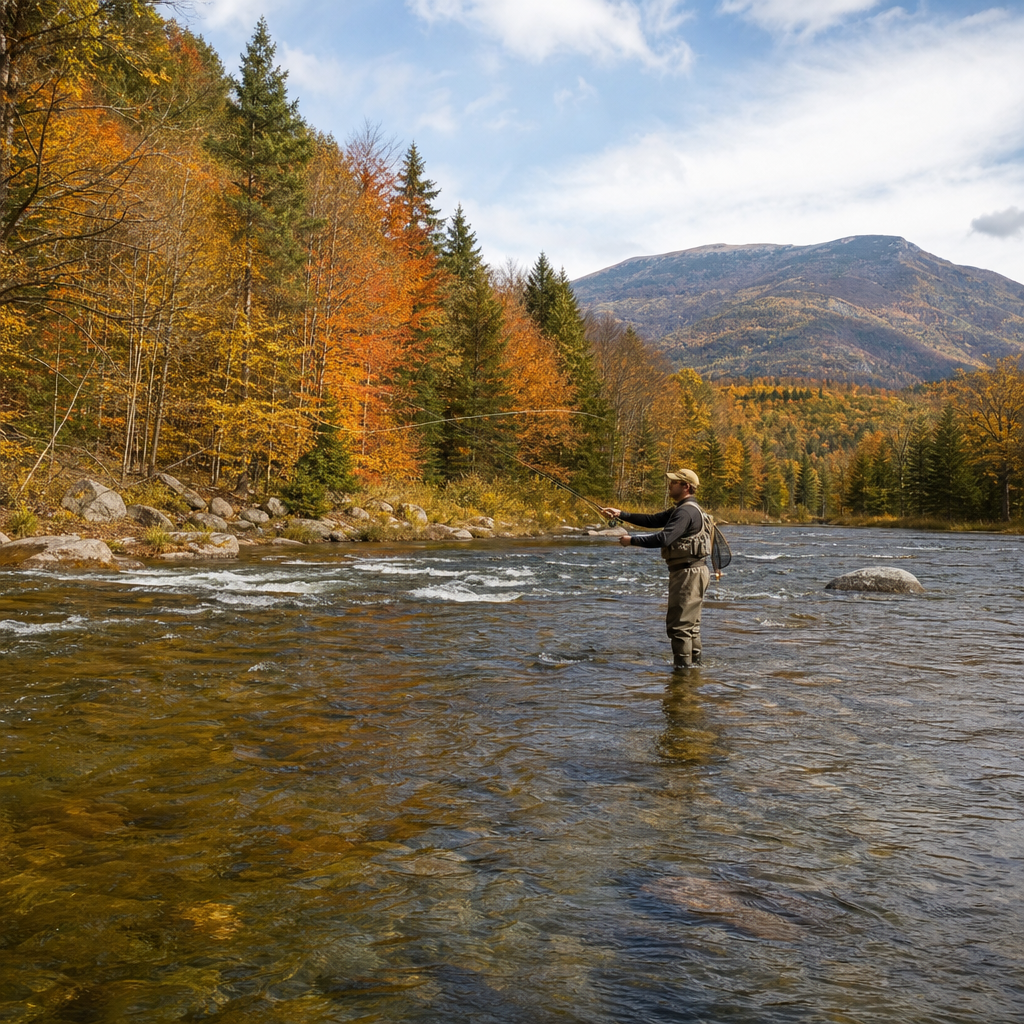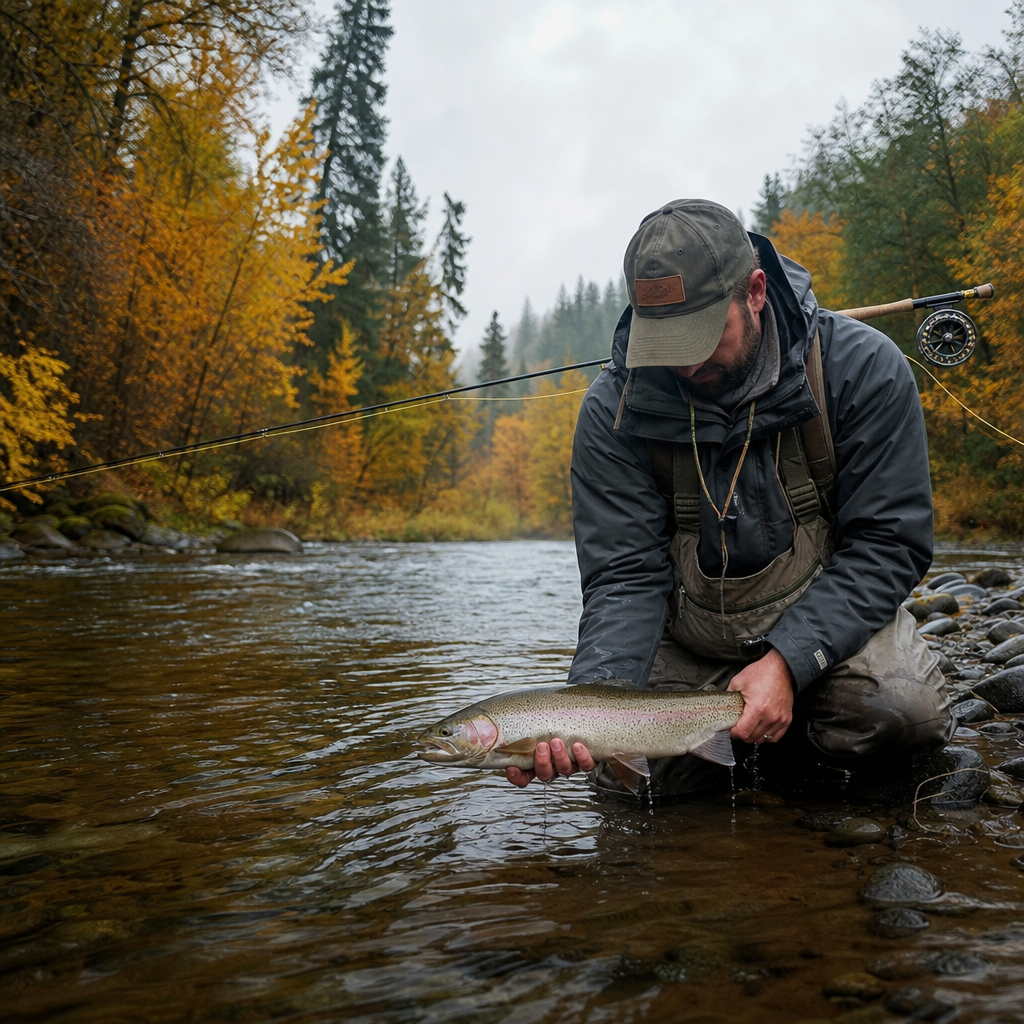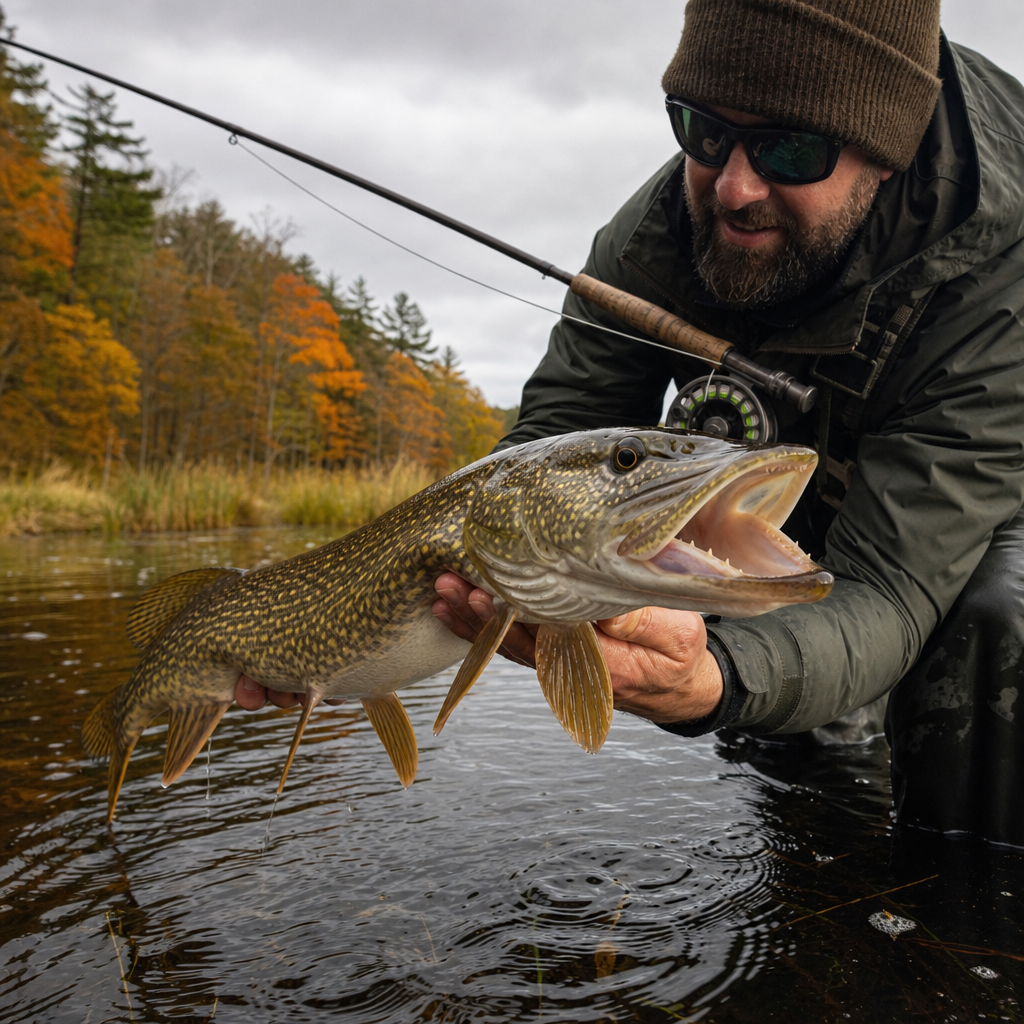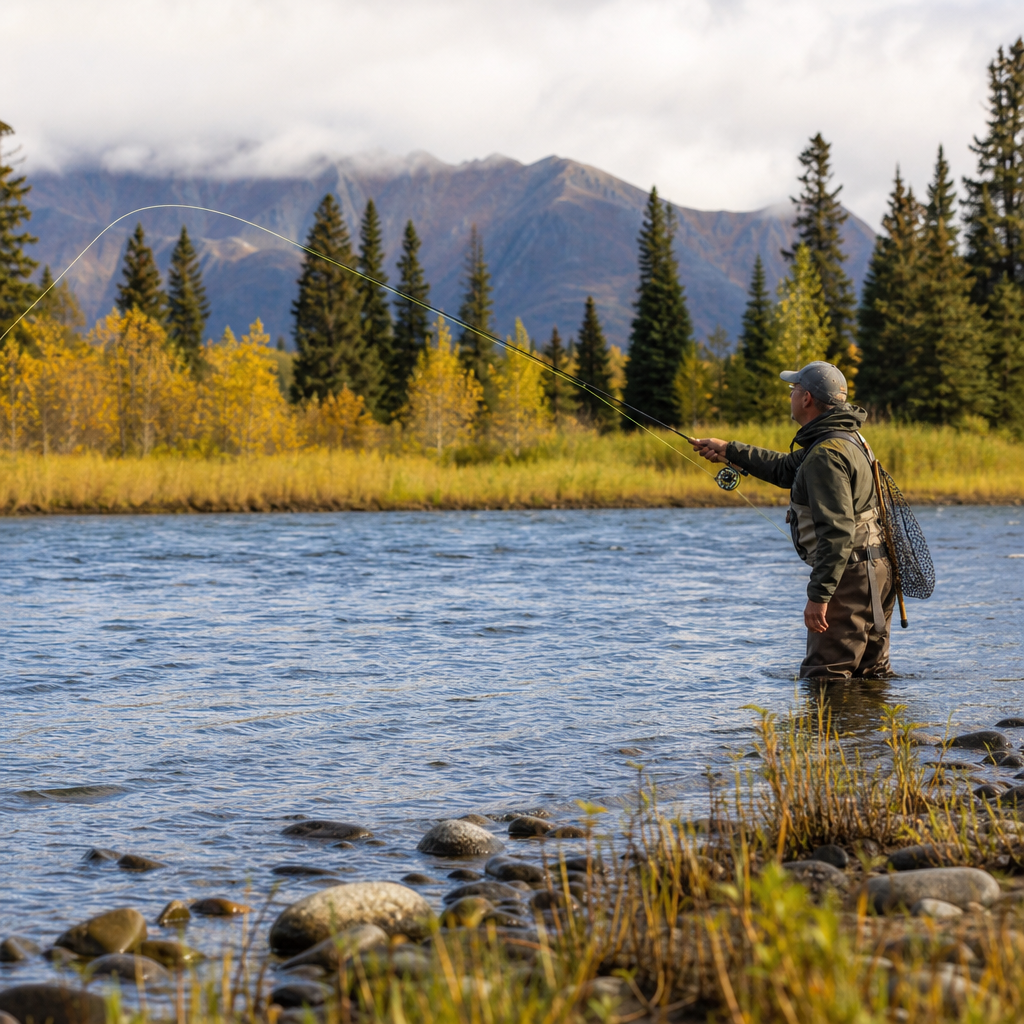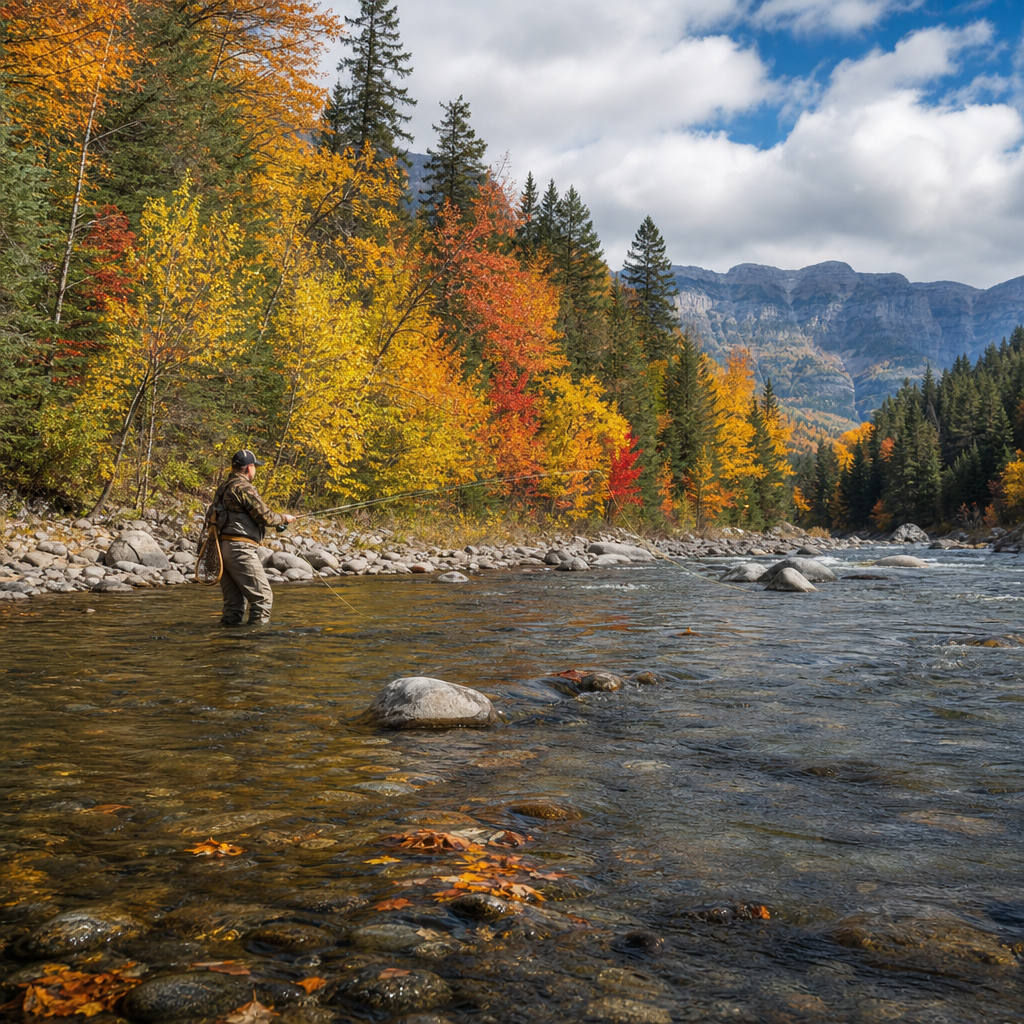
Fall fly fishing for trout is one of the most productive and misunderstood windows in the entire angling calendar. As water temperatures drop, daylight shortens, and aquatic and terrestrial food sources shift, trout behavior changes in predictable ways that reward anglers who understand seasonal strategies. Fall fly fishing refers to targeting trout during the transition from late summer warmth to winter dormancy, usually from September through November depending on latitude, elevation, and watershed type. In practical terms, it means reading temperature trends, matching late-season hatches, adapting presentations to lower flows or storm pulses, and recognizing when spawning behavior affects fish location and ethics.
I have always treated fall as a season of concentration rather than chance. Trout feed with purpose, but they do not feed the same way everywhere. A tailwater at fifty-two degrees fishes differently from a freestone stream falling into the mid-forties, and a spring creek under bright skies demands a different approach than a tannic lake outlet after rain. That is why a hub article on fall fly fishing matters. Anglers need a framework that explains where trout hold, what they eat, which flies consistently produce, how weather changes the game, and when to leave spawning fish alone. Done correctly, fall offers fewer crowds, larger trout on the move, and some of the most technical and rewarding dry-fly, nymph, and streamer fishing of the year.
Several key terms define effective fall trout tactics. A freestone river is driven mainly by rain and snowmelt, so autumn flow swings can be dramatic. A tailwater is released from a dam and often stays more temperature stable, extending insect activity. A spawning run occurs when mature trout move onto suitable gravel to reproduce; redds are the cleaned depressions where eggs are deposited and should never be walked on. Matching the hatch means selecting flies that imitate insects trout are actively eating, while prospecting means covering likely holding water with attractors or streamers when obvious feeding clues are absent. Understanding these concepts is the foundation for successful fall fly fishing for trout.
How Fall Changes Trout Behavior and Location
Trout in fall respond first to temperature and oxygen, then to food and reproductive instinct. In many rivers, the most reliable fishing begins when water cools out of the stressful upper sixties and settles into the high forties to upper fifties. Brown trout become more aggressive as spawning approaches, often shifting from deep summer lies to seams near undercut banks, heads of pools, boulder edges, and structure that supports short feeding bursts. Brook trout also color up and move shallow in smaller systems. Rainbow trout usually remain more food focused in autumn because most populations spawn in spring, though local exceptions exist.
Location changes are easier to predict if you break a river into seasonal shelters. Early in fall, trout may still hold in oxygen-rich riffles during cool mornings and slide into runs by afternoon. After the first hard frosts, many fish favor moderate-depth walking-speed water adjacent to depth, wood, or broken current. On freestones, dropping flows push trout out of exposed pocket water into defined slots. On tailwaters, stable flows keep fish distributed, but low-angle autumn light often makes them less wary than in midsummer. Lakes and reservoirs add another pattern: trout cruise shoals, inlet mouths, and drop-offs as surface temperatures cool and baitfish move shallow.
One mistake I see often is anglers fishing only where trout were in July. Fall rewards mobility. If a sunny bank has no life by midmorning, check the shaded run below a riffle, the softer inside seam behind a midstream rock, or the bucket at the tail of a pool where drifting nymphs collect. Cover water until you find active fish, then slow down and fish thoroughly.
Best Fall Flies for Trout and When to Fish Them
The best fall flies reflect three food categories: late aquatic insects, terrestrials that linger into cool weather, and larger meals that trigger predatory response. Blue-winged olives are the classic autumn mayfly across much of North America, especially on overcast days with water temperatures in the upper forties to low fifties. Sizes commonly range from 18 to 22. Mahogany duns, October caddis, midges, and lingering tricos or small cahills can all matter depending on region. In the Great Lakes and Pacific drainages, egg patterns become important where spawning fish are present, but they should be used away from active redds and not as a justification for harassing spawners.
Terrestrials stay relevant longer than many anglers expect. Ants, beetles, and especially hoppers can produce through early fall on warm afternoons. I keep a small terrestrial box ready until repeated frosts clearly shut that door. Streamers become increasingly important as brown trout turn territorial and opportunistic. Sculpin patterns, woolly buggers, zonkers, and articulated baitfish flies can move the largest fish of the season. Color is situational: olive, black, white, and natural tan are staples; a touch of orange can be excellent in stained water or during pre-spawn aggression.
| Condition | Primary Fly Choice | Typical Size | Best Timing |
|---|---|---|---|
| Overcast, cool afternoon hatch | Blue-winged olive dry or emerger | 18-22 | Late morning to midafternoon |
| Low clear water | Pheasant tail, zebra midge, small soft hackle | 18-22 | All day with long drifts |
| Warm early-fall bank activity | Foam hopper, ant, beetle | 10-16 | Noon to evening |
| Stained water or aggressive pre-spawn fish | Sculpin or articulated streamer | 4-10 | Low light and after flow bumps |
| Rivers with spawning activity downstream | Egg pattern under indicator | 12-18 | After eggs are naturally drifting |
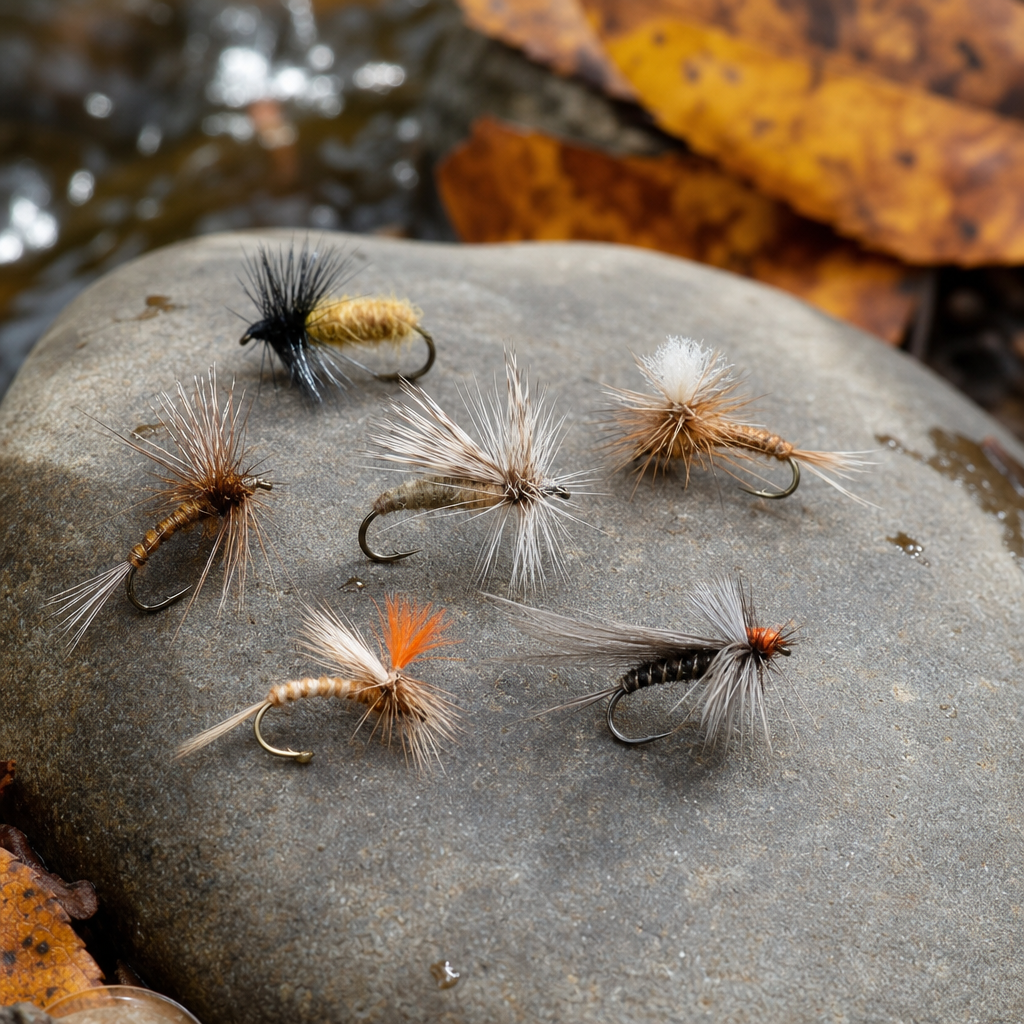
Carry both exact imitations and search patterns. If fish are visibly rising in slick water, a sparse parachute BWO, RS2, or CDC emerger usually outfishes bigger attractors. If no surface activity shows, a two-fly nymph rig with a perdigon above and a natural mayfly or midge pattern below covers water efficiently. When I want one fall fly box that handles most rivers, I build around BWOs, pheasant tails, hare’s ears, zebra midges, soft hackles, ants, hoppers, woolly buggers, and two or three compact sculpin streamers.
Nymphing, Dry Flies, and Streamers: Choosing the Right Presentation
Fall presentation matters as much as fly selection. Nymphing remains the highest-percentage approach because trout continue to feed subsurface through most of the season. Indicator rigs shine in medium-depth runs and tailouts where you need controlled depth and repeated drifts. Tight-line methods excel in pocket water, short seams, and riffle transitions where direct contact improves strike detection. The principle is simple: get the flies near the bottom without dragging them unnaturally. In low clear water, that often means smaller flies, lighter tippet, split shot trimmed to the minimum needed, and longer leaders that land softly.
Dry-fly opportunities can be superb in fall, particularly during cloudy, stable weather. Trout often key on emergers rather than fully formed duns, so a dry-dropper with a tiny trailing nymph or a greased soft hackle just under the film can solve refusals. On technical spring creeks, downstream presentations and slack-line casts become critical because fish have extra time to inspect a fly in slow current. In riffled runs, by contrast, a simple reach cast and drag-free drift are usually enough.
Streamer fishing is where many anglers unlock their best fall trout. Fish streamers when water has a little color, when clouds lower the light, when a front approaches, or when you are hunting one or two large fish instead of numbers. Retrieve speed should match trout mood. Early in the season, faster strips can trigger chases. As water cools into the low forties, slower swings, pauses, and short strips tend to outperform frantic retrieves. I prefer quartering casts across current, then mending for depth before beginning the retrieve. On banks with wood, undercuts, or rock shelves, put the streamer tight to structure. Big trout rarely move far in cold water unless the fly enters their lane.
Reading Weather, Water Conditions, and Time of Day
Weather drives fall fly fishing more than most anglers realize. A string of warm bluebird days after a cold snap can create excellent midday dry-fly windows, while the first substantial rain after leaf drop may raise and color a river just enough to improve streamer fishing dramatically. Barometric pressure changes matter less than the water conditions they create. Focus on water temperature, clarity, and flow trend. If a freestone rises six inches and gains light stain, fish edges, softer seams, and inside bends. If it blows out chocolate brown, wait. If a tailwater remains clear but night temperatures plummet, fish later in the day after the sun has lifted water temperature a degree or two.
Time of day shifts through the season. In early fall, mornings can still be productive, especially for streamers and nymphs. By late fall, the best window often compresses into late morning through midafternoon, when insect activity and trout metabolism briefly peak. Wind also deserves attention. A breezy afternoon can knock terrestrials into the water and break up the surface enough to let you approach feeding trout more closely. At the same time, heavy leaf fall can foul drifts and snag flies. If leaves are thick in the slow water, fish riffles, pockets, and deeper slots where current keeps lanes cleaner.
Regional context matters. Western freestones often hinge on storm cycles and cold nights. Eastern limestone creeks can fish consistently through mild autumn weather but demand finer tippet. Southern Appalachian streams may offer brook trout streamer and dry-dropper opportunities deep into fall at elevation. Great Lakes tributaries introduce migratory fish, eggs, and crowd management. The principles are universal, but the timing is local.
Ethics, Safety, and Building a Fall Fishing System
Any serious article on fall fly fishing for trout must address ethics. Spawning fish are vulnerable, and responsible anglers protect the resource by identifying redds, avoiding them completely, and targeting fish that are actively feeding away from spawning sites. Redds usually look like clean, light-colored patches of gravel in shallow tailouts or side channels. Do not wade through them, stand below paired fish to drift flies through the nest, or justify poor behavior because a river is public. Many states and provinces publish seasonal closures or gear restrictions around spawning periods, and those rules should be treated as the floor, not the ceiling, of ethical conduct.
Safety becomes more important as air and water temperatures fall. Hypothermia risk rises quickly when anglers wade deep in cold flows or stay out after rain and wind. Studded boots, a wading staff, layered synthetic or wool insulation, and a dry bag with spare gloves are practical essentials. I also recommend checking dam release schedules on tailwaters, because stable morning conditions can change fast. From an effectiveness standpoint, build a simple fall system: carry a thermometer, split your day between searching and refining, and keep notes on temperature, insect activity, and productive water types. After a season or two, patterns emerge. You will know that fifty-four degrees and cloud cover means BWO dries on one river, while a slight stain on another means black streamers along cutbanks. That is how fall fly fishing stops feeling seasonal and starts becoming repeatable.
Fall fly fishing for trout rewards anglers who combine observation, restraint, and seasonal adjustment. The central lesson is straightforward: trout are active in autumn, but they are active for specific reasons tied to cooling water, changing food sources, shorter feeding windows, and in some cases spawning behavior. Success comes from understanding where fish relocate, carrying flies that match late-season insects and baitfish, and choosing presentations that fit water depth, clarity, and current speed. It also comes from timing your day around the most favorable temperatures rather than clinging to summer habits.
If you remember only a few strategies, make them these. Start with water temperature and flow trend. Fish likely transition water before committing to one run. Keep a balanced fall box with BWOs, midges, terrestrials, and streamers. Use nymphs to find fish, dries when hatches develop, and streamers when conditions favor aggression. Most important, protect spawning trout and the gravel they need. Ethical choices preserve the very fishing that makes autumn special.
As a hub for the broader fall fly fishing topic, this guide gives you the framework to evaluate any river, creek, or tailwater once summer breaks and cold weather builds. Apply these principles on your next trip, keep a careful log, and refine your system each week. Fall does not last long, but it offers some of the year’s clearest signals. Read them well, fish them patiently, and you will catch more trout when the season turns.
Frequently Asked Questions
What makes fall such a productive time for fly fishing for trout?
Fall is productive because several important conditions come together at once. After the stress of summer heat and low water, cooler air temperatures and dropping water temperatures often make trout more comfortable, more active, and more willing to feed during longer parts of the day. In many rivers and streams, trout that spent the warmest weeks holding in deeper, oxygen-rich refuges begin to spread into more fishable lies such as riffles, seams, tailouts, undercut banks, and moderate-depth runs. This seasonal shift can create more consistent opportunities for anglers who understand where trout move and why.
Another major factor is urgency. Trout are preparing for winter, which means they are trying to take advantage of available calories before cold water slows their metabolism and reduces feeding windows. That does not mean they feed recklessly, but it does mean they often become more predictable. They may key in on late-season hatches, drifting nymphs, baitfish, eggs, and terrestrials that are still available early in the season. Brown trout in particular can become more aggressive in fall due to pre-spawn behavior, and that often makes streamer fishing especially effective.
Fall is also misunderstood because many anglers assume insect activity disappears once summer ends. In reality, some of the year’s best dry-fly and nymph fishing can happen in autumn. Blue-winged olives, midges, caddis, October caddis in some systems, and remaining terrestrial patterns can all play important roles. The key is recognizing that fall success usually comes from adapting to changing conditions rather than relying on peak-summer tactics. Anglers who match water temperature, trout location, light levels, and food sources to the season often find that fall offers a rare combination of quality fish, reduced pressure, and highly rewarding technical fishing.
Where should I look for trout in the fall as conditions begin to change?
Trout location in fall is closely tied to water temperature, flow levels, available cover, and food supply. Early in the season, especially in September or during lingering warm spells, fish may still behave much like late-summer trout. They often hold in oxygen-rich water such as riffles, pocket water, shaded banks, deeper runs, and areas with steady current. As nights get colder and water temperatures continue to drop, trout frequently shift into classic feeding lies where they can conserve energy while intercepting drifting food. That includes current seams, bucket water below riffles, transition zones between fast and slow water, tailouts, and the soft edges along deeper pools.
Brown trout deserve special attention in fall because pre-spawn movement can change where larger fish show up. Fish that were difficult to locate in summer may begin moving through runs, along cutbanks, near structure, and into tributary mouths or shallower transition water, especially during low light. That does not mean every fish is spawning or should be targeted on redds. Ethical fall anglers avoid fishing directly to trout actively spawning or holding on visible redds, which are the clean, bright gravel nests where eggs are laid. Instead, focus on approach routes, resting water below spawning areas, and feeding lies where trout stage before or after movement.
On stillwaters and lakes, trout may patrol shoals, drop-offs, inlets, weed edges, and shoreline zones more aggressively as surface temperatures moderate. Wind lanes can also concentrate food and create excellent opportunities. In both moving and still water, one of the smartest fall strategies is to think in terms of transitions. Trout often use edges: edge of current speed, edge of depth, edge of light, and edge of structure. If you systematically cover those transition zones and let the day’s temperatures guide your approach, you will usually find active fish more efficiently.
What flies and presentations work best for trout in the fall?
Successful fall fly selection usually comes down to covering three core categories well: nymphs, streamers, and dry flies matched to late-season hatches. Nymphs remain a foundation because trout continue to feed subsurface for most of their calories. Patterns that imitate mayfly nymphs, caddis larvae and pupae, midges, stoneflies, and general attractor nymphs are all reliable starting points. Egg patterns can also be highly effective in systems where trout are spawning or where other fish species provide egg sources. The most important point is not simply carrying fall flies, but fishing them at the right depth and speed. A perfectly chosen nymph will underperform if it is not drifting naturally through the strike zone.
Streamers become especially important in fall, particularly for anglers targeting larger brown trout. As fish grow more territorial or opportunistic ahead of winter and the spawn, baitfish and leech imitations can trigger aggressive responses. That said, streamer tactics should match conditions. In warmer fall water, a more active strip can work well. As water cools, a slower retrieve with pauses often produces better results because trout may still chase, but they are less likely to move long distances for a fly. Adjust size, color, and sink rate based on water clarity and light. Darker streamers often shine on overcast days or stained water, while natural baitfish tones can be excellent in clear conditions.
Dry-fly opportunities in fall are often underrated. Blue-winged olives, caddis, midges, and region-specific hatches can produce excellent surface action, especially on cloudy, damp afternoons. Terrestrials like ants and beetles can remain effective early in fall, particularly during warm weather or windy conditions that knock insects into the water. Presentation matters as much as fly choice. In lower, clearer autumn water, trout can become selective, so longer leaders, accurate casts, drag-free drifts, and careful wading are essential. If fish show interest but refuse, downsizing the fly or improving drift is often more effective than making dramatic fly changes. A balanced fall approach means being ready to fish deep in the morning, switch to dries when activity appears, and use streamers during low light or whenever bigger fish seem willing to hunt.
How do weather, water temperature, and time of day affect fall trout behavior?
These factors are central to fall strategy because trout behavior becomes more tied to temperature stability and changing light conditions than many anglers realize. Water temperature is usually the first thing to consider. In early fall, cooler mornings can actually slow activity, while late morning through afternoon may provide the best fishing as the water warms slightly into a more active feeding range. Later in the season, especially as water temperatures continue dropping, trout may feed in shorter but still predictable windows, often during the warmest and most stable part of the day. If a cold front arrives, fishing can become tougher, but stable conditions before or after that front often produce better action.
Cloud cover is another major variable. Overcast skies can extend feeding periods, improve dry-fly activity during blue-winged olive hatches, and encourage larger trout to move more confidently. Bright sun can still produce fish, but it often pushes them toward depth, cover, or more defined feeding windows. Wind can be a positive or negative depending on the water. On rivers it may reduce casting efficiency, but it can also bring terrestrials to the surface and break up light penetration. On lakes, wind can concentrate food and activate cruising trout along productive shorelines and structure.
Time of day changes across the season. Early fall may fish best from late morning into evening, while mid to late fall can create surprisingly good afternoon windows once the coldest water of the morning begins to moderate. Low-light periods around dawn and dusk remain valuable for streamer fishing, especially for larger browns, but anglers should not automatically assume sunrise is always best in autumn. The smarter approach is to read the conditions. Carry a thermometer, note when insects appear, pay attention to whether trout are holding shallow or deep, and build your day around trends rather than habit. Fall rewards anglers who stay flexible and let the environment dictate timing.
What are the biggest mistakes anglers make when fly fishing for trout in the fall?
One of the most common mistakes is fishing fall exactly like summer. Many anglers keep the same start times, the same water choices, and the same fly rotation without adjusting for cooler temperatures, changing food sources, and shifting trout positions. In fall, fish may not be concentrated in the same fast summer water all day, and they may respond better to slower, deeper, or more deliberate presentations. Another mistake is overlooking subsurface fishing because of the season’s visual appeal. Even when trout are active, a large share of feeding still happens below the surface, so anglers who refuse to nymph or fish streamers often miss the most consistent action.
Another major issue is poor stealth in clear, low fall water. As vegetation dies back and flows drop in many systems, trout often become easier to spot but harder to fool. Wading too aggressively, casting shadows over holding water, using overly heavy tippet when fish are selective, or making repeated bad drifts can quickly shut down a run. Fall often demands a careful approach, thoughtful positioning, and the patience to work likely lies thoroughly before moving on. Presentation quality frequently matters more than changing flies every few minutes.
The most important mistake, however, is ethical rather than tactical: targeting actively spawning trout or stepping on redds. Fall is a sensitive period in many trout fisheries, especially for brown trout and brook trout in some regions. Redd