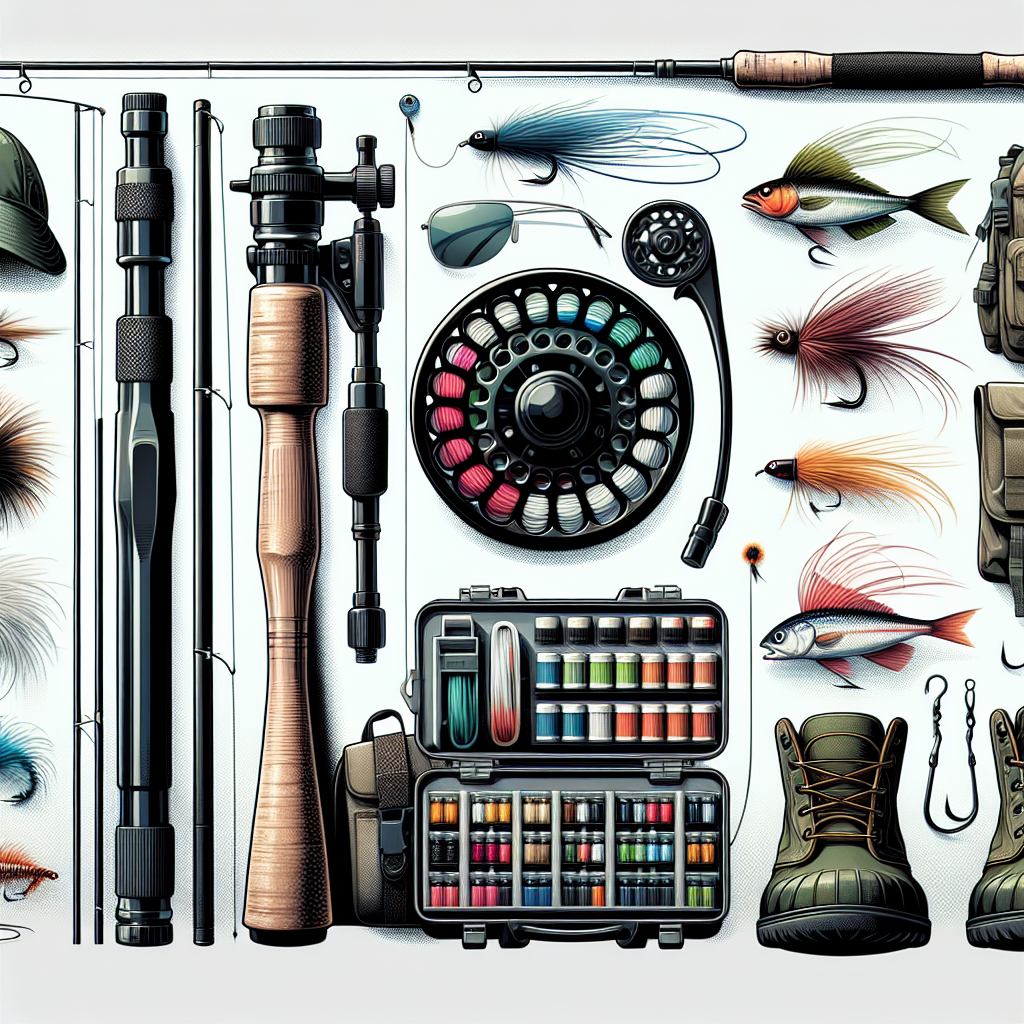
If you’re gearing up for your first saltwater fly fishing adventure, you’re likely bubbling with both anticipation and a bit of apprehension. It’s a different ball game compared to freshwater fly fishing, demanding sturdier equipment and specialized techniques. Saltwater environments bring their own set of challenges, from the corrosive nature of salt to the powerful, hard-fighting fish you’ll encounter. This comprehensive guide will arm you with the essential gear knowledge you need to get started.
The exhilarating thrill of casting a fly into the vast ocean and connecting with a fierce tarpon, bonefish, or redfish cannot be overstated. However, to make the most of these encounters, the right gear is crucial. From the rods and reels to lines and flies, each component plays a vital role in your success on the water. In this article, we’ll break down the basics of saltwater fly fishing gear, explaining why each item is essential and offering recommendations to help you make informed decisions.
Ready to dive in? Whether you’re a seasoned angler looking to expand your horizons or a complete novice excited about the prospect of saltwater fly fishing, by the end of this guide, you’ll have a solid foundation of knowledge. Let’s start our journey into the mesmerizing world of saltwater fly fishing and discover what gear you truly need.
Saltwater Fly Rods
Choosing the right rod for saltwater fly fishing is paramount. Unlike freshwater settings, you’ll be contending with larger and stronger fish, not to mention potentially rougher conditions. Hence, a saltwater fly rod needs to be not only more robust but also versatile and resilient.
Generally, saltwater fly rods are designed to cast larger flies and handle heavier lines. They are typically built from high-quality graphite or composite materials, offering a balance of strength and flexibility. When choosing a rod, a 9-foot, 8 or 9-weight rod is often the standard for many saltwater applications, but sizes can vary based on the species you target.
Corrosion resistance is another critical feature. Saltwater can wreak havoc on equipment, so rods are often coated with specialized finishes and equipped with corrosion-resistant guides and reel seats. Investing in a rod specifically designed for saltwater environments will ensure it stands the test of time.
Lastly, consider the rod’s action. Fast-action rods are favored for saltwater fly fishing as they offer the power needed to cast long distances and effectively fight large fish. However, medium-action rods can also be useful in certain conditions, providing a good balance of power and control.
Saltwater Fly Reels
The reel is arguably one of the most critical components of your saltwater fly fishing setup. A saltwater fly reel needs to be durable, have a strong drag system, and be resistant to the harsh effects of saltwater.
Start by ensuring your reel has a sealed drag system. This feature prevents saltwater from infiltrating the inner workings of the reel, which can cause corrosion and significantly reduce its lifespan. A powerful, smooth drag system is essential for handling strong fish that make long, hard runs.
Next, consider the reel’s construction. High-quality saltwater reels are typically made from anodized aluminum, which offers both lightness and corrosion resistance. The anodization process adds a protective layer, further safeguarding against the erosive nature of saltwater.
The reel size should match the rod weight and line you’re using. For example, an 8 or 9-weight rod would typically pair with a corresponding reel designed to handle that line weight range, ensuring balance and optimal performance.
Lastly, always rinse your reel thoroughly with fresh water after each use in saltwater to remove any salt residues, and regularly lubricate moving parts to maintain smooth operation.
Saltwater Fly Lines
When it comes to fly lines for saltwater fishing, the options can seem overwhelming, but the right choice can significantly impact your success and enjoyment on the water. Unlike freshwater lines, saltwater fly lines are built to withstand harsher conditions and are often treated with special coatings to reduce UV damage and repel grime and salt.
The most common types of saltwater fly lines include floating, intermediate, and sinking lines. Each has its specific applications depending on the species you’re targeting and the water conditions. Floating lines are excellent for surface fishing and when you need to present flies delicately. Intermediate lines sink slowly and are ideal for fishing mid-water columns, while sinking lines are used for deep-water applications.
Moreover, pay attention to the taper of the line. Weight-forward tapers are popular among saltwater anglers because they provide the necessary power to cast large flies into the wind, a common challenge in saltwater environments.
Line weight should correspond to your rod and reel. For instance, an 8-weight rod and reel would use an 8-weight line. Additionally, always carry spare lines to accommodate different fishing scenarios and potential line breaks.
Lastly, always thoroughly rinse your fly lines with fresh water after each outing to prevent salt buildup, extending the line’s life and maintaining its performance.
Saltwater Flies
Flies are the enticing baits in fly fishing, and the right selection can make a significant difference in your saltwater fly fishing success. Saltwater flies come in various shapes, sizes, and patterns, designed to mimic the prey of specific saltwater species.
Popular patterns include Clouser Minnows, Deceivers, and Crab and Shrimp imitations. Clouser Minnows are versatile and effective for many species, mimicking small baitfish with their realistic swimming action. Deceivers are excellent for imitating larger baitfish and are particularly effective for targeting species like striped bass and tarpon.
Crab and Shrimp imitations are essential for species that feed on crustaceans, like bonefish and permit. These flies often require precise presentations, as they need to look natural when moving along the ocean floor.
The material used in saltwater flies is also crucial. Synthetic materials, such as epoxy, are often preferred for their durability and resistance to saltwater. Many flies are tied with weighted eyes to help them sink quickly and stay in the strike zone longer.
Always carry a variety of flies to adapt to different fishing conditions and try to match the hatch by observing what natural prey is present in the water. This increases your chances of enticing a strike from wary fish.
Accessories and Extras
Having the right gear goes beyond rods, reels, lines, and flies. There are several accessories and extras that can enhance your saltwater fly fishing experience.
Firstly, invest in a good-quality pair of polarized sunglasses. These not only protect your eyes from the sun but also reduce glare on the water, allowing you to spot fish and structure below the surface more effectively.
A stripping basket can also be invaluable, especially when fishing from a shoreline or a boat. It helps manage your fly line, preventing it from tangling and enabling more precise casts.
Wading boots and appropriate apparel are essential if you plan to fish on foot in coastal areas. Look for breathable, quick-drying materials that offer UV protection. Wading boots should provide good foot support and have non-slip soles to ensure your safety on slippery rocks and surfaces.
Additional useful accessories include a quality pair of pliers for hook removal, a leader and tippet material, and a gear bag to keep everything organized. It’s also wise to keep a first-aid kit and plenty of sunscreen on hand.
Remember, the right accessories can make your time on the water more enjoyable and efficient, allowing you to focus on fishing rather than fumbling with uncooperative gear.
Conclusion
Embarking on a saltwater fly fishing adventure is a thrilling pursuit that demands preparation and the right gear. From selecting robust rods and reels to choosing the right lines and flies, each component plays a vital role in your success and enjoyment out on the water.
Investing in quality gear crafted specifically for saltwater environments will not only enhance your fishing experience but also ensure that your equipment stands up to the challenges posed by these demanding conditions. Remember, saltwater fly fishing requires adaptability and the willingness to learn and evolve your techniques continually.
By armed with this foundational knowledge of essential saltwater fly fishing gear, you’re well on your way to experiencing the excitement and rewards that come with tackling saltwater species. As you refine your skills and adjust your equipment based on experience, you’ll discover the unique joys that make saltwater fly fishing an incredibly fulfilling endeavor.
So, gear up, head out to the coast, and cast your fly into the vast, intriguing world of saltwater. Whether you hook into a powerful tarpon, outsmart a cunning bonefish, or experience the sheer beauty of the ocean, you’ll be glad you took the time to prepare and equipped yourself with the right tools for the adventure.