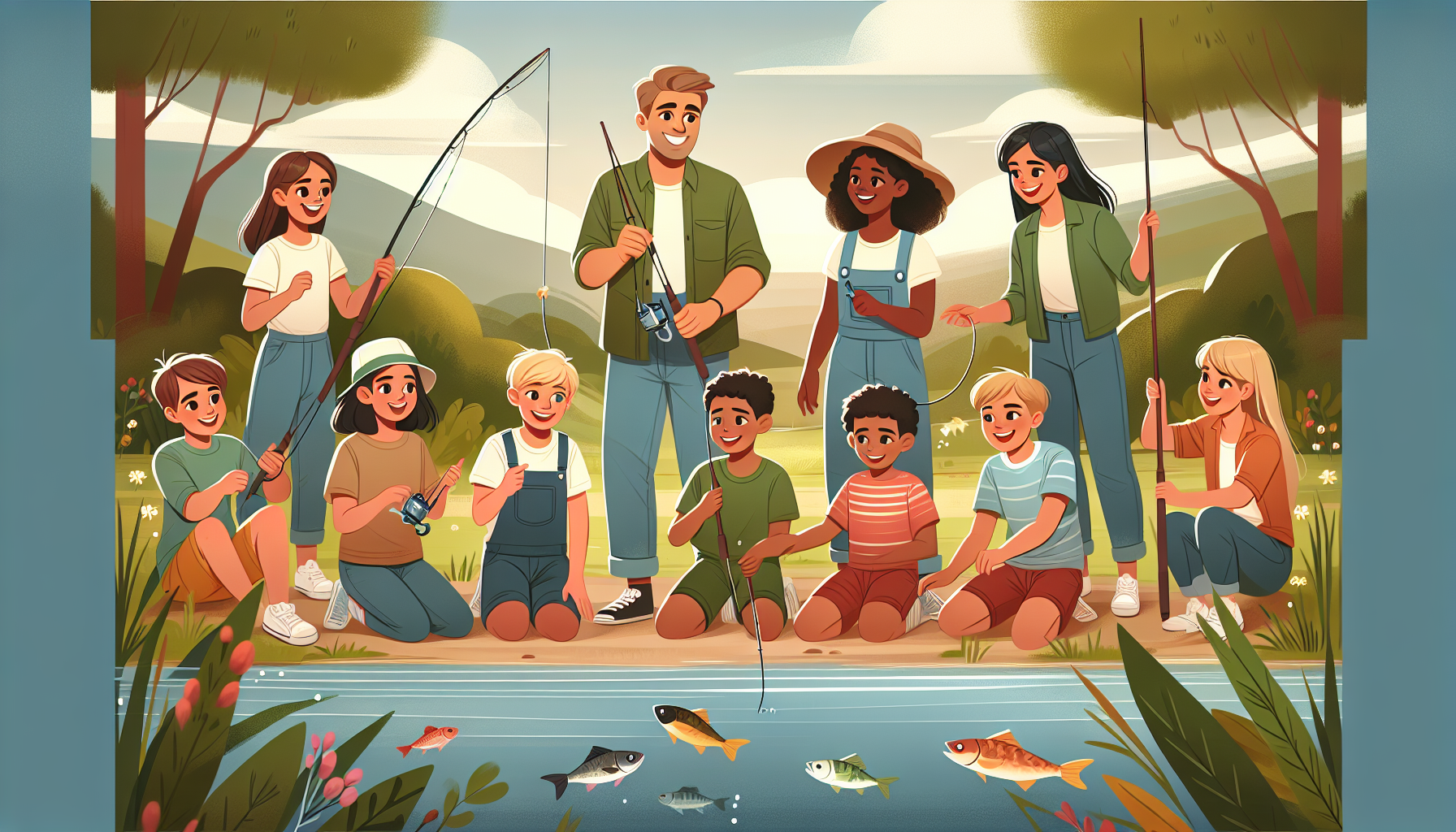
Catch and release for kids is one of the most practical ways to teach conservation, fishing ethics, and hands-on respect for wildlife at the same time. In simple terms, catch and release means landing a fish, handling it carefully, and returning it to the water in the best possible condition so it can survive and reproduce. For children, that process becomes more than a fishing technique. It becomes an early lesson in stewardship. I have taught young anglers on ponds, rivers, and inshore flats, and the same pattern repeats: kids remember the fish they release just as vividly as the fish they keep. When adults explain why some fish should go back, children quickly connect the idea to fairness, habitat protection, and the future of fishing itself.
Teaching catch and release matters because many fisheries depend on selective harvest, size limits, seasonal protections, and voluntary release of vulnerable fish. State agencies set regulations to maintain healthy populations, but regulations alone do not build ethics. Kids need to understand concepts such as spawning stock, mortality, habitat stress, and why a fish that swims away is not automatically guaranteed to survive. When they learn these details early, they become anglers who make better decisions without needing constant supervision. This article serves as a hub for the broader catch and release topic, covering the essential skills, the science behind survival, age-appropriate teaching methods, and the gear choices that reduce harm. It is designed to answer the questions families most often ask before they step onto a dock, into a boat, or down a riverbank.
What Kids Need to Understand About Catch and Release
The first lesson is that catch and release is not simply “throwing fish back.” Proper catch and release is a sequence: hook the fish efficiently, land it quickly, control it calmly, minimize air exposure, remove the hook with the right tool, and release it where it can recover. Children understand this better when each step has a reason. A fish fights until it builds up physiological stress, including lactic acid accumulation and oxygen debt. The longer the fight, the harder recovery becomes, especially in warm water where dissolved oxygen is lower. Explaining this in plain language works: “If the fish gets too tired, it may not recover even if it swims away.”
Kids should also learn that not every fish should be handled the same way. A small bluegill, a largemouth bass, a trout, and a red drum all have different sensitivities. Trout are particularly vulnerable to warm water and rough handling because of their oxygen demands and delicate protective slime coat. Bass are generally hardy, but extended air exposure during photos can still reduce survival. Species with sharp teeth, heavy bodies, or fragile jaws require specific support. I teach children to ask three quick questions before touching any fish: What species is it, where should I hold it, and does it need to stay in the water? That habit prevents many mistakes.
Ethics also belong in the first conversation. Harvest is not wrong, and kids should hear that clearly. Keeping legal fish for food can be responsible and sustainable. The point is to teach intentional choices. If the fish is out of season, undersized, oversized under a slot limit, or part of a fragile fishery, release is the ethical option. If a fish is deeply hooked and unlikely to survive, local regulations and species rules may influence what should happen next. Children do well when adults present conservation not as guilt, but as care guided by rules, biology, and respect.
The Science Behind Survival After Release
Children are often more interested in biology than adults expect. A short explanation of fish survival makes every handling rule easier to accept. Fish breathe by moving water across their gills, which extract dissolved oxygen. Out of water, that system stops working properly, and the gill filaments can collapse or dry. Their skin is also covered by a mucus layer that helps protect against infection. Dry hands, hot boat carpet, sand, or rough nets can remove that barrier. This is why wet hands, rubberized landing nets, and quick releases are standard best practices recommended by many fisheries agencies and angling organizations.
Hook placement strongly affects outcomes. Fish hooked in the lip or jaw usually have high survival rates when handled correctly. Fish hooked deep in the throat, gills, or stomach face much greater risk. Circle hooks have become especially important in conservation-minded fishing because they are designed to slide toward the corner of the mouth rather than catch deep inside when used correctly with natural bait. In my experience guiding young anglers, switching from traditional J-hooks to non-offset circle hooks immediately reduces deep-hooking incidents and makes release less stressful for both child and fish.
Water temperature is another major variable. Warm water holds less oxygen, and fish that are released during summer heat are more vulnerable to delayed mortality. Trout anglers often stop fishing entirely once river temperatures pass accepted stress thresholds, often around the upper 60s Fahrenheit depending on local conditions and management guidance. That is a powerful teaching moment for kids: conservation sometimes means not fishing. In saltwater, species like tarpon, snook, and bonefish also face higher stress in hot conditions, particularly after long fights or shark exposure. Good catch and release decisions start before the first cast.
Gear Choices That Make Catch and Release Safer
The easiest way to improve survival is to set kids up with gear that shortens the fight and simplifies release. Rods and reels should match the target species so fish can be landed firmly, not played to exhaustion. A medium spinning outfit for pond bass and panfish, an ultralight for tiny trout streams, or a properly balanced inshore setup for school-size redfish all make sense because they control fish efficiently. Terminal tackle matters just as much. Barbless hooks or crimped barbs penetrate well and come out faster. They are especially useful for children who may struggle with forceful hook removal. The slight increase in lost fish is usually worth the reduction in handling time.
Essential release tools should be part of every kid’s kit, not an afterthought in an adult’s pocket. Needle-nose pliers, hemostats, line cutters, a rubber net, and a knotless fish-friendly landing setup save time and reduce panic. For larger species, a landing mat or wet measuring board can prevent injury. I also recommend keeping cameras or phones ready in advance; if a child wants a photo, the fish should not wait while adults unlock screens and switch modes. Preparedness is conservation in practice.
| Gear choice | Why it helps | Best use with kids |
|---|---|---|
| Barbless or crimped-barb hooks | Faster hook removal, less tissue damage | Panfish, bass, trout, stocked ponds |
| Non-offset circle hooks | Reduce deep-hooking with natural bait | Catfish, saltwater, live or cut bait fishing |
| Rubberized landing net | Protects slime coat and fins better than nylon | Boat, dock, kayak, and bank fishing |
| Appropriately powered rod and reel | Shortens fight time and improves control | Any species when matched to fish size |
| Hemostats or long pliers | Safe, precise hook removal | Small hooks, toothy fish, anxious beginners |
How to Teach the Process Step by Step
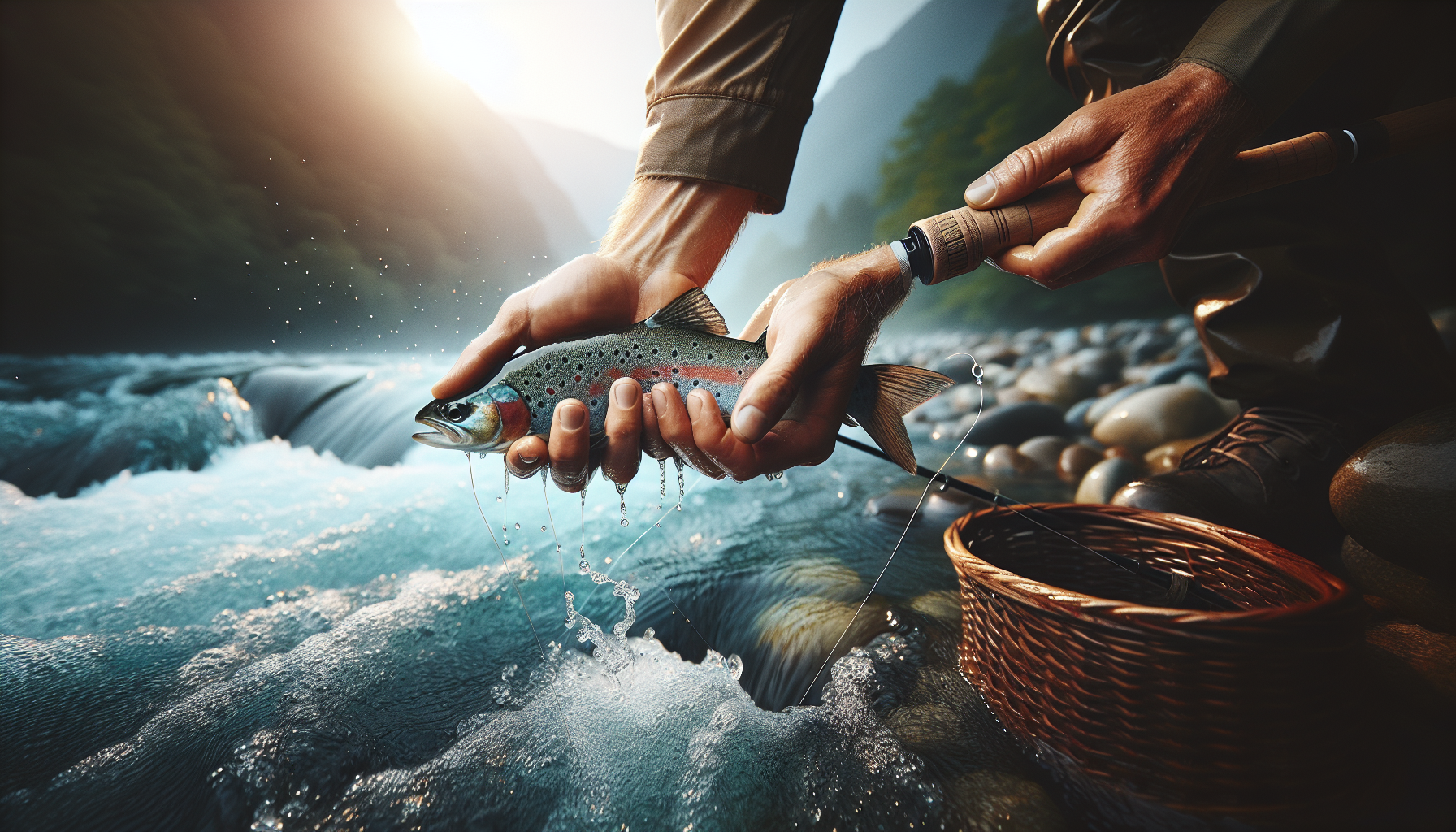
Kids learn catch and release best through a repeatable routine. I use a simple sequence: keep the fish in the water when possible, wet hands before touching it, support the body correctly, remove the hook quickly, and release only when the fish is ready. Younger children need one instruction at a time. Saying “wet hands first” and physically modeling it works better than giving a long speech after the fish is already on shore. With very young anglers, adults should handle the fish while the child helps with one safe task such as wetting hands, holding pliers, or counting seconds out of water.
As children gain confidence, assign responsibility by age and ability, not by enthusiasm alone. A careful eight-year-old may be ready to remove small panfish hooks with supervision, while an excited twelve-year-old may still rush and squeeze. Set a standard that photos happen only after the fish is controlled and the plan is clear. For many species, especially trout and larger fish, the best photo is in the water with the child kneeling beside it. That approach often produces better memories than the classic extended-arm grip, and it teaches that the fish’s welfare comes before the pose.
Hook removal deserves direct instruction. If the hook is visible in the lip, back it out along the entry path. If the fish is deeply hooked, do not dig blindly. In many situations, cutting the line close to the hook is the lower-risk choice, particularly with small hooks that may corrode or become encapsulated. Local regulations, species biology, and hook type all matter, so adults should review agency guidance before the trip. Teaching children that “sometimes the kindest move is not pulling hard” gives them a rule they can actually use under pressure.
Age-Appropriate Lessons, Common Mistakes, and Real-World Examples
Ages five to seven do best with visible rules and short explanations. Tell them fish need water to breathe, gentle hands, and a quick return. At this age, practice with hardy species like bluegill or stocked pond fish is ideal because the gear is simple and the pace is forgiving. Ages eight to twelve can handle more nuance, including why warm water is dangerous, what legal size limits mean, and how to identify a deeply hooked fish. Teenagers are ready for the bigger ethical discussion: tournament fish care, social media photo habits, selective harvest, invasive species rules, and how local management goals shape release decisions.
The most common mistakes are predictable. Children squeeze fish because they fear dropping them. Adults prolong air exposure while organizing a picture. Anglers place fish on dry ground, lift heavy fish vertically by the jaw for too long, or attempt to revive exhausted fish by pushing them forward aggressively through the water. The better practice is calm support, minimal air time, and allowing water to pass naturally across the gills by facing the fish into a gentle current or holding it upright until it kicks away. On still water, simply supporting the fish until it regains balance is often enough.
Real examples make these points stick. On a summer pond trip, I watched a child land a largemouth bass quickly on balanced tackle, use wet hands, remove a barbless hook in seconds, and release the fish beside the bank without drama. The entire process took less than twenty seconds, and the fish powered off immediately. On another outing, a trout was carried several yards for a photo on a hot afternoon, laid briefly on dry grass, and released after a prolonged struggle. It swam away, but its odds were clearly worse. Kids notice that contrast. When adults narrate what happened and why, every catch becomes a conservation lesson.
Building Lifelong Conservation Habits Through Family Fishing
The long-term goal is not just proper release technique. It is raising anglers who understand their role in the health of a fishery. That starts with routines families can repeat every trip: check regulations before leaving home, carry the right release tools, stop fishing when conditions are poor, and talk openly about when keeping a fish is appropriate. Children should know that conservation includes habitat, too. Trampled banks, discarded line, bait containers, and careless wading affect fish as surely as bad handling. Picking up litter after a trip reinforces that fishing ethics extend beyond the moment of the catch.
This hub article is the foundation for deeper catch and release learning. Families can build from here into species-specific handling, seasonal temperature concerns, safe fish photography, choosing circle hooks, teaching kids to read regulations, and understanding release mortality in freshwater and saltwater fisheries. The main benefit is simple: kids who learn careful catch and release grow into anglers who protect the resource while still enjoying it fully. Make the next trip a teaching trip. Pack the right tools, explain the why behind every step, and let children practice conservation one fish at a time. That is how the next generation keeps fishing strong.
Frequently Asked Questions
What is catch and release, and why is it important to teach kids?
Catch and release is the practice of catching a fish, bringing it in as quickly and safely as possible, handling it with care, and then returning it to the water so it has the best chance of surviving. For kids, this simple process teaches much more than fishing technique. It introduces the idea that fish are not just targets or trophies, but living parts of a larger ecosystem. When children learn to release fish properly, they begin to understand conservation in a hands-on, memorable way.
Teaching catch and release at a young age also helps build lifelong fishing ethics. Kids who learn to respect fish early are more likely to respect regulations, habitat, and the overall health of the waters they fish in as they grow older. It turns a day on the water into a lesson about responsibility, patience, and stewardship. Instead of focusing only on the excitement of the catch, children learn that what happens after the catch matters just as much.
From a practical standpoint, catch and release can help protect fish populations, especially in places with heavy fishing pressure or sensitive species. Even when keeping legal fish is allowed and appropriate, learning how to release fish correctly gives young anglers an important skill they will use throughout their lives. It helps them become more complete, more thoughtful anglers who understand that good fishing depends on healthy fisheries.
How can I explain catch and release to a child in a way they will understand?
The best way to explain catch and release to a child is to keep it simple and relatable. You can tell them that fishing is not only about catching fish, but also about taking care of them. A helpful way to frame it is: “We catch the fish, look at it, learn about it, and then let it go home.” That kind of language makes the idea clear without overwhelming them with technical details too early.
Children also respond well to cause-and-effect lessons. Explain that fish need clean water, healthy bodies, and gentle handling to survive. If a fish is squeezed too hard, kept out of the water too long, or dragged onto hot ground, it can be badly injured even if it swims away. By showing kids that their actions directly affect whether a fish lives, you help them understand that being careful is part of being a good angler.
It also helps to make the lesson active rather than just verbal. Before you start fishing, walk them through the steps: wet your hands, keep the fish low and supported, remove the hook gently, and release it quickly. Kids learn especially well by doing. If you present catch and release as an important job they get to do, rather than a list of rules, they are far more likely to take pride in doing it right.
What are the most important catch and release techniques kids should learn first?
The first and most important lesson is that fish should be handled as little and as gently as possible. Kids should learn to wet their hands before touching a fish because dry hands can remove the protective slime coating that helps guard fish against infection. They should also be taught to avoid squeezing the fish, grabbing it by the eyes or gills, or laying it on dry, rough, or hot surfaces. Supporting the fish’s body properly is one of the core habits every young angler should learn.
Another major skill is minimizing air exposure. A good rule for kids is that the fish should stay in the water as much as possible, and if it does come out, it should only be for a quick unhooking or photo. Long photo sessions are hard on fish, especially in warm water. Teaching children to be ready before lifting a fish out of the water makes a big difference. Have pliers ready, decide quickly whether you are taking a photo, and return the fish promptly.
Hook removal is another foundational technique. Kids should be shown how to remove hooks carefully and calmly, ideally with adult supervision. Barbless hooks or hooks with pinched barbs can make this much easier for beginners and often reduce injury to the fish. If a fish is deeply hooked, the best option in some situations is to cut the line rather than cause more damage by forcing the hook out. Finally, children should learn how to release a fish properly by placing it back in the water gently and allowing it to regain strength before letting it swim away on its own.
What gear and setup make catch and release easier and safer for children?
The right gear can make a huge difference when teaching kids how to practice catch and release successfully. Start with simple, appropriately sized tackle that children can handle comfortably. Light or medium-light rods, manageable reels, and tackle matched to the target species reduce fight time and help kids control fish better. A fish that is played too long can become exhausted, which lowers its chances of survival after release.
Circle hooks and barbless hooks are especially useful when fishing with children. Circle hooks often reduce deep hooking when used properly, particularly with natural bait, while barbless hooks make removal faster and cleaner. A rubber-coated landing net is another excellent tool because it helps protect the fish’s slime coat and reduces tangling compared to traditional knotted nets. Long-nose pliers, hemostats, or a simple hook remover should always be within reach before the first cast is made.
It also helps to create a child-friendly routine. Keep a small release kit ready with pliers, a line cutter, and a towel for hands only, not for wrapping fish. Choose fishing locations where kids can land fish safely without scrambling over rocks, steep banks, or unstable docks. If conditions are calm and controlled, children can focus on learning proper fish care rather than just trying to keep up with the chaos of the moment. The easier you make the process, the more likely they are to build good habits that last.
How do I keep catch and release fun for kids while still teaching conservation and respect for fish?
The key is to make conservation part of the adventure instead of presenting it as a lecture. Kids love action, discovery, and encouragement, so let catch and release become part of the story of the day. Celebrate more than just the number or size of fish caught. Praise them for wetting their hands, staying calm, helping with the net, making a quick release, or noticing details about the fish’s colors and fins. When children feel successful for doing things the right way, they stay engaged.
You can also turn each fish into a mini lesson. Ask simple questions like, “Why do you think this fish needs to go back healthy?” or “What do you think it eats here?” That helps children connect the fish to its habitat and understand that conservation is about protecting a whole living system, not just one animal at a time. On ponds, rivers, and inshore flats alike, these moments are often what stick with young anglers long after the trip is over.
Most importantly, keep expectations realistic and age-appropriate. Younger kids may only remember two or three core rules at first: be gentle, be quick, and let the fish go safely. That is enough to start. As they gain confidence, you can teach more advanced ideas like water temperature, fish stress, legal regulations, and species-specific handling. The goal is not perfection on day one. The goal is raising young anglers who enjoy fishing, respect wildlife, and understand that their choices on the water truly matter.