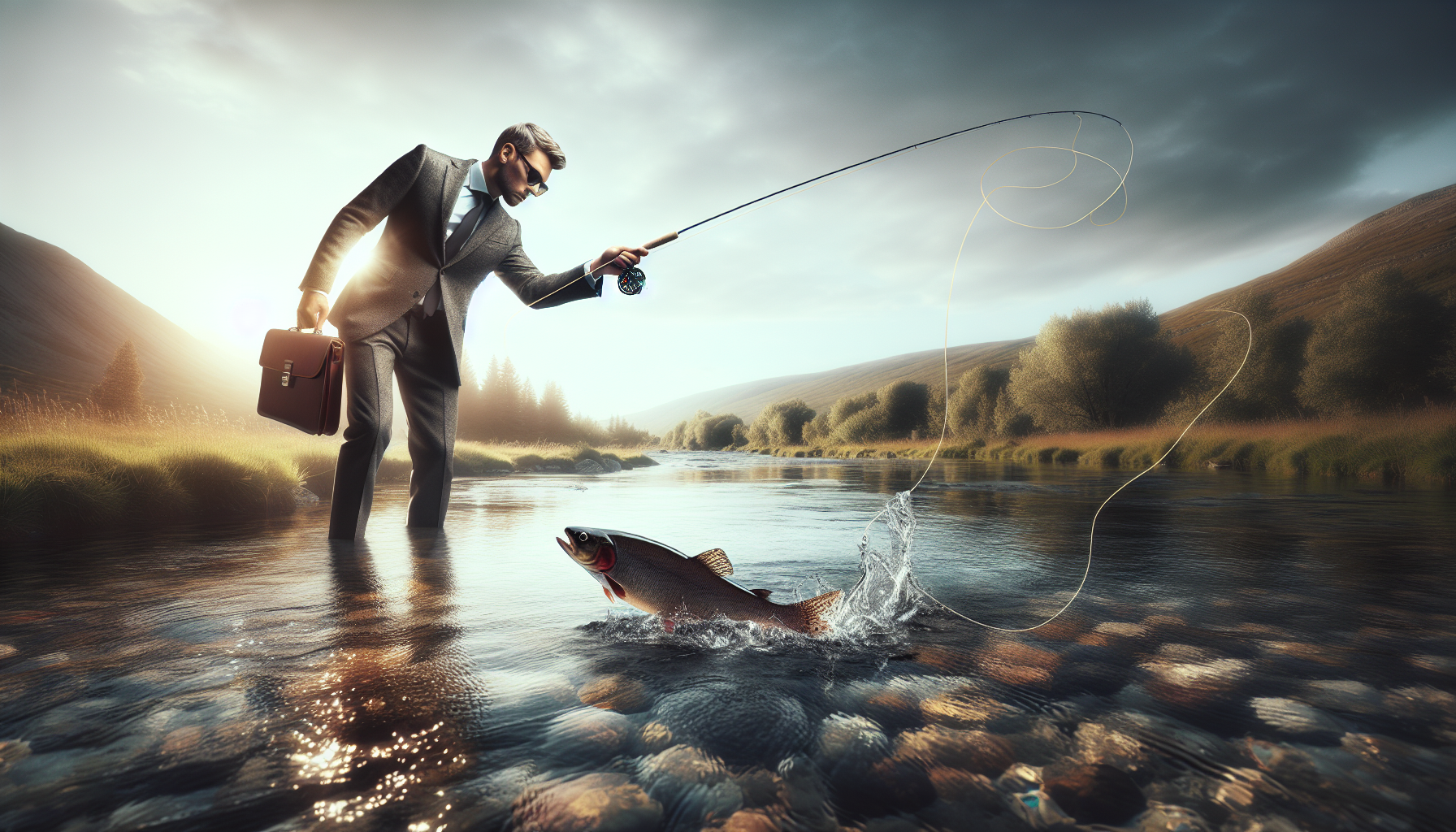
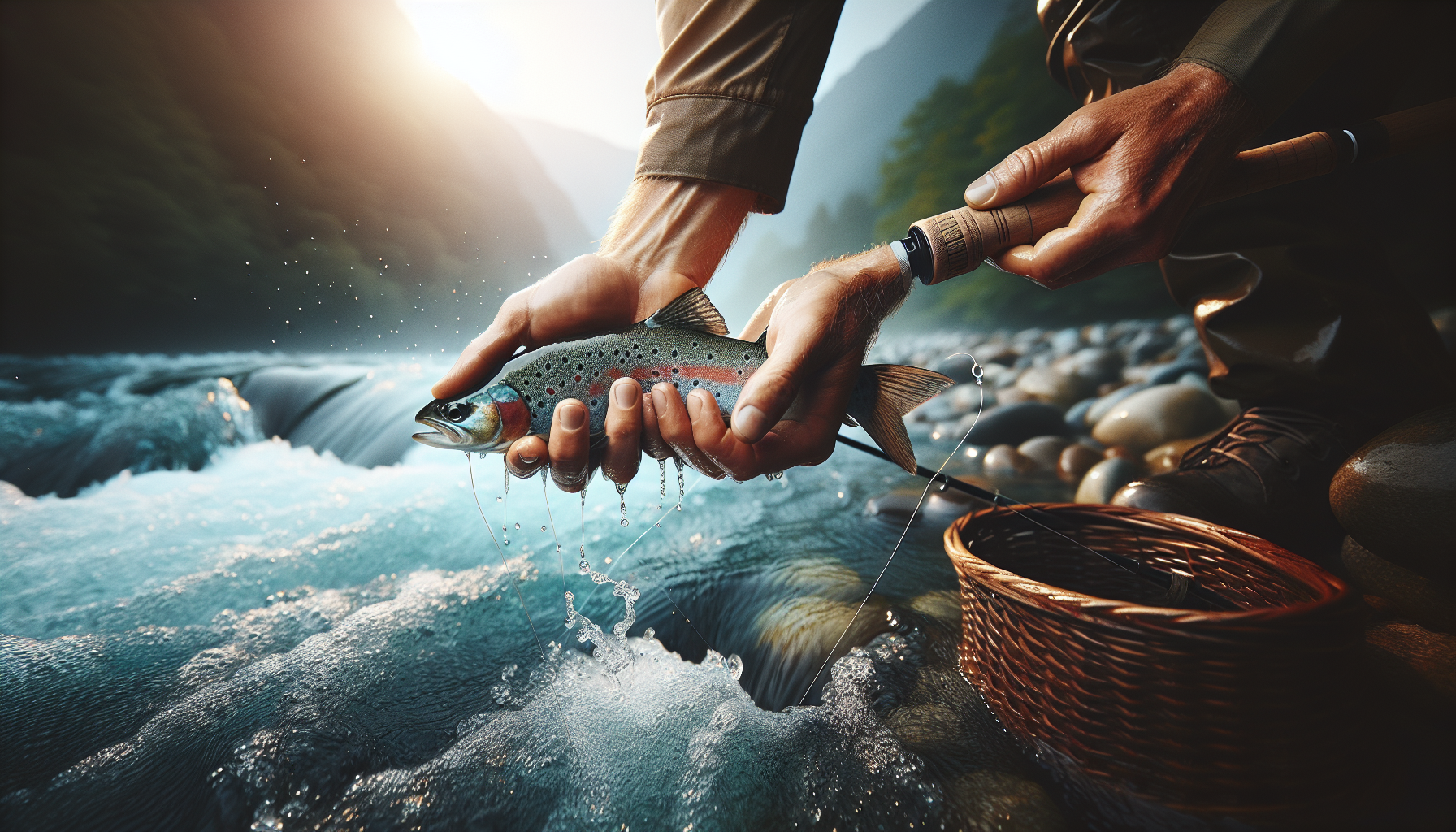
Building a fly fishing community focused on conservation starts with a simple truth: healthy fisheries depend on people who care enough to protect them. In practice, that means a club, shop, guide network, nonprofit, or informal group does more than plan trips and swap fly patterns. It builds norms around habitat stewardship, ethical angling, public access, education, and advocacy. A conservation-focused fly fishing community is a network of anglers who use shared knowledge, local relationships, and organized action to sustain fish populations and the watersheds that support them.
This matters because fly fishing is inseparable from ecological conditions. Trout, salmon, steelhead, bass, carp, and saltwater species all respond to water temperature, flow, dissolved oxygen, spawning habitat, migration barriers, and angling pressure. When riverbanks erode, when culverts block passage, when summer temperatures spike, or when invasive species spread, anglers see the effects quickly. I have watched a once-reliable mayfly hatch disappear after sediment pulses from upstream construction, and I have also seen a stream rebound after volunteers replanted riparian cover and improved in-channel habitat. Communities that organize around these realities do more than react; they create continuity between recreation and responsibility.
Community and advocacy sit at the center of that work. Community means belonging, shared standards, mentoring, and repeated participation. Advocacy means using that community to influence decisions about water, land, wildlife, and public access. Together, they turn individual concern into measurable outcomes. A single angler can pick up trash, pinch barbs, and report poaching. A coordinated group can comment on management plans, fund restoration, monitor water quality, teach beginners, partner with agencies, and persuade decision-makers to protect a river corridor. That is why this page serves as a hub for the broader community and advocacy side of conservation and ethics in fly fishing.
To build that kind of hub, it helps to define the core elements clearly. Conservation is the long-term protection and responsible management of fish, habitat, and ecological processes. Ethics are the practical choices anglers make when regulations alone are not enough, such as resting fish during heat stress, handling fish with wet hands, or avoiding redds during spawning season. Community is the social structure that spreads those choices through example and expectation. Advocacy is the organized effort to defend waters, improve policies, secure funding, and strengthen stewardship. When these pieces reinforce each other, the culture of a fishery changes in durable ways.
Start with shared values, not just shared water
The strongest fly fishing communities are built around explicit values. If the only common thread is access to a productive river, participation stays shallow and usually transactional. If the common thread includes fish welfare, habitat protection, inclusion, and civic responsibility, members understand that the resource comes first. In clubs and guide communities I have helped organize, the most useful early step was writing down a short set of principles: respect the fish, respect the place, respect other users, and leave the water better than you found it. That framework sounds simple, but it becomes the basis for trip planning, mentoring, events, and public messaging.
Clear values also reduce confusion when tradeoffs arise. For example, a group may need to decide whether to promote a small wild trout stream on social media. A conservation-first community will weigh visibility against crowding, fish stress, bank erosion, and landowner relations. It may choose to share techniques and ethics without naming the exact reach. That is not gatekeeping for its own sake; it is a risk-management choice rooted in stewardship. Likewise, a group may decide to cancel a summer outing when water temperatures exceed safe thresholds, even if the event is popular. Values create consistency when convenience pushes the other way.
These values should be visible in every touchpoint. New member packets, event pages, guide briefings, club bylaws, and shop signage should all reinforce the same expectations. Put fish handling guidance next to trip calendars. Link conservation donations to membership drives. Recognize volunteers with the same enthusiasm used to celebrate big fish. Over time, culture follows repetition. What gets named, taught, and rewarded becomes normal.
Educate anglers in ethics, ecology, and local knowledge
Education is the engine of conservation-minded community building because most harmful behavior in fly fishing is not malicious; it is uninformed. New anglers often do not know how water temperature affects mortality, why felt soles can spread invasives, what a spawning redd looks like, or why dragging fish onto dry rocks for photos is damaging. Even experienced anglers may lack local context about native fish recovery, seasonal closures, or voluntary hoot owl restrictions. A strong community closes those knowledge gaps systematically.
The most effective education blends ethics, ecology, and practical skills. Teach anglers how to read a thermometer and establish species-specific stop-fishing thresholds. Explain macroinvertebrate life cycles so members understand why sedimentation, altered flows, and chemical runoff matter. Demonstrate net use, hook removal, and quick-release photography. Invite biologists, riverkeepers, wardens, tribal fisheries staff, and hydrologists to speak. When people understand the biological reason behind a guideline, compliance rises. In my experience, a ten-minute riverside explanation of dissolved oxygen and warmwater stress changes behavior more than a dozen online arguments.
Education should also be continuous rather than one-off. Seasonal emails before runoff, spawning periods, and summer heat are effective. So are short clinics at chapter meetings, beginner days that include fish care, and local water overviews that identify sensitive reaches. If this hub connects to deeper resources, likely subtopics include fish handling, climate impacts on fisheries, invasive species prevention, social media ethics, and responsible access. As a hub page, community and advocacy should point readers toward those practical branches while keeping the larger purpose clear: informed anglers make better collective decisions.
Build inclusive participation that strengthens stewardship
Conservation gets stronger when more people see themselves as stakeholders. Many fly fishing communities still struggle with barriers related to cost, culture, geography, age, race, gender, disability, and simple unfamiliarity. Waders, rods, travel, licensing, and guided instruction can make the sport feel exclusive. If a community wants broad support for habitat protection and public water access, it has to widen the doorway. Inclusion is not separate from conservation; it is one of the conditions that makes conservation durable.
Practical inclusion starts with format. Offer low-cost clinics with loaner gear, not just premium destination events. Hold gatherings at accessible times and locations. Provide options beyond drift boats and steep-bank wading, such as park ponds, urban rivers, and family-friendly casting sessions. Partner with schools, veterans groups, community centers, Indigenous organizations, and local environmental nonprofits. I have seen attendance and volunteer retention improve dramatically when a club moved one monthly outing from a remote private ranch lease to an easy-access public park reach with a short walk and structured mentoring.
Inclusion also means broadening what counts as participation. Not every member needs to fish hard or travel often. Some will show up for stream cleanups, letter-writing campaigns, youth education, photography, cooking events, fly tying nights, or citizen science. Those pathways matter because advocacy campaigns need communicators, organizers, data collectors, donors, and people who can show up consistently at public meetings. A wider community creates a deeper bench.
Turn volunteer energy into measurable conservation work
Good intentions are common; measurable outcomes are rarer. The difference is structure. Conservation-focused fly fishing communities should organize around projects with clear goals, timelines, and partners. Typical examples include river cleanups, riparian planting, invasive plant removal, spawning habitat surveys, barrier assessments, temperature monitoring, and fundraising for restoration grants. The best projects are selected with agency biologists, watershed councils, land trusts, or established nonprofits so volunteer labor supports verified needs instead of improvised busywork.
Measurement matters because it keeps conservation grounded in results. Track volunteer hours, stream miles cleaned, pounds of trash removed, trees planted, temperature loggers deployed, dollars raised, and policy comments submitted. Share those numbers with members and partners. When I helped run annual cleanup events, reporting exact metrics changed the way members saw their role. Removing 2,000 pounds of debris from a river corridor is not abstract virtue; it is visible impact. Pairing those results with before-and-after photos, water-quality trends, or habitat maps makes the connection even stronger.
| Community action | Primary conservation benefit | Useful partner | Metric to track |
|---|---|---|---|
| River cleanup | Reduced pollution and safer access | Municipality or watershed group | Pounds of debris removed |
| Riparian planting | Shade, bank stability, insect input | Land trust or conservation district | Survival rate of plantings |
| Temperature monitoring | Better heat-stress response | State agency or university lab | Daily maximum water temperature |
| Access advocacy | Protected public use and stewardship | Legal nonprofit or angling coalition | Meetings held or comments submitted |
Just as important, communities should avoid performative volunteering. A single cleanup photo is not a conservation program. Lasting work requires repeat events, maintenance, and follow-through. Plantings need monitoring. Policy campaigns need persistence. Citizen science needs data management and quality control. Members will stay engaged longer when leaders explain where volunteer labor fits within a larger restoration or advocacy strategy.
Advocate for water, habitat, and access with credibility
Advocacy works best when anglers are informed, specific, and locally credible. Broad statements about saving rivers are less persuasive than targeted positions on flow management, culvert replacement, stormwater controls, hatchery policy, public easements, or mining setbacks. A conservation-focused fly fishing community should learn how decisions are actually made in its region. That means knowing which issues are handled by state fish and wildlife agencies, water boards, county commissions, federal land managers, tribal governments, or legislatures. Once that map is clear, advocacy becomes practical rather than rhetorical.
Credibility comes from facts and relationships. Use agency reports, stream gauge data from the U.S. Geological Survey, temperature records, creel surveys, and restoration plans. Show up to meetings with concise testimony and realistic requests. Thank officials when they make sound decisions. Challenge them when they do not, but do it with evidence. In many successful campaigns, anglers are most effective when they join coalitions with boaters, birders, farmers, businesses, and watershed advocates who share overlapping interests in clean water and resilient landscapes. Decision-makers notice diverse coalitions because they signal broad public value rather than a narrow recreation dispute.
Access deserves special attention in any community and advocacy hub because access conflicts often shape conservation outcomes. Public access can increase stewardship by creating more invested users, but unmanaged pressure can damage fragile fisheries. Communities should defend lawful access while promoting dispersed use, respectful parking, sanitary facilities where possible, and strong landowner relations. The goal is not access at any cost. The goal is access linked to care, compliance, and habitat protection.
Use communication to reinforce trust and long-term culture
Every conservation-minded fly fishing community is also a communication system. What leaders post, say at the boat ramp, teach in classes, and celebrate in newsletters shapes norms. Effective communication is direct, consistent, and grounded in place. Share river conditions, restoration updates, policy alerts, volunteer opportunities, and ethical reminders in plain language. Explain why a fishery is under stress, what members can do now, and where they can learn more. If this page functions as a sub-pillar hub, it should route readers toward detailed guidance on ethics, fish handling, restoration volunteering, public access, and conservation policy while maintaining one coherent message.
Trust grows when communication is honest about limits. Not every fish population can be fixed by volunteers. Some threats, such as prolonged drought, warming trends, or basin-scale water allocation conflicts, require slow institutional change. Some advocacy losses are unavoidable. Communities keep credibility by acknowledging uncertainty, correcting mistakes, and resisting sensationalism. In my experience, members stay committed when leaders speak plainly about what is known, what is not, and what actions still matter despite imperfect conditions.
The long-term benefit of building a fly fishing community focused on conservation is not only better fishing, though healthy rivers often do produce that result. The deeper benefit is a durable culture of stewardship that outlasts seasons, leaders, and trends. Shared values, practical education, inclusive participation, measurable volunteer work, and credible advocacy create communities that protect fish and water while welcoming people into meaningful responsibility. If you want to strengthen community and advocacy in fly fishing, start local, document what matters, partner with experts, and invite one new person into the work this month.
Frequently Asked Questions
What does it mean to build a fly fishing community around conservation instead of just recreation?
Building a fly fishing community around conservation means the group treats healthy rivers, streams, lakes, and fish populations as the foundation of everything it does. Instead of focusing only on outings, casting skills, gear, and catch reports, the community also creates shared expectations about habitat protection, ethical angling, public access, education, and long-term stewardship. In practical terms, that can look like organizing river cleanups, supporting restoration projects, teaching proper fish handling, advocating for science-based regulations, mentoring new anglers, and partnering with local nonprofits, landowners, guides, and biologists. The idea is simple: if anglers want sustainable fisheries, they need to be active participants in protecting them.
A conservation-focused community also builds a culture of responsibility. Members begin to see themselves not just as users of a resource, but as caretakers of it. That shift changes how people talk about fishing pressure, spawning closures, invasive species, stream etiquette, and access issues. It encourages anglers to ask better questions, such as whether a particular fishery can handle added pressure, how seasonal conditions affect fish survival, and what actions will keep the resource healthy for future generations. Recreation still matters, of course, but it is guided by a broader commitment to stewardship.
How can a fly fishing club, shop, or guide network promote conservation in a meaningful way?
A fly fishing club, shop, or guide network can promote conservation meaningfully by making it part of everyday operations rather than treating it as an occasional side project. One of the most effective approaches is to build conservation into events, education, and communication. A club can schedule volunteer days alongside fishing trips, invite fisheries experts to speak, and create clear standards for ethical angling. A fly shop can use its platform to educate customers about local regulations, best handling practices, and current environmental challenges affecting nearby waters. Guides can model low-impact behavior on the water, explain why certain practices matter, and help clients understand the connection between fishing quality and ecosystem health.
Partnerships are also essential. Communities become more effective when they work with watershed groups, restoration organizations, public land agencies, conservation nonprofits, and local schools. These relationships create opportunities to support habitat projects, youth education, citizen science, and policy advocacy. Financial support matters too, whether through fundraising events, donation programs, sponsored restoration work, or direct contributions to conservation groups. The most credible organizations align their business or club identity with visible action. When members and customers see consistent leadership, they are more likely to adopt the same values and become engaged themselves.
What are the most important conservation principles a fly fishing community should teach new members?
New members should first learn that fish and fisheries are vulnerable resources, not guaranteed ones. A strong conservation-minded community teaches ethical angling from the beginning, including proper fish handling, minimizing air exposure, using appropriate tackle to reduce fight times, and understanding when conditions make catch-and-release unsafe. Members should also learn how water temperature, low flows, spawning periods, and seasonal stress can affect fish survival. These fundamentals help anglers make better decisions about when to fish, where to fish, and when to stay off the water altogether.
Beyond fish handling, communities should teach habitat awareness and stream ethics. That includes respecting riparian vegetation, avoiding trampling redds, preventing the spread of invasive species by cleaning gear, packing out trash, and understanding how erosion, pollution, and development affect aquatic systems. Public access and social behavior are equally important. New anglers should learn to respect private property, communicate courteously at access points, avoid crowding others, and share water responsibly. Finally, communities should explain the role of advocacy and science. Members who understand fisheries management, local conservation challenges, and public policy are much better equipped to support lasting solutions rather than simply reacting to problems after damage has already occurred.
How do you create a conservation culture that people actually want to join and support?
The most successful conservation cultures are welcoming, practical, and rooted in shared purpose rather than judgment. People are far more likely to participate when the community makes conservation feel like an enjoyable and meaningful part of fly fishing, not a lecture attached to it. That means creating experiences that connect stewardship to real places and real outcomes. A cleanup day followed by a shared meal, a restoration volunteer event paired with on-stream education, or a beginner clinic that includes both casting instruction and conservation basics can all help people feel included and motivated. Communities grow when members see that their efforts matter and that they belong to something larger than themselves.
Leadership tone is especially important. A club, shop, or guide network should set clear expectations while staying approachable and encouraging. Instead of shaming people for what they do not know, strong communities teach, model, and invite. They celebrate progress, recognize volunteers, and give members different ways to contribute based on time, skills, and interests. Some people will write letters on policy issues, others will mentor youth anglers, donate funds, help with events, or show up for habitat workdays. A durable conservation culture makes room for all of those contributions. It also communicates consistently through meetings, newsletters, social channels, and in-person events so conservation remains central to the identity of the group.
Why is advocacy important in a conservation-focused fly fishing community?
Advocacy is important because many of the biggest threats to fisheries cannot be solved by individual good intentions alone. Responsible catch-and-release practices and volunteer work are valuable, but they do not replace the need for effective public policy, science-based management, habitat protection, and enforcement. Water withdrawals, pollution, dam operations, land use changes, access disputes, and underfunded restoration efforts all have major impacts on fisheries. A conservation-focused fly fishing community that ignores advocacy limits its ability to protect the waters it depends on. Advocacy helps translate concern into structural change.
That does not mean every community needs to become aggressively political, but it should be willing to engage constructively with public processes that affect fish and habitat. This can include educating members about proposed regulations, attending public meetings, supporting restoration funding, submitting comments on management plans, and building relationships with agencies and conservation partners. Advocacy also helps anglers become more informed and credible. When a community understands the science, knows the local issues, and participates respectfully, it can be a powerful voice for healthier fisheries and more resilient public access. In the long run, that kind of civic involvement is one of the clearest signs that a fly fishing community is serious about conservation rather than simply using the language of stewardship.