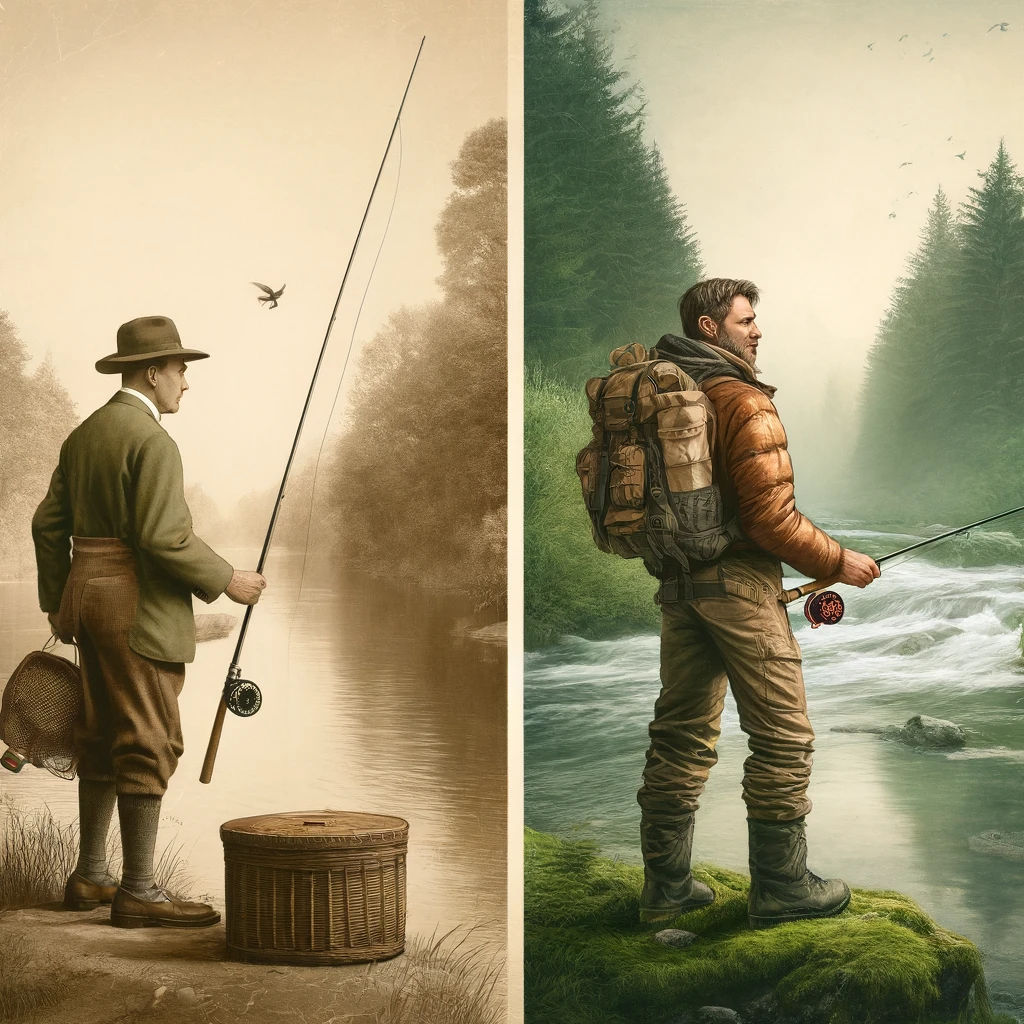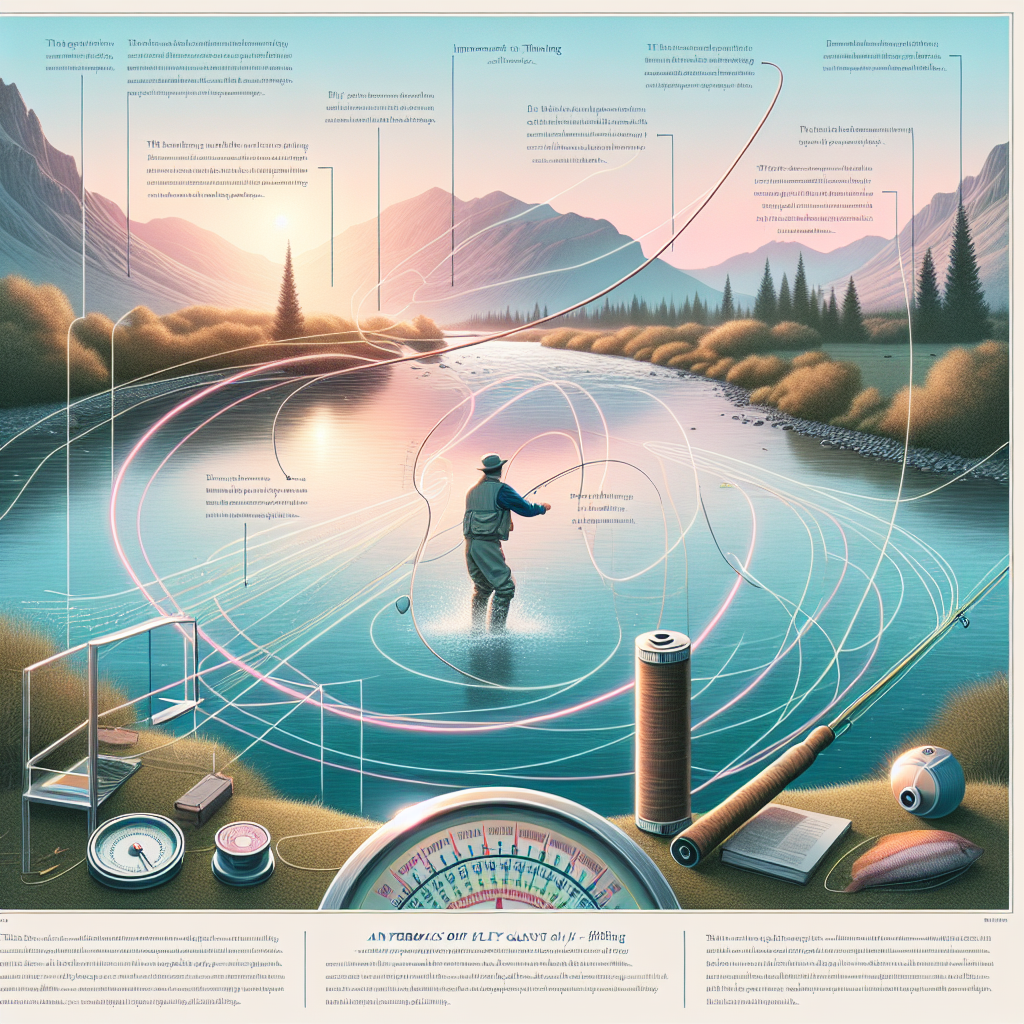
Fly fishing is much more than a pastime; it’s an art form that requires a symbiotic relationship between angler and environment. One of the core elements that distinguishes fly fishing from other forms of fishing is the fly casting technique. Unlike traditional methods where the weight of the lure propels the line, fly casting relies on the weight of the line itself to carry the nearly weightless fly to the target. This requires a precise combination of science, skill, and practice.
Understanding the dynamics behind fly casting can enhance your technique, making your time on the water more productive and enjoyable. This article delves into the science behind the cast, breaking down the fundamentals and providing insight into improving your casting efficiency. Whether you’re a novice looking to learn the basics or a seasoned angler aiming to refine your skills, a deeper understanding of fly casting dynamics can elevate your fly fishing experience.
From the mechanics of the cast to the types of rods and lines, and even the significance of environmental factors, each component plays a crucial role in mastering the art of fly casting. We’ll explore these aspects in detail, shedding light on the nuances that can make a significant difference in your success as a fly fisher.
The Mechanics of the Cast
At the heart of fly casting lies a series of biomechanical actions that, when executed correctly, result in a smooth, accurate, and efficient cast. These actions can be broken down into four primary phases: the pickup, the backcast, the forward cast, and the presentation.
The pickup is the initial phase where you lift the line off the water. It’s crucial to execute this smoothly to avoid startling the fish and to maintain control over your line. Following the pickup, the backcast involves accelerating the line in a backward direction. The key here is to achieve a tight loop, which is essential for loading the rod effectively.
Once the line is fully extended behind you in the backcast, the forward cast begins. This phase is where the rod unloads the stored energy, propelling the line forward. Timing and stopping the rod abruptly at the end of the forward cast is vital to forming an effective loop and directing the line towards the target.
Finally, the presentation is the moment the fly lands on the water. This phase should be handled delicately to mimic the natural behavior of an insect landing on the water’s surface, thereby enticing the fish. Each of these phases requires practice to master, but understanding the role they play can aid in refining your technique.
The Role of the Fly Rod
The fly rod is more than just a tool; it’s an extension of the angler. Choosing the right fly rod is pivotal to executing an effective cast. Fly rods are categorized by weight, ranging from very light to very heavy. The weight of the rod you choose should correspond to the type of fishing you intend to do and the species you aim to catch.
Lightweight rods, such as those in the 1-3 weight range, are ideal for small streams and tight quarters where delicate presentations are necessary. Mid-range rods, such as those in the 4-6 weight range, offer versatility and are suitable for various fishing situations. Heavier rods, from 7-9 weight and above, are designed for larger fish and more challenging conditions.
Rod action is another crucial factor. Fast action rods are stiff and excel in delivering long casts and handling wind. Medium action rods offer a balance, providing both distance and delicacy. Slow action rods, on the other hand, offer the most flexibility, ideal for close-range casts and delicate presentations. Understanding the characteristics of your rod will help you choose the right one for your specific needs.
The Importance of the Fly Line
The fly line plays a central role in fly casting dynamics. Unlike conventional fishing where the weight of the lure is the primary driver, in fly fishing, the line itself must provide the weight needed to propel the nearly weightless fly.
Fly lines are available in various tapers and weights, each suited to different types of fishing. Weight-forward lines are designed for quick loading and longer casts, making them suitable for a wide range of fishing scenarios. Double taper lines offer better control for roll casts and mending, ideal for precise presentations and smaller streams.
The density of the fly line also matters. Floating lines are the most common and versatile, suitable for surface and near-surface fishing. Sinking lines, available in various sink rates, are designed for sub-surface fishing, allowing the fly to reach deeper into the water column. Intermediate lines, which sink slowly, are useful for fishing in mid-depth scenarios.
Your choice of fly line should also consider the line weight, which must match the weight of your fly rod for optimal performance. A balanced setup allows the angler to cast more efficiently and with greater accuracy.

Environmental Factors Affecting the Cast
Environmental conditions play a significant role in fly casting. Factors such as wind, water conditions, and lighting can all influence your casting performance.
Wind can be both an ally and an adversary. Casting into the wind requires more power and tighter loops to cut through the air, while a tailwind can aid your cast by providing extra distance. Crosswinds, however, pose the greatest challenge, often requiring adjustments in angle and timing to maintain accuracy.
Water conditions, including current speed and water clarity, can also impact your casting and presentation. Faster currents may necessitate quicker casts and more control to keep the fly in the strike zone, whereas clear water demands more delicate presentations to avoid spooking fish.
Lighting conditions, particularly the position of the sun, can affect your visibility and the fish’s ability to see your fly. Early morning and late afternoon often offer the best light for casting, reducing glare and allowing for better spotting of fish.
Adapting to these environmental factors requires experience and an understanding of how they interact with your casting technique. Practice and observation are key components in learning to read and adjust to ever-changing fishing conditions.
Common Fly Casting Mistakes and How to Avoid Them
Even experienced anglers can fall into the trap of common casting mistakes. Recognizing and correcting these errors can significantly improve your casting efficiency.
One common mistake is the tendency to use too much power. Overpowering the cast can result in wide loops and reduced accuracy. Instead, focus on smooth, controlled movements and let the rod do the work.
Another frequent error is poor timing, particularly in the backcast and forward cast transitions. Rushing these phases can prevent the rod from properly loading and unloading, leading to ineffective casts. Concentrate on the rhythm of the cast, allowing a slight pause at the end of each phase to enable the line to extend fully.
Inadequate line control is another issue. Beginners often struggle with managing excess line or fail to keep the line taut during the pickup and presentation. Practicing line management techniques, such as stripping in line and maintaining tension, can help overcome this challenge.
Finally, improper rod grip and stance can hinder your casting efficiency. Gripping the rod too tightly or standing in a rigid position reduces flexibility and control. Aim for a relaxed grip and a balanced, slightly open stance that allows smooth, natural movements.
Advanced Casting Techniques
Once you’ve mastered the basics, exploring advanced casting techniques can further enhance your fly fishing repertoire. Techniques like the double haul, reach cast, and roll cast provide additional tools for tackling challenging fishing situations.
The double haul involves adding extra line speed and distance by using both hands in a coordinated motion. This technique is particularly useful for casting in windy conditions or reaching distant targets. To execute a double haul, start with your standard backcast, then as the rod moves forward, pull down on the line with your non-casting hand. Repeat this motion as you complete the forward cast.
The reach cast is designed for presenting the fly upstream or across currents, extending the drift without mending the line. To perform a reach cast, cast normally but as the line extends forward, move the rod tip to the side, either upstream or downstream. This subtle adjustment positions the line correctly for a natural drift.
The roll cast is an excellent technique for situations where space is limited, such as when fishing under trees or along a brushy bank. To execute a roll cast, start with the line on the water and pull back slightly on the rod. Then, with a quick forward flick, roll the line out across the water. This technique avoids the need for a backcast, making it ideal for tight spots.
Incorporating these advanced casting techniques into your skill set expands your ability to adapt to diverse fishing scenarios, increasing your chances of success on the water.
Conclusion
Mastering fly casting dynamics is an ongoing journey that combines understanding the science behind the cast with consistent practice and adaptation. By breaking down the mechanics of the cast, appreciating the role of the fly rod and line, and considering environmental factors, you can enhance your casting efficiency and effectiveness.
Avoiding common mistakes and experimenting with advanced techniques further refine your abilities, allowing you to tackle a variety of fishing situations with confidence. Fly fishing is an art that blends skill with intuition, and each cast is an opportunity to connect more deeply with the environment and the sport.
Whether you are a beginner or an experienced angler, continuous learning and practice are key to improving your fly casting dynamics. Embrace the process, enjoy the challenges, and celebrate the moments of success that come with each perfectly executed cast.
Remember, the ultimate goal of fly fishing is not just about catching fish, but also about immersing yourself in nature, appreciating the intricate dance between angler and environment, and finding joy in the pursuit of mastery.