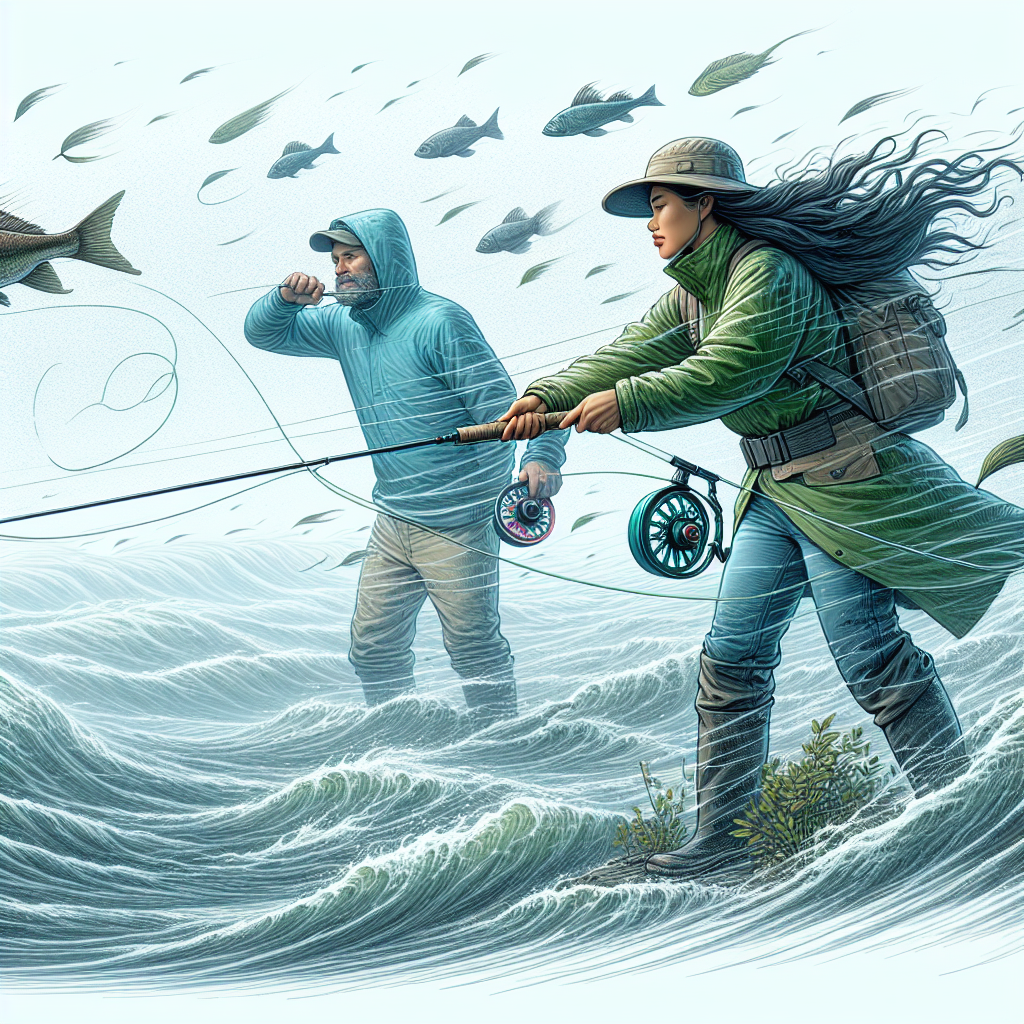
Fly fishing is a delicate balancing act that often pits the angler against nature’s elements. When conditions are perfect, casting can feel like an art form—fluid, effortless, and highly rewarding. Yet, when faced with windy conditions, even the most seasoned fly fishers find themselves challenged. Gusts of wind can throw off the accuracy of your cast, making it difficult to place your fly where it needs to be. This article delves into the essential tips and techniques for casting in windy conditions, offering you the knowledge to turn a windy day into a successful fishing adventure.
One of the first challenges you will encounter while fly fishing in the wind is maintaining control over your line. The wind has a vexing habit of catching the line, turning what should be a precise cast into a tangled mess. Knowing how to counteract this is essential for any angler who wishes to be effective under such conditions. Proper technique and a good understanding of how wind affects your cast can make all the difference.
Let’s dive into the various types of wind conditions you might face and how each can alter your cast. Whether the wind is blowing in your face, at your back, or from the side, each scenario presents unique challenges that you’ll need to adapt to. We’ll also look at the specific techniques you can employ to counter these challenges and offer practical advice to ensure that your fly lands where you want it to.
Wind in Your Face: Forward-Casting Techniques
When the wind blows directly towards you, it can make casting quite difficult. The key to effective casting in this scenario is to make the most of a low trajectory, powerful forward cast. Here’s a step-by-step approach to mastering it:
- Shorten Your Line: Reducing the length of your line minimizes the surface area exposed to the wind, giving you better control.
- Low Rod Position: Keep your rod low to the water. This reduces the chances of your line being caught by the wind and ensures a straighter, more powerful cast.
- Quick and Powerful Forward Cast: Accelerate your forward cast and stop abruptly to ‘punch’ through the wind and deliver your fly to the target.
- Drops of Line Speed: Add slight double-hauling techniques to increase the line speed, helping it cut through the wind more effectively.
Remember, the aim is to minimize the effect of wind resistance. It might take a few tries to find your groove, but don’t get discouraged.
Wind at Your Back: Making the Most of Tailwinds
When the wind is at your back, it can be a friend rather than a foe. Tailwinds help your cast travel farther with less effort, but there are still some key techniques and considerations to keep in mind:
- Higher Back Cast: Don’t be afraid to let the wind assist your back cast. Aim higher to take advantage of the tailwind’s lift.
- Feel the Load: Allow the wind to help load your rod by extending your back cast slightly longer than usual. This will power up your forward cast.
- Step Forward: A slight step forward during your cast can help extend your reach, aided by the wind behind you.
- Line Control: Even with the wind at your back, maintaining control of your line is crucial to avoid entanglements.
Remember, the goal is to utilize the wind to enhance your cast, rather than to fight against it. Practicing these techniques can make a significant difference in your performance.
Crosswind Conditions: Strategies for Side Winds
Crosswinds are perhaps the most challenging condition for casting. When the wind blows from the side, it can significantly alter the trajectory of your line and fly. Here’s how to manage:
- Sidearm Cast: Lower your casting angle to bring your line closer to the water, helping it stay on course.
- Angle Adjustment: Aim your cast slightly upwind to compensate for the wind’s push. With practice, you’ll get a feel for how much to adjust.
- Double-Haul Technique: Use this technique to increase line speed, which helps combat the sideways drift caused by the wind.
- Tight Loops: Form narrow loops during both your forward and back casts to cut through the wind more effectively.
Crosswinds require a bit of finesse and adaptation, but the key is not to be overly aggressive. Maintain smoothness and control, adjusting as necessary.
Gear and Tools: Equipment Adjustments for Windy Conditions
In windy conditions, the right gear can make a significant difference. Here’s a look at some equipment adjustments to consider:
- Heavier Lines: Opt for a slightly heavier line than you would in calm conditions. Heavier lines cut through the wind more effectively and provide better control.
- Stiffer Rods: Use a rod with a stiffer action. This gives you more power to drive the line against the wind.
- Wind-Resistant Flies: Choose flies with less air resistance. Streamlined patterns or even weighted flies can help in keeping your casts accurate.
- Tech-Savvy Gear: Utilize gadgets like line greasers or conditioners to improve line performance in windy conditions.
Adjusting your gear to suit the conditions can greatly enhance your casting capability and overall effectiveness.
Practice Drills: Building Muscle Memory and Consistency
Practicing your casting technique is essential, particularly in managing windy conditions. Consider the following drills:
- Wind Simulations: Practice casting on windy days to get a real feel for the conditions and how to counteract them.
- Target Practice: Place targets at various distances and angles to improve accuracy under diverse conditions.
- Video Analysis: Record your casting sessions and review them to identify areas for improvement.
- Partner Drills: Work with a partner who can provide feedback or simulate wind by using a fan or other devices.
Consistent practice builds muscle memory, helping you adapt more intuitively when faced with windy conditions in real-life scenarios.
Conclusion: Mastering Windy Conditions in Fly Fishing
Casting in windy conditions is undoubtedly challenging, but with the right techniques and practice, you can turn it into an opportunity to enhance your skills. Whether you’re dealing with headwinds, tailwinds, or crosswinds, understanding how to adjust your casting style is key to maintaining accuracy and control.
Remember that shortening your line, adjusting your rod position, and utilizing techniques like the double-haul can make a significant difference when facing headwinds. Tailwinds can be your ally, so learning to maximize their assistance by adjusting your back cast and allowing the wind to load your rod can improve your cast distance.
Crosswinds require more adaptation, but sidearm casting, angle adjustments, and forming tight loops will help mitigate their effects. Additionally, gear adjustments, such as using heavier lines and stiffer rods, can enhance your ability to cast effectively in windy conditions.
Practice remains an essential component in mastering casting techniques. Incorporate drills and exercises that simulate real-world windy scenarios to build muscle memory and consistency. Remember, the goal is not just to cast in the wind, but to do so effectively and accurately.
By integrating these tips and techniques into your fly fishing repertoire, you’ll be better prepared to tackle windy conditions and improve your overall success on the water. Happy fishing, and may the wind always be at your back—or at least, manageable!