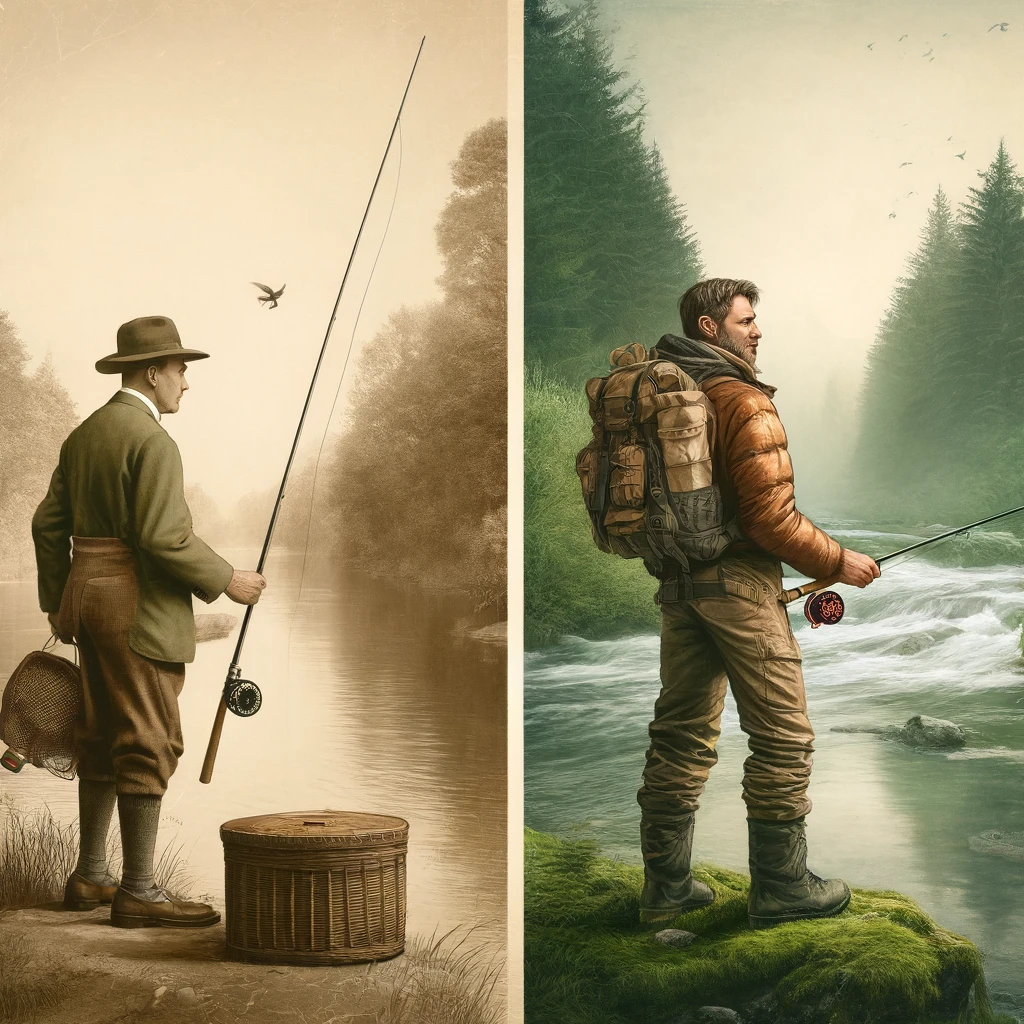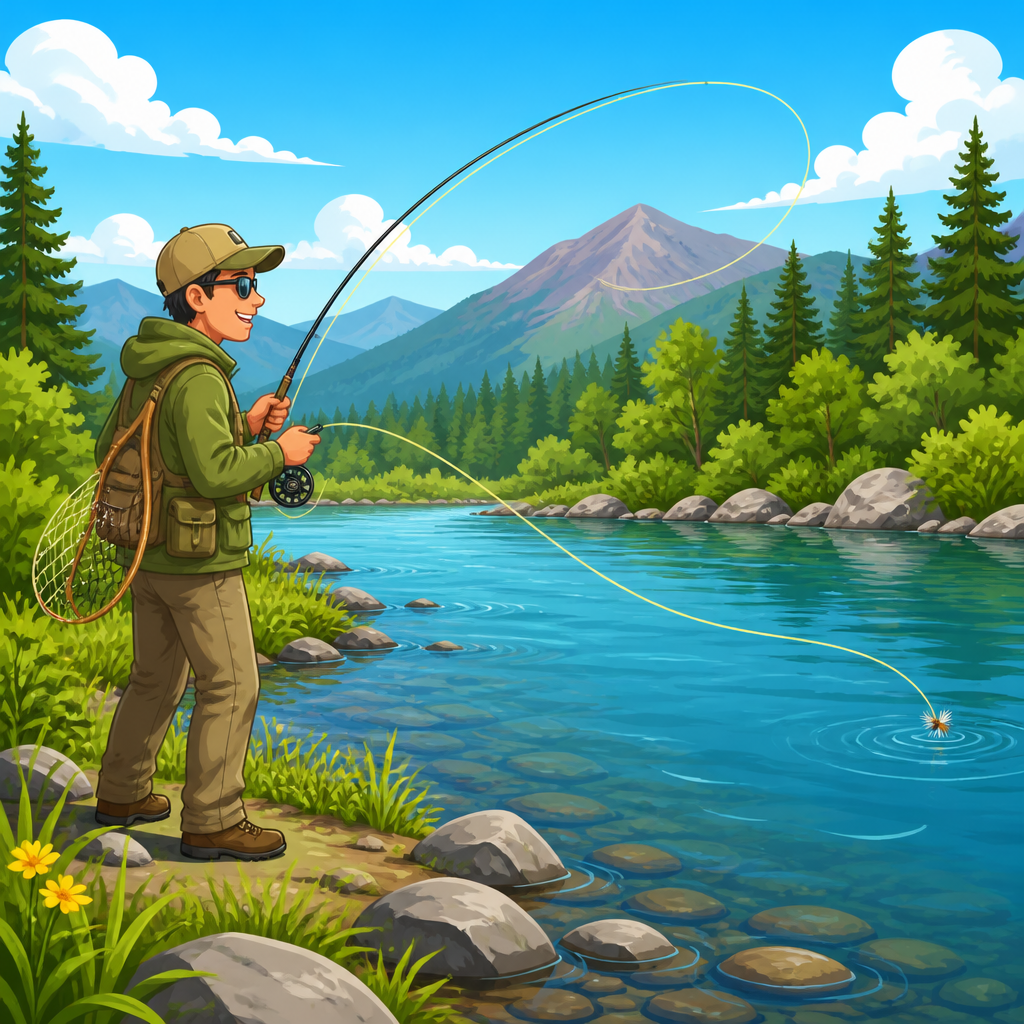
Can you fly fish from the bank without entering the water? Yes, and in many rivers, ponds, canals, and lakeshore stretches, bank fly fishing is not only possible but highly effective when you match your tackle, casting angle, and fly choice to the space available. For beginners exploring fly fishing basics, this matters because wading is often treated as a default, yet plenty of first fish are caught with dry flies, nymphs, and small streamers while standing on grass, gravel, rocks, or a maintained shoreline.
Bank fly fishing means presenting a fly while remaining on shore, docks, riprap, jetties, or other dry footing. It differs from wading in one key way: your casting position is fixed by the bank behind and beside you, so line control, backcast clearance, and approach become more important than simply stepping into a better lane. In my own early seasons teaching beginners on trout streams and warmwater ponds, I found that people learned line handling faster from shore because they were not distracted by current pushing on their legs or the anxiety of slippery rocks.
As a hub within Fly Fishing Basics, this guide also works as an introduction to fly fishing. It covers the essential question of whether you can fish effectively from land, then expands into tackle, casting, reading water, safety, species, and practical setups that prepare you for deeper how-to articles. If you understand how to fish from the bank first, every later skill, from mending line to choosing leaders, becomes easier because you are building fundamentals in a controlled environment.
Fly fishing itself is a method of presenting lightweight artificial flies using the weight of a specialized fly line rather than the lure weight used in conventional spinning or baitcasting. Core terms worth knowing at the start are rod weight, which indicates line size and target use; leader and tippet, the clear tapered connection from fly line to fly; drag-free drift, meaning a natural float without unnatural pull; and stripping, which means retrieving line by hand. Those basics apply whether you stand midstream or never get your boots wet.
Why bank fly fishing works and when it is the better choice
Bank fishing works because many feeding fish spend time close to shore. Trout cruise under cut banks, hold beside seams, and rise near edges where terrestrials like ants and beetles fall in. Bluegill and bass patrol weed lines, docks, and shaded margins. Carp tail in the shallows. On tailwaters with clear edges and soft current, some of the most reliable lies are reachable from shore with a simple roll cast or short overhead cast.
There are also situations where staying out of the water is smarter than wading. Cold releases below dams can be dangerous. High spring flows make crossing risky. Private property boundaries sometimes leave only legal bank access. In stillwaters, entering the water can push fish off a flat or stir sediment that kills visibility. Along spooky small streams, keeping your silhouette low on the bank often disturbs fewer fish than splashing through the run you intend to fish.
From a learning standpoint, bank fly fishing shortens the number of variables. You can focus on loop control, timing, line pickup, and where the fly lands. You also avoid one of the most common beginner mistakes: wading too close to fish before making the first cast. Many trout are caught within a rod length or two of shore, especially at dawn, dusk, or during terrestrial season.
Essential fly fishing gear for beginners fishing from shore
The most versatile beginner setup for bank fly fishing is a 9-foot 5-weight rod with a matching weight-forward floating line. That outfit handles trout on rivers, panfish on ponds, and smaller bass in many regions. If your local water is mostly small creeks with brushy banks, a shorter rod in the 7-foot 6-inch to 8-foot 6-inch range can help. If you mainly fish warmwater ponds, a 6-weight offers better turnover for poppers and small streamers.
You do not need a large gear list to begin. A basic reel with a smooth drag is fine because on most starter waters the fly line matters more than the reel. Use 7.5- to 9-foot tapered leaders in sizes suited to your flies: 4X to 6X for many trout dries and nymphs, 3X to 4X for larger hoppers or small streamers, and heavier tippet for bass bugs. Polarized glasses are nonnegotiable for eye protection and seeing structure. Nippers, hemostats, floatant, split shot, strike indicators, and a small fly box complete a practical bank kit.
The biggest equipment mistake I see is choosing line based on price alone. A quality fly line from Scientific Anglers, Rio, or Cortland usually casts better than a bargain line and helps beginners feel rod loading. For bank fishing, a line with a front taper that turns over cleanly at short to medium distance is ideal because many shoreline presentations happen inside forty feet.
Bank casting techniques that solve common problems
The main obstacle on shore is limited room behind you. Trees, grass, fences, and steep banks interfere with a standard backcast, but several techniques solve this. The roll cast is the first skill to learn because it uses water tension and requires little or no backcast space. The pick-up-and-lay-down cast lets you lift line and reposition efficiently. A sidearm cast keeps loops lower under branches. A single backcast with one false cast is often enough for practical bank fishing.
When room gets tighter, use water-loading concepts. Let the line anchor briefly on the surface, then make a smooth forward stroke. On small streams, bow-and-arrow casting can place a dry fly under overhanging cover by flexing the rod with the fly in hand and releasing. These are not specialty tricks; they are everyday skills for anglers who fish from land regularly.
Accuracy matters more than distance. Most beginners cast too hard and carry too much line in the air. Start with twenty to thirty feet of line and aim for quiet presentations near seams, foam lines, weed edges, and shade. If your fly lands in the right lane with slack for a natural drift, you will outfish someone throwing sixty feet with poor control.
| Situation | Best cast | Why it works from the bank |
|---|---|---|
| Trees behind you | Roll cast | Needs minimal backcast room and lifts line cleanly |
| Low branches beside you | Sidearm cast | Keeps loop under cover and changes casting plane |
| Brushy creek pocket | Bow-and-arrow cast | Places short shots precisely without full stroke |
| Open shoreline | Overhead cast | Best for longer reach and line speed when space allows |
| Need quick reposition | Pick-up-and-lay-down | Redelivers the fly with little false casting |
How to read water from the bank
Reading water means identifying where fish hold, feed, and move. From shore, begin with the closest water and work outward. Look for seams where fast and slow currents meet, current breaks behind rocks, undercut banks, plunge pools, tailouts, weed edges, and inflows. In lakes and ponds, focus on transitions: sand to weed, shallow to drop-off, sun to shade, and wind-blown banks where food gathers.
A beginner-friendly rule is this: fish where food comes to them with the least energy cost. Trout sit just off the main current and slide into the lane to intercept nymphs or emergers. Bass hold beside dock pilings or weed pockets and attack baitfish silhouettes. Bluegill cluster around cover and edges. Carp cruise mud flats and margins looking for nymphs, worms, and insects. All of those zones can be reached from shore if you approach quietly.
One overlooked bank advantage is elevation. From a slightly raised bank, you can often see current lanes and fish movement better than when standing knee-deep. Polarized lenses make this easier. I tell beginners to spend two full minutes watching before the first cast, because identifying one active lane usually matters more than changing five flies.
Best flies and presentations when you stay on shore
You can fly fish effectively from the bank with three simple categories: dry flies, nymphs, and streamers. Dry flies are ideal when you see surface activity or when bank vegetation drops terrestrials into the water. A Parachute Adams, Elk Hair Caddis, or foam ant covers many beginner trout situations. Cast upstream or across, feed a little slack, and aim for a drag-free drift.
Nymphs catch fish consistently from shore because most aquatic insects live below the surface. A Pheasant Tail, Hare’s Ear, Zebra Midge, or small beadhead under a strike indicator is a practical starting point. Adjust depth until the fly travels near the bottom without snagging every drift. On ponds and lakes, suspend chironomid-style patterns under an indicator or use slow hand-twist retrieves with unweighted nymphs.
Streamers and small poppers shine around banks because predatory fish often pin bait or insects against edges. Woolly Buggers, Clouser Minnows, and small leech patterns are proven choices. For bass and bluegill, foam spiders and deer-hair poppers can produce explosive takes close to reeds, docks, and fallen timber. Retrieve speed should match water temperature and species mood: slower in cold water, more active in warm conditions.
Approach, stealth, safety, and common beginner mistakes
Stealth matters from shore because fish near the bank are alert to vibration, sudden movement, and skyline exposure. Walk softly, keep a low profile, and avoid stepping to the edge too soon. On clear streams, cast from several feet back and use vegetation or terrain as cover. Wear dull colors when possible. These small habits routinely add fish, especially on pressured water.
Safety improves when you stay dry, but bank anglers still face hazards. Watch for unstable mud, slick rocks, barbed wire, steep riprap, snakes, and deep undercut edges. Always wear eye protection when casting flies with hooks. In crowded public parks or trails, check behind you before every cast. If space is tight, switch to roll casts rather than forcing a dangerous backcast.
The most common mistakes are false casting too much, starting with flies that are too large for the rod and leader, and ignoring the water at their feet. Another major error is stripping line onto tall grass where it tangles. Use a stripping basket on beaches or keep a clean patch at your feet on grassy banks. Finally, remember fish often hold close. Many beginners blast long casts immediately and line the very water that could have produced on the first presentation.
Building your fly fishing basics from the bank
If you are new to the sport, bank fly fishing is an ideal gateway into the larger world of fly fishing basics. It teaches line management, leader control, presentation, observation, knot tying, fly selection, and fish fighting without introducing the extra complexity of wading. Start with accessible species and places: stocked trout ponds, bluegill lakes, community waters, gentle rivers with public access, and small creeks where twenty-foot casts catch fish.
A strong beginner progression is simple. First, learn to assemble your rod, thread line, tie on a leader, and attach a fly with an improved clinch knot or non-slip loop knot where appropriate. Next, practice roll casts and short overhead casts on grass before moving to water. Then spend a few sessions fishing one dry fly and one nymph rig so you can connect cause and effect instead of changing variables constantly. Keep notes on conditions, fly choice, depth, and where fish were holding.
As your skills grow, this bank-first foundation supports every related topic in the Fly Fishing Basics cluster, including rod and reel selection, fly line types, casting mechanics, knots, reading water, mending, seasonal insect hatches, and responsible fish handling. The answer to the title question is clear: you absolutely can fly fish from the bank without entering the water, and for many anglers it is the smartest way to begin. Pick one local shoreline, bring a balanced outfit, make short accurate casts, and let your first lessons happen from solid ground.
Frequently Asked Questions
Can you really fly fish effectively from the bank without wading?
Yes, absolutely. Fly fishing from the bank is not only possible, but often very productive when you adjust your approach to the water in front of you. Many trout, panfish, bass, and other species feed close to shore, especially along undercut banks, weed edges, current seams, shaded margins, and drop-offs that run parallel to the shoreline. In rivers, fish frequently hold near soft water beside faster current, and those lanes can often be reached from dry ground. In ponds, canals, and lake edges, cruising fish may patrol within easy casting distance, particularly during low-light periods or when insects are active near the surface.
The key is understanding that wading is just one way to improve angle and access; it is not a requirement for success. From the bank, you can still present dry flies, nymphs, and small streamers effectively if you pay attention to casting space, line control, and fish position. In fact, staying out of the water can sometimes be an advantage because it reduces disturbance. Fish in clear or shallow water are often more sensitive to vibrations and movement than many beginners realize, and a careful bank angler can approach quietly, remain partially concealed, and make controlled presentations without pushing fish out of the area.
For beginners, bank fly fishing is an excellent way to learn because it simplifies footing and safety concerns while letting you focus on fundamentals like reading water, casting accurately, managing slack, and detecting takes. You may not reach every piece of water that a wading angler can, but there are plenty of fishable situations where the bank offers all the access you need. If you choose sensible locations and fish methodically, you can be consistently successful without ever stepping into the water.
What kind of rod, line, and flies work best for bank fly fishing?
A practical bank setup usually starts with a rod that balances casting ease with control in tighter spaces. For many general freshwater situations, a 8 1/2- to 9-foot rod in the 4- to 6-weight range is a strong all-around choice. A 5-weight is especially versatile because it can handle dry flies, nymph rigs, and small streamers while still being manageable for beginners. If you are fishing smaller creeks with overhanging trees, a slightly shorter rod may help with clearance. If you are covering larger banks, open shorelines, or dealing with breeze, a standard 9-foot rod often gives better line control and mending reach.
A weight-forward floating line is usually the best place to start. It is the most flexible line for bank fishing because it supports surface presentations, indicator nymphing, light streamer fishing, and basic casting practice. Floating line also makes it easier to pick up and recast when fish are moving along the edge. Your leader and tippet should match the fly size and clarity of the water. In general, longer and finer leaders help with wary fish and dry flies, while slightly shorter and stronger leaders are often better for wind-resistant flies, streamers, or fish near brush and rocks.
As for fly choice, keep it simple and match what the water type and fish behavior suggest. Dry flies are excellent when you see rising fish or insect activity near the bank. Nymphs are often the most consistent option because many fish feed subsurface most of the time, and a well-drifted nymph can be deadly in rivers and canals. Small streamers are useful when fish are chasing baitfish, leeches, or larger aquatic food. In ponds and lakes, unweighted or lightly weighted patterns can be especially effective along the shoreline. The best bank angler is not the one carrying dozens of patterns, but the one who uses a few proven flies and presents them cleanly within the limited casting lanes available from shore.
How do you cast from the bank when there are bushes, rocks, or very little room behind you?
Limited back-cast room is one of the main challenges of bank fly fishing, but it can be managed with a few reliable casting adjustments. The first is to change your casting plane and angle. Instead of making a high, straight overhead cast into branches or brush, you can use a sidearm cast to keep the line under overhanging cover and direct the fly parallel to the shoreline. Sidearm presentations are especially useful on rivers and canals where fish may hold tight to the edge and where a parallel drift keeps the fly in the strike zone longer.
Roll casts are another major tool for bank anglers. A roll cast lets you deliver line without a full back cast, making it ideal when trees, reeds, fences, or steep banks limit your space. Single-hand spey-style casts can also help reposition line and shoot line forward efficiently with minimal room behind you. Even if you are new to fly fishing, learning a basic roll cast early can dramatically expand the amount of water you can fish from the bank.
It also helps to shorten your casting distance expectations. Many bank anglers get into trouble by trying to force long casts they do not need. Fish are often much closer than expected, and shorter, accurate casts usually outfish long, uncontrolled ones. Focus on presenting the fly cleanly near current seams, pockets, weed lines, or shaded cover rather than simply reaching the middle of the water. Positioning matters too: take a few steps left or right, kneel if needed, and look for openings that create a better line path. Good bank casting is often less about power and more about adapting your body position, casting stroke, and target selection to the available space.
What types of water are best for fly fishing from the bank?
The best bank fishing water is water that puts active fish within practical casting distance and allows a natural presentation from shore. In rivers, this often means slower seams beside faster current, tailouts, inside bends, eddies, undercut banks, plunge pools, and pocket water near accessible rocks or gravel bars. You do not need to stand in the middle of the stream if fish are feeding along the edges or using near-bank structure for shelter. In fact, some of the most overlooked holding water is just a rod length or two from shore.
Ponds and lakes can be excellent for bank fly fishing when you target features that concentrate fish movement. Look for weed edges, points, inflows, drop-offs close to shore, shaded banks, fallen timber, and stretches where wind pushes food toward the bank. Early morning and evening are often especially productive because fish move shallow to feed. Canals and slow-moving channels can be surprisingly effective as well, since fish often travel predictable lines along retaining walls, vegetation edges, or current lanes formed by inflow and constriction.
Accessibility and stealth also matter. A perfect-looking shoreline is less useful if it forces noisy movement over loose rock or puts you in full silhouette against the sky. Productive bank water usually combines fish-holding structure with a realistic casting angle and a quiet approach path. Before making a cast, spend a minute observing. Watch for rises, swirls, bait movement, insect activity, or subtle current transitions. The more carefully you choose your water, the less distance and effort you need to catch fish from shore.
What are the biggest mistakes beginners make when fly fishing from the bank?
One of the biggest mistakes is assuming that being on the bank automatically puts you too far from the fish. That belief causes many beginners to cast farther than necessary, rush their stroke, and lose accuracy. In reality, fish often use shoreline structure, softer edge currents, and shaded margins, so a short, controlled presentation is frequently the better choice. Another common mistake is walking straight up to the water’s edge without looking. That can spook fish holding close to shore before the first cast is even made. A better approach is to stop a few steps back, observe carefully, and fish the near water first.
Another issue is poor line management. From the bank, loose fly line can snag on grass, rocks, sticks, and brush almost immediately. Beginners benefit from keeping line stripped neatly, minimizing unnecessary false casts, and maintaining a clean working area at their feet. Casting from awkward footing also leads some anglers to focus so much on mechanics that they forget presentation. A perfect-looking cast that lands with drag or crashes onto the water is less effective than a simpler cast that drifts naturally through the feeding lane.
Beginners also tend to ignore the value of changing angle and position. If a cast is difficult from one spot, moving a few feet can completely change the opening, current alignment, or drift quality. Finally, many new anglers use flies based on guesswork rather than visible conditions. If fish are rising, fish a dry. If they are not, try a nymph. If fish are chasing, consider a small streamer. Bank fly fishing rewards observation, restraint, and adaptability. Once beginners stop thinking of the bank as a compromise and start treating it as a strategic advantage, their success usually improves very quickly.