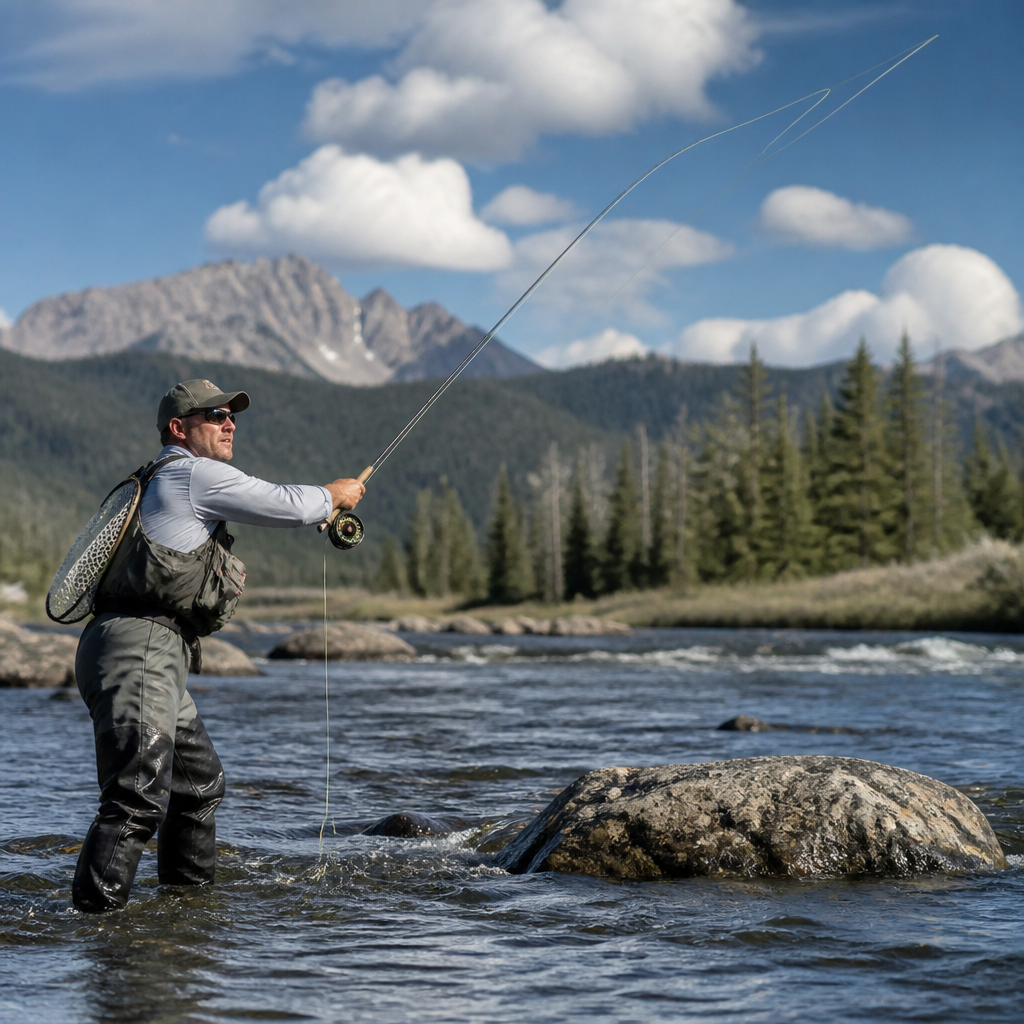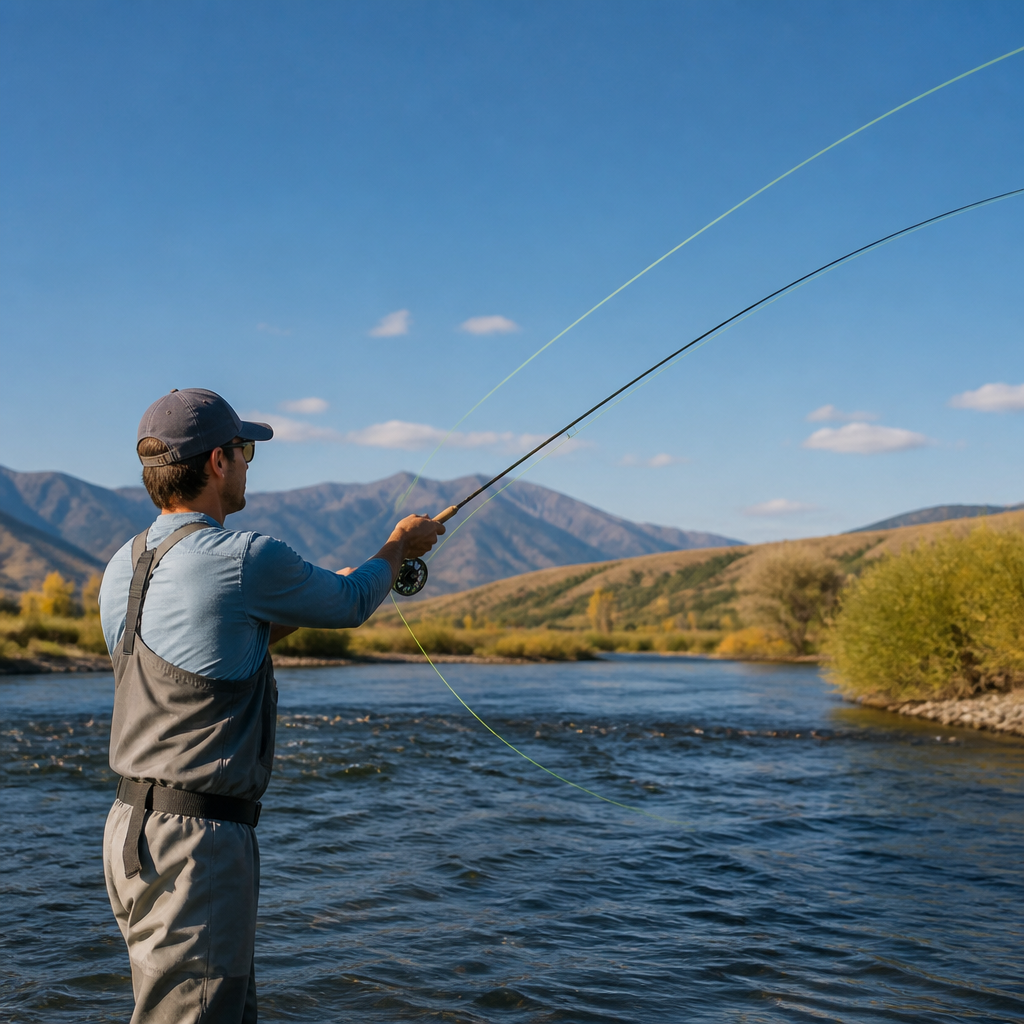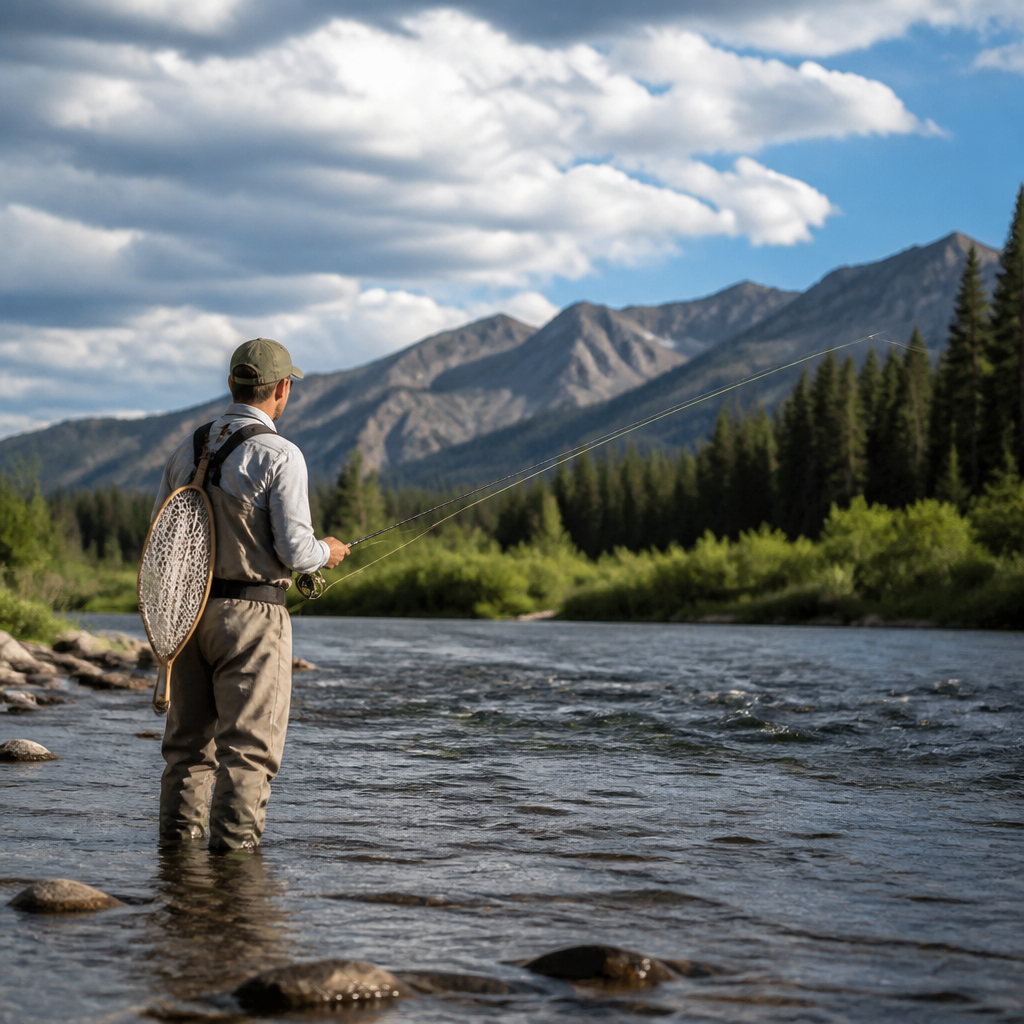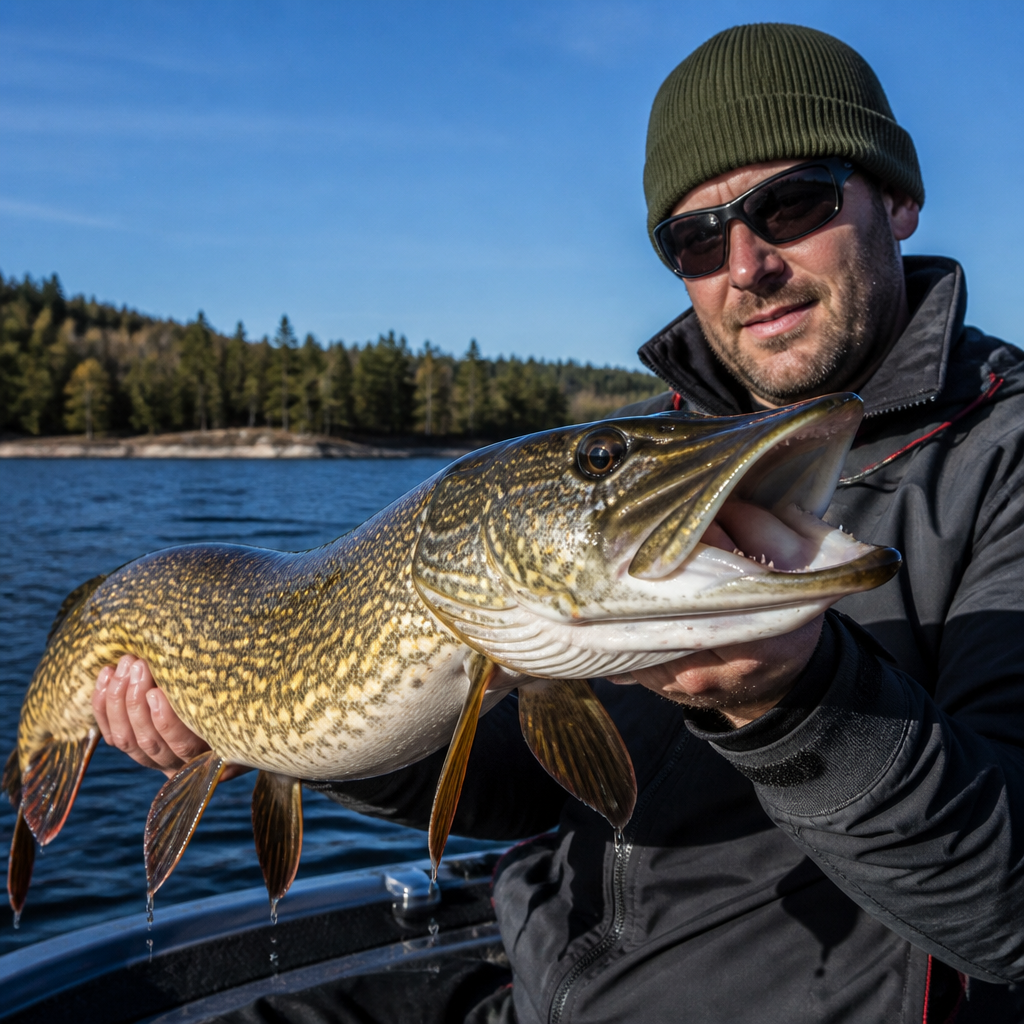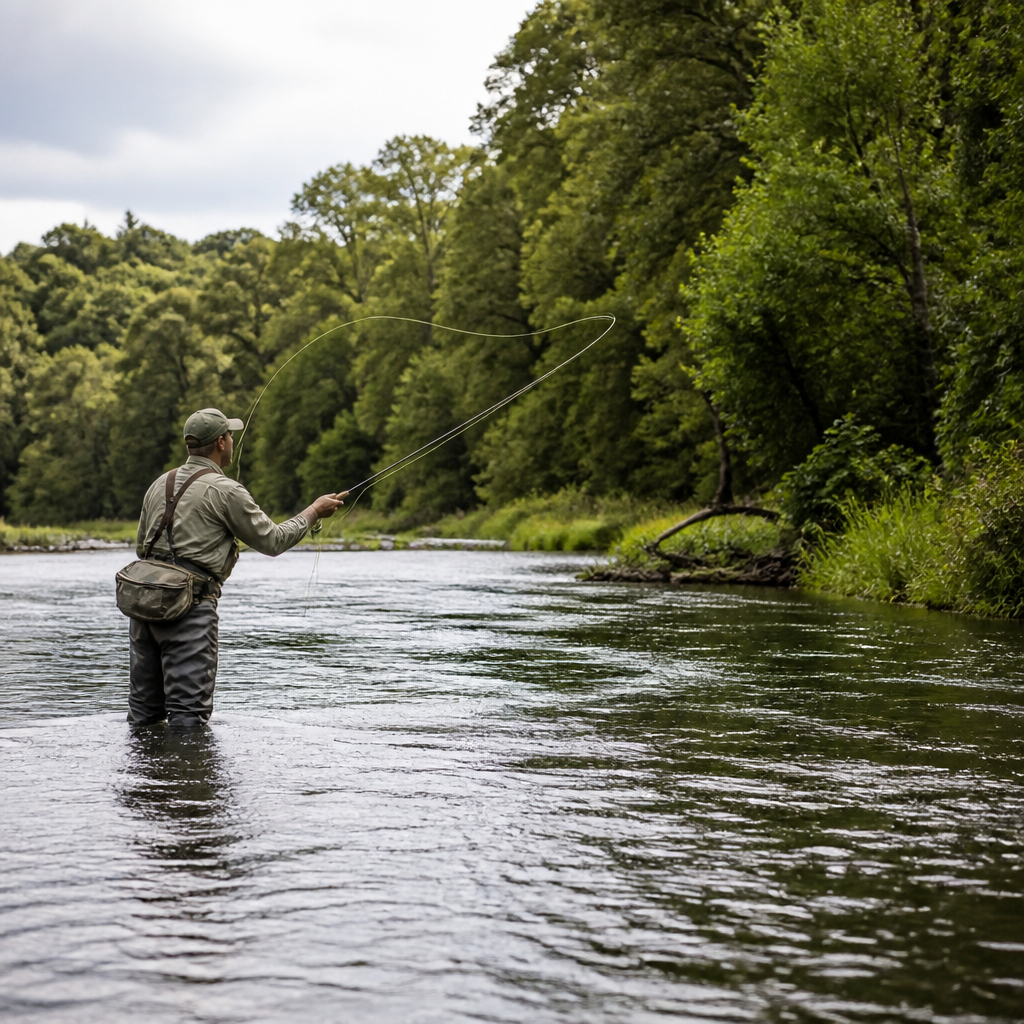
Fly fishing in lowland rivers demands a different mindset from mountain-stream angling because the water is slower, wider, warmer, and usually more fertile. In practical terms, lowland rivers are the broad valley systems that meander through farmland, towns, wetlands, and mature woodland rather than tumbling through steep gradients. Their defining features include softer currents, deeper glides, silty margins, weed growth, undercut banks, and highly variable clarity after rain. Those features shape everything: where trout, grayling, chub, perch, pike, and coarse species hold, how insects hatch, what flies fish see, and how an angler should present them.
When anglers talk about water types and conditions, they mean the fishable pieces of river and the environmental factors controlling behavior. Water types include riffles, runs, glides, pools, seams, eddies, slack margins, cut banks, and weed lanes. Conditions include flow level, temperature, dissolved oxygen, sunlight, wind, turbidity, aquatic vegetation, and fishing pressure. I have spent many days on slow English chalkstreams, mixed lowland freestones, and colored post-rain rivers where fish ignored textbook casts but moved instantly to a well-drifted nymph along a crease. The lesson is consistent: success in lowland rivers comes less from romantic casting distance and more from reading subtle structure, timing conditions, and adjusting leader, line, fly, and angle to match the water in front of you.
This matters because lowland rivers are often the most accessible fisheries, yet they puzzle anglers who apply upland tactics unchanged. Fish in these systems usually have more time to inspect a fly, but they also exploit richer feeding lanes and more predictable shelter. A calm glide may look empty and still hold feeding trout under streamer weed. A brown flood may seem unfishable, yet chub and larger trout can sit inches from the bank taking nymphs or small streamers. As the hub page for water types and conditions, this guide explains how to break a lowland river into readable sections, how weather and flow alter those sections, and which fly fishing strategies consistently convert observation into fish.
How to Read Lowland River Structure
The first job on any lowland river is to map current speed, depth, cover, and food delivery. Fish position where they can save energy and intercept prey, so the best lies combine shelter with a conveyor belt of food. In slow systems that often means subtler structure than the boulders and pocket water familiar on upland streams. Look for the crease where a faster run feeds a slower glide, the darker tongue indicating extra depth, the polished surface above a weed bed, or the soft inside bend where drifting insects collect. On aerial maps and while walking the bank, identify bends, bridges, side channels, fallen trees, reedy narrows, and mill tails; these features concentrate current and create repeatable lies.
Riffles in lowland rivers are frequently shorter and less dramatic than in spate streams, but they matter because they oxygenate water, dislodge nymphs, and provide cover from overhead light. The tail of a riffle, where broken water starts to smooth, is a classic feeding zone for trout and grayling. Runs are steadier currents below riffles and through constrictions; they are ideal for nymphing because fish can hold in moderate depth and feed across a broad lane. Glides are smooth, even flows with little surface disturbance. They are visually challenging, but often productive at dawn, dusk, or under cloud, especially when fish are taking emergers or drifting terrestrials. Pools are deeper, slower basins that may hold larger fish during bright conditions or low water. Margins, especially under grass, reeds, and trailing roots, are prime in colored water and summer heat when fish seek shade and security.
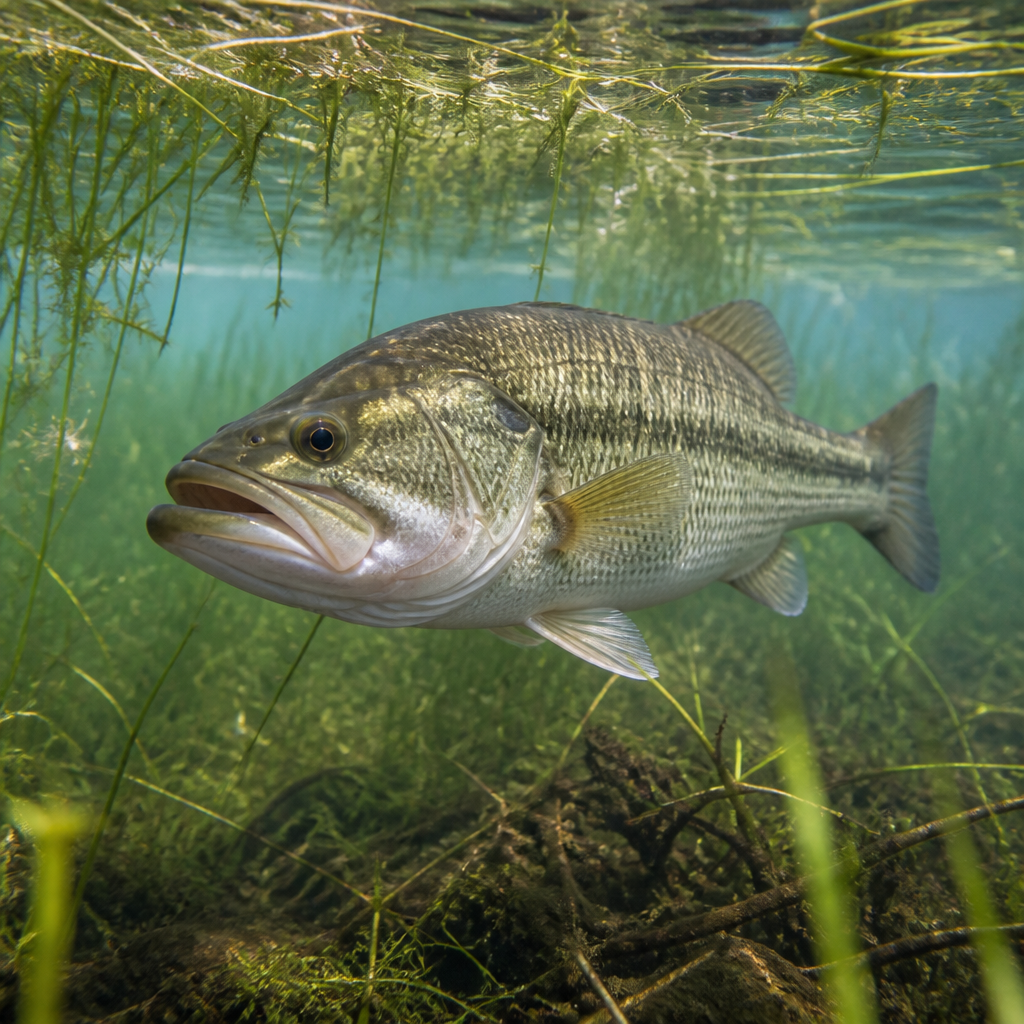
Weed growth deserves special attention because many lowland rivers are rich enough to produce ranunculus, ribbon weed, and filamentous algae. Weed is not just an obstacle; it is structure, oxygen factory, and invertebrate habitat. Trout and grayling sit beside weed lanes to intercept caddis larvae, shrimps, and nymphs washed free. Chub use dark cavities under streamer weed and cut banks. The most reliable cast is often not across open water but up and along a narrow corridor between weed rafts. Learn to read the polished tongues and tiny V-wakes that show current threading through vegetation. Those lanes are feeding highways.
Water Conditions That Change Fish Behavior
Water level and clarity are the two conditions that most radically alter lowland river tactics. In low summer flows, fish become concentrated and cautious. Long leaders, fine tippets, side-on approaches, and accurate first casts matter. During elevated flows, the river may gain color, current speed, and depth along the margins. Fish generally move out of heavy midstream flow and into softer edges, inside bends, back eddies, and slacks behind obstacles. Colored water does not automatically ruin fly fishing; it shortens fish vision, which can make them bolder if your fly passes close enough. On many mixed lowland rivers, eight to eighteen inches of visibility is highly fishable for nymphs and streamers.
Temperature is equally important. Trout feed most confidently within a moderate range, while grayling tolerate cooler periods better and can remain active in winter. In warm lowland rivers, oxygen can drop sharply during heatwaves, especially at dawn after hot, still nights. During those times I avoid stressing fish and focus on early morning, the cool tails of riffles, shaded reaches, and tributary mouths where oxygen is higher. After summer rain, a slight rise of cool water can transform activity within hours. Conversely, icy winter floods often reduce insect movement and push fish into the slowest, deepest refuges.
Light and wind influence visibility and drift control. Bright overhead sun exposes anglers and flattens surface contrast, making glides difficult. Cloud cover, ripple, or a downstream breeze can improve surface feeding because fish feel safer. However, wind also bows leaders and drags dry flies, so casting angles must adapt. Fish pressure matters too. On club waters close to population centers, obvious lies may be educated by repeated draggy presentations. Less obvious water, such as ankle-deep riffle tails, snaggy bank slots, or tiny creases beside bridge pilings, often holds the most willing fish because they receive fewer competent drifts.
| Condition | What Fish Usually Do | Best Fly Fishing Response |
|---|---|---|
| Low, clear water | Hold tight to cover, inspect flies longer, feed in short windows | Use longer leaders, smaller flies, finer tippet, stealthy approach, precise drifts |
| Rising water with light color | Move toward softer seams and margins, feed opportunistically | Target edges, seams, and inside bends with weighted nymphs or small streamers |
| High, dirty water | Seek slack shelter near banks or behind structure | Fish close, go larger or darker, shorten drifts, cover accessible refuge water |
| Bright sun | Drop deeper, use shade, weed, and undercuts for security | Nymph deeper lanes, fish shaded banks, reduce false casting |
| Overcast or evening light | Range wider and rise more freely | Prospect glides and riffle tails with dries, emergers, or unweighted nymphs |
| Summer heat | Feed early or late, favor oxygenated current | Start at dawn, focus on riffles and inflows, handle fish quickly |
Techniques for Riffles, Runs, Glides, Pools, and Margins
Each water type rewards a distinct presentation. In riffles, short-line nymphing is efficient because surface chop hides leader and line. A pair of weighted nymphs or a single anchor fly with a lighter dropper lets you maintain contact while the current carries food naturally. The key is leading the flies at the pace of the bubbles, not faster. Takes in lowland riffles are often soft hesitations rather than violent stops, especially from grayling. In medium runs, an upstream or slightly up-and-across cast with controlled mends allows a longer drift through the main feeding lane. Keep the rod high enough to reduce drag but not so high that you lift the flies unnaturally.
Glides call for finesse. Fish here have time to inspect and reject, so the first cast must count. For surface feeders, a long tapered leader, slack introduced with a reach cast or parachute cast, and careful positioning below and across the fish are essential. If nothing is visibly rising, a single unweighted nymph or soft hackle swung gently across the current can be deadly, especially during caddis movement. On chalkstream-like glides, I often watch one fish for several minutes before casting, noting its lane, cadence, and whether it is taking adults, emergers, or sub-surface food. Blind casting repeatedly over flat water usually educates fish.
Pools and undercut bends often hold larger residents. Here the challenge is depth and concealment. Weighted nymphs under an indicator can work where local rules allow, but many anglers do better with tight-line methods along the near seam or with a small streamer swung and then paused beside cover. Large trout and chub frequently take on the hang or just as the fly slows near a root line. Margins are too often ignored. In colored water especially, fish may sit within a rod length of the bank, sheltered from the main push. Roll-cast a nymph or streamer upstream along grass edges, let it sink briefly, and track it down the margin. This is not glamorous fishing, but it is one of the fastest ways to contact quality fish after rain.
Fly Selection, Tackle Choices, and Seasonal Adjustments
Lowland rivers reward realistic but not overly complicated fly selection. The core categories are nymphs, emergers, dry flies, soft hackles, and streamers. For nymphing, patterns imitating mayfly nymphs, caddis larvae, shrimps, and general dark insects cover most situations. Pheasant Tail, Hare’s Ear, Czech-style caddis, pink shrimp, jig nymphs with tungsten beads, and sparse perdigons all earn a place. In fertile rivers with abundant weed and scud populations, shrimp and caddis patterns can outfish classic mayfly nymphs for months. Dry fly choices should include olives, sedges, midges, terrestrials, and spent patterns. On warm summer lowland reaches, beetles and ants become surprisingly important under bankside trees and meadow edges.
Tackle should match the size of river and method rather than fashion. A nine-foot four- or five-weight is the all-round lowland river rod, with a softer tip helping protect fine tippets on close fish. For dedicated nymphing in varied current, rods around ten feet in two- to four-weight classes improve line control and reach. Floating lines handle most situations; specialized euro-nymph lines or mono rigs are useful where rules permit. Leaders should vary. I carry long tapered leaders for glides, stronger shorter leaders for streamers and colored water, and fluorocarbon tippet for subsurface abrasion resistance around weed and roots. Polarized glasses are not optional. They reveal depth changes, fish movement, weed lanes, and dangerous footing.
Seasonally, spring brings rising daytime temperatures, clearer water on settled periods, and important early olive and upwing hatches. Fish often feed confidently in riffle tails and medium glides. Summer emphasizes low flows, weed growth, terrestrials, morning and evening windows, and the need for stealth. Autumn can be excellent as temperatures moderate and fish feed before winter, with streamers becoming more relevant for larger trout and perch. Winter on lowland rivers is often a grayling and chub game, centered on deeper runs, steady nymphing, and brief feeding spells during the warmest part of the day. Through every season, the principle stays constant: match your method to the exact water type in front of you, not to a generic river plan.
Building a Repeatable Lowland River Strategy
The most effective lowland river anglers follow a sequence. First, assess visibility, pace, and temperature. Second, choose the highest-percentage water for those conditions rather than fishing every yard. Third, approach from downstream or with cover, keeping a low profile on open banks. Fourth, pick one method that fits the section and fish it properly before changing flies endlessly. Fifth, watch for evidence: nymph shucks on reeds, dimples under far-bank trees, baitfish scattering, or swallows taking emergers. Those clues tell you more than a fly box ever will.
As a hub for techniques and strategies around water types and conditions, this article provides the framework for every related topic: reading riffles, fishing glides, handling floods, approaching clear water, and adjusting to seasonal change. The main benefit is simple. Once you understand how lowland river structure and conditions govern fish position, your decisions become deliberate instead of hopeful. Start on your next session by classifying each piece of water before you cast, then fish the most likely lanes with purpose.
Frequently Asked Questions
What makes fly fishing in lowland rivers different from fishing mountain streams?
Lowland rivers behave very differently from steep, fast mountain water, and that changes almost every part of your approach. In a mountain stream, fish often hold in obvious pockets, riffles, and seams created by gradient and boulders. In a lowland river, the current is usually slower, the channels are wider, and the holding water is more subtle. Fish are more likely to use deeper glides, crease lines, weed beds, undercut banks, shaded edges, slow tailouts, and any cover that breaks up the broad, even flow. Because the water is often warmer and more fertile, there may be more aquatic plant growth, more insect life, and longer feeding windows, but also more complexity in how fish position themselves throughout the day.
Another major difference is clarity and presentation. Lowland rivers can be clear and delicate in stable conditions, then suddenly become colored after rain due to silt and runoff from farmland or surrounding floodplains. That means you need to adapt quickly with fly size, color, depth, and leader setup. Instead of simply covering obvious current lanes, you often need to read softer structure: depressions in the bed, changes in weed density, shaded margins, and transitions between shallow shelves and deeper channels. In short, lowland river fly fishing rewards patience, careful water reading, controlled drifts, and a willingness to fish methodically rather than just moving rapidly from one pocket to the next.
Where do fish usually hold in lowland rivers, and how can you find the best water?
In lowland rivers, fish tend to hold where they can conserve energy while staying close to food and security. The best lies are often not the fastest water but the most efficient water. Look for undercut banks, bends with slightly deeper outside edges, submerged weed beds that create natural current breaks, slower seams beside the main flow, and shaded areas beneath overhanging trees. Bridges, cattle drinks, reed-lined margins, fallen timber, and places where a narrow run opens into a deeper glide can all create excellent holding water. Even subtle changes matter. A depth increase of only a foot, a faint crease on the surface, or a clean gravel tongue beside silt can be enough to attract fish in an otherwise uniform reach.
The key is to train yourself to spot transitions rather than dramatic features. In low-gradient systems, fish often spread out, and the best water may look ordinary at first glance. Polarized glasses help you identify weed lanes, drop-offs, and darker holding areas. If the river is clear, spend a few minutes observing before casting. Watch for subtle swirls, shadows shifting near cover, insects gathering in slower slicks, or fish moving out from weeds to intercept drifting food. If the river is stained, focus more on structure and current compression points. Anywhere the river narrows, deepens, pushes against a bank, or sweeps past cover is worth careful attention. Consistently finding fish in lowland rivers is less about dramatic scenery and more about reading fine-scale detail.
What flies work best for lowland rivers, and how should you choose patterns through the day?
Effective lowland river fly selection usually comes down to matching three things: the available food, the water clarity, and the level in the water column where fish are feeding. Because these rivers are often fertile, fish may feed on a broad menu that includes mayfly nymphs, caddis larvae, freshwater shrimp, snails, worms, midges, drowned terrestrials, and small baitfish. That is why versatile patterns tend to perform well. Nymphs with natural profiles, small streamers, soft hackles, emergers, and dry flies for evening rises should all have a place in your box. If the river carries weed growth and richer insect life, patterns that suggest movement and life rather than exact imitation can be especially effective.
In clear, steady water, smaller and more natural patterns are usually best, especially if fish have time to inspect the fly. Fine nymphs, slim emergers, and lightly dressed dries often outfish bulky patterns in these conditions. In colored water after rain, visibility becomes more important than refinement, so slightly larger flies, darker silhouettes, or patterns with a touch of flash can help fish locate your offering. Early in the day, sub-surface flies are often a strong starting point, particularly in deeper glides and along cover. As temperatures rise and insect activity builds, fish may shift higher in the water. Late afternoon and evening can bring some of the most rewarding action, especially if fish begin taking emergers or dries in slow slicks and margins. Let the river tell you what to use: watch for rises, inspect insects on the surface or in the weeds, and change only when there is a clear reason, not just out of impatience.
What casting and presentation techniques are most effective on slow, wide lowland rivers?
Presentation is often more important than distance on lowland rivers. Because the current is softer and the water can be clearer, fish frequently get a longer look at the fly. That makes drag-free drift, line control, and angle of approach critical. A common mistake is casting too much line and trying to cover the entire width of the river at once. A better strategy is to break the water down into manageable lanes and fish each one with intention. Cast slightly upstream or across, depending on the current speed and your target lie, then manage slack so the fly drifts naturally into the feeding zone. Reach casts, aerial mends, and careful line repositioning on the water are all valuable tools for extending a clean drift.
On broader glides, longer leaders can help reduce line splash and improve finesse, especially when targeting fish near the surface. When fishing nymphs, depth control matters just as much as drift quality. In slower water, a lightly weighted nymph or an indicator setup that allows the fly to travel naturally just above the bottom can be very effective. Along undercut banks and weed edges, accuracy becomes the priority. You often need to place the fly tight to structure without snagging. For streamers, think less about ripping the fly back and more about controlled movement through likely ambush zones. Short strips, pauses, and swings across deeper channels can trigger takes from fish using cover. Overall, the most productive presentation in lowland rivers is usually the one that looks unforced, quiet, and believable.
How should you adjust your tactics when lowland rivers become colored, weedy, or difficult after changing weather?
Changing conditions are part of lowland river fishing, and successful anglers treat them as tactical puzzles rather than setbacks. After rain, these rivers often carry extra color, debris, and fluctuating flow. In such conditions, fish commonly shift closer to the banks, into softer eddies, behind structure, or into steadier water just out of the heaviest current. This is the time to shorten your search and focus on high-percentage holding areas rather than covering featureless mid-river water. Flies that push a stronger silhouette or vibration can help in reduced visibility, and getting the fly near the fish matters more than perfect delicacy. You may also need to fish slower than usual, giving fish more time to notice and commit.
Weed growth creates both challenges and opportunities. Heavy weed can make drifting nymphs frustrating, but it also concentrates fish in clean lanes, along edges, and in pockets between beds. Instead of fighting the weeds, use them to locate feeding routes. Fish often patrol the clear channels between growth and sit where current delivers food along the margins. During warm spells, early mornings and evenings are usually more productive, as oxygen levels and light conditions can be better for feeding. Bright sun may push fish under banks, beneath overhanging trees, or deeper into cover. If conditions turn tough, simplify your plan: fish the shaded water, target depth changes, adjust your fly size to the clarity, and slow down enough to thoroughly work each likely lie. In lowland rivers, adaptation is not a backup skill; it is the central skill that consistently turns difficult days into productive ones.