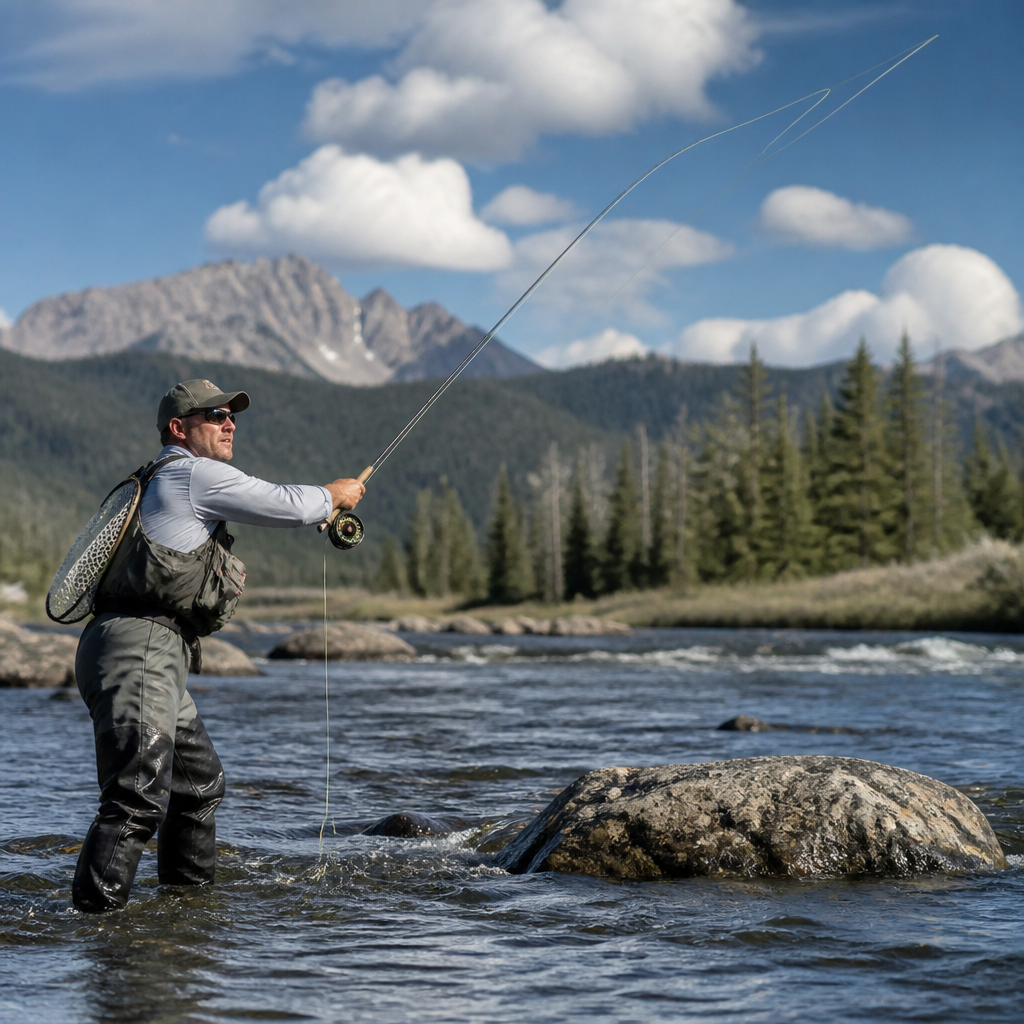
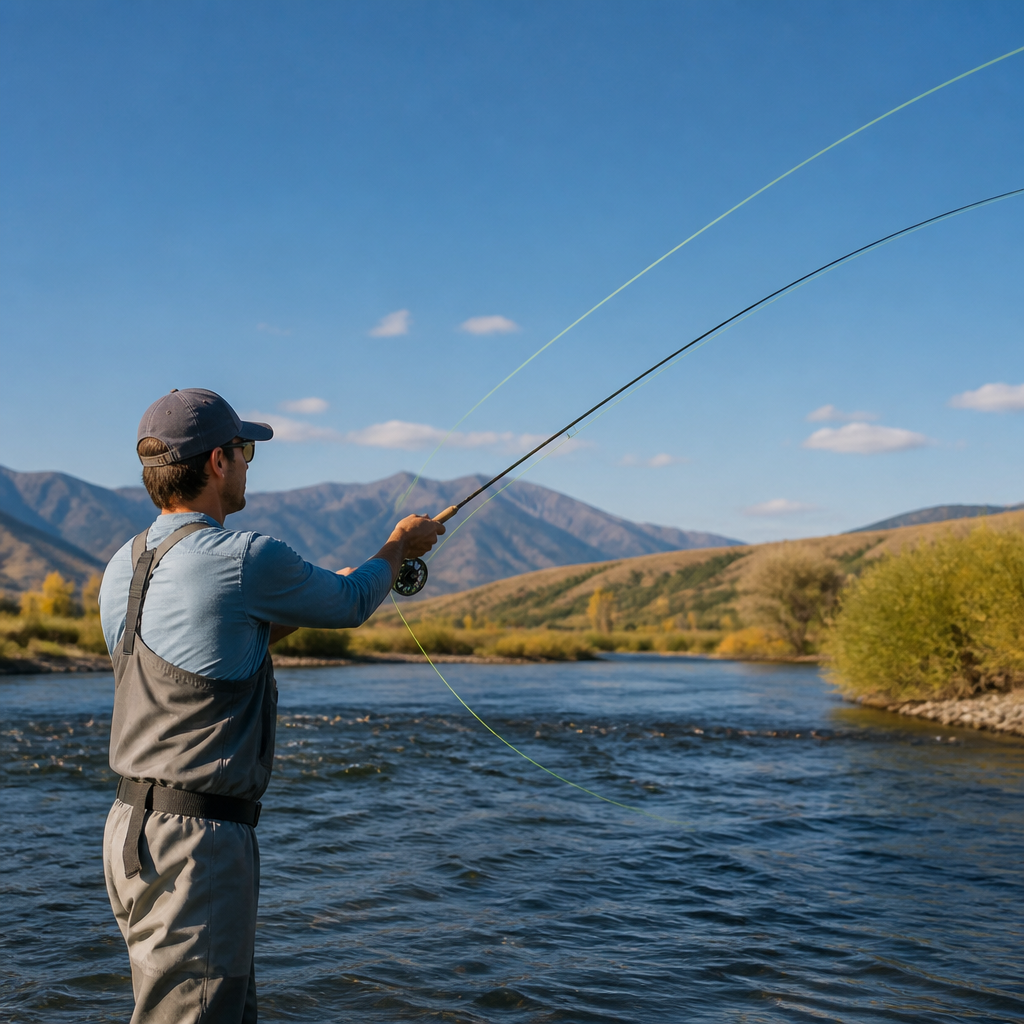
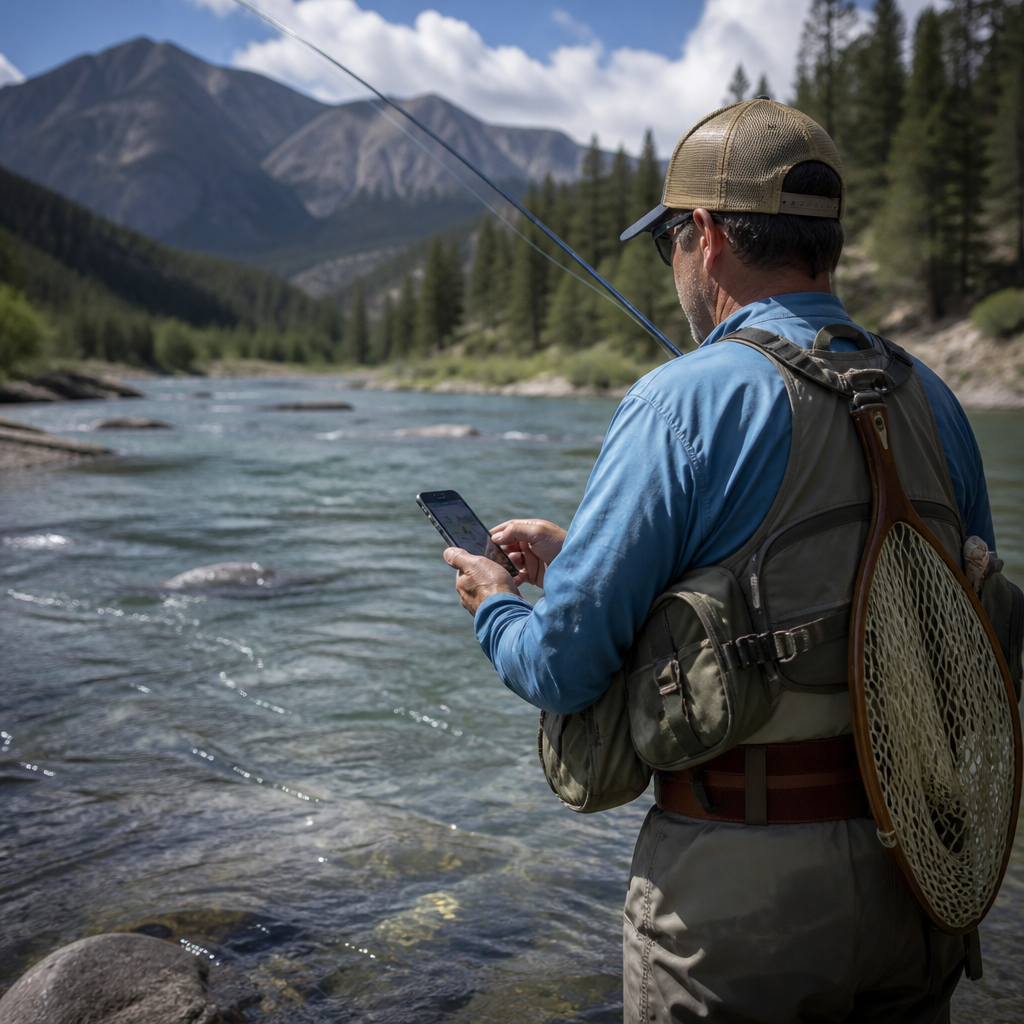
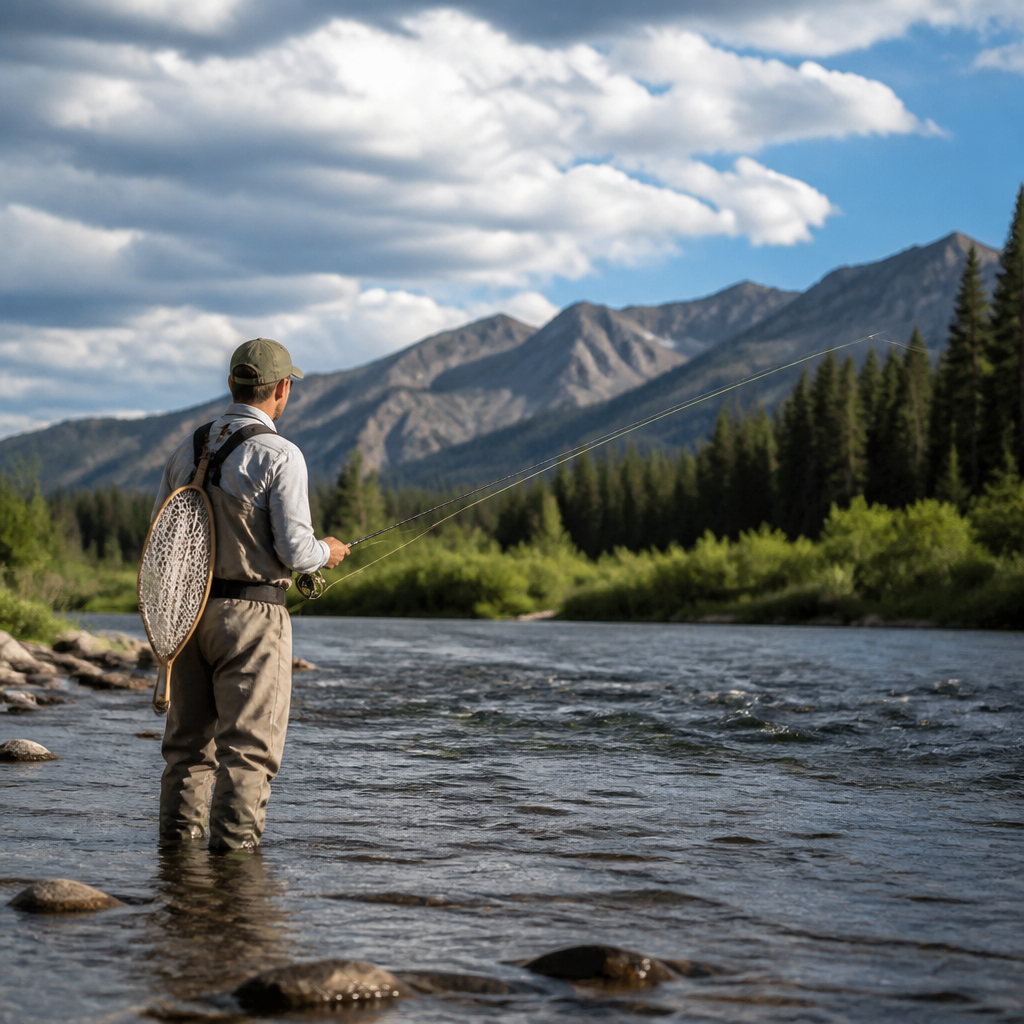
Identifying stonefly hatches is one of the most reliable ways to turn average trout fishing into consistently productive fishing, especially on rivers where large aquatic insects drive feeding behavior. In practical terms, “identifying a hatch” means recognizing which insect is emerging, when it appears, how trout respond, and which fly, presentation, and position best imitate that moment. Stoneflies matter because they are widely distributed, nutritionally valuable to fish, and behaviorally distinct from mayflies and caddis. When anglers understand the full stonefly life cycle—nymph, emergence, adult, mating, egg laying, and post-spawn fall—they stop guessing and start making informed decisions.
As a match the hatch discipline, stonefly identification sits at the center of river strategy. I have found that anglers often miss fish not because they lack casting skill, but because they misread insect timing. A big golden stone crawling toward shore demands a different response than tiny yellow sallies fluttering over riffles at dusk. Even when no obvious adults are visible, shucks on rocks, nymphal migration near banks, and splashy feeding near overhanging grass can reveal exactly what is happening. Learning those signals helps anglers select size, silhouette, color, depth, and drift with much greater accuracy.
Stoneflies belong to the order Plecoptera and are generally associated with well-oxygenated water. Their presence often indicates relatively healthy stream conditions, particularly in freestone rivers, tailwaters with stable cold flows, and mountain systems with rocky substrate. Unlike mayflies, many stoneflies emerge by crawling to shore or onto exposed structure, which changes where anglers should look and where trout often station themselves. That shoreline bias is a key concept. During active movement, fish frequently shift from classic mid-current lies toward seams, banks, ledges, woody cover, and soft edges where nymphs become vulnerable.
This article serves as a hub for match the hatch tactics focused on stoneflies. It covers identification basics, seasonal timing, reading behavior, choosing patterns, and making tactical adjustments on the water. It also points naturally toward deeper subjects such as nymphing banks during pre-hatch migration, fishing adult salmonfly imitations, and interpreting yellow sally egg-laying flights. If you want a practical framework for stonefly hatches that supports the rest of your techniques and strategies, start with observation, connect it to insect stage, and then let that evidence drive every presentation choice.
Understand the Stonefly Life Cycle Before You Pick a Fly
The fastest way to improve stonefly fishing is to think in stages rather than in generic categories like “big bug” or “dry fly hatch.” Stoneflies spend most of their lives as aquatic nymphs. Depending on species and water temperature, that nymphal period can last one to four years. During that time they occupy cobble, boulders, woody debris, and oxygen-rich pockets where current delivers food. As maturity approaches, nymphs often migrate toward shallower edges and shorelines. That movement alone creates a feeding event, often before any adults are visible.
Emergence is different from the clean, surface-oriented picture many anglers associate with mayflies. Most stoneflies crawl out of the water onto rocks, logs, bridge pilings, or streamside vegetation, then split their nymphal shuck and become winged adults. Because they do not usually emerge in the open current, trout often key on nymphs moving laterally or drifting accidentally during migration rather than on insects floating upright in midstream. After emergence, adults rest, harden, mate, and eventually return to the water to deposit eggs, sometimes skittering, bouncing, or crashing onto the surface.
That sequence creates multiple fishable windows. Pre-hatch nymphing can be excellent for days or weeks. Adult fishing may peak during midday for salmonflies and goldens, while yellow sallies often produce better in late afternoon or evening. Egg-laying flights can be as important as emergence, especially when adults repeatedly touch the water and trigger aggressive rises. Finally, spent adults that fall into the river after mating become easy calories. If you are trying to match the hatch effectively, identify not only the species, but the exact life stage trout are exploiting right now.
Know the Major Stonefly Groups and Their Telltale Traits
Not every stonefly hatch calls for giant foam dries. The broad categories anglers encounter most often are salmonflies, golden stones, little yellow stones, little black stones, and winter stones. Salmonflies are the largest and most famous. In Western rivers, Pteronarcys species can exceed two inches, with dark bodies and orange highlights. Golden stones, commonly from genera such as Hesperoperla or Claassenia depending on region, are usually smaller than salmonflies but still substantial, often tan, amber, or golden-brown. Trout notice both because they represent a lot of protein and are clumsy around the water.
Little yellow stones, often called yellow sallies, are much smaller, commonly size 14 to 18, and are easy to confuse with pale caddis or even small terrestrials at a glance. Their slim profile, tented wings, and habit of fluttering close to riffles are strong clues. Little black stones appear in colder months and early spring in many waters, usually size 14 to 18, with dark bodies and active skittering behavior on the surface. Winter stones can emerge when air temperatures are low enough that many anglers are not watching for hatches at all, which makes them especially valuable to observant fishers.
Regional overlap matters. The Deschutes, Yellowstone, Delaware tributaries, and Appalachian freestones all hold stoneflies, but timing, density, and dominant species vary. I never rely on one hatch chart alone. Local fly shop reports, state aquatic entomology resources, USGS flow and temperature data, and direct streamside sampling produce better answers than generalized calendars. A size 6 salmonfly pattern may be perfect on one river in June and absurdly large on another stream where size 10 goldens are the real event.
| Group | Typical Size | Common Timing | Key Clue | Best First Tactic |
|---|---|---|---|---|
| Salmonfly | 4-8 | Late spring to early summer | Large dark adults on bankside rocks | Nymph near banks before switching to adults |
| Golden stone | 6-12 | Late spring through summer | Amber or tan adults near riffles | Fish nymphs in seams and dries tight to structure |
| Yellow sally | 14-18 | Summer | Small yellow adults fluttering at dusk | Dead-drift or lightly skate small dries |
| Little black stone | 14-18 | Late winter to spring | Dark adults on snow, rocks, or margins | Small dark nymphs and skittering adults |
Read the River for Hatch Clues Most Anglers Miss
Direct insect observation beats assumption every time. Start by checking exposed rocks along the bank for empty shucks. Fresh shucks are one of the clearest signs that stoneflies are actively emerging nearby. Next, inspect streamside grass, willow stems, bridge abutments, and boulders for adults. Because many species crawl out to hatch, a ten-yard stretch of bank can tell you more than an hour of blind casting. Turn over a few submerged stones in shallow riffles too, but do it carefully and return them as found to reduce habitat disturbance.
Trout behavior is another diagnostic tool. During nymphal migration, fish often hold inches from shore, behind bank rocks, under cutbanks, or beside submerged wood. Anglers wading too deep commonly step into the best lane. During adult activity, rises may be explosive rather than delicate, especially when large bugs hit the water hard. If fish slash at drifting foam patterns but refuse polished dead drifts, the natural insects may be fluttering, skating, or ovipositing rather than floating passively.
Environmental triggers help narrow the timing. Water temperature strongly influences development, and many hatches intensify as flows stabilize after runoff. Bright sun can warm bankside structure and stimulate adult movement, while wind can knock adults into the water and extend productive dry-fly periods. On some rivers, the most important clue is not visual at all but auditory: the faint tapping of large adults against streamside brush. The more senses you use, the faster you identify the real hatch.
Match the Hatch With Stage-Specific Fly Selection
Fly choice should mirror the vulnerable stage, not just the species label on the bin. For pre-hatch and migration periods, stonefly nymphs with realistic profile, segmented bodies, rubber legs, and enough weight to reach the strike zone are essential. Pat’s Rubber Legs, 20 Incher, Kaufmann Stone, and weighted realistic nymphs all have places, but size discipline matters more than brand loyalty. Oversized patterns catch anglers more often than trout. Compare the artificial to actual nymphs from the river and adjust accordingly.
For adult imitations, silhouette and behavior usually outrank fine detail. Salmonfly and golden stone dries need visible backs, buoyancy, and a footprint that lands close to naturals. Chubby Chernobyl variations, Rogue Stones, Fluttering Stones, and classic hair-wing patterns all work when presented correctly. In contrast, yellow sally adults often require a slimmer, lower-riding pattern. A small stimulator, yellow sally dry, or sparse elk-hair style imitation can outperform high-floating foam if trout are sipping rather than crashing.
Egg-laying females are a special case. Many return to riffles and repeatedly contact the surface, so a lightly skated or twitched fly can be more convincing than a perfect dead drift. I have seen refusals turn into immediate eats by adding a few inches of motion at the end of the drift. That does not mean movement is always right. In slower water, too much action looks unnatural. Match the hatch means matching behavior as precisely as matching color.
Use Presentation and Positioning That Fit Stonefly Behavior
Stonefly tactics are spatial. Because nymphs migrate toward edges, your first drifts should often run parallel to the bank before you probe mid-channel water. High-stick nymphing, tight-line presentations, indicator rigs, and short controlled drifts all excel when you need contact near structure. Split shot or tungsten patterns may be necessary in pushy water, but avoid creating a rig so heavy that it snags constantly and drifts unnaturally. The goal is bottom proximity with controlled movement, not random bouncing.
Dry-fly positioning matters just as much. Adults frequently fall from grasses, bushes, and rocks at the margin, so casts tight to shore, under overhangs, beside boulders, and along foam lines are often highest percentage. On famous salmonfly rivers, the difference between a cast six inches off the bank and one three feet out can be dramatic. Trout learn where naturals come from. They do not distribute themselves evenly just because anglers do.
Boat anglers have an advantage during big bank-focused hatches, but wade anglers can compensate by staying shallow and covering water methodically. Approach from downstream when possible, minimize shadow, and avoid crushing shoreline vegetation where adults rest. If fish refuse the dry, drop a stonefly nymph eighteen to thirty inches below it. That dry-dropper combination covers both adults and dislodged nymphs and is one of the most efficient searching systems during mixed activity.
Adjust for Season, Weather, and Pressure
Stonefly hatches do not happen in a vacuum. Runoff, dam releases, heat spikes, cold fronts, and fishing pressure all reshape how they fish. During rising, off-color water, large dark nymphs are often easier for trout to locate than small precise imitations. Once flows settle and visibility improves, fish can become selective about size and drift, especially on heavily fished rivers. Bright afternoons may produce strong adult activity one day, while a cold morning delays movement until much later the next.
Pressure changes trout position too. On popular waters, repeated shoreline casts from boats can push larger fish under cover or into softer secondary banks. In that scenario, the best answer is often to fish less obvious water: inside bends, broken pocket water, shaded undercuts, and transition lanes below riffles where egg-layers collect. Early and late windows can also regain an edge after midday traffic slows.
A final strategic point: do not force a hatch narrative when evidence says otherwise. Stoneflies are important, but trout may still feed opportunistically on caddis, PMDs, midges, or terrestrials during the same period. If you see shucks on rocks yet fish ignore both nymphs and adults, reassess depth, drift, and competing food sources. The best match the hatch anglers stay loyal to observation, not to expectation.
Build a Repeatable Stonefly Observation System
The most dependable progress comes from recording what you see. Keep notes on river, section, date, flow, water temperature, weather, insects observed, life stage, successful flies, and trout response. After a season or two, patterns emerge. You will know that one reach fishes goldens best when water temperatures hit the high fifties, or that a particular freestone produces yellow sally egg-laying flights only during calm evenings. Those details are more valuable than generic hatch charts because they are tied to your water.
This hub should anchor your broader stonefly learning. From here, go deeper on nymph rigging, adult pattern selection, bank-fishing approaches, and species-specific timing for salmonflies, goldens, and yellow sallies. Match the hatch is not a slogan; it is an observation process that links entomology to presentation. When you identify the right stonefly stage, fish the right water, and present the fly in the right way, trout respond with far more consistency.
The key takeaway is simple. Stonefly hatches reward anglers who pay attention to life cycle, location, and behavior instead of chasing surface drama alone. Start with the banks, confirm the insect, choose a stage-appropriate fly, and adjust your presentation to what the naturals are actually doing. If you want better decisions on the water and a stronger foundation for every related technique in this topic, use this article as your reference point and build your next outing around deliberate stonefly observation.
Frequently Asked Questions
How can I tell if trout are feeding on a stonefly hatch instead of other aquatic insects?
The most reliable way to identify a stonefly hatch is to combine what you see in the air, on the water, and along the banks. Unlike many mayflies and midges that emerge directly from the water surface, stoneflies often crawl out onto rocks, logs, bridge pilings, or streamside vegetation before hatching into adults. If you notice shucks attached to shoreline structure, adult stoneflies fluttering low over the water, or insects skittering on the surface rather than floating motionless, that is a strong sign you are dealing with stoneflies. Trout behavior also helps confirm the hatch. Fish feeding on stoneflies may hold close to banks, pocket water, current seams, and shallow riffles where nymphs drift or adults fall in. Surface rises can look splashier and more aggressive than the subtle sipping associated with smaller insects.
Size and silhouette matter too. Stoneflies are typically longer-bodied, with two tails and wings that lie flat over the back when at rest. Their nymphs are robust, cling to rocks in fast water, and become especially important before emergence, when current dislodges them. If you are seeing large dark insects in early spring, salmonfly-colored adults in late spring or early summer, or small yellow stoneflies in summer, it often pays to assume stoneflies are in play before anything else. The best anglers do not rely on one clue. They look for a pattern: active adults near the banks, nymphal shucks on streamside structure, trout positioned where stoneflies naturally drift, and fish responding to larger, more animated imitations. When those signals line up, you can be confident the hatch is influencing feeding behavior.
When do stonefly hatches usually occur, and what conditions trigger them?
Stonefly hatches vary by species, river system, elevation, and water temperature, but they are predictable enough that experienced anglers plan seasons around them. In many trout rivers, the stonefly calendar begins with winter stones and early black stones during the colder months, followed by larger spring species, then salmonflies and golden stones as runoff approaches or recedes, and finally smaller yellow stoneflies through summer. The exact timing changes from one watershed to another, but water temperature is often the key trigger. When temperatures stabilize within a species’ preferred range, nymphs become more active, migrate toward banks, and prepare to emerge.
Daily timing matters as much as seasonal timing. Some stoneflies are most active during the warmest part of the day, especially in colder months, while others show heavier adult movement in late morning, afternoon, or evening depending on weather and river conditions. On many rivers, consistent warming trends produce better hatch activity than abrupt temperature swings. Cloud cover, flow changes, and runoff level also influence visibility and fish response. For example, pre-hatch nymph movement can be excellent in higher flows because more nymphs are dislodged, while adult fishing often improves when flows drop enough for trout to patrol edges and foam lines confidently. Anglers who track water temperatures, inspect banks for shucks, and note recurring hatch windows over several trips usually develop a much more accurate sense of timing than those who rely only on general hatch charts.
What are the best ways to match stonefly hatches with the right flies and presentations?
Matching a stonefly hatch starts with identifying which life stage trout are targeting. Before and during emergence, nymphs are usually the highest-percentage option. Because stonefly nymphs live in fast, rocky water and often drift near the bottom, your imitation should be fished deep and naturally. High-stick nymphing, indicator rigs, tight-line approaches, and short drifts through pocket water are especially effective. Use enough weight to stay near the streambed, and focus on seams, slots, drop-offs, banks, and the softer edges adjacent to heavy current where trout can intercept drifting nymphs efficiently.
Once adults become active, dry-fly opportunities improve, especially near banks, under overhanging vegetation, and along current edges where egg-laying females crash or skitter onto the surface. In those situations, a dead drift is not always the only answer. Adult stoneflies are often poor fliers and move erratically, so a slight twitch, skate, or controlled drag can make the pattern more convincing. If trout slash at the fly but miss, resist changing patterns too quickly; your presentation angle or movement may be the real issue. During mixed feeding, a dry-dropper rig can be ideal, with a buoyant adult imitation on top and a stonefly nymph below. The key is to match not only size and color, but also behavior. A good imitation presented in the wrong part of the water or at the wrong depth is far less effective than a close-enough fly fished where trout actually expect stoneflies to appear.
Where should I position myself and cast during a stonefly hatch for the best chance at trout?
Stonefly fishing is often about reading structure as carefully as you read insect activity. Because stonefly nymphs thrive in oxygen-rich, broken water, trout commonly feed near riffles, pocket water, boulder gardens, and the transitional seams below fast current. During the nymphal phase, productive casting angles usually target deeper lanes beside rocks, troughs at the heads of runs, and soft cushions where fish can hold out of the main current while waiting for food. Fishing upstream or slightly up-and-across often gives your nymphs a more natural drift and helps maintain better line control in turbulent water.
When adults enter the picture, your attention should shift toward banks, grassy edges, undercut margins, overhanging branches, and any structure where adult stoneflies crawl, hatch, rest, or fall back into the river. Trout know this and frequently slide into surprisingly shallow water to take advantage of it. Position yourself so your casts run tight to the bank without lining the fish. On larger rivers, drifting or wading parallel to shore and covering likely edge water can be far more productive than casting blindly to the middle. On smaller streams, stealth becomes critical because fish feeding near the margin are easily spooked. In all cases, think in terms of lanes of food delivery. Stoneflies do not appear randomly; they collect along edges, seams, and current transitions. If you place your fly where the natural insects are most likely to drift or fall, your odds improve dramatically.
What mistakes do anglers make when trying to identify and fish stonefly hatches?
One of the biggest mistakes is focusing only on visible adults and ignoring the far more important nymphal stage. Many anglers wait to see insects fluttering above the river before changing tactics, but trout often feed heavily on migrating stonefly nymphs well before the hatch becomes obvious. Another common error is fishing too far from the banks. Because many stoneflies crawl to shore to emerge and many adults return to bank-side cover, the most productive water is frequently closer to the edge than anglers expect. Casting repeatedly to the center of a run can mean missing the best fish in the system.
Presentation mistakes also cost anglers opportunities. Stonefly nymphs are substantial insects, and if your fly is not getting deep enough, drifting naturally enough, or staying in the strike zone long enough, trout may never see it. With dry flies, anglers often insist on a perfect dead drift when a subtle twitch or skate would better imitate an active adult. Misjudging size is another issue; stoneflies range from tiny dark species to very large salmonflies, so using a generic large pattern for every hatch can reduce success. Finally, many anglers fail to gather evidence. Turning over rocks, checking streamside vegetation for shucks, watching where trout are holding, and noting water temperature and time of day all provide clues that sharpen identification. The anglers who consistently capitalize on stonefly hatches are the ones who treat the river like a puzzle, not just a casting lane. They observe first, confirm patterns, and then adjust flies, position, and presentation to match what is actually happening.