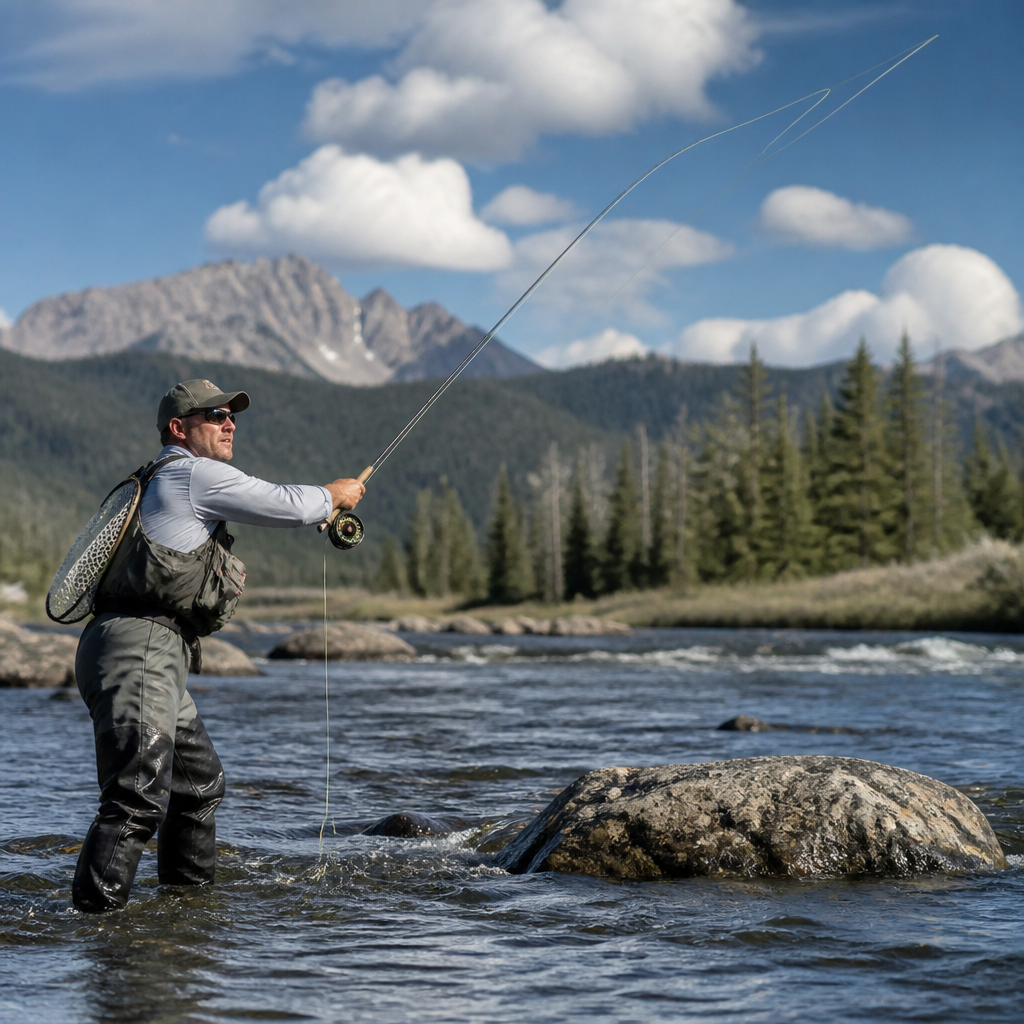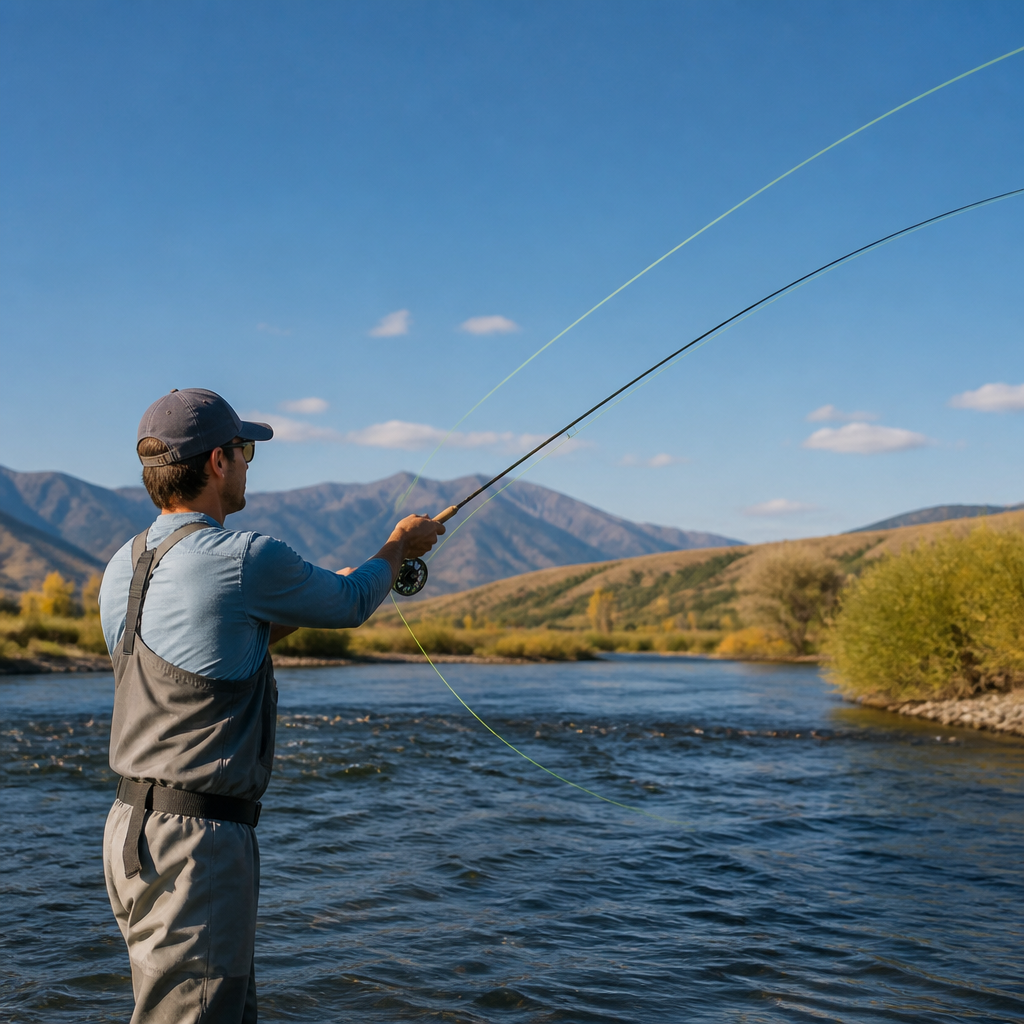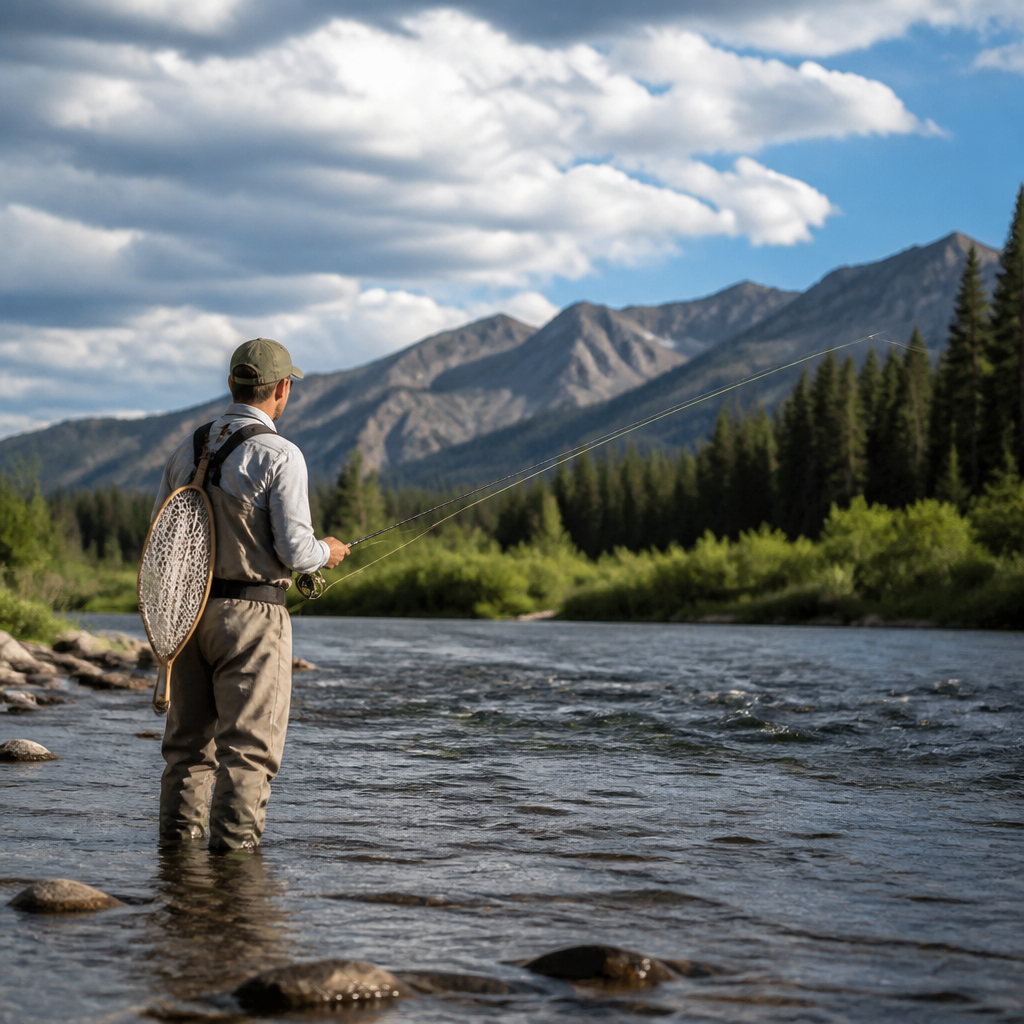
Identifying midge hatches is one of the most useful skills in fly fishing because midges are present on nearly every trout water, in every season, and often when larger insects are absent. In practical terms, a midge hatch is the emergence of small two-winged insects, usually from the Chironomidae family, from larva to pupa to adult on or near the water’s surface. “Match the hatch” means observing which life stage trout are feeding on, then choosing a fly pattern, size, profile, color, and presentation that imitates that stage closely enough to trigger takes. I learned this lesson the hard way on slow winter tailwaters, where trout ignored attractor nymphs but fed confidently once I switched to size 22 black zebra midges and later to sparse Griffith’s Gnats during a calm surface emergence.
This topic matters because midge hatches regularly save difficult days. Trout can become highly selective during a concentrated hatch, especially on spring creeks, tailwaters, and stillwaters with stable temperatures and dense insect populations. Anglers who can identify the signs of a subsurface pupa drift, a surface film emergence, or an adult cluster have a major advantage. Midges also force precision. They teach disciplined observation, fine tippet control, and confidence in tiny patterns that many anglers resist using. As a hub within techniques and strategies, this article covers the full match-the-hatch process for midges: how to recognize the insects, where and when hatches occur, what trout behavior reveals, which patterns solve common situations, and how to build a repeatable decision-making system that connects entomology to on-water results.
What Midges Are and Why Trout Key on Them
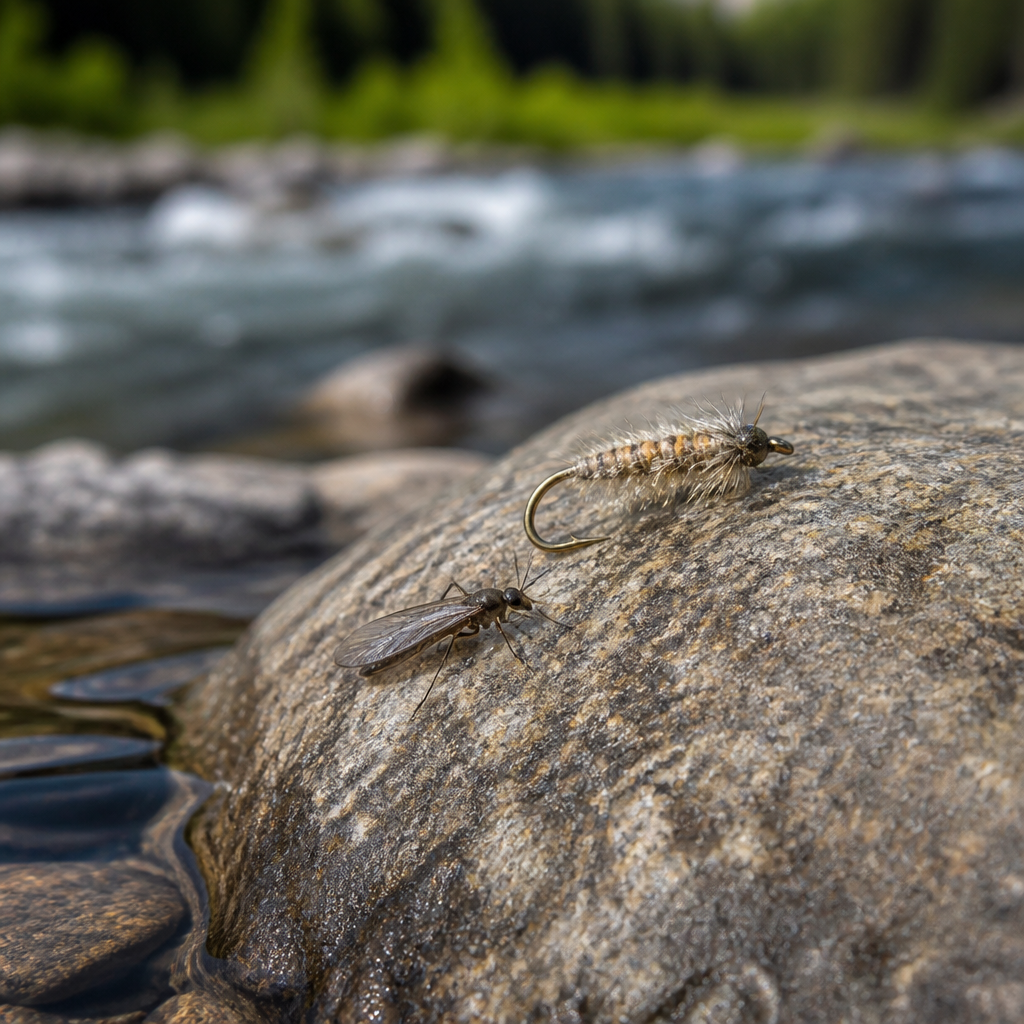
Midges are small aquatic flies that usually measure from size 18 to 28 in fly-fishing terms, though some chironomids in lakes run larger. The basic life cycle includes larva, pupa, and adult. Larvae are slender wormlike insects found in silt, vegetation, or rocky substrate. Many are olive, cream, red, black, or brown; the red forms are often called bloodworms because hemoglobin-like pigments help them tolerate low-oxygen environments. Pupae rise through the water column as gases develop under the shuck, and this ascending stage is frequently the most important to imitate. Adults resemble tiny mosquitoes but do not have the same biting mouthparts. They sit low on the water, drift flush in the film, and can cluster in mating groups that trout feed on steadily.
Trout key on midges for a simple reason: they are abundant, predictable, and available year-round. On a cold February afternoon, mayflies may be absent, caddis inactive, and stoneflies sparse, yet midges can still emerge in enough numbers to create reliable feeding windows. On heavily pressured rivers, trout often see endless beadhead pheasant tails and generic attractors; a correctly sized midge pupa or adult can look far more convincing. Midges are also easy calories when concentrated. In tailwaters below dams, stable flows and nutrient-rich conditions support dense midge populations, which is why places like the South Platte, Bighorn, Fryingpan, and San Juan are famous for technical midge fishing. In lakes, chironomid hatches can dominate trout diets for long periods, making suspended pupa presentations exceptionally effective.
How to Identify a Midge Hatch on the Water
The fastest way to identify a midge hatch is to observe three things in order: the insects in the air, the insects on the water, and the behavior of feeding fish. Start by looking at your jacket sleeve, net, or the inside of your drift boat. Adult midges often collect on dark surfaces where they are easier to see. If they are tiny, narrow-bodied, and gnat-like, you are likely around midge activity. Next, examine back eddies, foam lines, and smooth seams. Emerging pupae can leave shucks in the film, while adults may drift individually or in loose clusters. A small aquarium net, seine, or even a clear cup helps confirm exact size and color. I routinely carry a 5x magnifier because the difference between a size 20 and 24 matters more with midges than with most larger insects.
Fish behavior provides the clearest clue to life stage. Splashy rises usually suggest trout taking adults or clusters high in the film, while gentle dimples often indicate fish sipping emergers or spent adults. If trout are bulging just under the surface without clear nose breaks, they may be intercepting ascending pupae an inch or two below the film. Deeper, rhythmic feeding in slower runs often points to subsurface larva or pupa. Watch where rises occur. If fish are lined up in soft water beside stronger current, they may be targeting insects collecting in surface tension rather than random drifting food. During difficult hatches, I drift a white fly patch or piece of yarn in the seam and compare what sticks to it with what I see on naturals. That simple check often reveals whether trout want black pupae, gray adults, or clustered midge spinners.
Reading Water and Timing for Consistent Midge Activity
Midge hatches happen almost everywhere, but they become especially fishable in specific water types and conditions. Tailwaters are prime because bottom-release dams moderate temperature swings and maintain steady insect production. Spring creeks also produce dependable midge populations because groundwater influence stabilizes flows and temperatures. On freestone rivers, winter and early spring often bring the most obvious midge windows, especially during warmer parts of the day. Lakes and reservoirs can be outstanding when chironomid pupae rise from shoals, flats, or weed edges into calmer water where trout cruise methodically.
Timing usually follows light, temperature, and wind. Many river hatches intensify from late morning through midafternoon once water temperatures climb a few degrees. In winter, even a change from 38 to 41 degrees can increase emergence. Calm days make identification easier because adults remain on the surface longer, while breezy afternoons can push clusters into shorelines and eddies. Cloud cover sometimes prolongs feeding by reducing glare and extending the period when insects remain trapped in the film. On tailwaters with heavy generation changes, midge behavior can shift quickly. A bump in flow may knock larvae loose, creating productive nymphing before the classic surface hatch begins. That is why anglers who monitor dam release schedules, water temperature trends, and daily light windows usually stay ahead of the hatch rather than reacting after it peaks.
| Situation | What You See | Most Likely Trout Focus | Best Starting Pattern |
|---|---|---|---|
| Slow winter tailwater run | Subtle bulges below film | Ascending pupa | Black or red zebra midge, size 20–24 |
| Glass-smooth spring creek | Tiny dimples with nose tips | Emergers or adults in film | Sparse midge emerger or adult, size 22–26 |
| Wind lane on reservoir | Cruising trout and suspended takes | Chironomid pupa | Chromie or buzzer under indicator |
| Back eddy with clustered insects | Repeated splashy rises | Adult clusters | Griffith’s Gnat or midge cluster pattern |
Matching Life Stages: Larva, Pupa, Emerger, Adult
Successful midge fishing improves when you separate patterns by life stage instead of thinking of “midges” as one category. Larva imitations are best when trout feed near the bottom or when no obvious hatch is occurring. Bloodworm patterns, thread midges, and slim larva ties in red, maroon, black, olive, or cream work well under indicators or as the small fly in a two-fly rig. Pupa patterns are the workhorses. Zebra Midges, RS2 variants, Black Beauties, Brassies, and Chromies imitate the narrow, gas-shimmering form trout see as insects ascend. A silver rib or bead can suggest trapped gas, but too much flash can reduce effectiveness on pressured fish.
Emergers and adults matter once insects gather in the film. RS2s, midge emergers with CDC, foam posts, or trailing shucks, and simple thread-bodied dries all have their place. The Griffith’s Gnat remains a standard because it suggests multiple adults and works especially well when fish key on clusters. Still, it is not always the answer. On flat water, trout often reject overly bushy patterns and prefer sparse adults tied with split tails, trimmed hackle, and slender dubbed bodies. Color is usually secondary to size and profile, but not always. Black, gray, cream, olive, and red cover most situations. On some western tailwaters, a size 24 black pupa outfishes every other option for hours. On fertile stillwaters, larger olive or burgundy chironomid pupae may be the dominant food. Matching the stage first, then refining size, then adjusting color is the most reliable sequence.
Presentation Techniques That Make Tiny Flies Work
Correct identification fails without proper presentation, because trout inspecting midges have time to refuse poor drifts. For subsurface larva and pupa on rivers, short-line nymphing and indicator rigs both work, but depth control is everything. I start by setting the flies so the lower pattern ticks bottom occasionally, then adjust upward until takes become clean rather than snaggy. Fine tippet, usually 5X to 7X depending on water clarity and fish size, allows small flies to sink and drift naturally. Split shot should be minimal but deliberate; too much weight deadens the drift and causes unnatural movement. In lakes, suspending chironomid pupae beneath an indicator at exact depth can be almost scientific. A foot too high or low often means the difference between steady action and no touches.
For emergers and adults, drag-free drift becomes nonnegotiable. Midges collect in slicks, foam seams, and back eddies where conflicting currents create micro-drag that trout notice instantly. Reach casts, slack-line presentations, and longer leaders help. Grease only the leader butt and upper sections when fishing an emerger just below the film; if you float the entire tippet, the fly may ride unnaturally high. On difficult fish, I often trail a tiny unweighted emerger behind a visible dry such as a small Griffith’s Gnat. This gives both visibility and a second imitation level. Hook sets must be compact. Striking too hard with 6X or 7X tippet breaks fish off or snaps tiny hooks free. Lift, come tight, and let the rod protect the connection.
Building a Match-the-Hatch System for Midges
A dependable system keeps you from guessing. First, scan for insects and rises before tying on a fly. Second, sample the water with a seine, shallow scoop, or visual inspection of shucks and adults. Third, choose the life stage trout are most likely eating, not the stage you prefer to fish. Fourth, start with a standard pattern in the most probable size: often 20 to 24 on rivers and 12 to 18 for larger chironomids in lakes. Fifth, adjust one variable at a time. If fish refuse, change depth before changing color. If follows continue without takes, refine size before replacing the pattern entirely. This methodical approach consistently outperforms random fly switching.
As the hub for match-the-hatch strategy, midge identification connects directly to related tactics: reading rise forms, selecting tippet diameter, nymphing with two-fly rigs, fishing stillwater indicators, and choosing dry-dropper combinations during mixed hatches. The core principle is universal. Trout do not feed on Latin names; they feed on vulnerable food forms available in a certain lane at a certain depth. Your job is to identify that feeding window with evidence. Keep notes on hatch timing, temperature, productive colors, and rise behavior. Over a season, patterns emerge that make future decisions faster and more accurate.
Identifying midge hatches turns frustrating, technical fishing into a repeatable process built on observation and disciplined adjustment. The main lessons are straightforward: know the life stages, watch trout behavior carefully, fish the water types where midges concentrate, and prioritize size, profile, depth, and drift over brand-name patterns. Midges matter because they hatch almost year-round, create selective feeding situations, and reward anglers who pay attention to small details. When you can tell whether trout are taking larvae near the bottom, pupae rising through the column, or adults trapped in the film, your fly choice stops being a guess and starts becoming an informed decision.
The biggest benefit of matching a midge hatch is confidence. Instead of cycling through random flies, you can work through a clear sequence: observe, identify stage, match size, refine color, and present naturally. That system applies on tailwaters, spring creeks, freestones, and lakes, and it forms the foundation for every other match-the-hatch skill. The next time trout are rising softly and ignoring larger offerings, slow down and study the water before you cast. Carry a few proven larva, pupa, emerger, and adult patterns, take notes, and let the insects tell you what to tie on.
Frequently Asked Questions
What exactly is a midge hatch, and why is it so important for trout anglers to identify it correctly?
A midge hatch is the emergence of tiny aquatic insects, most commonly from the Chironomidae family, as they move through their life cycle from larva to pupa to adult. In fly fishing terms, identifying a midge hatch means figuring out which stage is currently most available to trout and how those insects are behaving in or on the water. This matters because midges are present on almost every trout stream, tailwater, lake, and spring creek throughout the year, including periods when mayflies, caddis, and stoneflies are scarce or absent. On difficult days, especially in winter or during stable low-flow conditions, midges can be the primary food source trout key on.
Correct identification improves far more than fly selection alone. It helps you determine depth, presentation, drift speed, and whether trout are feeding below the surface, in the film, or on adult clusters. Trout often become selective during midge activity because the insects are small, abundant, and concentrated. If fish are feeding on ascending pupae and you present a dry fly, you may see rising trout yet get refusals or no interest at all. Likewise, if fish are sipping adults from the surface and you continue dredging larvae near the bottom, you can miss the hatch entirely. Recognizing the hatch allows you to match the stage, size, silhouette, and color that trout are actually taking, which is the practical meaning of “match the hatch.”
How can I tell which stage of a midge hatch trout are feeding on: larva, pupa, or adult?
The best way to identify the feeding stage is to combine direct observation of trout behavior with close inspection of the water. Start by watching the fish. If trout are hugging the bottom or feeding without obvious surface disturbance, they may be taking larvae or pupae subsurface. If you see subtle bulges, dorsal fins, or gentle swirls just under the surface, trout are often intercepting ascending pupae in the film. If you notice distinct sips, dimples, or fish confidently taking visible insects off the top, adults are likely the target. The more delicate and controlled the riseform, the more likely trout are feeding on very small insects such as midges.
Next, inspect the water itself. Look for shucks, tiny adults floating in slicks, clusters of mating midges, or pupae suspended in the surface film. A small aquarium-style net, fine-mesh seine, or even a close look at your fly line and waders can reveal what is present. Larvae are wormlike and usually found lower in the water column or near the bottom. Pupae are often slightly thicker-bodied, with a shiny or gas-bubbled appearance as they rise toward the surface. Adults sit on the water with a tiny, delicate profile and can gather in calm seams and eddies. If trout are active but no adults are visible, pupae are often the most likely stage. In many fisheries, especially tailwaters, the pupa is the most consistently important stage to imitate because trout feed heavily on it during emergence.
What are the most reliable techniques for identifying a midge hatch on the water before choosing a fly pattern?
The most reliable technique is to slow down and observe before making your first cast. Many anglers lose efficiency by tying on a fly too quickly instead of reading the water. Begin with a visual scan of the entire run, flat, or seam. Look for riseforms, suspended shucks, adults in back eddies, and any concentrated feeding lanes. Pay special attention to softer current, tailouts, slicks, and foam lines because tiny midges collect there and trout can feed with less energy. If the day is cold, overcast, or calm, midges may become even more important because they hatch steadily in conditions that suppress larger insects.
After scanning the water, inspect actual insects. Carry a small seine, fine net, or white container to sample the drift. Check the underside of surface foam, edges of slow current, and vegetation near the bank. A magnifying lens can help because midge size often ranges from very small to extremely small, and subtle differences in body color matter. Black, gray, olive, cream, red, and chocolate are all common. You should also notice whether insects are isolated or clustered. Single pupae suggest an emerger-focused situation, while adult clusters or mating swarms can point to dry-fly opportunities. Finally, match what you see against trout behavior. Observation alone is useful, but observation tied to feeding response is what truly identifies the hatch. The goal is not just to know that midges are present, but to know how trout are consuming them at that moment.
What fly patterns, sizes, and colors work best when trying to match a midge hatch?
The best midge patterns are usually simple, sparse, and correctly sized. Because natural midges are tiny, profile often matters as much as exact pattern name. Productive larva imitations include thread midges, zebra midges, and bloodworm-style patterns. For pupae, anglers commonly rely on zebra midges, brassies, ribbed pupa patterns, RS2-style emergers, and soft transitional film patterns. For adults, Griffith’s Gnat, midge clusters, small parachute midges, and sparse dry adult imitations are dependable choices. In many trout waters, the pupa stage is the most important one to carry in depth because trout feed on it throughout the ascent and in the surface film.
Size is often the first key. Midges commonly fall in the size 18 to 26 range, with many difficult situations requiring flies in the 20 to 24 range. When anglers struggle during a visible hatch, the fly is often simply too large. Color comes next. Black and gray are dependable starting points, but olive, cream, red, brown, and even two-tone combinations can be critical depending on the water. Some pupae show a bright rib, a silver or pearl flash, or a slim gas-bubble effect, which can make a difference during active emergence. Presentation still completes the match. A perfect size 22 pupa presented at the wrong depth may fail, while a close-enough pattern drifting naturally through the feeding lane often succeeds. In practical terms, match the stage first, size second, profile third, and color fourth, then fine-tune based on trout response.
What are the most common mistakes anglers make when trying to identify and fish a midge hatch?
The most common mistake is assuming that any visible rise means trout are taking adult midges. In reality, trout frequently feed just under the surface on emerging pupae, creating riseforms that look similar to surface feeding. Fishing only dry flies in that situation can lead to repeated refusals or complete inactivity. Another frequent error is using flies that are too large. Midges are small by nature, and even experienced anglers often hesitate to downsize enough. If fish are clearly feeding and ignoring your offering, dropping one or two hook sizes can completely change the outcome.
Anglers also make the mistake of overlooking presentation details because midges seem simple. During a hatch, trout often inspect tiny food items in slow water, which means drag, depth, and drift quality become magnified. A slight micro-drag on a dry fly or a subsurface pattern riding a few inches too high or too low can matter. Many anglers also fail to inspect naturals closely enough. They may identify “midges” correctly but miss whether the dominant insects are dark pupae, cream adults, red larvae, or clustered surface forms. Finally, people often abandon patience too early. Midge fishing rewards careful observation, fine adjustments, and a methodical approach. If you watch the fish, study the insects, and adapt your pattern and presentation to the exact stage trout are eating, midge hatches become far less mysterious and far more productive.