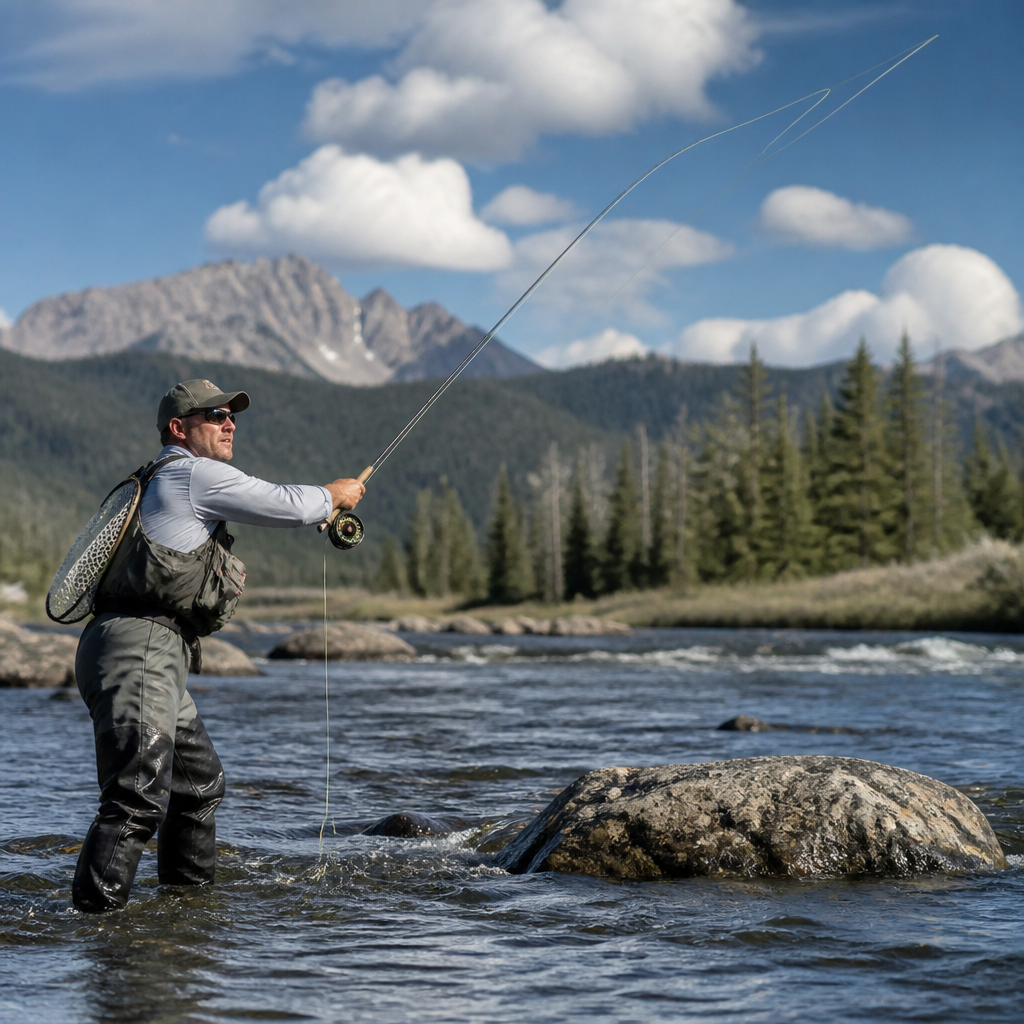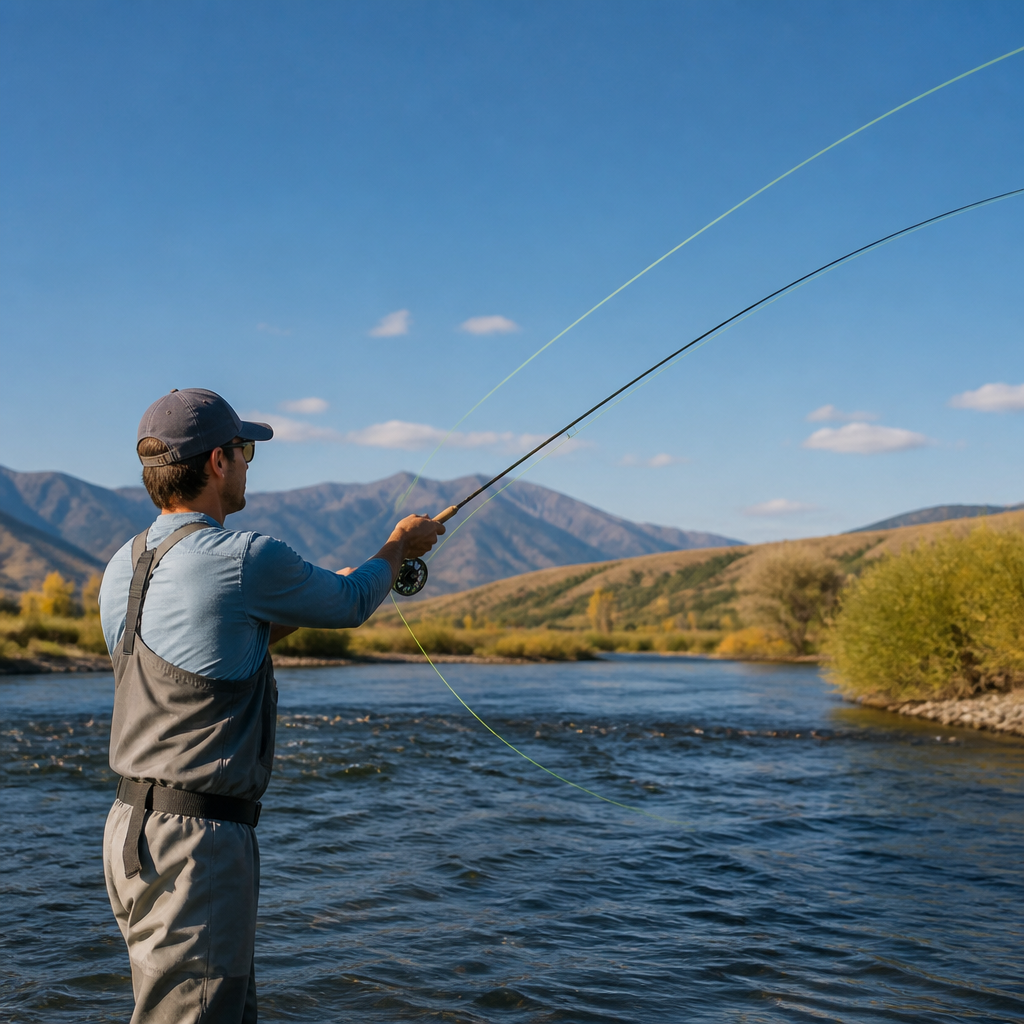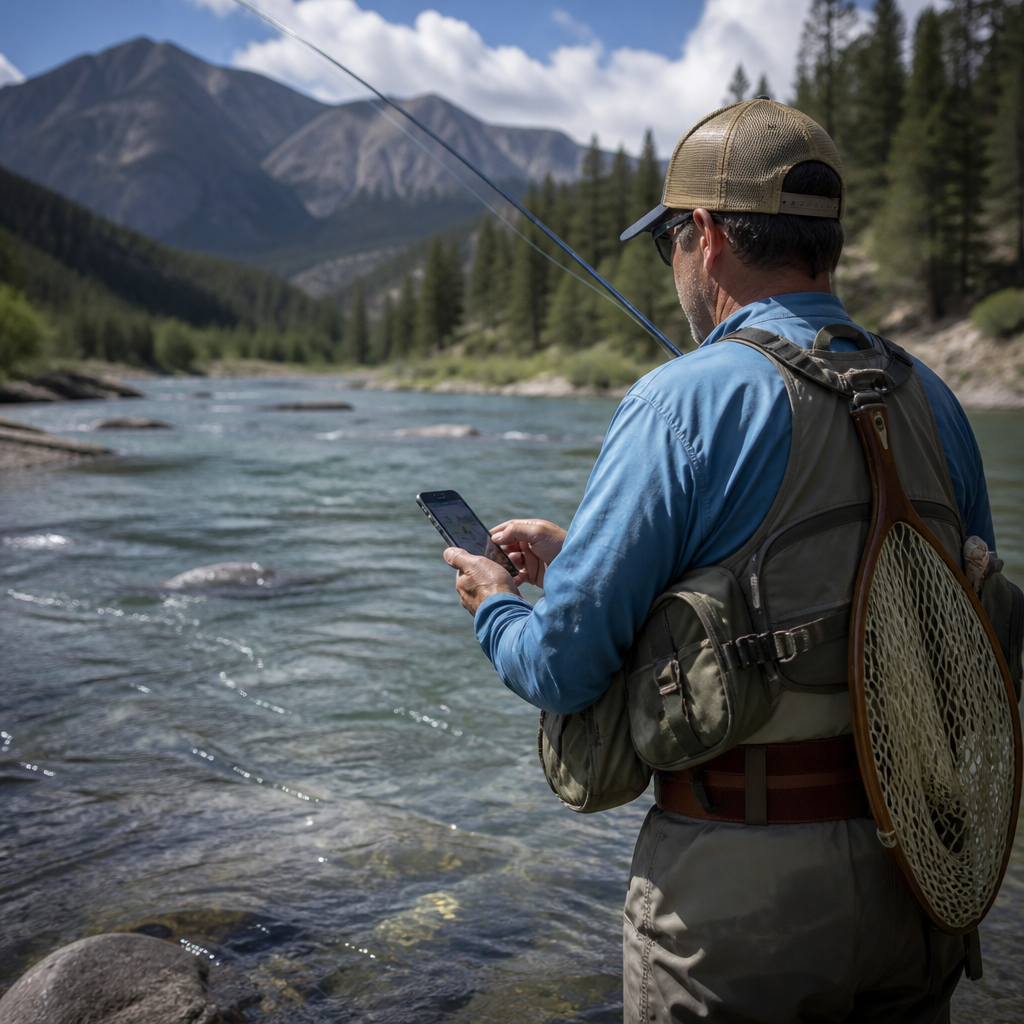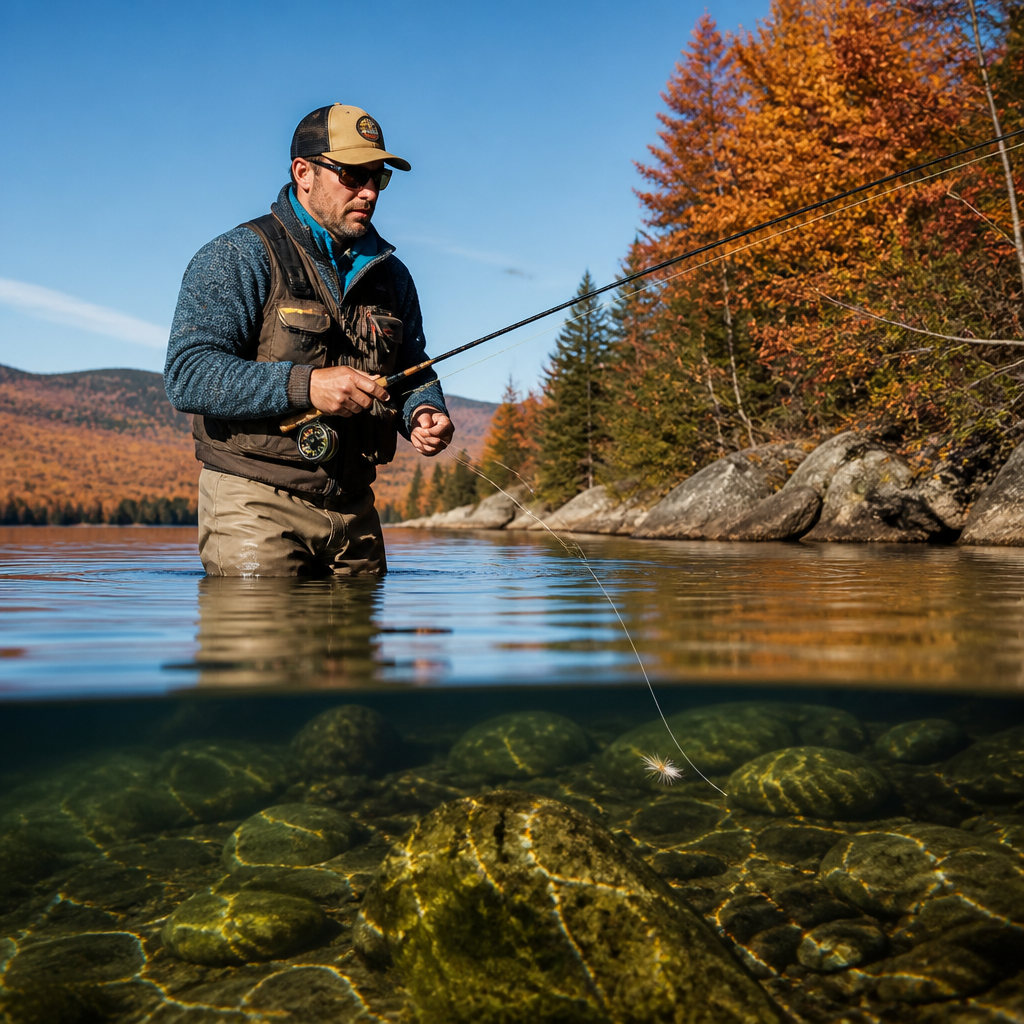
Matching the hatch in fall means identifying the aquatic or terrestrial food trout are actually eating, then presenting a fly that matches its size, shape, color, behavior, and drift under autumn conditions. In practical terms, it is less about carrying hundreds of random patterns and more about reading the river carefully, recognizing seasonal insect activity, and making small adjustments that turn refusals into takes. I have found that fall rewards anglers who slow down. Summer often lets you get away with attractor dries, bright nymphs, or aggressive stripping. Autumn usually narrows the menu. Water cools, flows stabilize, vegetation thins, and trout feed with purpose before winter. If your imitation is close to what is emerging or drifting, you can have exceptional fishing. If it is not, even active fish may ignore it.
The phrase “match the hatch” is often reduced to fly selection alone, but that misses the point. A true match includes stage, depth, motion, and timing. A Blue-winged Olive hatch is not just “a small olive mayfly.” It may require a slim nymph before the hatch, an emerger in the film during overcast weather, a delicate parachute dry when duns appear, and a rusty spinner near dusk. In fall, this precision matters because many major hatches are composed of small insects, and trout can become selective in clear water. At the same time, fall also brings terrestrials, eggs behind spawning fish, and larger prey opportunities, so matching the hatch can mean imitating very different food forms within the same day.
This matters for results, but also for understanding rivers. Anglers who learn autumn entomology make better decisions on unfamiliar water, choose productive times to fish, and avoid changing flies blindly. They can answer the questions that drive success: What are trout feeding on right now? Where in the water column is that food available? How does weather change the hatch? Which pattern should come first? This hub article covers those questions comprehensively, from key fall food sources and observation methods to rigging, presentation, and common mistakes. Use it as a foundation for the broader Techniques and Strategies topic, and as a working reference before you step into the river on a cool October morning.
What trout eat in fall and how to identify it
Fall trout diets are broader than many anglers assume, but a few categories dominate. The first is mayflies, especially Blue-winged Olives, often from Baetis species. These insects commonly hatch on cool, cloudy, damp days and can appear in sizes 18 through 22, though local variation is significant. The second is caddis, including tan and olive species, with pupae often more important than adults. The third is midges, which become increasingly relevant on tailwaters and spring creeks when obvious hatches are sparse. The fourth is terrestrials such as ants, beetles, and hoppers, especially during early fall or warm afternoons. The fifth includes non-insect foods: eggs, scuds, sowbugs, cranefly larvae, small baitfish, and aquatic worms, depending on the river type.
The fastest way to identify the hatch is to observe before tying on a fly. Watch the air above the riffle for adults, the slicks for spent insects, the water surface for dimples versus splashy rises, and the underside of streamside rocks for nymph shucks. Turn over a few cobbles in shallow current and look for nymph shape. Mayfly nymphs are usually slender with visible tails; caddis larvae often occupy cases or have wormlike bodies; stoneflies are broader and generally less central to many fall hatches, though local exceptions exist. A small aquarium net or fine-mesh seine is useful, and on technical rivers I rely on one often. If trout are rising but you cannot see adults, inspect your leader for tiny emergers or midges. That detail has saved many difficult afternoons.
Stomach pumping, where legal and done carefully, can add certainty, but most anglers can learn enough from streamside clues. Rise forms tell a story. Quiet sips often indicate emergers, spinners, or tiny mayflies. Repeated bulges just under the surface usually point to insects trapped in the film. Sudden slashes near banks can signal caddis, hoppers, or baitfish. In fall, I pay special attention to consistency. If fish feed rhythmically in one seam, they are often keyed on a narrow food item. If feeding is scattered and opportunistic, a searching pattern can work. Matching the hatch starts with diagnosis, and diagnosis starts with patient observation.
Key fall hatches and the flies that cover them
Blue-winged Olives deserve first attention because they are the classic autumn hatch on many trout streams. Their importance comes from timing and vulnerability. Cool weather triggers activity, and hatches can intensify during light rain or low-pressure systems that keep duns on the water longer. Effective patterns include slim pheasant-tail style nymphs, RS2-type emergers, soft hackles, and sparse parachute olives. Size matters more than exact shade. If naturals are size 20 and your fly is a bushy 16, trout notice. I usually begin below the hatch with a tiny olive nymph under a light indicator or on a tight-line rig, switch to an emerger when I see noses rather than full rises, and only move to a dry when adults are clearly present.
Caddis in fall can be deceptively difficult because trout often prefer pupae ascending to the surface over skittering adults. A standard Elk Hair Caddis catches fish, but on selective days a pupa pattern with a sparse body and slight sparkle outperforms it. Swinging a soft hackle at the end of a drift can imitate the ascent effectively. Mahogany Duns, October Caddis, and localized slate drake activity may also matter depending on region. October Caddis are especially notable in Western freestone rivers, where large orange adults bring fish tight to banks in late day. The imitation, however, should be proportional and purposeful; oversized, bright patterns can repel educated trout in clear water.
Terrestrials remain part of the equation well into fall. Ant falls after windy afternoons can be surprisingly important, and beetles continue to produce on sunny days. Hoppers become less consistent as frost approaches, yet on grass-lined reaches during warm spells they still draw explosive takes. Midges dominate many tailwaters year-round and become central in autumn where trout see heavy pressure. Zebra Midges, Griffith’s Gnats, and midge emergers in black, olive, cream, or red are dependable. On some rivers, spawning events introduce eggs into the drift. Egg flies can be highly effective behind trout or salmon redds, but ethical presentation matters: target fish feeding downstream, not fish actively spawning on redds.
| Fall food source | When it peaks | Typical sizes | Best first fly choice | Presentation cue |
|---|---|---|---|---|
| Blue-winged Olives | Cloudy, cool afternoons | 18-22 | Olive emerger | Dead drift in surface film |
| Caddis | Warm afternoons, evenings | 14-18 | Caddis pupa | Swing at drift finish |
| Midges | Stable flows, slow water | 20-26 | Zebra Midge | Fine tippet, long drag-free drift |
| Ants and beetles | Sunny or windy afternoons | 14-20 | Foam ant | Close to banks and under cover |
| Eggs | During spawning activity | 6-12 | Small peach egg | Drift below redds, not on them |
How to match size, profile, color, and life stage
Most failures blamed on “wrong fly” are actually failures in matching size or stage. Trout usually notice size first, profile second, behavior third, and color last, though all can matter in clear low water. If naturals are tiny and sparse, choose a slim pattern. If they ride low, avoid heavily hackled dries that sit unrealistically high. If they are emergers, fish the film rather than the top. I carry a small magnifier and use it constantly for midges and Baetis. Hook size is only a rough guide because patterns vary in shank length and bulk. Compare your fly directly against a natural whenever possible.
Profile means silhouette, taper, and footprint. A comparadun presents a different footprint from a parachute, and trout may prefer one over the other depending on surface texture. For caddis pupae, a slight thorax hotspot and slim abdomen can be enough; too much flash often hurts in autumn clarity. Color should be interpreted broadly. Olive may range from gray-olive to brown-olive, and many effective flies are suggestive rather than exact. Still, rusty spinners should look rusty, cream midges should not read black, and egg patterns should stay within realistic shades. Fluorescent chartreuse eggs catch anglers more reliably than trout on many pressured rivers.
Life stage is where skilled anglers separate themselves. Before a hatch, nymphs dominate because naturals are drifting toward emergence lanes. During the hatch, emergers frequently outfish both nymphs and adults because they are trapped and vulnerable. After the hatch, spinners or drowned adults may become the key food. In fall this sequence can be compressed by weather, especially on short afternoon windows. I often rig two likely stages instead of one exact pattern. For example, on a BWO day I may fish a small olive nymph with an unweighted emerger tag above it. That arrangement quickly reveals whether fish want subsurface drift or film-level vulnerability.
Presentation techniques that complete the match
The right fly with the wrong drift is still the wrong answer. Presentation is part of matching the hatch because natural insects move in predictable ways. Mayfly nymphs dead drift, caddis pupae ascend and swim, drowned terrestrials drift helplessly, and eggs tumble near the bottom. In autumn, lower flows and clearer water increase the penalty for drag. Long leaders, finer tippets, and accurate mends become more important. On spring creeks and flat tailwater runs, I commonly fish 12- to 15-foot leaders tapered to 5X or 6X for small dries and emergers. On freestones, 9 to 12 feet may be enough, but only if currents are simple.
Depth control matters as much as fly choice. If trout are taking nymphs six inches off the bottom and your rig is riding halfway up the column, no pattern change will fix it. Indicators help with exact depth and strike detection, while tight-line methods improve contact in broken current. For emergers, grease only part of the leader so the fly hangs just in the film. For caddis pupae, let the fly swing and lift at the end of the drift. That motion imitates ascent and triggers strikes. For terrestrials, target banks, undercut edges, and seams below overhanging grass, then allow a natural dead drift before adding any twitch.
Approach also completes the match. Fall trout in clear water spook easily, especially on smaller rivers after leaf drop removes overhead cover. Wading too quickly ruins technical fishing. Enter below the target zone, keep a low profile, and cover rising fish from downstream when possible. If trout refuse repeatedly, do not instantly switch patterns. First ask whether drag, depth, angle, or tippet diameter is wrong. Many refusals are micro-drag problems visible only at close range. When I guide anglers through selective fall hatches, the biggest improvement usually comes from refining the drift by six inches, not changing to the fifteenth fly in the box.
Common mistakes, regional variables, and building a fall system
The most common mistake in matching the hatch in fall is overcommitting to one idea of what trout should eat. Anglers arrive expecting dry-fly fishing and ignore subsurface feeding. Or they hear that eggs are working and fish them all day despite active Baetis. Another mistake is carrying patterns without a system. A useful fall box should be organized by food source and stage: BWO nymphs, emergers, dries, and spinners; caddis larvae, pupae, and adults; midge larva, pupa, and cluster adults; terrestrials; eggs; and a few small streamers. This structure speeds decisions on the water and reduces guesswork.
Regional variation is real, so local knowledge matters. Eastern limestone streams may feature strong BWO and midge activity with highly selective trout. Western freestones can mix mahogany duns, October Caddis, and late terrestrials. Tailwaters below dams often maintain steady insect production and demand finer tippets and smaller flies. Great Lakes tributaries introduce egg patterns and streamer opportunities around salmon and steelhead movements. Because of these differences, the best approach is to learn your river’s fall calendar from hatch charts, local fly shops, state fishery reports, and personal notes. I keep a log of date, water temperature, cloud cover, insects observed, and successful flies. After several seasons, patterns become obvious.
The main benefit of matching the hatch in fall is consistency. Instead of hoping trout will accept a generic offering, you make evidence-based choices about food, stage, depth, and presentation. Start every outing by watching the water, checking a few rocks, and identifying the dominant food source. Then narrow your flies by size and stage before worrying about fine color differences. Present the fly where naturals drift, at the depth trout are feeding, with as little drag as possible. Build a compact fall system around BWOs, caddis, midges, terrestrials, and eggs, and adapt it to your local river. If you want better autumn trout fishing, practice observation first, fly selection second, and presentation every cast.
Frequently Asked Questions
What does “matching the hatch” mean in fall, and why is it so important for trout fishing?
Matching the hatch in fall means identifying exactly what trout are feeding on at that moment and choosing a fly that closely imitates it in size, shape, color, movement, and presentation. During autumn, this becomes especially important because trout often feed more selectively than many anglers expect. Water temperatures begin to drop, insect activity changes, and fish frequently settle into more deliberate feeding patterns. Instead of chasing every large attractor fly in the box, successful anglers focus on what is actually available in the drift.
In practical terms, fall matching the hatch is less about carrying endless fly patterns and more about paying close attention to the river. Look for what is hatching in the air, what is drifting in the film, and what is tumbling near the bottom. Blue-winged olives, midges, caddis, small mayflies, and even terrestrial insects can all matter in autumn depending on the river and weather. Trout may key in on tiny differences, such as a slimmer body profile, a more natural color tone, or a more realistic dead drift. That is why small refinements often produce better results than constant random fly changes.
It is also important because fall trout have seen a full season of pressure on many rivers. By autumn, they can become cautious, especially in lower, clearer water. A fly that is close but not quite right may get inspected and refused. When anglers slow down, observe carefully, and match what trout are actually eating, they usually see more committed takes and fewer frustrating follows or refusals. In that sense, matching the hatch in fall is really about reading the moment well and responding with precision.
How can I tell what trout are feeding on during autumn if I do not see obvious surface rises?
One of the most useful fall skills is learning to identify feeding activity even when trout are not visibly rising. Surface feeding is only one piece of the puzzle. In autumn, trout often feed subsurface on nymphs, emergers, pupae, or drowned terrestrials, and they may do so without making splashy rises. That means you need to gather clues from several sources rather than relying only on what you can see on top.
Start by observing the river itself. Turn over a few rocks in shallow, moderate current and inspect the undersides for nymphs. Look for mayfly nymphs, caddis larvae, small stoneflies, and midge activity. Use a small seine or net if you have one to sample the drift. This gives you a direct look at what is present and what size range matters. In fall, trout often focus on smaller food forms than anglers initially expect, so confirming whether the river is producing size 18 olives, size 20 midges, or something larger can save a lot of trial and error.
Next, watch trout behavior closely. A subtle wink beneath the surface, a slight bulge, or a fish holding just below the film can indicate trout taking emergers rather than adults. If fish are stationed in soft seams or tailouts and occasionally shift position without obvious rises, they may be intercepting nymphs in the drift. Birds can also help you. Swallows, for example, often reveal active insect emergence overhead before anglers notice it. Spider webs along the bank can show what bugs are flying around as well.
If nothing is visible, think seasonally. Fall often favors nymphs and emergers during much of the day, with dry-fly windows opening during overcast afternoons or periods of steady hatch activity. In these situations, begin with a searching setup that reflects likely food sources for the season. A small pheasant tail, hare’s ear, midge pupa, soft hackle, or olive nymph can be an intelligent starting point. Then adjust based on any evidence the river gives you. Trout in autumn often reward anglers who build a case from small clues rather than waiting for dramatic signs.
Which fly characteristics matter most when trying to match the hatch in fall: size, color, shape, or presentation?
All of those characteristics matter, but in fall, presentation and size usually lead the list, with shape close behind and color often refining the final choice. Many anglers naturally focus first on color because it is easy to compare one fly to another in the box, but trout usually respond more strongly to whether the imitation arrives in the right lane, at the right depth, and with the right behavior. An accurately presented fly that is slightly off in tone often outfishes a perfectly colored pattern that drags or rides unnaturally.
Size is critical because autumn hatches commonly feature smaller insects, especially blue-winged olives and midges. A fly that is even two hook sizes too large can be enough to cause refusals when trout are keyed in on tiny naturals. If fish are inspecting your offering but not taking it, downsizing is often one of the smartest adjustments you can make. Shape matters for the same reason. Slim-bodied mayflies, tufted emergers, sparse caddis pupae, and compact midge patterns all suggest different food items, and trout can recognize those silhouettes surprisingly well in clear fall water.
Color still matters, but usually within a narrower range than anglers imagine. Olive, gray, tan, brown, black, and cream often cover a large percentage of autumn food forms. Rather than chasing exact shades obsessively, it is often more productive to first dial in size and profile, then make color adjustments if needed. For example, switching from a bright olive to a more muted gray-olive can help once you know trout are eating small mayflies.
Presentation ties it all together. Dead drift is often essential, but not always. Emergers may need to hang in the film. Caddis pupae may benefit from a slight lift at the end of the drift. Drowned terrestrials may tumble irregularly. Matching the hatch in fall is therefore not just matching the look of the insect; it is matching what that insect is doing in the water. If anglers remember that behavior is part of the hatch, their fly choices become much more effective.
What are the best techniques for presenting flies naturally under fall conditions?
Natural presentation in fall starts with understanding the conditions trout are living in. Autumn often brings clearer water, lower flows, and fish that have had months of exposure to angling pressure. Under those circumstances, trout have more time to inspect a fly, so drag, unnatural movement, poor depth control, and sloppy line management become more obvious. The best technique is usually a calm, deliberate approach built around stealth, clean drifts, and small adjustments rather than constant aggressive casting.
For dry flies, focus on achieving a true dead drift. Approach from below when possible, make longer leaders and finer tippets part of your system, and use reach casts, slack-line casts, or careful mending to reduce drag. In slower fall water, even slight tension can ruin the drift. If fish are rising but refusing your dry, the issue is often not the fly itself but the way it rides through the feeding lane. Try changing your angle, extending your leader, or switching to a lower-floating or more sparse pattern that sits more naturally in the film.
For nymphs, depth control is everything. Trout feeding subsurface in autumn are often positioned efficiently, taking insects drifting at a very specific level. If your flies are passing too high, trout may never move for them. If they are snagging constantly, you are likely too deep or drifting unnaturally. Use enough weight to get down quickly, but stay attentive and make incremental changes. Strike indicators can help, but in many fall situations a tight-line or contact nymphing approach offers better drift control and strike detection, especially in pocket water or seams.
Soft hackles and emergers are especially valuable in autumn because many insects are vulnerable as they rise through the water column. Swinging a soft hackle slightly at the end of a dead drift or letting an emerger pause in the film can trigger fish that refuse both dries and standard nymphs. Terrestrial patterns also remain relevant in early fall, particularly on warmer afternoons, windy days, or grassy banks where beetles, ants, and hoppers may still enter the water.
Above all, slow down. Autumn rewards anglers who cover less water but read it better. Target defined seams, tailouts, foam lines, and transition zones. Watch how your leader lands, how your fly drifts, and how trout react. Often the difference between refusal and take is a single mend, a lighter tippet, a smaller fly, or a slightly different drift path. Fall fishing is full of these fine margins, and careful presentation is what turns those margins in your favor.
What should I do when trout are clearly feeding but keep refusing my flies in the fall?
When trout are feeding and refusing your flies, the good news is that you are close. In fall, refusals usually mean the fish are engaged but something about the imitation or presentation is not convincing enough. Rather than making random changes, work through the problem methodically. In most cases, the solution comes from refining one detail at a time.
First, evaluate your presentation. Are you getting drag-free drifts? Is your fly crossing too quickly over the trout’s window? Are you lining fish with