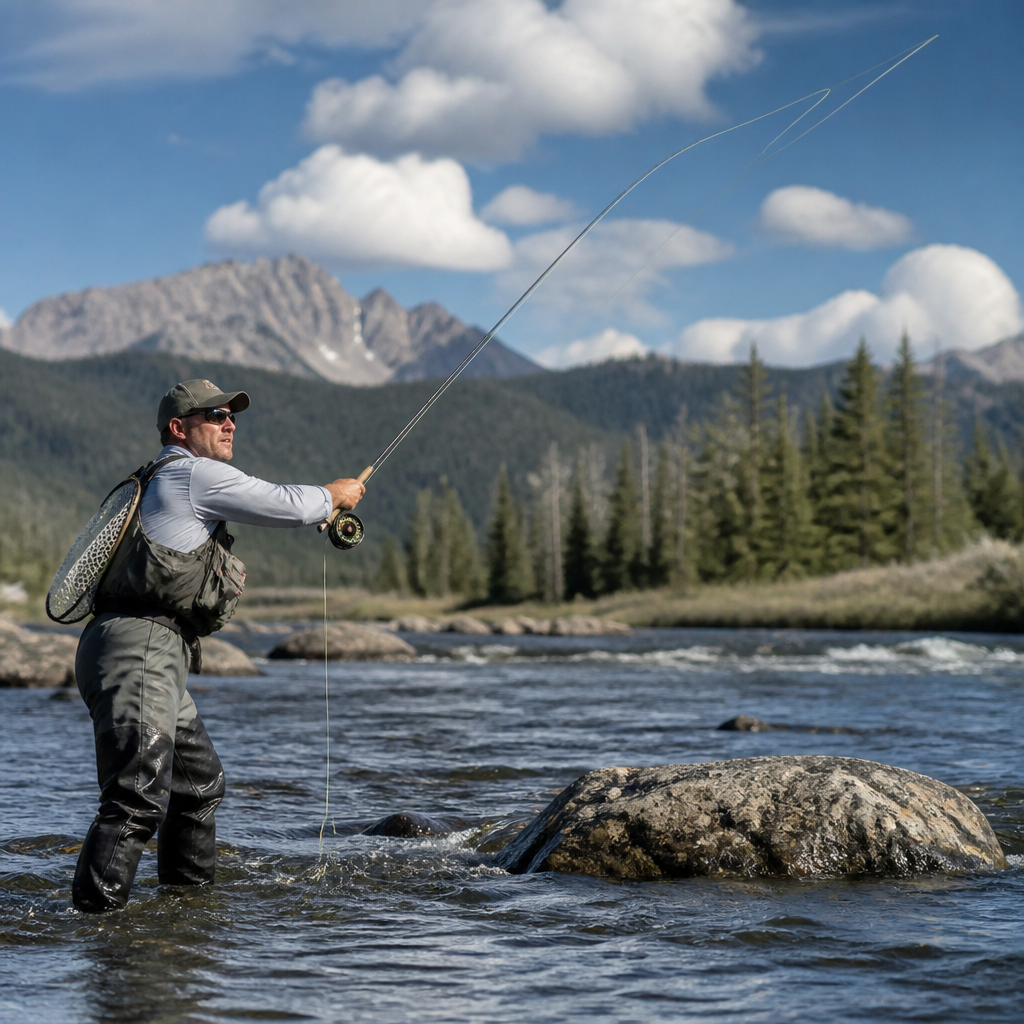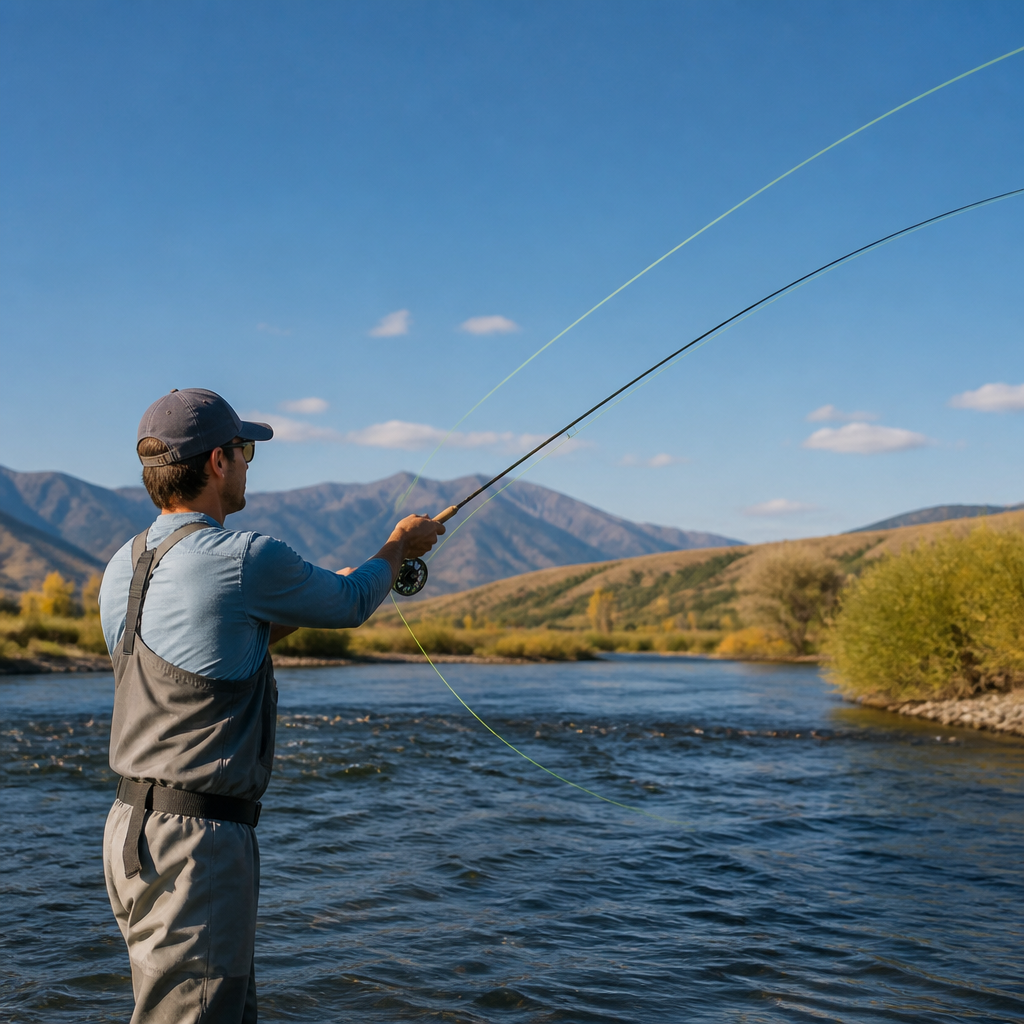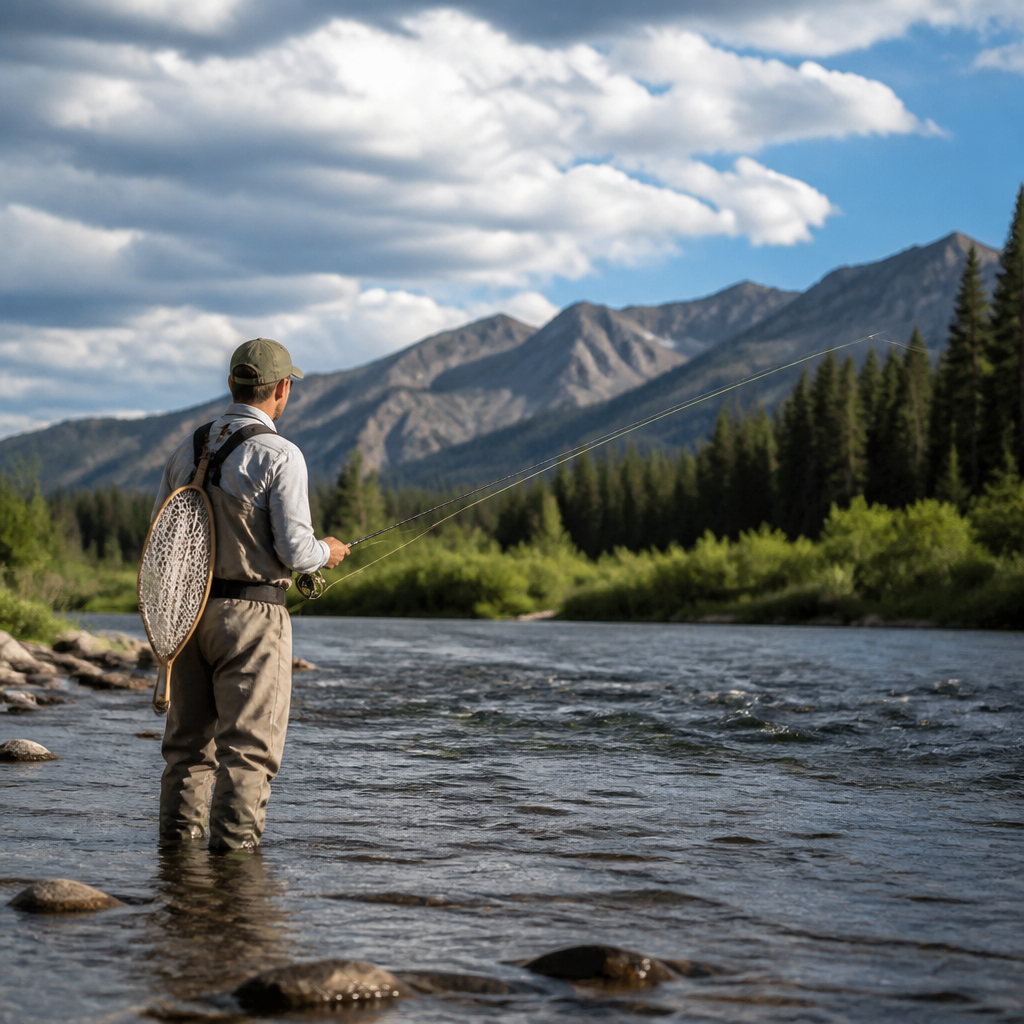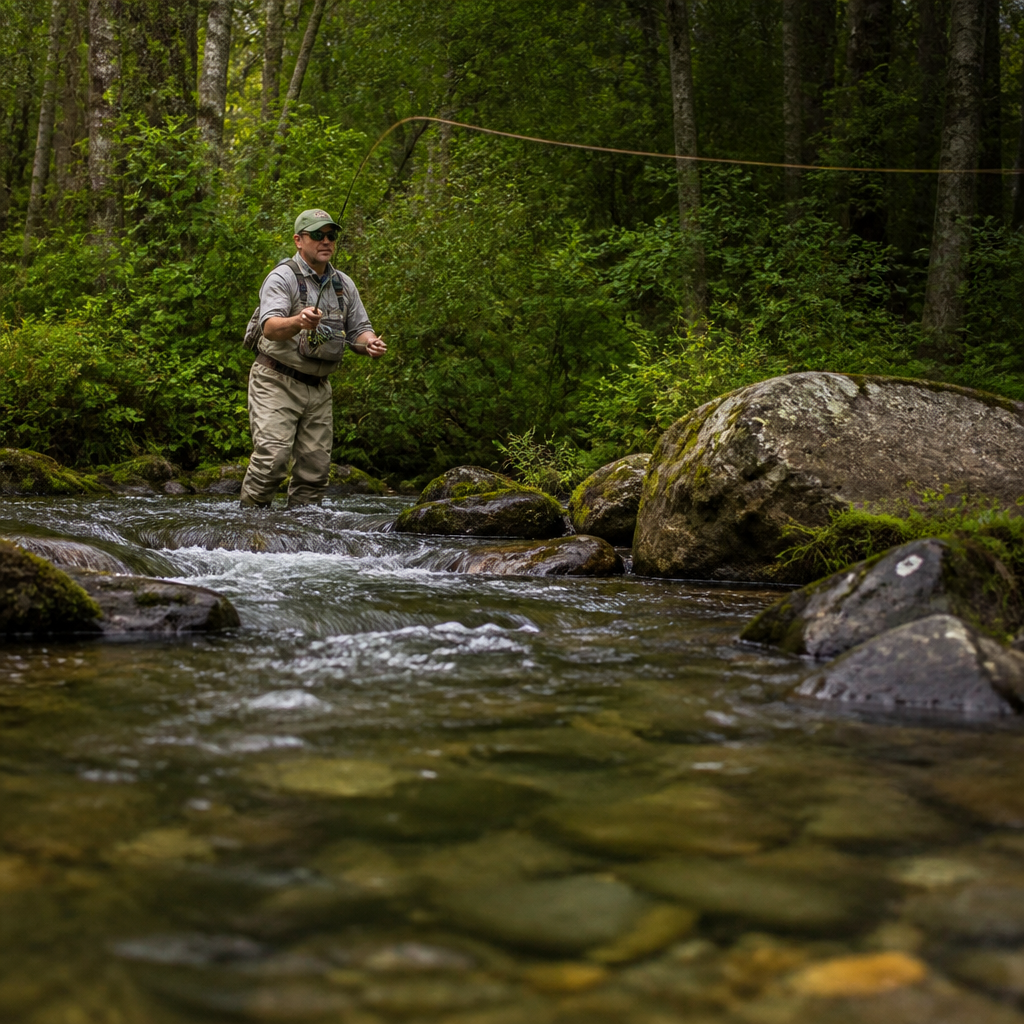
Dry fly fishing in small streams is one of the most precise, visual, and rewarding forms of trout angling because it asks the angler to read shallow water, understand insect behavior, and deliver a floating fly with almost no margin for error. In practical terms, dry fly fishing means presenting an artificial fly that rides on the surface film to imitate adult aquatic insects, terrestrials, or other floating food items. Small streams generally refer to narrow trout waters where casts are short, currents are complex, canopy cover is common, and fish often hold in pocket water, plunge pools, undercut banks, and shaded seams. I have spent many seasons on these creeks, and they consistently prove that technique matters more than distance. On a broad river, an imperfect cast can sometimes be rescued by mending. On a brook hardly wider than a road, a sloppy approach usually means a vanished rise and a fish that will not look twice.
This style matters because small streams hold a surprising amount of fishable habitat and often provide more frequent surface opportunities than larger rivers. Their broken currents create natural cover, allowing trout to feed confidently in daylight, especially during mayfly, caddis, and terrestrial windows. They are also accessible. Many anglers can reach a local creek before work, after rain clears, or during high summer when tailwaters are crowded. For beginners, they teach line control, stealth, and observation quickly. For experienced anglers, they strip the craft back to essentials: approach, drift, and timing. A good small-stream dry fly angler learns to answer constant questions with precision. Where is the trout holding? What is drifting naturally over that lie? Which cast will land the fly first? How long does the fish have to inspect it? Those answers form the foundation of success, and this hub article covers the key principles that connect every advanced topic in dry fly fishing.
Reading Small-Stream Water for Surface Feeding Trout
The first skill in dry fly fishing small streams is identifying water that can support a feeding trout and permit a believable surface drift. Trout in these creeks favor places that combine food, oxygen, current shelter, and overhead security. In my experience, the highest-percentage lies are pocket water behind boulders, current seams along cutbanks, the tails of plunge pools, foam lines under overhanging branches, and the soft inside edges where fast riffles spill into quieter glides. A trout does not need a large lie in a small stream. Six inches of softer water beside a rock can hold a fish that feeds upward all afternoon.
Surface cues tell you whether a fish is worth targeting with a dry. Look for rhythmic dimples, confident head-and-tail rises, or subtle rings under overhanging vegetation. Fast, splashy rises often indicate caddis adults or opportunistic feeding, while slow sips in a slick suggest selective trout on mayflies. Many anglers waste time casting blindly into every pool. A better method is to scan from downstream, note current tongues that deliver food naturally, and choose a casting lane that keeps the leader off the main seam. In small streams, fish are rarely distributed evenly. One short run may hold four feeding trout while the next twenty yards are nearly empty.
Season and light also shape where surface feeders appear. In spring, afternoon warmth can concentrate hatches in softer glides and tailouts. In summer, canopy shade and undercut banks dominate midday, while evening brings fish into riffle heads and shallow flats. After light rain, terrestrials wash from grasses and trout shift tight to edges. During low clear water, the best lies often shrink to the darkest slots and the most broken surfaces. Reading this water correctly is the difference between random casting and intentional fishing, and it connects directly to fly choice, presentation angle, and approach.
Approach, Stealth, and Positioning
Small streams punish careless movement more than poor fly selection. Trout in narrow water feel bank vibration, see rod flashes, and detect unnatural shadows quickly. My standard rule is simple: if I can stand farther away and still make the cast, I do. Approach from downstream whenever possible because trout usually face into current. Stay low, use streamside cover, and avoid skyline exposure when crossing open gravel bars. In dense brush, kneeling or crouching is often more productive than standing for a cleaner backcast. The fish only needs one warning sign to stop feeding.
Positioning determines drift quality. The ideal angle is the one that lands the fly before the leader, keeps line off conflicting currents, and allows a short drag-free drift over the fish. On small streams, that often means quartering upstream with only leader and a bit of fly line beyond the rod tip. Sidearm casts under branches, bow-and-arrow casts in tunnels of brush, and short reach casts are not specialty tricks here; they are daily tools. A ten-foot cast with perfect angle catches more trout than a twenty-five-foot cast with micro-drag.
Wading should be limited and deliberate. Every step in a narrow creek can push a pressure wave through the run or cloud the drift lane with silt. Fish the near water before entering. Cover the tail of a pool, then the center seam, then the head. On meadow streams with grassy banks, I often fish from the bank itself to preserve the current and avoid alerting fish tucked under sod edges. Good positioning also improves hook sets and fish handling because the trout is led away from root wads and plunge slots instead of deeper into them.
Tackle, Leader Design, and Essential Dry Flies
The best tackle for small-stream dry fly fishing balances delicacy, control, and practicality. Most anglers do well with a 2-weight to 4-weight rod between 7 and 8 1/2 feet, though very tight rhododendron tunnels may favor a rod closer to 6 1/2 feet. A true-to-weight floating line is standard. Reels matter less for trout in tiny water, but smooth startup drag and solid line management still help when a larger fish runs through pocket water. I prefer softer rods that load at short range because many casts are made with only leader out of the tip plus a few feet of line.
Leader design deserves more attention than it usually gets. For short, accurate presentations, a 7 1/2-foot leader tapered to 5X or 6X is often ideal. In brushy, broken pocket water, a shorter leader turns over bushy attractor dries better and allows quick shot placement. In smooth glides with selective risers, 9-foot leaders and longer tippets improve separation between fly line and fly. Tippet size should match both fly size and water clarity. A size 12 stimulator can ride well on 4X, while a size 20 parachute pattern usually sits and drifts better on 6X or 7X. Fresh floatant, desiccant powder, and a way to clean fish slime from the fly are mandatory if you want consistent flotation.
Fly selection starts with categories, not cluttered boxes. Small-stream dry flies generally fall into four groups: attractors, hatch matchers, caddis and stonefly imitations, and terrestrials. The table below covers reliable patterns that repeatedly produce on creeks across different regions.
| Fly category | Examples | Best use | Typical sizes |
|---|---|---|---|
| Attractor dries | Royal Wulff, Adams, Elk Hair Caddis | Fast pocket water, searching runs, broken currents | 10-16 |
| Mayfly imitations | Parachute Adams, Comparadun, Sparkle Dun | Slicks, tailouts, selective rising trout | 14-22 |
| Caddis and stoneflies | X-Caddis, CDC Caddis, Stimulator | Evening hatches, riffles, bankside currents | 8-18 |
| Terrestrials | Foam Ant, Beetle, Hopper | Summer banks, undercuts, windy afternoons | 10-18 |
If you are building a core box, start with those patterns before chasing obscure variants. On most small streams, presentation outranks imitation until fish prove otherwise.
Presentation, Drift Control, and Hooking Fish
A natural drift is the central problem in dry fly fishing, and small streams compress that problem into very short distances. The best presentation usually lands the fly first, then the tippet, with minimal line on the water. Classic drag appears quickly because currents in small creeks change speed every few inches. To counter it, use short casts, high rod angles, controlled slack, and immediate follow-through. A simple upstream cast with a slight reach often buys enough slack for the drift to pass over a holding trout naturally. In pocket water, a tuck-like delivery is less important than placing the fly in the feeding lane without splashing the leader over the rock pillow where the trout sits.
Mending is limited in tight water, so aerial control becomes more important than on broad rivers. Pile casts, wiggle casts, and parachute-style leader layouts create micro-slack that extends a drift by a second or two, which is often all you need. On conflicting currents, raise the rod tip and track the fly to keep as much line off the surface as possible. This is close-range line management, not long-distance hero casting. If the fly drags even slightly over a fish in clear water, refusals become immediate and obvious.
Hooking fish on dries requires restraint. Many missed trout happen because anglers strike at the rise form instead of waiting for tension on the line. Train your eyes to stay on the fly or where the fly should be. When it disappears, lift firmly rather than jerking hard. Small-stream trout are often hooked at short range, so explosive hook sets break light tippet or fling the fly back. Once connected, use side pressure to guide the fish away from roots, plunge chutes, and branches. In very small water, landing by hand is often cleaner than reaching for a net and creating chaos in the pool.
Matching Hatches, Fishing Terrestrials, and Solving Common Problems
Although attractor patterns catch plenty of trout, consistent success on small streams comes from recognizing feeding triggers. During mayfly hatches, trout often settle into repeatable lanes and inspect the surface carefully. Match the stage first. If fish refuse upright duns, they may be eating emergers trapped in the film, which calls for lower-riding patterns such as sparkle duns or cripple imitations. Caddis hatches usually reward movement and rougher water. Skating is not always wrong, but random skittering over a selective fish usually is. Stoneflies and larger golden stone imitations shine along banks and in pocket water where trout expect bulky calories.
Terrestrials dominate many small streams from late spring through early fall. Ants, beetles, inchworms, and hoppers fall from streamside vegetation daily, and trout learn that bankside drift lanes are dependable food conveyors. This is why a simple foam beetle can outperform a technical mayfly imitation in August. Cast tight to grass edges, under branches, and beside logjams. Let the fly land with a little purpose because a real terrestrial often drops abruptly. If the fish boils but misses, wait a beat before recasting. Many trout return for a second look if the mistake came from poor timing rather than suspicion.
Common problems usually have clear causes. If trout rise short, downsize or switch to a lower-profile pattern. If they spook before the cast lands, your approach is too direct or your shadow crossed the lie. If fish refuse repeatedly in slick water, examine tippet diameter, fly posture, and leader spray caused by false casting. If the fly sinks after two drifts, dry it thoroughly, apply floatant correctly, and replace it when hackle collapses. Small streams provide fast feedback. Every refusal is usable information, and anglers who adjust quickly catch far more fish than those who keep repeating the same cast.
Building a Small-Stream Dry Fly System That Keeps Improving
The most effective anglers turn small-stream dry fly fishing into a repeatable system rather than a string of guesses. Start each outing by asking four questions: what are trout likely to eat today, where can they feed safely on the surface, what angle gives the cleanest first drift, and how close can I get without being seen? Those questions organize every decision that follows. Keep notes on water temperature, hatch timing, fly size, canopy cover, and successful lies. Over time, patterns emerge. You may find that one creek fishes best with beetles from noon to three, while another comes alive only in the last hour of light when tan caddis return.
Skill grows faster when you practice specific tasks. Spend one outing working only on first-cast accuracy at ten to fifteen feet. Spend another focusing on leader layout under branches. Test how different tippet lengths affect drag in a single seam. This deliberate approach is how I improved after years of fishing these creeks. Better anglers are rarely doing mysterious things. They are controlling variables, observing trout honestly, and making smaller mistakes. That mindset also helps when you branch into related subjects such as dry-dropper rigs, fly pattern selection by hatch chart, or seasonal strategy on brook trout streams.
Dry fly fishing in small streams rewards simplicity backed by precision. Read the water before you cast, move as if every fish can see you, choose tackle that loads at close range, and favor a clean first drift over complicated line work. Keep a compact box of proven dries, learn the common insects and terrestrials on your home water, and treat each refusal as a clue instead of a setback. When those habits come together, the result is the most satisfying take in trout fishing: a fish rising confidently through clear current to your fly. Use this article as your hub, then keep refining each piece on the water, where small adjustments lead to lasting skill and many more trout on top.
Frequently Asked Questions
What makes dry fly fishing in small streams different from dry fly fishing on larger rivers?
Dry fly fishing in small streams is usually much more intimate, technical, and immediate than fishing larger rivers. On a small stream, trout often hold in very specific pieces of water such as undercut banks, plunge pools, pocket water, current seams, shaded edges, and tiny feeding lanes no wider than a dinner plate. Because the water is narrow and clear, fish are often closer to the angler, which means stealth becomes a major part of success. You are not simply making long casts and covering broad runs. Instead, you are carefully approaching each target, often from a crouched position, and making short, accurate presentations with very little room for error.
Another major difference is the importance of line control at short range. In small streams, drag can appear almost instantly because conflicting micro-currents are packed into a short distance. A cast that looks perfect when it lands may start pulling unnaturally a second later if the fly line, leader, or tippet lands across faster water. That is why experienced anglers emphasize high-percentage drifts, bow-and-arrow casts, tuck casts, roll casts, and reach casts rather than simply focusing on distance. The fish may only give you one good look at the fly, so the first drift is often the best drift.
Small-stream dry fly fishing is also more visual and reactive. You often see the target before you cast, see the fly land, see the drift unfold, and see the trout rise. That visual feedback is part of what makes it so rewarding. At the same time, trout in these streams can be surprisingly wary, especially in low water and bright conditions. In short, larger rivers often reward broad coverage and longer drifts, while small streams reward stealth, precision, quick decision-making, and a deep understanding of how trout use small pieces of structure.
What gear works best for dry fly fishing in small streams?
The best small-stream dry fly setup is usually light, simple, and optimized for accuracy and delicate presentation rather than power. A short to medium-length fly rod in the 7- to 8 1/2-foot range is a common choice, typically in a 2- through 4-weight. A softer or moderate-action rod can be especially useful because it loads well at short distances, protects light tippet, and helps land dry flies gently. In brushy creeks with overhanging limbs, a shorter rod may be easier to manage, while slightly longer rods can improve line control and mending on somewhat more open streams.
A weight-forward floating line is the standard choice because dry fly fishing depends on keeping the fly riding on the surface. Pair that with a leader long enough to create separation between the visible fly line and the fly itself. In many small-stream situations, a 7 1/2- to 9-foot leader works well, but the exact length depends on canopy cover, fish wariness, and the size of the water. Tippet sizes often fall in the 4X to 6X range. Heavier tippet can help turn over bushy attractor flies and pull fish away from roots or woody cover, while finer tippet helps with delicate presentations and realistic drifts when trout are selective.
Fly selection should be practical rather than excessive. A small-stream angler is often well served by carrying attractor dry flies such as stimulators, elk hair caddis patterns, parachute adams, small mayfly imitations, and terrestrial patterns like ants, beetles, and hoppers when appropriate. Floatant, desiccant powder, and a way to dry your flies matter because a sunken dry fly stops fishing effectively. Polarized glasses are essential for spotting trout, reading depth changes, and identifying feeding lanes. Waders are optional on many small streams depending on season and access, but quiet footwear and clothing in muted colors can be just as important as the rod and reel. Overall, the ideal gear supports stealth, control, and clean short casts.
How do you approach trout in a small stream without spooking them?
Approach is one of the most important skills in small-stream dry fly fishing because trout in confined water often feel secure only until they detect movement, vibration, or an unnatural silhouette. The first principle is to slow down. Many anglers move through small water too quickly, stepping into runs that could have been fished from the bank or casting only after they are already visible to the fish. It is usually better to pause well downstream, study the current, identify likely holding lies, and plan how each cast will reach them with minimal disturbance.
Staying low is critical. Kneeling, crouching, or even casting from behind streamside cover can make a major difference, especially on bright days or in clear, shallow water. Trout are highly sensitive to overhead movement, so avoiding skyline exposure is just as important as avoiding noise. Use rocks, grasses, cut banks, and shrubs to break up your outline. Move carefully on the bank and in the stream, because heavy footfalls can send pressure waves through shallow water. Even if fish do not bolt visibly, they may stop feeding for several minutes after being disturbed.
It also helps to fish from downstream to upstream whenever practical. Trout generally face into the current, which means an upstream approach keeps you behind their field of vision and allows your fly to drift naturally toward them first. Cast to the nearest likely holding water before reaching over it to target water farther upstream. This prevents lining fish and reduces unnecessary false casting. In very tight quarters, one careful cast is better than several adjustments in the air. Small-stream trout often reward anglers who treat each pocket, seam, and undercut bank as if it holds a fish, because very often it does. Good approach is really about stacking small advantages: low profile, quiet movement, efficient casting, and respect for how little disturbance these fish will tolerate.
What flies are most effective for dry fly fishing in small streams?
The most effective flies for small-stream dry fly fishing usually fall into two broad categories: general attractor patterns and specific food imitations. Attractor patterns are especially useful because trout in small streams are often opportunistic. They do not always inspect a fly with the same level of selectivity seen on heavily pressured spring creeks or large flat glides. A well-presented fly with the right size, silhouette, and buoyancy can trigger aggressive takes even if it is not an exact match. Patterns such as a parachute adams, elk hair caddis, royal wulff, stimulator, or small chubby-style terrestrial are classic choices because they are visible, float well, and suggest a range of edible insects.
Matching the hatch still matters, especially when fish are feeding steadily on mayflies, caddis, midges, or stoneflies. In those moments, size is often more important than color. A fly that roughly matches the natural in profile and proportion can be very effective if it lands softly and drifts drag-free. Small streams also receive a lot of non-aquatic food, which is why terrestrials are so important. Ants, beetles, inchworms, and hoppers can be excellent during warm months, especially on meadow streams or creeks lined with grass, alders, and overhanging brush. In many cases, trout are conditioned to watch the edges for insects falling from streamside vegetation.
The key is to choose flies based on the stream’s mood and structure rather than relying on one universal pattern. In broken pocket water, high-floating attractors work well because trout have less time to inspect them. In flatter, slower glides, lower-riding and more refined patterns often perform better. If fish are refusing your fly, first consider drift, then size, then profile. Many missed opportunities blamed on “the wrong fly” are actually caused by subtle drag or poor placement. On small streams, presentation and fly choice work together, but presentation usually decides whether a good pattern gets eaten.
How can you improve your presentation and get more natural drifts with a dry fly in small streams?
Improving presentation in small streams starts with understanding that the drift matters more than the cast itself. You do not need long casting distance, but you do need to place the fly in the right lane with enough slack to let it float naturally. Because currents change quickly over very short distances, even a short cast can drag if the line lands poorly. That is why techniques such as the reach cast, parachute cast, and simple slack-line presentation are so valuable. They buy the fly a little extra freedom before the current grabs the line and starts pulling it unnaturally.
Target selection also improves presentation. Instead of casting generally into a pool, pick a precise lane or feeding window where the trout is likely to look. Aim for the fly to land first, with as little line over the fish as possible. In many small-stream situations, shorter drifts are better than longer ones because the first two or three feet of drift may be the only truly drag-free portion. If that short drift passes directly through the strike zone, it is enough. This mindset helps anglers stop overcasting and start fishing more efficiently.
Line management is another major factor. Keep excess line off conflicting currents when you can, and be ready to lift and recast rather than forcing a bad drift to continue. On tiny streams, high-sticking the line