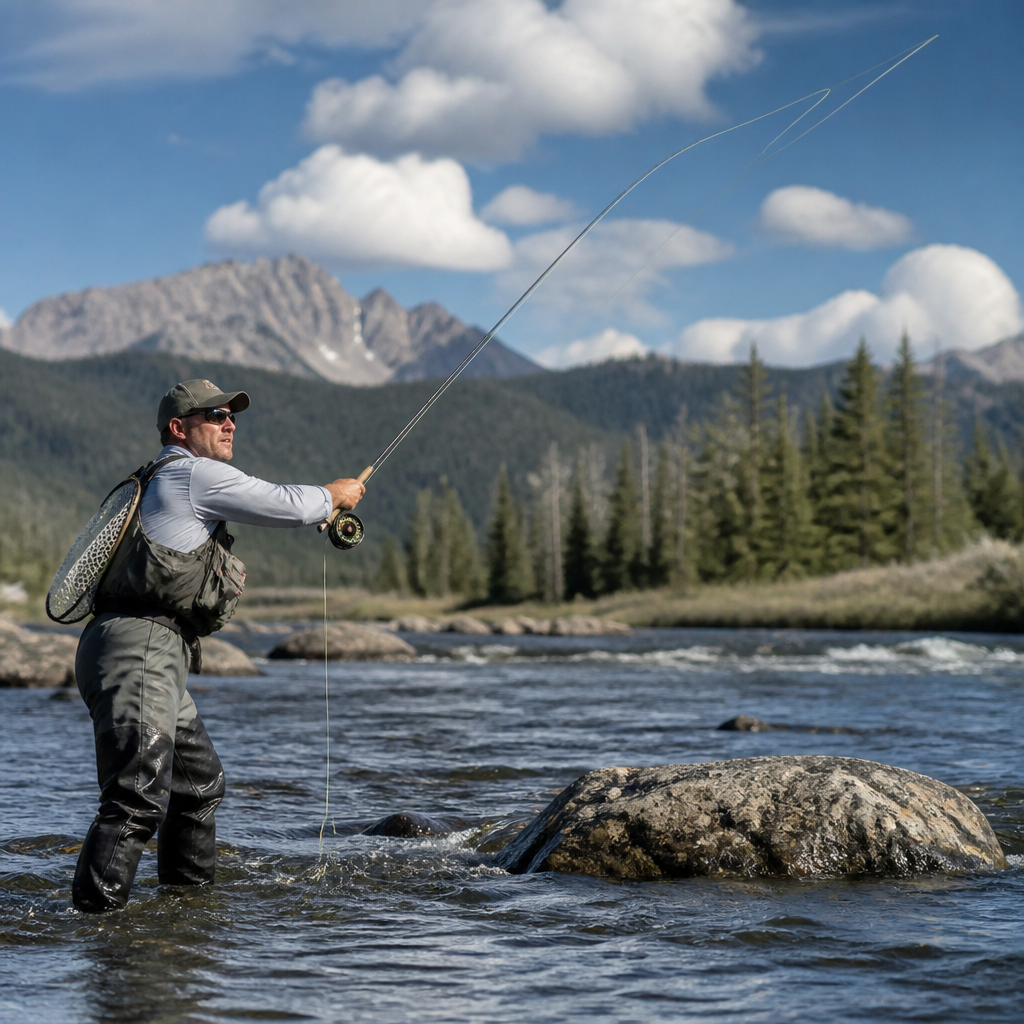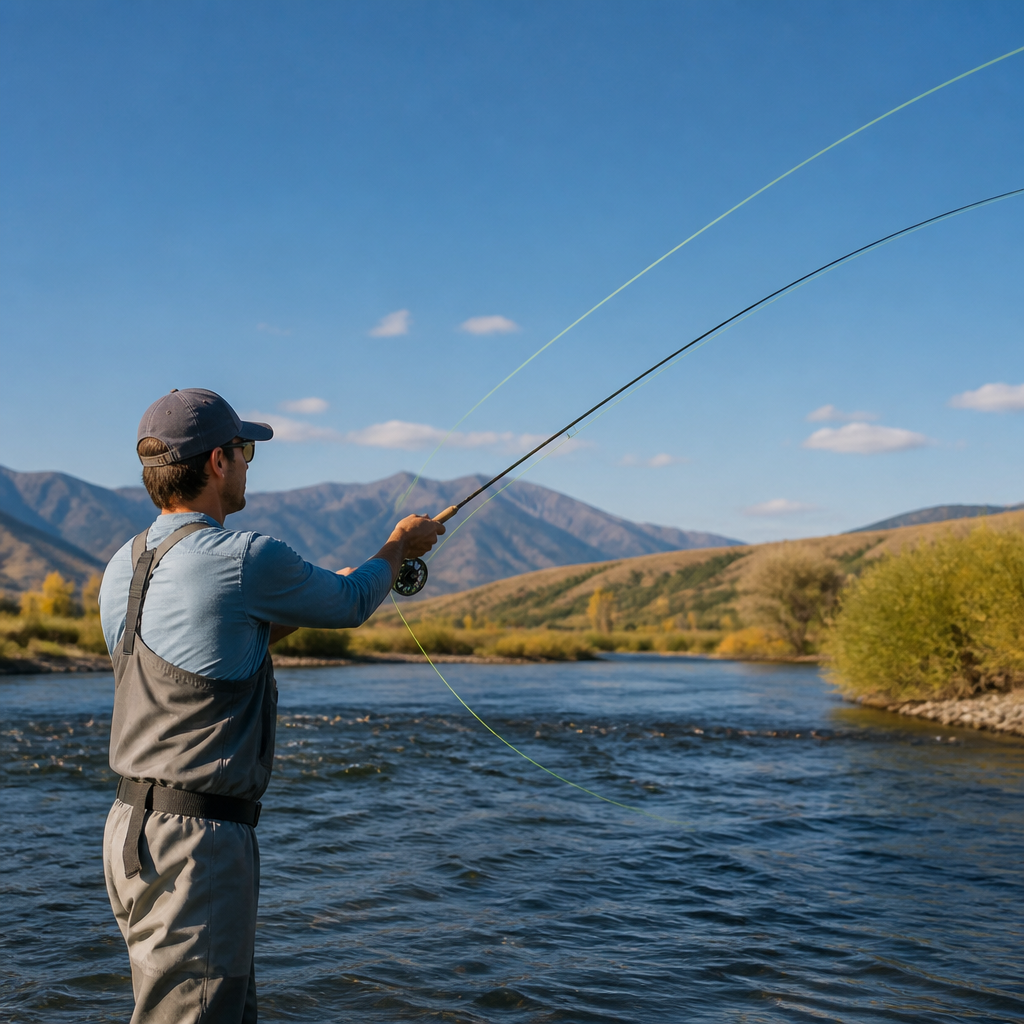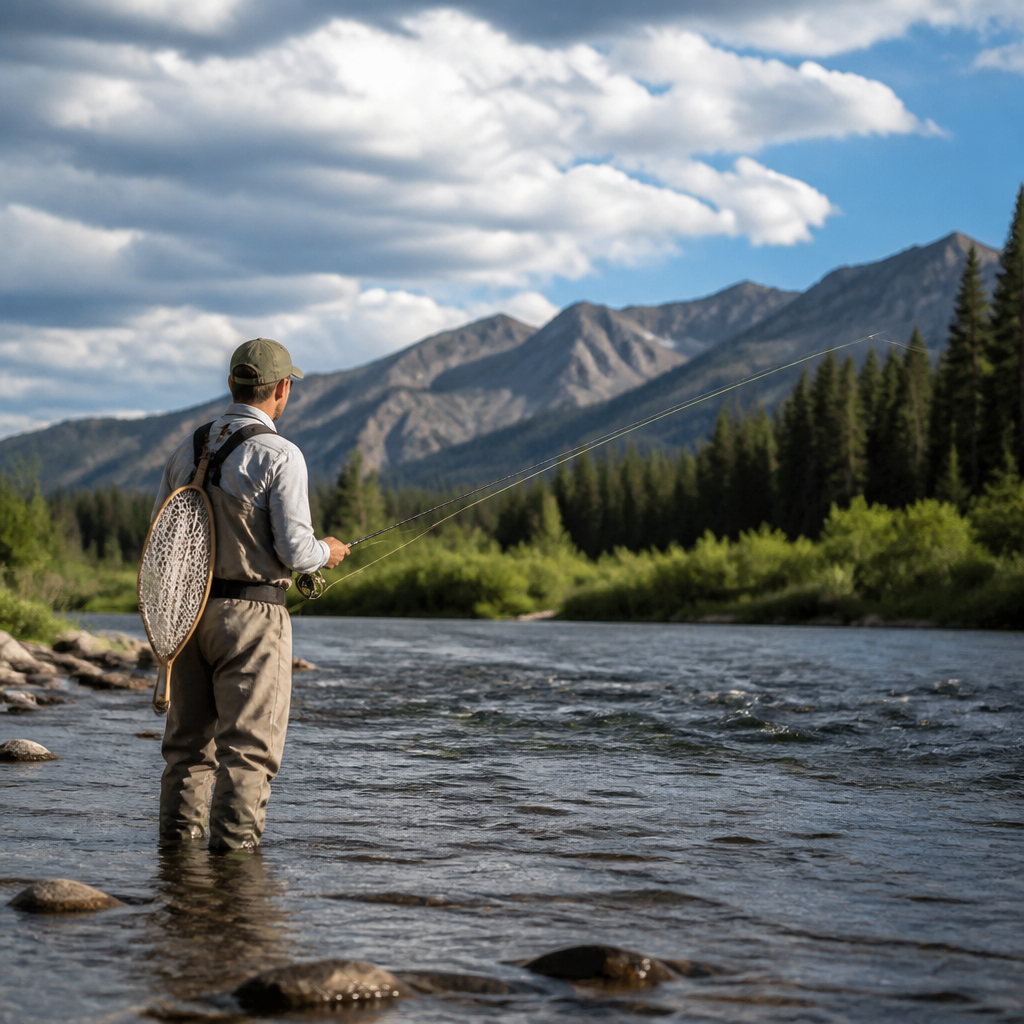
Presentation techniques for dry fly fishing determine whether a trout merely inspects your fly or confidently rises and eats. In practical terms, presentation means how the fly lands, drifts, and behaves on the water relative to the current, the fish, and the natural insects trout expect to see. Dry fly fishing itself is the method of catching fish with a floating artificial fly that imitates adult insects, terrestrials, or other prey sitting on the surface. After guiding anglers on freestone rivers, spring creeks, and tailwaters, I have learned that fly choice matters far less than most anglers think; once you are close with size and silhouette, presentation usually becomes the deciding factor.
This topic matters because dry fly fishing is built on visible refusals and visible success. Unlike nymphing, where a mistake may pass unnoticed, a poor drift on top tells on you immediately. Drag, micro drag, an overpowered cast, a shadow crossing the lie, or a bad angle can turn feeding fish off in seconds. Good presentation, by contrast, makes an average pattern look alive and vulnerable. It also gives structure to the entire subtopic of dry fly fishing: reading rise forms, selecting approach angles, mending, line control, fly treatment, hook set timing, and matching specific hatches all sit under the larger question of how to present the fly naturally.
For anglers building skill, this hub article provides that framework. It covers the core presentation techniques that apply across mayfly hatches, caddis activity, terrestrials, and attractor fishing. It also explains when each method works, where anglers commonly fail, and what standards I use on the water to fix the problem. If you understand these fundamentals, every specialized article on upstream casts, reach mends, slack-line presentations, or dry-dropper strategy will make more sense because they all support one goal: a believable drift that reaches the fish before the fish detects the leader, line, or tension.
Start with fish position, current structure, and rise form
The first rule of dry fly presentation is simple: cast to the current lane the trout is actually using, not to the place where the rise happened. Trout often feed in a narrow seam only inches wide, and the visible ring may appear downstream of the feeding window because the fish took the insect and sank back. I teach anglers to identify three things before making a cast: the fish’s lie, the feeding lane, and the conflicting currents between rod tip and target. On smooth spring creeks this analysis can take a full minute; on pocket water it may take only a glance, but it still matters.
Rise forms tell you how exact the presentation must be. A gentle sip with little surface disturbance usually means the trout is taking small mayflies in a stable lane and expects a precise dead drift. Splashy rises often suggest caddis, emergers, or opportunistic feeding where a slightly animated fly can still work. Head-and-tail rises may indicate cripples or spent insects. Those clues affect not only pattern choice but also your delivery. A fish feeding rhythmically in one seam every five seconds gives you a high-percentage window. A cruiser in flat water demands longer leaders, finer tippet, and a softer landing.
Current structure explains most drag problems. When the fly floats in slower water than the line and leader, the fly skates unnaturally. When the fly sits in fast water and the belly of line stalls in a back eddy, the fly can also drag. New anglers often blame the fly, but conflicting surface speeds are usually the real issue. I look for foam lines, tongues of current, soft edges beside rocks, and slicks below overhanging banks because they reveal where a natural insect would drift unforced. Presenting to those lanes turns dry fly fishing from random casting into a repeatable system.
Approach, positioning, and the casting angle that preserves a drift
Before discussing mends or specialty casts, you need the right position. Good dry fly presentation starts with where you stand. Whenever possible, approach from downstream and slightly off to the side so the fish sees the fly before the leader. In clear water, staying low matters as much as making the cast. Trout detect contrast and motion quickly, especially on spring creeks and heavily pressured tailwaters. I have watched fish continue feeding through mediocre casts when the angler remained hidden, then refuse perfect drifts after one careless step on a bright gravel bar.
Casting angle determines how long the fly can drift naturally. A straight upstream cast is often best for short, technical drifts because it places less line across multiple seams, but it can create instant drag if you do not add slack. A quartering upstream cast usually gives better line control and easier mending. Across-and-down presentations are useful with adult caddis, attractors, and situations where trout will move, but they are risky during selective feeding because the leader and line pass over the fish first. There is no universal best angle; the correct angle is the one that buys the longest drag-free float in that specific current map.
Distance control is equally important. Most anglers cast farther than necessary, which reduces accuracy, slack management, and hook-setting speed. On small streams, fifteen to twenty-five feet often beats forty feet. On spring creeks, longer casts may be unavoidable, but they should be earned by stealth, not chosen by habit. A useful standard is to fish as close as conditions allow while keeping the fish unaware. The closer you are, the less line sits on the water, the fewer competing currents affect the drift, and the easier it becomes to land the fly first with a controlled, low-impact presentation.
Core presentations every dry fly angler should master
These are the presentations I return to constantly because they solve most common dry fly problems. Each has a specific purpose, and each can be practiced deliberately on the water.
| Technique | Primary use | What it does | Common mistake |
|---|---|---|---|
| Dead drift | Mayflies, flat water, selective trout | Keeps the fly moving at the exact speed of the current | Ignoring micro drag from tight leader sections |
| Reach cast | Conflicting currents on upstream or quartering casts | Places line upstream or downstream before it lands | Moving the rod too late, after the line has already straightened |
| Parachute or slack-line cast | Technical fish at medium range | Adds controlled slack so the fly drifts first | Dumping too much slack and losing accuracy |
| Pile cast | Short, drag-prone drifts | Creates leader slack over the target zone | Landing with too much force and spooking fish |
| Skated or twitched drift | Caddis, terrestrials, searching water | Adds intentional movement that matches active insects | Using it during calm mayfly sips that require dead drift |
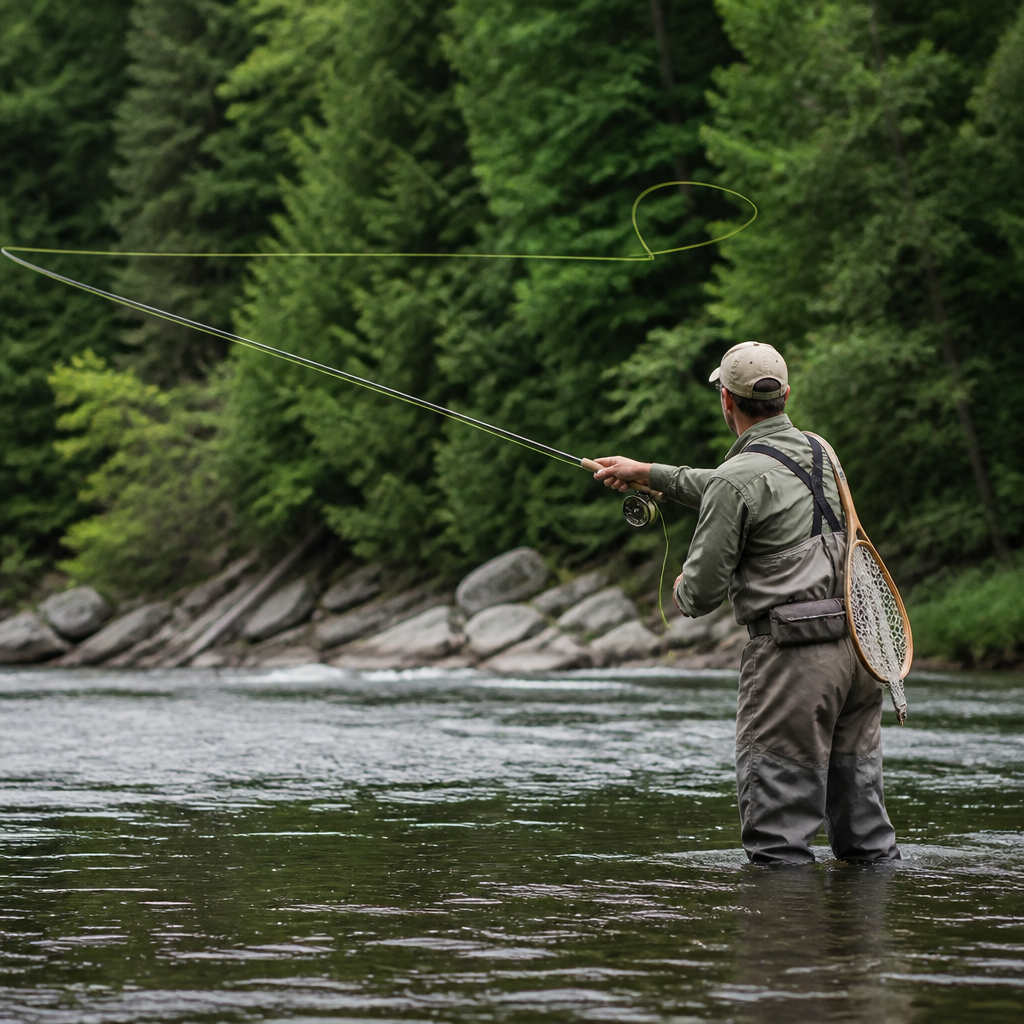
The dead drift is the foundation. If you cannot produce a clean dead drift, advanced presentations will not save you. The fly should float naturally with no wake and no unnatural acceleration. To do that, stop the rod high on the forward cast, land the fly above the target, and immediately track the rod tip to follow the drift while recovering slack with your line hand. Many anglers think dead drift means doing nothing. It actually requires constant, subtle control to keep tension from building between rod tip and fly.
The reach cast is the first specialty presentation worth mastering because it prevents drag before the fly lands. As the line unrolls in the air, move the rod upstream or downstream, depending on current conflict, so the line lands offset from the fly. On rivers with mixed seams, this can add one or two extra seconds of natural drift, which is often the difference between refusal and take. I use reach mends constantly below riffles, beside boulders, and on tailouts where the fish lies in slower water than the line.
Slack-line casts, including parachute and pile casts, matter when trout feed close to you or in tricky currents where any tight connection creates immediate drag. The goal is controlled slack, not chaos. The line should still land with enough alignment that you can set the hook quickly. Finally, do not over-apply the dead-drift doctrine. Adult caddis often flutter, struggle, and skate. A subtle twitch under overhanging grass can trigger trout looking for beetles or ants. Good presentation matches the insect’s expected behavior, not a rigid rule.
Line control after the cast: mending, tracking, and managing slack
What happens after the fly lands usually matters more than the cast itself. Mending is the act of repositioning line on the water to reduce drag, but the best mend is often the one made before the line touches down. Once the fly is floating, your job is to track it with the rod tip, remove only the slack that prevents a hook set, and avoid pulling the fly off its lane. An upstream mend slows the influence of faster current on the line. A downstream mend can straighten a curve that is holding the fly back unnaturally.
On complex water, aerial mends outperform water mends because they disturb the surface less. Still, water mends remain essential. The key is scale. Massive mends move the fly; small, timely mends move only the belly of line. On spring creeks I often use tiny rod-tip flicks instead of broad motions. On broad Western rivers, a larger upstream mend may be necessary right after the cast, followed by stack mends that feed controlled slack downstream. If your fly twitches during the mend and the fish refuses, the mend was too aggressive or too late.
Slack management is where many experienced anglers still struggle. Too little slack causes drag. Too much slack delays the hook set and hides takes. I tell anglers to maintain “fishable slack”: enough to preserve the drift, little enough to come tight with one smooth lift. Watch the fly, not the line, during the final feet of drift. Many trout eat at the end when the fly hesitates near the lie. At that moment, a quick strip of excess slack can keep you connected without skating the fly. This balance only comes through practice, but understanding it accelerates learning dramatically.
Matching presentation to hatches, water types, and seasonal conditions
Presentation changes with insect behavior and river type. During a mayfly hatch on smooth water, the default is a drag-free dead drift with a delicate landing and long leader, often 12 to 15 feet tapering to 5X or 6X. During caddis activity, especially in broken water, trout may respond better to a fly that pulses or skates at the end of the drift. Terrestrials call for precision near banks, under cut edges, and beside grassy margins where a plop can be an advantage because real beetles and hoppers do not land like feathers. Matching the landing and drift to the food source is more important than matching exact color shades.
Water type matters just as much. Freestone pocket water is forgiving because broken surface texture hides tippet and short drifts are common. You can fish shorter leaders, higher-floating patterns, and quick high-stick presentations. Spring creeks are the opposite: slow currents magnify drag, fish inspect longer, and 7X may be reasonable during midge or tiny mayfly events. Tailwaters vary, but stable flows often create educated trout that punish repeated mistakes. Lakes and spring ponds add another twist because wind lanes and sipping fish can call for static presentations with almost no mend at all.
Seasonal conditions also change the playbook. In early spring, cold water often means slower rises and narrower feeding windows, so exact placement above the fish matters. Summer brings terrestrial opportunities, lower clear water, and longer leader requirements. In autumn, spinner falls can produce some of the most technical dead-drift fishing of the year because trout key on helpless spent insects in gentle glides. Winter dry fly opportunities are limited in many regions, but midge hatches on mild afternoons reward anglers who can make tiny slack-line presentations without overcasting. The principle stays constant: let the current and the food source dictate the presentation.
Common presentation mistakes and the fastest ways to fix them
The most common mistake is casting over the fish or lining it with the leader. Fix this by changing your angle, shortening the cast, or targeting a spot farther upstream so the fly reaches the lane first. The second mistake is false casting too much. Every extra false cast adds flash, motion, and timing problems. On technical fish, I want one back cast, one delivery, then a clean pickup if it fails. Third is poor tippet control. Heavy tippet can hinge awkwardly on small dries and fail to land with enough slack, while overly fine tippet reduces turnover in wind. Match tippet diameter to fly size, not just fish size.
Another frequent error is mending after drag has already begun. Once the fish sees the wake, the chance is often gone. Learn to predict drag from seam structure before the cast and build in the solution with a reach or slack-line delivery. Strike timing also causes missed fish. Beginners strike at the rise form itself and pull the fly away. Wait until the fish closes its mouth and turns, then lift smoothly. Finally, many anglers refuse to change flies that are waterlogged, twisted, or coated with old floatant. Presentation includes fly condition. A crippled drift can work; a drowned, dragging dry often cannot. Check the fly after every fish, refusal, or bad drift.
To improve quickly, practice on targets rather than fish. On a local stream, pick a leaf or bubble line and make ten casts using only one technique, such as a reach cast from different angles. Watch how long the drift stays clean and adjust immediately. I have seen anglers improve more in one focused hour of drift practice than in three full days of casual fishing. Dry fly presentation is measurable: either the fly drifts naturally through the lane, or it does not. That clarity is why methodical practice pays off so well.
Dry fly fishing rewards anglers who think beyond pattern selection and focus on how the fly arrives and travels. The key takeaways are straightforward: identify the feeding lane, choose a position and angle that hide you and buy drift time, use the right cast to add controlled slack, and manage line after the fly lands without disturbing it. Presentation is not one skill but a chain of decisions, and the weak link anywhere in that chain shows up as drag, refusal, or a fish that never rises.
As a hub within techniques and strategies, this topic connects every specialized lesson in dry fly fishing. Upstream casting, reach mends, slack-line deliveries, fishing specific hatches, and reading rise forms all exist to support one result: a believable float that matches what trout expect to see. When you diagnose problems through that lens, improvement becomes faster and more logical. Instead of blaming the fly, you start asking better questions about current speed, angle, visibility, slack, and insect behavior.
The main benefit of mastering presentation is consistency. You will hook more trout during hatches, convert more refusals into eats, and stay effective across freestones, spring creeks, and tailwaters. On your next outing, pick one presentation problem—drag, angle, or slack—and work on it deliberately for an hour. That focused practice will do more for your dry fly fishing than another box of patterns.
Frequently Asked Questions
What does “presentation” really mean in dry fly fishing?
In dry fly fishing, presentation is the complete way your fly arrives and behaves on the water from the moment it lands until the drift ends. It includes the angle of your cast, how softly the fly touches down, whether the leader straightens correctly, how naturally the fly drifts with the current, and whether drag develops before the trout makes a decision. Trout spend their lives studying surface food, so they are rarely fooled by a fly that looks right but moves wrong. A perfect imitation tied in the right size and color still gets refused if it skates, stalls, or leaves a suspicious wake across conflicting currents.
Good presentation also means matching your drift to what the fish expects to see in that exact lane. A mayfly dun should usually float naturally with the current. A caddis may be allowed a little more life at times, especially if naturals are fluttering or struggling. Terrestrials such as ants and beetles can land with a little authority, but they still need to ride naturally once on the surface. Presentation is therefore not a single trick. It is the combination of position, timing, line control, and observation that makes your fly appear believable. On pressured trout, that believable look often matters more than the pattern itself.
How can I get a drag-free drift with a dry fly?
A drag-free drift starts before the fly ever lands. The biggest mistake many anglers make is thinking drag is only something to fix after the cast. In reality, most drag is built into the presentation from the beginning by poor angle, too much line on the water, or a cast that lands straight across several current seams. To reduce drag, first choose a casting position that lets the fly drift over the fish before the thicker fly line does. That usually means approaching from downstream or slightly across and below when possible, then casting upstream or up-and-across so the leader and fly lead the drift naturally.
Slack is your friend when used deliberately. Reach casts, parachute casts, and wiggle casts all introduce controlled slack into the line or leader so the fly can drift freely before currents begin pulling against it. Once the fly is floating, manage the line with subtle mends, not dramatic movements that disturb the drift. An upstream mend can buy time by repositioning line off faster current, while a stack mend can feed extra slack into a longer drift. The key is to mend early, mend lightly, and mend what needs fixing without moving the fly unnaturally. If the fly twitches during every mend, the fish will notice.
Leader setup matters too. A properly tapered leader helps the fly land softly while still turning over. In technical dry fly situations, a longer leader often improves drift because less fly line lands on the water near the trout. Tippet length can also make a major difference. Adding a little more tippet gives the fly freedom and separates it from the heavier leader sections that transmit drag. Finally, watch the currents carefully. Surface bubbles, foam lanes, and tiny changes in texture reveal competing flows. If your fly and your line are crossing different speeds of water, drag is coming. Adjust your angle, length, and slack until the fly moves exactly like the naturals around it.
Why do trout refuse a dry fly even when they seem to be feeding?
Refusals happen because trout are not just eating “something on top”; they are selecting a very specific look, size, drift, and behavior. One common reason for refusals is drag. A trout may rise toward the fly, inspect it, and turn away at the last second because the fly is moving differently from the natural insects in the feeding lane. Another frequent cause is profile mismatch. Even if your fly is close in color, it may sit too high, too low, too bushy, or too stiff on the water. Trout feeding on delicate mayfly duns often reject a fly that looks overdressed or rides unnaturally upright.
Timing and feeding rhythm matter as well. Trout often establish a cadence while feeding, especially in smooth runs and spring-creek-like water. If the cast lands late, slightly off line, or with too much disturbance, the fish may inspect but not commit. Micro drag can also be enough to ruin the take, particularly on flat water where fish have a long look. In faster riffles, trout may be less selective, but in softer seams and tailouts they become much more exacting. This is why an angler can get away with a rough cast in broken water and get repeatedly refused just a few yards downstream in a slick.
Sometimes the issue is not the fly at all but the angler’s position. If the fish sees the leader first, or catches movement on the bank, confidence drops immediately. Light conditions can magnify this. In clear water under bright skies, trout become especially wary. Grease on the leader near the fly can create shine or cause the tippet to behave unnaturally; in some situations, letting the last bit of tippet sit lower in the film can help. The solution to refusals is usually systematic: confirm the insect, check fly size first, then profile, then drift, then approach angle. Most refusals are solved by improving the presentation rather than changing patterns endlessly.
What casting approaches work best for presenting a dry fly to rising trout?
The best casting approach depends on current structure, the trout’s position, and how long the fish needs to see the fly. For many rising trout, the highest percentage presentation is an upstream or up-and-across cast that allows the fly to drift naturally down first, with the leader and fly line following behind. This keeps the thicker line away from the trout’s window and gives the fish the cleanest look at the imitation. On moderate current, this is often the most controlled and forgiving way to present a dry fly.
However, no single angle works everywhere. A downstream presentation can be deadly on very selective trout in flat water because it lets the fly reach the fish before any leader shadow or line disturbance crosses the lie. The tradeoff is that downstream drifts are often harder to control and can lead to poor hook sets if there is too much slack. Across-stream presentations can work well in pocket water or when obstacles limit your position, but they tend to create drag quickly unless you compensate with immediate line control and thoughtful mending. This is why experienced dry fly anglers do not simply cast to the rise; they choose a casting lane that gives the fly the best drift through the feeding window.
Specialty casts become important when currents are complex. A reach cast helps reposition line upstream or downstream during the delivery so the fly starts with less tension. A parachute cast drops extra slack onto the water, useful when fishing to a trout farther upstream in mixed current. A pile or wiggle cast can extend a natural drift in slow, technical water where drag appears instantly. Accuracy also matters more than distance in most dry fly situations. A fly six inches off line may never be seen, while a fly that lands exactly in the feeding lane with a natural drift often gets eaten even if the pattern is merely close. The best casters in dry fly fishing are usually the ones who can place the fly softly, from the right angle, with built-in drift control.
How should I approach different water types when presenting dry flies?
Different water types demand different presentation priorities. In fast pocket water, trout have less time to inspect the fly, so precision and speed matter more than elegance. Short, accurate casts, quick drifts, and immediate recasts are often the winning approach. You do not need an extremely long drag-free drift in a boulder pocket; you need the fly to land naturally in the small feeding slot and float correctly for a second or two. A high-stick style dry fly approach can be very effective here because it keeps excess line off conflicting currents and maintains direct control without sacrificing a natural float.
In riffles and broken runs, fish are usually more forgiving, but presentation still matters. These are ideal places to cover water efficiently with an attractor dry or a hatch-matching pattern. A slight mend after the cast is often enough to keep the fly floating properly through the seam. In this kind of water, trout often key on general impression and drift, so a clean first pass is important. If you line the fish or drag the fly immediately, even fish in broken water may stop rising.
Smooth glides, tailouts, and spring-creek-like flats are where presentation becomes most technical. Trout in these areas have time to inspect everything. Soft landing, long leaders, fine tippets, low profiles, and careful positioning all become more important. You usually want to stay farther away, use the current to hide your approach, and cast only when you know the fish’s exact lane and rhythm. A long drift is often necessary, but the challenge is not just distance; it is managing multiple currents without pulling the fly. In these situations, one well-planned cast is often better than five rushed ones.
Along banks, undercut edges, foam lines, and shaded seams, presentation should match where the natural food collects. Trout holding tight to cover often respond best when the fly lands close to the structure without unnatural splash or immediate drag. On windy days, terrestrials may be the main food source, and a slightly more assertive landing can still be realistic if it imitates a blown-in insect