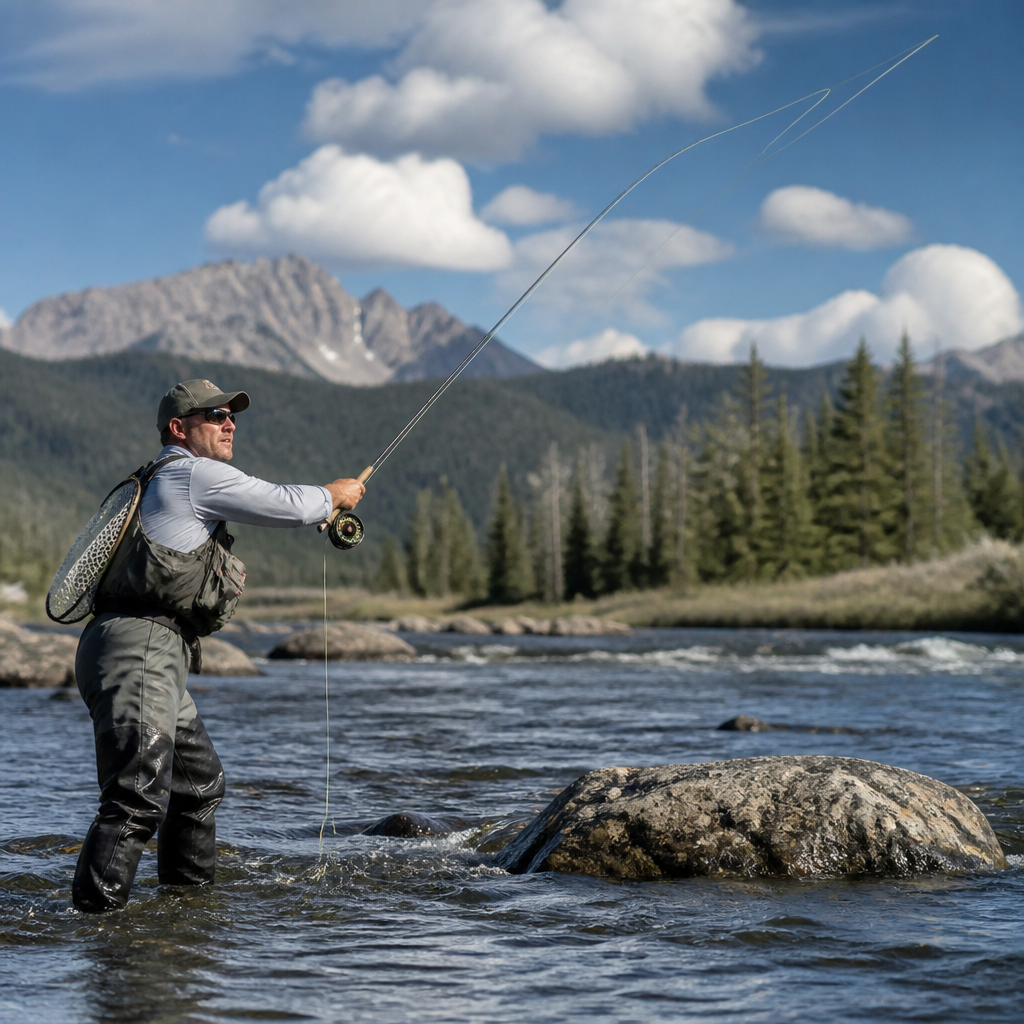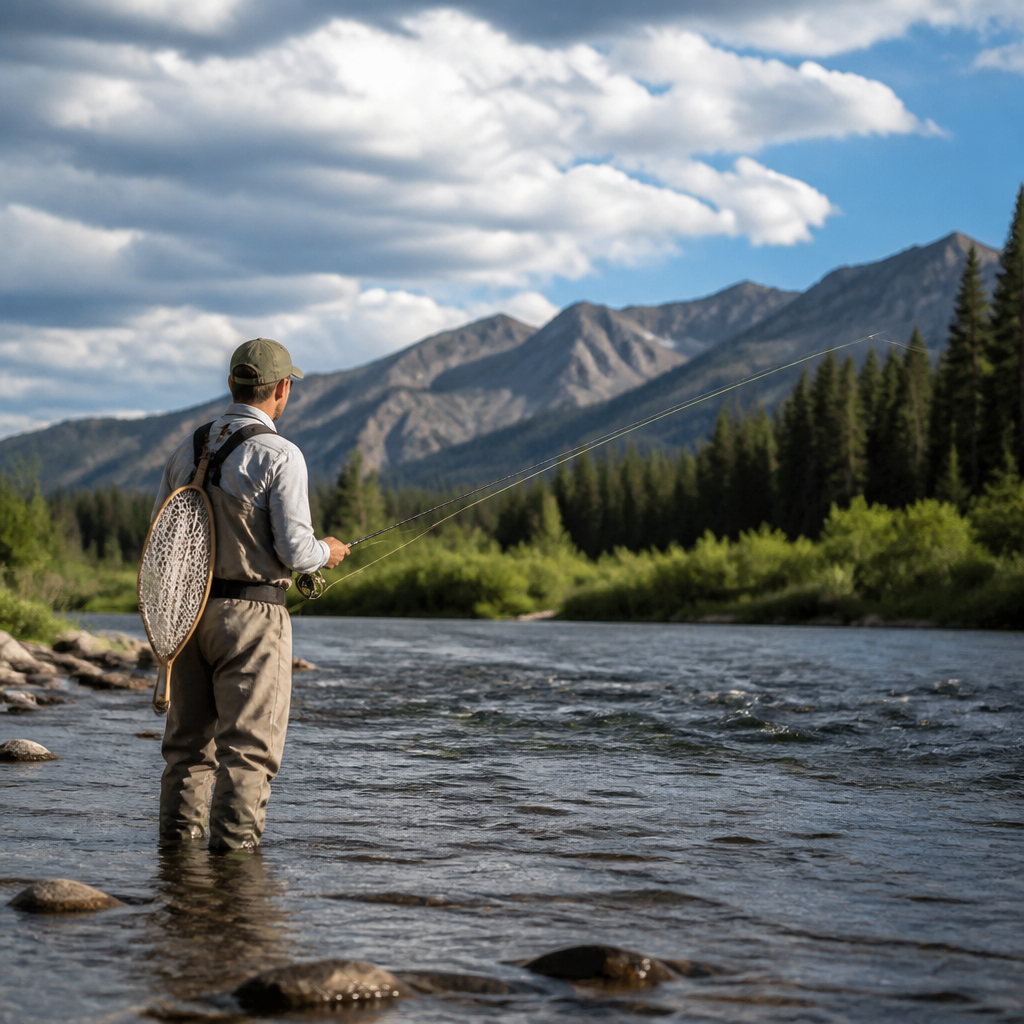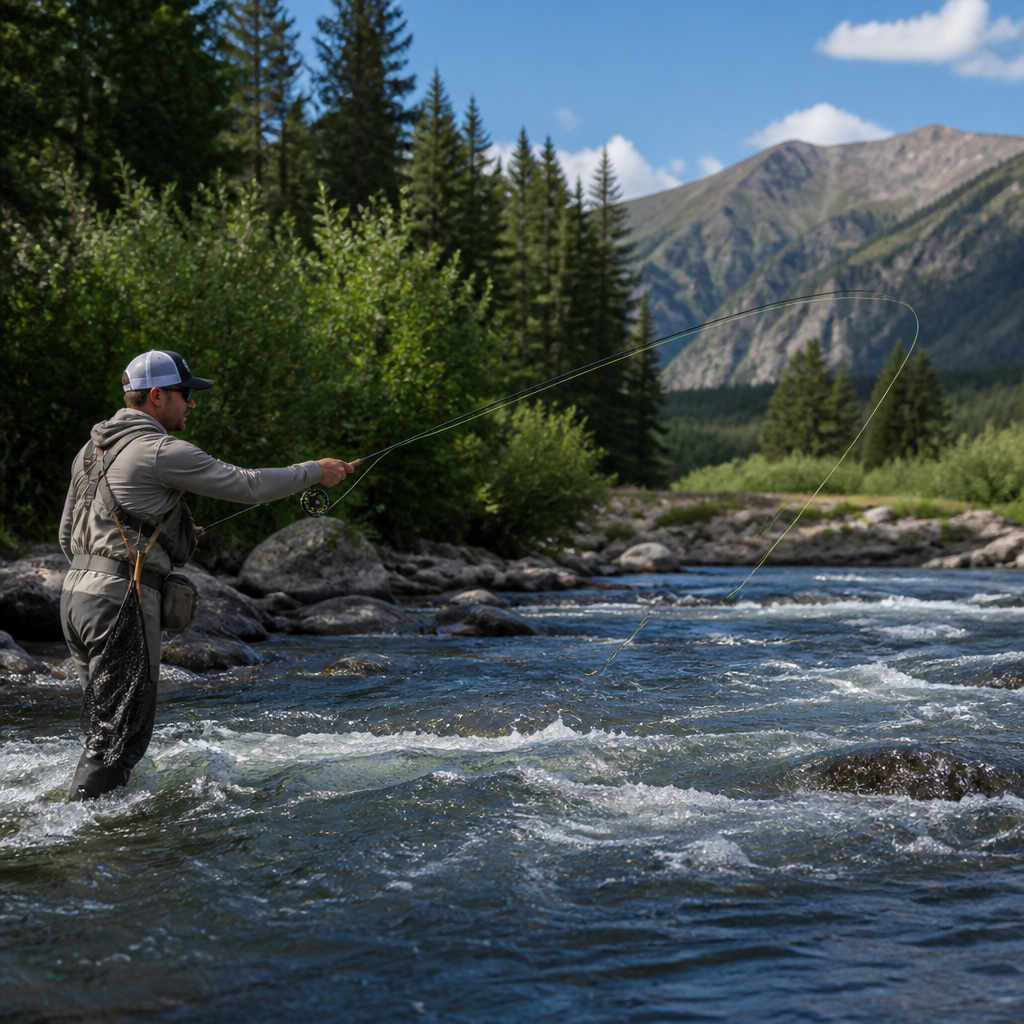
Dry fly fishing in fast water is one of the most visual, demanding, and rewarding ways to catch trout, because success depends on making a floating imitation behave like the real insect while current speeds are constantly trying to betray the drift. In practical terms, dry fly fishing means presenting an artificial fly that rides on the surface film, where fish rise to eat emerging or fully hatched insects, terrestrials, and other floating food. Fast water includes riffles, runs, pocket water, broken seams, plunge pools, and any section where turbulence creates varied current lanes. I have spent many days guiding and fishing these places, and the lesson is always the same: fast water is generous with oxygen and feeding opportunities, but it punishes poor line control immediately.
For anglers building a broader understanding of dry fly fishing, fast water deserves special attention because it compresses the core skills of the method into a sharper test. Reading surface clues, matching the food source, controlling drag, and choosing approach angles all matter more when currents split and accelerate around rocks. Trout in these environments often have less time to inspect a fly than fish in flat water, yet they also hold in very specific feeding lanes that may be only inches wide. That combination creates opportunity for anglers who can deliver a precise drift. This hub article covers the foundations of dry fly fishing in moving water and connects the major decisions that shape success, from fly choice and tackle balance to mending, positioning, and seasonal strategy.
The reason this topic matters goes beyond catch rates. Fast water teaches clean mechanics. If you can place a parachute Adams above a boulder, stack mend into the seam, and keep micro drag off the tippet for two feet of perfect drift, slower water becomes easier later. It also teaches efficiency. In rough current, trout position where food funnels to them, often near cushions, foam lines, and depth transitions. Learning to identify those feeding lies lets you cover more water with purpose instead of casting randomly. For anglers exploring related techniques and strategies, this page serves as the central guide to dry fly fishing fundamentals while highlighting the adjustments that make floating flies work when the river is moving hard.
How Trout Feed on Dry Flies in Fast Water
Trout in fast water do not feed everywhere. They feed where speed, depth, cover, and food delivery line up. The classic holding lie is the soft cushion just upstream or beside a rock, where current deflects and creates a pocket of lower energy. Another prime lie is the seam between fast and slower current, especially when bubbles or foam mark the conveyor belt of surface food. In pocket water, fish may hold in slots no longer than a boot print. In riffles, they may spread across several lanes, rising opportunistically as mayflies, caddis, and stoneflies tumble overhead.
The key insight is that fast water shortens the trout’s decision window. In a slick tailout, a fish might track your fly for several feet and reject it if it drags unnaturally. In broken riffles, that same trout often has a fraction of a second to commit. That is why buoyancy, visibility, and first-drift accuracy matter so much. It also explains why slightly bushier patterns often outperform delicate imitations in rough surface texture. The fish is not reading every hackle fiber. It is seeing profile, footprint, and behavior inside a chaotic current lane.
When anglers ask where to start on an unfamiliar fast river, I begin with three targets: bubble lines entering softer water, the downstream side of midstream structure, and transitions where knee-deep riffles dump into a run. These spots consistently collect drifting insects. If nothing is rising, that does not mean trout are absent. In turbulent water, many takes are subtle head pokes or quick slashes. Watch likely lanes, not just obvious splashy rises, and assume fish are feeding unless repeated clean drifts prove otherwise.
Tackle, Leaders, and Dry Fly Selection
A balanced dry fly setup for fast water usually starts with a 4- or 5-weight rod between 8 feet 6 inches and 9 feet. That range offers enough line control for mending without feeling clumsy at short range. I prefer a fast or medium-fast action when fishing bushy dries around pocket water because quick recovery helps with tuck-like presentations, reach casts, and line pickups between targets. A weight-forward floating line is standard. Specialty tapers can help, but line control and leader design matter more than branding.
Leader choice is where many problems begin. In rough current, a 9-foot leader tapered to 4X or 5X is a reliable baseline, but you should adjust by fly size, wind, and fish behavior. For larger foam dries, stonefly patterns, or attractors, 3X can improve turnover and reduce twisting. For selective fish on small mayflies in moderate riffles, 5X or even 6X may produce cleaner drifts. I often add 12 to 24 inches of level tippet beyond the packaged leader because extra separation between fly line and fly reduces drag. In close pocket water, however, a shorter leader can improve accuracy and reduce tangles.
As for flies, categories matter more than exact names. You need attractor dries, hatch-matching mayflies, caddis adults, stoneflies, and terrestrials. Parachute Adams remains a benchmark because it suggests many mayflies and stays visible. Elk Hair Caddis is still one of the best searching patterns in broken water. Stimulators and Chubby Chernobyl-style patterns excel when buoyancy and visibility are priorities. During summer, beetles and hoppers can be deadly along banks, under overhanging grass, and beside undercut edges. CDC patterns can be excellent during gentler surface feeding within fast systems, but heavily hackled or foam-supported flies generally handle turbulent water better.
| Situation | Recommended Setup | Why It Works |
|---|---|---|
| Small pocket water with attractor dries | 8’6″ 4-weight, 7.5 to 9-foot leader, 3X to 4X, Stimulator or small Chubby | Shorter system improves accuracy and turnover around rocks |
| Riffles with mixed mayfly and caddis activity | 9′ 5-weight, 9-foot leader plus 18-inch tippet, 4X to 5X, Parachute Adams or Elk Hair Caddis | Balances reach, drift control, and delicate enough presentation |
| Bank feeders on summer terrestrials | 9′ 5-weight, 9-foot leader, 3X to 4X, hopper or beetle | Larger fly needs firm turnover and survives rough edges |
| Selective trout in softer seams near fast current | 9′ 4-weight, 10 to 12-foot leader, 5X to 6X, low-profile mayfly pattern | Creates more natural drift where fish have longer inspection time |
Approach, Positioning, and Reading Water
Good dry fly fishing in fast water begins before the cast. Approach from downstream whenever possible, stay low, and use noise strategically. In turbulent riffles you can get closer than in calm pools, but proximity should never replace angle. The best position is the one that lets the fly drift first over the fish while the leader and line land on less influential current. Often that means standing slightly across and below the target seam, not directly beneath it.
Reading water in this context means identifying the exact current lane the fly must travel, then asking what conflicting currents will grab your line before the drift ends. New anglers often see a broad run; experienced anglers see three fast tongues, a soft edge, a boil behind a rock, and a one-foot feeding slot where the rise actually happened. That level of specificity is what produces first-cast eats. In broken water, trout commonly hold where they can slide a few inches into faster current to feed and then drop back into shelter. Present to the feeding lane, not the deepest or prettiest part of the pool.
One of the most productive habits is to fish from near to far. Cover the closest seams and pockets first, because stepping past them often sends pressure waves through exactly the water holding fish. Then work progressively farther, changing casting angles as needed. In many freestone streams, the shortest cast with the cleanest drift outperforms the heroic reach to the far bank. Fast water rewards controlled efficiency, not distance for its own sake.
Presentation: Drag-Free Drifts, Mends, and Specialized Casts
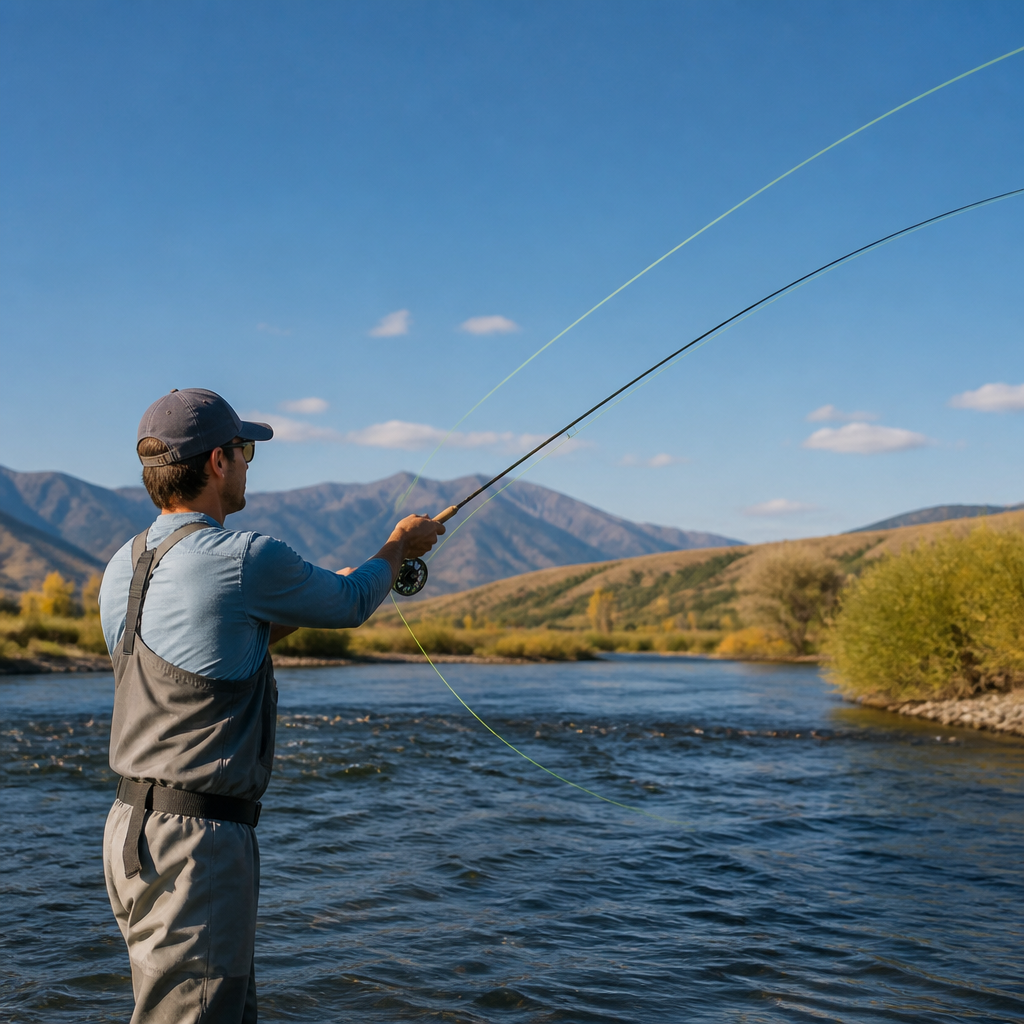
The central challenge of dry fly fishing is drag, the unnatural pull caused when line or leader moves at a different speed than the fly. In fast water, drag appears instantly because several currents are acting on the system at once. The solution is not one trick but a sequence: pick the right angle, build slack into the cast, land line on the proper current, and mend early without moving the fly. Most failed drifts can be traced to skipping one of those steps.
I rely most on four presentations. First is the upstream cast with an immediate stack or pile of slack, ideal for short pockets. Second is the reach cast, useful when crossing seams because it positions line upstream or downstream before it lands. Third is the parachute cast, which helps leader and fly land before the heavier line. Fourth is high-stick dry fly fishing at close range, where you keep as much line off the water as possible to protect a very short drift. None of these are ornamental. They solve specific current problems.
Mending deserves direct explanation. An upstream mend slows the influence of faster current on your line and usually extends the natural drift. A downstream mend can be useful when your line is trapped in slower water while the fly rides a faster seam, though it requires touch to avoid pulling the fly. In fast water, the best mend is usually small and early. Big, late mends move the fly. I tell anglers to mend the line, not the leader tip. If the fly twitches, the mend was too forceful or too late.
Hook sets should also be compact. Because fish in rough water often take confidently, many anglers strike too hard and break fish off or yank the fly away. A short lift with the rod, combined with maintaining tension, is enough. If the fly disappears in foam, set. You will sometimes strike at bubbles, but hesitation loses more fish than decisiveness in these conditions.
Matching Hatches and Using Attractor Patterns
Fast water does not eliminate the importance of matching the hatch; it changes how exact you need to be. During a strong caddis emergence, an Elk Hair Caddis in the right size and silhouette can outfish generic attractors by a wide margin. During a pale morning dun hatch in riffled runs, fish may key on upright mayfly profiles and ignore bulkier options. But when no obvious hatch is underway, attractor patterns become efficient searching tools because they stay afloat, remain visible, and trigger reactions in a short feeding window.
My rule is simple: match behavior first, then size, then color. If naturals are skittering caddis, a dead-drift may not be best; a slight lift or skate at the end can trigger explosive takes. If fish are sipping mayflies in softer seams within otherwise fast water, use a cleaner silhouette and prioritize drag-free drift above all else. If large golden stoneflies are present along the bank, put a buoyant adult pattern tight to structure and expect aggressive strikes. On many summer rivers, a two-fly dry setup with a larger visible lead fly and a smaller trailing dry can cover both searching and matching roles, where regulations allow.
Do not overlook timing. Fast water often fishes best for dries during the warmest and brightest feeding windows of an insect event because turbulence gives trout cover and confidence. Afternoon caddis, evening mayflies, and midday terrestrial falls can all produce. Keep streamside observations practical: check rocks for shucks, watch foam lines for natural insects, and inspect the air above riffles before changing flies blindly.
Common Mistakes and a Practical Path to Improvement
The most common mistake in fast-water dry fly fishing is casting to obvious water instead of fishy water. Anglers love the center of the run, but trout often hold on the edges, behind structure, and in short feeding lanes that demand precision. The second mistake is overcasting. Extra line creates extra drag. The third is poor floatation management. If your dry sits low after three drifts, dry it, dress it if appropriate, or replace it. A half-drowned searching fly rarely tracks naturally in broken current unless you intend it as an emerger.
Another frequent error is changing flies before changing presentation. If a trout refuses after one poor drift, the pattern is not necessarily wrong. On the other hand, repeated drag-free refusals from the same fish usually do point to profile, size, or stage mismatch. Learn to diagnose the difference. I have watched anglers cycle through a dozen flies when one reach cast would have fixed the problem.
The fastest way to improve is to practice on sections where currents are readable but demanding: medium riffles, obvious seams, and pocket water with visible structure. Pick one target, plan one drift, and evaluate what the line did, not just whether a fish ate. That process builds transferable skill. As you expand within dry fly fishing, link this knowledge to related techniques and strategies such as prospecting attractor patterns, terrestrial fishing, and hatch-specific mayfly or caddis tactics. Fast water is not a niche challenge. It is a training ground that sharpens every part of your surface game.
Dry fly fishing in fast water rewards anglers who think clearly about current, position carefully, and present with intention. The essential ideas are straightforward: trout feed in lanes where food is concentrated and energy is conserved; buoyant, visible flies help in rough surface texture; leader length and tippet size should support both turnover and drag control; and the first clean drift matters more than repeated average ones. When you combine sound water reading with early mends, smart approach angles, and fly choices that match either the hatch or the opportunity, difficult water starts to feel predictable.
This sub-pillar hub on dry fly fishing should give you a working framework for nearly every fast-water situation, from small freestone pocket water to larger riffled runs on hatch-driven rivers. Use it as your starting point, then build depth by focusing on specific insect groups, seasonal terrestrial patterns, and advanced presentation methods. The main benefit is simple: once you understand how to make a dry fly drift naturally in fast current, you see more rises, convert more takes, and fish rivers with much greater confidence. On your next outing, choose one fast seam, slow down, and make your first drift your best one.
Frequently Asked Questions
What makes dry fly fishing in fast water different from fishing dries in slower currents?
Dry fly fishing in fast water is different because the current is doing more than simply carrying your fly downstream. In riffles, pocket water, fast runs, and broken seams, the water is moving at different speeds across very short distances, which means drag develops almost instantly if your line, leader, or fly land in conflicting currents. In slower water, trout often have more time to inspect a drifting insect, and the angler usually has more time to react and mend. In fast water, by contrast, presentations are shorter, drift windows are tighter, and fish typically make quicker feeding decisions.
That sounds harder, but it also creates real advantages. Broken surface water hides imperfections in your presentation better than glassy flats do, and trout in oxygen-rich, food-heavy fast water often hold in predictable feeding lanes near rocks, cushions, seams, and current breaks. They usually have less time to study the fly, so a good drift and decent imitation often matter more than absolute perfection in pattern choice. The key challenge is not simply floating the fly, but making it behave naturally for the brief stretch where the fish can eat it. That is why line control, approach angle, and reading micro-currents are so important in fast water dry fly fishing.
Where should I look for rising trout when fishing dry flies in fast water?
In fast water, trout rarely hold in the very heaviest, most energy-draining current unless there is a specific structure feature that gives them shelter. Instead, look for places where fish can sit in softer water while food is delivered to them by nearby faster current. Prime spots include the soft edges of riffles, seams where fast and slow currents meet, foam lines, the downstream side of boulders, pockets behind rocks, shallow shelves that drop into depth, and the heads and tails of runs. In pocket water especially, every rock can create a miniature feeding station, and trout will often rise in lanes only a foot or two wide.
Pay close attention to current breaks that concentrate drifting insects. A trout may hold in a cushion of slower water just upstream of a rock, or in the soft tongue behind it, while watching the adjacent conveyor belt of food. Also scan for subtle rises rather than dramatic splashy takes. In fast water, trout may simply tip up and sip, creating only a quick dimple, a flash, or a tiny white mouth. If you are not seeing obvious rises, fish likely lies anyway. Fast water often supports opportunistic fish, and even without visible activity, a properly presented attractor, mayfly dun, caddis, or terrestrial can draw confident surface takes from trout holding in productive structure.
How can I get a drag-free drift with a dry fly in fast current?
A drag-free drift in fast water starts before the cast ever lands. Position yourself to reduce the number of conflicting currents between you and the target. In many cases, that means getting closer than you would in slow water and casting from slightly upstream, quartering upstream, or across to create a short, controllable drift. Shorter casts are usually better because they give you more direct control and reduce the amount of line exposed to competing current speeds. If you try to cover too much water from one position, your fly line and leader will get pulled into drag almost immediately.
Slack is your friend. Reach casts, parachute casts, wiggle casts, and pile casts can all introduce just enough controlled slack to buy your fly extra natural drift time. Once the fly lands, make quick, efficient mends with as little disturbance as possible. In fast water, an upstream mend often prevents the line from racing ahead and pulling the fly unnaturally, while a subtle downstream adjustment can occasionally help align the leader in tricky seams. Keep as much line off turbulent water as practical by holding the rod high, tracking the drift with the rod tip, and staying in contact without tightening the system so much that you create drag. Think in terms of leading the fly visually, not towing it. If your drifts are short, that is normal. In fast water, a few feet of perfect drift is often far more valuable than twenty feet of compromised drift.
What dry flies, leader setups, and tackle choices work best in fast water?
Fast water generally favors flies that are visible, buoyant, and easy to track in broken surface conditions. High-floating attractor patterns such as stimulators, elk hair caddis, parachutes, foam-bodied dries, and bushier mayfly or stonefly imitations are all strong choices because they ride well and are easier to see in chop. During hatches, matching the dominant insect still matters, but in turbulent water the silhouette, size, and floatation often matter more than ultra-fine detail. It is also common to fish slightly larger or more buoyant patterns than you would in calm water simply because visibility and support are so important. If fish are eating small naturals, adding a larger visible dry as an indicator fly with a smaller trailing pattern can be very effective where regulations allow.
Leader choice should support turnover while still allowing a natural drift. Many anglers do well with leaders in the 7.5- to 9-foot range in fast water, often tapering to 4X, 5X, or sometimes 6X depending on fly size, fish pressure, and water clarity. In rough pocket water, shorter leaders can improve accuracy and control; in clearer, smoother runs, a longer leader may help with stealth. As for tackle, a versatile trout rod in the 4- to 6-weight range usually covers most situations, with a floating line being the standard choice. Floatant matters more than many anglers realize, both for the fly and sometimes for the butt section of the leader to improve control. Keep amadou, desiccant, and dry-shake products handy so your fly continues to ride properly after repeated drifts and fish eats. In fast water, a sunk or half-drowned dry usually loses effectiveness quickly unless that is the intended presentation.
What are the most common mistakes anglers make when dry fly fishing in fast water?
The biggest mistake is fishing too much water with one cast. In fast currents, anglers often try to make long presentations that immediately cross multiple seams, causing instant drag. A better approach is to break the water into small targets and fish each likely lie with a short, deliberate cast. Another common mistake is focusing only on the obvious fast surface flow and ignoring the softer holding water beside, behind, above, or below structure. Trout survive in fast water by conserving energy, so the best lies are usually places where they can rest while food funnels past.
Many anglers also react too slowly. Because drift windows are short, mends need to happen early, often within the first second or two after the cast lands. Waiting until the fly is already dragging usually means the presentation is over. Poor wading angles are another issue. If you stand too far away or directly below the fish, you lose control and often line the trout. Getting into a closer, smarter position usually solves half the problem. Finally, anglers often neglect fly maintenance. In fast water, a dry fly can become waterlogged quickly from repeated rough landings, micro-splashes, or fish refusals. If the fly is not floating correctly, dry it, dress it, or change it. Successful fast-water dry fly fishing is usually not about one perfect hero cast. It is about efficient positioning, tight line control, short natural drifts, and repeatedly making high-probability presentations in the right places.