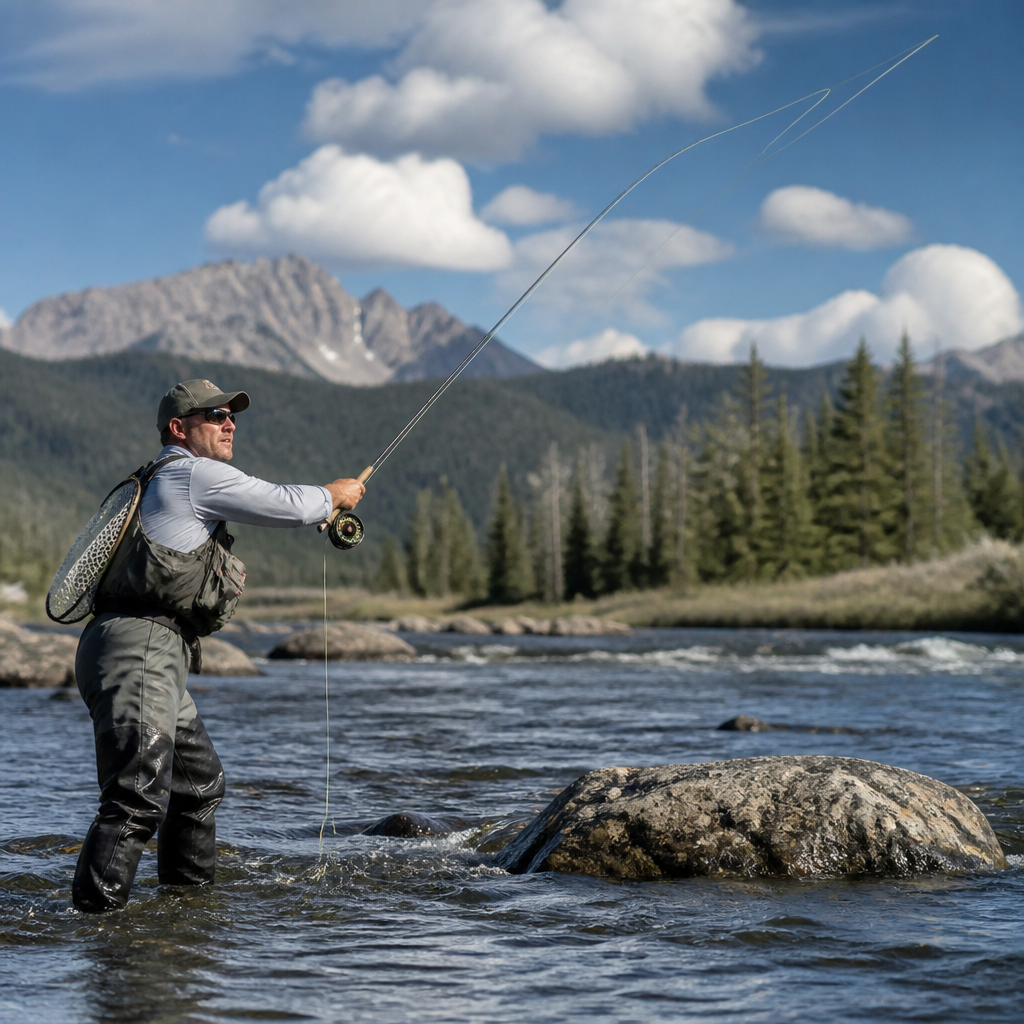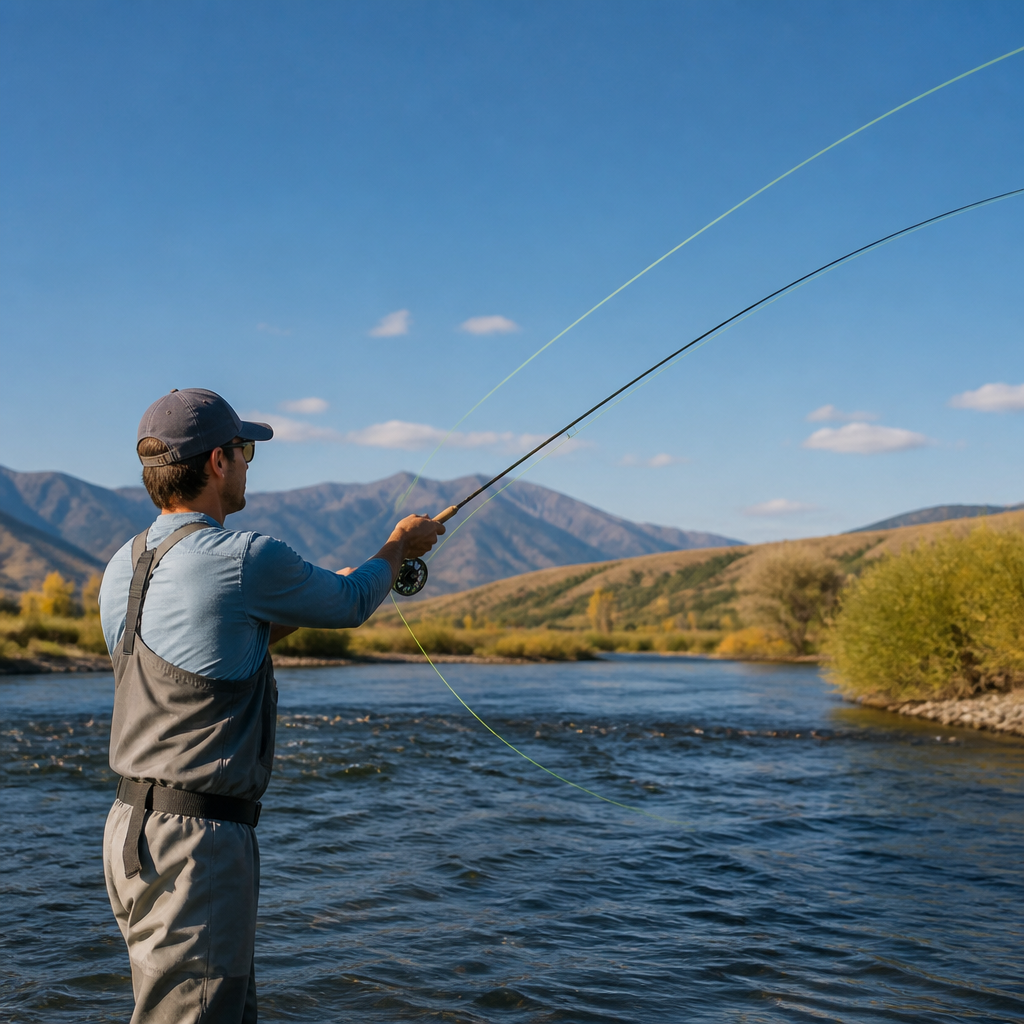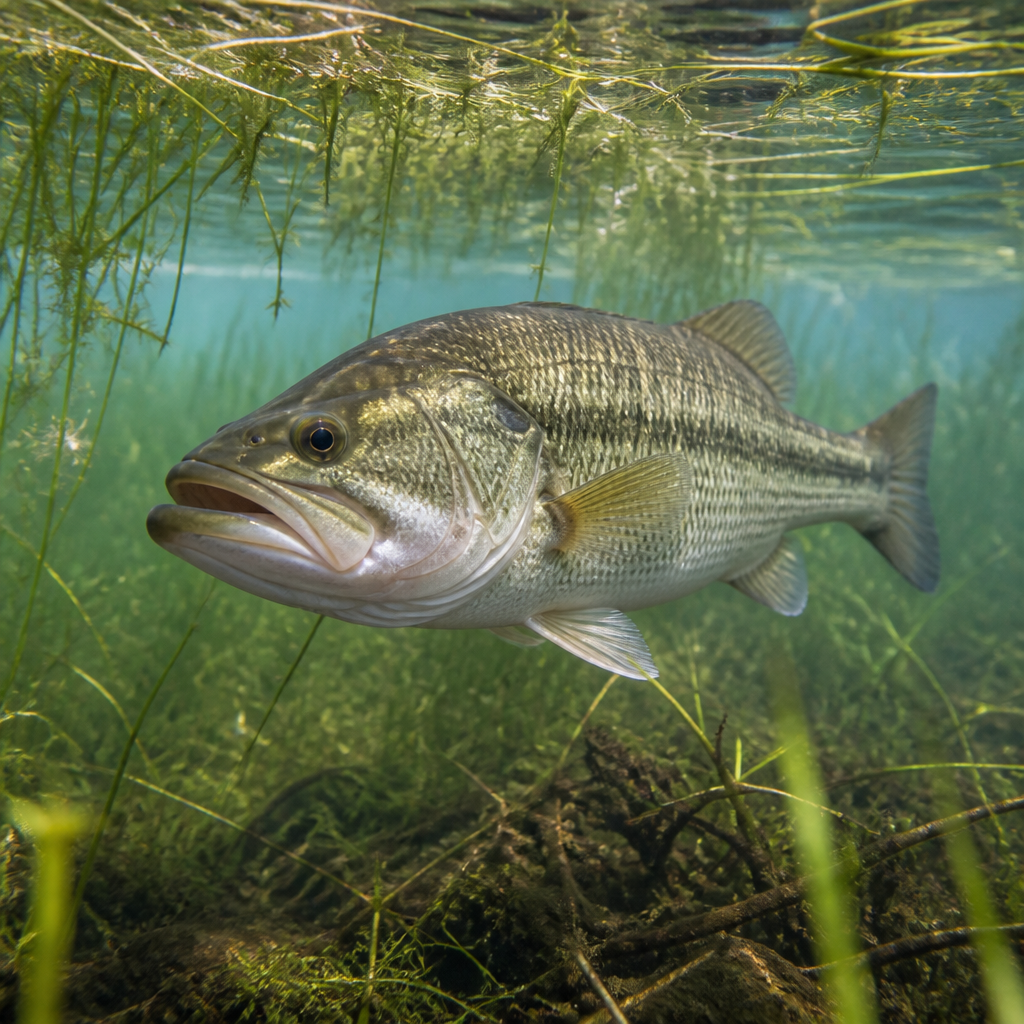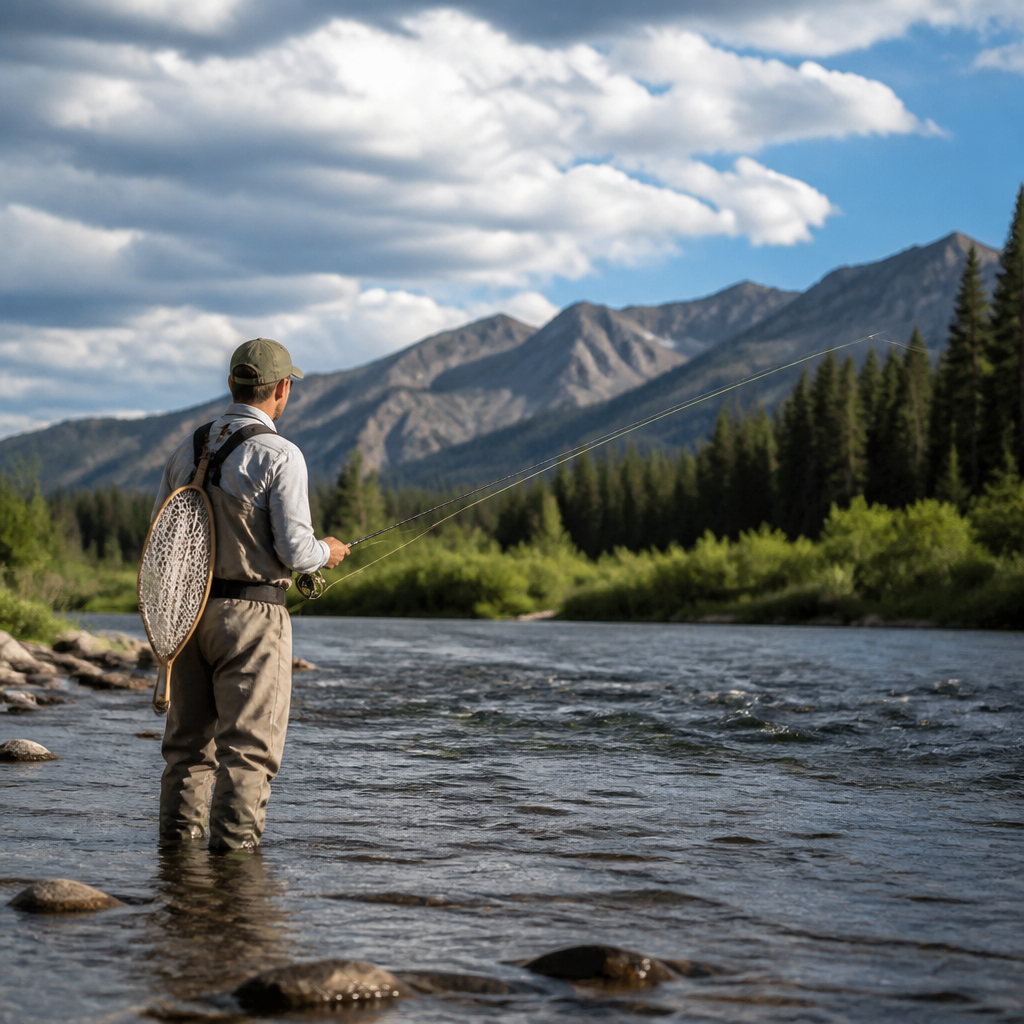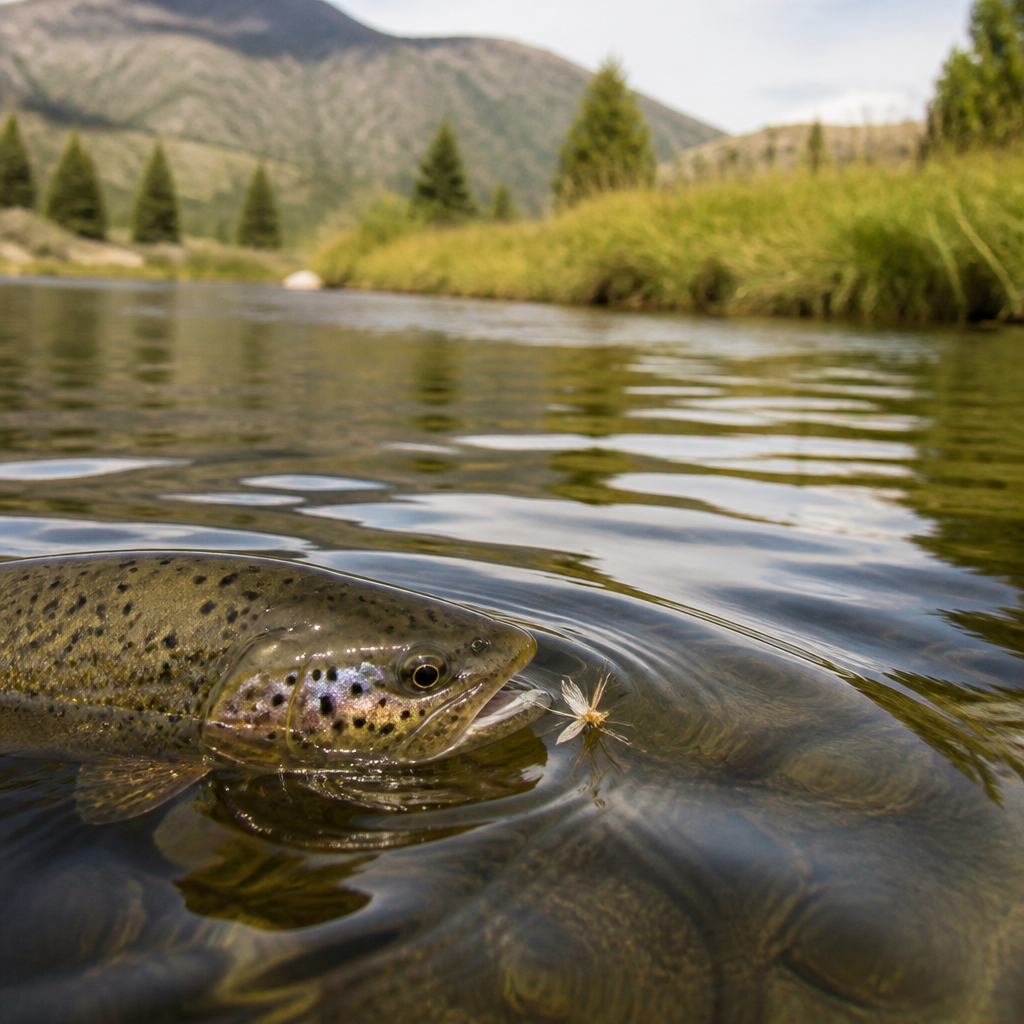
Matching the hatch is the core idea behind consistent dry fly success: present an artificial fly that closely resembles the insects trout are feeding on at that moment, in that place, and at that life stage. In practical terms, dry fly fishing means floating a fly on the surface film to imitate an adult mayfly, caddis, midge, terrestrial, or another food item trout expect to see above or in the meniscus. I have spent enough mornings watching selective fish refuse good casts to know that “close enough” often is not close enough when trout are locked on a hatch. This is why anglers who understand insect timing, profile, drift, and trout position catch more fish than anglers who simply tie on a famous pattern and hope.
As a hub topic within techniques and strategies, dry fly fishing deserves a broad view. It is not just about delicate loops and tiny flies, although both matter. It also includes reading rise forms, identifying food sources, choosing leaders and tippet diameters, controlling slack, and deciding when to fish an emerger instead of a fully floating pattern. Modern dry fly fishing ranges from technical spring creeks, where trout inspect size 22 midges in flat water, to pocketwater freestones, where a buoyant attractor dry is enough to move aggressive fish. The term “matching the hatch” is often misunderstood as exact imitation alone. Exact size and silhouette can be critical, but behavior, stage, and presentation usually matter more than color.
This matters because trout feed efficiently. They hold where current delivers food with minimal energy cost, and they key on repeatable targets. During a strong Pale Morning Dun hatch, for example, trout may ignore caddis skittering nearby because the drift, shape, and timing of duns emerging in the film are easier to exploit. On pressured rivers, I have repeatedly seen refusals disappear after changing only one variable: downsizing from a size 16 to an 18, lengthening tippet from 4X to 5X, or switching from a high-floating dry to a low-riding emerger. Dry fly success is therefore a system, not a single trick. The anglers who do it well observe first, then fish with intent.
This article covers that system comprehensively. It explains how to identify common hatches, how to pick the right fly pattern and stage, how to make a natural drift, how to adjust by water type and season, and how to troubleshoot refusals. It also serves as the central guide for broader dry fly fishing techniques, helping you connect insect knowledge with practical on-stream decisions. If you want more trout to eat on top, start by learning what they are eating, why they prefer it, and how your presentation can either confirm or break the illusion.
Understand what trout are actually eating
The first question in dry fly fishing is simple: what are the fish taking? Many anglers look up, see insects in the air, and assume trout are eating those adults. Often they are not. Trout may be feeding on emergers trapped in the film, spent spinners lying flush, cripples that cannot escape, or even ascending nymphs just below the surface. The rise form gives clues. A head-and-tail rise often suggests deliberate feeding in calmer water, commonly on duns or spinners. A subtle sip with barely a ring can indicate midges or tiny emergers. Splashy rises may point to caddis adults or opportunistic fish in faster water. These are tendencies, not rules, but they help narrow choices quickly.
Start every hatch by observing for one full minute before making a cast. Watch the current seam, inspect streamside rocks and vegetation, and use a small aquarium-style net or your hand to sample the drift. If you catch a mayfly with upright wings and a slim body, note the size, body color, and tail count. If caddis are fluttering and adults are bouncing off the surface, expect trout to key on movement differently than they would during a mayfly hatch. Midges require even more discipline because clusters of tiny adults may conceal the fact that fish are eating pupae in the film. In practice, “matching the hatch” means matching species, size, silhouette, and life stage while keeping presentation natural.
Several aquatic insect groups dominate dry fly fishing. Mayflies usually demand the most precise matching because their body profile and surface posture are distinct. Caddisflies are more forgiving in rough water but can be exacting during egg-laying flights. Midges matter year-round, especially on tailwaters and spring creeks. Stoneflies can bring explosive surface takes, but they are often seasonal and location specific. Terrestrials such as ants, beetles, hoppers, and inchworms are not hatches in the classic aquatic sense, yet they become major surface food from summer through early fall. On many rivers, the best “hatch match” in August is a foam ant under overhanging grass.
Choose the right fly pattern, size, and stage
Once you identify likely food, choose the fly that best matches the feeding window, not just the insect family. That distinction catches fish. During a Blue-Winged Olive emergence, trout frequently prefer emergers or cripples over upright duns because vulnerable insects linger in the film longer. During a spinner fall, a perfect dun pattern may be useless because the fish are focused on spent adults flush to the surface. On technical water, I generally rank decision factors in this order: stage, size, silhouette, drift, then color. Color helps, especially with sulfur, PMD, and drake hatches, but trout reject incorrect posture faster than slightly imperfect shade.
Well-proven dry fly categories cover nearly every scenario. Parachute patterns improve visibility and imitate many mayfly duns. Comparaduns and Sparkle Duns ride low and excel when trout inspect the surface film closely. CDC emergers are deadly during selective feeding because CDC traps air and creates a convincing footprint. Elk Hair Caddis and X-Caddis cover caddis adults and emergers respectively. Griffith’s Gnat remains a standard for midge clusters. Foam hoppers, beetles, and ants dominate terrestrial season. In my own boxes, I carry fewer styles than many anglers expect, but I carry each in multiple sizes because size errors are among the most common reasons for refusals.
| Situation | Best starting pattern | Key adjustment if refused |
|---|---|---|
| Mayfly duns on moderate current | Parachute Adams or Sparkle Dun in matched size | Switch to a lower-riding emerger one size smaller |
| Spinner fall at dusk | Spent-wing spinner pattern | Lengthen tippet and target slower lanes |
| Caddis adults skittering | Elk Hair Caddis | Add subtle movement or change to X-Caddis |
| Midges on tailwater flats | Griffith’s Gnat or midge emerger | Drop to finer tippet and reduce false casts |
| Summer bankside terrestrials | Foam ant or beetle | Change drift angle tight to cover |
Pattern choice also depends on water type. In broken pocketwater, buoyancy and visibility often matter more than perfect entomology, which is why attractors such as Royal Wulffs, stimulators, and high-vis parachutes remain effective. In flat spring creek water, bulk and hackle can create too much footprint, making sparse dressings superior. Keep floatant strategy tied to the pattern. Silicone gel works well on hackled dries and deer hair, while powdered desiccant revives CDC without matting fibers. If the natural insect rides in the film, do not overgrease the fly and force it to sit unnaturally high. Many missed opportunities come from making the imitation too buoyant.
Presentation is the real separator
Even the right fly fails with a bad drift. Trout judge the entire package: speed, angle, lane, and footprint. Drag is the main enemy because surface currents vary across micro-seams. If the fly moves faster or slower than nearby naturals, the illusion breaks immediately. The fix begins before the cast. Position yourself to reduce conflicting currents, then choose a cast that builds slack, such as a reach cast, pile cast, or parachute cast. On rivers with many current tongues, a short upstream cast with controlled slack often outperforms a longer, prettier cast that drags halfway through the drift.
Leader design matters here. A standard 9-foot leader to 4X works as a starting point for many freestone situations, but selective trout often demand 12 to 15 feet with fine tippet. Longer leaders improve separation between fly line and fly, reducing surface disturbance and drag. Tippet diameter should balance stealth with turnover. Go too heavy and the fly may skate or refuse to land naturally. Go too light and turnover suffers, especially with larger dries in wind. I frequently fish 5X for size 14 to 18 mayfly dries, 6X for tiny midges and spring creek work, and 4X for larger attractors or hoppers.
Strike timing is another separator. With dry flies, many anglers react to the splash instead of the fish. Wait a fraction and lift only after the trout closes its mouth or turns down. On upstream presentations, watch the white of the mouth when possible. On downstream shots, tighten smoothly instead of ripping the fly away. Hook sets should be crisp but short; long, violent lifts cause break-offs on fine tippet. Once hooked, use side pressure to steer fish away from heavy current and protect delicate connections. Good dry fly anglers land more trout because their fighting angle is deliberate, not frantic.
Adjust for river type, weather, and season
Dry fly fishing changes dramatically across fisheries. Freestone rivers usually produce shorter, more intense hatches influenced by runoff, temperature swings, and daily light. Tailwaters offer stable temperatures and dependable midge or mayfly activity, but trout there often see heavy pressure and become highly selective. Spring creeks combine dense insect life with flat, clear water, creating the strictest presentation tests most anglers encounter. Alpine streams and pocketwater creeks can reward simple attractor fishing because turbulence hides imperfections, yet even there, trout can key on a local hatch in gentler tailouts.
Weather controls both insect behavior and trout confidence. Overcast days often improve Blue-Winged Olive hatches because cooler, humid conditions extend emergence periods. Bright sun can push trout into shaded lanes or make them feed selectively during spinner falls and terrestrial windows. Wind knocks ants, beetles, and hoppers into the water, making banks, undercut edges, and grassy seams prime targets. Rain can either help or hurt. A light drizzle frequently encourages surface activity, while abrupt dirty water may shut down visibility and make subsurface tactics smarter. Water temperature is critical. Many mayfly species emerge within narrow ranges, so a stream thermometer is more useful than many gadgets anglers carry.
Seasonal planning sharpens expectations. Early spring often means midges, small olives, and the first meaningful mayfly events. Late spring into early summer brings marquee hatches such as Hendricksons, March Browns, caddis swarms, PMDs, Green Drakes in select waters, and salmonflies where they occur. Mid to late summer shifts toward terrestrials, evening caddis, tricos on certain rivers, and dawn or dusk windows during heat. Fall restores olive activity and can produce excellent attractor dry fly fishing as trout feed before winter. Winter dry fly opportunities are limited but real on many tailwaters, especially during midge hatches in the warmest part of the day.
Troubleshoot refusals and build a repeatable system
When trout rise near your fly and refuse, diagnose before changing everything. Most refusals come from five causes: wrong size, wrong stage, drag, tippet too heavy, or poor angle. Start with drag because it is the most common and the least visible to the caster. If the drift looks natural, check size against actual insects. One size smaller often solves technical refusals faster than a dramatic pattern change. If fish continue to inspect and reject, switch stage: from dun to emerger, from adult caddis to X-Caddis, or from high-riding spinner to flush-floating spent pattern.
Your approach matters as much as your fly. Wading too close sends pressure waves across calm surfaces, and repeated false casts flash the leader over feeding trout. Whenever possible, set up from below or quartering downstream, use streamside cover, and make the first cast count. Fish that are feeding rhythmically offer windows; cast one or two feet above the rise form and let the fly enter the lane before the next sip. If there are multiple trout in a pod, target the nearest undisturbed fish first to avoid lining the entire group. These habits sound simple, but they consistently separate efficient anglers from hopeful ones.
The best way to improve is to build a repeatable checklist. Before every dry fly cast, ask: what insect is present, what stage are trout taking, what lane is the fish using, where will drag begin, and what cast solves that problem? That short sequence turns random casting into strategy. Matching the hatch is not about memorizing every Latin name in a hatch chart. It is about observation, disciplined fly choice, and precise presentation repeated until it becomes instinct. Start carrying a stream thermometer, a small net for samples, and a compact box of proven patterns in multiple sizes. Then spend more time watching before casting. Do that, and your dry fly fishing will become more consistent, more deliberate, and much more rewarding.
Frequently Asked Questions
What does “matching the hatch” really mean in dry fly fishing?
Matching the hatch means choosing and presenting a dry fly that closely imitates the insects trout are actively feeding on at that specific time, in that exact stretch of water, and at the life stage the fish are keyed in on. In other words, it is not just about selecting “a mayfly” or “a caddis.” It is about noticing whether trout are taking fully emerged duns, spent spinners, skittering caddis adults, tiny midges trapped in the surface film, or even terrestrials like ants and beetles that have fallen onto the water. Trout can become highly selective when food is abundant, and when that happens, a fly that is merely similar often gets refused.
For consistent dry fly success, matching the hatch usually comes down to a few practical details: size, profile, color, and behavior. Size is often the most important. If fish are feeding on size 20 olives and you present a size 14 attractor, even a clean drift may not fool them. Profile matters because trout see the silhouette from below, especially in flat water. A slim-bodied mayfly pattern looks very different from a bushy caddis. Color helps, but anglers often overemphasize it compared to size and shape. Finally, behavior can be the deciding factor. A dead-drifted mayfly dun, a twitching caddis, and a low-riding emerger each suggest different food forms, and trout notice those differences.
The best way to think about matching the hatch is as a process of observation first and imitation second. Watch the water. Look for rising fish, floating insects, empty shucks, and bugs on streamside rocks or vegetation. Notice whether trout are sipping gently, slashing aggressively, or rising in a steady rhythm. All of those clues tell you what they are eating and how exact your imitation needs to be. When anglers say dry fly fishing is a game of details, this is what they mean.
How can I identify what trout are feeding on before I choose a dry fly?
The fastest way to identify a hatch is to slow down and study the water before you ever make a cast. Start by watching trout rises. Gentle sips with barely a dimple often suggest small mayflies, midges, or emergers in the film. Splashy rises can point to caddis adults, which tend to move more and create a more animated feeding response. If fish are rising in one lane repeatedly, focus there and see what insects are drifting through that current seam. Often the answer is literally floating in front of you.
Next, inspect the insects themselves. Look for bugs on the water, in the air, on streamside grass, or clinging to rocks. A small mesh net or even wet fingers can help you collect a few specimens. Pay attention to body shape and wing posture. Mayflies typically hold their wings upright and have slender bodies, while caddis have tent-like wings and a more moth-like appearance. Midges are tiny and subtle, often requiring a closer look. Also note color, but use it as a supporting clue rather than the only clue.
One of the most overlooked parts of hatch identification is life stage. Trout may ignore fully emerged adults while feeding heavily on emergers trapped in the film or spent insects lying flush on the surface. That means you might see lots of bugs in the air and still need a low-riding pattern instead of a high-floating dry. If fish keep refusing a standard adult imitation, the problem may not be the insect family at all; it may be that your fly sits too high, too stiffly, or too cleanly on the water.
As a general rule, begin with the broad categories: mayfly, caddis, midge, or terrestrial. Then narrow it down by size and stage. If you can identify those two things correctly, you are already far ahead of most anglers. A close match in size and posture will usually outfish a perfect catalog match with the wrong silhouette or behavior.
What matters more when matching the hatch: size, color, shape, or presentation?
If you had to prioritize, presentation usually comes first, then size, then shape, and finally color. A perfectly matched fly that drags unnaturally across the current will often fail, while a reasonably close imitation with a natural drift can get eaten immediately. Trout are incredibly sensitive to motion on the surface. Micro-drag, skating when the natural insects are drifting, or a leader landing heavily over the fish can ruin the best pattern choice in seconds.
After presentation, size is the next big factor. Trout feeding selectively often tune in on a narrow size range, especially during strong hatches. If natural insects are tiny and sparse-bodied, an oversized fly stands out for the wrong reasons. Many refusals happen because the fly is just one or two sizes too large. When in doubt, go smaller rather than bigger, particularly on clear, slow water where fish have more time to inspect the offering.
Shape and overall profile come next. Trout do not read fly boxes, but they absolutely recognize silhouettes. A comparadun-style mayfly, an elk hair caddis, a parachute pattern, and a spent-wing imitation all create different outlines against the light. Even if the color is not exact, a fly with the right footprint and body form often looks “right enough” to the fish. This is why experienced anglers carry several patterns that imitate the same insect in different life stages and attitudes on the water.
Color still matters, but usually less than anglers think. Differences such as olive versus gray-olive or tan versus light brown are often less important than whether the fly floats at the correct height and drifts naturally. That said, color can become more important during sparse hatches, on very clear spring creeks, or when trout are feeding on especially distinct insects like sulfur mayflies or cinnamon caddis. The smartest approach is to dial in your drift first, confirm you are in the right size range, then refine profile and color only if refusals continue.
Why do trout refuse my dry fly even when it seems like I am using the right pattern?
Refusals usually happen because one critical detail is off, even when the fly looks right to the angler. The most common issue is drag. If your fly moves even slightly differently from the natural insects around it, selective trout often reject it at the last second. On smooth water especially, fish can inspect a dry fly for a surprisingly long time. A poor angle, conflicting currents, or too much leader on the water can all create subtle unnatural movement.
Another frequent problem is fishing the wrong life stage. You may be casting a clean, upright adult pattern while trout are actually feeding on emergers trapped in the film, crippled insects struggling to escape, or spent adults lying flush after mating. From below, these forms look very different. If trout are rising consistently but ignoring your standard dry, try a pattern that sits lower, appears more vulnerable, or has a softer footprint on the water. Many difficult fish are not refusing the species; they are refusing the posture.
Tippet and approach also matter. Heavy tippet can land too hard and affect drift. A short leader may not provide enough separation from the fly line. Wading too close, casting over the fish, or lining them with the leader can put them on alert. In pressured water, trout become sensitive not only to the fly but to everything around it. Sometimes the solution is not a different pattern at all, but a longer leader, finer tippet, and a better downstream or cross-stream presentation.
Finally, your fly may be too perfect. Natural insects are often partly submerged, bedraggled, twisted, or struggling. A high-floating, heavily dressed pattern can look unnatural if the fish are feeding on vulnerable insects in the meniscus. This is why carrying variations of the same hatch match is so important. If fish are refusing your dry, do not assume they are impossible. Assume they are giving you information, then adjust one variable at a time until the refusal turns into a confident eat.
What are the best practical tips for improving dry fly success during a hatch?
The first tip is to observe longer before fishing. Many anglers step into the run and start casting immediately, but the best dry fly anglers spend a few minutes reading the situation. Watch where trout are rising, how often they feed, what current lanes deliver food, and whether insects are hatching steadily or sporadically. This short pause can save a lot of blind trial and error and leads to better first presentations, which are often the most important ones you get.
Second, simplify your fly selection around confidence patterns in key categories. You do not need every pattern ever invented, but you do need representative dries for mayflies, caddis, midges, and terrestrials in a range of sizes and a few important postures: adult, emerger, cripple, and spinner or spent form. If you know how each pattern sits on the water and when to use it, your decisions become faster and more accurate. Confidence matters because it helps you fish the fly correctly instead of constantly second-guessing your choice.
Third, focus relentlessly on drift and positioning. Approach from a favorable angle, manage line carefully, and aim for