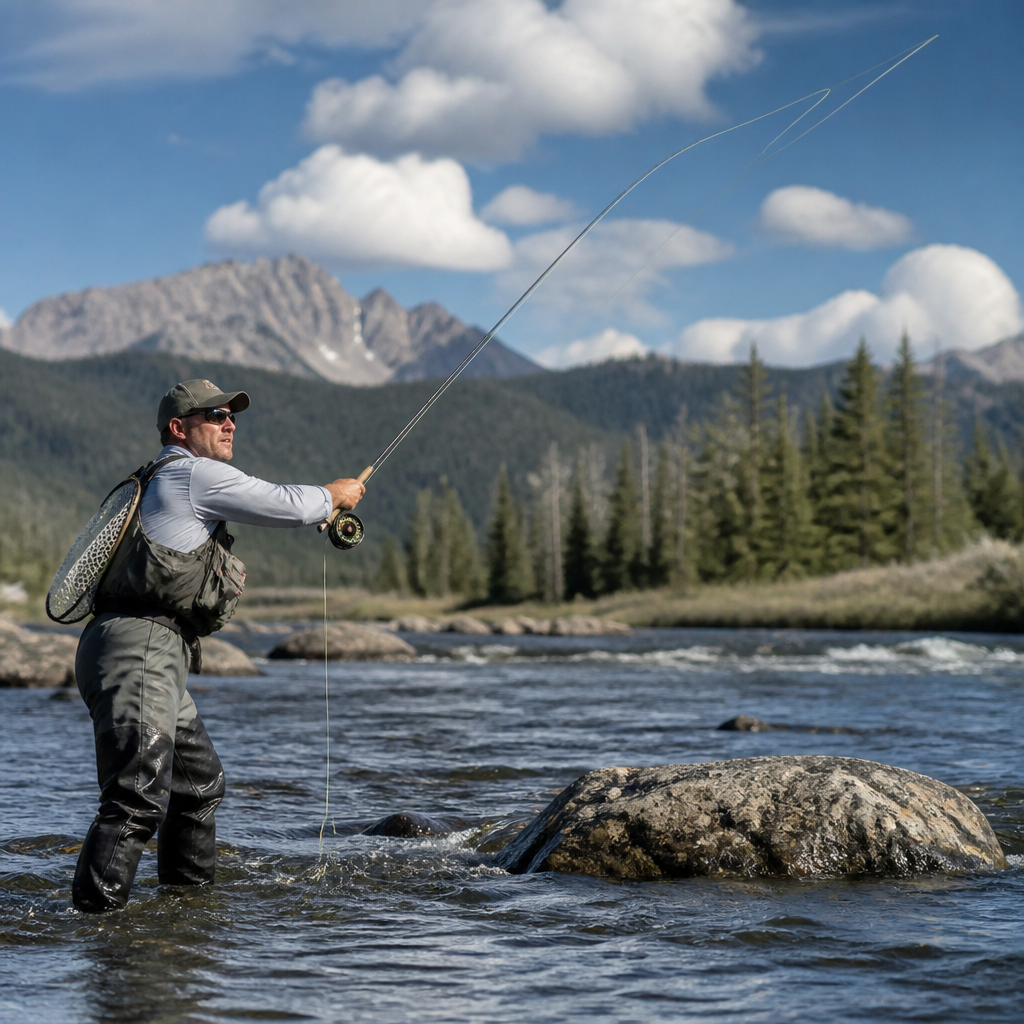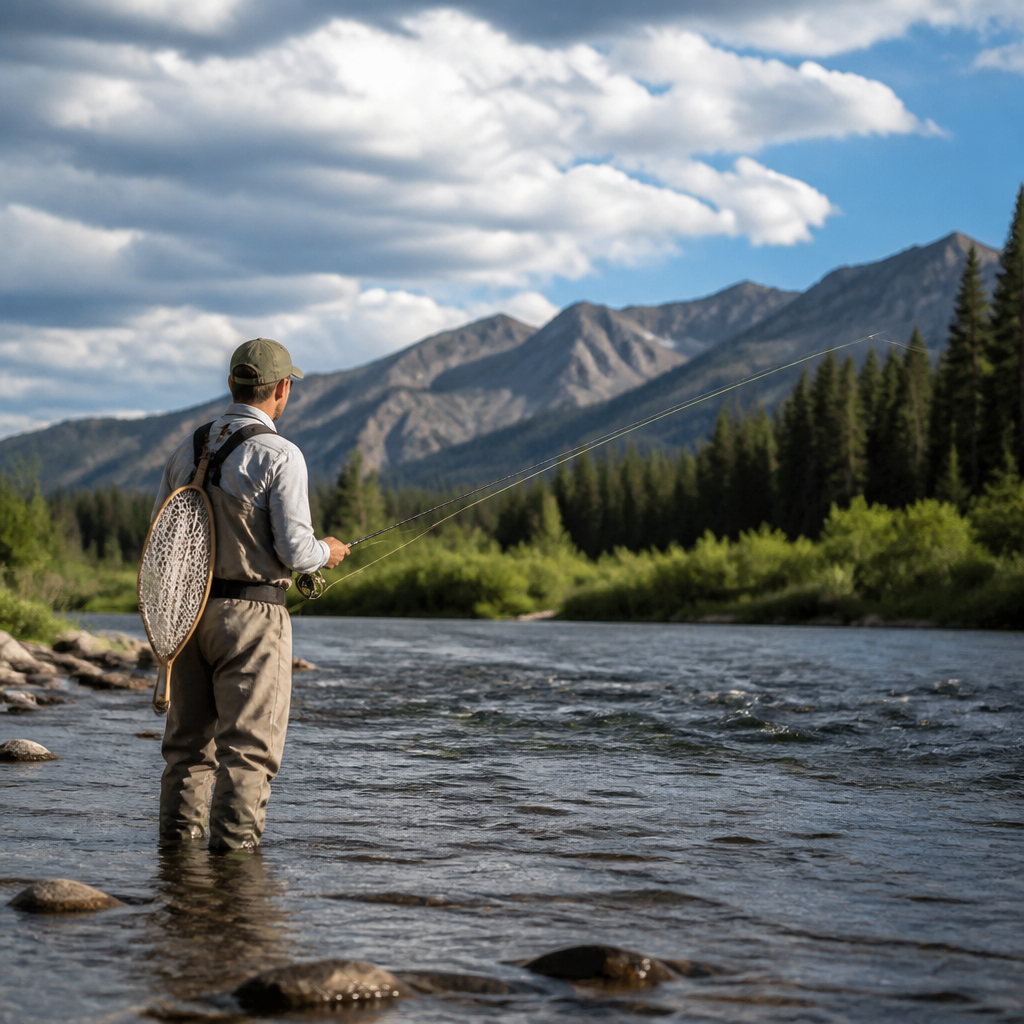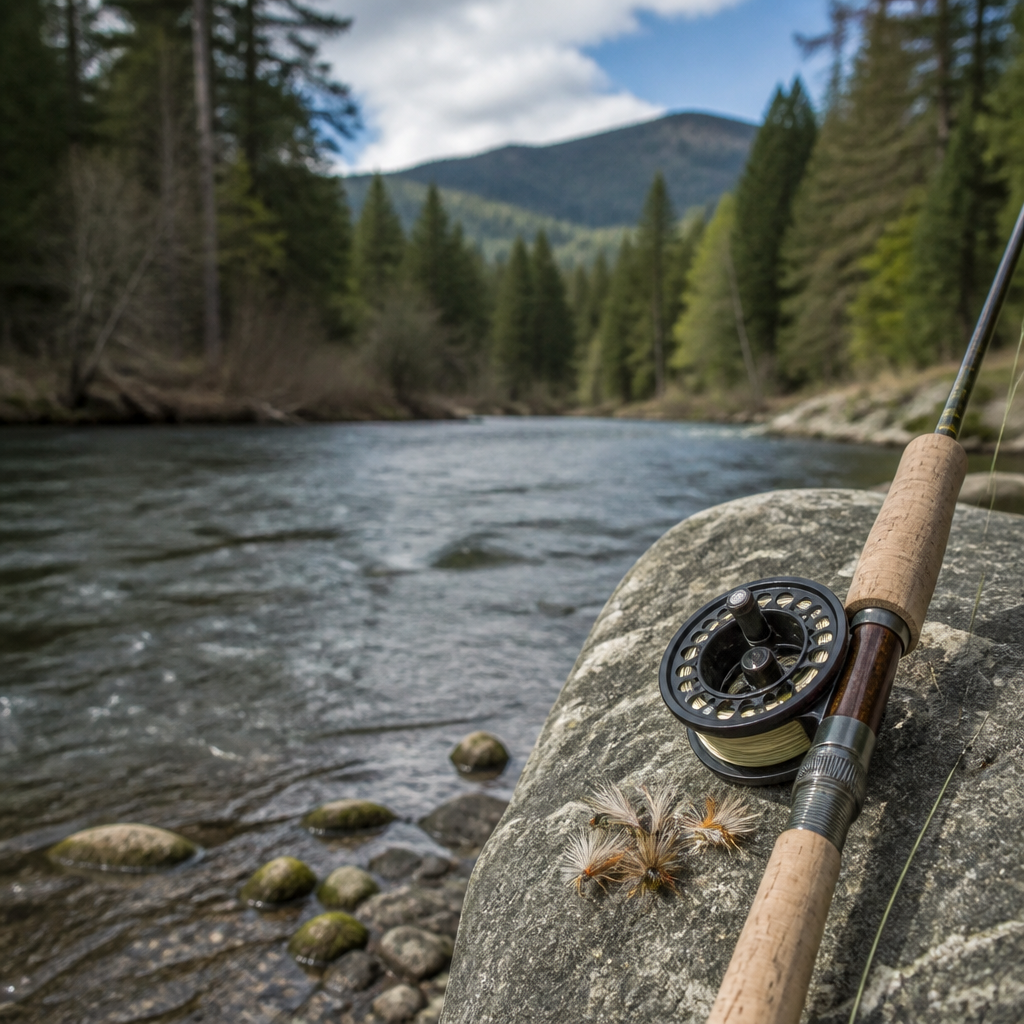
Dry fly fishing is the practice of presenting an artificial fly so it floats on the water’s surface and imitates an adult insect, terrestrial, or other food item trout expect to see in the film. For anglers entering fly fishing, it is the most visually compelling method because the take happens in plain sight: you see the fish rise, track, and sip the fly. That visibility makes dry fly fishing exciting, but it also makes mistakes obvious. A trout inspecting a floating fly can reject it because of unnatural drag, poor size match, the wrong silhouette, or sloppy presentation long before the angler realizes anything is wrong.
When I teach beginners, I define three core terms first. A hatch is the emergence of aquatic insects such as mayflies, caddisflies, or midges. A drift is the path your fly takes on the surface relative to the current. Drag is any unnatural movement caused by your line or leader pulling the fly faster, slower, or sideways compared with the surrounding water. If you understand those three ideas, you understand the foundation of dry fly fishing. The rest is learning to read water, select patterns, and place the fly where feeding fish can accept it naturally.
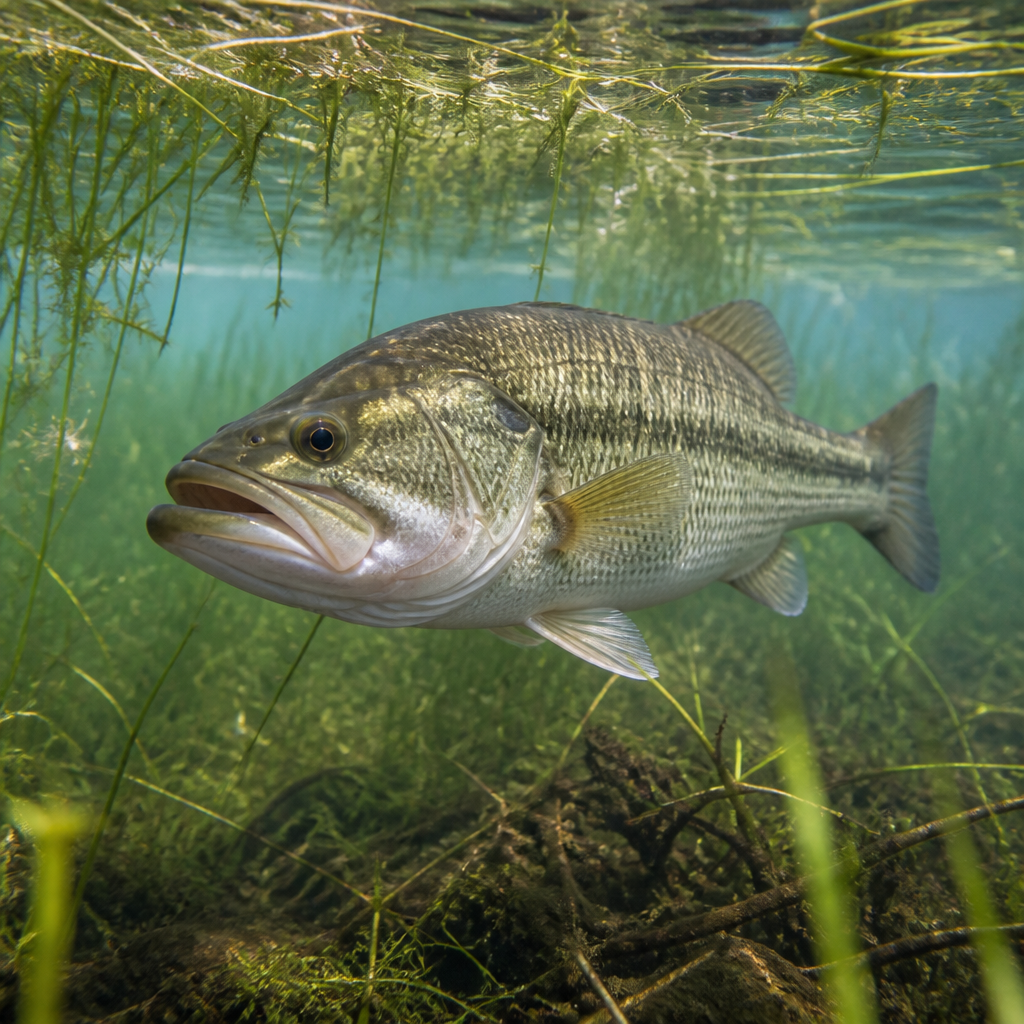
This technique matters because it develops nearly every skill that makes a competent fly angler: observation, entomology, line control, knot choice, casting accuracy, and fish behavior. It also applies far beyond classic trout streams. Anglers fish dry flies for grayling, char, panfish, bass, and even selective carp under the right conditions. On small creeks, a bushy attractor can bring reckless surface strikes. On spring creeks, tiny imitations and long leaders become essential. As a hub topic within techniques and strategies, dry fly fishing connects directly to casting, leader construction, hatch matching, stream reading, and seasonal trout behavior, making it one of the best entry points for mastering fly fishing as a whole.
What dry fly fishing means and when it works best
Dry fly fishing works whenever fish are willing to feed on or just under the surface. The classic scenario is a hatch of mayflies, caddis, or midges, but surface feeding also happens during spinner falls, ant flights, beetle drops, inchworm activity, and low-light windows when trout feel safe rising. The best conditions are usually moderate flows, stable temperatures, and enough insect activity to draw fish upward. Overcast afternoons can extend mayfly hatches, while warm evenings often trigger caddis movement. In summer, terrestrial fishing can stay productive even when no aquatic hatch is obvious.
Beginners often think they need rising fish before tying on a dry. In practice, that is helpful but not required. Prospecting with a dry fly works on pocket water, undercut banks, seam lines, and foam lanes where trout hold near the top. A high-floating attractor like a Royal Wulff, Elk Hair Caddis, or Stimulator can pull fish from surprisingly fast water. On technical rivers, however, obvious rises matter more because trout there frequently key on one stage of one insect. If you see noses breaking rhythmically in a back eddy during a pale morning dun hatch, that tells you not only where to cast but what the fish are eating and how carefully the fly must drift.
Essential tackle for beginners
A 9-foot 5-weight rod is the standard starting point because it balances casting ease, line control, and enough finesse for common trout situations. Pair it with a weight-forward floating line from a reputable manufacturer such as Scientific Anglers, Rio, or Airflo. Dry fly fishing is primarily a floating-line game; while specialty lines exist, a well-matched general trout line handles most learning scenarios. Reels matter less for function than rods and lines in this method, but a smooth drag and dependable frame are still worthwhile for larger rivers and bigger fish.
Leader and tippet choices affect presentation more than many new anglers expect. A 9-foot tapered leader ending in 4X or 5X covers many dry fly situations. If fish are selective or water is flat and clear, moving to a 12-foot leader and 6X tippet often helps. Tippet diameter changes how a fly lands, drifts, and floats. Thicker tippet turns over bushy patterns better but can create more visible disturbance. Thinner tippet improves stealth and drift but is harder to manage and weaker around structure. Carry gel floatant for the fly, desiccant powder for reviving soaked patterns, fine forceps, nippers, and a small amadou patch or drying cloth. Polarized glasses are not optional; they help you track currents, spot fish, and see your fly against glare.
Understanding trout food on the surface
Most dry fly fishing revolves around matching one of four major surface food categories: mayflies, caddisflies, midges, and terrestrials. Mayflies typically sit upright with visible wings and appear in stages anglers imitate as duns and spinners. Caddis are tent-winged and often skitter or flutter, especially adults. Midges are tiny and abundant year-round, particularly on tailwaters and spring creeks. Terrestrials include ants, beetles, hoppers, and other land insects that fall or blow into the water. Trout do not classify bugs by Latin names, but they absolutely key on size, shape, color tone, and behavior.
The simplest path for a beginner is to identify the broad category first, then narrow by size. If you see small olive insects drifting upright and trout making gentle sips, start with a Blue-Winged Olive-style pattern in the right hook size. If tan insects bounce over the current and fish slash aggressively, an Elk Hair Caddis is a logical first choice. In midsummer, when bankside grasshoppers are active, a foam hopper near cut banks can outperform hatch-specific patterns. Exact color matters less than many catalogs imply, but silhouette and size matter a great deal. I have watched trout reject a size 14 when they were clearly keyed to a size 18, even though both were technically the same insect family.
Core presentation skills: drift, drag, and line control
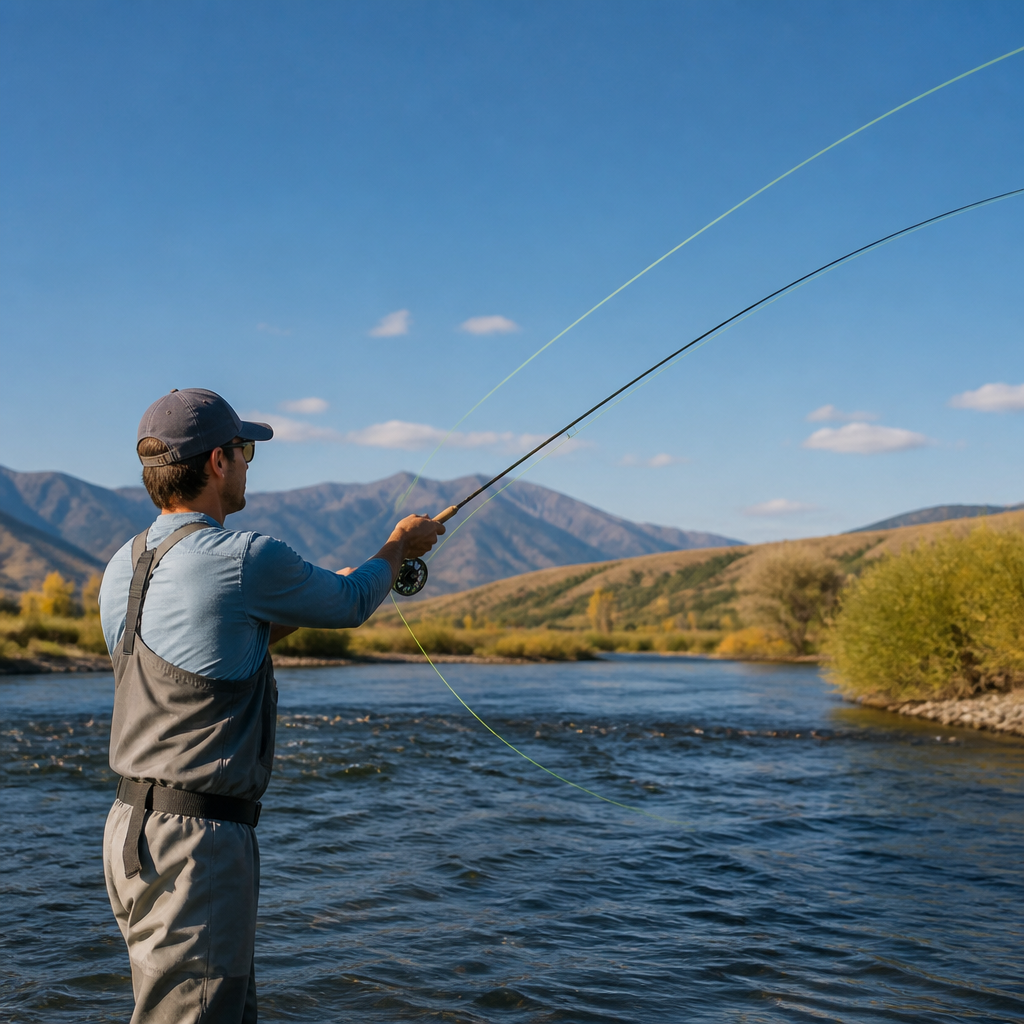
The central goal in dry fly fishing is a drag-free drift. Trout expect natural insects to move at the speed of the current seam they occupy. If your fly wakes, skates unintentionally, or hesitates against nearby bubbles, fish notice. The best beginner casts for dry flies are the upstream cast, the up-and-across cast, and short accurate presentations into feeding lanes. Casting farther is usually less valuable than controlling a short drift well. On many rivers, a 20- to 35-foot presentation catches more fish than a long cast that introduces excess line on the water.
Mending is the main line-control correction after the cast lands. An upstream mend places slack above the fly so faster current does not pull it. A reach cast builds that correction into the presentation before the line lands. On conflicting currents, stack mends or aerial mends create extra slack for longer natural drifts. The rule I teach is simple: if the fly moves differently from the bubbles beside it, fix the angle, leader length, or slack. Also remember that some flies are meant to move. Adult caddis can be twitched or skated intentionally, and hopper patterns often draw strikes with a subtle plop near a bank. Natural drift is the baseline, not the only behavior worth using.
Reading water for dry fly opportunities
Fishable surface lanes exist anywhere trout can hold efficiently and intercept food drifting overhead. On freestone streams, focus on seams where fast and slow water meet, the soft edges below rocks, the heads of pools, and shaded pockets with broken surface texture. Broken water hides leader visibility and lets trout feed with less caution, making it ideal for beginners. Spring creeks and tailwaters require a finer approach because trout there often have more time to inspect the fly in smoother currents. In those places, foam lines, weed edges, spring inflows, and gentle slicks can be prime dry fly habitat if insects are concentrated there.
Rise form offers clues about what fish are eating. A gentle dimple often indicates small insects trapped in or on the film, such as midges or emergers. A confident head-and-tail rise can suggest mayflies. Splashy rises may point to caddis or chasing behavior, though not always. Position matters too. A trout feeding steadily in one lane is a target fish; one that rises once and disappears may not be worth chasing. Before your first cast, watch for cadence, current speed, and where the fish’s window sits. Many refusals happen because the angler casts at the rise ring rather than upstream of the actual feeding position.
Choosing effective dry fly patterns
Beginners do not need hundreds of patterns. They need a compact selection that covers common insect groups, water types, and visibility needs. The table below shows a practical starter lineup I have seen work across small streams, freestones, and many tailwaters.
| Pattern | Imitates | Best use | Typical sizes |
|---|---|---|---|
| Adams | General mayfly | Searching fly, mixed hatches | 12–20 |
| Parachute Adams | Mayfly/emergent silhouette | Flat water, better visibility | 14–22 |
| Elk Hair Caddis | Adult caddis | Riffles, evening caddis, prospecting | 12–18 |
| Royal Wulff | Attractor | Fast water, small streams | 10–16 |
| Stimulator | Caddis, stonefly, attractor | Pocket water, terrestrial crossover | 8–16 |
| CDC Comparadun | Mayfly dun | Selective trout in smooth currents | 14–22 |
| Griffith’s Gnat | Midge cluster | Tailwaters, winter, calm slicks | 18–24 |
| Foam Ant/Beetle | Terrestrial | Summer banks, overhanging cover | 12–18 |
| Foam Hopper | Grasshopper | Late summer banks and meadows | 8–14 |
Pattern style should match the water as much as the insect. High-floating hackled flies excel in riffles because fish have less time to inspect them and visibility is better. Low-riding parachutes, comparaduns, and CDC patterns shine on slow, clear water. If you cannot see a tiny fly, add a small yarn sight marker to the leader or fish a larger visible dry with a tiny dropper where regulations allow. Practical fly selection is about balancing imitation, flotation, and your ability to track the fly well enough to set the hook.
Approach, casting angles, and hooking fish cleanly
Stealth begins before the cast. Trout face into current, so approach from downstream or downstream and across whenever possible. Keep a low profile, avoid sudden wading movements, and use streamside cover. In clear water, your first cast is your best cast because repeated false casts flash line over the fish and repeated drifts teach trout that something is wrong. Accuracy matters more than force. Land the fly above the fish, in the correct lane, with enough slack for a natural drift but not so much that you lose contact.
When the fish rises, do not trout-set by lifting hard with your arm as if striking with a spinning rod. That motion often rips a small dry fly out of the fish’s mouth or breaks fine tippet. Instead, make a controlled lift with the rod while keeping your line hand engaged. Wait until you see or feel weight, then raise smoothly. Once hooked, keep side pressure on the fish and guide it away from fast water or structure. A soft rod tip protects 5X or 6X tippet better than brute force. Barbless hooks simplify release and reduce handling time, which is especially important when water temperatures climb.
Common mistakes and how to fix them
The most common beginner error is changing flies too quickly when the real problem is presentation. If trout refuse a well-matched pattern, check for drag first. Watch the leader butt, not just the fly; if it straightens immediately, you probably need more slack, a better angle, or a longer leader. Another frequent mistake is using too much floatant. Greasing hackle is helpful, but overloading CDC or delicate emergers can ruin their intended posture. Apply the right dressing sparingly and dry the fly thoroughly before re-treating it.
Other errors include poor fly maintenance, overcasting, and fishing the wrong level in the water column. Yes, this is a dry fly hub article, but honesty matters: sometimes fish that seem to be rising are actually eating emergers just under the surface. If repeated refusals continue despite good drifts and size matching, switch to an emerger or dry-dropper setup and test the theory. Also avoid standing where you should cast, especially on small streams. Many anglers wade into fish they could have reached from the bank. Better positioning solves more problems than another dozen fly patterns.
Building a path from beginner to consistent dry fly angler
The fastest way to improve is to practice one variable at a time. Spend a session focusing only on drag-free drifts at short range. Spend another identifying rise forms and insect categories before making a cast. Keep a stream log with hatch timing, water temperature, weather, fly size, and successful presentations. After a season, patterns emerge that no app can teach as clearly as your own notes. Many accomplished anglers I know still log Blue-Winged Olive windows, caddis timing, and productive leader formulas because repeatability is the foundation of real skill.
Dry fly fishing rewards patience more than constant motion. Learn a handful of patterns, carry the right leader sizes, and observe before acting. Read linked resources on hatch matching, leader setup, casting fundamentals, and reading water to deepen each part of this subtopic. If you start with the essentials in this guide and apply them deliberately on the river, you will see more rises, earn more clean takes, and understand why dry fly fishing remains the most studied and satisfying surface method in fly fishing. Pick one river, one hatch, and one simple fly box, then go practice until the drift looks natural to you before it looks convincing to the trout.
Frequently Asked Questions
What is dry fly fishing, and why is it often recommended for beginners?
Dry fly fishing is a fly-fishing method in which the angler presents an artificial fly so it rides on the surface of the water, imitating an adult insect, a terrestrial such as an ant or beetle, or another food item trout are conditioned to recognize in the surface film. It is often the first style new fly anglers become interested in because it is highly visual. Rather than guessing what is happening below the surface, you can often watch the entire sequence unfold: the cast, the drift, the fish rising, the inspection, and the take. That visual feedback makes it exciting, but it also makes it educational. You quickly learn how trout respond to drag, poor presentation, an unnatural landing, or a fly that does not match what is on the water.
For beginners, dry fly fishing provides a strong foundation in core fly-fishing skills. It teaches line control, reading currents, approaching fish carefully, and understanding insect activity. It also rewards observation. Successful dry fly anglers pay attention to water type, rise forms, light, current seams, and what insects are present at a given moment. While it can be unforgiving when trout are selective, it is still an excellent entry point because it clearly shows cause and effect. If your fly drags, sinks, lands too hard, or drifts off line, the fish will often tell you immediately by refusing it. That instant feedback helps new anglers improve faster.
How do you choose the right dry fly when you are just getting started?
Choosing the right dry fly starts with understanding what trout are likely eating on the surface. In basic terms, trout commonly feed on adult aquatic insects such as mayflies, caddisflies, and stoneflies, along with terrestrials like ants, hoppers, and beetles when conditions are right. As a beginner, you do not need to memorize every hatch chart on day one, but you should learn to make simple observations. Look at the air above the water, the water’s surface, and nearby bankside vegetation. If you see small upright-winged insects drifting downstream, a mayfly imitation may be appropriate. If you see fluttering, tent-winged insects or splashy rises, a caddis pattern could be a better choice. If it is summer and there are grasshoppers along the bank, a terrestrial pattern may be worth trying.
Size is often more important than exact pattern. Trout will frequently reject a fly that is too large, too small, or sitting incorrectly in the film even if the general style is close. Start by matching the approximate size and silhouette of what you see. Reliable beginner-friendly patterns often include Adams, Elk Hair Caddis, Parachute Adams, Griffith’s Gnat, and basic ant or hopper imitations. Carry a range of sizes because a fly that looks right in shape but wrong in scale may not fool selective fish. It also helps to keep a simple dry-fly selection organized by insect type and size rather than by brand or complexity. That way, streamside decisions stay practical and focused.
If you do not see obvious insects, choose a versatile searching pattern and fish likely holding water with confidence. General attractor dries can produce fish even when there is no textbook hatch taking place. Over time, your fly choice will become more precise as you learn local rivers, seasonal insect cycles, and how trout behave under different conditions. In the beginning, though, matching size, profile, and presentation is usually enough to get started effectively.
Why do trout refuse a dry fly even when they seem interested?
Trout refusal is one of the defining lessons of dry fly fishing. A fish may rise toward your fly, track it closely, and still reject it at the last second for several reasons. The most common cause is drag. A natural insect floating on the surface usually moves at the speed of the current it is in, while a fly attached to a leader and fly line can get pulled unnaturally by conflicting currents. Even slight drag can be enough to convince a trout that the offering is false. In clear water, especially on slow pools and spring creeks, trout often have plenty of time to inspect a dry fly from below, so unnatural movement becomes obvious.
Another common reason is a poor match in size, silhouette, or stage of the insect. Trout feeding selectively during a hatch may be keyed in on very specific bugs. If your fly is too bushy, too bright, too high-floating, or simply the wrong size, fish may rise short or refuse outright. The way the fly sits in the film also matters. Some naturals ride high, while others sit flush or partially submerged. If your imitation does not behave like the food trout expect, they may reject it after inspection. Tippet that is too thick can also affect drift and make the presentation less natural.
Approach and fish behavior matter as well. If you wade too close, cast a shadow, or line the fish with your fly line, the trout may become suspicious before the fly even arrives. In rougher water, trout often decide quickly, but in smooth water they can be extremely critical. The answer is usually not to cast repeatedly in frustration. Instead, adjust one variable at a time: improve your angle, lengthen your leader, go to finer tippet, change fly size, alter your pattern, or work on a drag-free drift with better mending and slack. Refusals are not just disappointments; they are useful information telling you what to correct.
What makes a good dry fly presentation, and how can beginners improve their drift?
A good dry fly presentation means delivering the fly so it lands softly, drifts naturally, and reaches the trout before conflicting currents pull it unnaturally across the surface. In most cases, the goal is a drag-free drift. That requires more than simply putting the fly near a fish. You need to account for current speed differences between the fly, leader, and fly line. On many streams, several currents are moving at different speeds within the same cast, which means line control is just as important as casting accuracy.
Beginners can improve quickly by focusing on three essentials: position, cast angle, and line management. First, approach from a place that gives the fish the least chance to detect you and gives your fly the best drift path. Often that means casting from downstream or quartering across rather than standing directly above the fish. Second, choose an angle that lets the fly drift naturally into the trout’s feeding lane without the line dragging it. Third, make simple mends when needed to reposition the line on the water and reduce drag. An upstream mend after the cast is one of the most useful skills a new dry fly angler can learn.
It also helps to build a little slack into the presentation with a reach cast, wiggle cast, or a slightly higher stop that lets the leader fall gently. These methods buy the fly extra time before the line tightens. Keep false casting to a minimum, especially over rising fish, and aim for a soft landing. Once the fly is on the water, track it with the rod tip without pulling it. Watch carefully for any subtle take, because trout do not always explode on a dry fly. Many simply sip it.
Finally, fish suitable water while you are learning. Riffles, seams, and broken current are often more forgiving than glassy flats because the surface texture hides minor mistakes. As your control improves, move on to smoother water where trout have more time to inspect the fly. The more you understand current and drift, the more consistent your dry fly fishing will become.
What basic gear and setup do you need for dry fly fishing?
A practical dry fly setup does not need to be complicated, but each piece should support delicate presentation. A common all-around choice is a 9-foot 5-weight fly rod paired with a matching reel and a weight-forward floating fly line. That setup handles a wide range of trout water and gives beginners enough versatility to cast small to medium dry flies effectively. On smaller streams, lighter rods such as a 3-weight or 4-weight can be excellent, while larger rivers and windy conditions may call for a 6-weight. The key is using a rod and line combination that helps you present the fly accurately and gently rather than simply cast long distances.
Your leader and tippet are especially important in dry fly fishing because they create the transition between the thicker fly line and the delicate fly. A standard 9-foot tapered leader is a good starting point, but many anglers lengthen leaders in clear, slow, or technical water. Tippet size should match the fly and conditions. Finer tippet usually improves drift and stealth, but it also reduces strength and can make casting more difficult in wind. For many general trout situations, sizes in the 4X to 6X range are common for dry flies. If fish are highly selective, going finer may help, provided the fly still turns over properly.
You will also want quality floatant to keep your fly riding properly, along with desiccant or drying material if the fly becomes waterlogged. Small accessories such as nippers, hemostats, and fly boxes matter, but the most important “gear” beyond rod and reel is still your ability to observe and adapt. Polarized sunglasses help you read water and reduce glare, making it easier to spot trout and drifting insects