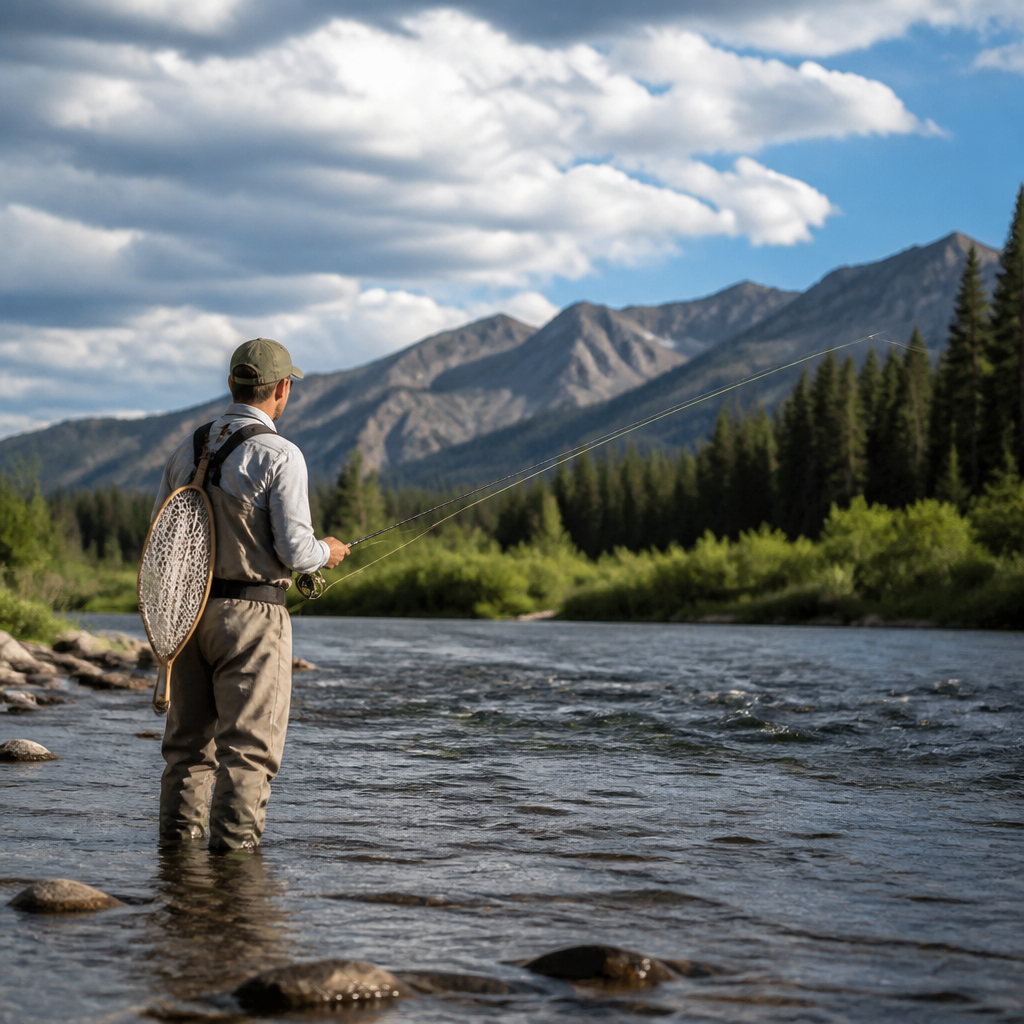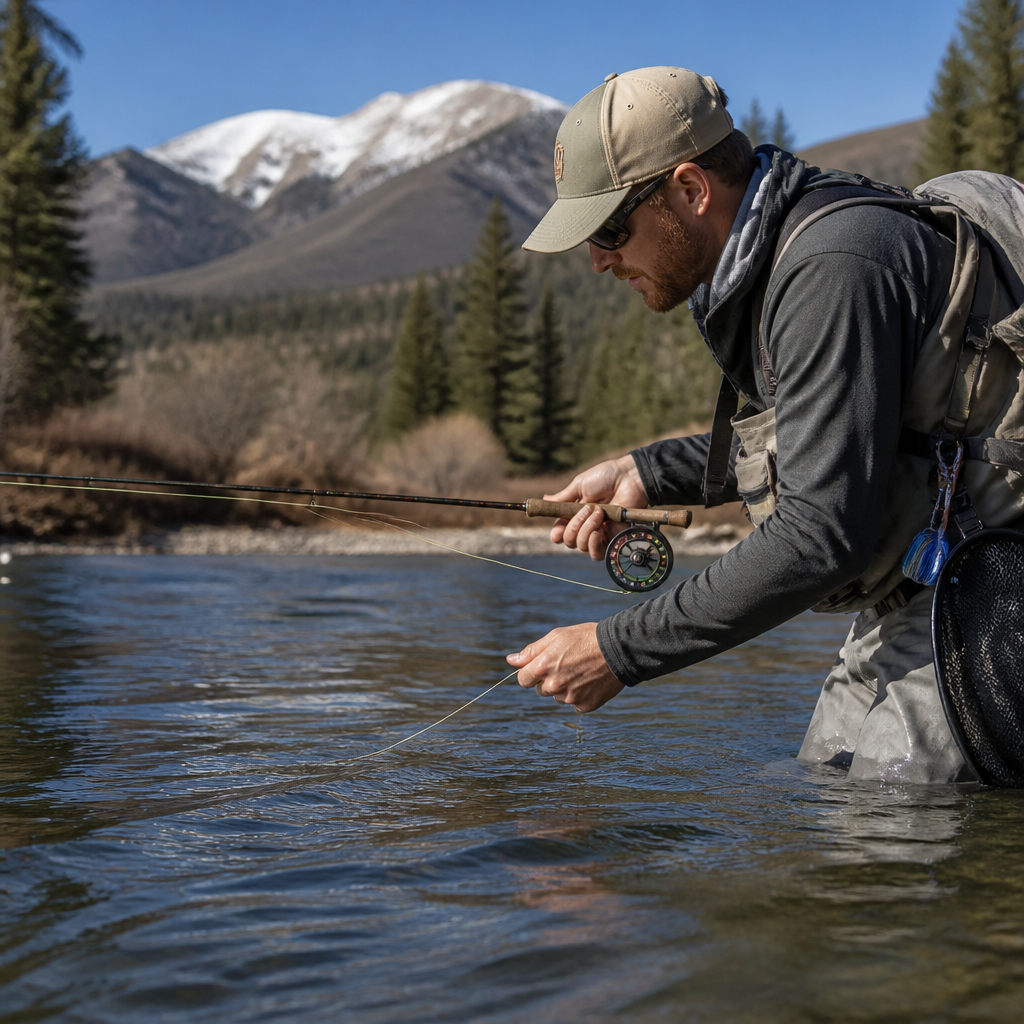
French nymphing is a refined contact-nymphing method built around long leaders, heavily weighted flies, and direct control of the drift to catch trout feeding below the surface. Within the broader family of nymphing techniques, it stands out for sensitivity, reach, and efficiency in pressured rivers where fish reject drag-prone presentations. I have used it on pocket water, broad riffles, and clear tailwaters, and the same pattern keeps proving true: when trout feed subsurface and currents are complex, French nymphing puts more fish in the net than most standard indicator setups.
To define the key terms, nymphing means presenting artificial flies that imitate aquatic insects in their underwater life stage. French nymphing specifically uses a long rod, a long tapered leader, a visible sighter section, and one or two weighted nymphs fished on a tight or semi-tight connection. Unlike suspension systems that rely on a buoyant strike indicator, this method depends on direct contact, visual tracking of the sighter, and careful management of slack. It is closely related to other European styles, but its hallmark is range: the long leader allows controlled drifts well beyond the rod tip while preserving feel.
This matters because most trout eat underwater most of the time. Mayfly nymphs, caddis larvae, scuds, sowbugs, and midge larvae all drift or move near the bottom, where trout can feed efficiently with minimal energy use. A dry fly may be the most visible and romantic choice, but subsurface tactics consistently produce across seasons, especially in cold water, bright conditions, and rivers with heavy angling pressure. For anglers building a complete system under the Techniques and Strategies topic, French nymphing is a core hub because it teaches line control, drift management, strike detection, depth control, and reading current seams better than almost any other method.
The central idea is simple: keep enough connection to detect takes, but not so much tension that the flies drag unnaturally. In practice, that balancing act involves leader design, casting mechanics, rod angle, weight selection, and constant adaptation. Good French nymphing looks controlled rather than flashy. The cast is compact, the drift is deliberate, and the hook set is fast and economical. Once anglers understand those moving parts, this style becomes less mysterious and more like a repeatable system for solving common trout-fishing problems.
How French nymphing works on the water
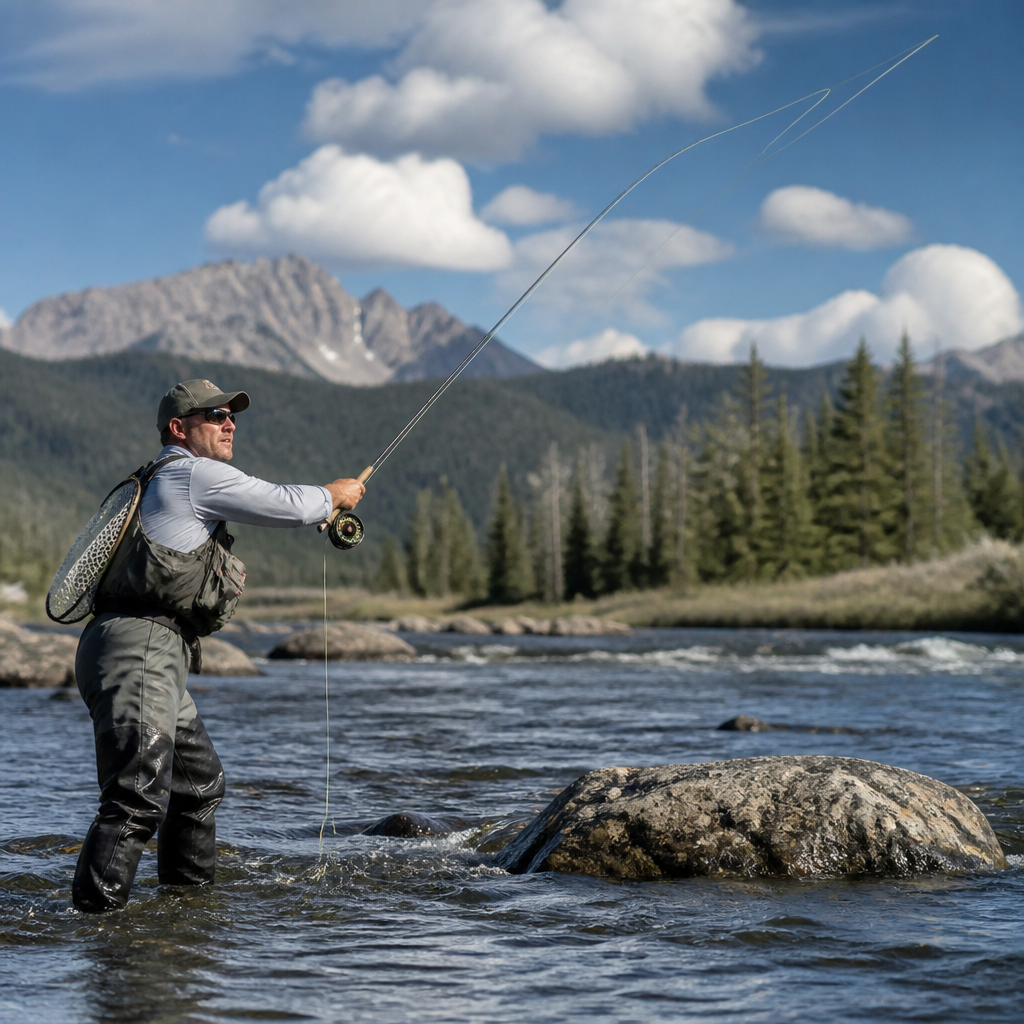
French nymphing works by reducing fly line influence and extending the leader so the angler can guide weighted flies through multiple current lanes with minimal surface disturbance. In a standard overhead or roll-cast presentation, the flies land first, the sighter lands lightly, and the rod tracks high enough to keep only the leader connection over the water. Because little or no fly line touches the surface, crosscurrents have less power to pull the rig off course. That is the main reason this style outperforms indicator nymphing in technical drifts from fifteen to forty feet.
The drift usually begins with the rod tip leading slightly ahead of the flies while the sighter remains angled, not perfectly straight. That small angle gives the flies room to sink while preserving contact. As the flies travel downstream, the angler follows them with the rod, adjusts elevation to match depth and speed, and watches the sighter for hesitation, tightening, or lateral movement. Many takes are subtle. Often the only signal is that the sighter pauses for a fraction of a second in a lane where nothing should stop it. Experienced anglers set on anything unusual because trout can inhale and reject a nymph almost instantly.
Depth control is the governing variable. Trout generally feed close to the bottom because current slows there and food concentrates along the riverbed. If the flies never approach that zone, the drift may look perfect but remain ineffective. If they crash the bottom too aggressively, the rig snags constantly and loses efficiency. The goal is frequent, controlled bottom contact: enough ticks to confirm the flies are in the feeding lane, but not so many that every cast ends on a rock. This is why split-shot-free competition systems often rely on tungsten beads in 3.0 to 4.0 millimeter sizes and slim fly profiles that sink quickly.
Water type changes the presentation. In pocket water, shorter drifts and quick re-casts let anglers probe each seam. In long glides, a longer reach and lower trajectory preserve stealth. On tailwaters with weed beds, lighter bugs and higher rod tracking prevent fouling. On freestone rivers after rain, heavier anchor flies help cut through turbulent surface chop. The method is adaptable, but its success always depends on matching weight, angle, and drift speed to the exact structure in front of you.
Core techniques for presentation, strike detection, and hook sets
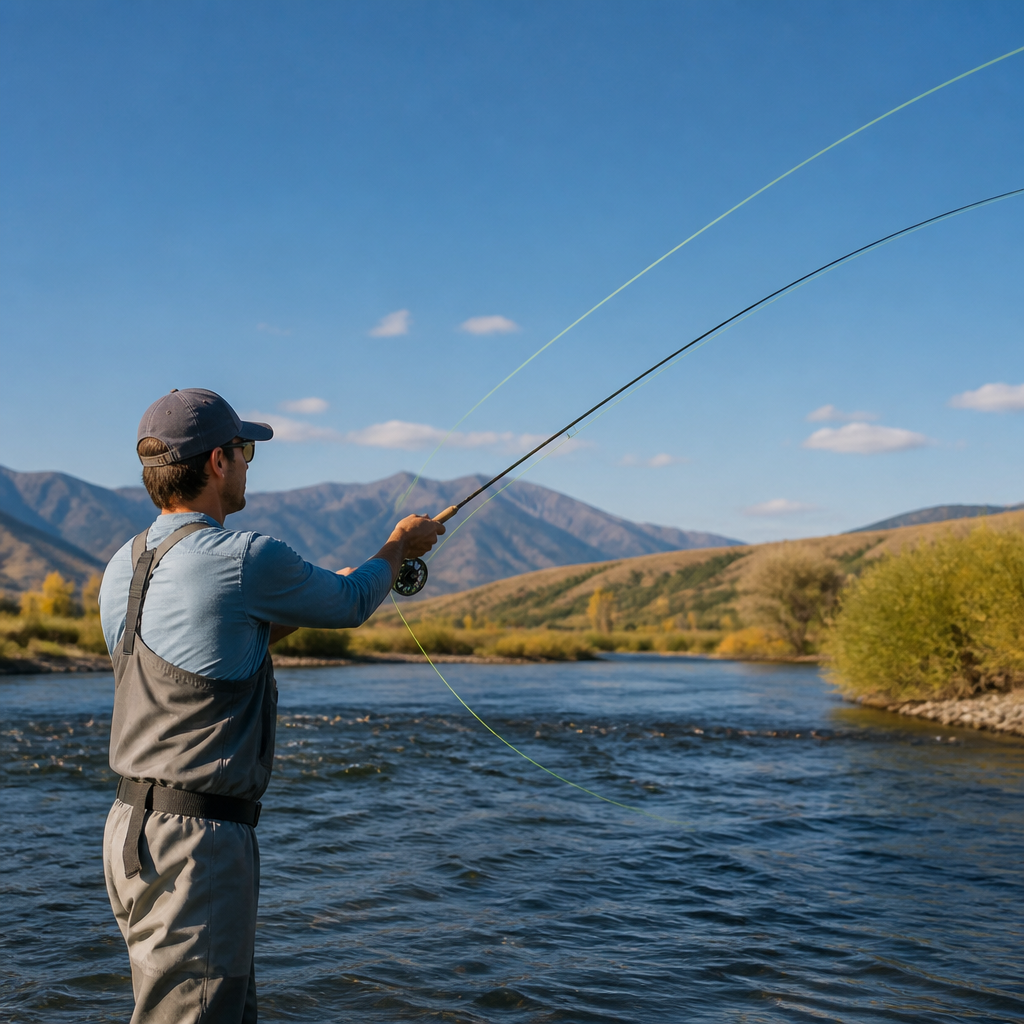
The cast in French nymphing is compact because long leaders can tangle when forced. A smooth lob, often off the water tension of the previous drift, turns over best. I teach anglers to think “send, not snap.” The rod loads with the waterborne weight of the flies, the hand stops high, and the leader unfolds in a narrow plane. Tail loops are especially costly because weighted nymphs can collide with the leader and create knots that ruin turnover. A tight casting arc is useful, but abrupt power application is not.
After the flies land, tracking becomes the most important skill. The rod tip should follow the path of the flies, not simply point straight downstream. In crosscurrents, that may require lateral movement across the body. In steep slots, it may require lifting quickly to maintain contact as the flies drop. The sighter serves as both strike detector and drift gauge. If it straightens too soon, the flies may be dragging. If it piles or sags excessively, contact is lost. The best drifts show a controlled, slightly open connection that tightens only at the end of the presentation.
Hook sets are short, fast, and directional. Instead of a dramatic trout-set with a long backward sweep, French nymphing favors a crisp lift with slight downstream or lateral adjustment based on current angle. That motion removes slack without moving the flies far from the fish. Because the leader is long and thin, too much force can break tippet or launch flies back at the angler. The right set feels like closing a circuit, not ripping line from the water. When in doubt, set. One of the advantages of direct contact systems is that false hook sets cost little compared with missed takes.
Mending is limited compared with fly-line-based nymphing, but micro-adjustments still matter. Rod elevation changes sink rate. Advancing the rod tip buys extra drift length. Lowering the tip increases direct feel in short-range presentations. Side-leading across seams can slow the flies slightly relative to the main current. These adjustments are subtle, yet they separate anglers who simply cast a long leader from those who truly control the underwater path of the flies.
| Situation | Best adjustment | Why it works |
|---|---|---|
| Fast pocket water, short range | Heavier point fly, higher rod tip, shorter drift | Gets down quickly and keeps contact through broken currents |
| Long riffle with conflicting seams | Longer leader reach, minimal fly line on water | Reduces drag from surface currents |
| Clear, shallow glide | Lighter flies, softer cast, lower profile approach | Improves stealth and avoids lining fish |
| Deep run with sporadic bottom contact | Upsize tungsten bead or add heavier anchor fly | Moves the rig into the trout feeding zone |
| Frequent snagging near bottom | Raise rod angle or reduce fly weight one step | Maintains depth while improving drift efficiency |
Essential French nymphing gear
The ideal rod is long, light, and protective of fine tippet. Modern European nymphing rods commonly measure 10 to 11 feet in 2-, 3-, or 4-weight line ratings. That extra length increases reach, keeps more leader off the water, and improves strike detection. In my own fishing, a 10-foot 3-weight is the most versatile choice for mixed trout water, while an 11-foot rod shines on wider rivers and technical drifts. A softer tip cushions 6X or 7X tippet, while a responsive butt section helps steer fish in current. Well-known options come from brands such as Sage, Orvis, Thomas & Thomas, Cortland, Hardy, and Syndicate.
The reel matters less than the rod, but balance is important. A slightly heavier reel can counterbalance a long rod and reduce wrist fatigue over a full day. A smooth drag is useful on large rivers where hooked fish run hard, though many trout are still landed by hand pressure on the spool rim. Fly line is specialized. Some anglers use a standard weight-forward line, but purpose-built nymph lines under World Fly Fishing rules are thinner and lighter to minimize sag. For anglers who fish multiple methods on one outfit, a conventional line works, but dedicated systems usually perform better.
Leader design is the real engine of the setup. A common formula starts with a butt section around 20 to 25 feet total leader length, then a high-visibility sighter made from bi-color material, followed by tippet ring and terminal tippet. The exact lengths vary by rod, casting skill, and local regulations, but the purpose remains the same: transfer energy efficiently, remain visible to the angler, and maintain a delicate connection to the flies. Sighter materials from brands like Cortland, Fulling Mill, and Scientific Anglers make micro-movements easier to see under mixed light.
Tippet is usually fluorocarbon in 4X to 7X, chosen for sink rate, abrasion resistance, and low visibility underwater. Fluorocarbon is not invisible, despite common marketing claims, but its refractive index and density make it practical for subsurface use. Tippet rings simplify rebuilding and preserve the tapered leader. Fly selection centers on slim, dense patterns: Perdigons, Pheasant Tails, Hare’s Ears, Frenchies, Walt’s Worms, jig nymphs, and caddis pupa imitations. Tungsten beads are standard because tungsten is roughly 1.7 times denser than lead, allowing compact flies that sink quickly without oversized profiles.
Building productive rigs and choosing flies
Most French nymphing rigs use one or two flies. A two-fly setup typically places the heavier anchor fly on the point and a lighter, more imitative fly on a dropper tag above it. This arrangement covers both depth and profile. The point fly gets the system down, while the upper fly drifts slightly higher where trout often intercept food. On some days, the dropper outfishes the anchor by a wide margin, especially during emergences when insects rise through the water column. On other days, fish pin themselves to the point fly because it rides nearest the bottom.
Tag placement affects both presentation and tangle resistance. Short tags around three to six inches are common because they keep the dropper close to the main leader and reduce spinning. Spacing between flies often falls in the 18- to 30-inch range. In fast water, closer spacing can keep both flies in the productive lane. In moderate depth, wider spacing samples more of the column. If regulations prohibit two flies, a single heavy jig pattern is often the cleanest solution and still catches fish consistently.
Choosing flies should begin with food forms present in the river, then adjust for sink rate. Too many anglers start with color and skip entomology. In most trout streams, mayfly nymphs in olive, brown, and black matter more than bright attractor colors, though hot spots can trigger reaction takes in stained water or competition situations. Perdigons are excellent search flies because their resin-coated, slim bodies sink rapidly. Pheasant Tails and Frenchies suggest a wide range of mayfly species. Walt’s Worms imitate caddis larvae or general subsurface food. Jig hooks paired with slotted tungsten beads also ride hook-point-up, reducing bottom snags.
Seasonal adjustments help. Winter often favors smaller sizes, slower drifts, and deeper lanes because trout conserve energy in cold water. Spring runoff may require larger flies, heavier beads, and shorter leaders in dirty flows. Summer can be technical: low clear water demands stealth, fine tippet, and precise first drifts. Autumn frequently rewards aggressive patterns as trout feed before winter and territorial behavior increases around spawning periods, though anglers should avoid targeting active redds and spawning fish directly.
Where French nymphing fits among other nymphing techniques
As the hub for nymphing techniques, this method is best understood in comparison with adjacent systems. Indicator nymphing excels for deep drifts, large rivers, and situations where long dead drifts under suspension are easier than maintaining contact. Tight-line short-line tactics dominate at close range in turbulent pocket water. Czech and Polish styles often emphasize heavier flies and shorter, more vertical control. Spanish competition approaches may extend leaders even further for ultra-long drifts. French nymphing sits in the middle as a versatile contact method with unusual reach and finesse.
Its main advantages are sensitivity, stealth, and current control. Because less fly line lands on the water, fish see less disturbance. Because the leader remains connected, small takes are easier to detect. Because the angler can hold line off conflicting seams, drifts stay natural longer. The limitations are just as real. Strong wind complicates casting and sighter visibility. Very deep pools can be easier with an indicator and split shot. Beginners sometimes struggle with long leader turnover, depth judgment, and fighting fish on light tippets. None of these are fatal flaws, but they shape when the method is the best tool.
For anglers building a complete trout strategy, the practical answer is not either-or. French nymphing should sit beside indicator rigs, dry-dropper systems, streamers, and dry flies as part of an adaptable kit. Learn it thoroughly, then switch based on water depth, current complexity, fish position, and weather. That flexibility is what consistently produces fish across rivers rather than occasional success on one ideal beat.
French nymphing is one of the most effective ways to fish subsurface because it combines direct contact, precise depth control, and low-drag presentation in a system that remains adaptable across river types. The essentials are clear: use a long responsive rod, build a leader with a visible sighter, choose flies that match both food and sink-rate needs, and manage the drift with deliberate rod tracking rather than passive waiting. When trout feed near the bottom, those fundamentals consistently outperform guesswork.
As a hub within nymphing techniques, this style also teaches broader skills that improve every trout angler: reading seams, controlling slack, identifying feeding lanes, and recognizing subtle takes. Its strengths are especially obvious in riffles, runs, and pressured clear water, while its limits in strong wind or extreme depth explain why other methods still matter. The smartest anglers do not treat techniques as dogma. They understand the tradeoffs, then pick the system that gives the fly the most natural path through the fish’s window.
If you want to become more effective below the surface, start by practicing French nymphing on water you already know well. Fish one leader formula for several outings, vary fly weight before changing patterns, and pay close attention to where bottom contact begins and ends in each drift. Build from there into specialized rigs and related nymphing methods. Master this hub technique, and the rest of your subsurface game becomes sharper, more consistent, and easier to adapt anywhere trout swim.
Frequently Asked Questions
What is French nymphing, and how is it different from other nymphing methods?
French nymphing is a highly refined contact-nymphing approach designed to keep you closely connected to your flies throughout the drift. It relies on a long leader, thin tippet, and weighted nymphs to reach the strike zone quickly while minimizing slack and drag. Instead of depending on a floating indicator or a heavily mended fly line, the angler maintains near-direct contact with the flies and tracks the drift with the rod tip. That direct connection is what gives French nymphing its reputation for exceptional sensitivity and strike detection.
Compared with indicator nymphing, French nymphing is more subtle and usually more precise in complex currents. An indicator can be effective, but it often introduces extra surface drag and creates a less direct link to the flies. French nymphing removes much of that interference. Compared with tight-line methods like Czech or Polish nymphing, French nymphing often uses a longer leader and allows for longer drifts at greater distance, especially in broad riffles, glides, and clear tailwaters where fish are wary and drag-free presentations matter. In practical terms, it excels when trout are feeding below the surface and currents are too varied for a standard drift to remain natural for long.
What gear do I need to fish French nymphing effectively?
A purpose-built setup helps a lot, although you can start with a standard trout rod and adapt from there. Most anglers prefer a long, light rod in the 10- to 11-foot range, typically in a 2- to 4-weight. That extra length improves reach, line control, and strike detection while helping protect fine tippet during the fight. A soft but responsive tip is especially useful because it cushions light tippets and makes it easier to lead the flies cleanly through changing current seams.
The leader system is one of the defining pieces of the method. A French nymphing leader is generally much longer than a standard leader and often includes a long butt section, a highly visible sighter, and then a fine tippet section. The sighter acts as your visual strike indicator and should be easy to see in different light conditions without adding too much sag. Thin tippet is important because it cuts through the water with less resistance and allows the weighted flies to sink faster and drift more naturally. Fluorocarbon is commonly used for the terminal section because it sinks well and offers good abrasion resistance.
Fly selection usually centers on compact, heavily weighted nymphs that get down quickly without creating unnecessary bulk. Tungsten-bead patterns are staples, and many anglers carry a mix of slim mayfly nymphs, caddis larvae, perdigons, and attractor-style patterns in varying weights. Often, success depends less on exact imitation and more on putting the fly at the right depth with the right level of control. You do not need an enormous amount of equipment, but the right rod, leader, and flies make the technique far more efficient.
How do you actually fish the drift when French nymphing?
The basic goal is simple: get the flies to the trout’s level quickly, maintain controlled contact, and let them drift naturally without dragging or swinging unnaturally. In practice, that means making a relatively short cast or lob upstream or upstream-and-across, then immediately elevating and tracking with the rod tip as the flies sink and drift. You want the leader to stay off conflicting currents as much as possible, with only the necessary amount of line and leader in or on the water.
Good French nymphing is really about controlled tension. Too much tension and you pull the flies off their natural path. Too little and you lose touch, miss subtle takes, and allow slack to ruin your strike response. The sweet spot is a light, consistent connection where you can follow the flies through seams, depth changes, and speed shifts without dragging them. Watch the sighter constantly. Any hesitation, straighten, twitch, dip, or unnatural acceleration can signal a take. Many strikes are soft, especially in clear water or pressured fisheries, so if something looks different, set the hook.
As the drift progresses, adjust rod angle and tracking speed to match the current. In pocket water, this may mean short, repeated drifts with constant repositioning. In broad riffles, it often means extending your reach and covering lanes methodically. In clear tailwaters, it may mean staying farther back and using the long leader to maintain stealth while still keeping control. At the end of the drift, many anglers allow a brief lift or controlled hang before recasting, since trout sometimes take as the flies rise. The method looks technical at first, but the core principle never changes: depth, contact, and drift control win.
When does French nymphing work best, and where is it most effective?
French nymphing shines whenever trout are feeding subsurface and the current is complex enough to make drag-free presentation difficult with more traditional approaches. It is especially effective in pressured rivers where fish have seen plenty of indicators, poor drifts, and overly splashy presentations. Because the method allows you to keep a natural drift with limited interference from the fly line, it consistently produces in places where trout reject anything that behaves unnaturally.
It is an excellent choice in pocket water, broken riffles, runs with multiple current speeds, and clear tailwaters where fish hold at varying depths. In pocket water, the direct contact helps you probe short lanes quickly and detect fast takes before the flies leave the strike zone. In broad riffles, the long leader and rod reach let you cover water efficiently while keeping line off the surface currents. In tailwaters, the method offers both stealth and precision, which matters when trout have time to inspect a drifting nymph.
Seasonally, French nymphing is productive year-round, but it is particularly strong when trout are focused on nymphs rather than surface food. During colder periods, when fish hold deeper and feed more selectively, the ability to present weighted flies at exact depth is a major advantage. During higher but manageable flows, it also helps you reach fish hugging the bottom. Even in warmer months, when hatches are inconsistent or fish refuse dries, French nymphing remains one of the most reliable ways to connect with feeding trout.
What are the most common mistakes beginners make with French nymphing?
The most common mistake is fishing without enough depth. Many anglers think they are near the bottom when they are actually drifting too high in the water column. If the flies are not getting down quickly enough, add weight, lengthen the drift slightly, or adjust tippet and fly choice so the rig penetrates faster. Trout feeding near the bottom often will not move far to intercept a nymph, so being even a little too shallow can dramatically reduce results.
Another frequent issue is poor contact management. Beginners often fish with either too much slack or too much tension. Excess slack makes strike detection late and unreliable, while over-tight contact drags the flies and creates an unnatural drift. Learning to maintain just enough connection is the heart of the method. Closely related to that is failing to watch the sighter. In French nymphing, visual cues are critical, and many takes are so subtle that they would be missed without disciplined observation.
Anglers also commonly overcast. French nymphing is not usually about long fly-line casts; it is about efficient, controlled presentations at practical range. Trying to cast too far often reduces accuracy, depth control, and strike detection. Finally, many beginners move too quickly through good water. This technique rewards methodical coverage. Change angles, adjust weight, fish multiple lanes, and repeat productive drifts. Once you understand how depth, contact, and current interact, French nymphing becomes far less mysterious and far more deadly.