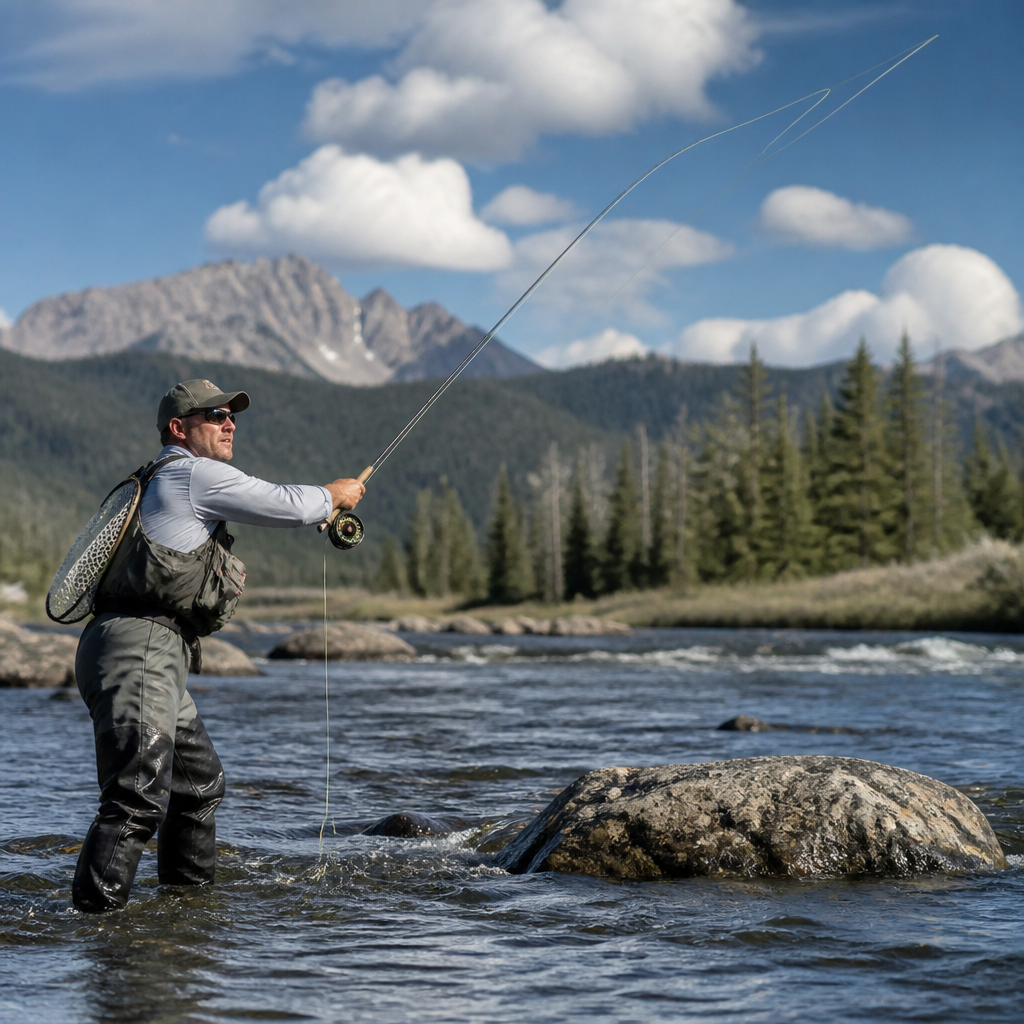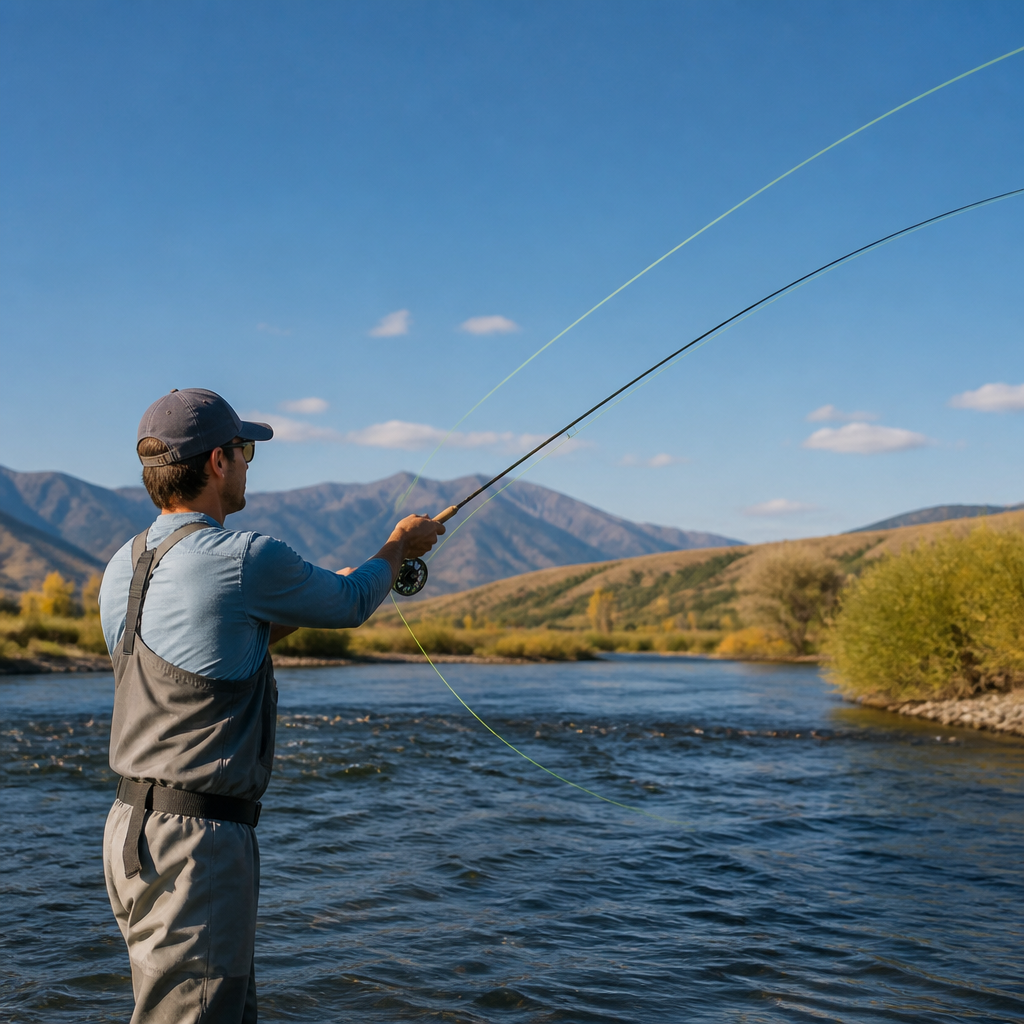
Nymph fishing is one of the most consistent and technically rewarding ways to catch trout, grayling, and other river fish, because it targets the stage of aquatic insects that fish eat most often: the underwater nymph. In practical terms, nymphing means presenting an imitation below the surface at the depth and speed where fish are feeding, then detecting often subtle takes before the fish rejects the fly. As a hub topic within techniques and strategies, nymphing deserves careful treatment because success depends on a blend of entomology, rig design, casting control, drift management, strike detection, and river reading. I have spent many seasons guiding and fishing nymphs on freestone streams, tailwaters, and spring creeks, and the pattern is always the same: anglers who understand depth, contact, and drift catch far more fish than anglers who simply tie on a fly and hope.
The term nymph covers immature aquatic insects such as mayflies, stoneflies, and caddis larvae or pupae, along with other subsurface foods like sowbugs, scuds, worms, and midge larvae. Because trout feed underwater for most of the year, nymph fishing often outperforms dry-fly fishing, especially in cold water, high sun, fast currents, and pressured conditions. It matters to beginners because it raises catch rates quickly, and it matters to advanced anglers because the smallest refinements in angle, weight, leader formula, or indicator placement can transform a slow day into a memorable one. This article explains the core nymphing techniques every angler should know, when each approach works best, and how to choose tools and tactics that match the water in front of you.
A useful starting definition is this: effective nymphing is controlled dead drift, or near dead drift, delivered at the right depth with immediate strike awareness. Everything else supports those goals. Some methods use a strike indicator for visibility, some rely on direct contact through tight-line systems, and others suspend flies beneath larger dry flies. Regardless of style, the fundamentals remain stable: read the seam, estimate feeding depth, use enough weight to reach that zone, control slack, and adjust constantly. Once you grasp those principles, the many branches of nymphing become easier to understand and far easier to fish well.
Understanding how fish feed on nymphs
Trout do not feed randomly underwater. They position where current delivers food efficiently while conserving energy, usually near seams, cushion water in front of rocks, drop-offs, ledges, undercut banks, and transition lanes where fast and slow currents meet. In pocket water, fish often sit only inches from the bottom behind a rock, rising a short distance to intercept drifting nymphs. In long runs, they may line up along a depth contour where current speed and oxygen levels are ideal. On tailwaters, selective trout can hold in soft slots and feed on tiny midges or sowbugs all day. Understanding those feeding positions is the basis of all successful nymphing techniques.
Most natural nymphs drift close to the streambed during much of their life cycle, which is why anglers hear the phrase “if you’re not occasionally ticking bottom, you’re probably not deep enough.” That statement is broadly true, though not absolute. During active migration or emergence, insects may rise through the column, and fish may suspend to intercept them. Caddis pupae, for example, often ascend quickly, and trout respond with more aggressive takes than they show on drifting mayfly nymphs. Stonefly nymphs tend to stay deeper and move near banks before hatching. When I approach a new river, I start by asking a simple question: are fish feeding on bottom-oriented drift, ascending insects, or a mixture of both? The answer dictates the rig and presentation.
Water temperature, flow level, light intensity, and angling pressure all shape feeding behavior. In cold water, trout often narrow their feeding window and hold in slower water where they can eat without burning energy. In higher flows, fish slide to edges, softer shelves, and inside seams while still taking nymphs aggressively. In clear, low summer water, they may inspect flies more closely, making fine tippet and natural drifts more important. These conditions explain why no single nymphing method wins everywhere. The best anglers are not loyal to one setup; they are loyal to solving the feeding problem fish present on a given day.
Core nymphing techniques and when to use them
Indicator nymphing is the most accessible and versatile approach. A buoyant indicator suspends one or more flies and signals depth and strikes. This method shines in medium to large rivers, deeper runs, mixed current speeds, and situations where longer drag-free drifts matter more than direct contact. It is especially effective for beginners because the visual cue helps with timing, but experts use it too because it covers water efficiently. The key is setting the indicator at roughly one and a half to two times the water depth as a starting point, then adjusting until the flies drift naturally near the bottom without hanging up constantly.
Tight-line nymphing, including modern European styles, removes or minimizes the indicator and uses a long leader, thin line, and direct connection to the flies. This system excels in pocket water, short to medium ranges, and complex currents where floating line creates drag. By leading the flies with the rod tip and maintaining controlled contact, the angler feels or sees takes through a colored sighter. In my experience, this approach often outperforms indicator rigs in broken water because it reaches depth quickly and reduces slack. Its limitation is range: once fish are far away or currents become too broad, maintaining clean contact becomes harder.
Dry-dropper fishing combines a buoyant dry fly with a nymph suspended below it. On riffles, banks, and summer trout water, it is an efficient searching system because it can catch fish on either fly while keeping the presentation relatively light. It is not ideal for the deepest winter slots, but it is superb for covering moderate-depth water where trout may eat nymphs below and opportunistically rise to a terrestrial or attractor dry. High-stick nymphing, a close-range method often used before it had a fashionable label, remains one of the deadliest forms of presentation in pocket water. The angler keeps most line off the water, tracks the drift with the rod tip, and controls depth with split shot or bead-head flies.
| Technique | Best water type | Main strength | Primary limitation |
|---|---|---|---|
| Indicator nymphing | Runs, seams, deeper drifts, larger rivers | Long natural drift with clear strike detection | More surface drag in complex currents |
| Tight-line nymphing | Pocket water, riffles, short to medium range | Fast sink rate and direct contact | Less effective at long range |
| Dry-dropper | Shallow to medium riffles, banks, summer water | Covers two feeding levels at once | Limited depth and weight capacity |
| High-stick nymphing | Close pocket water and broken current | Excellent drift control | Requires close approach |
Choosing among these nymphing techniques starts with current complexity, target depth, and distance to the fish. If the run is ten feet deep and forty feet away, an indicator rig usually gives the cleanest drift. If the water is three feet deep with fast chop and boulders, a tight-line or high-stick approach often gives better control. If trout are opportunistic and the water is moderate, a dry-dropper can search quickly and fish pleasantly. Successful anglers switch systems without ego. Matching method to water is one of the clearest separating lines between average nymph fishers and consistently productive ones.
Building an effective rig: rod, leader, weight, flies, and tippet
Nymph rigs work when their components support the intended presentation. For general trout fishing, a 9-foot 5-weight rod remains the all-around standard, but many dedicated nymph anglers prefer rods from 10 to 11 feet in 2- to 4-weight configurations for better reach, line control, and strike detection. Longer rods mend line more easily on indicator setups and extend contact in tight-line presentations. Reels matter less than rods, though a smooth drag helps on larger rivers. Floating line is standard for indicator and dry-dropper fishing, while specialized thin euro lines or mono rigs are common in tight-line systems.
Leader construction is where many drifts are won or lost. An indicator setup may use a 9-foot tapered leader extended with fluorocarbon tippet and enough distance from indicator to flies to achieve depth. Tight-line leaders are more specialized, often built from a butt section, transition material, a brightly colored sighter, and fine tippet to the point fly. Thinner diameter cuts through water faster, allowing nymphs to sink sooner. Fluorocarbon is popular because it is denser than nylon and generally more abrasion resistant, though nylon remains useful when extra suppleness or float characteristics are preferred above the terminal section.
Weight is not an accessory; it is depth control. Tungsten beads sink faster than brass and have changed modern nymphing dramatically. Split shot still has an important role, especially when you need to adjust depth quickly without changing flies. As a rule, place enough weight to reach the feeding lane early in the drift, but not so much that the flies plow unnaturally. Two-fly rigs are common because the heavier point fly helps anchor depth while a lighter dropper offers a second food signal. Productive patterns include pheasant tails, hare’s ears, perdigons, zebra midges, caddis pupae, stonefly nymphs, and regional staples like scuds or sowbugs where those foods dominate. Match size before exact color, and match behavior before exact appearance.
Presentation, strike detection, and drift control
The best nymph pattern fails if the drift is wrong. Presentation begins before the cast with approach angle and target selection. Enter the water quietly, avoid throwing your shadow across the seam, and start close before working farther out. Cast slightly upstream or upstream-across often enough to allow sink time, then immediately manage slack. On indicator rigs, mend early and sparingly to align line with current lanes. On tight-line rigs, lead the flies with the rod tip at the same pace as the current, staying connected without dragging them. The ideal drift looks unforced because the flies move at the speed of the water surrounding them.
Strike detection separates capable nymph anglers from exceptional ones because many takes are nearly invisible. With an indicator, any hesitation, dip, sideways slide, or unnatural stall deserves a hook set. With tight-line methods, watch the sighter for twitches, straightening, or subtle acceleration; at the same time, stay alert for faint taps transmitted through the rod. Set on anything suspicious. Trout reject artificial nymphs quickly, and hesitation costs fish. A short, efficient lift of the rod usually suffices. Massive hook sets create tangles, move flies out of the zone, and break fine tippet.
Drift control also means controlling the end of the drift. Many fish eat as flies begin to rise at the end, imitating emerging insects. Allowing a slight lift can be deadly with caddis pupae and soft hackles. Conversely, in a classic dead-drift scenario, too much swing creates drag and pulls flies out of the feeding lane. Good nymphing therefore involves constant micro-decisions: add weight, move the indicator, shorten the cast, change angle, alter fly spacing, or switch from bottom-oriented nymphs to emergers. I routinely tell clients that nymphing is not passive fishing. It is active problem solving measured in inches and seconds.
Reading water, adapting to conditions, and avoiding common mistakes
Reading water well lets you fish the highest-percentage lies first. In riffles, focus on slots with broken surface texture that gives trout cover. In runs, prioritize seams, depth changes, and current tongues that funnel food. In pocket water, target the soft cushions in front of rocks, the darker slots behind them, and any short foam line that marks converging currents. On stiller spring creeks, fish often hold where weed beds create lanes, and precise casts with smaller nymphs become essential. During runoff or after rain, the edges can be far better than the middle because trout avoid the heaviest current while continuing to feed.
Common mistakes repeat across skill levels. The biggest is fishing too shallow. The second is too much slack, which delays strike detection and prevents proper sink. The third is using one approach all day despite clear evidence it is not working. Other errors include casting too far, wading through good holding water, refusing to rotate fly size, and failing to observe natural insects under rocks or in the drift. A simple seine or quick look at streamside shucks can reveal whether size 18 baetis, caddis pupae, or larger stoneflies should guide your choices. That observation is often more valuable than changing colors repeatedly.
Seasonal adaptation is equally important. Winter nymphing usually favors slower water, smaller flies, and precise drifts near the bottom. Spring can bring both heavy flows and major hatches, rewarding stonefly nymphs, worms, and then mayfly imitations as water stabilizes. Summer often opens the door to dry-dropper rigs, lighter weight, and opportunistic fish in riffles. Fall can combine aggressive feeding with low clear conditions, so stealth and tippet management matter. If you want to improve quickly, keep notes on river level, temperature, rig, fly size, and productive water type. Patterns emerge fast, and those records turn isolated good days into a repeatable system.
Nymph fishing rewards anglers who treat the underwater drift as a craft rather than a guess. The central lesson is simple: fish where trout actually feed, get the flies to that level quickly, and maintain enough control to detect and answer every credible take. Whether you prefer indicator nymphing on broad runs, tight-line systems in pocket water, high-stick drifts at close range, or a dry-dropper for versatile summer searching, the winning principles are depth, contact, and natural movement. Tackle choices, leader formulas, and fly patterns matter, but they serve presentation rather than replace it.
As a hub within techniques and strategies, nymphing connects directly to deeper subjects such as strike indicator selection, euro leader design, seasonal trout behavior, fly weighting, reading seams, and matching subsurface insects. Build your skill methodically. Practice one variable at a time: first depth, then slack control, then strike detection, then water reading. You will catch more fish, lose fewer drifts, and understand rivers at a much higher level. If you want better results on your next trout outing, commit to refining your nymphing techniques and let the drift tell you what to change.
Frequently Asked Questions
What is nymph fishing, and why is it so effective for trout and grayling?
Nymph fishing is a fly-fishing technique focused on imitating the underwater life stage of aquatic insects such as mayflies, caddisflies, and stoneflies. Because these insects spend the majority of their lives below the surface, trout, grayling, and many other river fish feed on them far more consistently than they feed on adult insects drifting on top. That is the core reason nymphing is so productive: it matches what fish are eating most often, not just what looks exciting to anglers.
What makes nymph fishing especially effective is that it targets fish at their feeding level. Instead of waiting for surface rises, the angler presents a fly close to the riverbed, in the current seam, or through the deeper lanes where fish hold and intercept drifting food. In many rivers, especially during cold weather, high pressure, or periods of sparse hatch activity, fish may rarely break the surface at all. In those conditions, nymphing can dramatically outperform dry-fly fishing simply because it puts the fly where the fish already are.
It is also a technique built around precision. Good nymph anglers pay attention to depth, drift speed, line control, and strike detection. Fish often take a nymph very subtly, so success depends on presenting the fly naturally and recognizing minute signals before the fish spits it out. That technical side is part of the appeal. Nymphing is not just productive; it is an active, skill-based style of fishing that rewards observation, adjustment, and refined control.
What are the most important techniques for successful nymph fishing?
The most important principle in nymph fishing is achieving a natural drift. Your fly should move at the same speed as the current around it, without drag caused by the fly line or leader pulling unnaturally. If the nymph races ahead, swings too early, or lifts out of the zone, fish are less likely to commit. A natural drift is often more important than the exact fly pattern, which is why line management and positioning are foundational skills.
Depth control is equally critical. Most feeding fish hold near the bottom because that is where many nymphs drift before emerging, and because current is slower and safer there. If your fly is too shallow, fish may never see it. If it is too deep, you may snag constantly and lose efficiency. Successful anglers learn to adjust split shot, tungsten bead size, leader length, and indicator placement to keep the fly ticking close to the strike zone without dragging unnaturally along the bottom. Occasional bottom contact is usually a good sign that you are fishing deep enough.
Strike detection is another major element. Takes on nymphs are often subtle and fast. Sometimes the indicator only hesitates for an instant, the sighter twitches, or the leader simply stops drifting naturally. Anglers who wait for obvious strikes miss fish. A good habit is to treat any unusual movement as a possible take and set the hook immediately with a controlled lift. In modern tight-line methods, maintaining direct contact with the flies improves sensitivity and helps anglers detect light takes that would go unnoticed under an indicator.
Finally, approach and angle matter. Casting upstream, up-and-across, or short-range across likely holding water allows the fly to sink quickly and drift naturally through productive lanes. Wading too aggressively or casting from poor positions can put fish down and reduce drift quality. The best nymph fishers break the river into manageable pieces, identify seams, pockets, drop-offs, and riffle transitions, then fish each section methodically.
How do I choose the right nymph setup, including rod, leader, flies, and strike detection system?
A balanced nymph setup starts with a rod suited to the type of water and the style of nymphing you plan to use. For all-around river nymphing, a 9-foot 4- or 5-weight rod is a common choice because it offers good casting ability, line control, and fish-fighting performance. If you are focusing heavily on tight-line or European-style nymphing, a longer rod in the 10- to 11-foot range, often in 2- to 4-weight, provides better reach, improved contact, and finer strike detection. The longer rod helps keep more line off the water and allows for more precise drifts in complex currents.
Leader design depends on the technique. Traditional indicator nymphing usually uses a tapered leader with added tippet, plus enough distance between the indicator and the flies to reach the desired depth. Tight-line systems often use a specialized long leader built around a thin butt section, a highly visible sighter, and fine tippet to maximize sensitivity and reduce sag. In either case, the goal is to present the nymph naturally while preserving as much control and strike detection as possible.
Fly selection should reflect both realism and practicality. Productive nymph boxes usually include mayfly nymphs, pheasant tails, hare’s ears, caddis larvae, stonefly nymphs, and attractor patterns with tungsten beads for depth. In many situations, size and sink rate matter more than exact imitation. If fish are not responding, adjust weight, profile, and size before obsessing over tiny color differences. Carry a range of patterns in different weights so you can adapt to shallow riffles, deep runs, and faster currents.
For strike detection, anglers typically choose between indicators and direct-contact systems. A strike indicator is excellent for beginners and for fishing deeper water because it offers a clear visual cue and helps suspend the flies at a set level. Tight-line systems, on the other hand, provide more immediate contact and often better sensitivity at shorter range. Neither approach is universally better; each has strengths. The best setup is the one that matches the water, your skill level, and your ability to maintain a clean, controlled drift.
Where should I fish a nymph, and how do I identify the best holding water?
The best nymph water is usually where fish can hold comfortably while food drifts to them with minimal effort. In rivers, that often means current seams, riffle tails, pocket water, slots between rocks, the heads of runs, and the softer water along depth changes. Trout and grayling are energy-efficient feeders. They prefer places where the current brings insects while still allowing them to avoid fighting heavy flow all day. If you can identify those feeding lanes, you can place your nymph where fish are most likely to intercept it.
Riffles are often highly productive because they oxygenate the water and dislodge insects from the riverbed. The transition where a riffle slows into a run is especially valuable, as fish can station themselves just off the main current and pick off drifting nymphs. Pocket water is another prime target because fish use rocks and broken current for cover. In these areas, short, controlled drifts are usually more effective than long casts, since the fish may be holding in very specific micro-lanes only a few feet apart.
Depth changes are key visual clues. A dark trough, a bubble line, an undercut bank, or a soft edge beside fast water can all indicate feeding lies. Grayling often favor steady current with access to the bottom, while trout may hold tighter to cover, structure, or softer slots. Seasonal conditions also influence location. In cold water, fish may hold deeper and feed less aggressively, making slower drifts near the bottom essential. During higher flows, fish often slide into softer margins, side channels, or inside bends where they can feed without expending too much energy.
One of the most effective habits is to fish likely water systematically. Start close, cover near seams and slots first, then work farther out. Change angle, depth, or weight before abandoning a run. Many anglers leave fish behind because they cast too far too soon or fail to drift the fly through the exact lane where fish are holding. Reading water well is one of the defining skills in nymph fishing, and it improves with careful observation and deliberate practice.
What are the most common mistakes in nymph fishing, and how can I fix them?
The most common mistake is fishing too shallow. Many anglers underestimate how quickly current lifts a fly and how close to the bottom fish often feed. If your nymph is not getting down, you are simply drifting over the fish. The fix is straightforward: add weight, lengthen the leader, move the indicator higher, or choose a heavier fly. If you are occasionally touching bottom without snagging constantly, you are usually in a much better zone than if you never make contact at all.
Another major mistake is poor line control. Excess slack, conflicting currents, and mending too late can all ruin the drift. A nymph that drags unnaturally is often ignored, even if it is the right pattern and depth. To fix this, shorten your casting distance, improve your angle, and focus on leading the drift with the rod tip rather than simply watching the fly line float away. In many situations, less casting and more control leads to more fish.
Many anglers also miss strikes because they wait for obvious takes. In nymph fishing, hesitation is costly. If the indicator stalls, dips, twitches, or moves sideways unexpectedly, set the hook. If you are tight-line nymphing and the sighter jumps