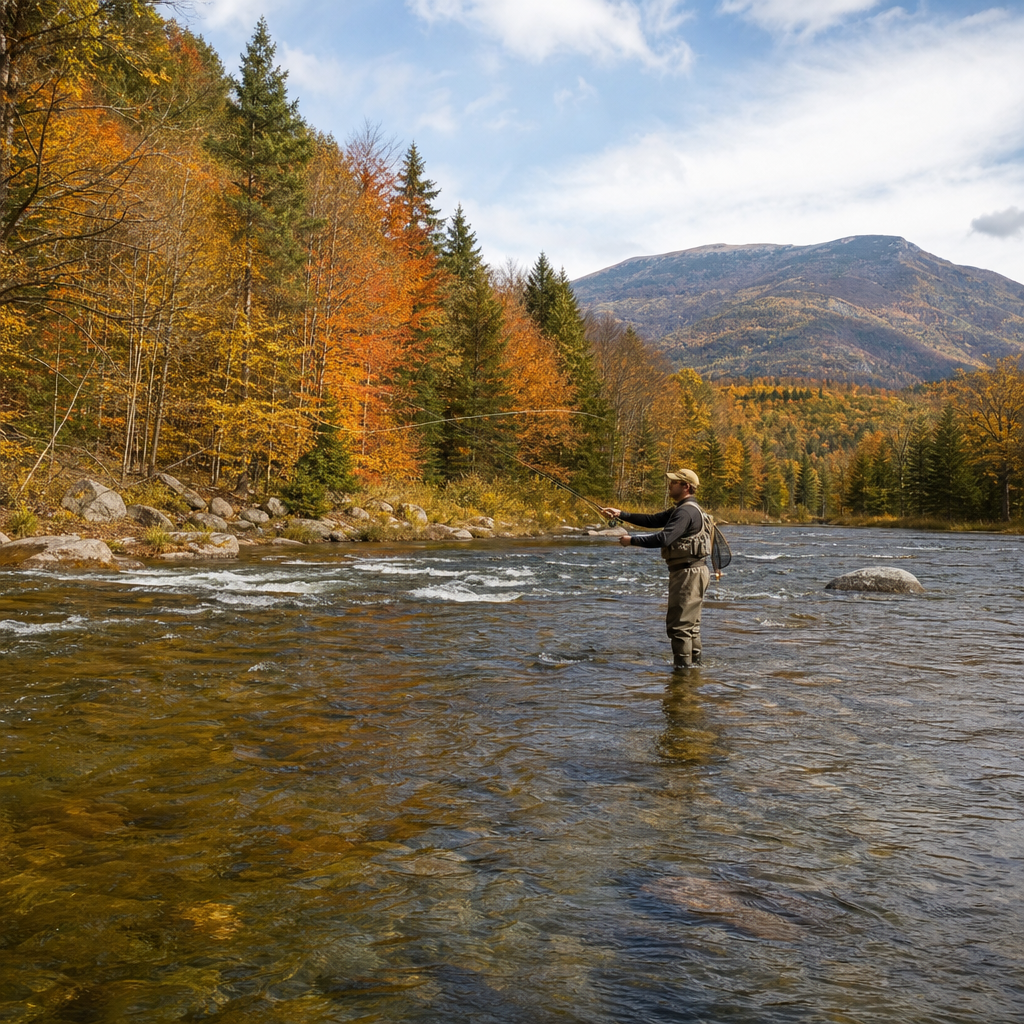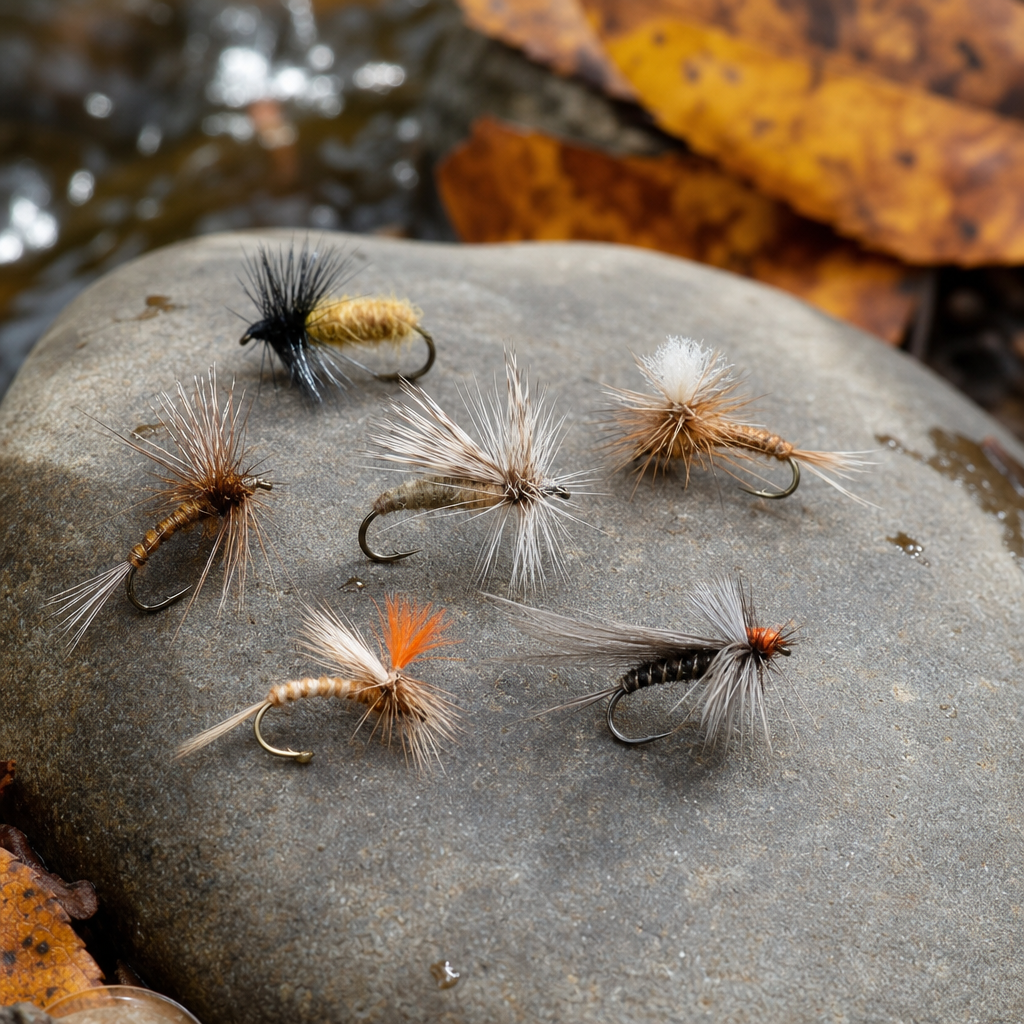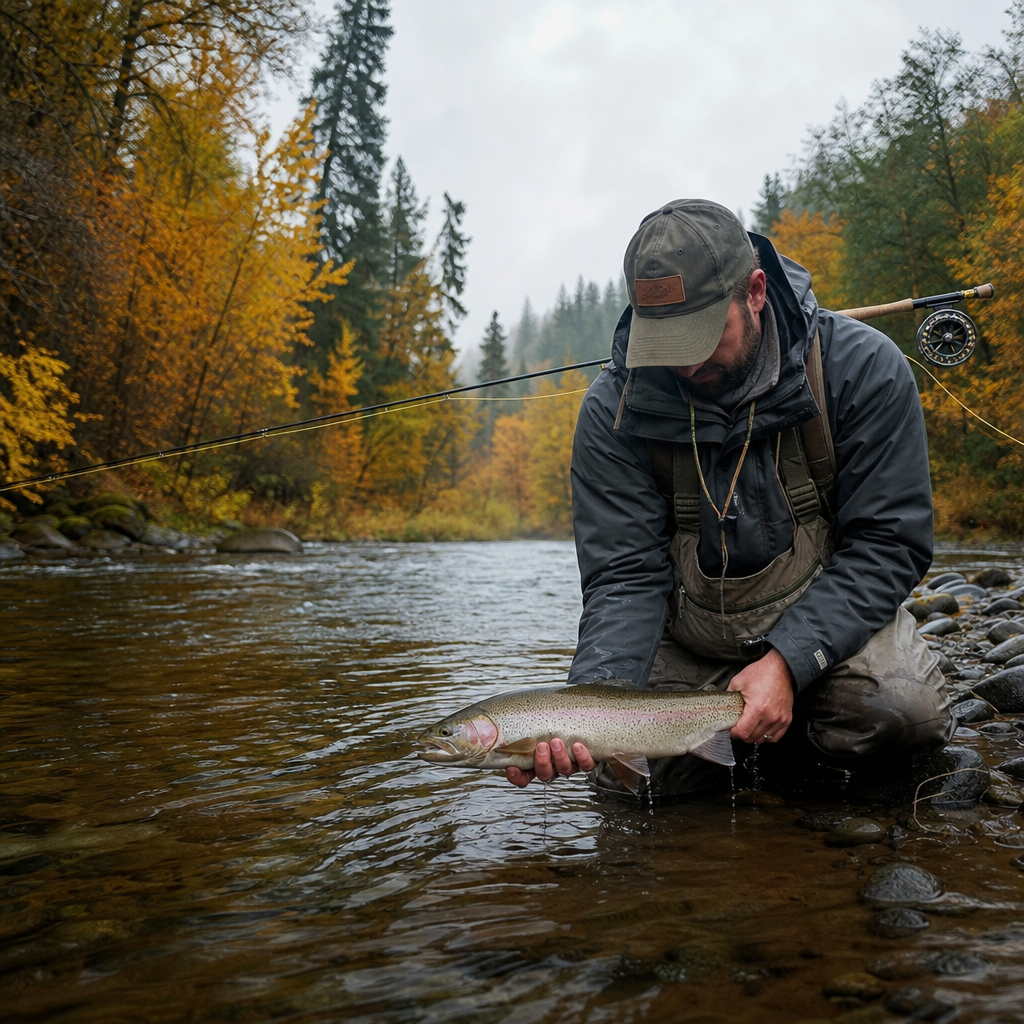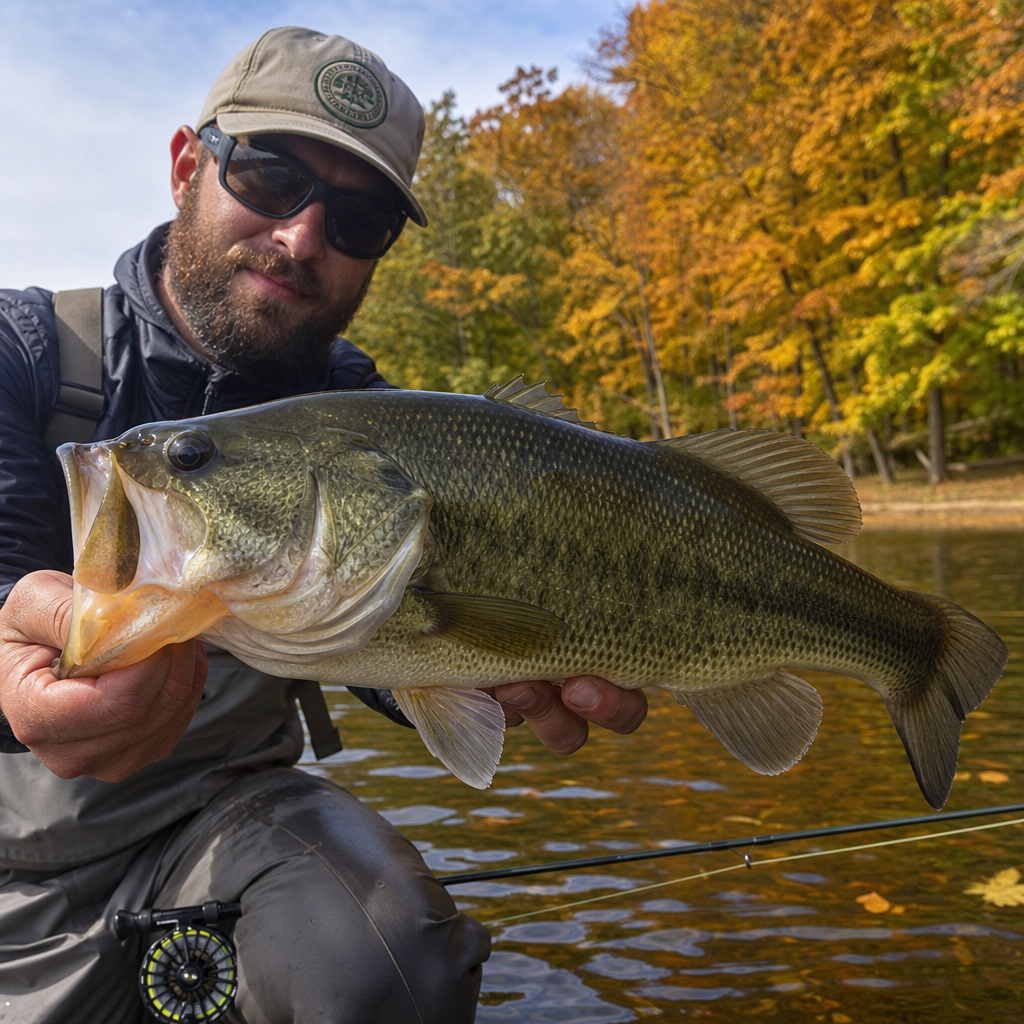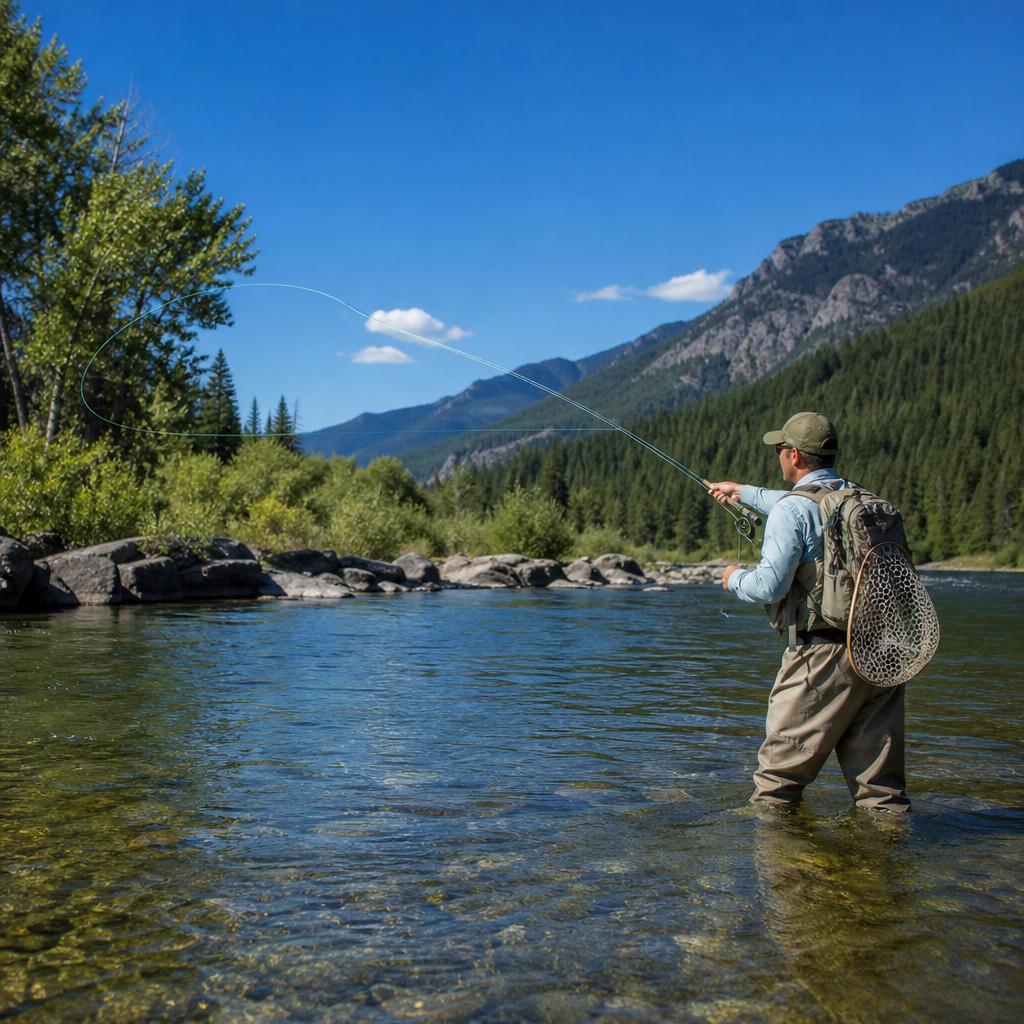
Fly fishing during bright light conditions demands a different playbook than the low-light dawn and dusk sessions many anglers prefer. Bright light usually means strong sun, clear skies, high visibility, and fish that become more selective, cautious, and position-conscious. In practical terms, “bright light conditions” often occur from late morning through midafternoon, especially in summer, on rivers with little canopy cover, spring creeks, tailwaters, and clear lakes. Time of day matters because sunlight changes water temperature, insect activity, fish holding lies, and the angles at which trout and other game fish see your leader, fly, rod flash, and body movement. If you want consistent results instead of a few lucky fish, you need to understand how fish react to overhead sun and how to adjust presentation, fly choice, approach, and location hour by hour.
I have spent many difficult midday sessions learning this the hard way. Bright light does not make fish unfishable; it simply compresses the margin for error. Trout slide under cutbanks, tuck into pocket water, suspend deeper, or pin themselves to structure where broken surface light gives them cover. Bass and panfish do similar things around docks, weed edges, and timber. On flats, saltwater species may become harder to approach but easier to spot if glare is controlled. The key terms here are holding water, drag-free drift, refraction, stealth, and contrast. Holding water is the specific place a fish rests while conserving energy and watching for food. Drag-free drift means your fly moves at the natural speed of the current without leader tension pulling it unnaturally. Refraction affects what fish can see through the water’s surface, and contrast determines how visible your fly appears against the background below.
This matters because many anglers surrender the middle of the day, yet those hours can still be productive when you fish to the conditions rather than against them. Bright light often narrows feeding windows, but it also creates predictable fish behavior. Shade lines become feeding lanes. Deep seams hold oxygen and security. Terrestrial insects such as hoppers, ants, and beetles fall into the water when the sun is high. Nymphs and small streamers can be placed precisely into tight lies that fish use repeatedly. As a hub for the “Time of Day” subtopic, this guide covers the core midday strategies that connect to early morning, evening, night fishing, overcast conditions, summer heat, winter sun angles, and seasonal insect timing. If you learn to read the clock, the sun angle, and the water together, bright conditions stop being a handicap and become a pattern you can exploit.
How Bright Light Changes Fish Behavior by Time of Day
The most important midday question is simple: where do fish feel safe enough to feed? Under bright sun, the answer shifts with the clock. During late morning, fish may still hold in transitional lies left over from an early feeding period, such as riffle tails, current seams, or the heads of runs. By noon, many slide into deeper buckets, undercut banks, submerged root wads, bridge shadows, boulder gardens, and foam lines where broken surface texture distorts incoming light. In freestone rivers, pocket water stays productive longer than flat glides because rough current hides the leader and gives fish less time to inspect a fly. On spring creeks and tailwaters, where water is clear and currents are smooth, fish often become highly selective and shift to narrow feeding lanes.
Time of day also affects metabolism and available food. As air temperatures rise, water temperatures can increase quickly in shallow systems, especially from midday into late afternoon. Trout generally feed best in cool, oxygen-rich water, and prolonged temperatures above 68 degrees Fahrenheit increase stress. That means a bright midsummer afternoon may push fish toward spring seeps, deeper runs, shaded tributary mouths, or faster riffles with better oxygen exchange. In contrast, during cooler months, bright midday light can actually improve fishing by warming the water slightly and increasing insect movement. I routinely find winter trout more active between 11 a.m. and 3 p.m. than at first light, proving that “bright light” is not one universal condition; season changes its impact.
Sun angle matters as much as intensity. When the sun is high overhead, fish can see better into the margins and may detect wading pressure sooner. But overhead light also reduces long shadows cast across the water, which can help if you stay low and avoid skyline exposure. In the afternoon, angled sun can produce glare for anglers while creating dark edges beneath banks, grass, and wood where predators set up. These windows are short but reliable. On many rivers, I watch one shaded bank become fishable an hour before the opposite side loses direct light. That daily movement is one of the most repeatable “time of day” patterns in fly fishing.
Where to Fish When the Sun Is High
Bright conditions reward anglers who stop fishing obvious empty water and focus on microstructure. Start with depth, current complexity, and shade. Fish rarely disappear at midday; they relocate to places that offer security and a food conveyor. On trout streams, prime targets include plunge pools, the slots beside large boulders, undercut banks, logjams, overhanging grass, and the darker center seam of deeper runs. On stillwaters, look to weed edges, drop-offs, inflow channels, submerged timber, and docks. In saltwater, bright sun often sharpens sight-fishing opportunities on flats, but the fish may hold tighter to potholes, mangrove edges, or channel transitions depending on tide and pressure.
One of the biggest mistakes I see is anglers covering water too fast under bright light. Midday fish are less likely to move several feet for a fly, so your presentation has to enter the exact lane. Instead of taking three casts and stepping on, break a run into small zones and fish each likely lie from the nearest current break outward. In pocket water, every rock creates a feeding station; in flat water, every shadow seam deserves a precise drift. This is also the time to think vertically. If fish are not willing to rise, they may still eat a nymph or streamer delivered deep and close.
| Water Type | Best Midday Targets | Why They Work in Bright Light |
|---|---|---|
| Freestone river | Pocket water, plunge pools, boulder seams | Broken surface hides leader and gives fish overhead cover |
| Spring creek | Undercut banks, weed lanes, shaded bends | Clear water makes fish wary, so security cover matters |
| Tailwater | Deep runs, current shelves, structure near release channels | Stable flows concentrate fish in precise feeding lanes |
| Lake or pond | Drop-offs, weed edges, docks, inflows | Fish avoid bright shallows and hold near temperature and cover shifts |
| Saltwater flat | Potholes, mangrove shade, channel edges | High visibility helps spotting, but fish stay close to escape routes |
As the day progresses, monitor moving shade. A bank shaded at 2 p.m. can outfish a sunny bank ten to one, especially where terrestrials fall from grass and brush. Bridges, canyon walls, and even single tree lines create temporary feeding stations. If there is cloud cover mixed with bright intervals, be ready for fish to slide out of cover during brief dim periods, then retreat when direct light returns. That rhythm can shape your entire afternoon approach.
Tactics, Fly Selection, and Presentation Adjustments
Stealth is the first tactic, not fly choice. In bright conditions I lengthen leaders, reduce false casting, kneel more often, and approach from downstream or from an angle that keeps my outline off the skyline. Polarized glasses are essential, not optional; copper and amber lenses often improve contrast on rivers, while gray can help in glaring open water. Clothing matters too. A white shirt flashes. A bright buff reflects. Neutral, matte fabrics reduce visual noise. Even rod finish can matter on highly pressured water, which is why some technical anglers prefer less reflective blanks and hardware.
For trout, fly selection in bright light usually trends smaller, more natural, and more precise, though not always. On clear spring creeks, a size 20 midge pupa or a sparse Baetis nymph often beats a bushy attractor because fish have time to inspect. On freestones, however, a high-floating terrestrial or a jig nymph with a tungsten bead can still excel because fish get less time to decide in choppy current. Terrestrials are especially important from late morning through afternoon in summer. Ants, beetles, hoppers, and crickets often produce when classic mayfly surface activity fades. A hopper-dropper rig lets you cover both the surface and the subsurface lane beneath it, which is one of the most efficient bright-light systems ever devised for western trout streams.
Presentation must match the lie. In shallow, clear water, longer drifts and softer landings are critical. Reach casts, parachute casts, and aerial mends help create slack before the fly lands, preserving a drag-free drift. In deeper slots, tuck casts and tight-line presentations get weighted nymphs down quickly before they sweep out of the feeding zone. For stillwaters, count down your flies and retrieve along edges where fish cruise under the light line. For bass under docks, skip or place flies into the darkest pockets; deer-hair bugs, baitfish patterns, and lightly weighted crayfish imitations all have a place depending on forage. In saltwater, put the fly where the fish is going, not where it is, then strip at a pace matched to species behavior.
Leader and tippet choices deserve precision. I often use 9- to 12-foot leaders in bright, clear trout water, tapering to 5X or 6X for small dries and technical nymphing, while heavier tippet is appropriate in pocket water where drag matters less than turnover and abrasion resistance. Fluorocarbon sinks and is less visible underwater, which can help subsurface presentations, though nylon remains superior for many dry-fly applications because it floats better. There is no universal best material; the right answer depends on whether buoyancy, sink rate, stretch, and abrasion resistance matter most in that hour and water type.
Common Midday Mistakes and How to Avoid Them
The first mistake is fishing the same water the same way you would at dawn. Bright light exposes poor drifts, careless wading, and heavy fly line on the water. If fish refuse repeatedly, do not just change flies. Change angle, depth, distance, and target. The second mistake is ignoring temperature. In summer, a productive noon session can become an irresponsible late-afternoon one if water temperatures climb into the upper sixties. Carry a stream thermometer and use it. When water warms too much, stop targeting trout and switch to warmwater species or fish higher, colder water.
The third mistake is overcasting visible fish. In bright conditions, especially on clear water, repeated false casts and lining fish will shut down a run faster than a poor fly choice. Limit yourself to high-probability presentations. The fourth mistake is failing to use the clock strategically. Midday success often comes from timing location changes: riffles late morning, deeper structure at noon, shaded banks in the afternoon, and then transitional seams again as the light softens. The fifth mistake is dressing for comfort but not concealment. Heat makes anglers strip layers and expose reflective skin, watches, and sunglasses frames. Fish notice flashes and movement more than many people realize.
A final error is assuming bright conditions call only for small flies. Sometimes the opposite is true. A larger indicator dry, a foam beetle, or a compact streamer can trigger a reaction from fish tucked under cover where they have little time to inspect. The point is not to fish tiny or big by rule, but to let light level, water clarity, current speed, and fish position determine your choice. Midday rewards observation over habit.
Building a Time-of-Day Strategy Across Seasons
Because this article serves as a hub for the broader “Time of Day” topic, the main principle is to connect light to seasonal behavior. In spring, bright periods can bring dependable nymphing and focused hatch windows, especially on tailwaters where flows are stable. In summer, midday often shifts the advantage toward terrestrials, shade, and cold-water refuges, while also raising fish-care concerns. In fall, bright afternoons can improve streamer visibility and warm water enough to sustain insect activity after cold nights. In winter, the middle of the day is often the best fishing period because sunlight nudges water temperature upward and short feeding windows open.
That larger framework helps you plan rather than react. Check sunrise and solar noon, then layer in stream temperature, cloud cover, wind, flow, and insect calendar. If you know tricos spin at first light, sulfurs hatch late, and hoppers become active once banks warm, you can match techniques to the daily sequence. I treat bright light not as a problem to survive but as a schedule that tells me where fish should be each hour. Once you think that way, your decisions become faster and more deliberate.
Fly fishing during bright light conditions becomes far more productive when you stop chasing generic “midday tactics” and start reading time of day as a moving system. The sun changes fish location, feeding confidence, water temperature, glare, and the usefulness of every presentation. Success comes from identifying secure lies, fishing moving shade, presenting with greater stealth, and matching fly style and depth to the specific window in front of you. Whether you are targeting trout in a clear tailwater, bass under docks, or fish on a saltwater flat, bright light rewards precision and punishes carelessness.
The central benefit of mastering these conditions is simple: you gain fishable hours that many anglers waste. Instead of waiting for dawn and dusk, you can recognize when midday pockets, undercuts, weed edges, and shaded banks are primed. You can also protect fisheries by understanding when warm water makes continued trout fishing a bad choice. Time of day is not just a clock reading; it is one of the most powerful variables in the entire “Seasons and Conditions” system, and learning it improves every other part of your fly fishing.
Use this hub as your starting point, then build your own daily framework on the water. Carry a thermometer, wear quality polarized glasses, note when each bank falls into shade, and keep records of where fish shift from morning through afternoon. The more deliberately you track bright light patterns, the more consistent your results will become. On your next sunny outing, fish the clock as carefully as you fish the river.
Frequently Asked Questions
Why is fly fishing often more difficult during bright light conditions?
Bright light changes both fish behavior and the way they relate to their surroundings. Under strong sun and clear skies, trout and other game fish can see much farther, which means they have more time to inspect a fly, detect unnatural drag, or notice an angler’s silhouette, fly line, or leader. In many clear rivers, spring creeks, and tailwaters, bright conditions make fish noticeably more cautious because they feel more exposed to predators from above. Instead of feeding openly in shallow riffles or broad flats, they often slide into seams, undercut banks, shaded edges, deeper buckets, weed lines, current transitions, and structure that offers security.
At the same time, the angler loses some of the forgiveness that low-light periods provide. Midday glare can make it harder to read subtle surface takes, and fish may feed in smaller windows or on more specific food forms. A sloppy approach, heavy presentation, or poor drift that might go unpunished at dawn can be instantly rejected in bright light. The good news is that fish still eat consistently during sunny parts of the day; they just tend to do it more selectively. Success usually comes from better positioning, longer and finer leaders, cleaner drifts, careful control of shadows, and focusing on high-percentage holding water rather than expecting fish to roam freely.
Where should I look for fish when the sun is high and the water is clear?
In bright conditions, start by thinking in terms of protection, depth, and efficiency. Fish want access to food, but they also want to avoid unnecessary exposure. On rivers, that often means deeper runs with broken surface texture, slots beside faster current, the insides of seams, plunge pools, cutbanks, boulders, submerged timber, and any structure that creates both shelter and a conveyor belt of drifting food. Even a small patch of shade from overhanging vegetation, a bridge, a cliff wall, or a high bank can concentrate fish when the surrounding water is fully lit.
On spring creeks and tailwaters, subtle holding water becomes especially important. Fish may settle into weed channels, depressions in the bottom, foam lines, or the soft edge between conflicting currents. In lakes, bright light often pushes fish deeper, toward drop-offs, shoals with nearby depth, submerged points, weed edges, or areas where wind creates chop and reduces visibility from above. Surface glare may make open flats look fishy, but unless there is food and some kind of security, many fish will position just off them rather than right on top.
A useful rule is to target water that offers one or more of the following: depth, broken surface, shade, current diversity, or cover. Fish can still rise in the middle of the day, especially during strong hatches, but when no obvious hatch is happening, the best bright-light lies are usually those that let fish feed while remaining difficult to spot from above. Reading water carefully becomes more important than covering lots of it.
What fly patterns and presentations work best in bright light conditions?
Bright light usually rewards realism and restraint. Because fish can inspect food more carefully, smaller flies, more natural profiles, and cleaner drifts often outperform oversized or overly flashy patterns. If fish are feeding on the surface, matching the hatch closely matters more than ever. That can mean downsizing dries, switching to more delicate mayfly, midge, or caddis imitations, and paying attention to silhouette, body color, and how the fly sits in the film. On highly pressured water, a fly that looks almost right may not be good enough when fish have time to study it.
Subsurface tactics are often excellent during sunny periods. Nymphing with smaller patterns, sparse soft hackles, midge larvae, mayfly nymphs, cress bugs, scuds, or perdigons can be highly effective, especially if you maintain a controlled, drag-free drift through deeper lanes. In some fisheries, terrestrials such as ants, beetles, and hoppers become important in bright summer conditions, particularly along grassy banks, under overhanging vegetation, and near cutbanks. On lakes, bright conditions can also favor balanced leeches, chironomids, and baitfish patterns fished at precise depths rather than stripped randomly.
Presentation is the real separator. Long leaders, fine tippet, reach casts, aerial mends, slack-line presentations, and careful line control help the fly arrive naturally. Landing the line and leader softly is critical. In many cases, it is smarter to fish one lane thoroughly with an excellent first presentation than to pepper the water with repeated casts. Under bright light, fish commonly refuse because of micro-drag, leader flash, or an unnatural angle, so the more precise and calm your presentation, the better your odds.
How should I adjust my approach, positioning, and gear when fishing under strong sun?
Stealth becomes a major factor when the sky is bright and the water is clear. Fish can see movement surprisingly well, especially from elevated banks or shallow approaches. Move more slowly than you think you need to, stay lower on the bank when possible, avoid sudden false casts over the target, and pay close attention to where your shadow falls. If your shadow sweeps across a run or your line passes directly over fish before the fly arrives, the game is often over before the drift begins.
Positioning should support both invisibility and drift quality. Whenever possible, approach from downstream on rivers where fish are facing into the current, and set up at an angle that allows a natural dead drift with minimal line crossing the fish’s window. In flat water or spring creek situations, sometimes a side-angle or even a downstream presentation is better if it keeps you out of sight and reduces drag. Bright light is often a game of inches, so small changes in casting lane and body position can produce major improvements.
As for gear, longer leaders are often helpful because they separate the fly from the thicker fly line and help reduce splash. Many anglers do well with finer tippet in sunny, clear conditions, though it still has to match the fish size, current speed, and fly choice. Polarized sunglasses are essential not just for eye protection but for seeing seams, bottom contours, structure, and subtle fish movements through surface glare. A hat with a dark underbill can also improve visibility. If you are indicator nymphing, consider smaller or more subtle indicators when conditions call for stealth. The overall goal is simple: reduce visual alarms, increase drift control, and make every presentation look unforced.
Can bright light ever improve fly fishing, and what are the best strategies for turning it into an advantage?
Absolutely. Bright light is challenging, but it also creates opportunities for anglers who adapt. One major advantage is visibility. With good polarized glasses and the right sun angle, you can often spot structure, weed beds, drop-offs, cruising fish, and specific feeding lanes much more clearly than in low light. Sight fishing can become a real strength in these conditions, especially on clear rivers, spring creeks, and lakes. Instead of fishing blindly, you may be able to identify individual fish, observe their behavior, and tailor your cast, fly, and drift to a specific target.
Bright sun also tends to define holding water more clearly. Shade lines, cutbanks, deep slots, and current seams become obvious, helping you fish more efficiently. Certain food sources are more consistent during daylight as well. Terrestrials often become stronger under sunny summer conditions, and some subsurface feeding windows are very dependable even when surface activity appears limited. In lakes, sunlight can help reveal cruising routes and edges where fish move between feeding and resting zones.
The best way to turn bright conditions into an advantage is to become more intentional. Fish less water, but fish it better. Look for high-percentage areas with depth, cover, or broken surface. Watch before casting. Use the sun angle to your benefit when sight fishing, but avoid placing your shadow across the target zone. Commit to exact presentations instead of quick ones, and be willing to rotate through smaller flies, finer tippets, and more subtle drifts until fish respond. Bright light often rewards discipline more than aggression. Anglers who stay observant, stealthy, and precise can have excellent midday fishing even when others assume the conditions are too tough.