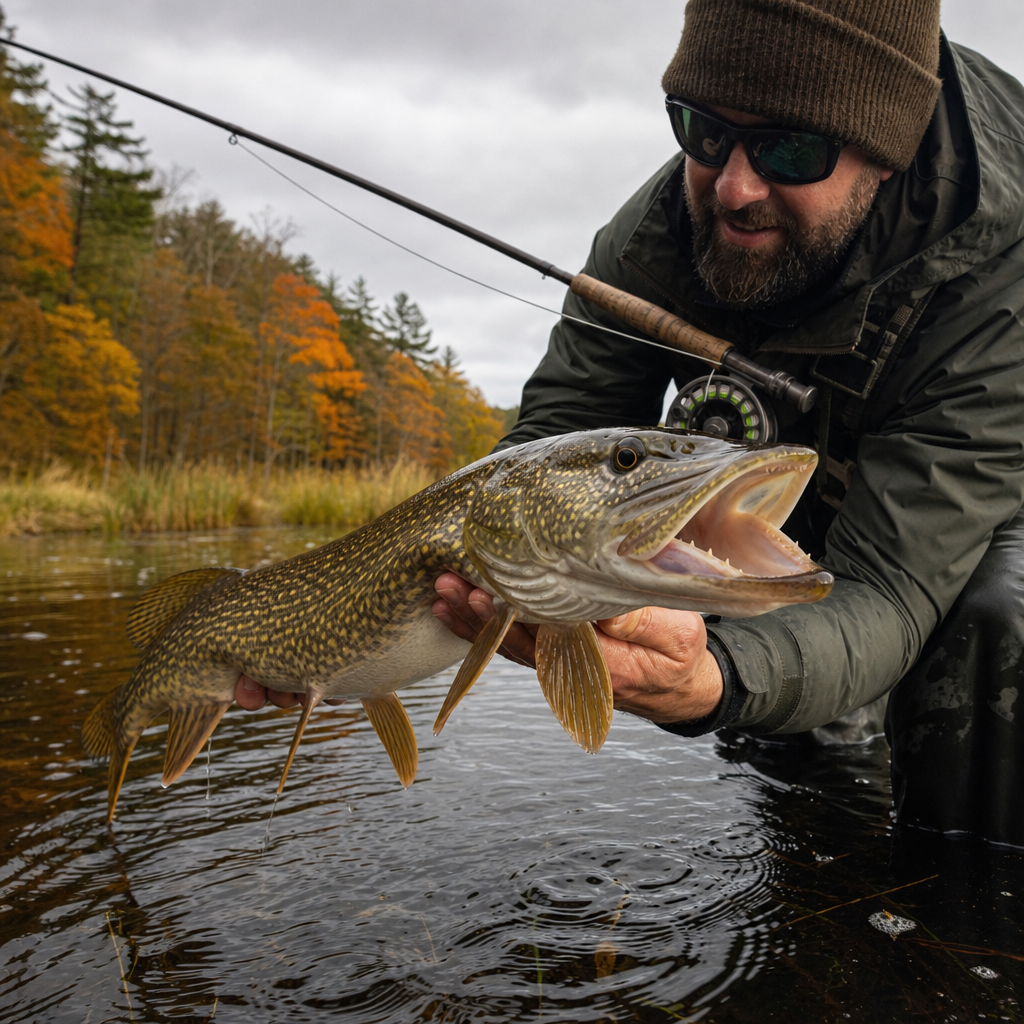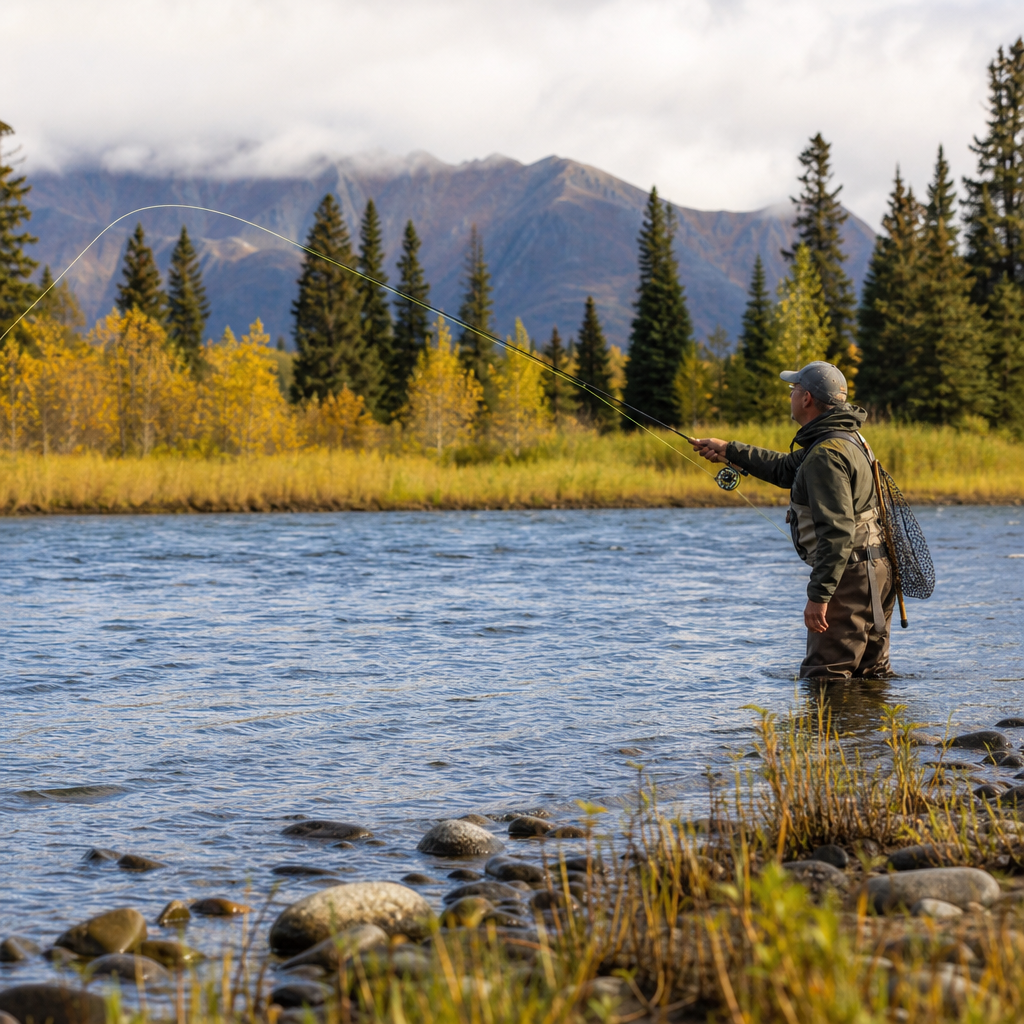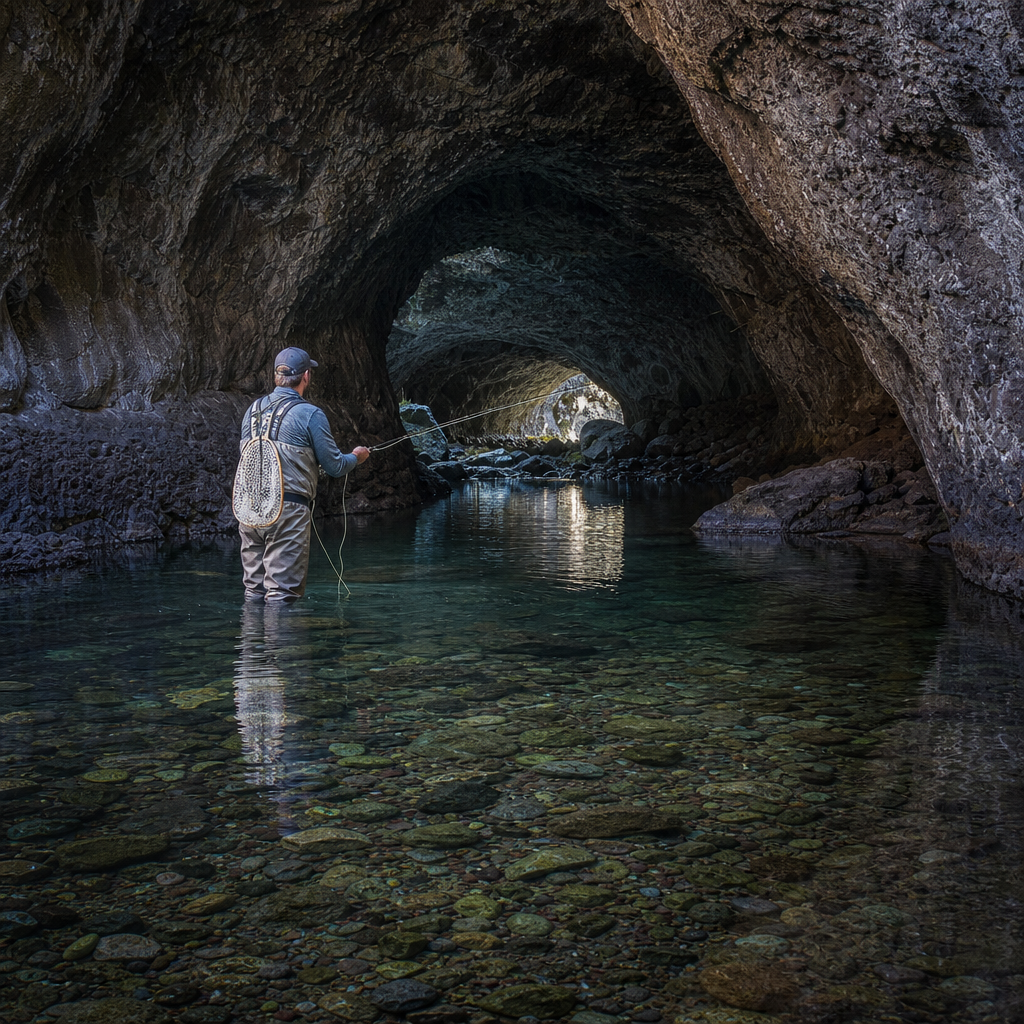
Fly fishing in lava tubes demands a different skill set than open-river angling because the water is confined, the light is inconsistent, and fish hold in structure that would be impossible to reach with standard presentations. In this special-conditions hub, I will define what lava tube fishing is, explain why these volcanic systems create unique trout habitat, and outline the techniques and gear that consistently work when ceilings are low, currents are compressed, and every cast must be controlled. Anglers usually use the term lava tube to describe a subterranean or partially collapsed volcanic channel where spring water or a river segment flows through basalt formations. Some are fully enclosed caverns, while others are slotlike canyons, skylit chambers, and tunnel sections connected to open runs. That distinction matters because light penetration, insect activity, and casting room change dramatically from one section to the next. For anglers focused on seasons and conditions, lava tubes sit squarely in the special-conditions category. Water temperatures are often more stable than surrounding freestone rivers, flows can remain fishable during heat or cold snaps, and fish behavior reflects the shelter, oxygen, and darkness these environments provide. I have fished spring creeks and volcanic channels where midday hatches outside were weak, yet fish inside tube mouths fed steadily because current concentrated drifting food. I have also seen excellent anglers struggle because they brought open-water habits into a cave environment. Standard overhead casting, bright floating lines, and long leaders can become liabilities when rock walls, dripping ceilings, and uneven footing remove your margin for error. Understanding this niche matters for safety and success. Lava tubes can hold surprisingly large trout, char, and even landlocked salmon where regional conditions allow, but they are unforgiving places to improvise. Effective anglers think in short drifts, compact loops, abrasion resistance, and line control at close range. They also plan around access law, runoff timing, headlamp redundancy, and exit routes. As a hub for special conditions, this guide covers how fish position in lava tubes, how to approach water quietly, which fly fishing techniques produce strikes, and what gear belongs in your pack before you ever step onto volcanic rock.
How Lava Tubes Shape Fish Behavior and Holding Water
Lava tubes influence fish location through three main factors: cover, current compression, and thermal stability. Trout in these systems often hold where dim light meets moving food. That usually means entrances, skylights, side seams along basalt walls, plunge pockets under ceiling drips, and transitions where a tube opens briefly into a chamber. In plain terms, fish want enough darkness to feel secure, enough current to deliver food, and enough oxygen to stay comfortable. Because volcanic channels are narrow, current speed can accelerate quickly, creating feeding lanes that are more defined than in broader rivers.
In practice, the best lies are often obvious once you slow down. A slot entering a chamber may create a classic cushion in front of a submerged boulder. A partial roof collapse may form a light well that boosts insect activity for a few yards. Deep bends inside the tube can collect drifting nymphs, scuds, and drowned terrestrials. Spring-fed systems may also produce reliable midge and mayfly activity even when the surface looks sterile. I have found that fish in these places are less likely to roam broadly and more likely to make short, efficient feeding moves from protected lies.
Seasonal context still matters. In summer, lava tubes can act as thermal refuges, especially in volcanic watersheds where groundwater influence lowers peak temperatures. In winter, they may remain open and fishable when exposed reaches develop shelf ice. During runoff, however, tubes can become dangerous or completely unfishable because debris, turbidity, and surge effects amplify in confined channels. Before targeting one, check local flow gauges, land management alerts, and any cave or river access advisories from state wildlife agencies or the U.S. Geological Survey where available.
Approach, Positioning, and Short-Range Presentation
The most important technique in lava tube fly fishing is controlled approach. Fish hear and feel far more than many anglers assume, and volcanic rock transmits vibration well. Move slowly, place feet carefully, and avoid bumping walls with rods or packs. In open rivers you can often recover from a sloppy approach with a long cast. Inside a tube, that second chance rarely exists. You are usually within twenty feet of the lie, sometimes within ten, and the fish has limited escape routes, making it especially alert to disturbance.
Position yourself with a sidearm or bow-and-arrow cast in mind. A sidearm stroke keeps loops below the ceiling, while a bow-and-arrow cast lets you load the rod with the fly in hand and shoot it into tight slots under rock lips. Dapping is also effective where a ceiling opening allows you to suspend a dry fly or small soft hackle in a current seam with almost no line on the water. Across dozens of confined-water sessions, I have seen more fish hooked on compact, accurate presentations than on any attempt to force standard distance casting into the environment.
Drift length is short, so line control must be immediate. High-sticking with only a leader and a foot or two of fly line out is often ideal for nymphing pockets and troughs. In smoother channels, a short tuck cast helps sink weighted flies quickly before they sweep out of the strike zone. When fishing streamers, think strips of three to six inches and use the current to animate the fly rather than overpowering it. In darker sections, fish often respond to a slow, broadside swing that silhouettes the pattern against faint ambient light.
Strike detection changes in low light. An oversized sighter can help, but I prefer a tight connection, a lightly weighted anchor fly, and tactile contact through the rod hand whenever possible. Visual indicators are useful in skylit sections, yet in fully enclosed areas they can be hard to track and may spook fish if oversized. Keep leaders shorter than your normal river setup. A seven-and-a-half- to nine-foot leader is easier to control than a long technical leader when your backcast is constrained and drips constantly pull slack into the system.
Best Techniques for Nymphs, Dries, and Streamers
Nymphing is usually the highest-percentage method because food funnels through confined currents. Small stonefly nymphs, pheasant tails, hare’s ears, zebra midges, scuds, and perdigons all have roles depending on depth and water clarity. In spring-fed lava systems, scuds and midges can be especially important. Use enough tungsten to reach depth fast, but not so much that every drift wedges into basalt cracks. I often start with a two-fly rig built around a heavier point fly and a smaller trailing nymph, then simplify to one fly if snags become excessive.
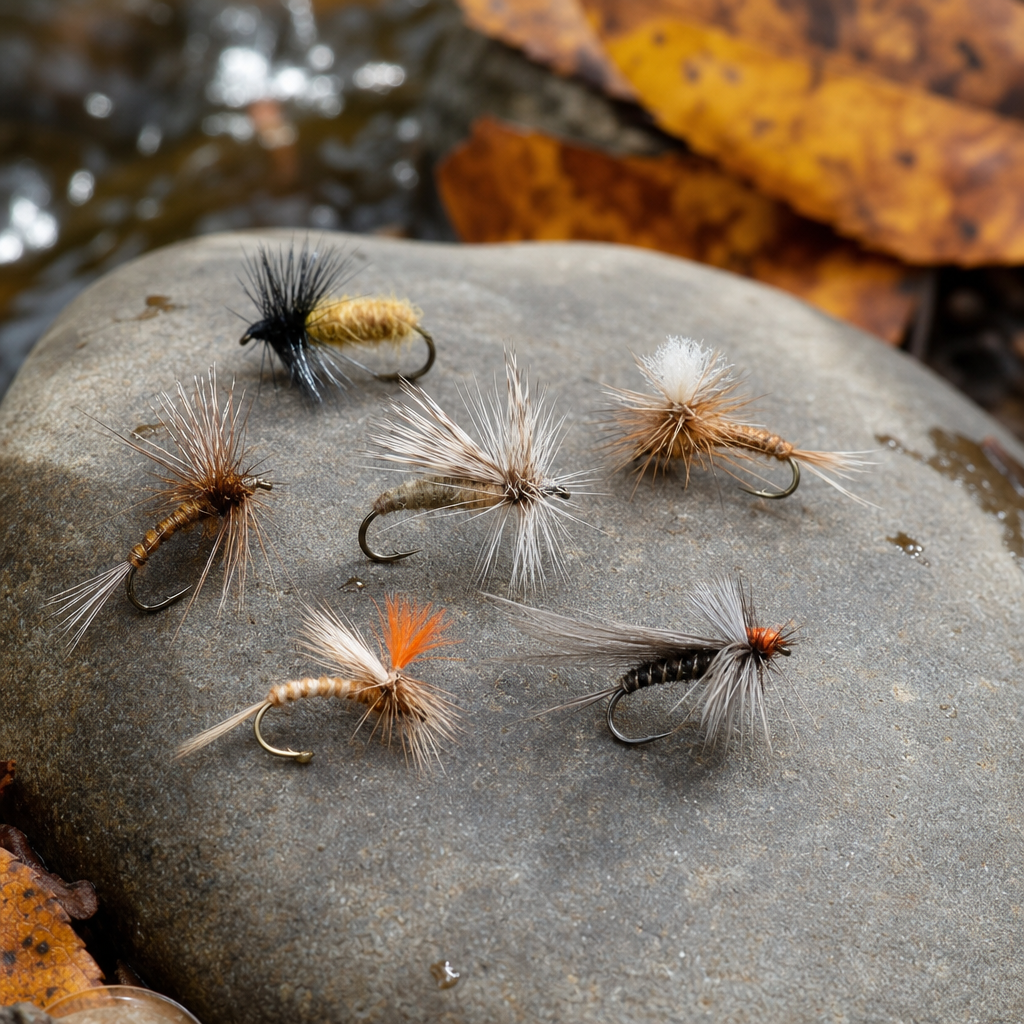
Dry-fly opportunities exist, particularly near entrances and skylights where mayflies, caddis, and terrestrials collect. The key is realism over delicacy. Fish in lava tubes have little time to inspect, but they reject patterns that drag unnaturally across compressed seams. Parachute Adams, elk hair caddis, small stimulators, and foam beetles all produce in the right window. In dim water, a fly with a visible post helps the angler, but avoid oversized bright materials that look unnatural from below. If fish slash and miss, a small soft hackle dropper often converts follows into takes.
Streamers are valuable for probing deeper chambers and undercut basalt shelves where larger fish hide. Patterns like Woolly Buggers, Sculpzillas, small leeches, and conehead baitfish imitations work well in olive, black, and white. Color choice should follow light and water clarity. Black offers a strong silhouette in shadow, olive excels in clear spring water, and white can trigger reaction strikes in partially lit sections. The biggest mistake I see is retrieving too fast. Confined fish often eat on the pause or at the end of a controlled swing, not during a frantic strip sequence.
Essential Gear for Fly Fishing in Lava Tubes
Gear selection should prioritize maneuverability, abrasion resistance, and safety over specialization for long casts. A 8’6″ to 9′ rod in 4- to 6-weight covers most trout situations, though many anglers prefer a shorter 7’6″ to 8’6″ rod in tight tubes because it is easier to load under low ceilings. Medium-fast actions excel because they protect tippet at short range yet still drive compact casts. Pair the rod with a floating line that has a subdued color such as olive, gray, or dull green. High-contrast tropical lines are unnecessary and can flash in clear water.
Leaders should be stout enough to handle rock abrasion. For nymphing and streamers, 3X to 5X fluorocarbon tippet is practical; for dries, 4X to 6X depending on fish size and surface conditions. Wading boots need aggressive rubber soles or studded options where legal, because algae on basalt is slicker than many anglers expect. A helmet is sensible in true cave sections, and a chest pack is better than a large backpack when crawling or squeezing through access points. Most importantly, carry two headlamps and spare batteries. Redundant light is nonnegotiable.
| Condition | Best Rod Setup | Primary Fly Style | Key Gear Addition |
|---|---|---|---|
| Entrance runs and skylights | 8’6″ 4- or 5-weight floating line | Dries or dry-dropper | Visible but small strike indicator or post |
| Tight enclosed pockets | 7’6″ to 8’6″ 4- or 5-weight | Short-line nymphs | Headlamp, abrasion-resistant tippet |
| Deep chambers | 9′ 5- or 6-weight | Weighted streamers | Forceps, extra leaders, compact net |
| Cold-season spring influence | 8’6″ 4-weight | Midges and scuds | Fingerless gloves, thermometer |
Other useful items include a wading staff for unstable entries, forceps with a strong cutter for frequent re-rigging, and a compact rubber net that will not snag on rock. If local regulations permit felt soles, know that many agencies discourage them because of invasive species transfer; clean gear carefully with recognized decontamination practices before moving between watersheds. In remote lava fields, I also bring a paper map or offline GPS because surface landmarks can be confusing, and cave-adjacent terrain often disrupts easy navigation back to the vehicle.
Safety, Ethics, and the Role of This Special-Conditions Hub
No fish is worth taking a risk in a flooded tube, unstable collapse zone, or privately restricted access corridor. Always confirm whether the water is legally open, whether cave entry is allowed, and whether a permit is required by a state park, tribal authority, or federal land manager. Tell someone your route and return time. Watch for flash-flood potential from storms many miles away. Volcanic channels can rise quickly, and the same confined geometry that creates great holding water can eliminate escape options within minutes.
Ethics matter just as much as personal safety. Fish in tube systems often concentrate in small refuges during heat, drought, or winter conditions. Handle them quickly, keep them wet, and avoid repeated passes through the same chamber if fish show stress. Barbless hooks reduce injury and make release easier when footing is awkward. Respect bats, cave invertebrates, and nesting birds near entrances. These habitats are biologically important beyond angling, and responsible use protects access for everyone. Leave no monofilament, batteries, or food waste in a system that can trap debris for years.
As the hub for special conditions within a broader seasons-and-conditions framework, this article should guide how you think about related scenarios: low-light fishing, thermal refuge water, confined channels, cold-stable spring flows, and hazardous high-water periods. The central lesson is simple. Successful lava tube fly fishing comes from matching presentation to confined space, matching gear to rock and darkness, and matching ambition to safe conditions. Study the structure, fish short and accurately, carry redundant light, and adjust your flies to the food actually concentrated in the tube. If you plan carefully and fish respectfully, these volcanic waters can offer some of the most technical and rewarding trout encounters in any season. Use this guide as your starting point, then build a checklist for your local lava systems before your next trip.
Frequently Asked Questions
What exactly is lava tube fly fishing, and how is it different from fishing a normal trout stream?
Lava tube fly fishing refers to targeting trout in volcanic channels, caverns, skylit tunnels, and confined basalt corridors where water flows through or alongside old lava formations. Unlike a typical open river, these environments compress both the angler and the fish into tight, highly structured spaces. You are often dealing with low ceilings, broken light, short drifts, abrupt current seams, undercut rock, plunge pockets, and feeding lanes that may only be reachable with very specific presentations. In many cases, the fish are not spread evenly throughout the run as they might be on a broad freestone stream. Instead, they concentrate in protected slots, foam lines, ledges, shadow transitions, oxygen-rich funnels, and current-softened pockets behind volcanic structure.
The biggest difference is that conventional fly fishing habits do not always transfer well. Long backcasts, wide loops, and extended dead drifts are often impossible. In lava tubes, accuracy matters more than distance, line control matters more than pretty casting, and approach matters more than raw coverage. Fish often hold tight to structure because the confined environment gives them security from overhead exposure while funneling food directly to them. That means your fly may need to enter a strike zone only inches wide, and it may have to do so with almost no false casting, minimal line on the water, and immediate control after the fly lands.
Another major factor is visibility. Light in lava tubes can shift from dim to glaring within a few feet, depending on openings in the ceiling, tunnel orientation, and time of day. Trout use these light breaks as protection, and anglers must adapt by reading contrast instead of simply looking for obvious rises or visible fish. The result is a style of fly fishing that is more tactical, more compact, and more deliberate than open-river angling. It rewards stealth, precise presentations, thoughtful fly selection, and a willingness to fish methodically through difficult water that many anglers would otherwise overlook.
Why do trout hold in lava tubes and volcanic channels so consistently?
Trout are drawn to lava tube systems because these environments create a rare combination of shelter, stable holding water, oxygen, and concentrated food delivery. Basalt and volcanic rock naturally form ledges, shelves, cracks, drop-offs, and undercuts that provide cover from predators and current. In a confined setting, even a modest rock lip or dark overhang can become prime holding structure. Fish can sit just out of the strongest flow, conserve energy, and slide a short distance into the feeding lane whenever drifting insects, nymphs, or baitfish come through.
Water movement also plays a major role. In lava tubes, currents are often pinched and redirected by the shape of the channel, creating compressed seams and high-oxygen water. Trout favor these places because they combine comfort and opportunity: the fish do not have to work hard to stay in position, but food is constantly brought to them. That is especially true near constrictions, tunnel openings, skylights, plunge points, and transitions between dark interior sections and brighter water. These boundaries often collect drifting insects and disoriented prey, making them natural feeding stations.
Temperature stability can be another advantage. Volcanic systems frequently moderate water conditions compared with fully exposed streams, especially where groundwater influence is present. Cooler summer temperatures, reduced exposure to sudden surface warming, and stable flow conditions can all make lava tube habitat particularly attractive. In addition, reduced overhead light in some sections gives trout a sense of security, allowing larger fish to hold in places where they might avoid bright, exposed water elsewhere.
From an angling perspective, this consistency is useful because it narrows your search. Instead of treating the entire tube as equally fishable, focus on the best structure first: current breaks beside basalt walls, seams below narrow chutes, slots under low rock ceilings, bubble lines entering darker chambers, and the softer water immediately adjacent to heavy current. Trout in lava tubes are there for practical reasons, and once you understand those reasons, the water begins to read much more clearly.
What fly fishing techniques work best when ceilings are low and casts are limited?
The most effective techniques in lava tubes are compact, controlled, and designed for short-range precision. In many situations, the best cast is not a full cast at all. Bow-and-arrow casts, tuck casts, roll casts, sidearm flicks, pendulum-style lobs, and short underhand deliveries are often more practical than traditional overhead casting. The goal is to place the fly cleanly into a narrow window without hitting rock above, slapping the water, or dragging excess line through conflicting currents. If you can put the fly where it needs to be on the first delivery, you are already ahead.
High-stick nymphing and tight-line methods are especially effective because they minimize line on the water and allow excellent control in compact drifts. In confined channels, strike zones are short, and fish often react quickly. A direct connection to the flies helps you detect subtle takes before the current sweeps the rig out of position. Short-line euro-style approaches, lightly weighted nymphs, and micro-adjustments with the rod tip are excellent tools around basalt slots, plunge pockets, and current-softened edges. If the water is too turbulent for visual strike detection, use a small indicator or sighter system that remains unobtrusive but readable in broken light.
For dry flies, success usually comes from fishing selectively rather than broadly. Trout may rise in small windows near light transitions, foam pockets, or quiet eddies along the wall. A short, accurate drift with immediate line control is more valuable than a long drift that begins with drag. In some cases, dry-dropper rigs work well because they cover both surface and subsurface feeding behavior in the same restricted lane. Streamers can also be productive, especially in deeper chambers or dim sections where larger trout ambush prey. Here, compact casts and controlled strips are key; you want the fly to track close to structure without constantly hanging up.
Perhaps most important of all is your positioning. In lava tubes, foot placement, rod angle, and body alignment often determine whether a cast is even possible. Move slowly, stay low when necessary, and work from downstream or from the side whenever you can avoid lining the fish. Often the best presentation comes from standing in an awkward but deliberate spot that gives you a clean first shot into the holding lie. In this environment, technique is not about elegance. It is about efficiency, stealth, and making every cast count.
What gear should I bring for fly fishing in lava tubes?
Gear for lava tube fly fishing should prioritize control, durability, and safety over specialization for long-distance casting. A shorter rod is often the most practical choice because confined ceilings and narrow casting lanes make longer rods cumbersome in many situations. For most trout applications, a rod in the 7 1/2- to 9-foot range in a 3- to 5-weight can cover a lot of water, though the ideal setup depends on how tight the environment is and whether you are nymphing, fishing dries, or throwing streamers. A moderate to fast action rod with good tip control helps with short, accurate deliveries and line management in compact drifts.
Your line and leader setup should match the need for precision. Weight-forward floating lines are versatile and easy to manage in restricted spaces. Leaders generally work best when they are adapted for short, technical drifts rather than maximum delicacy at long range. For nymphing, many anglers use shorter leaders with weighted flies or tight-line systems that maintain direct contact. For dry flies, a tapered leader with enough finesse to land softly still matters, but turnover and control are usually more important than extreme length. Tippet selection should account for abrasion, because volcanic rock can be unforgiving. Carry extra tippet and expect to retie more often than you might on softer-bottom rivers.
Fly selection should focus on practical patterns that perform well in compressed trout water. Small to medium nymphs, attractor dries, caddis and mayfly imitations, midge patterns, and compact streamers all have a place. Weighted flies and jig-style nymphs are useful for probing pockets quickly, while buoyant dry flies help in broken seams where surface visibility is inconsistent. Darker or higher-contrast patterns can sometimes stand out better in mixed light, especially where fish are feeding at the boundary between shadow and brightness.
Safety gear is not optional in lava tube environments. Felt-free wading boots with aggressive traction, a wading staff when appropriate, and a reliable headlamp or compact backup light are smart additions, especially if you are moving through darker sections or uneven rock. Polarized glasses still help, but expect their effectiveness to vary with changing light angles. A helmet is worth considering in very low or rough overhead areas. Keep your pack streamlined; bulky gear catches on rock and slows movement. Forceps, floatant, nippers, a compact net, and a waterproof pouch for essentials are usually enough. In these settings, the best kit is the one that lets you move safely, rig quickly, and fish precisely without excess clutter.
What are the biggest mistakes anglers make in lava tubes, and how can they avoid them?
The most common mistake is treating lava tube water like ordinary stream water. Anglers often try to cast too far, false cast too much