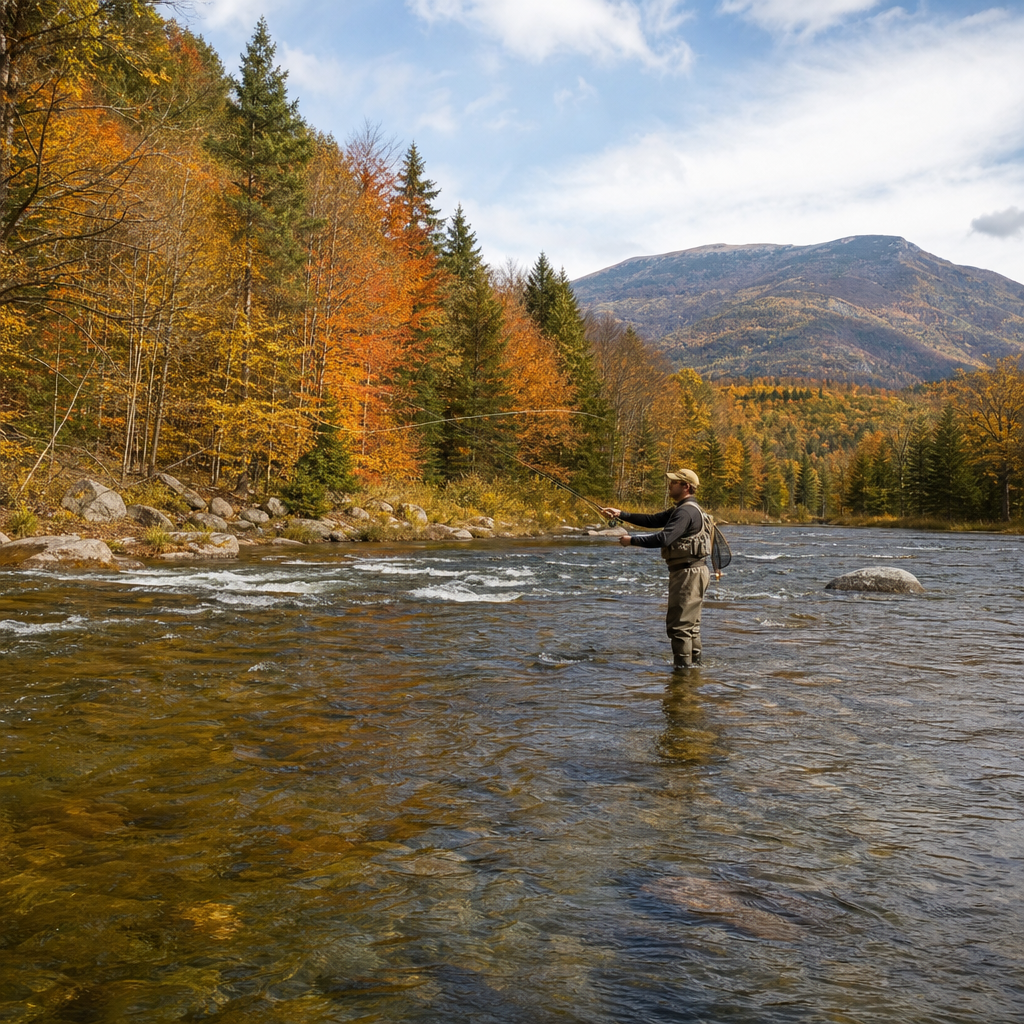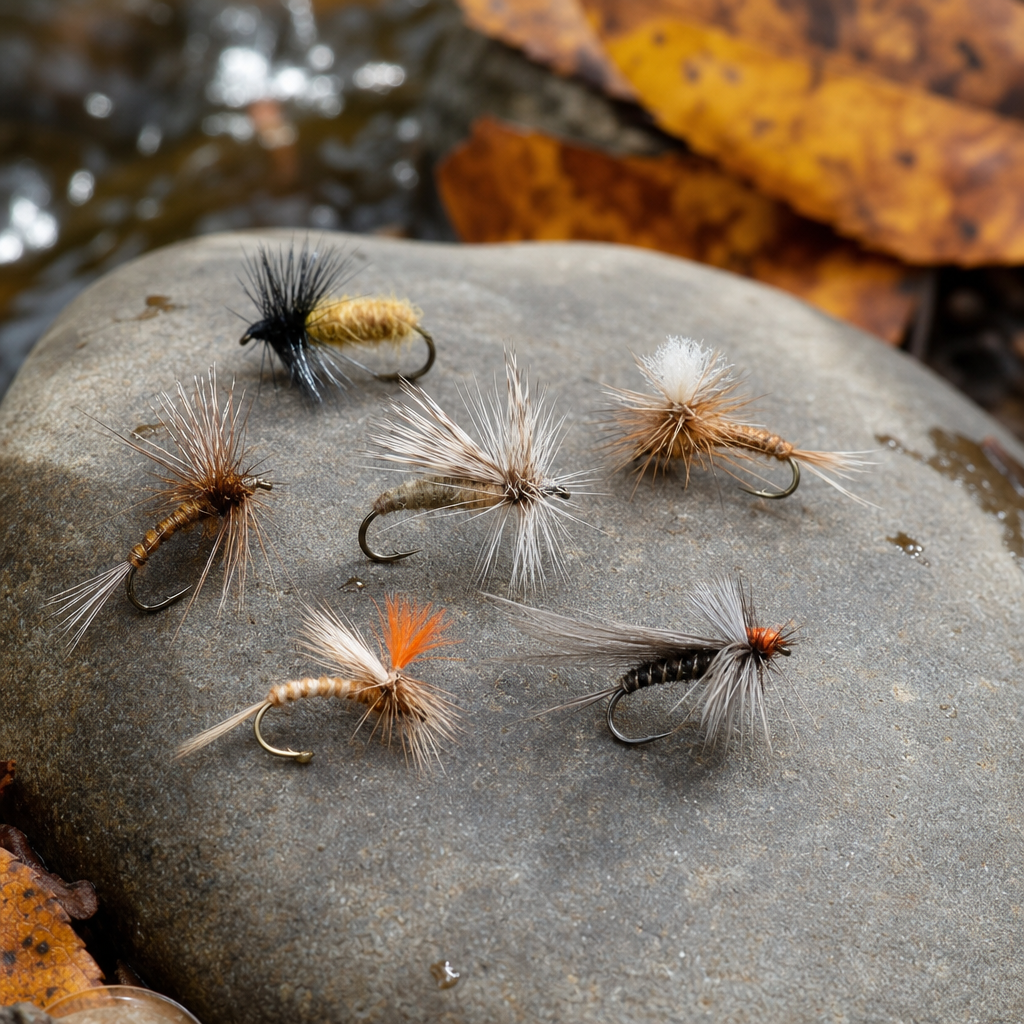
Fly patterns for summer hatches shape the most technical and rewarding dry-fly fishing of the year, because warm weather, stable flows, and long daylight hours bring dense emergences that make trout selective. In practical terms, summer hatches are the repeating cycles of aquatic insects and terrestrials that appear from late spring through early fall, while fly patterns are artificial imitations tied to match a specific life stage, size, silhouette, and behavior. As an angler who plans entire river calendars around sulphurs, PMDs, caddis, Tricos, hoppers, and late-day spinner falls, I have learned that success rarely comes from carrying more flies alone. It comes from understanding when insects emerge, what the fish actually see, and which pattern solves the exact problem in front of you.
This matters because summer conditions magnify every mistake. Clear water, low flows, and abundant food let trout inspect a fly for longer, refuse bad drifts, and ignore patterns that are close but not convincing. At the same time, summer offers the broadest menu of opportunities: mayfly duns in the afternoon, caddis skittering at dusk, midge clusters on calm mornings, and terrestrial falls during heat and wind. A strong summer hatch strategy therefore needs more than a list of famous flies. It needs a framework for reading hatch timing, selecting the correct stage, adjusting size and profile, and knowing when to switch from dry to emerger, cripple, spinner, nymph, or attractor. This hub article covers those decisions so you can build a dependable system for seasonal hatches across rivers, spring creeks, tailwaters, and freestone streams.
How summer hatches work and why trout become selective
Most summer hatch problems begin with a simple misunderstanding: anglers match the species but miss the stage. Trout often feed hardest not on the perfect upright dun but on emergers trapped in the film, cripples with partly freed wings, or spent spinners drifting flush at dusk. Mayflies typically move from nymph to emerger to dun to spinner. Caddis move from larva to pupa to adult and often trigger violent feeding during ascent or egg laying. Midges hatch all year, yet on many summer tailwaters they become most important during calm, technical windows. Terrestrials are not aquatic hatches at all, but in midsummer they function like one because trout set up for repetitive, easy surface meals.
Water type changes the script. On freestone rivers, insect timing often compresses into stronger, shorter events tied to temperature swings and shade. On spring creeks, stable temperatures support longer, more predictable feeding windows and harsher selectivity. On tailwaters, regulated flows can produce dense midge, PMD, or caddis activity with fish that key on narrow size ranges. I rely on streamside observation first: turn over rocks, watch rise forms, inspect spider webs, and carry a small vial or patch of amadou to collect adults. A splashy rise may suggest caddis or chasing emergers; a head-and-tail rise often points to mayfly duns or spinners; subtle dimples usually mean tiny midges, Tricos, or spent insects flush in the film. When you identify behavior before opening the box, pattern choice gets easier and refusals drop quickly.
Core fly patterns for summer hatches by insect group
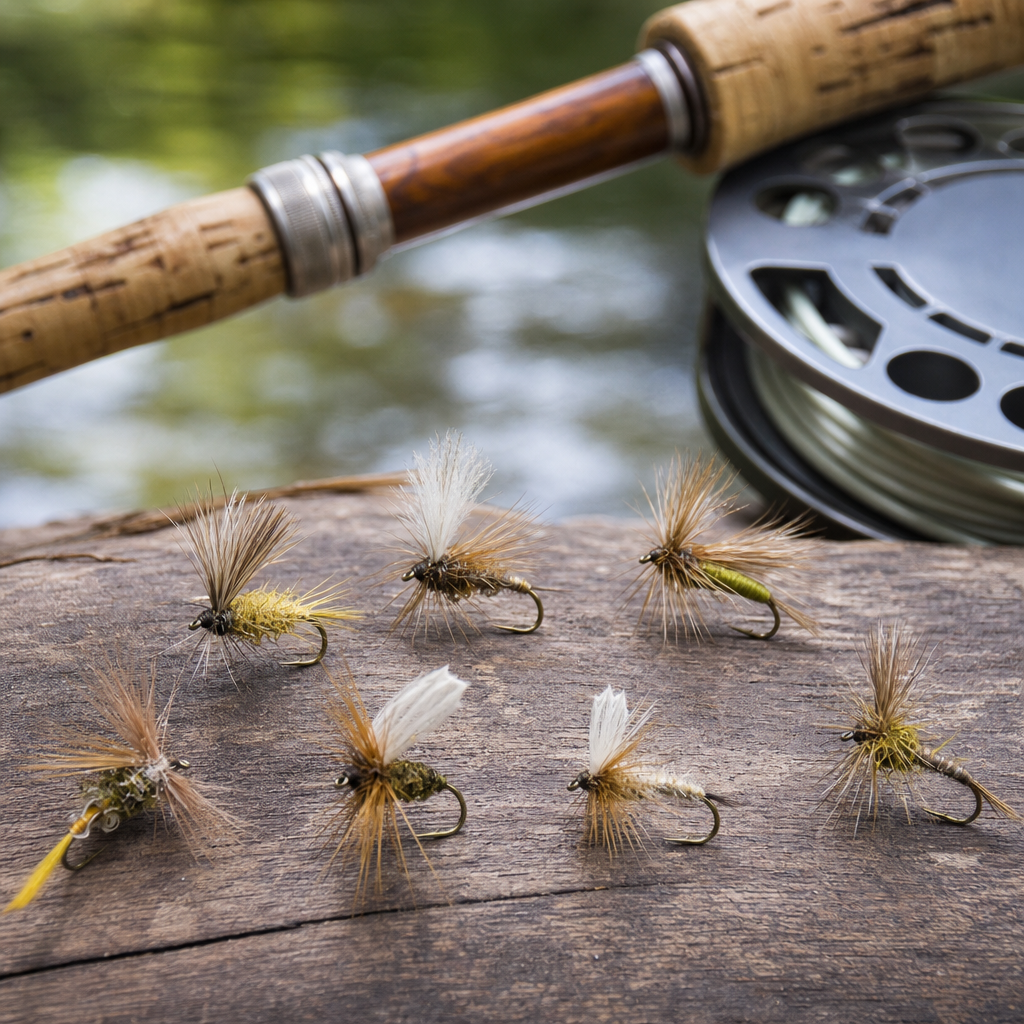
A dependable summer box is built around categories, not random favorites. For mayflies, proven patterns include Comparaduns, Sparkle Duns, Parachute Adams variations, CDC emergers, cripple patterns, and low-riding spinner imitations. For caddis, carry Elk Hair Caddis, X-Caddis, CDC caddis emergers, soft-hackle pupa, and egg-laying adults with brighter indicators. For PMDs and sulphurs, I favor slim dubbed bodies in sizes 14 to 18, pale yellow through creamy orange, because body tone shifts by river and light level. For Tricos, the key is tiny size, spent-wing posture, and split tails, usually 20 to 24. For midges, griffith-style clusters, CDC adults, and thread-bodied emergers cover most situations. Terrestrials require ants, beetles, hoppers, and often a drowned version of each.
Profile usually matters before exact shade. Trout see silhouette, footprint, and attitude on the water long before they reward a perfect color match. A sulphur pattern riding too high can fail even if the body color is exact, while a slightly darker emerger hanging in the film gets eaten repeatedly. I also separate flies by visibility for me versus realism for fish. A parachute post, hi-vis wing, or sighter can help on riffled water, but on flat currents it may create unnecessary bulk. The practical answer is to carry both guide-style visible patterns and sparse technical versions. That balance is what turns a general hatch box into a true seasonal hatch system.
| Hatch Type | Key Summer Patterns | Typical Sizes | Best Use |
|---|---|---|---|
| PMD/Sulphur Mayflies | Comparadun, Sparkle Dun, CDC Emerger, Spinner | 14-18 | Afternoon duns, evening spinner falls, selective trout in slicks |
| Caddis | Elk Hair Caddis, X-Caddis, Soft Hackle Pupa | 14-20 | Dusk flurries, riffles, skittering or ascending insects |
| Tricos | Spent Trico, CDC Spinner, Tiny Emerger | 20-24 | Calm mornings, flat water, podded risers |
| Midges | Griffith-style cluster, CDC Midge, Thread Emerger | 18-26 | Tailwaters, slow seams, subtle feeding lanes |
| Terrestrials | Foam Ant, Beetle, Hopper, Drowned Ant | 8-18 | Windy banks, midday heat, undercut grass edges |
Matching life stage, size, and drift
If trout are refusing your fly during a visible hatch, ask three questions in order: am I on the right stage, the right size, and the right drift? Stage is first because fish often lock onto the easiest form to capture. During a PMD hatch, an emerger trailing a shuck may outfish a dun ten to one. During a caddis event, a soft hackle swung just below the film can beat every dry on the river. During a spinner fall, an upright pattern is simply wrong. I have seen anglers change colors repeatedly while fish fed on spent wings they never considered.
Size is second because summer fish compare your fly against thousands of naturals. On spring creeks especially, being one hook size too large can turn confident takes into inspections and refusals. Carrying half sizes is impossible, so compensate with body taper and hackle density. Sparse tying helps. A #16 that looks slim often passes for a heavy #18. Drift is third, but it is the final judge. Perfect imitation with drag is still a bad fly. Use longer leaders, finer tippet, reach casts, and slack presentations. On technical water I often fish 12- to 15-foot leaders tapered to 5X or 6X, then adjust fly floatant carefully so the body sits low while the wing remains visible. Matching the hatch is not a slogan; it is the combined discipline of stage, size, and drift executed in that order.
Reading seasonal hatch windows from early summer through late summer
Seasonal hatches are easiest to fish when you think in windows instead of dates. Early summer often features leftover spring diversity plus strong mayfly activity: PMDs, sulphurs, green drakes in select waters, and reliable caddis. By midsummer, prolonged heat, lower flows, and terrestrial input shift the balance. Morning Tricos and midges can be precise and technical, while midday may slow until shade, wind, or cloud cover brings fish back to the surface. Late summer usually rewards anglers who blend small aquatic insects with terrestrials, especially ants and beetles after breezy afternoons or thunderstorms.
Temperature is the hidden calendar. Many mayflies intensify when water temperatures move into stable, moderate ranges, while extreme afternoon warming can shorten feeding windows and push activity earlier or later. Light matters too. Sulphurs often build in softer afternoon light, caddis can erupt near dusk, and spinner falls commonly align with calm evening air. On fertile tailwaters, generation schedules complicate timing by changing depth, velocity, and insect availability, so hatch logs matter. I keep notes on river, flow, weather, and exact start and stop times. After one or two seasons, patterns become clear enough that you can arrive an hour before the meaningful feeding, rig confidently, and spend more time fishing correctly than guessing.
River-specific tactics for freestones, spring creeks, and tailwaters
Freestone rivers reward mobility. Hatches here can be strongest in oxygenated riffles, pocketwater seams, and transitions where nymphs are dislodged and adults collect. Fish are often less suspicious than spring creek trout, so slightly bushier patterns and visible posts are acceptable. I still downsize when refusals begin, but I start with practical, fishable flies. During caddis evenings on freestones, an Elk Hair Caddis skated briefly across the current can trigger savage takes that never happen on flat technical water.
Spring creeks demand discipline. Their trout inspect everything because food is abundant and currents are smooth enough for prolonged evaluation. Sparse CDC emergers, no-hackle duns, and low-riding spinners excel because they match footprint and translucency. Positioning matters as much as the pattern: cast from below, avoid lining fish, and target one feeding lane rather than covering water indiscriminately. Tailwaters sit between those extremes but add flow management and density. On rivers like the South Platte, Delaware tailwater sections, or the Bighorn, insect abundance creates selective feeding on tiny patterns, yet fish can still respond strongly when flows push pupa or emergers into concentrated seams. The right tactic is therefore specific to the river class, not just the insect name.
Summer hatch mistakes and the adjustments that fix them
The most common mistake is changing flies before changing observations. Anglers often miss that trout are taking spent caddis, drowned ants, or emergers half an inch under the film. Another error is using too much floatant. Greasing the entire leader and fly can make an emerger ride unnaturally high. I usually treat only the wing or post on technical patterns and leave the abdomen or shuck to sit flush. Overdressing tippet is another subtle problem because micro-drag starts near the fly. Degrease the final section when fishing spinners or tiny emergers on flat currents.
Hook choice also matters more than many realize. Wide-gap dry-fly hooks can improve hookups on low-riding patterns, while heavy wire may sink a small adult unintentionally. Carrying duplicate patterns tied on different hooks is not obsessive; it solves real presentation problems. Finally, do not ignore subsurface options during visible hatches. If trout flash without breaking the surface, fish a soft hackle, perdigon dropper, or unweighted emerger beneath a dry. Many summer “dry-fly hatches” are actually subsurface feeding events with only occasional surface clues. The anglers who accept that nuance catch fish steadily while others insist the hatch should be easier than it is.
Building a summer hatch box that works as a seasonal hub
A useful summer hatch box should mirror the full seasonal hatch calendar, making it the central reference point for every related trip and every deeper article you read on mayflies, caddis, midges, and terrestrials. Organize it by insect group first, then by life stage, then by size. That structure lets you respond quickly when conditions change from afternoon duns to evening spinners. Include confidence patterns that cover multiple insects, such as a Parachute Adams, a small CDC emerger, and a soft hackle in neutral shades, but do not rely on generic flies alone. Add river-specific staples once your local logs reveal what consistently matters.
Quality matters more than sheer volume. I would rather carry six well-tied PMD patterns in three stages than twenty random pale flies. Check hackle proportions, shuck length, wing angle, and hook sharpness before the season begins. Replace crushed foam terrestrials and rusty micro hooks. Summer hatches reward preparation because the feeding windows can be brief and exact. Build your box to answer the real questions trout ask: does this insect look vulnerable, is it the right size, and is it drifting naturally? When your fly selection is organized around those answers, summer hatch fishing becomes far less mysterious and much more repeatable. Use this hub as your starting point, then refine each hatch on your home water with notes, observation, and deliberate practice.
Frequently Asked Questions
What are the most important fly patterns to carry for summer hatches?
A smart summer hatch box should cover the core insect groups and the key stages trout actually feed on. In most trout fisheries, that means carrying patterns for mayflies, caddis, midges, and terrestrials, along with a few attractor dries that can suggest multiple insects at once. For mayflies, dependable choices include parachute-style duns, comparaduns, spinners, and low-riding emergers in sizes that match the dominant hatch on your water. Summer trout often key in on insects trapped in the film, so emerger patterns are often just as important as fully floating dries. For caddis, elk hair styles, sparse adult caddis, soft emerger patterns, and pupa imitations are all worth having, especially during evening activity when caddis can become the main event.
Midges remain important even in summer, particularly on tailwaters, spring creeks, and during slow periods between larger hatches. Small griffith-style patterns, midge clusters, and tiny emergers can save a difficult day. Terrestrials also become a major category once summer is fully established. Foam ants, beetles, hoppers, and inchworm imitations often produce when aquatic insects are inconsistent or when trout are stationed close to banks, under overhanging vegetation, or beneath meadow grasses. If you want a practical system, think in terms of coverage: one high-floating adult, one emerger, one spent or cripple pattern, and one terrestrial option in the sizes most common on your river. That approach gives you the flexibility to match not just the bug, but the exact behavior trout are feeding on.
How do I choose the right fly pattern when trout become selective during dense summer hatches?
When trout get selective in summer, the mistake most anglers make is assuming the problem is simply the species of insect. In reality, selective feeding is usually tied to a narrower trigger: size, stage, profile, color tone, or drift. Start by watching the rise forms. Splashy, aggressive takes may point to caddis adults or terrestrials, while soft sips often suggest mayfly emergers, spent spinners, or tiny insects riding flush in the film. Then inspect the air, surface, and nearby rocks or vegetation. If you can identify what is hatching and whether the trout are eating adults, emergers, or cripples, your fly choice becomes much more precise.
From there, match the most important variables in order. Size is typically first; a well-presented fly in the correct size often outperforms a perfect imitation in the wrong size. Next comes silhouette and posture. In clear summer water, trout get a long look, and a low-riding pattern can be far more convincing than a bushy dry if naturals are emerging or lying spent on the surface. Color usually matters, but often as a general tone rather than an exact shade. Finally, pay close attention to drift. A perfect fly dragged even slightly across a slick can be refused instantly. In technical summer conditions, it is often wise to fish one pattern for a few good drifts, then adjust only one thing at a time: first size, then stage, then profile. That systematic approach helps you solve the puzzle without second-guessing every cast.
Should I fish adult dry flies, emergers, or spinner patterns during summer hatches?
The best answer is that you should fish the stage trout are feeding on, not the stage you happen to enjoy casting most. During summer hatches, trout frequently feed below or in the surface film long before they focus on fully emerged adults. That is why emergers are so effective. They imitate vulnerable insects that are struggling to break free, and trout often prefer that easy meal over a healthy adult that can escape quickly. If you see subtle rises, noses barely breaking the surface, or fish feeding steadily without obvious splash, an emerger or cripple pattern is often the right starting point.
Adult dry flies shine when insects are actively floating, skittering, or collecting on the surface, as often happens with caddis and some mayfly duns. They are also useful when you need visibility in riffled water or when trout are willing but not ultra-selective. Spinner patterns become critical later in the hatch cycle, especially on calm evenings when mayflies return to lay eggs and die spent on the water. During spinner falls, trout can become laser-focused on flat, motionless silhouettes, and high-riding duns may be ignored completely. A practical strategy is to think through the day in sequence: emergers during the build-up, adults during peak visible emergence, and spinners when the hatch winds down or at dusk. Anglers who carry all three stages and switch based on feeding behavior consistently catch more trout than those who rely on one dry-fly style all day.
How should I adjust fly patterns and presentation for different summer water conditions?
Summer conditions can change dramatically from one reach to the next, and your fly pattern should reflect that. In fast pocket water or broken riffles, trout have less time to inspect a fly, so you can get away with slightly more buoyant, visible patterns such as parachutes, elk hair caddis, or attractor styles. In this water, flotation, visibility, and quick drag-free drifts matter more than ultra-exact detail. A fly with a bit of sparkle, a more pronounced wing, or a high-floating hackle can perform very well because the fish are making faster feeding decisions.
In contrast, slow glides, spring creeks, slick tailouts, and clear flat water demand refinement. Here, lower-profile patterns often outperform bushier flies, and downsizing can be the key. Comparaduns, spent spinners, CDC emergers, and sparse cripple patterns excel because they sit naturally in or on the film. Long leaders, fine tippets, and careful positioning also become part of the “pattern” in practical terms, because even a perfect imitation will fail if it lands heavily or drags immediately. Water clarity matters too. In bright, low summer water, natural tones and slimmer silhouettes are usually better, while slightly stained water allows for more visible flies and bolder profiles. Wind can also push terrestrials onto the water, making ants, beetles, and hoppers a better choice than matching a sparse aquatic hatch. The strongest anglers do not just change flies; they match fly style to water type, current speed, and how much inspection time each trout really has.
What are the best tips and tricks for building a reliable summer hatch strategy?
The most effective summer hatch strategy begins before the first cast. Learn the likely hatch calendar for your river, but treat it as a guide rather than a guarantee. Summer hatches are repeating and seasonal, yet exact timing shifts with water temperature, weather, and flow stability. Arrive with a box organized by insect type and life stage, not just by random pattern names. That makes it much easier to adapt quickly when fish switch from duns to emergers or from mayflies to terrestrials. Spend a few minutes observing before fishing. Watch the current seams, look for shucks on rocks, inspect spider webs, and note whether bugs are lifting off, drifting helplessly, or falling spent. Those small clues often tell you far more than repeated blind casting.
On the water, fish methodically. Start with confidence patterns that broadly match the hatch, then refine based on trout response. If fish inspect and refuse your fly, think smaller, lower, and sparser before making drastic changes. If fish are feeding but not rising cleanly, try an emerger. If activity fades at dusk but occasional sips continue, switch to a spinner or tiny midge pattern. Keep floatant off flies meant to sit flush in the film, and use it more aggressively on visible adults and foam terrestrials. Another valuable trick is to carry a few “in-between” patterns that can suggest multiple insects, especially during mixed hatches when trout are opportunistic but still selective. Most of all, be willing to rotate through pattern size, stage, and profile with purpose instead of randomly. Summer dry-fly fishing rewards anglers who combine observation, imitation, and presentation into one flexible system, and that is exactly what turns technical hatches into some of the most memorable fishing of the year.