Choosing the best fly fishing guides and outfitters can determine whether a destination trip becomes a milestone memory or an expensive lesson in poor planning. In fly fishing, a guide is the individual who leads anglers on the water, while an outfitter is the business that organizes the broader experience, including permits, lodging, boats, equipment, transportation, meals, and staffing. The distinction matters because a brilliant casting coach may work under an average operation, and a polished lodge can still assign a weak daily guide. After years of reviewing destination programs across trout rivers, saltwater flats, and wilderness lodges, I have learned that the best fly fishing guides and outfitters deliver three things consistently: local expertise, operational reliability, and honest expectation setting. This article serves as a hub for travel and destination reviews, helping anglers compare regions, trip styles, service models, and pricing structures before booking. It matters because guided fly fishing is rarely cheap, prime dates sell out early, and conditions can shift fast due to weather, runoff, tides, regulations, or migration timing. A careful review framework protects your budget, improves safety, and increases the odds that your chosen destination fits your skill level, target species, and travel goals. Rather than chasing marketing slogans, anglers should evaluate measurable details: guide credentials, communication quality, cancellation terms, fishery access, gear standards, conservation practices, and guest reviews with enough substance to reveal patterns instead of isolated praise.
What separates the best fly fishing guides and outfitters
The best fly fishing guides and outfitters are defined less by trophy photos and more by repeatable standards. A top guide reads water quickly, teaches without ego, manages boat positioning efficiently, and adjusts the day to the angler rather than forcing a rigid plan. A top outfitter handles logistics with precision: confirmation emails are clear, packing lists are realistic, dietary and mobility concerns are documented, and backup plans exist for weather, low water, blown rivers, or mechanical issues. When I review operations, I look first at responsiveness. If a company takes a week to answer basic questions about wader sizing, airport transfers, or nonresident licenses, that usually forecasts poor in-country communication. I also examine how specifically they discuss fisheries. Strong operators explain when hatches peak, how daily walk-and-wade compares with drift boat access, what average casting distances are, and whether beginners are truly welcome. Vague claims like “world-class fishing year-round” are warning signs. Real quality sounds more concrete: “Expect 35 to 50 foot presentations, afternoon wind on the flats, and two species shots per tide cycle.” Great outfitters also match personalities. Some trips emphasize instruction and steady action; others are designed for advanced anglers hunting one difficult fish per day. The difference should be obvious before a deposit is paid.
How to review destination types before you book
Travel and destination reviews work best when organized by fishery type, because a bonefish lodge, a Western trout outfitter, and a remote steelhead camp solve different problems. Trout destinations usually reward instruction, hatch timing, and river variety. A strong trout program should identify whether nymphing, dry fly fishing, streamer fishing, or euro tactics dominate, and whether wading difficulty suits your balance and conditioning. Saltwater operations rise or fall on skiff quality, guide vision, and weather flexibility. Here, I want details on tide strategy, species seasonality, sunscreen and clothing guidance, and whether anglers need to cast forty feet or eighty feet into wind. Warmwater trips for bass, pike, and musky should explain boat layout, fly line recommendations, and seasonal water temperature patterns. Anadromous programs targeting salmon or steelhead need to be transparent about low catch rates, rotating beats, and swing versus indicator methods. Jungle and exotic fisheries add another layer: health precautions, evacuation planning, satellite communication, and equipment redundancy matter as much as the fishing itself. Good destination reviews compare all of these elements, not just the scenery. The best trip is rarely the most famous one; it is the one aligned with your expectations, physical ability, casting range, and appetite for adventure versus comfort.
Key criteria for comparing guides, lodges, and outfitters
Use a structured review method so emotion does not override facts. The table below reflects the criteria I rely on when comparing destination programs for readers and clients.
| Criteria | What to Look For | Why It Matters |
|---|---|---|
| Guide quality | Local tenure, teaching ability, safety focus, species knowledge | Determines daily success, learning, and adaptability |
| Fishery access | Private water, beat rotation, skiff range, permit access | Affects pressure, variety, and shot quality |
| Operational communication | Fast replies, detailed itineraries, realistic prep lists | Prevents surprises and builds trust before arrival |
| Equipment standards | Reliable boats, modern rods, clean loaner gear, spare tackle | Reduces downtime and improves comfort |
| Lodging and food | Clean rooms, early breakfasts, angler-friendly schedules | Influences recovery, morale, and overall trip value |
| Conservation ethic | Fish handling, local regulations, habitat support | Protects fisheries and signals professionalism |
| Price transparency | Deposits, gratuity guidance, hidden transfer or license fees | Clarifies true trip cost |
| Guest fit | Honest skill-level matching and mobility disclosure | Prevents mismatch between marketing and reality |
When several outfitters look similar on price, these factors create separation quickly. For example, two Alaska operations may both advertise floatplane-access rainbow trout, but one may include premium raingear, single-angler guide ratios, and satellite emergency systems, while the other charges extra for each item. That difference changes value dramatically.
Regional destination reviews: where the best programs stand out
North America remains the easiest entry point for most anglers reviewing fly fishing travel. In the American West, standout outfitters on rivers like the Madison, Bighorn, Green, and San Juan succeed by offering diverse water types, strong guide benches, and flexible instruction for everyone from first-timers to technical dry fly specialists. In Alaska, the best lodges distinguish themselves through aircraft logistics, weather contingencies, and fish handling discipline around rainbow trout, char, grayling, and salmon. In the Southeast, tailwater fisheries such as the South Holston reward guides who understand generation schedules and midge or sulphur timing down to the hour. Internationally, Patagonia remains a flagship destination because elite outfitters combine spring creeks, freestone rivers, and stillwaters within one itinerary, reducing weather risk. New Zealand’s top guides are exceptional sight-fishing coaches, but they should clearly disclose the physical demands of hiking and the need for stealth and accurate longer casts. The Bahamas still set the benchmark for classic bonefishing, where the best lodges pair experienced local guides with skiffs capable of crossing broad flats safely. Mexico’s Ascension Bay and Isla Holbox stand out for permit and tarpon diversity, while Christmas Island is defined by volume, species variety, and rugged simplicity rather than luxury. Each region has excellent operations, but the best reviews explain why one destination fits your priorities better than another.
Red flags that appear in weak guide service and inflated reviews
Not every highly rated operation deserves its reputation. One red flag is a review profile filled with generic praise but few specifics about boats, staff names, target species, or how problems were handled. Authentic travel and destination reviews mention conditions, tactics, personalities, and tradeoffs. Another warning sign is overpromising catch rates. Good outfitters never guarantee fish beyond what regulations and biology allow. They talk in probabilities, not certainties. Watch for outdated websites showing old rates, unclear tackle policies, or no discussion of licenses, weather risk, and cancellation terms. On the ground, weak programs often reveal themselves through rushed breakfasts, disorganized tackle, poor boat maintenance, and guides learning your name in the parking lot instead of from the itinerary. I also pay attention to whether an outfitter asks meaningful pre-trip questions. If they do not ask about handedness, wading confidence, injuries, casting experience, or target priorities, they are not building a trip around the guest. In remote destinations, lack of emergency planning is a deal breaker. Every serious operation should know the nearest clinic, medevac procedure, communication system, and weather evacuation threshold. Luxury branding cannot compensate for thin systems. Reliable reviews should highlight both strengths and limitations so anglers can make informed choices instead of emotional ones.
Budget, value, and what you really pay for
Price alone is a poor shortcut when reviewing the best fly fishing guides and outfitters. A low day rate can become expensive after rental gear, flies, shuttle fees, park entries, alcohol, guide gratuities, and transportation are added. At the high end, lodge rates may look intimidating, yet include charter flights, premium tackle, single occupancy, laundry, and open bar service that meaningfully reduce total cost uncertainty. The right approach is to calculate fully loaded trip cost per fishable day, then compare what that buys. For instance, a $900 guided trout float with excellent instruction, private access, and quality lunch may offer better value than a $650 trip on crowded public water with an indifferent guide and surprise add-ons. In saltwater, paying more for a skilled permit guide is often rational because your number of real shots is limited, and guide vision plus skiff positioning directly affect results. Value also depends on your purpose. If you want to learn, prioritize patient teaching and varied water over trophy claims. If you are planning a once-in-a-decade taimen or giant trevally trip, pay for logistical depth and safety margins first. The best reviews explain not just cost, but cost structure, inclusions, exclusions, and how service quality translates into angling opportunity. That clarity helps readers decide where to save and where to spend confidently.
How this hub supports smarter travel and destination reviews
As a sub-pillar within product reviews and recommendations, this hub is designed to connect anglers with deeper destination-specific content while giving them a practical framework for evaluating any guided trip. Use it as a starting point when comparing trout lodges, saltwater flats camps, wilderness float programs, hosted travel weeks, or single-day guide services near home. The main lesson is simple: the best fly fishing guides and outfitters combine fishery knowledge, operational discipline, honest communication, and guest fit better than their competitors. Region, price, and style all matter, but reliability and transparency matter more. Before booking, ask direct questions about target species timing, average casting demands, boat or wade expectations, guide assignment, emergency protocols, licensing, and full trip cost. Then compare the answers against independent reviews that provide specific detail rather than recycled compliments. Do that work early, and you will avoid most common disappointments. A well-chosen outfitter saves time, sharpens your skills, protects your travel budget, and makes unfamiliar water feel approachable from the first day to the final cast. Start with your priorities, use a review framework, and shortlist operators that speak clearly, plan carefully, and respect both the fishery and the angler. That is how better fly fishing travel decisions are made, and it is the standard every destination review on this hub should support for future trip planning success.
Frequently Asked Questions
What is the difference between a fly fishing guide and an outfitter, and why does it matter when booking a trip?
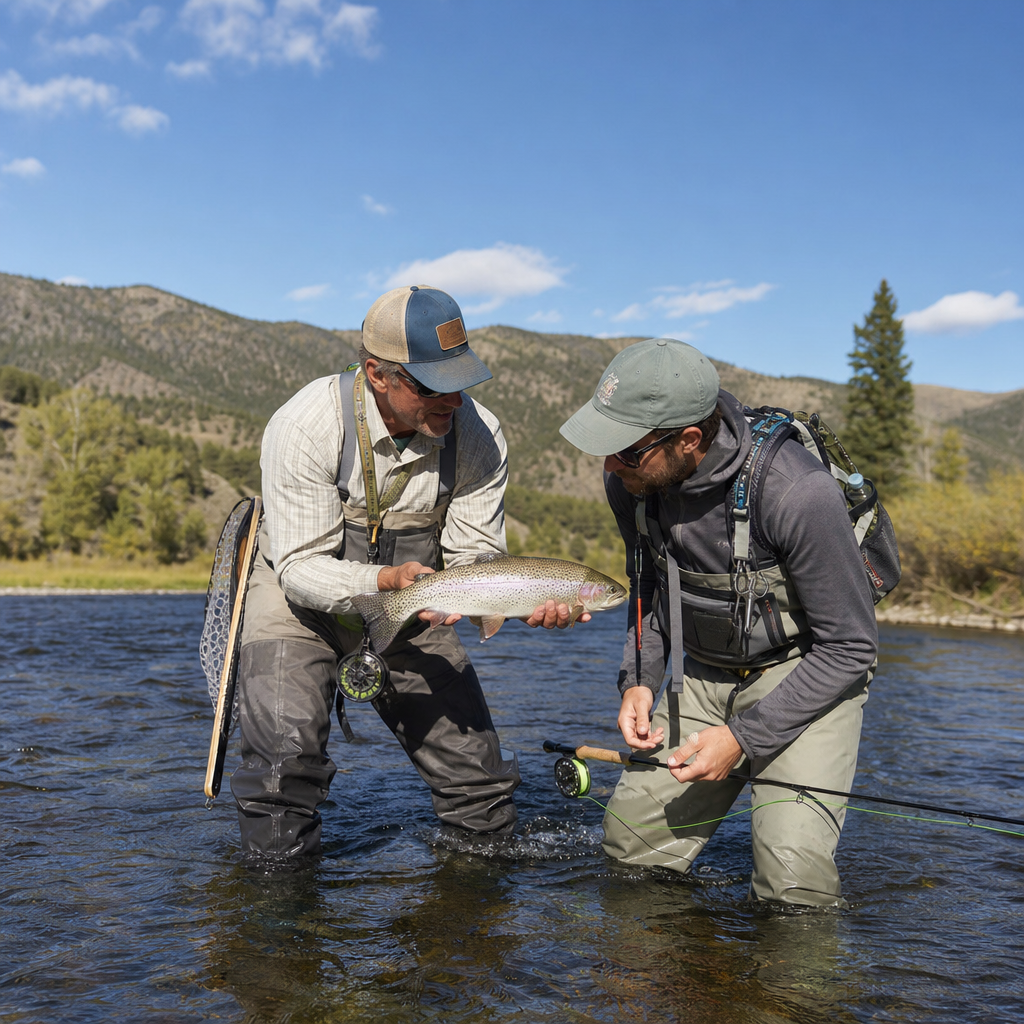
A fly fishing guide is the person who works directly with you on the water. That includes reading the river, selecting flies, teaching technique, positioning the boat, adjusting for weather and water conditions, and helping you fish more effectively throughout the day. An outfitter, on the other hand, is the business or operation that manages the full trip experience. Depending on the destination, that can include permits, lodging, meals, transportation, boats, rental gear, scheduling, support staff, and overall logistics.
This distinction matters because a trip can succeed or fail at more than one level. You may have an excellent individual guide who is knowledgeable, patient, and highly skilled, but if the outfitter is disorganized, cuts corners on equipment, communicates poorly, or overbooks prime water, the overall experience can still be disappointing. The reverse can also happen: a well-run outfitting operation may provide smooth logistics and great accommodations, but if your assigned guide is not a strong teacher or is not a good fit for your goals, the fishing day may feel underwhelming.
When reviewing the best fly fishing guides and outfitters, look at both layers separately. Evaluate the guide for local expertise, safety awareness, teaching ability, professionalism, and on-the-water results. Evaluate the outfitter for transparency, consistency, staffing quality, access to fisheries, gear standards, cancellation policies, and guest support before and during the trip. The best experiences usually come from operations where both pieces are strong: an outfitter that runs a polished, reliable program and guides who can adapt to your skill level, target species, and expectations.
How can I tell if a fly fishing guide or outfitter is truly reputable before I book?
Start by looking beyond marketing language. Nearly every operation claims to offer world-class fishing, expert guides, and unforgettable experiences. What separates reputable providers is specific, verifiable detail. Strong outfitters clearly explain what is included, what is not included, what species and techniques are realistic for the season, how many anglers are assigned per guide, what skill levels they work with, and what happens if weather or water conditions change the plan. Clear, direct communication is often one of the earliest signs of professionalism.
Reviews are useful, but they should be read carefully. Look for patterns rather than isolated praise or complaints. Repeated mentions of punctuality, fishery knowledge, patience with beginners, strong safety practices, honest trip expectations, and well-maintained equipment are good signs. Repeated complaints about bait-and-switch guide assignments, poor communication, surprise fees, overcrowded water, or unrealistic promises should raise concern. It also helps to check whether reviews discuss the actual structure of the trip rather than just the excitement of catching fish.
Ask questions before sending a deposit. A reputable outfitter should be able to explain who your guide might be, what certifications or first-aid training guides hold, whether boats and safety gear are up to standard, how often equipment is replaced, what the typical daily schedule looks like, and how they handle changes caused by runoff, wind, temperature, or fishing pressure. Good operators are transparent about difficult conditions and do not promise guaranteed success. In fact, honesty about the variables of fishing is often a mark of credibility.
You should also pay attention to fishery ethics and legal compliance. Quality outfitters respect local regulations, access rules, and conservation practices. They secure permits where required, manage pressure on fragile waters, and teach guests to fish responsibly. In destination settings, especially remote or international ones, that level of operational discipline matters as much as the fishing itself. A reputable outfitter is not just selling fish; they are delivering a safe, ethical, organized experience backed by real local knowledge and consistent execution.
What questions should I ask before choosing a fly fishing guide or outfitter for a destination trip?
The best questions help you match the trip to your goals, not just the outfitter’s sales pitch. Begin with the basics: What species are realistically available during my travel window? What techniques are typically used that time of year? Is the trip wade-based, drift-boat based, raft-based, or a mix? How many anglers are assigned per guide? What level of casting ability is expected? These questions reveal whether the operation is being candid about conditions and whether the trip suits your current skill set.
Next, ask what is included in the quoted price. This is one of the most important parts of trip planning because “guided” can mean very different things in different destinations. Clarify whether the price includes flies, terminal tackle, rods, reels, waders, boots, lunches, drinks, transportation, airport transfers, fishing licenses, park fees, lodging, and gratuities. For lodge-based or remote packages, ask about room arrangements, meal quality, Wi-Fi or communication access, laundry, alcohol policies, and medical contingency plans. Small logistical details often shape the overall value of the trip more than anglers expect.
You should also ask operational questions that reveal the quality of the outfitter behind the guide. How are guides assigned? Can the outfitter match you with a guide based on your experience level or target species? What is the backup plan if your guide becomes unavailable? How many pieces of water does the operation access, and how do they avoid crowding? What happens if weather, runoff, or unsafe conditions force a change of plan? Strong outfitters answer these questions confidently because they have systems in place, not because they hope conditions cooperate.
Finally, ask about expectations and physical demands. Some fly fishing trips involve easy boat fishing with short walks; others require long hikes, difficult wading, long casting, or repeated shots at fast-moving fish. Ask how physically demanding the trip is, whether non-angling companions are accommodated, and what level of mobility is needed. A quality guide or outfitter will appreciate these questions because they want good client matches. The more clearly you understand the fishing style, the logistics, and the day-to-day demands, the more likely you are to book a trip that feels rewarding instead of stressful.
Are expensive fly fishing guides and outfitters always better than more affordable options?
Not always. Price can reflect quality, but it can also reflect location, exclusivity, travel complexity, brand positioning, access costs, or luxury amenities unrelated to the actual quality of guiding. A high-priced trip may include private water, premium lodging, gourmet meals, specialized transportation, or remote access by floatplane or helicopter. Those elements can absolutely enhance the experience, but they do not automatically mean the guide is a better teacher, the fishery is managed better, or the operation is more client-focused than a simpler, more affordable outfitter.
In many cases, mid-priced operations deliver outstanding value because they focus on what serious anglers care about most: knowledgeable guides, honest expectations, efficient logistics, dependable equipment, and access to productive water at the right time. A modest riverside lodge with excellent guide staff and smart scheduling can outperform a luxury operation that invests more in appearance than in guide development or fishery management. For anglers who prioritize learning, time on quality water, and consistency, value often matters more than prestige.
The smartest way to judge price is to break down what you are actually paying for. Ask whether the rate reflects full-service logistics, destination travel support, premium access, one-on-one guiding, or upgraded accommodations. Compare that against your own goals. If you want expert instruction, a safe first experience, or targeted help pursuing a species on unfamiliar water, paying more for a highly experienced guide may be worthwhile. If you already have solid skills and mainly need local access and current river knowledge, a less expensive but reputable operation may be the better fit.
Ultimately, the best trip is not the one with the highest price tag. It is the one where the guide quality, outfitter organization, fishing style, and amenities align with your expectations. A thoughtful review process helps you avoid the common mistake of equating cost with excellence. In fly fishing travel, true quality is usually revealed in preparation, honesty, adaptability, and execution rather than marketing polish alone.
What makes a fly fishing trip memorable beyond simply catching a lot of fish?
Fish matter, of course, but the most memorable trips usually combine strong fishing with trust, comfort, learning, and a sense of place. A great guide does more than put clients near fish. They teach without talking down, adapt to changing conditions, notice when an angler needs encouragement or a different approach, and help turn mistakes into progress. Many anglers remember a guide’s patience, river knowledge, humor, and timing just as vividly as the biggest fish of the trip.
The outfitter’s role is equally important in shaping those memories. Smooth transportation, reliable scheduling, good food, well-maintained boats, clean lodging, quality gear, and clear daily communication remove friction from the trip and let anglers stay focused on the experience. When those details are handled well, the trip feels seamless. When they are neglected, even strong fishing can be overshadowed by confusion, fatigue, or frustration. This is exactly why reviewing both guides and outfitters matters so much when planning a destination experience.
A memorable trip also leaves you with more than photos. It gives you a stronger understanding of the fishery, the local conditions, and your own angling. Maybe you finally learned to mend effectively