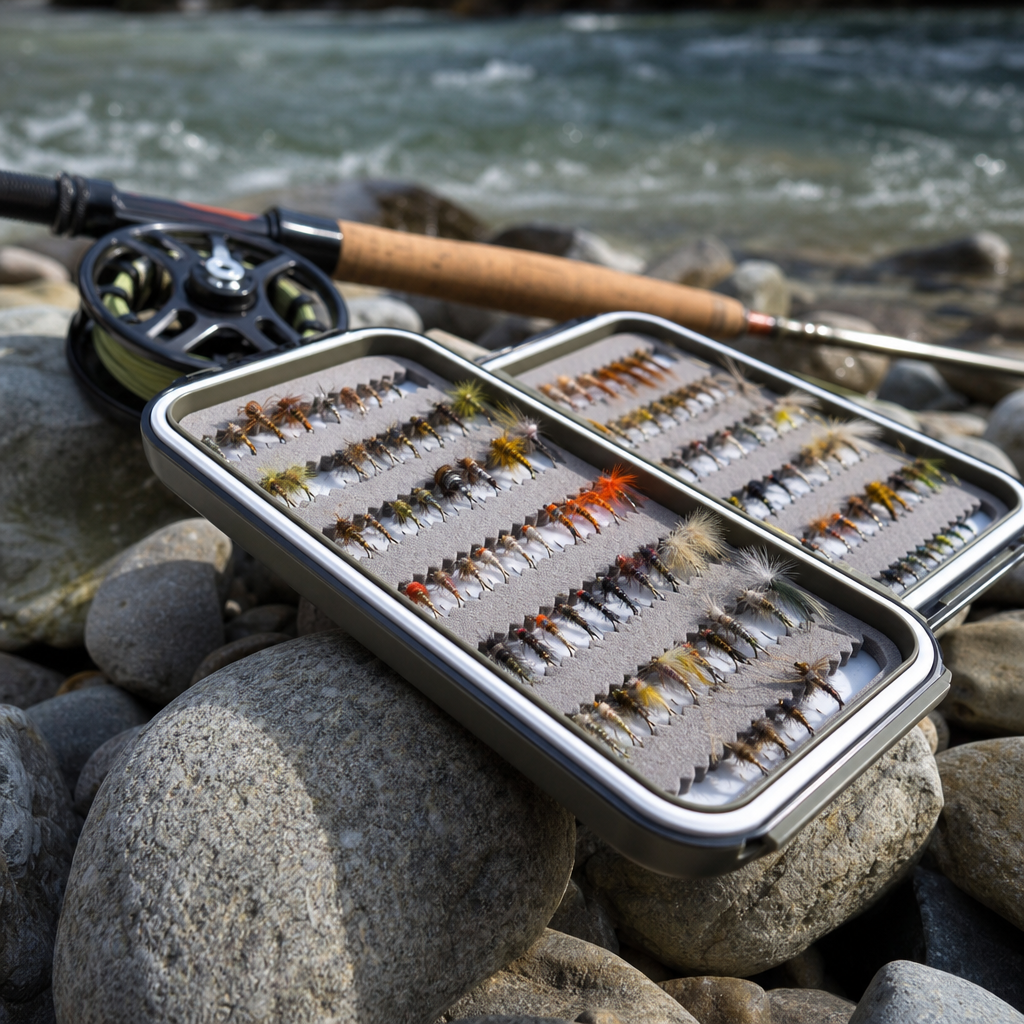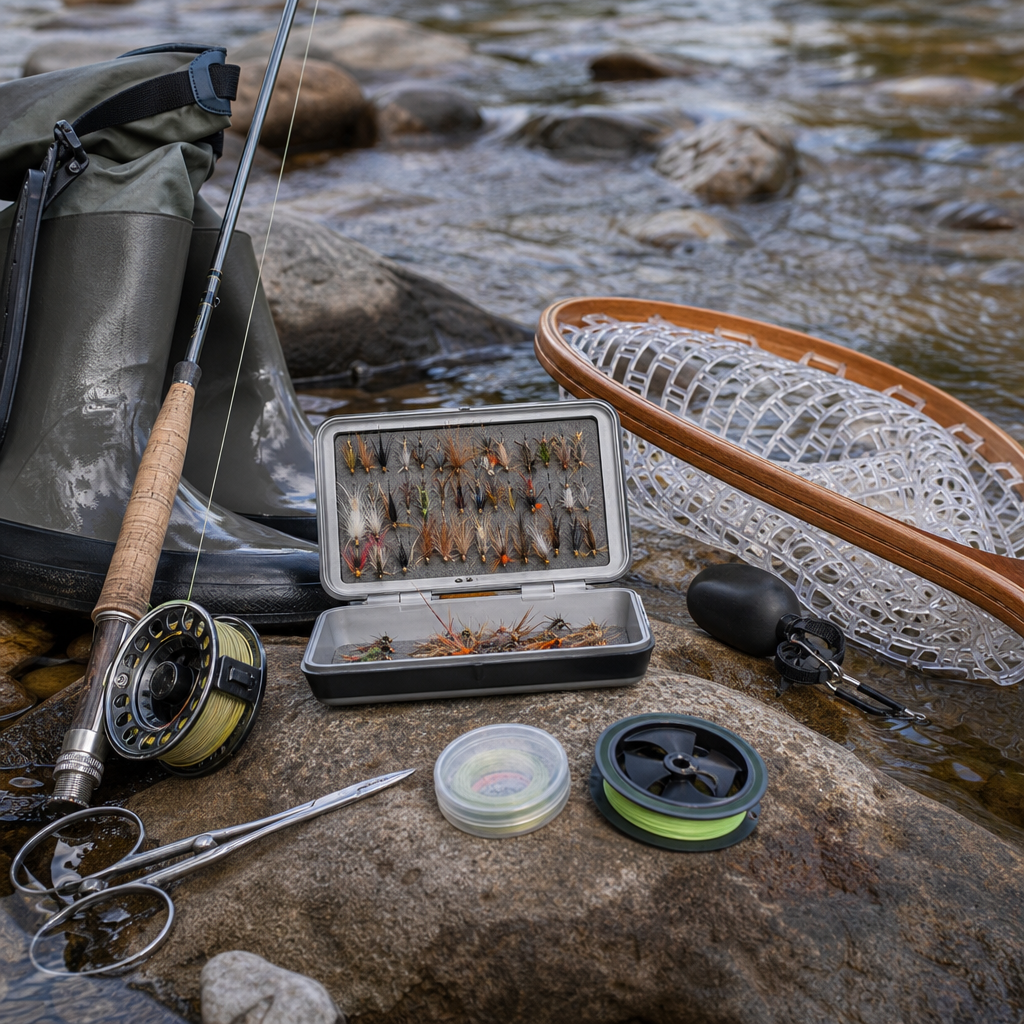
Choosing the best fly fishing rods for beginners starts with understanding what a rod actually needs to do on the water. A fly rod is not just a stick that throws line; it is a tuned casting tool designed to load, recover, protect light tippet, and help a new angler form efficient loops. In practical terms, the right beginner rod makes learning easier, reduces fatigue, and increases the odds of catching fish. The wrong rod does the opposite. After helping new anglers assemble first outfits, teach casting basics, and compare entry-level setups beside premium models, I have seen one pattern repeatedly: beginners improve fastest when they use forgiving gear matched to the species, water size, and line weight they will fish most.
For most people searching for the best fly fishing rods for beginners, the key terms are simpler than the catalogs make them sound. Rod weight refers to the line size the rod is built to cast; a 5-weight rod is the standard all-around trout choice. Rod length affects reach, mending, and casting control; 9 feet is the common sweet spot. Action describes where and how the rod flexes. Fast-action rods bend mostly in the tip and generate higher line speed, while moderate rods flex deeper and often feel easier for new casters to time. Material matters too. Nearly every modern beginner rod uses graphite because it is light, responsive, durable, and affordable compared with bamboo or fiberglass for all-purpose use.
This topic matters because a beginner rod purchase often sets the tone for the entire fly fishing experience. A well-chosen rod supports skill development across casting, line management, and fish fighting. It also preserves budget for the other essentials that matter just as much, including a balanced reel, a quality weight-forward floating line, leaders, flies, and polarized eyewear. As the central gear reviews hub under product reviews and recommendations, this guide covers how to evaluate rods, which specifications serve beginners best, where popular models fit, and how to avoid common buying mistakes. If you want one article that helps you narrow options before reading model-specific reviews, start here and use it as your roadmap.
What Makes a Fly Rod Beginner Friendly
The best beginner fly rods share a short list of traits: forgiving loading, manageable swing weight, dependable build quality, and broad versatility. In the shop and on the casting field, the easiest rods for first-timers are usually medium-fast to moderate-fast graphite models in mainstream line sizes. They generate enough line speed to cast a weighted nymph rig or small streamer, but they still bend enough to communicate timing. New anglers need feedback. If a rod is too stiff for their stroke, they often rush the cast, open the loop, and blame themselves when the real issue is poor matching between rod, line, and ability.
Balance is another factor beginners underestimate. A light rod can still feel unpleasant if it is paired with a heavy reel, or if the rod is tip-heavy because of blank design. Excess swing weight tires the wrist and exaggerates tracking errors during a day of practice. Build details matter as well. Look for hard-chromed snake guides, smooth stripping guides, aligned ferrules, and a comfortable cork grip without major filler voids. Reel seat hardware should lock firmly and resist loosening. On entry-level rods, a strong warranty is not just a marketing perk; it is real protection when a car door, ceiling fan, or rushed breakdown at the takeout snaps a tip section.
Versatility matters because most beginners are not specializing immediately. They are fishing stocked trout one weekend, bluegill ponds the next, and maybe taking a guided drift trip later in the season. A beginner-friendly rod should cast dry flies, indicator rigs, and small streamers with equal competence. That is why all-around 5-weight and 6-weight rods dominate starter recommendations. Specialty rods exist for euro nymphing, bass bugs, tiny mountain streams, and saltwater flats, but they are best considered after the basics are learned with a rod that covers the widest range of fishing situations.
The Best Starting Specifications for Most New Fly Anglers
If you need the fastest direct answer, buy a 9-foot 5-weight graphite rod with medium-fast or fast action from a reputable brand and pair it with a true-to-weight floating line. That configuration remains the benchmark because it works. On trout rivers, ponds, and many warmwater fisheries, a 9-foot 5-weight can cast size 18 dry flies, split-shot nymph rigs, and modest streamers without feeling overbuilt. It also teaches sound mechanics. Shorter rods can be excellent in brushy creeks, but they reduce line control at distance. Heavier rods can feel powerful, yet they mask timing issues and are less pleasant for small fish.
There are, however, good reasons to choose differently. A 4-weight suits small to medium trout streams, especially where finesse and delicate presentation matter more than casting larger flies into wind. A 6-weight is often the best beginner option for anglers focused on bass, larger trout, light carp work, or windy western rivers. Saltwater beginners usually start much heavier, often with an 8-weight, because fly size, wind, and fish strength all increase dramatically. Length shifts with use too. An 8-foot 6-inch rod can feel handier in tighter quarters, while a 10-foot rod improves mending and nymph control, though it may feel cumbersome to a first-timer learning overhead casting.
| Fishing Scenario | Best Beginner Rod Spec | Why It Works |
|---|---|---|
| General trout rivers and lakes | 9′ 5-weight, medium-fast graphite | Best all-around balance of casting ease, versatility, and fish-fighting control |
| Small streams and light dry-fly fishing | 8’6″ 4-weight, moderate to medium-fast | Improves touch at short range and presents small flies gently |
| Windy rivers, bass ponds, bigger trout | 9′ 6-weight, fast graphite | Handles heavier flies, indicator rigs, and wind more effectively |
| Intro saltwater and large warmwater species | 9′ 8-weight, fast graphite | Built for larger flies, stronger fish, and demanding conditions |
Pay close attention to line matching. Some beginner rods feel dramatically better with a half-size-heavy line, especially faster actions marketed for distance. Others become clumsy when overlined. In my own testing, many affordable rods improve with lines such as the Rio Gold, Scientific Anglers MPX, or Airflo Universal Taper because those tapers load modern graphite efficiently at short to medium range. The rod itself is only half the casting system. A mediocre rod with an excellent line often outperforms a good rod with a cheap, memory-prone line that will not shoot, mend, or float consistently.
How Popular Beginner Rod Categories Compare
Complete outfits are the most practical starting point for many new anglers. Packages from Orvis, Redington, Echo, TFO, and Wild Water include rod, reel, line, backing, and case. The main advantage is coherent setup: the components are intended to work together, and the line is usually installed correctly. The drawback is that package lines and reels vary in quality. Some are perfectly fishable, while others are where brands cut cost to hit a target price. I often recommend beginner combos when convenience matters, then suggest upgrading the fly line first if casting performance feels underwhelming.
Standalone rods appeal to buyers who want more control over the system. This route makes sense when a beginner has access to shop guidance, casting lessons, or a mentor. It also opens the door to stronger long-term value. A rod like the Redington Classic Trout, Echo Lift, TFO Pro III, Orvis Clearwater, or Fenwick Aetos can anchor a setup for years beyond the beginner stage. These rods are not interchangeable clones. The Clearwater tends to feel crisp and versatile, the Classic Trout leans smoother and more relaxed, and the Pro III offers a dependable, workhorse profile that many guides respect because it performs without fuss.
Fiberglass rods deserve a brief note because they attract many first-time buyers with their nostalgic feel and close-range friendliness. Glass can indeed help some beginners sense rod load, especially on small water. But for a general hub recommendation, graphite remains the better first choice. It is lighter, more versatile across distances, and better suited to the mixed conditions most newcomers actually face. A beginner who buys one rod to do everything from panfish to drift-boat trout days will usually be happier with graphite. Glass becomes more compelling later, when the angler wants a second rod dedicated to short casts, soft presentations, and a slower casting tempo.
Brand and Model Guidance From Real-World Use
Among widely available rods, the Orvis Clearwater consistently earns its reputation because it offers clean component quality, a useful action profile, and one of the more reassuring warranties in its class. I have seen beginners pick it up and cast competent 30-foot presentations quickly, especially with a quality all-around line. TFO’s Pro series has long been a favorite in guide circles because it is durable, straightforward, and priced sensibly. Echo’s Lift and Traverse lines offer similar value, often feeling slightly more accessible to newer casters than some extra-fast competitors. Redington’s Path and Crosswater outfits remain common entry points for anglers who want a ready-to-fish package.
At the budget end, caution is more important than brand loyalty. Inexpensive rods sold through large online marketplaces can be surprisingly usable, but quality control is less consistent. I have handled rods in this tier with misaligned guides, rough cork, loose ferrules, and generic fly lines that hinder learning. If the budget is tight, it is usually smarter to buy a proven entry model from a recognized fly brand than to chase the cheapest possible kit. A rod that tracks correctly and a line that loads predictably shorten the learning curve more than any marketing claim about aerospace graphite or tournament casting power.
For anglers willing to stretch budget slightly, there is a noticeable step up in feel around the lower midrange. Recovery becomes cleaner, swing weight drops, and accuracy improves. That does not mean premium rods are necessary for beginners. They are not. A newcomer can become highly competent with a well-chosen $200 to $300 rod. But it does mean the best value often sits above the absolute cheapest options. If you are building a sub-pillar set of gear reviews, this is the key comparison lens to carry into each model page: evaluate not just price, but how much easier the rod makes casting, mending, and learning over a full season.
How to Test, Buy, and Use Your First Rod Well
The best way to choose is to cast several rods with the same line and leader at realistic fishing distances, usually 25 to 45 feet. Most beginners test too far. Trout are often caught closer than people think, and a rod that feels great at 70 feet may feel dead at 25. When testing, notice whether the rod loads with little line out, whether the tip tracks straight, and whether you can feel the stop on both back cast and forward cast. If the rod only comes alive when you overpower it, it is not helping you learn. A local fly shop is invaluable here because staff can line-match rods correctly and explain what you are feeling.
Once you buy, protect the investment with simple habits. Check ferrules periodically, especially after repeated casting, because sections can work loose. Rinse the rod after dirty water or salt exposure. Store it dry in a tube, and do not leave the rod strung in a hot vehicle for extended periods. Learn basic casting from reliable sources early. A single lesson with a certified instructor often saves months of frustration and prevents the bad habit of using excessive force. Most beginners do not need more power; they need better timing, smoother acceleration, and a cleaner stop.
Finally, think of this article as the central hub for gear reviews rather than the last stop. From here, compare full outfits versus rod-only purchases, read individual model breakdowns, and match your choice to the fishery you will actually fish. The best fly fishing rods for beginners are the rods that make practice enjoyable, cover common situations well, and leave enough budget for a good line and time on the water. Start with a versatile 5-weight unless your fishing clearly points elsewhere, buy from a reputable brand, and cast before purchasing when possible. Then stop researching, tie on a leader, and begin building skill through experience.
Frequently Asked Questions
What size and weight fly rod is best for most beginners?
For most new anglers, a 9-foot, 5-weight fly rod is the safest and most versatile place to start. It is widely considered the standard beginner setup because it handles a broad range of fishing situations without feeling too specialized. A 5-weight has enough backbone to cast dry flies, nymphs, small streamers, and indicator rigs, yet it is still light and forgiving enough to help a beginner learn timing, line control, and loop formation. That balance matters because the first rod should make the learning process easier, not force a new caster to compensate for a rod that is too stiff, too short, or designed for a narrow use case.
A 9-foot length is equally important. It gives a beginner helpful line control for mending, roll casting, and keeping line off the water, all of which come up quickly once someone moves beyond basic overhead casting. It also provides reach for trout fishing in streams, rivers, and many stillwater situations. While shorter rods can feel lighter in tight brush and longer rods can improve reach in some specialized techniques, the 9-foot format remains the most practical all-around choice for someone buying a first rod.
There are exceptions, of course. If a beginner will mostly fish very small creeks with short casts, a 7.5- to 8.5-foot rod in a 3- or 4-weight may make more sense. If they will target bass, larger trout with heavier rigs, or fish often in windy conditions, a 6-weight can be a smart upgrade. But for a first purchase, the 9-foot 5-weight wins because it covers the widest range of species, flies, and water types while remaining easy to learn on.
Should beginners choose a fast-action, medium-action, or slow-action fly rod?
Most beginners do best with a medium-fast or true medium-action fly rod because these actions strike the best balance between forgiveness and performance. Rod action refers to how and where a rod bends under load. A very fast-action rod tends to flex more in the tip and recover quickly, which can generate high line speed and long casts, but it often demands better timing and cleaner technique. A slow-action rod bends deeper into the blank and can feel smooth and pleasant at short distances, but it may struggle with wind, weighted flies, or broader all-around use. For many first-time anglers, the sweet spot is right in the middle.
A medium or medium-fast rod helps a new caster feel the rod load during the casting stroke. That feedback is valuable because learning to cast is largely about developing timing. If the rod loads in a predictable, noticeable way, the beginner can better understand when to pause on the backcast, when to accelerate forward, and how to avoid common mistakes like tailing loops or overpowering the cast. In simple terms, a forgiving rod teaches better habits.
That said, labels can be misleading. One brand’s medium-fast may feel like another brand’s fast. Instead of focusing only on marketing terms, it is better to think about how the rod behaves. A good beginner rod should not feel broomstick-stiff at short range, and it should not collapse when asked to cast a basic nymph rig or deal with light wind. It should load easily with normal fishing line lengths, recover cleanly, and help protect lighter tippets when fighting fish. If possible, test-casting a few models is ideal, but if that is not practical, a reputable beginner-friendly 5-weight in a medium-fast action is usually a dependable choice.
How much should a beginner spend on a fly rod?
A beginner does not need to spend top-tier money to get a rod that performs well, but they also should not automatically buy the cheapest option available. In today’s market, there are many excellent entry-level and mid-priced fly rods that cast smoothly, hold up well, and are more than capable of helping a new angler learn effectively. For many people, the best value is found in the lower-mid to mid-range price category, where rods often offer noticeably better components, better quality control, and more refined casting performance than ultra-budget models.
The reason price matters is not because expensive rods catch more fish by themselves, but because rod design, materials, and consistency can influence the learning experience. A poorly made rod may feel heavy, recover slowly, cast inconsistently, or use lower-quality guides and reel seats that wear out sooner. Those issues can make practice more frustrating. On the other hand, a well-designed beginner rod tends to be lighter in hand, easier to load, less tiring over a full day, and more predictable in the cast. Those traits genuinely help someone build confidence faster.
For many beginners, a complete outfit can also be a smart buy. A rod-and-reel package from a respected brand often includes a matched rod, reel, fly line, backing, and case, and sometimes that package represents better value than buying everything separately. The important point is to prioritize overall balance and fishability, not just the rod’s standalone price tag. If the budget allows, spending a little more for a rod with a good warranty and a reputation for beginner-friendly performance is often money well spent because it increases durability, simplifies ownership, and reduces the chance of needing an upgrade almost immediately.
Is it better for beginners to buy a complete fly rod outfit or build a setup piece by piece?
For most beginners, buying a complete fly fishing outfit is the easier and smarter route. A good outfit removes a lot of guesswork by pairing a properly matched rod, reel, and line. That matters more than many new anglers realize because fly line has an enormous effect on how a rod casts. A decent rod paired with the right line usually performs far better than a better rod paired with the wrong line. When a reputable manufacturer builds an outfit, they are generally aiming to create a balanced system that helps the rod load correctly and fish effectively right away.
Another advantage is simplicity. Beginners already have enough to learn with casting mechanics, knots, fly selection, and basic presentation. They do not need the added challenge of trying to sort through line tapers, reel sizes, backing capacity, and compatibility details before they have even made a first cast. A complete outfit gets them on the water faster and usually at a lower total cost than assembling each piece separately. It is also a practical way to avoid common mistakes, such as underlining or overlining a rod incorrectly, choosing a reel that does not balance the setup, or buying poor-quality fly line to save money.
That said, buying piece by piece can make sense if the beginner has very specific goals, a knowledgeable mentor, or plans to invest in a higher-end system from the beginning. In those cases, selecting each component individually can produce a more customized outfit. But for the average first-time angler, a quality combo from a trusted brand is the most efficient path. It reduces confusion, improves the odds of a smooth learning experience, and ensures the rod is part of a system designed to work together rather than a collection of mismatched parts.
What features should beginners look for in a fly rod besides weight and length?
Beyond weight and length, beginners should pay close attention to rod action, overall feel, component quality, durability, and warranty support. These factors affect how easy the rod is to learn on and how well it will hold up over time. A beginner-friendly rod should feel balanced in the hand, not tip-heavy or overly stiff. It should load easily at normal fishing distances, recover without excessive wobble, and offer enough touch to protect light tippet while still having enough power to manage wind and modestly weighted flies. In practical terms, the rod should help the angler cast more cleanly with less effort.
Component quality matters because beginner gear tends to see hard use. Look for secure ferrules, smooth snake guides, a reliable reel seat, and a comfortable cork grip. These may seem like small details, but they influence both performance and longevity. Poorly fitted ferrules can loosen during fishing, low-grade guides can wear fly line faster, and a weak reel seat can create constant frustration. A comfortable grip is especially important for reducing hand and forearm fatigue during long practice sessions. The rod should feel like a tool you can grow with, not something you are fighting all day.
Warranty and brand support are also important. Beginners break rods, often accidentally, whether by high-sticking fish, closing a car door on the tip, or nicking the blank with a weighted fly. A solid warranty or practical repair program can turn what would be a major expense into a manageable inconvenience. Finally, consider the rod’s versatility. A great beginner rod is not just one that feels good in a parking lot; it should handle dry flies, basic nymphing, and light streamer work well enough that the angler can explore different methods without immediately needing another rod. That versatility is one of the clearest signs of a smart first purchase.