Choosing the best fly patterns for murky water is less about following a generic “dark day, dark fly” rule and more about understanding how trout, bass, pike, and panfish locate food when visibility collapses. In stained rivers, algae-tinted ponds, runoff-heavy tailwaters, and wind-churned lakes, fish rely on contrast, displacement, vibration, and silhouette far more than delicate visual cues. That changes what makes a fly effective, and it changes how anglers should review, compare, and fish those patterns. This hub for fly reviews focuses on the patterns that consistently produce when water clarity drops, along with the design features that separate reliable murky-water flies from box fillers.
Murky water generally means visibility of less than about two feet, though the exact threshold varies by species and light conditions. In practical fishing terms, it is water where a fish cannot inspect a fly from distance and must detect it through a short strike window. The best fly patterns for murky water therefore do three things well: they create a strong profile, they push enough water to be noticed, and they retain fishable balance and hook orientation in current or around cover. During years of testing flies on Midwestern warmwater rivers and off-color freestones after rain, I have found that the patterns worth recommending are rarely the prettiest at the vise. They are the ones fish can find fast.
This article serves as a sub-pillar hub under product reviews and recommendations, specifically for fly reviews. Instead of listing random favorites, it organizes the category by use case: streamers, leeches, baitfish imitations, nymphs, and attractor-style patterns that excel in low visibility. It also explains how materials, color combinations, weighting systems, and hook choices affect performance. If you are building a practical fly box for stained conditions, these are the patterns and evaluation criteria that matter most.
What Makes a Fly Pattern Effective in Murky Water
The first review criterion is detectability. In clear water, subtle segmentation and realistic coloration can matter a lot. In murky water, fish often react to the first obvious signal they perceive. That signal may be the pulsing movement of marabou, the lateral flash of tinsel, the pressure wave from a spun-deer-hair head, or the stark contrast of black against a lighter background. Black is especially effective because it throws a strong silhouette, not because fish interpret it as a specific prey item. Purple, olive-black, chartreuse-black, and white with flash also perform well because they combine contrast with visibility.
The second criterion is movement at low retrieve speed. Cold runoff, high water, and post-storm conditions often make fish reluctant to chase. A strong murky-water fly should come alive with minimal line tension. Rabbit strips, schlappen, marabou, and soft hackle materials excel here. Craft fur and synthetic baitfish fibers can also be excellent, but only when tied sparsely enough to breathe. Overdressed flies may look full in the hand and dead in the water. In repeated side-by-side tests, sparse flies with active materials routinely outfish dense, showroom-style ties.
The third criterion is control. A productive fly that fouls around the hook bend, rides upside down unintentionally, or drops too fast into bottom debris loses value quickly. Reviews should account for hook gap, keel weighting, dumbbell size, weed guards, and whether the pattern maintains a consistent swimming attitude. This is why the best fly patterns for murky water are not just visible; they are engineered for repeatable presentation.
Top Streamers and Baitfish Flies Worth Reviewing First
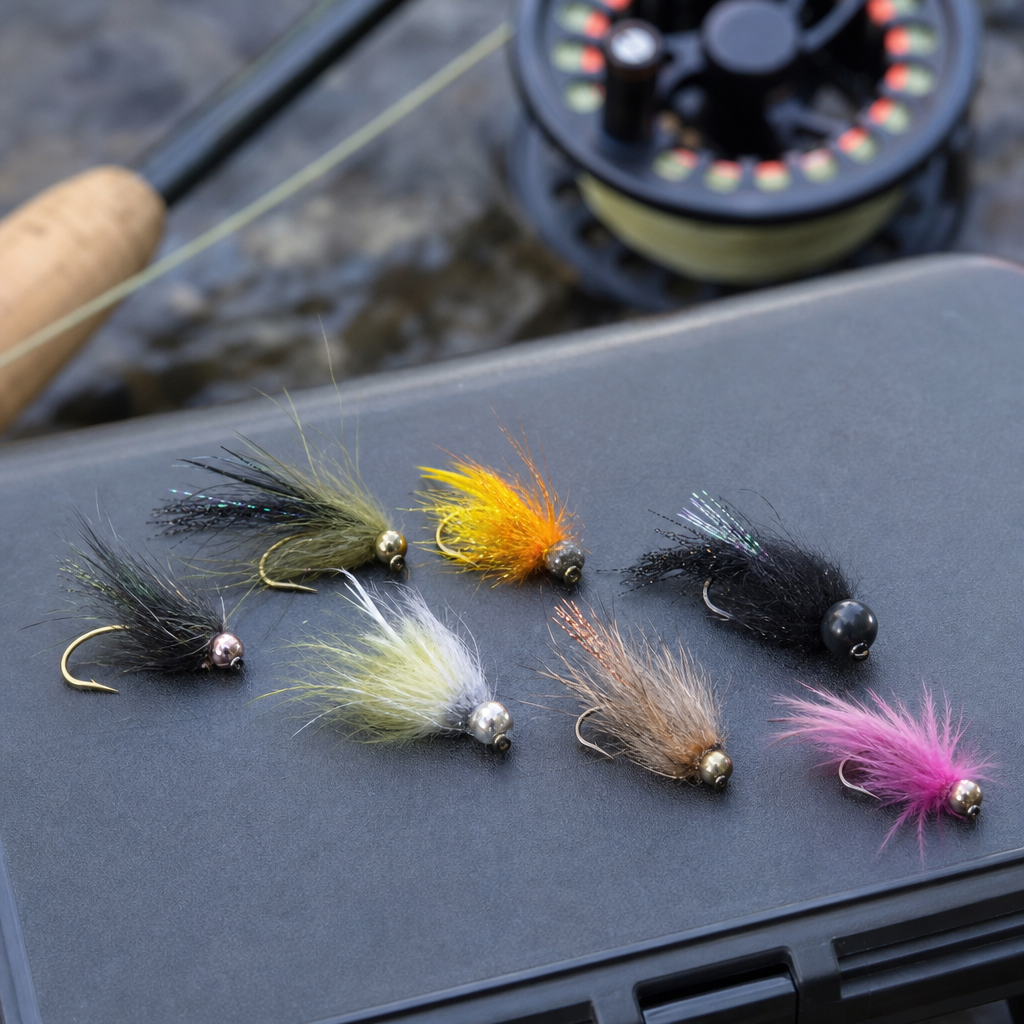
If an angler asks where to start, I point first to compact streamers with profile and motion. The Woolly Bugger remains the benchmark because it checks nearly every box: clear silhouette, mobile tail, easy casting, and broad color range. In murky water, black, olive, and black-purple versions are top producers. A conehead or beadhead Bugger adds jigging action and improves contact in deeper runs. For trout in stained flows and bass in small rivers, it is still one of the best fly patterns for murky water because it imitates too many food sources for fish to ignore: leeches, baitfish, hellgrammites, and small crayfish.
The Clouser Minnow also deserves hub status in any fly reviews category. Its dumbbell eyes help the hook ride point up, which is a major advantage around timber, rock, and grass. In off-color water, chartreuse-white, black, and olive-white are the most dependable colorways. A well-tied Clouser should be sparse, with enough flash to register but not so much that it kills separation between fibers. For smallmouth, this pattern excels when fish pin bait against current seams where they have little time to inspect the offering.
For broader, slower water, the Lefty’s Deceiver and modern hollow-tied baitfish variants shine because they move water without becoming too heavy to cast. These patterns review well when they hold shape after multiple fish and retain profile even after being slimed. Durability matters. Bucktail, EP fibers, SF Blend, and flash combinations are not interchangeable; each changes sink rate, push, and silhouette. In practical testing, a slightly bulked-up black-and-purple Deceiver often draws harder strikes than highly realistic shad imitations in visibility under eighteen inches.
Best Leech, Bugger, and Hybrid Patterns for Consistent Hookups
Leech-style flies are often the highest percentage choice in murky water because they produce with slower presentations. Balanced leeches under indicators, mini leeches on sink tips, and rabbit-strip hybrids all work when fish refuse a fast-moving baitfish fly. The best reviews in this category look beyond color and ask whether the pattern remains animated while nearly stationary. That matters on lakes, tailwaters, and soft eddies where fish suspend and inspect within a tiny visual range.
The Mohair Leech, Pine Squirrel Leech, and mini Dali Lama all deserve serious consideration. The Pine Squirrel Leech in black or olive creates a compact shape with a lively strip that kicks even on short strips. The mini Dali Lama adds bulk and contrast, making it especially effective for trout in glacially tinted systems and for bass in muddy backwaters. Rabbit-based flies consistently score high in field performance, though they can become waterlogged and cast heavier than synthetics. That tradeoff is worth noting in any honest fly review.
Hybrid flies that blend leech and baitfish triggers can be even better. A Bugger with barred rubber legs, a tungsten cone, and a sparse flash collar can outproduce both standard Buggers and dedicated leech patterns by adding vibration and a larger strike signature. When I test these flies, I judge them on three simple outcomes: how quickly fish locate them, whether they stay in the feeding zone, and whether they keep hooking fish cleanly after repeated strikes. Murky-water success is usually about speed of detection, not perfect imitation.
Nymphs and Attractor Patterns That Still Produce in Dirty Water
Although streamers get most of the attention, nymphs absolutely belong in a serious discussion of the best fly patterns for murky water. Fish often hug the bottom during high or stained flows, and a visible, dense nymph placed accurately can outfish larger patterns. The key is choosing flies with hotspot triggers, substantial profiles, or movement. Pat’s Rubber Legs is the standout example. Its chenille body, rubber appendages, and heavy build make it easy for fish to find in turbulent, colored current. In many Western and Appalachian rivers after rain, it is the first fly guide boats tie on.
Prince Nymph variants with fluorescent collars, Hare’s Ear patterns with hotspot beads, and larger Perdigons in black, purple, or olive can also be excellent. The reason is not subtle realism. It is visibility combined with depth control. A 3.8 mm to 4.6 mm tungsten bead gets the fly down quickly, and a bright collar creates a clear focal point. In murky water, that often matters more than exact mayfly coloration. Stonefly nymphs, cranefly larvae, and worm patterns also deserve a place because runoff washes them loose naturally.
| Pattern | Best Use | Strength in Murky Water | Main Limitation |
|---|---|---|---|
| Woolly Bugger | Trout, bass, panfish, light current or lakes | Strong silhouette and constant movement | Can foul if overdressed |
| Clouser Minnow | Bass, trout, pike, cover-oriented fish | Hook-up riding design and sharp jigging action | Less animation on dead drift |
| Pine Squirrel Leech | Slow retrieves, tailouts, lake edges | Excellent motion at low speed | Heavier when soaked |
| Pat’s Rubber Legs | High water nymphing | Large profile and leg movement | Less effective in very slow water |
Egg patterns and San Juan Worm variations can be highly effective in certain murky-water windows, especially after flow spikes or during spawning periods, but they are situational rather than universal hub recommendations. They should be reviewed honestly as condition-specific tools. The central lesson is simple: dirty water does not eliminate subsurface finesse; it just raises the importance of weight, profile, and a visible trigger.
How Color, Weighting, and Materials Change Real-World Performance
Color questions come up constantly, and the answer is more structured than many anglers assume. In very low visibility, black often leads because it creates maximum silhouette. In green-stained water, black and purple or olive and black are dependable. In brown runoff, chartreuse paired with black or white can help fish track the fly at close range. White remains valuable when fish are feeding on shad, shiners, or juvenile baitfish, but it usually needs flash or contrast to stand out. Solid bright flies without contrast can work, yet they often underperform compared with two-tone patterns.
Weighting determines whether a fly is seen at all. If your streamer sweeps above the fish, color and profile do not matter. Coneheads, lead or nonlead wraps, tungsten beads, and dumbbell eyes all change drop angle and swim behavior. Dumbbell eyes create a jigging, nose-down action; coneheads produce a smoother glide; beadheads split the difference. I generally prefer dumbbell-eyed baitfish in wood and grass, conehead leeches in moderate current, and tungsten nymphs for bottom contact in heavy flow. Reviewing flies without discussing weight architecture misses half the picture.
Materials are the final performance lever. Marabou gives unmatched life but is less durable than bucktail or synthetics. Rabbit strips pulse beautifully but absorb water. Bucktail maintains profile at speed and resists fouling, though it lacks the same soft collapse on pause. Flashabou, Krystal Flash, and lateral-scale style materials can increase detection, but too much flash creates a hard, unnatural edge. The best fly reviews explain these tradeoffs clearly so anglers can match patterns to water type, target species, and casting setup rather than buying on appearance alone.
How to Build a Murky-Water Fly Box From These Reviews
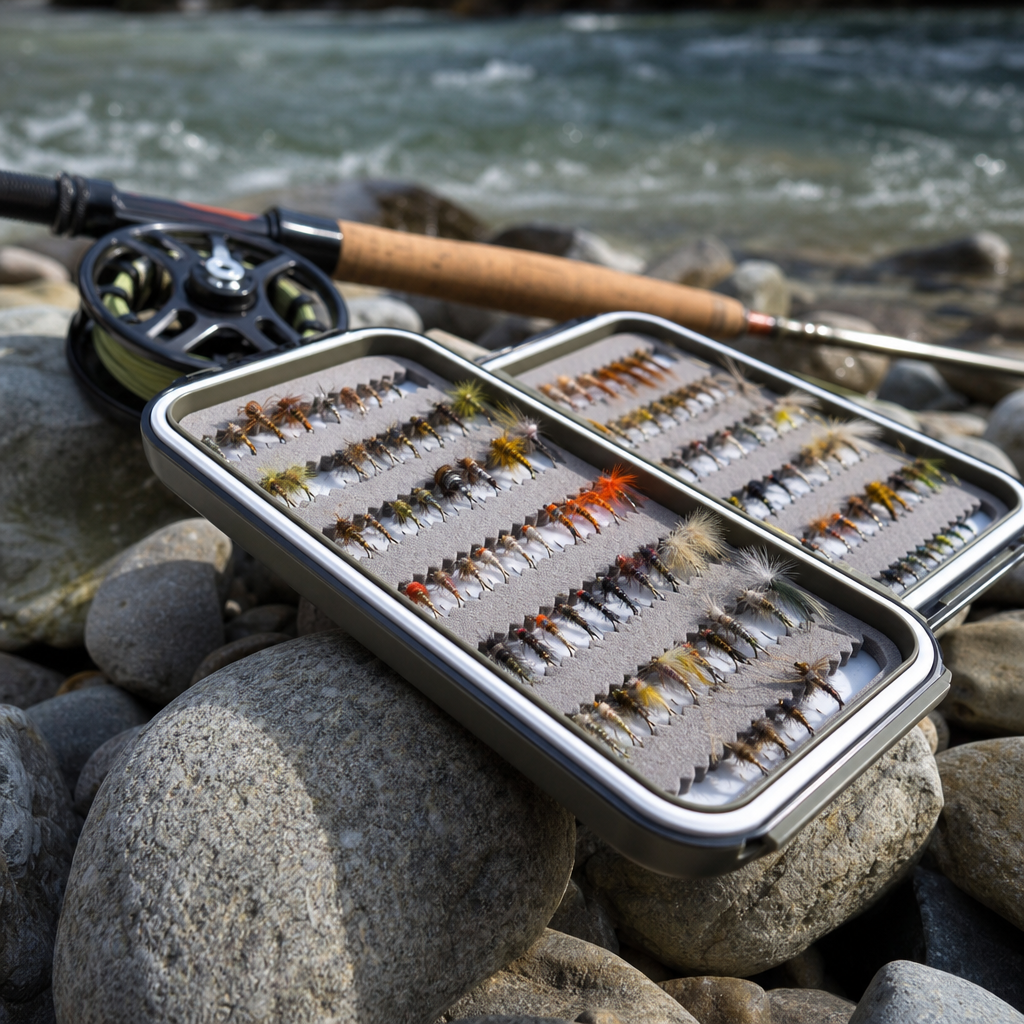
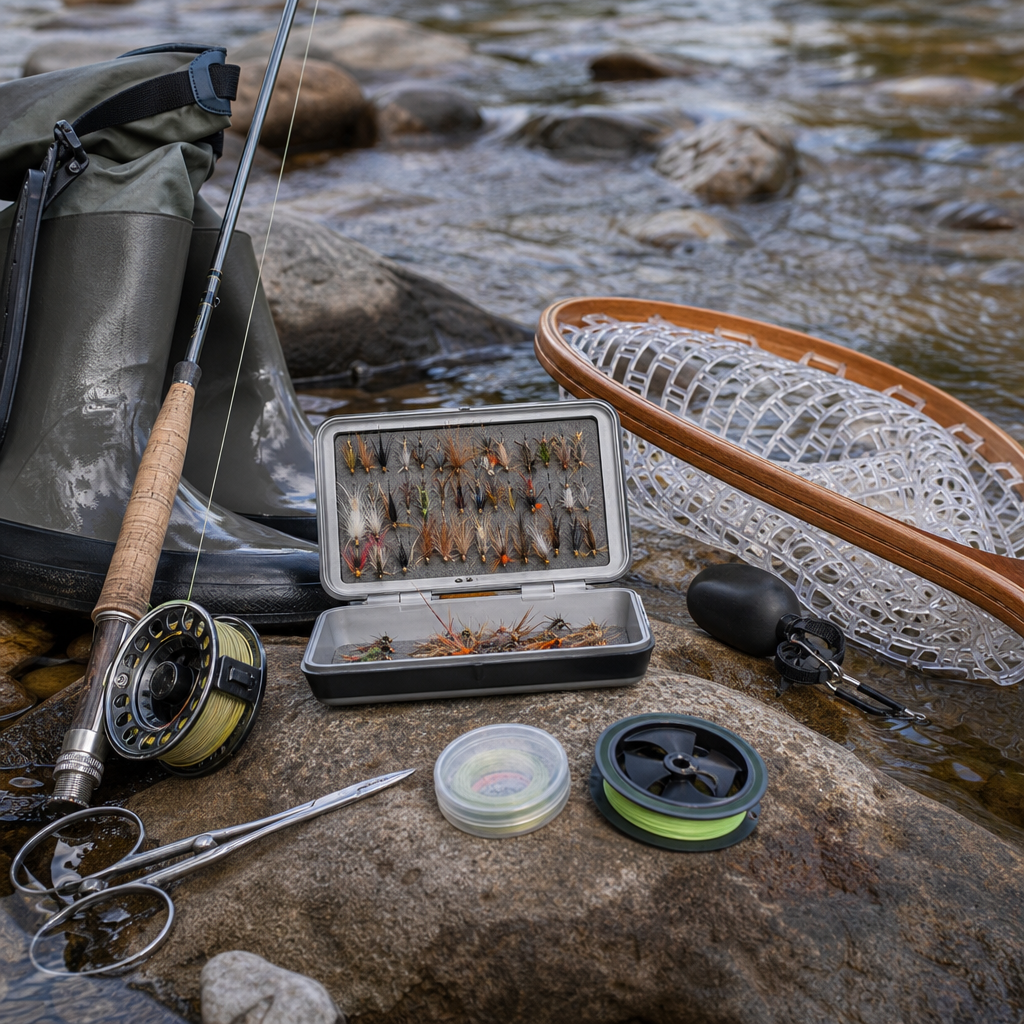
A functional murky-water fly box should be compact, redundant in the right ways, and centered on confidence patterns. Start with three streamer families: Woolly Buggers, Clouser Minnows, and one broader-profile baitfish such as a Deceiver or hollow-tied minnow. Add two leech options, including one rabbit-based and one simpler marabou or mohair style. Round out the box with Pat’s Rubber Legs, a hotspot nymph, and a few worms or eggs for specific runoff conditions. That core covers most trout and warmwater scenarios without wasting space on niche patterns.
Size matters as much as pattern choice. In murky water, many anglers fish too small. For trout, sizes 4 to 8 are reliable starting points for streamers and leeches; for bass, 2 to 6 is common; for pike, much larger profiles are justified. Larger does not always mean gaudy. It means easier to detect. Keep colors disciplined: black, olive, white, chartreuse, and one accent shade such as purple usually cover the full range. A box overloaded with subtle color variations creates decision fatigue without improving catch rates.
The most useful next step is to treat this article as your hub for fly reviews and build outward intentionally. Compare patterns by visibility, movement, and control, then test them in your own water under changing light and flow. If you fish stained rivers, ponds after wind, or post-rain tailwaters, start with proven silhouettes rather than novelty ties. A small set of well-reviewed murky-water flies will catch more fish than a large box of patterns chosen for looks. Refine your selection, fish them with confidence, and let results—not marketing—shape your final lineup.
Frequently Asked Questions
What makes a fly pattern effective in murky water?
An effective fly pattern for murky water does not need to look perfectly realistic in the way a clear-water fly often does. In stained or muddy conditions, fish usually cannot inspect every detail, so the best patterns are the ones they can actually find. That means the most productive flies tend to offer strong contrast, a clear silhouette, noticeable movement, and some form of water displacement. Materials like marabou, rabbit strips, rubber legs, and soft hackle often outperform overly sparse or delicate dressings because they pulse and push water even at slow retrieves. Flash can help too, but it works best when used to create intermittent triggers rather than turning the fly into a mirror-like object.
Color also matters, but not in a simplistic way. Black, purple, olive, chartreuse, white, and combinations of those shades often stand out well because they either create a distinct outline or remain visible in algae-stained, tannic, or sediment-heavy water. A dark fly can produce a stronger silhouette when viewed from below, while a bright accent can help fish track the fly at close range. In practical terms, the most effective murky-water patterns usually combine visibility and feel: they are easy for fish to detect, easy to follow, and easy to commit to. When reviewing fly patterns for these conditions, anglers should judge them less on perfect imitation and more on whether they help fish locate the target quickly in reduced visibility.
Are dark flies always better than bright flies in stained or muddy water?
No, and this is one of the most common misconceptions in fly selection. The old idea that “dark day, dark fly” or “dirty water, black fly” always applies is too limited to be reliable. Dark flies are often excellent because they create a bold silhouette, especially when fish are looking upward or when the water has enough ambient light for contrast to matter. Black streamers, leeches, and woolly bugger-style patterns routinely produce in murky rivers and lakes because they give predators a clear target shape. However, bright flies can be just as effective, and sometimes more effective, depending on the type of stain, depth, and available light.
For example, chartreuse, white, hot orange, and fluorescent accents can stand out in greenish water, shallow muddy margins, or low-light conditions where fish need help keying in on the fly from a short distance. In runoff-heavy water, a two-tone pattern can be even better than a purely dark or purely bright option. A black-and-chartreuse streamer, a white baitfish with a hot head, or an olive pattern with flash and rubber legs may give fish both silhouette and visibility. The better approach is to think in terms of contrast and detectability rather than memorizing a rigid color rule. When comparing the best fly patterns for murky water, anglers should ask which flies remain trackable under the specific water color, depth, and light level they are facing, not which color category sounds best in theory.
Which fly types tend to work best for trout, bass, pike, and panfish in murky water?
In murky water, flies that create presence usually outperform flies that rely on subtle realism, but the ideal type still depends on the species. For trout, larger nymphs, leeches, sculpin imitations, stonefly patterns, and woolly bugger variations are often strong choices because they offer bulk, movement, and a familiar food profile. A heavily weighted stonefly or jig-style streamer can get down into the fish’s strike zone and stay there long enough for a trout to locate it. For bass, bulky streamers, baitfish patterns, crayfish flies, and poppers with strong disturbance are hard to beat. Bass are especially responsive to flies that push water and pause naturally, giving them time to track and ambush.
Pike generally favor large-profile streamers with substantial motion, flash, and water displacement. Rabbit-strip flies, articulated baitfish patterns, and wide-profile deceiver-style flies perform well because pike often feed by reacting to pressure and movement as much as by shape. Panfish can be more forgiving, but even they tend to prefer compact, active flies in stained water. Small woolly buggers, rubber-leg nymphs, mini leeches, and bright or dark wet flies are often more effective than tiny, sparse patterns they cannot easily see. Across all four species, one principle holds up well: in dirty water, flies that create a detectable target usually beat flies that only look good in the vise or in a clear-water photo. The best reviews of murky-water patterns focus on profile, movement, and fish-finding ability, not just species labels.
How should you fish fly patterns differently when visibility is poor?
Poor visibility changes presentation almost as much as it changes fly choice. In murky water, fish usually need more time and more sensory information to locate a fly, so slower, more deliberate presentations often work better than fast, constant stripping or dead drifts that move through the zone too quickly. Anglers should focus on keeping the fly close to structure, banks, drop-offs, seams, weed edges, and current breaks where fish are likely to hold. Shorter casts can also be a major advantage because they improve control, depth, and accuracy. If the fish only have a small window to detect the fly, putting it in exactly the right lane matters more than covering maximum water.
Retrieve style matters too. A strip-pause cadence is often effective because the movement grabs attention and the pause gives the fish time to close in. With nymphs and streamers, adding subtle twitches, lifts, or swings can help the fly transmit vibration and life. For warmwater species like bass and pike, slower pulls with distinct pulses can be far better than a rapid retrieve that outruns the fish’s ability to track in stained water. For trout in runoff or tailwater stain, high-probability drifts with larger, more detectable patterns are usually more productive than technical finesse tactics. In short, murky-water fishing rewards precision, patience, and intentional movement. The best fly pattern in the world will underperform if it is presented too quickly, too high, or too far away from where fish can realistically find it.
What should anglers look for when reviewing and comparing fly patterns for murky water?
When evaluating fly patterns for dirty or stained water, anglers should look beyond brand names and attractive tying details and focus on on-the-water function. The first question is whether the fly creates a noticeable profile. A slim, elegant pattern may look convincing in your hand, but if it disappears in cloudy water, it is not doing its job. Next, consider movement and material behavior. Does the fly breathe at rest? Does it pulse when stripped slowly? Does it keep working in current, chop, or depth? Murky-water flies should remain alive-looking without requiring perfect conditions or constant manipulation.
It is also worth comparing how well patterns deliver contrast, weight, and versatility. A good murky-water fly should be easy to track in low visibility, easy to fish at the right depth, and adaptable across multiple retrieves or environments. Patterns with coneheads, dumbbell eyes, articulated sections, rubber legs, or mixed dark-and-bright color schemes often score well because they solve practical problems fish and anglers face in reduced visibility. Durability matters too, especially for bass and pike flies that take repeated abuse. Ultimately, the best reviews are grounded in fishability: how quickly the fly becomes detectable, how naturally it moves, how consistently it stays in the strike zone, and how confidently fish commit to it. Those are the standards that separate a truly effective murky-water pattern from one that just looks impressive in a fly box.