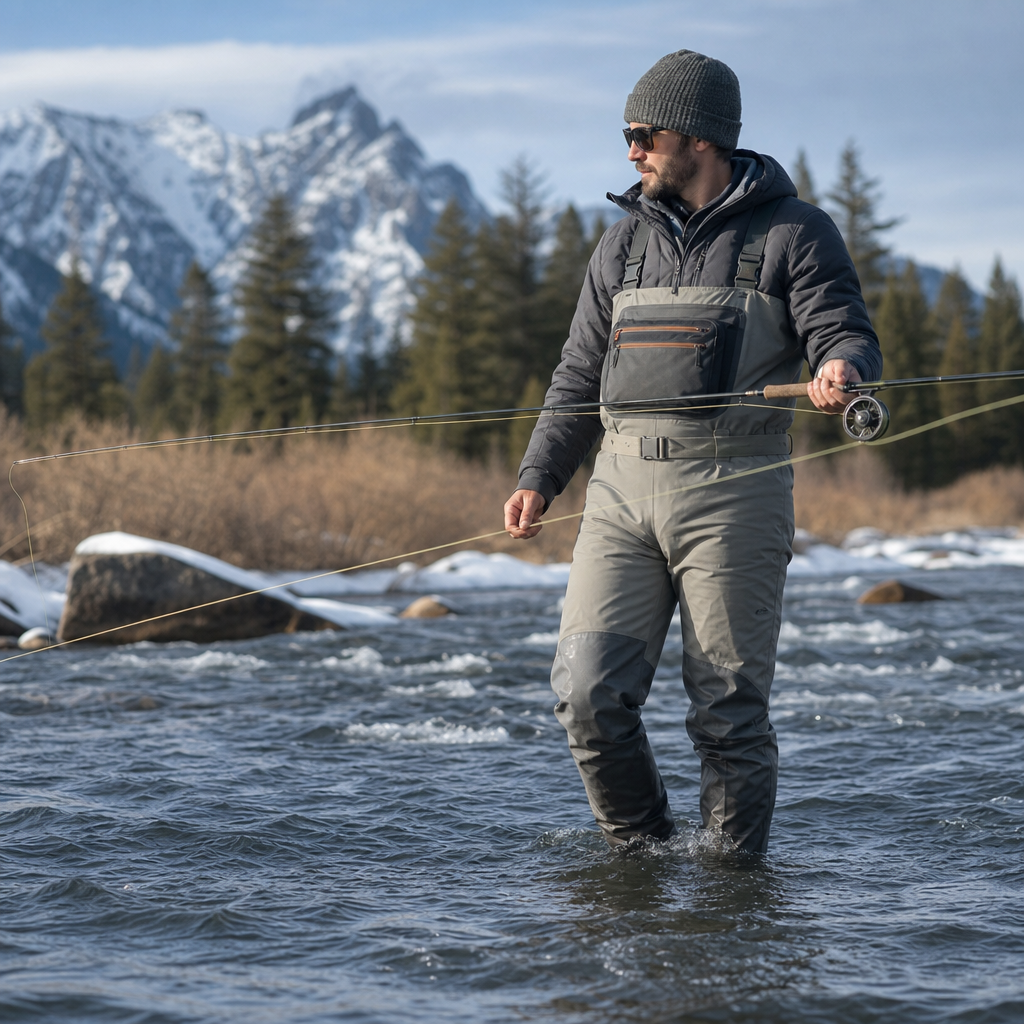
Cold-water fly fishing exposes every weakness in gear, and the best fly fishing waders for cold water are the models that keep anglers warm, dry, mobile, and safe through long hours in frigid rivers, tailwaters, lakes, and winter steelhead runs. In practical terms, cold-water waders are specialized waterproof lower-body garments, usually chest waders, built with breathable laminates or insulated neoprene, reinforced seams, gravel guards, and bootie systems designed to block icy water while preserving enough flexibility to wade, hike, kneel, and cast effectively. I have tested waders on snow-lined trout streams, spring creeks with numbingly cold flows, and broad freestone rivers where a leak becomes a trip-ending problem, and one lesson is constant: warmth starts with staying dry, not with piling on bulk. That is why this clothing reviews hub matters. Anglers shopping this category need more than a list of products; they need a framework for comparing fabric technology, fit, durability, bootfoot versus stockingfoot design, repairability, layering compatibility, and value across brands such as Simms, Patagonia, Orvis, Grundens, and Redington.
This hub covers the core buying questions readers usually ask. What material performs best in freezing conditions? Are neoprene waders warmer than breathable waders? Which features actually matter when standing waist-deep for hours? How should fit change for layering? Which brands have dependable warranty support? Those are clothing review questions, but they also connect to the broader product reviews and recommendations topic because waders work as part of a system that includes wading boots, baselayers, socks, jackets, packs, and safety gear. If your waders fail, every linked item becomes less effective. By treating this page as a comprehensive guide, readers can identify the best fly fishing waders for cold water while also using it as a launch point for deeper reviews on boots, jackets, layering, and accessory choices that improve comfort and performance in winter fishing conditions.
What Makes a Wader Good for Cold Water
The best fly fishing waders for cold water combine waterproof integrity, thermal management, and freedom of movement. Waterproof integrity begins with multi-layer membranes, taped seams, quality booties, and reliable gravel guards. In the field, the most common failures I see are not catastrophic tears but gradual seepage at seams, pinholes in the lower legs, and abrasion damage from kneeling on rock or pushing through brush. Cold water magnifies these weaknesses because even a small leak can chill your lower body in minutes. A strong cold-water wader therefore needs reinforced high-wear panels in the seat, knees, and lower legs. Four-layer lower construction is now a baseline in premium breathable waders, while some expedition models go to five layers or heavier denier face fabrics for better puncture resistance.
Thermal management is often misunderstood. Waders themselves are not always warm; they are barriers that keep water out and dead air in. Breathable waders paired with merino or synthetic baselayers and fleece midlayers usually outperform thick neoprene in variable winter conditions because they let you adapt to air temperature, hike-ins, and changing activity levels. Neoprene still has a place for stationary anglers, very cold stillwater, and conditions where wind chill is brutal, but it is heavier, less breathable, and more fatiguing over a full day. Mobility matters just as much as insulation. If the cut is too tight in the knees or crotch, stepping over slick boulders becomes awkward and risky. If the torso is too baggy, excess fabric catches current and adds drag. The right design balances articulation, layering room, and streamlined fit.
Breathable Versus Neoprene Waders in Winter Conditions
For most fly anglers, breathable chest waders are the best overall choice for cold water because they are more versatile, easier to layer under, and significantly more comfortable during hikes and long walks. Modern breathable waders from Simms G3 Guide, Patagonia Swiftcurrent Expedition, and Orvis Pro use laminated membranes that stop liquid water while allowing water vapor to escape. In plain terms, they reduce sweat buildup. That matters in winter because sweat trapped inside your system can make you colder once you stop moving. I have seen anglers overdress under neoprene, sweat on the walk in, then stand still and chill quickly after entering the river. Breathable systems avoid that cycle better.
Neoprene waders remain relevant because the material provides inherent insulation and buoyant, cushioned comfort. A 3.5 mm or 5 mm neoprene model can feel reassuringly warm when fishing from a boat, standing in icy water for long periods, or targeting steelhead and pike in brutal conditions. The drawbacks are real, though: reduced breathability, added weight, slower drying time, and less precise mobility when climbing banks or scrambling over riprap. For most trout anglers who fish a range of winter and shoulder-season conditions, breathable waders win on practicality. For anglers who prioritize maximum passive warmth in static conditions, neoprene can still be the better tool. The decision is not about one material being universally superior; it is about matching conditions, movement level, and layering strategy to the design.
Key Features to Prioritize Before You Buy
Cold-water anglers should evaluate features in a strict order: leak resistance, fit, bootie quality, pocket layout, and long-term repairability. Leak resistance depends on seam construction and reinforcement. Look for anatomically patterned legs, taped seams, abrasion panels, and high-quality waterproof zippers if the model is a front-zip design. Fit should allow a baselayer plus a substantial midlayer without compressing circulation, especially around the feet. Tight feet get cold faster. Booties matter more than many buyers realize. Premium neoprene booties with proper left-right shaping sit better inside boots, reduce bunching, and improve warmth because circulation is not restricted.
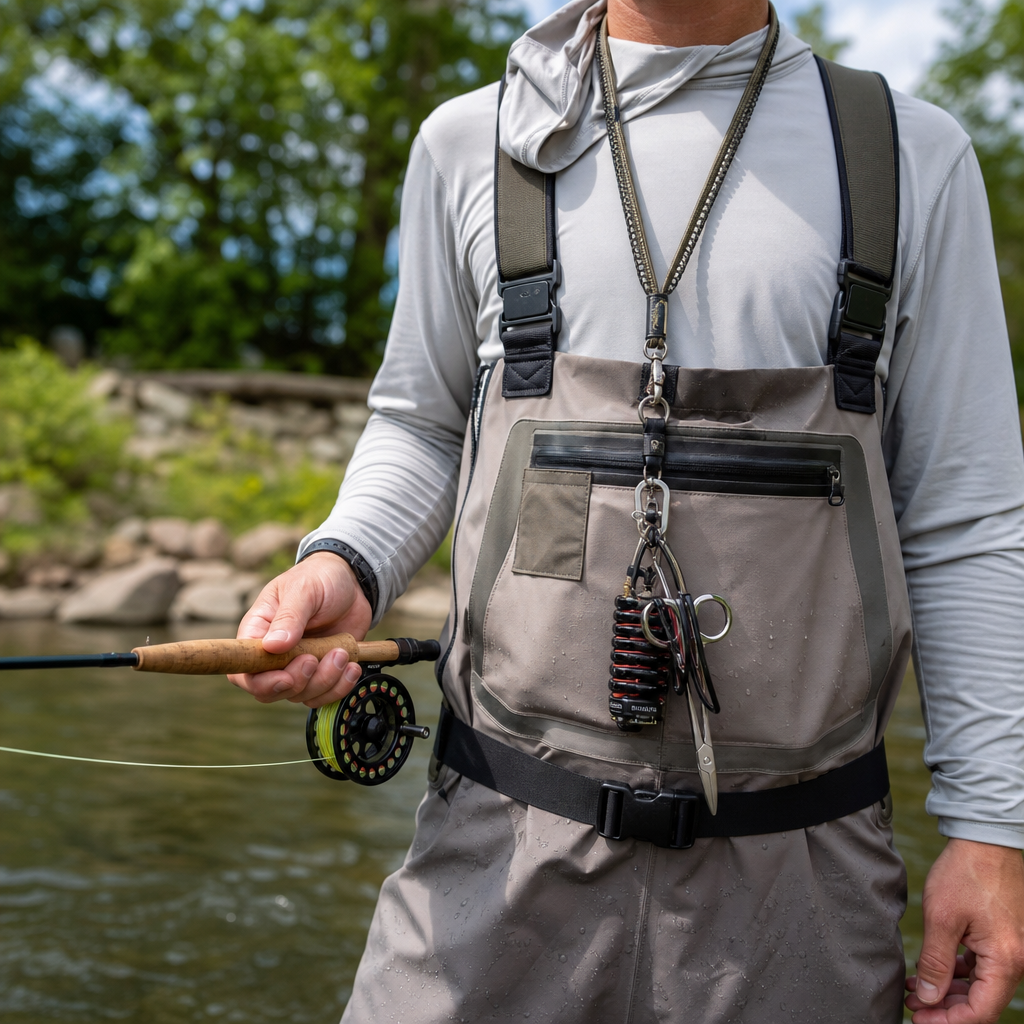
Storage features should support winter use. Fleece-lined handwarmer pockets, secure chest pockets, internal drop pockets for gloves or a beanie, and attachment points for forceps or retractors all make a difference when temperatures are near freezing. Repairability is another major buying factor. Patagonia, for example, has a well-established repair program and publishes care guidance that helps extend service life. Simms offers factory repairs on many models and is widely respected among hard-use guides. Orvis has improved patterning and customer support in its premium lines, making the Pro and Pro LT relevant comparison points. Readers exploring clothing reviews across this hub should treat warranty policy, replacement parts, and patchability as product features, not afterthoughts.
| Wader Type | Best Use | Main Advantage | Main Limitation |
|---|---|---|---|
| Breathable chest waders | Most winter trout and steelhead fishing | Layering versatility and comfort during movement | Require smart insulation strategy |
| Neoprene chest waders | Very cold, low-mobility sessions | Built-in insulation | Heavy and less breathable |
| Front-zip breathable waders | Long days, guides, frequent layering changes | Easier venting and convenience | Higher price |
| Bootfoot waders | Muddy banks, boats, simple winter access | Fast on and off, extra warmth potential | Less hiking precision and fit customization |
Best Fly Fishing Waders for Cold Water by Category
The best premium all-around option is the Simms G3 Guide Stockingfoot. It has a long track record, four-layer upper and five-layer lower construction in recent versions, excellent articulation, dependable seam work, and a fit that accommodates serious layering without feeling bulky. Guides and frequent anglers choose it because it balances durability and mobility better than almost anything else in the category. If you fish fifty or more cold days a year, this model earns its price. The Patagonia Swiftcurrent Expedition is another top-tier choice, especially for anglers who want a thoughtful pocket layout, strong suspenders, roomy cut for layers, and a repair-friendly ownership experience. It feels built for harsh weather and extended time in the water.
For value, the Redington Sonic-Pro HDZ and Orvis Clearwater deserve attention, though they serve different buyers. The Sonic-Pro HDZ gives anglers a front zipper and strong feature set below the ultra-premium tier, making it compelling for serious fishers who want convenience without stretching into the highest price bracket. The Clearwater is more budget-focused and best for moderate use, but it is far from disposable if cared for properly. Anglers who fish a handful of winter trips each season can get dependable performance from it with proper layering. For rugged weather and boat-heavy use, Grundens Boundary Stockingfoot reflects the brand’s commercial fishing DNA with stout materials and practical design. If your home water includes brushy banks, sharp debris, and rough access, that tougher build can be worth the tradeoff in packability. For maximum warmth in the right setting, classic neoprene options from Hodgman-style or specialty cold-weather lines still appeal, though the category has narrowed as breathable fabrics improved.
How to Layer Under Waders for Real Warmth
The most effective layering system starts with a moisture-managing baselayer, followed by an insulating midlayer, then the wader shell. Merino wool baselayers in the 200 to 250 gram range work extremely well because they regulate temperature, resist odor, and remain comfortable across long days. Synthetic baselayers dry faster and often cost less, making them practical for anglers fishing multiple consecutive days. Over that, grid fleece pants, heavyweight fleece bibs, or insulated fishing pants create the loft that actually traps warmth. In severe cold, I prefer a two-stage leg system rather than one massive garment because it allows adjustment after the hike in.
Socks deserve special attention. One high-quality merino sock, possibly paired with a thin liner depending on fit, is better than cramming in two bulky pairs that restrict circulation. Cold feet are often a fit problem, not a sock problem. Choose boots one size larger if needed to preserve toe room with winter layers. This hub on clothing reviews should help readers connect wader decisions with boot reviews and baselayer recommendations, because no wader can compensate for poor sock choice, compressed insulation, or cotton layers that hold sweat. Hand warmth also affects overall comfort; when your core and hands are struggling, you perceive the whole session as colder. Coordinating waders with a proper shell jacket, fingerless gloves, and a warm hat turns acceptable gear into a reliable winter system.
Fit, Sizing, and Safety Mistakes Anglers Make
The biggest sizing mistake is buying too trim a fit because it feels athletic in the living room. Cold-water waders should fit with your actual winter layers and your intended wading boots. Sit, squat, step up, and mimic a high bank climb before committing. Tension across the knees or seat accelerates seam stress and increases the chance of failure. Another common error is allowing excess inseam length that bunches in the boot, creating pressure points and reducing warmth. Use manufacturer size charts, but verify with your chest, inseam, and shoe size together; many brands pattern differently. Simms often fits differently than Patagonia or Orvis, and trying on more than one brand can save you from an expensive compromise.
Safety mistakes are even more serious. Waders do not make anglers waterproof if they fall. A snug wading belt is mandatory because it helps reduce water rushing in during a stumble and improves overall fit. Pair your waders with studded or felt-appropriate boots where legal, and use a wading staff in fast winter flows when footing is uncertain. Cold shock is real even in shallow water. If you fish alone in freezing conditions, tell someone your access point and return time. Clothing reviews should never isolate garments from use conditions. The best fly fishing waders for cold water support safe movement, but no model replaces disciplined wading, sensible depth limits, and respect for current speed, shelf ice, and unstable banks.
Care, Repairs, and When to Replace Waders
Proper care extends wader life dramatically. Dry them fully after every trip, including turning them inside out first if interior moisture has built up. Store them hanging rather than crushed in a hot garage. Rinse off mud and grit, especially around zippers, gravel guards, and booties. Periodically test for leaks by turning the waders inside out and spraying suspect areas with rubbing alcohol; darkened spots often reveal pinholes for patching. Aquaseal, tenacious tape-style patches, and factory repair services can add seasons of use if damage is caught early.
Replace waders when leaks become chronic across multiple seam zones, when fabric delamination appears, or when booties lose structural integrity. At that stage, patching becomes temporary and frustration rises. The best buying strategy is to spend according to use frequency. If you fish cold water weekly, premium waders are cheaper over time because they last longer, fit better, and are often repairable. If you fish a few weekends each winter, a midrange breathable model may be the smarter choice. Start by matching your conditions, layering needs, and budget, then use this clothing reviews hub to compare boots, jackets, and base layers that complete the system. The right waders keep you on the water longer, fish more effectively, and make cold days feel like opportunities instead of endurance tests.
Frequently Asked Questions
What features matter most when choosing the best fly fishing waders for cold water?
The most important cold-water wader features are waterproof integrity, thermal performance, fit, durability, and safe footing. In real-world use, the best fly fishing waders for cold water are usually chest waders because they provide the most protection when wading deeper runs, crossing current seams, or kneeling near icy banks. Breathable multi-layer fabrics are a top choice for many anglers because they block water from the outside while allowing sweat vapor to escape, which helps regulate temperature during long hikes or active fishing. Neoprene waders can still work well in very cold conditions, especially for anglers who prioritize built-in insulation, but they are heavier and typically less breathable over a full day.
You should also pay close attention to seam construction, reinforced knees and seat panels, and the quality of the stockingfoot booties. Gravel guards help keep debris out of your boots, while anatomically shaped neoprene booties improve comfort and reduce pressure points in cold weather. Suspender design, belt compatibility, handwarmer pockets, and storage placement also matter more than many anglers expect, especially when your fingers are numb and you need easy access to tippet, gloves, or a license. If you regularly fish in freezing temperatures, look for waders with enough room to layer underneath without restricting movement, because tight layering reduces circulation and can actually make you feel colder. The best models balance weather protection, mobility, and long-term reliability rather than focusing on insulation alone.
Are breathable waders or neoprene waders better for cold-water fly fishing?
For most anglers, breathable waders are the better all-around option for cold-water fly fishing, but the right answer depends on how and where you fish. Modern breathable waders are extremely popular because they let you build a layering system based on conditions. On a bitter winter steelhead day, you can wear thermal base layers and insulating fleece beneath them. On a milder tailwater afternoon, you can scale those layers back and stay comfortable without overheating. That flexibility is a major advantage if you fish across changing temperatures, hike between access points, or spend part of the day moving and part of the day standing in the water.
Neoprene waders, on the other hand, provide insulation as part of the wader itself, and that can be appealing in consistently frigid water or for anglers who fish from a relatively fixed position with limited walking. They tend to feel warmer immediately, but they are often bulkier, heavier, and less efficient at managing perspiration. Once sweat builds up inside, comfort can drop quickly, and trapped moisture can make you colder later in the day. Breathable waders paired with smart layering usually outperform neoprene for versatility, mobility, and comfort across a full season. Neoprene still has a place, especially for extreme cold or specialized uses, but if you want one dependable setup for most cold-water fly fishing conditions, breathable chest waders are typically the stronger investment.
How should I layer under fly fishing waders in cold water to stay warm without overheating?
The best cold-water layering system starts with moisture management, not just bulk. Begin with a snug but comfortable base layer made from merino wool or a high-quality synthetic fabric that moves perspiration away from your skin. Avoid cotton, because once it gets damp, it holds moisture and loses insulating value fast. Over that, add a mid-layer such as fleece pants, insulated bibs, or technical thermal bottoms depending on air temperature, water temperature, and how active you expect to be. The goal is to trap warm air while still allowing your body to regulate heat during hikes, rowing, or repeated casting and walking.
Fit is critical. Many anglers make the mistake of cramming too many layers into a tight pair of waders, which restricts circulation and compresses insulation. That can leave your legs and feet feeling colder even though you are wearing more clothing. Choose waders with enough room to layer naturally, and make sure your wading boots are not overly tight once thick socks and neoprene booties are in place. For your feet, a moisture-wicking liner sock plus a warm merino or synthetic outer sock is a proven setup. In severe cold, focus on keeping your core warm too, because warm blood flow supports warmth in your extremities. A good layering system should leave you warm at the start, comfortable while moving, and dry by the end of the day. If you are sweating heavily inside your waders, you are probably overdressed for the conditions.
How do I know if my cold-water waders fit correctly?
A proper fit should feel secure and mobile without being tight, saggy, or restrictive. In cold-water fly fishing, fit affects warmth, comfort, and safety. Your waders should allow a full range of motion for stepping over rocks, crouching, climbing banks, and making long casts, but they should not bunch excessively or hang so loose that they become awkward in current. The chest should sit high enough for protection, suspenders should adjust easily, and the waist belt should cinch comfortably without pinching. Around the legs and seat, you want enough room for thermal layers but not so much extra material that the waders feel sloppy or create drag while walking.
Bootie fit is just as important. Stockingfoot booties should feel snug but not cramped, with enough space to avoid compressing your insulating socks. If your toes are pressed forward or your instep feels tight inside your wading boots, circulation can suffer and your feet will get cold much faster. When trying on waders, wear the same layers and socks you expect to use in winter. Walk, squat, raise your knees, and mimic stepping into current. Check for tightness across the shoulders, stress in the crotch, and pressure in the feet. A well-fitted pair of cold-water waders should disappear once you start fishing, letting you focus on balance, warmth, and presentation rather than adjusting gear all day.
How can I make my fly fishing waders last longer in cold-water conditions?
Cold water is tough on waders because low temperatures, abrasive rocks, ice edges, and repeated layering all increase wear. To extend the life of your waders, start by using them carefully on the water. Avoid kneeling on sharp gravel whenever possible, be cautious around barbed wire, broken branches, and studded boot contact, and do not walk long distances in stockingfoot waders without proper boots. Always use the wading belt, not just for safety but also to help the waders sit correctly and reduce strain on seams. After each trip, especially in muddy or silty rivers, rinse off dirt and grit because abrasive residue can slowly wear down fabric, seams, and bootie materials.
Drying and storage matter just as much as field care. Turn the waders inside out first to dry interior moisture, then reverse them to finish drying the outer shell. Never store damp waders crumpled in a car trunk or gear bin, because mildew, odor, and material breakdown follow quickly. Hang them in a cool, dry place away from prolonged direct sunlight and high heat. It is also smart to inspect them regularly for pinholes, seam wear, and bootie damage. Small leaks are much easier to repair early than after they expand into major failures. Use manufacturer-recommended repair products, and keep a patch kit handy during the season. If you treat cold-water waders like technical equipment rather than disposable clothing, a quality pair can deliver multiple hard seasons of dependable use.