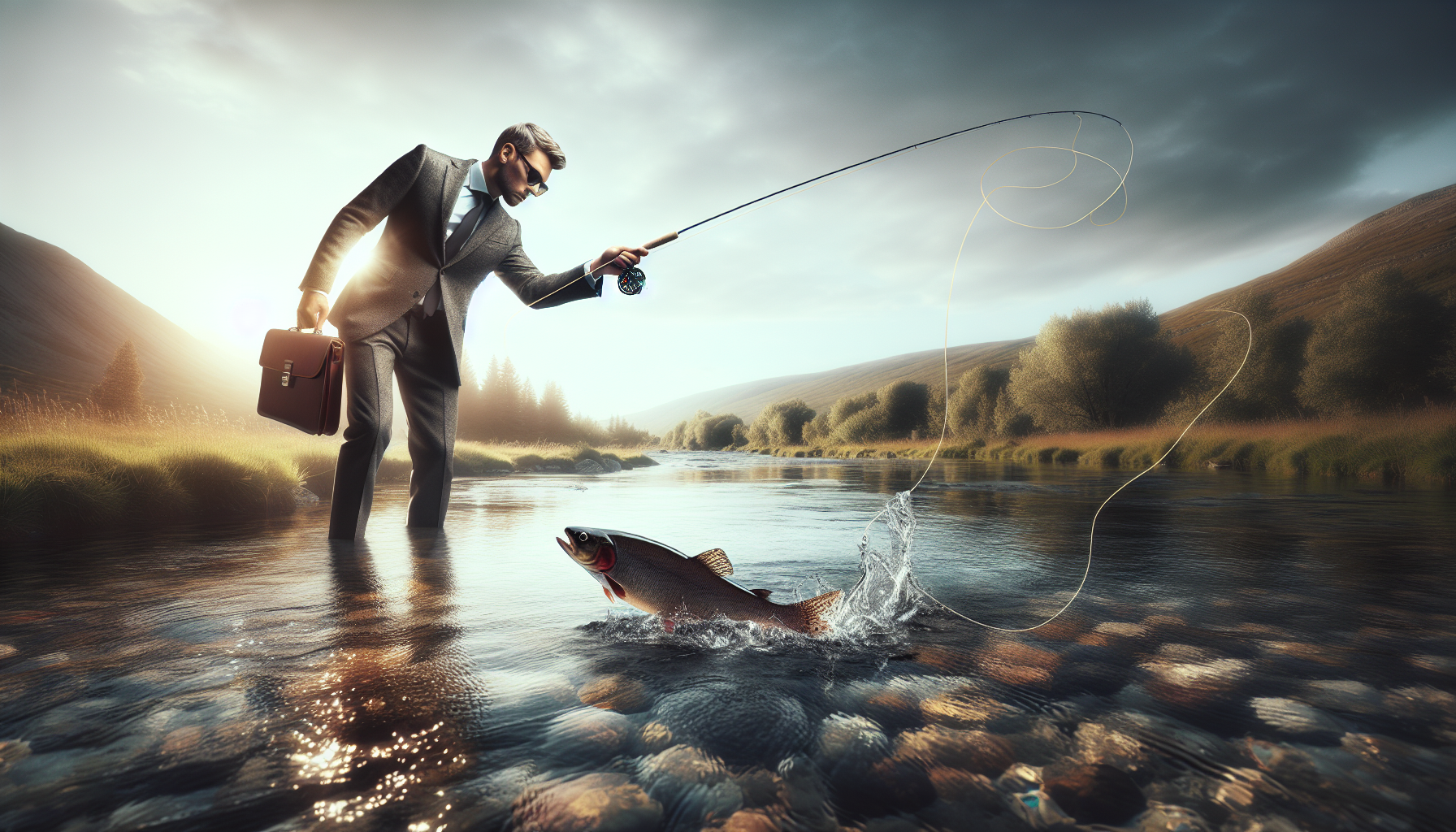
Fly fishing and marine wildlife intersect wherever anglers step into estuaries, flats, beaches, tidal creeks, and nearshore waters, and that intersection carries real responsibility. Wildlife protection in this context means reducing harm to fish, birds, marine mammals, reptiles, and habitat while still practicing the sport effectively. Best practices are the specific decisions anglers make before, during, and after a trip: where to wade, how to cast around feeding birds, how to handle a hooked fish, what gear minimizes injury, and when to leave an area entirely. As the hub for wildlife protection within conservation and ethics, this guide explains the standards, tradeoffs, and field-tested habits that matter most.
I have seen small choices create outsized impacts. An angler chasing a school across a seagrass flat can scar eelgrass with repeated foot traffic. A careless backcast near a tern colony can flush nesting birds during heat stress. A fight that runs too long in warm water can turn a released striped bass into a delayed mortality. None of that is inevitable. With planning and discipline, fly anglers can protect marine wildlife while improving their own success, because calm fish in intact habitat feed more naturally and remain catchable over time.
The subject matters because coastal ecosystems are crowded and fragile. Salt marshes buffer storms, mangroves store carbon, oyster reefs filter water, and seagrass nurseries support juvenile fish, crabs, and shrimp. At the same time, these places host migratory shorebirds, sea turtles, seals, dolphins, and spawning fish that are highly sensitive to disturbance. Regulations help, but laws are a floor, not a ceiling. Ethical fly fishing asks a broader question: what action causes the least disruption while preserving the future of the fishery and the wildlife community around it?
Wildlife protection also shapes the credibility of anglers. Access debates often turn on whether fishing groups can demonstrate restraint around nesting islands, wintering bird roosts, marine mammal haul-outs, or closed spawning areas. Guides, clubs, and retailers increasingly support area closures, tackle restrictions, and education because they understand that a fishery without public trust becomes a fishery with shrinking access. This hub article covers the core practices that support fish welfare, habitat care, and respectful encounters with non-target species, giving you a practical framework you can apply on every saltwater fly trip.
Know the ecosystem before you fish
The first best practice is simple: identify the habitat, seasonal use, and protected species present before you launch, wade, or beach a skiff. In my own trip planning, I start with local regulations, tide charts, weather, and species calendars, then add site-specific wildlife information from state agencies, refuge maps, and local conservation groups. That process reveals whether an area contains bird nesting closures, shellfish restoration plots, seagrass no-motor zones, pupping seals, turtle nesting beaches, or seasonal fish spawning aggregations. A productive flat in October may be unacceptable in May if it sits beside a nesting colony.
Understanding habitat function changes how you move. Mudflats and marsh edges may look empty at low tide, yet they hold lugworms, crabs, and juvenile forage fish that fuel entire food webs. Seagrass beds, especially eelgrass, are nurseries for species such as sea trout, red drum, bonefish prey, and bay scallops in some regions. Mangrove shorelines shelter snook and tarpon juveniles while also supporting birds and invertebrates. Oyster bars stabilize shorelines and improve water quality, but they are easily damaged by careless anchoring and trampling. Reading the water is not only about spotting fish; it is about seeing what supports them.
Good planning includes internal trip systems that make compliance easy. Save closure maps on your phone, mark no-entry buffers on your chartplotter, and brief fishing partners before arrival. If you guide or organize club outings, use a standard pre-launch checklist. Consistency matters because many wildlife mistakes happen through haste, not malice. The angler who already knows the refuge boundary, legal approach distance, and preferred landing site is less likely to improvise badly when fish suddenly appear on the edge of sensitive habitat.
Protect fish during hook-up, fight, and release
Fish welfare is the center of wildlife protection for fly anglers. The safest release begins before the cast with tackle matched to the species and conditions. Heavy enough rods, reels with smooth drags, and strong tippet shorten fight time and reduce exhaustion. Circle-hook rules often apply to bait fisheries, but in fly fishing the equivalent principle is minimizing deep hooking through barbless or de-barbed hooks, tight line management, and quick strip strikes where appropriate. Stainless hooks should be avoided in many saltwater settings because they corrode slowly if left in a fish.
Temperature and dissolved oxygen matter as much as handling technique. Warm water holds less oxygen, so species such as striped bass, salmon, and some inshore predators face higher post-release mortality during summer heat. Research from fisheries agencies and universities has repeatedly shown that prolonged fights, air exposure, and elevated temperatures compound stress. If fish are sluggish, rolling at the surface, or regulations warn of thermal stress, the responsible move may be to stop targeting them entirely, fish dawn periods only, or switch to species with better warm-water tolerance.
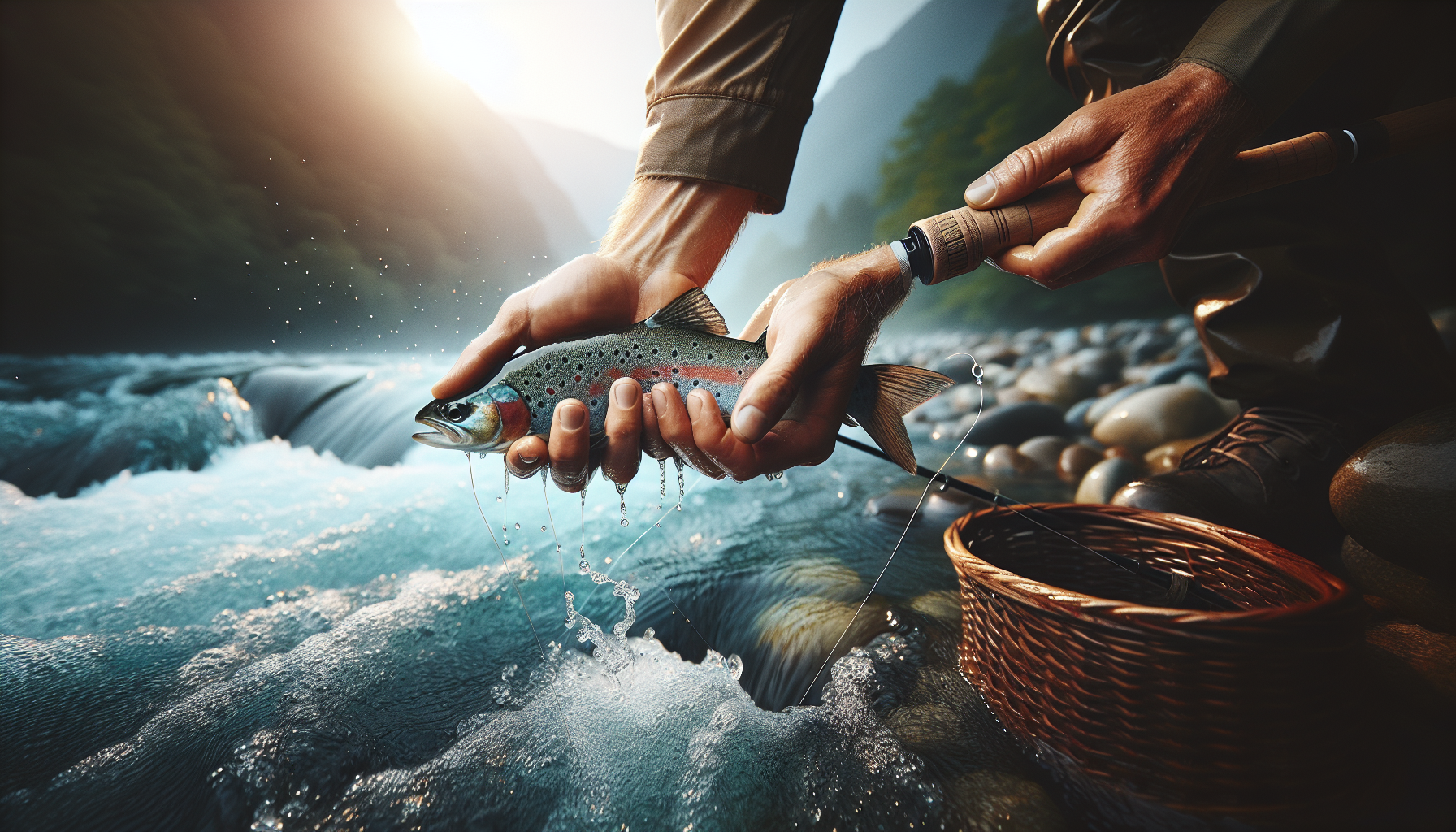
Landing and handling should be deliberate. Keep the fish in the water whenever possible. Wet your hands before touching it. Support the body horizontally rather than hanging it vertically by the jaw, especially with larger fish such as tarpon, striped bass, and redfish. Use rubberized landing nets for smaller species and avoid abrasive knotless mesh that strips mucus. Remove the hook quickly with forceps, and if a fish is deeply hooked, cut the leader close instead of digging. The goal is a strong release, not a photo.
One mistake I still see too often is repeated hero shots. Even hardy fish pay a cost for multiple lifts, awkward grips, and extra seconds out of water. A practical rule is one short lift, one frame, then release. Better yet, photograph the fish partly submerged. If revival is needed, face the fish into clean current or move the boat slowly to push water across the gills without forcing it backward unnaturally. Release only when the fish can maintain balance and swim with intent.
Avoid disturbing birds, mammals, turtles, and other non-target wildlife
Marine wildlife protection extends beyond the fish you hook. Feeding flocks of terns, gulls, shearwaters, and pelicans often signal bait and game fish, but they are not an invitation to run straight through the action. Fast approaches scatter bait, break feeding behavior, and can separate dependent juveniles from adults. Approach slowly from the outside, stop well short, and let fish come to you. If birds lift repeatedly, call loudly, or begin diving erratically around your line, you are too close and should back off immediately.
Nesting and roosting birds deserve an even wider margin. Shorebirds and seabirds lose energy every time they flush, and during nesting season disturbance can expose eggs or chicks to heat, cold, gull predation, and flooding. Many refuge managers recommend substantial buffers, and some islands or marsh edges are fully closed. Honor posted signs without debate. If an area looks unposted but birds are concentrated, especially during dawn and dusk roosts, treat it as sensitive and move elsewhere. Ethical distance is often greater than legal minimum distance.
Marine mammals and sea turtles require the same restraint. Dolphins may associate boats with easy feeding opportunities, particularly where anglers fight fish near channels. Never feed, cast toward, or intentionally attract them. In the United States, harassment of marine mammals is prohibited under the Marine Mammal Protection Act, and that includes behavior that changes natural activity patterns. Sea turtles at the surface should be given room to breathe and travel. If a turtle or ray enters your line path, stop casting until it clears. Wildlife is not an obstacle to fish through.
Respect also means controlling your group’s noise and movement. Slamming hatches, repeated false casts over schools, bright lights on night beaches, and drones over flats all add stress. Quiet wading, low voices, and disciplined casting angles make a measurable difference in shallow water. The most wildlife-aware anglers are often the least conspicuous, and they usually hook more fish because the entire flat remains settled.
Choose access, boats, and wading methods that minimize habitat damage
How you enter and move through a fishery can either protect habitat or degrade it for years. Prop scars through seagrass beds, anchor damage on reefs, bank erosion at informal launch sites, and repeated trampling of marsh edges all reduce nursery value. The fix is usually straightforward: use marked channels, pole or drift across shallow grass, beach only on durable substrate, and anchor in sand where legal rather than on living bottom. Kayaks and skiffs offer low-impact access when handled carefully, but neither is harmless if dragged through vegetation or grounded repeatedly.
Wading deserves special attention because fly anglers often pride themselves on stealth while overlooking their footprint. Shuffle carefully in soft bottoms to avoid crushing shell, uprooting grass, and stepping on rays. On coral, oyster, and rock habitats, every foot placement matters. Stay on firm sand corridors where possible, and do not cut through emergent marsh grass just to shorten a route. In tidal creeks, enter at established points instead of creating new paths that widen over time and accelerate erosion. Repeated use turns a minor shortcut into a lasting scar.
Boat positioning can also protect wildlife while improving presentations. Rather than chasing visible fish, set up a drift or pole an intercept line so fish travel into range naturally. This reduces wake, noise, and frantic maneuvering near shorelines where birds and juvenile fish are concentrated. Push poles, shallow-water anchors used appropriately on non-sensitive bottoms, and electric motors at low speed are often better choices than repeated combustion-engine bursts. Efficient anglers move less, observe more, and disturb fewer things.
| Situation | Higher-impact choice | Lower-impact best practice |
|---|---|---|
| Crossing a shallow seagrass flat | Running on plane or dragging a hull | Use marked channels, pole, drift, or walk on sandy lanes |
| Stopping near a shoreline | Anchoring on oyster, coral, or vegetation | Anchor on sand or use approved moorings where available |
| Approaching feeding birds | Motoring into the center of the flock | Idle in from the edge and stop outside the activity |
| Landing fish for photos | Dry deck handling and multiple lifts | Keep fish wet, use one quick photo, release promptly |
| Choosing a path to the water | Creating a new trail through marsh or dunes | Use established access points and durable surfaces |
Manage gear, waste, and biosecurity responsibly
Lost line, soft plastics, tippet clippings, beverage cans, and food packaging all injure wildlife directly or degrade habitat over time. Monofilament and braid can entangle birds, turtles, and mammals; small lead items can poison some wildlife; and discarded hooks persist in shoreline areas used by both animals and people. Carry a dedicated waste pouch, pick up what you find, and use line recycling stations where marinas or ramps provide them. A clean exit is part of the fishing day, not an optional extra.
Gear selection matters too. Non-toxic alternatives to lead are increasingly available for some applications, and corrosion-resistant but not permanent hook materials are preferable where break-offs occur. Crimping barbs simplifies unhooking wildlife accidentally caught, including small birds in chaotic bait events. Keep long-nose pliers, line cutters, and a compact dehooker accessible, not buried in a pack. In surf and boat settings, preparedness reduces panic and shortens handling time for any creature that contacts your gear.
Biosecurity is often overlooked in saltwater fly fishing, yet it belongs in wildlife protection. Mud on boots, water in livewells, and damp gear moved between estuaries can spread invasive plants, algae, pathogens, or invertebrates. Rinse and dry equipment when moving between watersheds, especially after fishing areas with known invasive issues. Clean boats, trailers, boots, and nets. The habit is standard in freshwater trout regions for good reason, and coastal anglers should apply the same discipline.
Build ethics into travel, guiding, and community behavior
Wildlife protection becomes durable when it is social, not just personal. Guides set the tone by refusing reckless fish-chasing, explaining closures without complaint, and ending trips early when conditions threaten released fish. Traveling anglers should learn local norms before arrival instead of assuming one coast behaves like another. On tropical flats, for example, bonefish handling expectations, guide-only zones, and turtle grass sensitivity may be much stricter than a visitor expects. Respect for place starts with listening.
Digital behavior matters now as much as boat behavior. Posting precise locations of vulnerable fisheries, bird nesting islands, or seasonal aggregations can overwhelm small habitats with sudden pressure. Share techniques, species information, and conservation updates freely, but think carefully before geotagging sensitive sites. The same restraint applies to photography that glamorizes poor handling, standing on coral, dragging rays ashore, or holding oversized fish vertically. What you normalize publicly gets repeated privately.
Finally, support the institutions that keep fisheries and wildlife healthy. Buy licenses, report tagged fish and unusual wildlife encounters, participate in habitat restoration days, and join local groups that advocate for water quality, access management, and science-based regulations. Conservation and ethics are not abstract values; they are operating practices. The more anglers contribute data, money, labor, and political support, the more likely managers can protect nursery habitats, enforce closures, and maintain the diverse marine wildlife that makes fly fishing compelling in the first place.
Fly fishing and marine wildlife can coexist well when anglers treat every trip as a stewardship exercise, not just a hunt for the next grab. The core principles are consistent across coasts: learn the ecosystem, avoid sensitive areas, reduce fight and handling stress, keep fish wet, give birds and mammals generous space, move through habitat carefully, and leave no gear or waste behind. These practices protect individual animals, but more importantly, they protect the habitats and behaviors that sustain entire fisheries.
The practical benefit is clear. Fisheries with healthier release outcomes, intact seagrass, undisturbed nesting birds, and cleaner shorelines remain productive, accessible, and socially defensible. Anglers who internalize wildlife protection also become better observers. They read tides more accurately, notice forage movements sooner, approach fish with more discipline, and make fewer rushed mistakes. Conservation and effective fly fishing are not competing goals. In marine environments, they are usually the same skill expressed at different scales.
Use this hub as your starting point for wildlife protection decisions on the water, then apply it trip by trip. Review local closures before you go, carry the right handling tools, choose lower-impact access, and model calm, respectful behavior for partners and newcomers. If you lead others, make these standards explicit. Marine wildlife needs anglers who can enjoy the resource without pressing it past its limits. Start with your next outing, make the better choice every time you can, and help keep these waters alive for fish, birds, and future anglers.
Frequently Asked Questions
1. How can fly anglers protect marine wildlife while still fishing effectively?
The most effective approach is to treat wildlife protection as part of good angling, not as a separate concern. In practical terms, that starts before you ever make a cast. Research local regulations, seasonal closures, species-specific handling rules, and sensitive habitat zones such as seagrass beds, oyster reefs, shorebird nesting areas, and turtle nesting beaches. Many problems happen because anglers enter the wrong area at the wrong time, so planning matters as much as technique. If a flat, creek mouth, or beach is holding concentrated bait, birds, marine mammals, or juvenile fish, assume it is ecologically important and fish with extra caution or move elsewhere if your presence is causing disruption.
On the water, fish in a way that minimizes stress, injury, and habitat damage. That means wading carefully to avoid trampling seagrass and spawning areas, poling or drifting instead of running a motor through shallow habitat, and maintaining a respectful distance from dolphins, seals, manatees, turtles, and birds. Cast to fish, not into wildlife activity. If birds are actively diving on bait, avoid firing a fly line through the flock. If marine mammals are corralling bait, do not use them as a shortcut to locate fish and crowd the area. Good anglers learn to read the scene and choose angles, retrieve speeds, and positions that allow productive fishing without adding pressure to wildlife.
Fish handling is another major part of the equation. Use tackle heavy enough to land fish quickly, keep fish in the water whenever possible, wet your hands before touching them, avoid squeezing the body or gills, and release fish without unnecessary delay. Single, barbless or de-barbed hooks are often the best choice for fast releases and reduced injury, especially where bycatch is likely. In short, effective fly fishing and wildlife protection go together: a skilled angler is one who catches fish cleanly, avoids avoidable disturbance, and leaves the habitat functioning as it was before the trip began.
2. What should I do to avoid disturbing birds, marine mammals, sea turtles, and other wildlife while fly fishing?
Distance and observation are your best tools. Wildlife usually gives warning signs before it is seriously stressed. Shorebirds may flush repeatedly, call loudly, bunch tightly, or abandon feeding lines. Marine mammals may change direction, surface more erratically, or stop natural behavior because of your boat or wading approach. Sea turtles may dive abruptly or avoid a shoreline entirely. If your presence changes the animal’s behavior, you are too close. Back off, reduce noise, and reposition. One of the most common mistakes in coastal fly fishing is treating wildlife activity as a target-rich fishing signal and then moving directly into it. A better practice is to work the edges and allow the animals room to feed, travel, rest, or nest.
Birds deserve particular care because feeding flocks, nesting colonies, and roosting lines are easily disrupted. Never cast through diving birds to reach baitfish underneath. Besides the obvious risk of hooking a bird, you can break up feeding behavior that birds need to maintain body condition, especially during migration or nesting season. On beaches and mudflats, avoid walking through loafing flocks or crossing posted nesting zones. If you see skimmers, terns, plovers, oystercatchers, or pelicans concentrated in one area, slow down and think about whether that zone should simply be left alone. The same rule applies to marine mammals: never approach for a closer look, never feed them, and never keep casting where a hooked fish could attract an interaction.
Timing also matters. Dawn and dusk can be peak feeding periods for both game fish and wildlife, which makes them exciting for anglers but also more sensitive periods. During those windows, use slower movements, longer casts, and fewer repositioning runs. If you are in a skiff, reduce wake near shorelines and shallow feeding areas. If you are wading, shuffle carefully and avoid chasing visible fish into wildlife concentrations. Respectful angling is less about one dramatic rule and more about consistently choosing lower-impact options at every step.
3. What are the best fish-handling and release practices in marine fly fishing?
Responsible catch-and-release begins with shortening the fight. Many release problems start when fish are overplayed on light tackle for the sake of sport. A fish that looks strong when it swims away may still be exhausted, oxygen-depleted, and vulnerable to predators or delayed mortality. Match your rod, reel, tippet, and leader to the species and conditions so you can pressure the fish confidently and bring it to hand quickly. Once the fish is close, keep it in the water if possible. Water supports the body, protects the slime coat, and allows the fish to continue breathing more normally than it can in air.
When handling the fish, wet your hands first and avoid dry surfaces such as hot boat decks, sand, or rough fabric. Support the fish gently under the belly or at the wrist of the tail without squeezing. Never put fingers in the gills or lift larger fish vertically by the jaw unless the species is known to tolerate that method and it is done correctly. For species such as bonefish, redfish, striped bass, snook, sea trout, and juvenile tarpon, horizontal support and minimal air exposure are widely accepted best practices. If you want a photo, prepare the camera before lifting the fish, hold it briefly, and return it to the water immediately. A good benchmark is to keep total air exposure to an absolute minimum, ideally just a few seconds.
Hook removal should be fast and deliberate. Hemostats, long-nose pliers, and line cutters should always be accessible, not buried in a pack. Barbless or crushed-barb hooks make a meaningful difference in release speed and tissue damage. If a fish is deeply hooked, do not tear at the hook; in many cases it is better to cut the leader as close as practical and release the fish. Reviving the fish, if needed, should be done by holding it upright in clean, moving water and allowing it to regain strength on its own. Do not push the fish back and forth aggressively, which can interfere with normal gill function. Release only when the fish can maintain balance and swim off under its own power.
4. How can I avoid damaging habitats like seagrass beds, oyster reefs, marsh edges, and tidal flats?
Habitat protection is one of the clearest areas where fly anglers can make an immediate difference. Coastal game fish depend on nursery grounds, feeding zones, and structure that can be damaged surprisingly easily. Seagrass scars from propellers may persist for years. Marsh edges can slump or erode when repeatedly trampled or hit by wake. Oyster reefs are living habitat, not just hard structure, and careless foot traffic can injure both the reef and the angler. The best practice is to know what you are standing on, floating over, and launching through. If you are unsure whether a shallow area contains seagrass or shell, assume it is sensitive and move accordingly.
From a boat, trim up in skinny water, pole when possible, use a trolling motor responsibly, and avoid powering across flats where your prop wash or hull can scar the bottom. Follow marked channels when running and shut down well before entering shallow habitat. If you are wading, enter and exit in durable areas rather than marching straight through vegetation or fragile marsh shoreline. On oyster structure, step carefully and only where access is allowed and safe. On mudflats and tidal creeks, be aware that repeated crossing through concentrated juvenile fish habitat can have effects beyond what is obvious at the surface.
Leave-no-trace standards also apply. Do not discard tippet, leaders, flies, packaging, bait containers, or food waste. Monofilament and fly line scraps can entangle birds, fish, turtles, and mammals long after an angler has gone home. Pick up any line you find, even if it is not yours. Finally, respect closures, no-motor zones, and restoration areas. Those rules are usually based on years of ecological monitoring, and following them is one of the simplest ways to support both fisheries and the broader marine ecosystem that makes fly fishing possible.
5. What should I do if I accidentally hook or entangle a bird, turtle, or other non-target wildlife?
First, stay calm and stop adding tension or movement that could worsen the situation. If a bird is hooked on the wing or body, a turtle is trailing line, or another animal is entangled, your priority is to reduce stress and prevent further injury to both the animal and yourself. In many cases, especially with larger wildlife or protected species, the safest option is not to attempt a full rescue on your own. Secure the rod or line carefully if doing so will not increase harm, keep a safe distance, and contact local wildlife authorities, marine patrol, stranding networks, or licensed rehabilitators immediately. Knowing those numbers before a trip is an underrated part of responsible preparation.
If the animal is small, can be controlled safely, and local guidance supports angler intervention, handle it with great care. For birds, covering the head with a towel or shirt can reduce panic, but avoid compressing the chest because birds need chest movement to breathe. Use eye protection and be mindful of bills, claws, and wings.