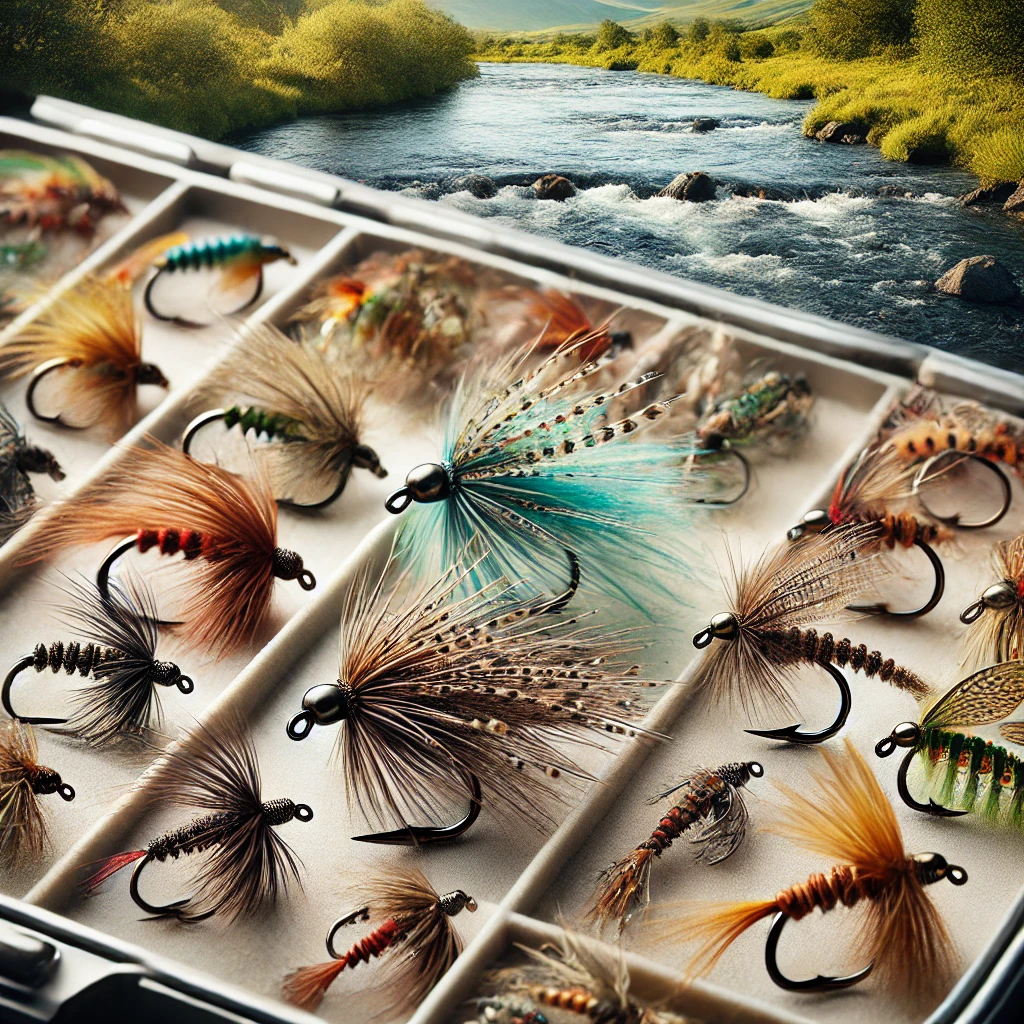
Leech patterns have long been a cornerstone in the fly fishing world, thanks to their incredible versatility and effectiveness in attracting a variety of fish species. These patterns simulate leeches, which are a natural part of many fish diets. Whether you are aiming to catch trout, bass, or even saltwater species, leech patterns can dramatically increase your chances of success.
Understanding different types of leech patterns and how to tie them is crucial for any angler employing the fly fishing technique. This article serves as a comprehensive guide to various leech patterns, their common uses, and tips for tying these effective flies. We’ll dive into multiple subtypes and their specific advantages, ensuring that you’ll be well-equipped to master the art of leech pattern fly fishing.
Why Leech Patterns Work
The primary reason leech patterns are so effective is that they mimic one of the most universally consumed prey items in aquatic environments: the leech. These invertebrates are found in both freshwater and saltwater, making them a common food source for various fish species. Because of this, fish recognize leech patterns as a potential meal and are more likely to strike.
Another reason for their effectiveness is their appearance and movement in the water. Leech flies are typically designed to exhibit a wiggling and undulating action, which closely mimics the natural movement of real leeches. This makes them irresistible to predatory fish. Additionally, the materials used in creating leech patterns, such as marabou feathers and synthetic fibers, enhance their lifelike qualities, making them even more attractive to fish.
Types of Leech Patterns
When it comes to leech patterns, there are several variations to choose from. Each type has its own set of attributes that make it suitable for different conditions and fish species.
Standard Leech Pattern
The Standard Leech is the most commonly used leech pattern. It features a simple design that includes marabou feathers for the tail and a chenille or dubbed body. This simplicity makes it easy to tie, making it a favorite for beginners. Despite its simplicity, it’s incredibly effective, especially in still water environments like lakes and ponds.
Bunny Leech
The Bunny Leech uses strips of rabbit fur to create a highly realistic and animated fly. The fur gives the leech a lifelike motion in the water, which can be particularly enticing to fish. This pattern is highly effective in both freshwater and saltwater environments, making it a versatile option for anglers.
Balanced Leech
The Balanced Leech is designed to hang horizontally in the water when fished under an indicator. This unique feature makes it particularly effective in lakes and slow-moving waters. The balanced design allows the fly to move naturally with the current, making it irresistible to fish.

Materials and Tools for Tying Leech Patterns
Tying your own leech patterns requires some basic materials and tools. Here’s a list of what you’ll need:
Materials:
- Marabou feathers
- Rabbit fur strips (for Bunny Leech)
- Chenille or dubbing
- Wire or lead-free wire (for balanced patterns)
- Hook (sizes #6-#12 are common)
Tools:
- Fly Tying Vise
- Bobbin holder
- Scissors
- Whip finish tool
- Bodkin needle
By gathering these materials and tools, you’ll be well-prepared to tie a wide range of leech patterns. Having the right equipment ensures that your flies will be durable and effective, increasing your chances of a successful fishing trip.
Step-by-Step Guide to Tying a Standard Leech Pattern
Here’s a quick guide to tying a standard leech pattern. Follow these steps, and you’ll have a fly that’s sure to attract fish:
Step 1: Secure your hook in the vise and start your thread near the hook eye.
Step 2: Attach a marabou feather to the hook shank for the tail. The tail should be about the same length as the hook.
Step 3: Add a piece of chenille or dubbing and wrap it around the hook shank to form the body.
Step 4: Finish the fly by creating a small head with the thread and whip finishing.
By following these steps, you’ll create an effective leech pattern fly. Remember to keep your wraps tight and make sure the materials are secured properly. This will ensure that your fly lasts longer and remains effective in the water.
Fishing Techniques for Leech Patterns
Knowing how to fish with leech patterns can make a huge difference in your success rate. Here are some effective techniques:
Dead Drift
The dead drift technique involves casting your fly upstream and allowing it to drift naturally with the current. This method is very effective in rivers and streams, as it mimics the natural movement of a leech in the water. Make sure to keep an eye on your line for any subtle strikes.
Stripping
Stripping is a technique where you retrieve the fly line in short, quick pulls to create an erratic movement in the water. This mimics the fleeing motion of a leech, making it irresistible to predatory fish. This technique works well in both still water and moving water.
Under an Indicator
Using a leech pattern under an indicator is another highly effective technique. Cast your fly and attach a strike indicator to your line, allowing the fly to hang at a specific depth. This method works particularly well with balanced leech patterns, as it allows the fly to move naturally with the current.
Target Species for Leech Patterns
One of the reasons leech patterns are so popular is their ability to attract a wide range of fish species. Here are some of the top targets:
Trout
Trout are one of the most common species targeted with leech patterns. These fish are often found in both rivers and lakes, making leech patterns a versatile choice. The Standard Leech, Bunny Leech, and Balanced Leech are all effective for catching trout.
Bass
Bass are another popular target for leech patterns. These predatory fish are often found in freshwater environments and are known for their aggressive strikes. Bunny Leech patterns, with their lifelike motion, are particularly effective for catching bass.
Panfish
Panfish, including species like bluegill and crappie, can also be targeted with leech patterns. These smaller fish are often found in ponds and lakes, making leech patterns a great choice for still water fishing.
Saltwater Species
Leech patterns are not limited to freshwater fishing. Many saltwater species, such as redfish and snook, are also attracted to leech patterns. Bunny Leech patterns, in particular, are effective in saltwater environments due to their lifelike motion.
Conclusion
Leech patterns are an essential tool for any fly angler. Their versatility and effectiveness in attracting a wide range of fish species make them a must-have in your fly box. Whether you’re targeting trout in a mountain stream or bass in a local pond, leech patterns can significantly increase your chances of success.
Understanding the different types of leech patterns and how to tie them is crucial for any angler. From the Standard Leech to the Bunny Leech and Balanced Leech, each pattern has its own unique advantages. By mastering these patterns and using the right materials and tools, you can create lifelike flies that fish can’t resist.
Additionally, knowing how to fish with leech patterns can make a huge difference in your success rate. Whether you’re using the dead drift technique, stripping, or fishing under an indicator, these techniques can help you effectively present your leech patterns to fish.
Finally, remember that leech patterns are not limited to freshwater fishing. Many saltwater species are also attracted to these patterns, making them a versatile choice for anglers of all types.