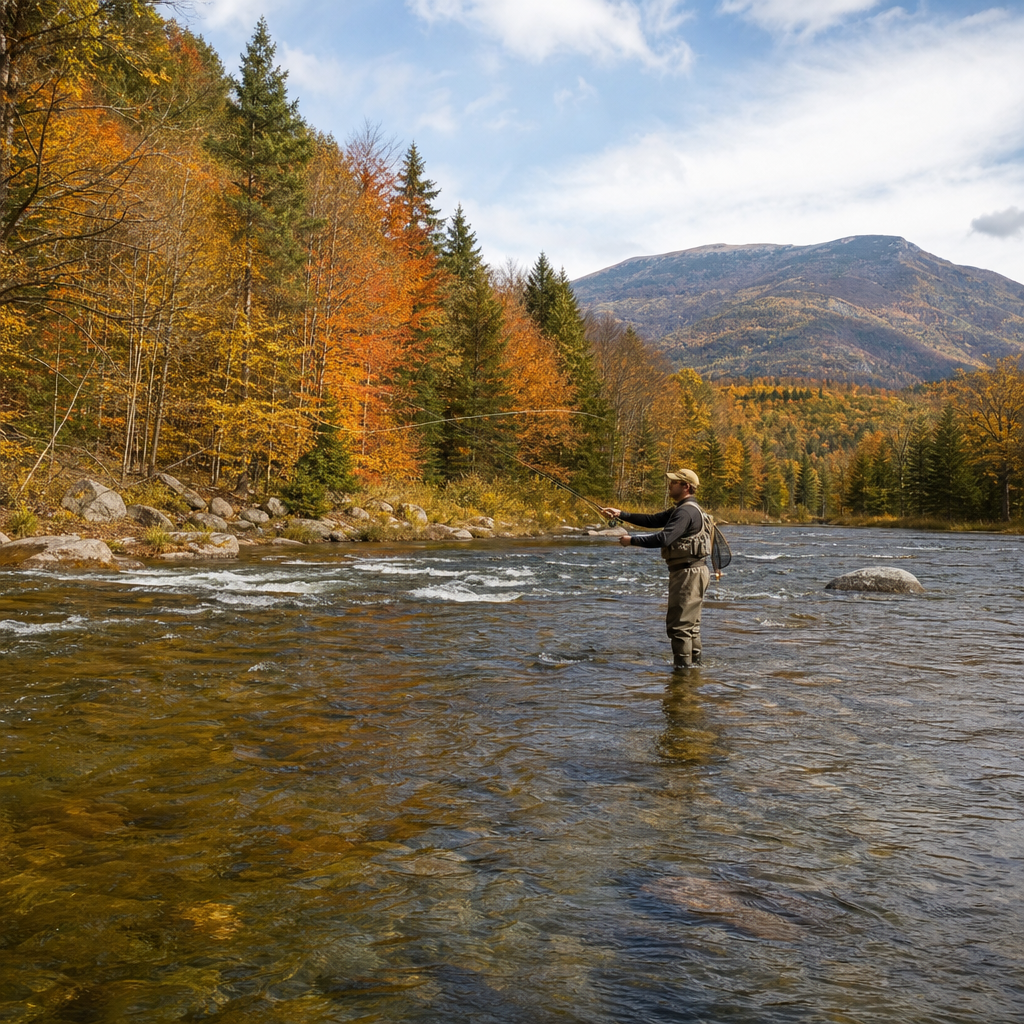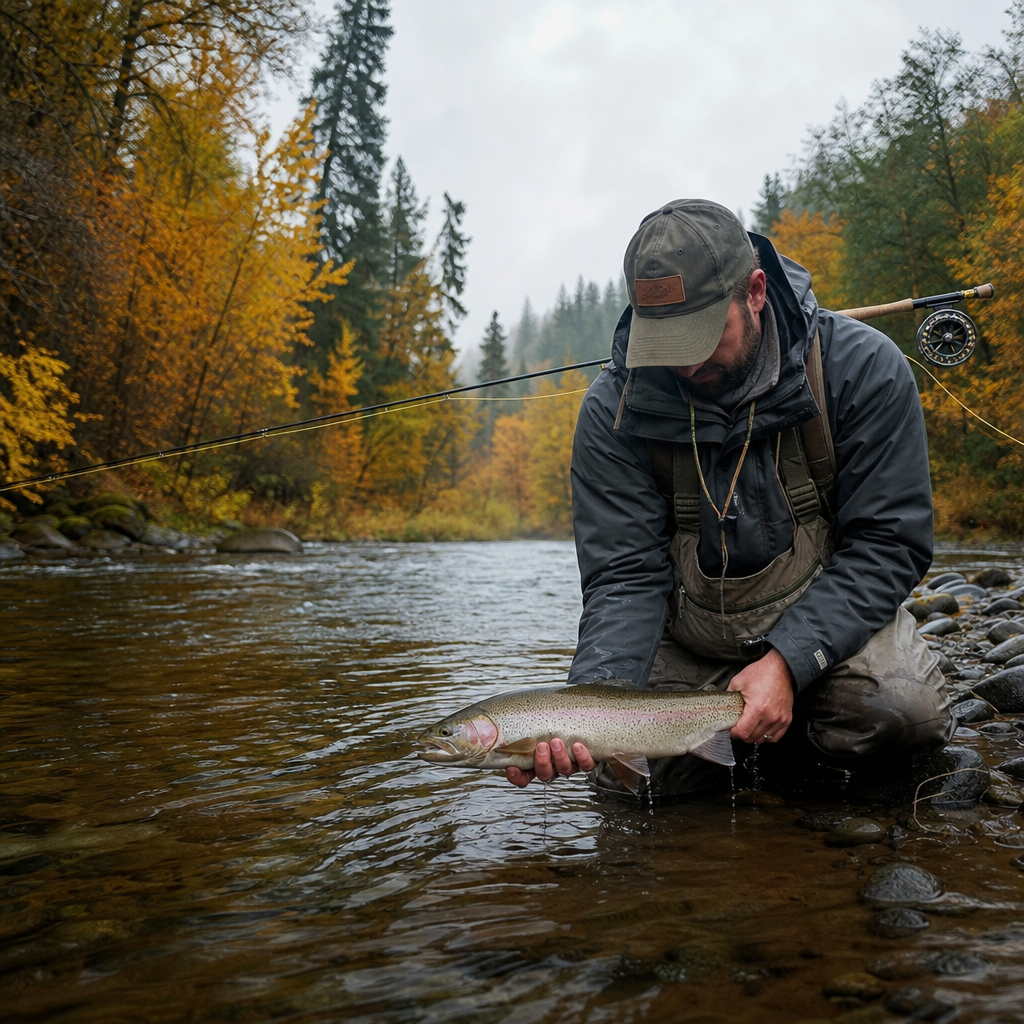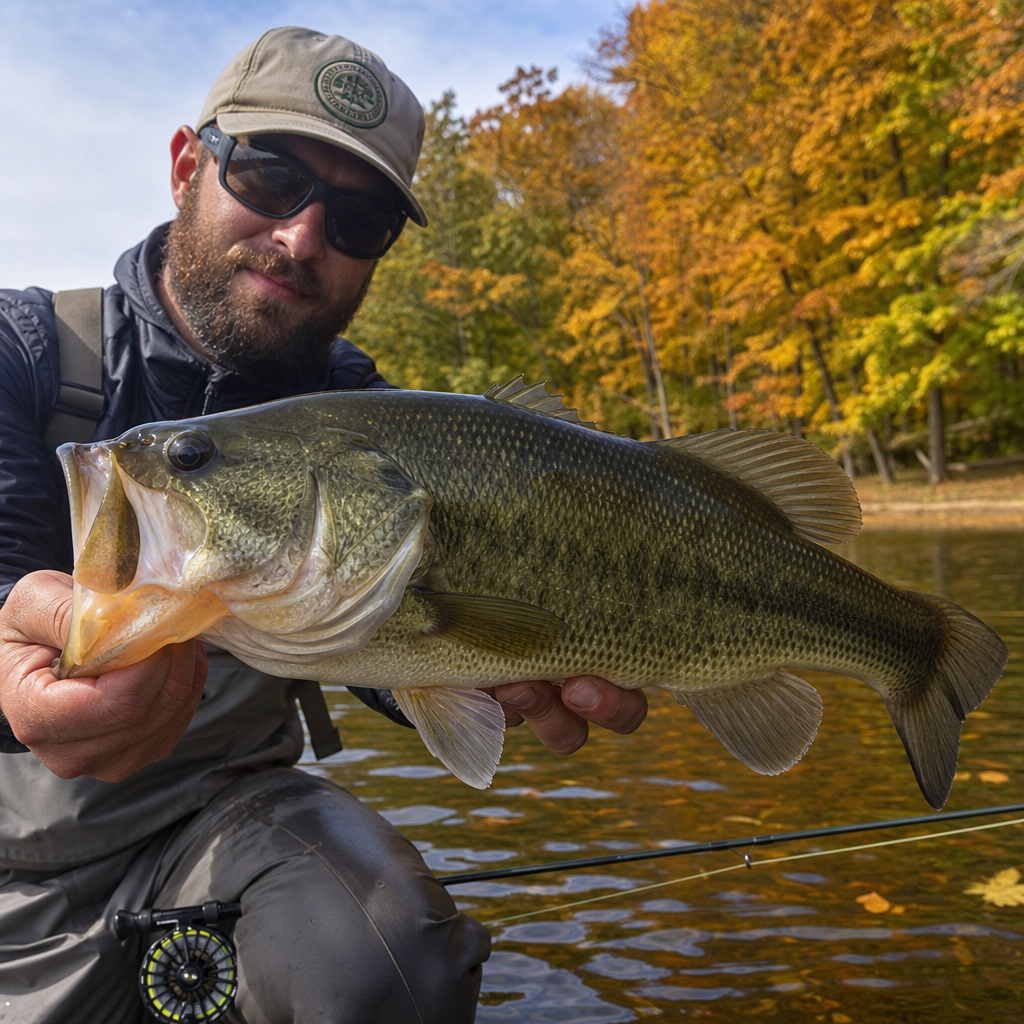
Fly fishing in spring creeks during summer demands precision, restraint, and a clear understanding of how cold, fertile water changes trout behavior when surrounding rivers warm and drop. A spring creek is a stream fed primarily by groundwater, which keeps flows relatively stable and temperatures cooler than freestone rivers. Summer fly fishing refers to the period when long daylight, aquatic weed growth, low clear water, and heavy angling pressure combine to make trout selective. This matters because spring creeks often remain fishable through hot weather, but they punish sloppy wading, poor fly choice, and drag on the drift. I have spent many midsummer mornings on these creeks watching trout refuse good casts for tiny mistakes, and the lesson is always the same: success comes from reading subtle feeding lanes and matching conditions exactly. As a hub for summer fly fishing, this guide explains how spring creeks behave in heat, how trout feed, what tackle works, which flies matter, and when to adapt. It also points you toward the broader skills that define productive warm-season angling, from terrestrial patterns to fish handling in rising temperatures.
Unlike runoff-driven streams, spring creeks usually rise from aquifers and limestone systems that buffer daily temperature swings. That stability creates rich weed beds, dense insect populations, and flat, glassy currents where trout can inspect a fly for several feet. In summer, these characteristics create both opportunity and difficulty. Opportunity comes from dependable hatches, predictable feeding lies, and cool refuge water. Difficulty comes from clear visibility, educated fish, and thin margins for error. Anglers often ask whether summer is a good time for spring creek fly fishing. The direct answer is yes, especially early and late in the day, during spinner falls, and wherever cool inflows or oxygen-rich riffles concentrate feeding trout. But good conditions do not guarantee easy fishing. On many famous creeks, fish see dozens of artificial flies each week. That is why presentation, leader design, and approach matter more than hero casts. Understanding these fundamentals makes this article the central resource for summer fly fishing across similar conditions, whether you fish Pennsylvania limestoners, the Henry’s Fork, Armstrong’s Spring Creek, or New Zealand-style meadow streams.
How spring creeks behave in summer
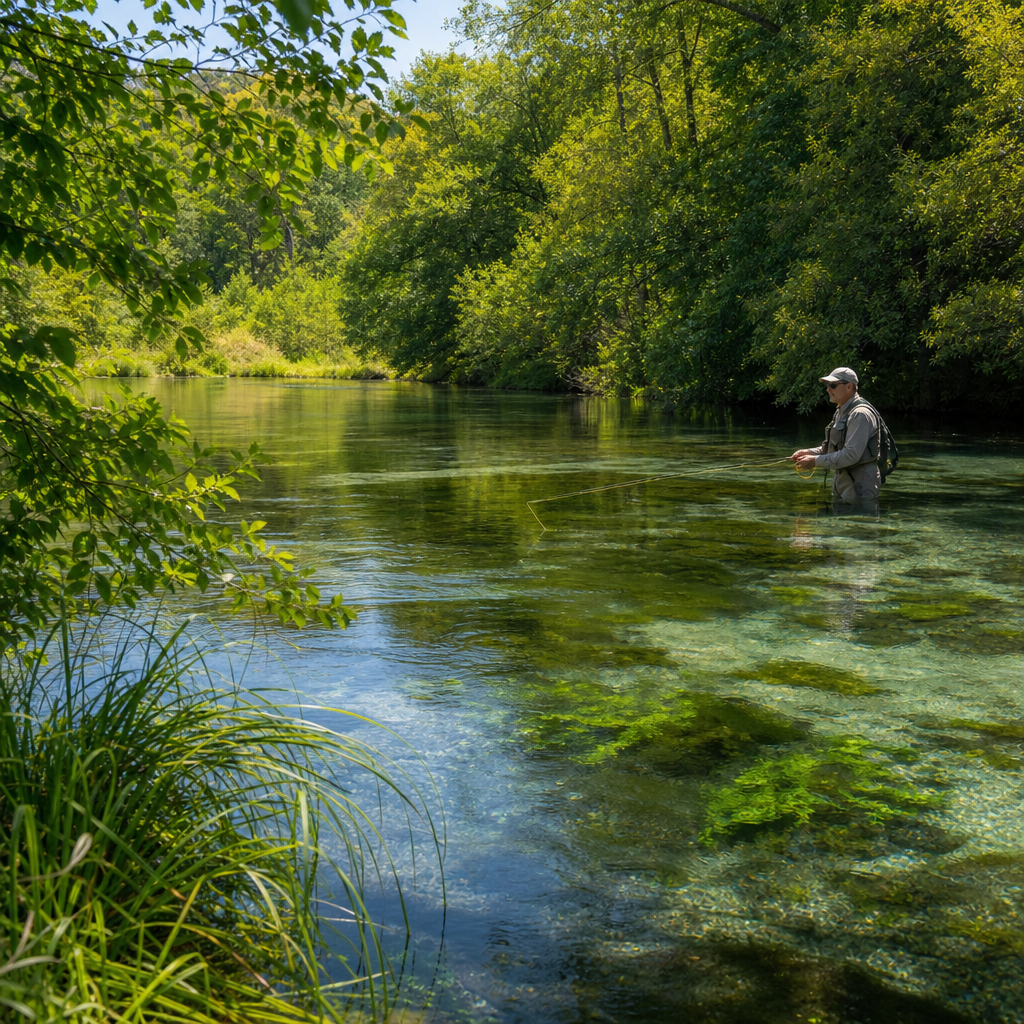
Summer changes a spring creek less dramatically than it changes a freestone river, yet the differences are still important. Groundwater keeps temperatures comparatively cool, often in the low to mid-50s Fahrenheit near source areas and warmer downstream, though exact readings vary by watershed and time of day. Because flows are not driven mainly by snowmelt, many spring creeks maintain steady discharge through dry periods. That steadiness allows aquatic vegetation such as water crowfoot and ranunculus to flourish. Weed beds narrow current seams, create undercut lanes, shelter nymphs, and provide cover for trout. They also complicate drifts. A fly that looks perfect in open water may skate or stall when microcurrents split around submerged weeds.
The clearest practical takeaway is that trout hold where food is concentrated and current cost is low. In summer that often means the inside edge of weed lines, the tails of shallow riffles, slicks below cress beds, and depressions beneath undercut banks. Midday sun can push larger trout into shade, deeper slots, or channels near banks lined with grass. Early morning often features midge activity and calm water before recreational pressure begins. Late evening can produce spinner falls, caddis movement, and terrestrial takes along cut banks. During heat waves, even a spring creek can approach stressful temperatures in lower reaches, so a thermometer is not optional. If water temperatures push into the upper 60s Fahrenheit, responsible anglers shorten fights, fish only the coolest windows, or stop entirely. Summer fly fishing is not just about catching trout; it is about knowing when conditions no longer support ethical pressure.
Trout feeding behavior and seasonal food sources
Trout in spring creeks feed with efficiency because food is abundant and currents are controlled. They do not need to chase often. In practical terms, that means they reject unnatural movement quickly and favor repeatable feeding lanes. The major summer foods are mayflies, midges, caddis, scuds, sowbugs, damselflies in some systems, and terrestrials such as ants, beetles, crickets, and hoppers. Depending on the creek, Trico spinner falls can define the morning. Pale Morning Duns, Blue-Winged Olives in cooler spells, Sulphurs on some Eastern creeks, and evening caddis can all matter. On fertile limestone water, subsurface food is just as important as visible hatches. Scuds and sowbugs are year-round staples, especially where weed beds support crustacean populations.
One mistake I see repeatedly is anglers switching flies before they identify the feeding level. A trout that sips rhythmically may be taking emergers just under the film, not duns on top. Another trout stationed beside weeds may be intercepting scuds dislodged by current. Summer fly fishing improves when you watch first and cast second. Look for the shape of the rise: a gentle nose and ring usually suggests surface insects, a bulge can indicate emergers, and a flash without a full rise often means subsurface feeding. Polarized glasses are essential because they reveal body angle, holding position, and the exact lane a trout is using. Once you know what the fish is doing, fly choice becomes narrower and far more effective.
Tackle, leaders, and rigging for clear low water
Most summer spring creek situations favor moderate rods in the 3- to 5-weight range, usually between 8’6″ and 9’6″. A softer tip protects fine tippet and helps land fish quickly without breaking off on delicate presentations. Floating lines cover the majority of fishing. The crucial variable is leader design. Standard trout leaders work, but spring creeks often demand longer systems, commonly 12 to 15 feet, with extended tippets in 5X to 7X depending on fly size, wind, and fish pressure. Long leaders separate the fly line from the target and reduce micro-drag. For tiny Tricos or midge clusters on flat water, I often fish 6X or 7X fluorocarbon tippet. For terrestrials or caddis near banks, 5X nylon may turn over better and float more naturally.
Indicator rigs are useful in deeper channels, but bulky bobbers spook fish on slick surfaces. Euro-nymphing can work in narrow slots and weed channels, yet classic high-stick methods are often limited by slow currents and spooky trout. In many summer spring creeks, the most versatile setup is a dry-dropper built subtly, or a single nymph with a yarn indicator or dry fly as the suspension point. Carry floatant, desiccant, split shot in small sizes, and strike indicators that can be trimmed down. Barbless hooks are strongly recommended and required in some fisheries. The goal is not complicated gear; it is gear scaled to visibility, drift length, and fly size.
| Situation | Recommended setup | Why it works |
|---|---|---|
| Trico or midge flat | 4-weight, 14-foot leader, 6X to 7X, tiny dry or spinner | Maximizes separation and reduces drag on slow water |
| Weed-edge nymphing | 4- or 5-weight, 12-foot leader, 5X to 6X, unweighted scud or sowbug | Tracks naturally beside vegetation where trout feed subsurface |
| Bank terrestrial fishing | 5-weight, 10- to 12-foot leader, 4X to 5X, ant or beetle | Turns over slightly larger flies and handles quick close shots |
| Evening caddis rise | 4-weight, 12-foot leader, 5X to 6X, caddis emerger or adult | Balances delicate presentation with enough control for moving fish |
Presentation, wading, and stealth
If there is one defining skill in summer spring creek fly fishing, it is drag-free presentation. Trout in clear meadow water often have several seconds to inspect an offering. Any skating, twitching, or leader shadow can ruin the drift. Reach casts, slack-line casts, and aerial mends matter because they buy natural drift before currents tighten the system. Positioning matters just as much. Whenever possible, cast from below and to the side of the fish, using bankside grass, cut banks, or weed beds as visual cover. Avoid standing high on open banks where your silhouette hits the skyline.
Wading should be minimal. Spring creek bottoms are often soft, silty, or weed-choked, and each step sends pressure waves across calm surfaces. Many productive fish can be reached from the bank, kneeling or crouching. On heavily pressured water, the first cast is frequently the best cast, so do not waste it by rushing. I prefer to spot one trout, study its lane, note the nearest current seam, then choose a target a foot or two above the nose rather than dropping the fly directly overhead. In summer fly fishing, stealth is not a romantic extra. It is the mechanism that makes technical water fishable.
Best summer patterns and when to use them
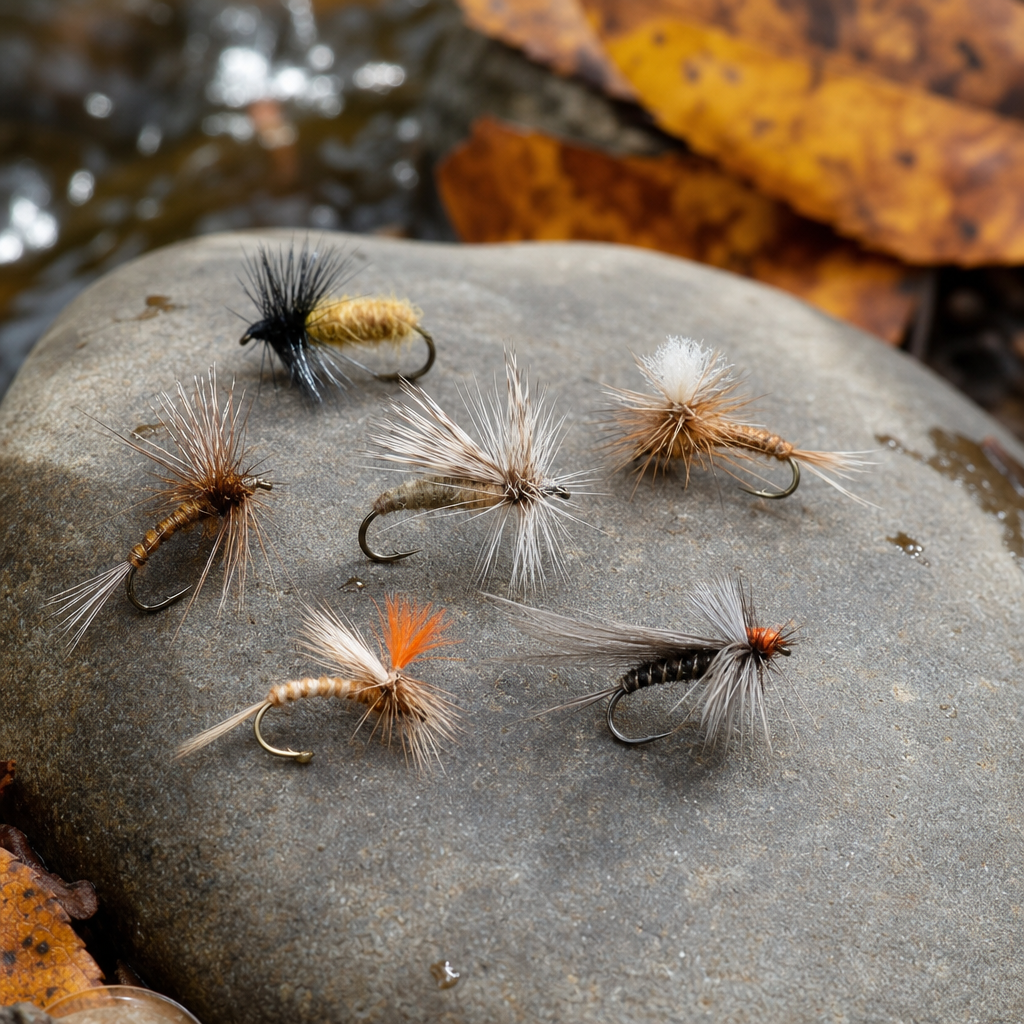
A dependable spring creek box is small but specific. For surface fishing, carry Trico duns and spinners in sizes 20 to 24, PMD cripples and emergers, small CDC caddis, midge clusters, and low-riding ant and beetle patterns. Foam hoppers can work, but on flat technical water subtler terrestrials usually outfish oversized attractors. For subsurface work, simple scuds in gray, tan, and olive, sowbugs in pink or cream, pheasant tail nymphs, RS2s, zebra midges, and unweighted or lightly weighted emergers cover most situations. The key is profile and behavior more than artistic complexity.
Use scuds where weeds dominate and trout are not visibly rising. Use an RS2 or sparse soft-hackle behind a dry when fish bulge under spent insects. Switch to spinner patterns when noses appear in rhythm over the same slick lane during calm mornings. Fish ants after breezy afternoons, especially near grassy banks or under overhanging brush where naturals get blown in. On many creeks, beetles excel from late morning through evening because they land with little disturbance and stay visible enough for the angler without looking gaudy to the trout. Summer fly fishing rewards anglers who think in feeding categories rather than brand-name patterns: crustacean, emerger, spinner, terrestrial.
Timing, fish care, and the broader summer strategy
The best summer windows on spring creeks are usually dawn through midmorning and the last two hours of light, though overcast days can extend activity. Timing revolves around temperature, insect cadence, and angler traffic. Tricos often peak early. Caddis and terrestrials can improve later. After bright midday sun, larger trout frequently move tight to cover and become harder to fool, but that can be the ideal time to prospect shaded banks with small ants or beetles. If thunderstorms raise flows slightly or cloud the sky, fish may feed with more confidence for a short period. That is one reason summer fly fishing is a conditions game, not a fixed schedule.
As the hub page for this topic, the broader lesson is that spring creeks teach all the core skills needed across summer trout water: reading low clear flows, matching tiny insects, fishing terrestrials, building long leaders, and handling trout safely in heat. Those connected subjects deserve deeper study on their own, but the framework is simple. Check water temperature before you fish. Observe rises before tying on a fly. Match the feeding level first, the pattern second. Favor stealth over distance. Keep your drifts short enough to control and long enough to look natural. Land trout quickly, keep them wet, and stop when water conditions become stressful. Master those habits and fly fishing in spring creeks during summer stops feeling mysterious. It becomes one of the most technical, satisfying, and consistently rewarding forms of trout fishing available. Use this guide as your starting point, then build your summer system creek by creek, hatch by hatch, and cast by cast.
Frequently Asked Questions
What makes spring creeks different from other trout streams during summer?
Spring creeks behave very differently from freestone rivers once summer settles in. Because they are fed primarily by groundwater, their flows tend to remain far more stable and their temperatures stay cooler even when surrounding rivers warm up, shrink, and become less hospitable to trout. That cold, fertile water creates a highly productive environment with abundant insect life, weed beds, and consistent habitat, which is great for trout growth but also makes fish far more educated. In summer, that combination of clear water, steady flows, and rich food supply means trout usually do not need to move far or feed recklessly. They can inspect flies closely, hold in predictable lanes, and refuse anything that looks unnatural.
For anglers, this changes the entire approach. On a freestone river, higher variation in current speed, depth, and water color can hide small mistakes. On a summer spring creek, those mistakes are exposed. Drag becomes obvious, heavy tippet can flash, poor positioning can spook fish, and sloppy casts often end the opportunity before the drift even begins. Trout in these systems are not necessarily harder because they are larger or stronger; they are harder because conditions allow them to be selective. That is why successful summer fly fishing on spring creeks is usually built on observation, precision, and restraint rather than aggressive covering of water.
How should I approach trout in a spring creek when the water is low, clear, and heavily fished?
In low, clear summer conditions, the first rule is to slow down. Many anglers lose fish before the cast because they move too quickly, stand too high on the bank, or wade when they do not need to. Spring creek trout often hold in surprisingly shallow or exposed-looking lies, especially near weed edges, undercut banks, subtle seams, and narrow feeding lanes. A careful approach starts well below the fish, ideally from downstream or from an angle that keeps your silhouette off the water. Wear muted clothing, keep false casting to a minimum, and use the bank, grass, or vegetation as cover whenever possible.
Presentation matters even more than fly selection in these situations. Long leaders, fine tippets, and a controlled cast that lands gently are usually essential. Rather than trying to force a drift through a difficult lane, look for the one current seam that lets your fly arrive naturally before the leader crosses over the trout. Reach casts, parachute casts, slack-line presentations, and careful aerial mends can all help reduce drag. It is also wise to target the most catchable fish first. Trout that have not been lined or cast over repeatedly are far more likely to eat. If a fish refuses, avoid pounding it with the same cast over and over. Step back, reassess the drift, the angle, and the fly, and then make a better next presentation instead of simply making more presentations.
What flies work best for fly fishing in spring creeks during summer?
The best summer spring creek flies are usually the ones that match what trout are feeding on most consistently and present cleanly in clear water. Because these creeks are fertile and stable, insect activity can be diverse and reliable, with midges, mayflies, caddis, terrestrials, and small aquatic nymphs all playing important roles. In many places, trout become especially tuned to small mayfly emergers, spinner falls, midge clusters, and land-based food such as ants and beetles. That means anglers should think less in terms of searching with oversized attractors and more in terms of matching size, profile, and behavior. A fly that is close in color but wrong in silhouette or stage may be refused immediately.
It is smart to carry a focused selection of summer patterns rather than an oversized box with no plan. Reliable choices often include parachute-style dries for delicate mayfly matches, CDC emergers, cripples, rust or olive spinners, small caddis adults, ant patterns, beetles, and slim nymphs such as midge larvae, pheasant-tail variations, or tiny scud and sowbug imitations where appropriate. In weedy spring creeks, scuds and other subsurface food can be especially important because trout feed on them constantly between hatches. Size often matters more than anglers expect, and downsizing can solve many refusals. At the same time, the right fly only works when it arrives naturally, so the most effective pattern is often the one you can present with confidence and control in a narrow feeding lane.
When is the best time of day to fish a spring creek in summer?
The best time of day depends on water temperature, insect activity, light conditions, and fishing pressure, but summer on spring creeks often rewards anglers who pay close attention to timing rather than fishing at random. Early morning can be excellent when air temperatures are cool, winds are light, and trout feel secure enough to feed in shallower water. Late evening is also productive because light levels drop, spinner falls often occur, and fish become less wary near the surface. On especially bright days, mid-afternoon can be difficult unless a specific hatch brings trout into a focused feeding rhythm.
One major advantage of spring creeks is that their groundwater influence often keeps temperatures fish-friendly longer than nearby rivers. Even so, cooler water does not mean trout feed carelessly all day. Bright overhead sun, low clear flows, and repeated angling pressure can make fish far more selective in the middle of the day. That is why many experienced anglers spend slower periods watching for subtle rises, checking weeds for nymph shucks, and identifying what stage of insect activity is actually happening. If you know, for example, that tricos, PMDs, or evening caddis are likely on a given creek, you can plan around those windows rather than forcing unproductive hours. In short, the best time is often when light, temperature, and food availability align to make trout comfortable and committed to a specific feeding pattern.
What are the biggest mistakes anglers make on spring creeks in summer?
The most common mistake is assuming that more casts equal better odds. On summer spring creeks, repeated poor presentations usually educate trout instead of convincing them. Drag is another major problem. Anglers often focus on choosing the perfect fly but ignore the fact that even a perfect imitation fails if it skates, wakes, or moves unnaturally. Poor approach angles, unnecessary wading, and casting directly over the fish are also frequent errors, especially in low, transparent water where trout detect movement instantly. In many cases, the fish was never truly available after the first careless step.
Another big mistake is fishing too heavy, too large, or too fast for the conditions. Thick tippet, oversized indicators, splashy casts, and bulky flies can all look unnatural in stable, fertile water where trout have endless time to inspect food. Anglers also tend to overlook how important observation is on spring creeks. Instead of spending a few minutes studying rise forms, currents, insect behavior, and fish position, they begin casting immediately and miss the clues that would tell them exactly what to do. Finally, some anglers underestimate the value of restraint after a refusal. Changing one variable at a time, resting the fish, and improving the drift are usually more effective than cycling through a dozen flies in frustration. Summer success on spring creeks is rarely about overpowering the situation; it is about noticing small details and making fewer, better decisions.