Fly fishing in Germany rewards anglers with cold alpine rivers, broad limestone streams, clear tailwaters, and lake systems that hold trout, grayling, pike, and char across a compact, well-managed country. For anyone researching fly fishing in Germany, the appeal is not only the fish but the variety: Bavarian freestone rivers below mountain peaks, spring creeks in Baden-Württemberg, salmonid beats in Hesse, and large stillwaters where streamers and chironomid patterns matter as much as delicate dry flies. Germany also sits at the center of European travel, making it an ideal hub for anglers planning wider fly fishing destinations across Europe, from Austria and Slovenia to the Czech Republic, France, and Scandinavia.
In practical terms, Germany is a destination where regulations, access models, and fishery culture shape the experience as much as the water itself. Most waters are managed through clubs, leaseholders, or local angling associations. That means visiting anglers must understand permits, daily tickets, closed seasons, and species rules before stepping into a river. In my experience planning and fishing central European waters, Germany stands out for discipline and fishery care: catch-and-release may be limited or handled differently than in North America, wading zones are often defined, and local etiquette matters. Anglers who arrive informed usually have excellent days; anglers who assume open public access often lose time and money.
Germany matters as a fly fishing destination because it combines quality water, strong infrastructure, and access to multiple fisheries within a short drive or train journey. Munich places you near classic Bavarian trout and grayling rivers. The Black Forest opens routes to intimate streams and reservoirs. Southern Germany links naturally to the broader Europe fly fishing map, letting travelers build multi-country itineraries around hatches, water levels, and target species. As a Europe hub, this guide explains where to fish in Germany, how the regional fisheries compare, when to go, what tackle to carry, and which practical details determine success on the water.
Best fly fishing locations in Germany
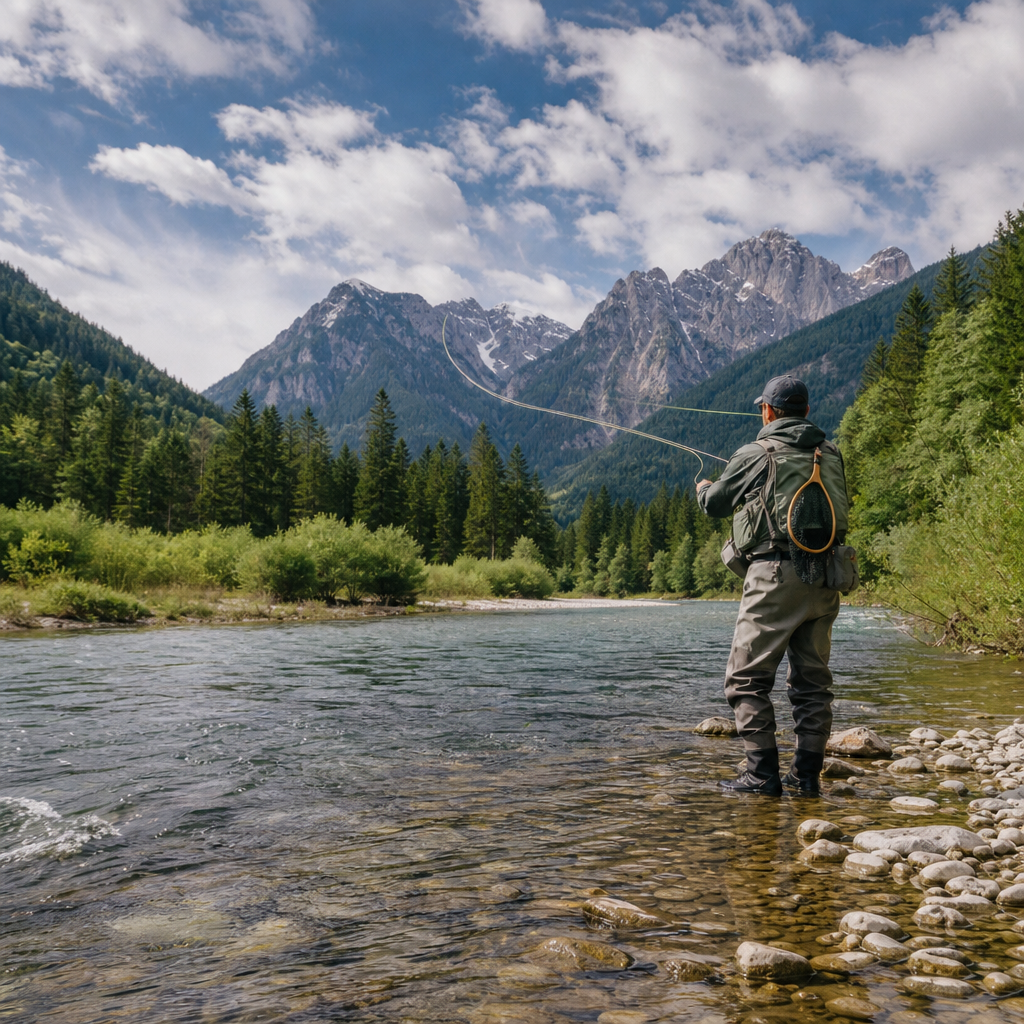
The best fly fishing locations in Germany are concentrated in the south and center, where colder water and stronger fisheries management support trout and grayling. Bavaria is the headline region. Rivers around Garmisch-Partenkirchen, the upper Isar catchment, and selected stretches of the Loisach, Ammer, and Lech systems offer classic European river fishing with nymphs, dry flies, and small streamers. These are not interchangeable waters. Some are pocket-water freestones with fast seams and boulders, while others are broader meadow or gravel rivers where drag-free presentation matters more than repeated casting. Bavaria also gives anglers access to alpine lakes where Arctic char, lake trout, and pike become realistic targets depending on altitude and management.
Baden-Württemberg is often overlooked by international visitors, yet it offers excellent technical fishing. Black Forest streams are smaller, wooded, and highly dependent on recent rainfall. Here, short rods, high-stick nymphing, and precise dry-dropper work outperform long-distance casting. The region also includes spring-fed rivers with stable temperatures and selective fish. Grayling and brown trout can feed confidently during hatches, but they punish poor mends and heavy tippet. Hesse and parts of Rhineland-Palatinate provide additional river options, especially where club-managed sections maintain fish populations carefully and sell limited day permits. These beats can be superb because pressure is controlled and habitat work is ongoing.
Northern Germany is less famous for classic trout fly fishing, but it broadens the destination profile. Lowland rivers, pike lakes, and coastal opportunities can justify a dedicated trip if you enjoy warmwater fly tactics or want to mix species. For a visiting angler focused on iconic German salmonid fishing, however, southern Germany remains the priority. If you have one week, I would center it on Bavaria and add a Black Forest stop. If you have two weeks, Germany becomes an effective launch point for a Europe itinerary that links Bavarian rivers with Austrian alpine water or Slovenian limestone systems, creating a much richer fly fishing destinations trip.
| Region | Best For | Typical Species | Water Style | Ideal Season |
|---|---|---|---|---|
| Bavaria | Classic trout and grayling trips | Brown trout, rainbow trout, grayling, char | Alpine freestones, gravel rivers, lakes | May to September |
| Baden-Württemberg | Technical dry fly and nymph fishing | Brown trout, grayling | Spring creeks, forest streams, tailwaters | April to October |
| Hesse | Managed club beats with controlled pressure | Brown trout, grayling | Medium rivers and stocked sections | May to September |
| Northern Germany | Pike and mixed-species stillwaters | Pike, perch, trout in select waters | Lakes, lowland rivers | Spring and autumn |
Top species and how German fisheries differ
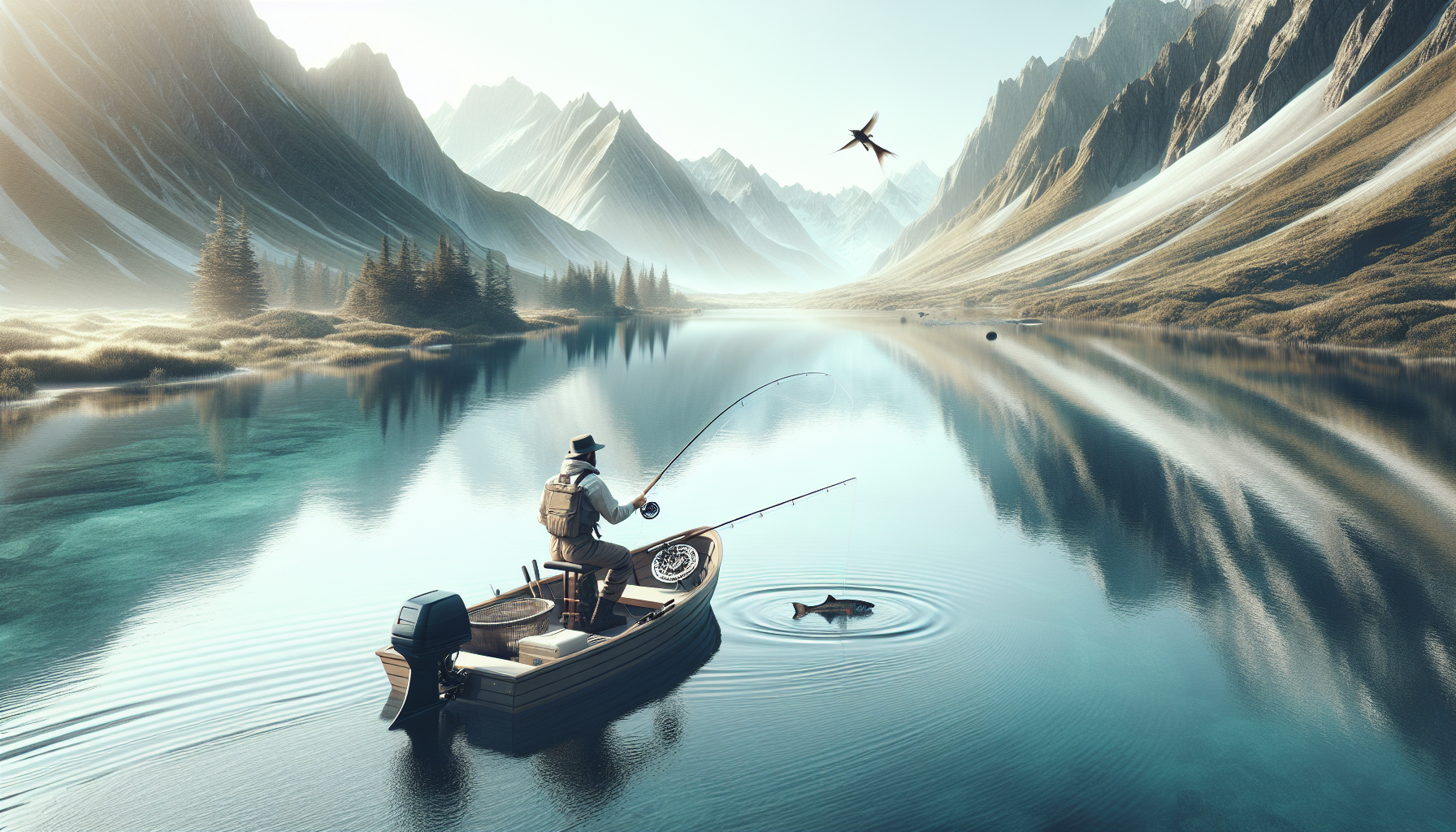
Brown trout are the defining quarry for most anglers who travel to Germany with a fly rod. Wild fish exist in many systems, but stocked trout also play a role depending on the fishery. Grayling are another major attraction and, on the right rivers, can provide some of the best visual nymphing and dry-fly fishing in Europe. Rainbow trout appear in certain managed stretches and lakes, while pike, perch, and char expand the species list. Some alpine and pre-alpine lakes also produce impressive stillwater fishing, especially where local management supports boat access and seasonal regulation.
German fisheries differ from those in the United Kingdom, Scandinavia, or the Rocky Mountain West because access is usually more structured. Fishing rights are often leased and attached to specific clubs or private operators. The result is mixed but usually positive for the traveling angler. You may face more paperwork and fewer spontaneous access points, yet the water can be less crowded and habitat standards can be high. On several German beats I have fished or reviewed with local guides, the banks were stable, spawning gravels protected, and signage clear. Those management details directly affect fish quality and day-to-day consistency.
The other important difference is legal culture. Germany’s animal welfare approach influences fish handling and retention rules. In some places, catch-and-release is not assumed as a universal default, and regulations can seem unfamiliar to foreign anglers. That does not make the destination less attractive; it means you should ask clear questions before booking. Is barbless required? Must certain species be retained above a minimum size? Are there no-kill windows or fly-only beats? A reputable lodge, club secretary, or guide will answer directly. For a Europe-focused traveler, Germany is a useful case study in how local regulation shapes angling tradition and why preparation matters as much as casting skill.
When to go fly fishing in Germany
The best time for fly fishing in Germany depends on region, elevation, and target species, but the core trout and grayling season usually runs from late spring into early autumn. May through July is prime on many southern rivers because flows remain healthy, insect activity improves, and fish recover fully from winter. June often delivers the most balanced conditions: longer days, active fish, and enough hatch variety to support both dries and nymphs. On technical rivers, evening rises can be excellent during warm, stable weather. If you want dry-fly fishing, early summer usually gives the best odds.
August can be productive, but low water and heat stress become real concerns, especially on smaller streams. Responsible fisheries may reduce access or ask anglers to stop during high-temperature periods. This is another reason Germany rewards flexible trip planning. I usually advise anglers to build a regional plan rather than fixating on one famous beat. If a Bavarian river runs warm, a higher-elevation tributary or lake may fish better. September and early October can be outstanding for streamer fishing, larger trout behavior, and lower tourist traffic, but some species face seasonal closures, so permit details matter more as autumn advances.
Winter is not the main season for most visiting fly anglers, though some stillwater and pike opportunities remain. Spring can start slowly at altitude, with snowmelt affecting clarity and safety. For a broader Europe trip, Germany fits well in late May, June, or September because those windows also connect efficiently with neighboring destinations. Austria and Slovenia align especially well in early summer, while the Czech Republic and certain French waters pair nicely in late spring or early autumn. If your goal is a multi-country fly fishing destinations itinerary, Germany works best when you use seasonal overlap to move between similar water types.
Tactics, flies, and gear that work
A 9-foot 4-weight or 5-weight covers most river fishing in Germany. On smaller Black Forest streams, a shorter 3-weight or 4-weight can be ideal under trees and in tight pocket-water. For alpine lakes or streamer work, a 6-weight gives better control in wind and handles larger fish comfortably. Floating lines do most of the work on rivers, while lakes may call for intermediate or sink-tip setups depending on depth and feeding level. Leaders should reflect the water style: longer, finer leaders on spring creeks and shorter, stronger systems on freestones. Fluorocarbon tippet helps for subsurface work, but supple nylon remains valuable for dry flies.
Productive German fly patterns are not mysterious. Pheasant Tail Nymphs, Hare’s Ear variants, perdigons, small jig nymphs, and caddis pupae consistently catch trout and grayling. Dry-fly boxes should include parachute Adams styles, CDC emergers, elk hair caddis, mayfly duns, and small terrestrials in summer. For alpine lakes and pike waters, leech patterns, baitfish streamers, and flashy articulated flies belong in the kit. The key is size and presentation. Many German rivers are clear enough that a common pattern drifted naturally outperforms a perfect imitation pulled across conflicting currents.
Nymphing is often the highest-percentage tactic, especially under variable weather. Tight-line methods excel on medium rivers with defined seams, while indicator systems help on deeper runs and novice-friendly beats. Dry-fly fishing can be superb during evening hatches, but fish are often selective, so drag control is non-negotiable. Streamers come into play after rain, in shoulder seasons, or when targeting larger trout in deeper pools. Polarized glasses, felt-free wading boots that comply with local rules, a compact net, and a wading staff for fast alpine currents are practical essentials. On guided trips, I have seen visiting anglers lose hours because they packed for one photogenic hatch instead of the full range of German conditions.
Permits, guides, access, and trip planning across Europe
To fish legally in Germany, start with permits. Requirements vary by state and fishery, but visiting anglers commonly need a day ticket for the specific water and, in some cases, proof of angling competence or assistance from an outfitter who can arrange access. Because rules are decentralized, the safest approach is to contact the fishery directly well in advance. Ask about license documents, allowed methods, wading boundaries, species closures, and whether catch-and-release is permitted on that beat. Do not assume that a national fishing license works everywhere in the way it might in other countries.
Guides are especially valuable in Germany because they solve more than fish location. A good local guide knows the permit chain, current etiquette, parking norms, and the unwritten rules that prevent friction with leaseholders and club members. For a first trip, that efficiency often offsets the cost. Guides also help with Europe itinerary planning. If Germany is your sub-pillar hub within a larger fly fishing destinations trip, ask operators how their local season aligns with nearby countries. Many serious traveling anglers pair Munich-based fishing with Austria’s Tyrol region, Slovenia’s Soča basin, or Czech trout water reachable by road.
Logistics are one of Germany’s strengths. Airports in Munich, Frankfurt, and Stuttgart provide strong access, roads are reliable, and accommodation ranges from riverside guesthouses to city hotels that support day trips. Book permits early on well-known beats, especially in Bavaria during summer weekends. Pack conservatively, respect local rules, and build backup water into your schedule. Germany rewards anglers who treat fly fishing as a managed, regional craft rather than a casual roadside stop. Start with one well-planned base, fish two or three contrasting waters, and use that experience to expand into the rest of Europe. That approach produces better fishing, fewer surprises, and a much stronger trip overall.
Fly fishing in Germany succeeds when preparation matches ambition. The country offers genuine variety, from Bavarian trout rivers and Black Forest streams to alpine lakes and selected warmwater options, but each fishery has its own rules, access model, and tactical demands. That is exactly why Germany deserves a central place in any Europe fly fishing destinations plan. You can experience highly managed salmonid water, reliable travel infrastructure, and easy onward connections to neighboring countries without sacrificing quality on the water.
The main takeaways are straightforward. Focus first on southern Germany if trout and grayling are your priorities. Time your trip for late spring, early summer, or early autumn. Bring versatile tackle built around 4-weight to 6-weight rods, proven nymphs and dry flies, and enough flexibility to respond to water level, temperature, and local regulations. Most importantly, secure permits early and ask direct questions about retention, wading, and beat-specific rules. Those details shape the experience as much as hatch charts or river maps.
For anglers building a broader Europe itinerary, Germany works best as both destination and gateway. It offers enough quality for a dedicated trip and enough connectivity to anchor a longer route through Austria, Slovenia, the Czech Republic, France, or beyond. Use this hub as your starting point, narrow your region, and line up the right local contacts before you travel. Plan carefully, fish respectfully, and Germany will reward you with one of Europe’s most structured and satisfying fly fishing experiences.
Frequently Asked Questions
What are the best places for fly fishing in Germany?
Germany offers an impressive range of fly fishing water for a relatively compact country, and the best location often depends on the species you want to target and the style of fishing you enjoy most. Bavaria is one of the top regions, especially for anglers seeking scenic alpine and subalpine rivers with strong trout and grayling populations. Rivers fed by mountain snowmelt and spring systems can provide classic dry-fly and nymph fishing against a dramatic backdrop of peaks, forests, and meadows. Baden-Württemberg is another standout, known for spring creeks and clear limestone-influenced streams where presentation, stealth, and careful fly selection matter. Hesse also deserves attention for its managed salmonid beats, where well-kept river sections can offer technical but rewarding fishing for brown trout and grayling.
Beyond moving water, Germany’s lakes and reservoirs expand the options considerably. Large stillwaters can produce excellent fishing for char, trout, and pike, and they often call for a different approach than rivers, including streamers, chironomid imitations, and deeper presentations. Tailwaters below dams are also important destinations because they tend to run cold and stable, making them productive throughout longer portions of the season. In practical terms, the “best” place is often the one that matches your timing, skill level, and target fish. If you want classic wading and dry-fly fishing, look toward smaller rivers and spring creeks. If you prefer stripping streamers for larger fish or covering more water from shore or boat, a lake district or reservoir may be a better fit. Germany’s strength is variety, and that is exactly what makes it such a rewarding fly fishing destination.
Which fish species can you catch while fly fishing in Germany?
Fly anglers in Germany can target a diverse mix of species, with trout and grayling being the most iconic. Brown trout are widespread and are often the primary attraction on rivers and streams, especially in southern and central parts of the country. Rainbow trout may also be present in certain fisheries, depending on local management practices. Grayling are highly valued where they occur, and many anglers specifically seek out rivers known for healthy grayling stocks because they are strong fighters and often respond well to refined nymphing and dry-fly tactics. In colder lakes and alpine waters, char can be an exciting and distinctive target, especially for anglers interested in deeper presentations or fishing during cooler periods.
Germany also offers worthwhile fly fishing for pike, particularly in larger lakes, slow-moving systems, and some stillwaters where streamer fishing can be highly effective. This adds a completely different dimension to a trip, as pike demand heavier tackle, larger flies, and a more aggressive retrieve compared with delicate trout fishing. Depending on the fishery, anglers may also encounter perch and other species that occasionally take streamers or nymphs. The exact species mix varies by region and water type, so it is always wise to research local fishery rules and recent reports before planning your trip. One of the most appealing things about fly fishing in Germany is that you can spend one day fishing technical dry flies to trout on a clear river and another casting large streamers in a lake for predatory fish, all without traveling enormous distances.
What permits and regulations do you need for fly fishing in Germany?
Fly fishing in Germany is well managed, and that generally means anglers should expect clear rules, permit systems, and local regulations that must be followed carefully. In many areas, fishing is not simply a matter of buying a national license and heading to the water. Instead, you may need both a general fishing authorization and a separate permit for the specific river, beat, or lake you intend to fish. Some waters are run by clubs, associations, or private leaseholders, and access can be limited by day tickets, membership structures, guided-only rules, or restricted beat allocations. Catch limits, seasonal closures, tackle restrictions, protected stretches, and species-specific regulations are also common, especially on high-quality salmonid waters.
Because regulations can differ significantly from one state and fishery to another, the safest approach is to check directly with the local fishery office, guide service, lodge, club, or permit vendor before you travel. Some fisheries may require documentation, local registration, or proof of eligibility, while others are more straightforward for visiting anglers. It is also common to encounter rules on hook types, bait restrictions, wading access, and mandatory catch reporting. These regulations are not simply bureaucratic obstacles; they are part of the reason many German waters remain orderly, healthy, and productive. If you are visiting from abroad, arranging at least part of your fishing through a local guide or outfitter can make the process much easier and help ensure you stay compliant while fishing the most suitable waters for the season.
What are the best fly patterns and techniques for Germany’s rivers and lakes?
The best flies and techniques in Germany depend heavily on whether you are fishing freestone rivers, spring creeks, tailwaters, or stillwaters. On rivers, standard trout and grayling tactics are often highly effective, particularly with nymphs, small dry flies, and emergers. In clear, pressured water, subtle presentation usually matters more than flashy patterns. Pheasant tail nymphs, hare’s ear variations, small perdigons, caddis pupae, and slim mayfly imitations are reliable starting points. For dry-fly fishing, patterns that imitate local mayflies, caddis, and small terrestrials can all be productive, especially during hatches or in low, clear summer conditions. Grayling in particular often respond well to dead-drift nymphing with fine tippet and precise depth control.
In stillwaters and larger lakes, the game changes. Streamers become far more important, especially when targeting char, larger trout, or pike. Chironomid patterns can also be extremely effective in lakes where fish feed subsurface for extended periods. Anglers who are used only to river fly fishing sometimes underestimate how technical German stillwaters can be; counting down flies, controlling retrieve speed, and covering different depth zones are often critical. On tailwaters, a combination of nymphing and selective dry-fly fishing usually works best, because the stable flows can support consistent insect life and sophisticated fish. The key across all these waters is adaptability. Carry a balanced selection of small nymphs, emergers, dry flies, streamers, and lake-oriented patterns, and be prepared to shift techniques as light, weather, and water conditions change.
When is the best time of year to go fly fishing in Germany?
The best time for fly fishing in Germany depends on the region, the water type, and the species you want to pursue, but in general the prime season runs from spring through autumn. Spring can be an excellent time on many rivers, especially as water temperatures begin to rise and insect activity increases. Trout and grayling often feed actively during this period, and anglers may encounter productive nymphing and some early dry-fly opportunities. Late spring into early summer is often considered one of the most attractive windows, particularly on rivers and spring creeks where clearer conditions and stronger hatches can create classic fly fishing scenarios.
Summer remains productive, especially on cooler alpine rivers, tailwaters, and higher-elevation lakes, though low water and increased fishing pressure can make presentation more technical. Early mornings and evenings can be particularly rewarding during warmer periods. Autumn is another excellent season, especially for anglers who enjoy streamer fishing, targeting aggressive fish before winter, or fishing lakes as water temperatures cool again. In some fisheries, autumn can deliver fewer crowds and very memorable action. The most important point is to match the season to the type of water. Mountain rivers may fish best after runoff settles, spring creeks can remain dependable in warmer weather, tailwaters often offer stable conditions over long periods, and lakes may peak when temperature bands suit feeding trout, char, or pike. Checking local conditions before your trip is essential, because weather, snowmelt, and fishery-specific seasons can all influence timing.