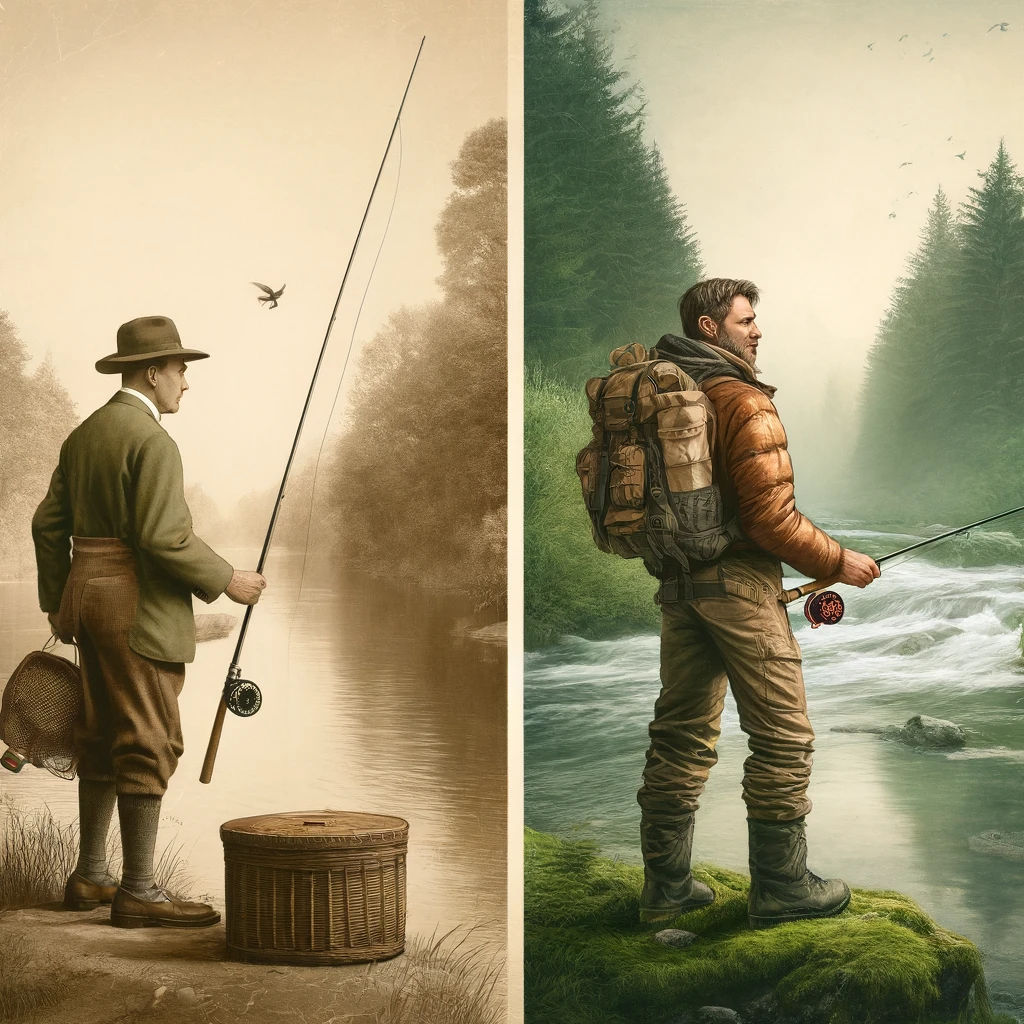
Fly fishing for walleye is a rewarding challenge for any angler. Known for their elusive nature and delicious taste, walleye present a unique set of challenges that set them apart from other freshwater species. This comprehensive guide will walk you through the basics of fly fishing for walleye, from understanding their behavior and habitat to the best techniques and gear to use. Whether you’re a seasoned fly fisher or new to the sport, these insights will help you increase your chances of landing this prized catch.
Introduction: Understanding Walleye Behavior and Habitat
Walleye (Sander vitreus) are a popular freshwater species well known for their delectable taste and challenging nature. They are native to Canada and the Northern United States and are highly prized by anglers for their elusive behavior. Understanding the habits and preferences of walleye is crucial in targeting them effectively.
Walleye typically inhabit lakes, rivers, and reservoirs with clear, cool waters. They prefer low light conditions and are often found at depths where sunlight penetration is minimal. This preference for dim light is why walleye are more active during dawn and dusk. In addition, their outstanding night vision provides them an edge over their prey in low-light conditions.
Their feeding habits revolve around baitfish such as perch and shad, along with crustaceans and insects. Walleye are opportunistic feeders, which means they adapt their diet based on the available food sources within their habitat. Understanding these nuances can help you select the right flies and techniques to attract them.
Walleye are also structure-oriented fish. They navigate and hunt around natural and artificial underwater structures like rock piles, reefs, submerged trees, and drop-offs. These areas provide cover and ambush points for walleye, making them prime locations to target when fly fishing.
Best Times and Seasons for Fly Fishing Walleye
Timing is a critical factor in fly fishing for walleye. Since walleye are more active during low light conditions, the best times to fish for them are early morning and late evening. Night fishing can also be highly productive due to their excellent night vision.
Season-wise, spring and fall are prime times for walleye fishing. In the spring, walleye spawn in shallow waters, making them more accessible. As the water warms up in the summer, walleye tend to move to deeper, cooler sections of the water bodies. During fall, as temperatures drop, walleye move back to shallower waters to feed heavily before winter, making them easier targets.
Understanding the seasonal movement patterns of walleye helps in anticipating their location and adjusting your fishing strategy accordingly. Equipped with this knowledge, you can increase the efficiency of your fly fishing excursions.
Temperature also plays a pivotal role in walleye activity. They prefer water temperatures between 55-70°F. Monitoring water temperatures can provide insights into the likely holding positions of walleye and maximize the chances of a successful catch.
Choosing the Right Gear for Fly Fishing Walleye
The correct gear setup is crucial for fly fishing for walleye. Here’s what you need to get started:
- Rod: A 6-9 weight rod is generally recommended due to walleye’s size and strength. A fast action rod helps in casting larger flies and handling heavier lines.
- Reel: A sturdy reel with a good drag system is essential. Walleye can put up a strong fight, and having a reliable reel ensures smooth retrievals.
- Line: Use a sinking fly line or sink-tip line to reach the depths where walleye are generally found. Intermediate sinking lines can also be effective in certain conditions.
- Leader: A leader setup with a length of 9-12 feet is ideal. Use fluorocarbon leaders due to their low visibility and abrasion resistance.
- Flies: Streamer patterns resembling baitfish are highly effective. Popular patterns include Clouser Minnows, Woolly Buggers, and Muddler Minnows in sizes ranging from 4 to 8.
Having the right gear ensures you are well-prepared to withstand the challenges presented by walleye fly fishing. Adjustments and preferences may vary, but a solid foundational setup is key to success.

Key Techniques for Fly Fishing Walleye
Employing the right techniques can make a significant difference in your fly fishing endeavors for walleye. Here are some critical techniques to keep in mind:
- Drift Fishing: Utilize the current or wind to drift your fly at the desired depth. This technique allows you to cover more water and present your fly naturally.
- Strip and Pause Retrieve: Mimic the erratic movements of baitfish by stripping your line in short, sharp motions followed by brief pauses. This can trigger predatory responses from walleye.
- Jigging: Use weighted flies to jig at different depths. The up-and-down motion can entice walleye, especially in deeper waters.
- Vertical Presentation: Drop your fly straight down and maintain a vertical presentation. This is particularly useful when fishing from a boat or in deeper sections.
- Cover and Structure Targeting: Focus on casting near structures, drop-offs, and other potential hiding spots where walleye may ambush their prey.
Mastering these techniques can significantly enhance your productivity and efficiency while fly fishing for walleye. Continual practice and adaptation to various fishing conditions will also contribute to consistent success.
Advanced Tips for Increasing Your Catch Rate
To elevate your fly fishing game for walleye, consider incorporating some advanced tips into your strategy:
- Electronics: Utilize fish finders and GPS to locate structured areas and identify schooling baitfish and walleye.
- Weather Patterns: Pay attention to weather changes. Overcast days and pre-storm conditions often trigger active feeding behavior in walleye.
- Multiple Fly Rigs: Experiment with tandem rig setups using two different fly patterns to increase the chances of attracting walleye.
- Fluorocarbon Tippet: Use a fluorocarbon tippet for its invisibility and strength, especially in clear water conditions.
- Observe Local Knowledge: Engage with local anglers and guides for tips and information about walleye activity in specific locations.
Incorporating these advanced tips can help refine your approach and lead to a higher success rate in walleye fly fishing.
Conservation and Ethical Fishing Practices
Conservation is paramount for sustainable fly fishing, ensuring that future generations can enjoy the sport and the species we cherish. Here are some ethical practices to adopt:
- Catch and Release: Whenever possible, practice catch and release to contribute to the conservation of the walleye population. Handle fish gently and minimize their time out of the water.
- Proper Handling: Use wet hands or a rubberized net to handle fish, reducing harm to their protective slime layer. Avoid squeezing the fish or causing unnecessary stress.
- Respect Limits: Adhere to local fishing regulations, including size and bag limits to ensure sustainability.
- Minimize Impact: Be mindful of your impact on the environment. Avoid disturbing habitats and dispose of waste responsibly.
By adopting these ethical practices, you contribute to the preservation of walleye populations and the overall health of aquatic ecosystems.
Conclusion: Enjoying the Rewards of Walleye Fly Fishing
Fly fishing for walleye offers a unique blend of challenges and rewards, making it a deeply satisfying pursuit. Whether you’re drawn by the prospect of landing a trophy fish or the serenity of fishing in tranquil waters, walleye fly fishing has something for everyone.
Understanding walleye behavior, choosing the right gear, mastering key techniques, and adhering to ethical practices are essential components of successful walleye fly fishing. The knowledge and tips shared in this guide equip you with a solid foundation to embark on this exciting journey.
Embrace the learning process, practice patience, and constantly refine your approach to achieve consistent success. Fly fishing for walleye not only enhances your angling skills but also deepens your connection with nature and the sport itself.
So grab your fly rod, tie on your best flies, and venture out to explore the waters where the elusive walleye roam. The challenge awaits, and the rewards are well worth the effort.