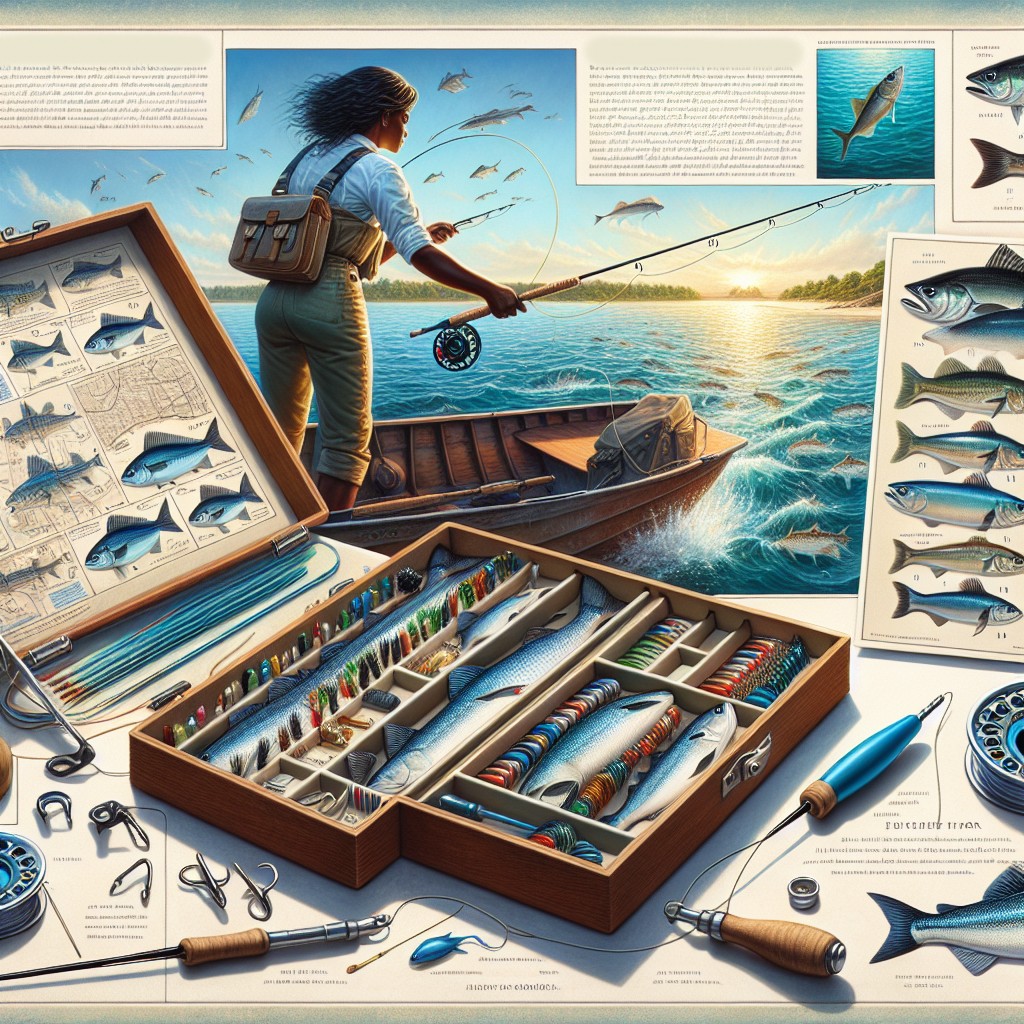
Fly fishing isn’t just about freshwater species like trout and bass; the saltwater arena offers a thrilling and often more challenging experience. One particular target that excites many anglers is the bluefish. Known for their fierce fighting ability and tenacity, bluefish are a splendid adversary for fly anglers. But what makes them so alluring?
Bluefish can be found in both warm and temperate waters around the world, including the Atlantic coast of North America. These fish are fast, powerful, and have very sharp teeth. They are known for their aggressive feeding habits and are often seen boiling at the surface when they chase baitfish. This aggressive nature makes them perfect candidates for fly fishing.
In this article, we will cover the essential tips and tricks for fly fishing for bluefish. From understanding their behavior to selecting the right gear, and from choosing the best flies to knowing the right fishing techniques, we’ve got it all. Whether you’re a seasoned angler looking to hone your skills or a newbie eager to catch your first bluefish on the fly, this guide will provide valuable insights.
Understanding Bluefish Behavior
To successfully target bluefish with a fly rod, it’s crucial to understand their behavior. Bluefish are known for their schooling nature and aggressive feeding habits. When they find a school of baitfish, they will relentlessly chase and attack, often creating a feeding frenzy that can be easily spotted.
Bluefish are typically found in coastal waters, bays, and estuaries. They prefer slightly warmer waters and tend to migrate along the coastlines depending on the season. In the spring and fall, they can be found close to shore, making them more accessible to anglers.
These fish are highly responsive to changes in light and tide. Early morning and late afternoon are prime times for bluefish activity. The best fishing often occurs around tide changes, so keep an eye on the tide charts.
Understanding their feeding patterns can also improve your chances. Bluefish feed on a variety of prey including small fish, squid, and crustaceans. They are visual hunters, making them highly responsive to well-presented flies that mimic their natural prey.
Essential Gear for Bluefish Fly Fishing
Fly fishing for bluefish requires specialized gear that can handle their strength and sharp teeth. Here’s a list of essential gear:
Fly Rod
An 8 to 10-weight fly rod is recommended for bluefish. These rods provide the necessary power to handle the strong runs and jumps of these aggressive fish.
Fly Reel
A solid fly reel with a good drag system is crucial. Bluefish can make powerful runs, and a reliable drag system will help you maintain control.
Fly Line
Use a saltwater-specific floating or intermediate fly line. Intermediate lines are particularly useful for getting your fly to the right depth, depending on where the fish are feeding.
Leader and Tippet
Because of the bluefish’s sharp teeth, it’s essential to use a heavy leader and bite tippet. A leader setup of about 20-30 lb test with a 6-8 inch section of wire or heavy fluorocarbon for bite protection will suffice.
Choosing the Best Flies
Bluefish are not very picky when it comes to flies, but having the right patterns can increase your success rate. Here are a few recommended fly patterns:
Clouser Minnow
The Clouser Minnow is a versatile and effective fly for bluefish. Its weighted eyes and streamlined profile make it perfect for imitating baitfish.
Deceiver
The Deceiver is another excellent choice. Its lifelike movement and silhouette attract bluefish in both clear and murky waters.
Popper Flies
Surface action is exciting, and popper flies that create a lot of commotion on the water can trigger explosive strikes from bluefish.
When selecting fly colors, opt for shades that match local baitfish. White, chartreuse, blue, and silver are effective color schemes. Always carry a variety of sizes to adapt to different situations.
Techniques for Catching Bluefish
Fly fishing for bluefish requires a mix of patience, observation, and technique. Here are some methods to help you hook into these ferocious fish:
Spotting and Casting
Look for signs of feeding bluefish such as birds diving into the water, surface boils, and baitfish jumping out of the water. Position yourself upwind or up current of the feeding activity and cast your fly into or just beyond the commotion.
Retrieving the Fly
Use a fast, erratic retrieve to mimic the movement of fleeing baitfish. Bluefish are aggressive and a swift, jerky motion can trigger their predatory instincts.
Setting the Hook
When you feel a strike, strip set the hook instead of lifting the rod. This ensures a solid hook set and helps penetrate the fish’s tough mouth.
Safety Tips
Fly fishing for bluefish can be thrilling, but it’s essential to take safety precautions due to their sharp teeth and aggressive nature. Here are a few safety tips:
Handling Bluefish
Be cautious when handling bluefish. Use pliers or a hook remover to safely unhook them. If you must handle the fish, use a wet towel to grip it firmly without causing harm.
First Aid
Carry a basic first aid kit in case of bites or cuts. Bluefish teeth are extremely sharp and can cause serious injury.
Protective Gear
Wear protective gloves when handling your catch and ensure that your gear is in good condition to prevent accidents.
Conclusion
Fly fishing for bluefish is an exhilarating experience that brings together skill, patience, and a love for the sport. These powerful and aggressive fish provide a challenging and rewarding pursuit for both novice and experienced anglers.
By understanding bluefish behavior, selecting the right gear, choosing effective fly patterns, using proper techniques, and taking necessary safety precautions, you can enhance your chances of success and enjoy unforgettable moments on the water.
So, the next time you head out for a fly fishing adventure, consider targeting bluefish. With the tips and tricks shared in this guide, you’ll be well on your way to landing these feisty fighters and creating lasting fishing memories.