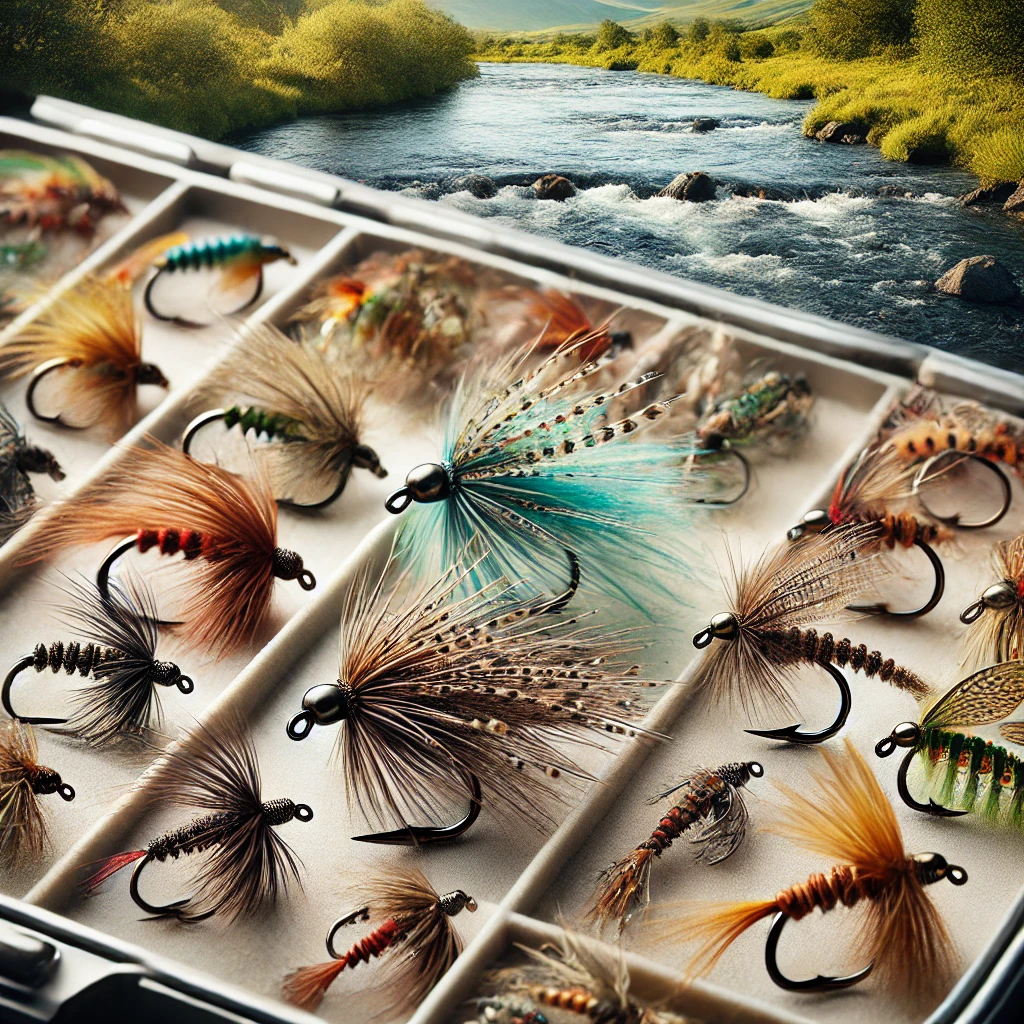
Creating saltwater fly patterns for fly fishing is a rewarding and intricate art. Fly tying allows you to customize your flies to match specific baitfish, crustaceans, or insects native to the waters you’re targeting. This crafting process demands an understanding of both the ecology of your fishing grounds and the skills needed to manipulate various materials into a convincing lure. Whether you’re just starting out or looking to refine your technique, this guide will walk you through the fundamentals and more advanced aspects of creating saltwater fly patterns.
The Importance of Matching the Hatch
One of the most critical aspects of successful saltwater fly fishing is matching the hatch. This term, borrowed from the world of freshwater fisheries, refers to selecting flies that mimic the local prey your target species feeds on. Whether it’s shrimp, baitfish, or crustaceans, knowing what your fish eat and replicating it in your patterns will make all the difference. Observing the colors, sizes, and behavior of prey in your fishing area gives you a solid foundation for tying effective flies.
Selecting Materials
For saltwater fly patterns, selecting the right materials is crucial. Saltwater environments can be harsh, and the fish often targeted are larger and stronger than their freshwater counterparts. Consequently, you need materials that are both durable and functional. Some common materials include:
- Hook: Strong, corrosion-resistant hooks are a must. Look for stainless steel or other rust-proof materials.
- Thread: A strong, non-slip thread like Kevlar or GSP is ideal for secure wraps.
- Body Materials: Epoxy, silicone, or mylar are great choices for durability and water resistance.
- Tails and Wings: Bucktail, synthetic hair, and hackles from saltwater birds work well for realistic movement.
- Eyes: 3D eyes made from epoxy or other hard materials add a lifelike element that can trigger strikes from predatory fish.
Basic Tying Techniques
Now that you’re familiar with the importance of matching the hatch and the materials needed, let’s delve into some basic tying techniques. Mastering these will allow you to create a wide range of saltwater fly patterns.
The Thread Base
Starting with a strong foundation is crucial. Wrap the thread around the hook shank several times to create a solid base. This base helps later materials adhere more securely.
- Secure the Hook: Place the hook in your vise and lock it in place.
- Wrap the Thread: Begin by wrapping the thread around the shank, moving from the eye of the hook to the bend.
- Create a Tag End: Leave a small tag end of thread hanging; this will be covered as you add more materials.
Adding the Tail
The tail often serves as the most prominent and enticing part of the fly, mimicking the flicking movement of prey.
- Cut & Select Material: Choose your tail material, such as bucktail or synthetic hair, and cut an appropriate length.
- Secure the Tail: Tie the material onto the hook at the base you’ve created, ensuring it extends slightly beyond the bend.
- Lock it Down: Wrap the thread over the tail material multiple times to ensure it’s secure.
Forming the Body
The body of the fly adds weight and bulk, shaping the overall appearance of your pattern.
- Choose Body Material: Depending on the prey you are mimicking, select epoxy, mylar, or silicone.
- Apply and Shape: Attach the body material to the hook shank and wrap it forward towards the eye of the hook. Shape it with your fingers or tying tools as you go.
- Secure with Thread: Once you’re satisfied with the form, secure it with several wraps of the thread.
Adding Wings and Eyes
The wings and eyes give your fly a more lifelike appearance, mimicking the fluttering motion of bait or the predatory look of larger prey.
- Select Wing Material: Use materials like hackles or synthetic fibers. Attach them at the base of the tail and extend them toward the eye of the hook.
- Add the Eyes: Finally, attach 3D eyes using epoxy or super glue to add realism to your pattern.
Advanced Tying Techniques
Once you’ve mastered the basics, it’s time to explore more advanced techniques. This level of fly tying can set your lures apart from those of other anglers, giving you an edge in heavily fished waters.
Intricate Body Patterns
Using multiple materials and techniques, you can create intricate body patterns that better mimic complex prey, such as crustaceans with segmented bodies.
- Layering: Apply materials in layers, using different colors and textures to create a natural look.
- Weaving: Weave different materials together to form a durable, intricate pattern that mimics the natural segmentation of prey.
Weighted Flies
Adding weight to your flies can help them sink quickly, making them highly effective in deeper waters.
- Bead Heads and Lead Wire: Attach a bead head at the hook eye or wrap lead wire around the hook shank before adding other materials.
- Securing the Weight: Cover the weight with body material, ensuring it is securely wrapped and hidden.
Articulated Flies
Articulated flies incorporate multiple segments to create lifelike movement. These are especially effective for mimicking larger prey.
- Multiple Hooks: Use multiple hooks joined by flexible wire to create segments.
- Connect and Secure: Secure the wire tightly, ensuring each segment can move freely but remains securely attached.
Common Saltwater Fly Patterns
Here are some popular saltwater fly patterns that you can practice tying. Each has its unique characteristics and is suited to different prey and fishing conditions.
The Clouser Minnow
One of the simplest and most effective patterns, the Clouser Minnow mimics a baitfish. Its ease of tying and effectiveness makes it a favorite among saltwater anglers.
- Tail: Bucktail
- Body: Mylar or synthetic wrapping
- Eyes: Large, prominent 3D eyes
The Crazy Charlie
This pattern imitates shrimp, making it highly effective for species that feed on crustaceans, like bonefish.
- Body: Pearlescent tinsel or mylar
- Eyes: Small bead-chain eyes
- Tail: Craft fur or synthetic fibers
The Deceiver
A versatile and effective pattern, the Deceiver mimics larger baitfish and is perfect for targeting aggressive predators.
- Tail: Long hackles
- Body: Wrapped feather and synthetic fibers
- Eyes: Prominent, often red or orange
The Crab Fly
An effective pattern for bottom-feeding species, the Crab Fly mimics the appearance and movement of a crab.
- Body: Epoxy with natural colors
- Legs: Rubber or silicone strands
- Eyes: Small bead-chain eyes
Practical Tips for Successful Fly Tying
While the techniques and patterns are essential, several practical tips can enhance your fly-tying experience and the effectiveness of your flies.
Quality Over Quantity
While it’s tempting to churn out as many flies as possible, taking your time to ensure each one is perfect will pay off. A well-tied fly can outfish a box of hastily made ones.
Keep Materials Organized
An organized workspace makes tying more efficient and enjoyable. Keep your materials, tools, and reference guides well-organized and easily accessible.
Practice Regularly
Like any skill, fly tying improves with practice. Set aside time regularly to tie flies, experiment with new patterns, and refine your techniques.
Get Feedback
Share your flies with experienced anglers or join a fly-tying club. Constructive feedback can provide valuable insights and help you improve your tying skills.
Mind the Details
Small details, like the position of the eyes or the taper of the body, can significantly impact the effectiveness of your fly. Pay attention to these details to create more realistic, appealing patterns.
Conclusion
Creating saltwater fly patterns is both an art and a science, combining creativity with a solid understanding of fishing environments and prey species. Mastering the basics, experimenting with advanced techniques, and continually refining your skills will elevate your fly tying to new heights. Remember, the goal is to create flies that not only look good but also perform well in the water, effectively enticing and catching fish. Consult reference guides, attend workshops, and keep honing your craft. With dedication and practice, you’ll create flies that are not only functional but also works of art.