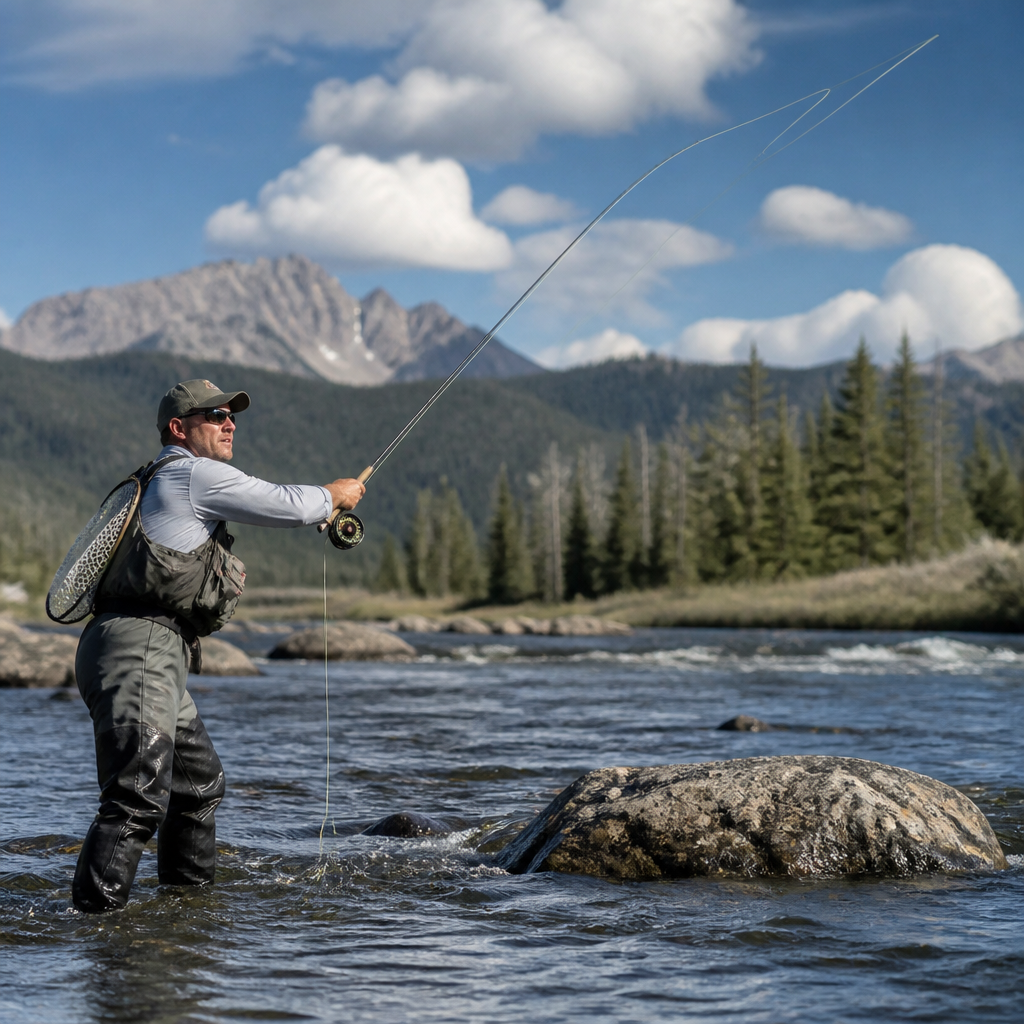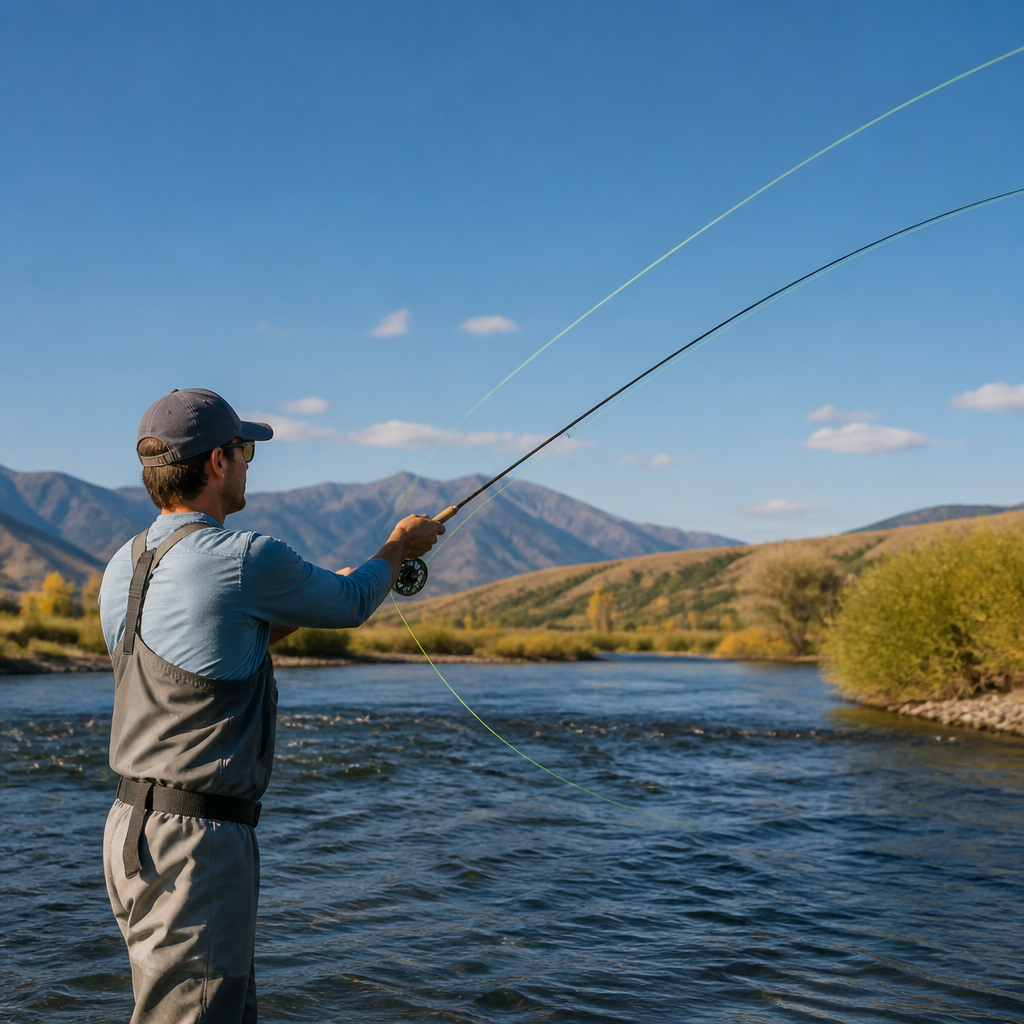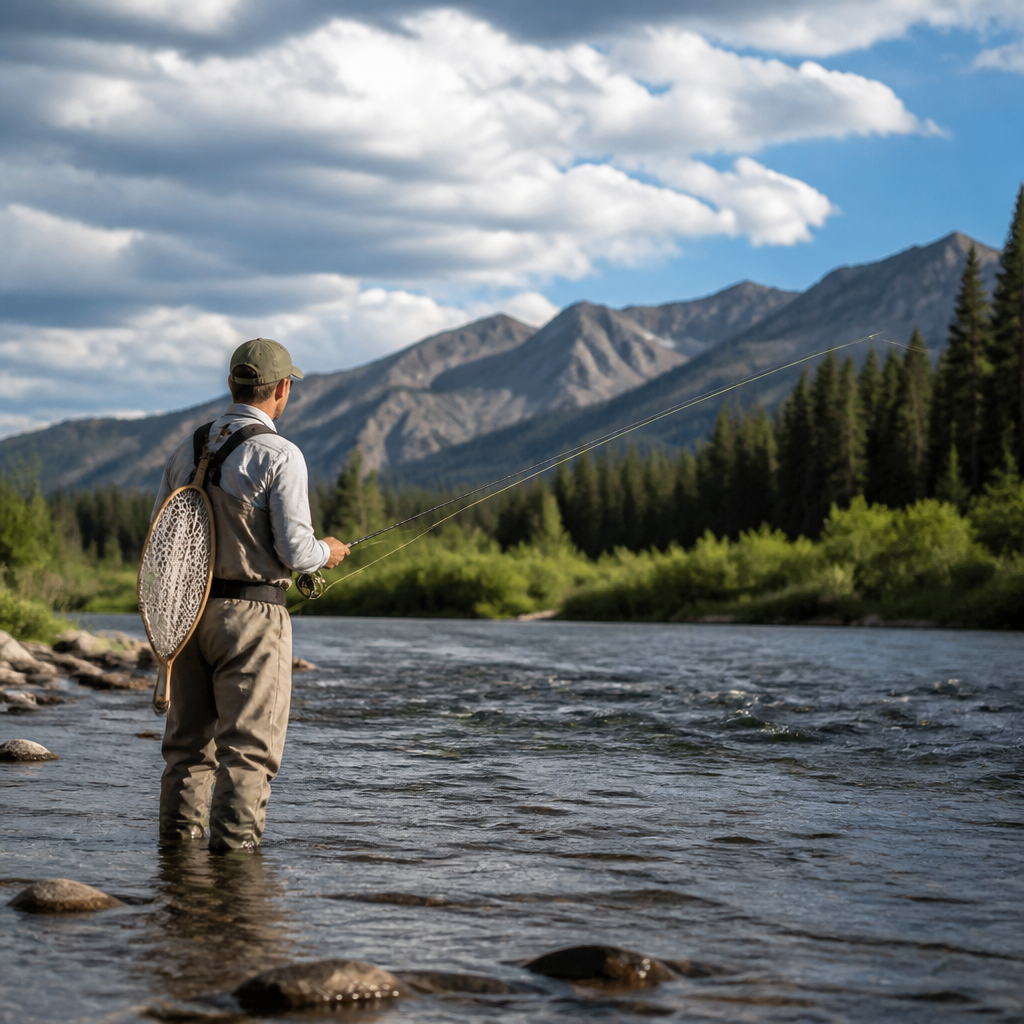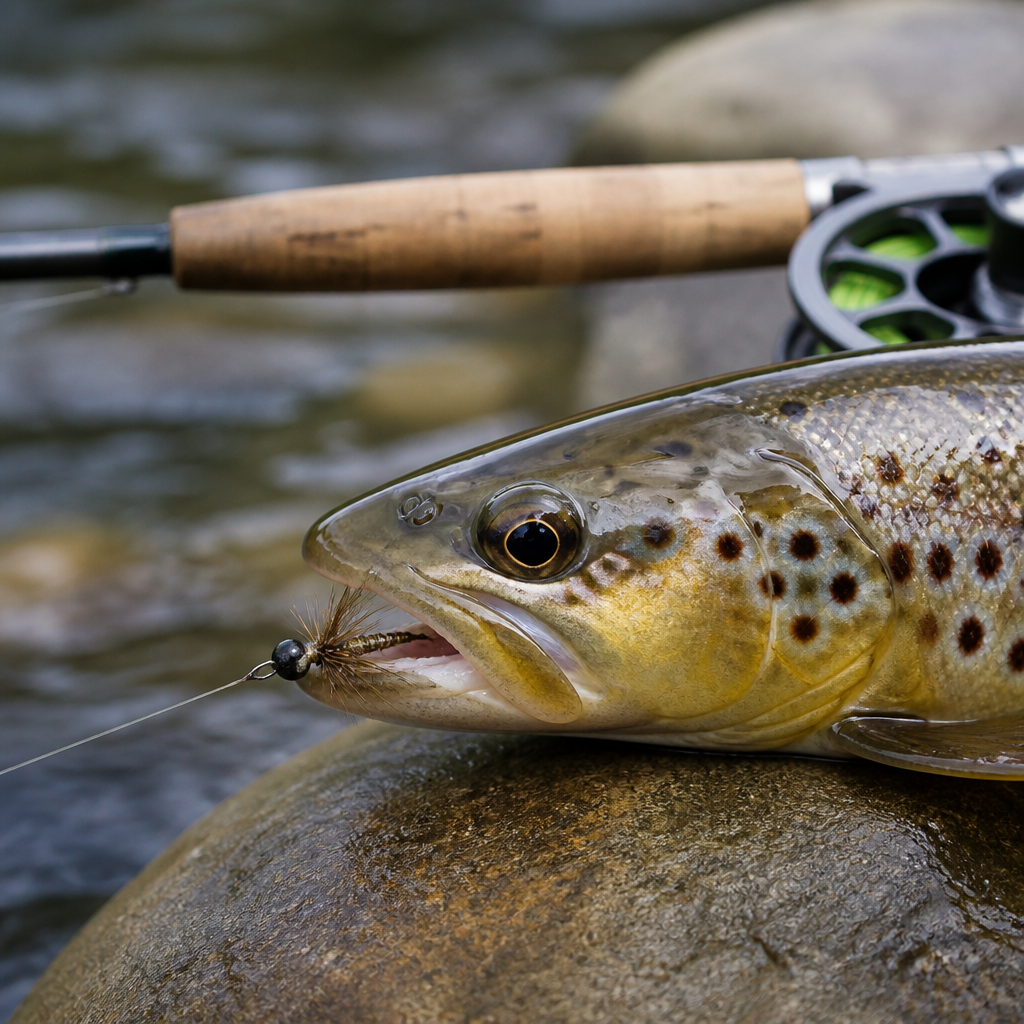
Weighted flies are essential tools in fly fishing because they solve one of the sport’s hardest problems: getting a natural-looking imitation into the feeding zone quickly and keeping it there under changing current, depth, and water temperature conditions. In practical terms, a weighted fly is any pattern tied with added mass, usually bead heads, cone heads, lead or nonlead wire, tungsten beads, dumbbell eyes, or heavily dubbed bodies, so the fly sinks without relying entirely on split shot or sinking line. That simple change affects presentation, strike detection, drift speed, hook orientation, and even which species an angler can effectively target. I have relied on weighted flies on freestone trout rivers, spring creeks, tailwaters, and warmwater streams, and the same lesson repeats everywhere: fish feed where food is available, not where an unweighted pattern is easiest to cast.
Understanding weighted flies matters because specialized techniques increasingly depend on precision rather than general coverage. Trout holding near a seam in winter, smallmouth pinned to a ledge in fast summer flow, or carp rooting in a silty flat all demand a fly that reaches a specific depth at a specific speed. Added weight can also improve hook-up rates by stabilizing the fly, especially in jig-style patterns that ride point-up and snag less around rock or timber. At the same time, too much weight creates drag, destroys a natural drift, and limits stealth in skinny water. The best anglers use weighted flies deliberately, matching sink rate, profile, and movement to conditions rather than assuming heavier is always better.
This article serves as a hub for specialized techniques built around weighted flies: nymphing, streamer fishing, euro-style contact methods, tight-line jig presentations, high-water tactics, stillwater applications, and species-specific adjustments. It also covers fly design principles, rigging choices, and common mistakes. If you are building a deeper “Techniques and Strategies” approach, weighted flies are a foundation because they connect directly to line control, leader construction, reading water, and presentation mechanics. Master them, and many advanced tactics become simpler, more repeatable, and far more productive.
How weighted flies work underwater
The primary function of a weighted fly is controlled sink. Weight changes the fly’s descent angle, sink rate, and stability in current. A tungsten bead, for example, is denser than brass, so a 3.5 mm tungsten-bead nymph reaches depth faster than a brass-bead version of the same pattern. Lead-free wire underbodies add distributed mass along the shank, which can preserve a slimmer profile than an oversized bead. Dumbbell eyes alter not only weight but orientation, flipping many streamers and baitfish imitations so the hook rides upward. These details matter because fish react to depth first and appearance second more often than many anglers admit.
Current complicates everything. In fast water, a fly does not simply sink vertically; it planes, stalls, and swings according to leader length, tippet diameter, mend quality, and the speed differential between surface and subsurface currents. A weighted fly helps penetrate that upper layer quickly, reducing the time spent drifting too high above the fish. In pocket water, this can mean the difference between one effective foot of drift and six. In deep runs, the right weighted pattern lets you achieve bottom proximity without adding so much external split shot that the rig becomes clumsy and hinge-prone.
Weight also affects realism. Natural nymphs and small baitfish rarely move at one constant speed. A tungsten jig nymph can tick bottom, lift slightly on tension, then drop again, imitating an emerging insect dislodged by current. A conehead streamer can dive and rise on strips like a sculpin or crayfish. The point is not simply to “get down,” but to create believable movement in the exact water layer where fish are feeding.
Core weighted fly patterns every angler should know
Several weighted fly patterns consistently anchor specialized techniques because their design is proven, adaptable, and easy to modify. For trout, the beadhead Pheasant Tail remains a standard because it suggests mayfly nymphs in countless rivers. The Hare’s Ear with a bead adds buggy movement and matches caddis larvae, scuds, and general subsurface food. The Copper John uses a wire body and bead to achieve rapid sink with a slim silhouette, making it effective in deeper runs. The Perdigon, developed in competitive fishing contexts, combines a dense bead with a streamlined, resin-coated body that slices through current and reaches depth fast.
Jig nymphs deserve special attention. Tied on slotted tungsten beads and jig hooks, patterns such as the Frenchie Jig, Walt’s Worm Jig, and blowtorch-style attractors ride point-up and snag less on rocky bottoms. I have found them especially effective when guiding newer anglers through pocket water because they maintain contact better and lose fewer flies. For streamer work, conehead Woolly Buggers, Clouser Minnows, and sculpin patterns with dumbbell eyes cover a wide range of fish, from trout and bass to saltwater species. Balanced leeches dominate many stillwater lakes because they suspend horizontally beneath an indicator while the weighting point supports a natural posture.
The best hub approach is to organize patterns by function rather than popularity: anchor flies for depth, tag flies for secondary food signals, jig flies for bottom contact, and weighted streamers for active predation. Once anglers see patterns through those roles, selecting the right fly becomes faster and more logical.
Nymphing techniques with weighted flies
Weighted flies are central to modern nymphing because they place the imitation where trout actually feed: near the bottom, inside slower current cushions, and along seams where food concentrates. In indicator nymphing, one common method is a two-fly rig with a heavier point fly and a lighter dropper above it. The heavier fly acts as the anchor, controlling depth and stabilizing drift, while the upper fly presents a second food form. A size 14 tungsten Perdigon below a size 16 soft hackle nymph is a classic example for medium-depth runs.
In tight-line and contact nymphing, the weighted fly often replaces split shot entirely. The goal is direct connection from rod tip to fly with minimal slack, allowing the angler to detect subtle takes and maintain the correct drift speed. This is where slim, dense flies shine. A heavily weighted jig nymph enters the strike zone quickly, and because the line is under controlled tension, the angler can lead the fly just enough to stay in touch without dragging it unnaturally. Strike signals may be tiny: a hesitation, a straightening sighter, or a brief stop that feels like nothing.
Depth control is the skill that separates average results from consistent ones. If the flies never touch bottom, they are usually too high. If they snag every cast, they are too deep or moving too slowly. Productive contact often feels like an occasional tick every few drifts. That feedback loop is why weighted flies are so valuable: they communicate what the rig is doing underwater.
Streamer tactics, jigging, and active retrieves
Weighted flies are not only for dead drift presentations. In streamer fishing, added mass helps a fly track with intent, dive on the strip, and stay in the fish’s window through the retrieve. A conehead Woolly Bugger fishes differently from an unweighted version because the head causes a jigging motion on pauses. Strip, pause, and the fly drops nose-first. That movement triggers predatory trout and bass because it resembles wounded forage. Clouser Minnows are another benchmark pattern; dumbbell eyes create a sharp dipping action and the inverted hook reduces snagging around rock, weed edges, and timber.
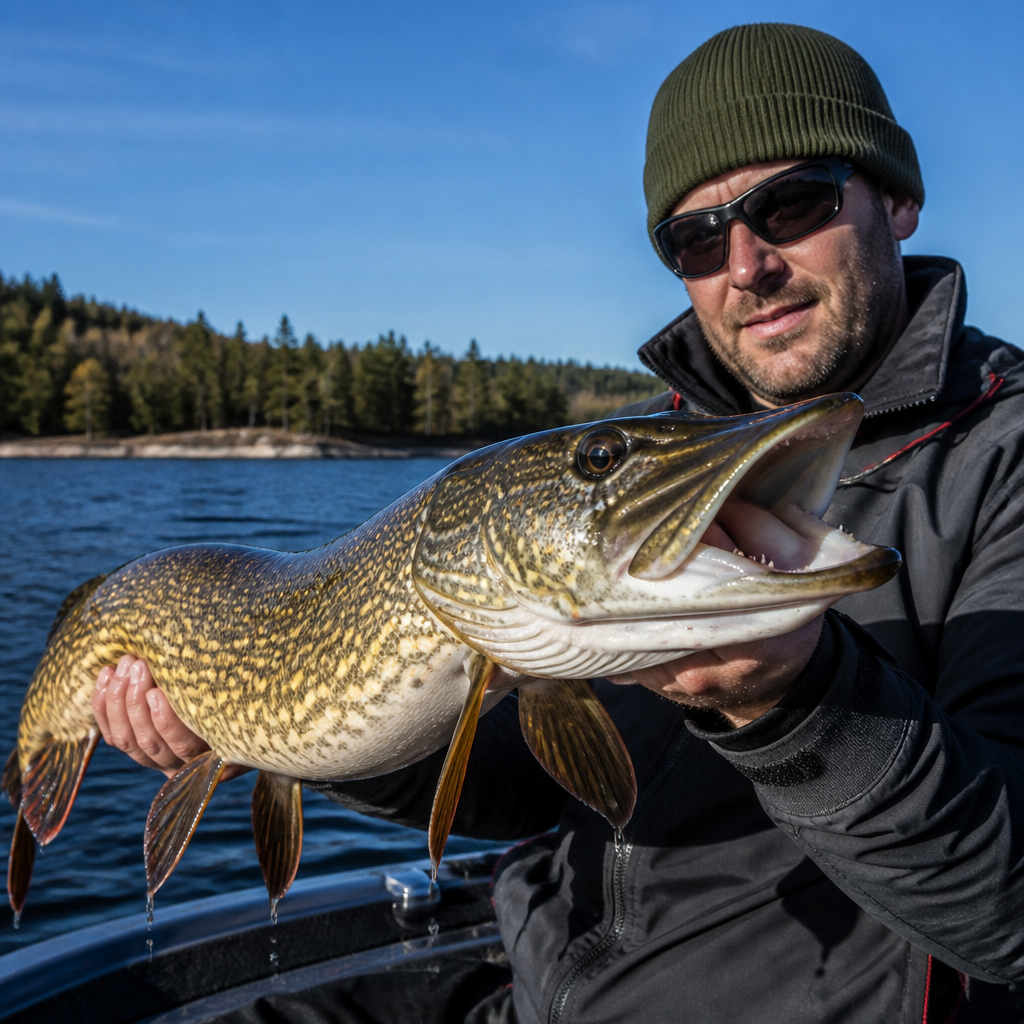
Specialized streamer tactics depend on matching weight to water type. In shallow riffles, a lightly weighted bugger can wake just above cobble. In deep banks or wintering pools, a heavily weighted sculpin pattern on a short leader may outperform large unweighted flies because it reaches fish before the swing lifts it away. For smallmouth, craw and baitfish patterns with lead-free eyes excel when hopped along ledges or stripped through current breaks. For pike or saltwater species, weight must balance castability against sink needs; too much metal in a wind-resistant pattern quickly becomes difficult and unsafe to cast.
Active retrieves also allow anglers to exploit bottom contact intentionally. A weighted fly can be bounced, crawled, lifted, and suspended. This is especially effective when fish are not willing to chase far. In cold water, slower strips and longer pauses often beat fast movement. In warm water, erratic acceleration can provoke reaction strikes. The weight gives structure to those retrieves.
Choosing the right weighted setup
Selecting the right weighted fly starts with three variables: depth, current speed, and target behavior. Then come line system, leader design, and pattern profile. The chart below provides a practical framework.
| Situation | Recommended fly type | Why it works |
|---|---|---|
| Shallow riffles under 3 feet | Light beadhead nymph or sparse jig | Reaches feeding lane without constant snagging |
| Medium runs 3 to 6 feet | Tungsten anchor fly with lighter dropper | Balances depth and natural secondary presentation |
| Fast pocket water | Compact heavy Perdigon or jig nymph | Penetrates surface speed quickly and maintains contact |
| Deep pools or winter slots | Heavy point fly or conehead streamer | Stays in the strike zone longer near bottom-holding fish |
| Stillwater under indicator | Balanced leech or weighted chironomid setup | Sustains level posture and precise suspension depth |
| Wood, rock, or weed cover | Point-up jig fly or Clouser-style pattern | Reduces snagging while preserving sink and motion |
Leader diameter matters more than many anglers realize. Thick tippet slows sink and increases drag; finer tippet improves depth but may sacrifice abrasion resistance. Rod choice matters too. Fast-action rods handle heavier flies better, especially in wind, while moderate actions can protect light tippets during close-range contact fishing. When in doubt, choose the lightest fly that consistently reaches the fish. That rule improves drift quality, reduces fatigue, and keeps presentations quieter.
Species-specific applications and seasonal adjustments
Different species respond to weighted flies in different ways, and season changes everything. Trout are the classic case. In winter, they often hold in slower, deeper water where metabolism is reduced and food drifts close to bottom. Dense nymphs in smaller sizes, such as black Perdigons or slim mayfly imitations, excel because they get down without excessive bulk. During spring runoff, bigger weighted stonefly nymphs and hot-spot attractors help fish locate the fly in stained water. In summer pocket water, compact jig nymphs dominate because they sink fast over short drifts. In fall, streamers gain value as brown trout and large rainbows turn aggressive.
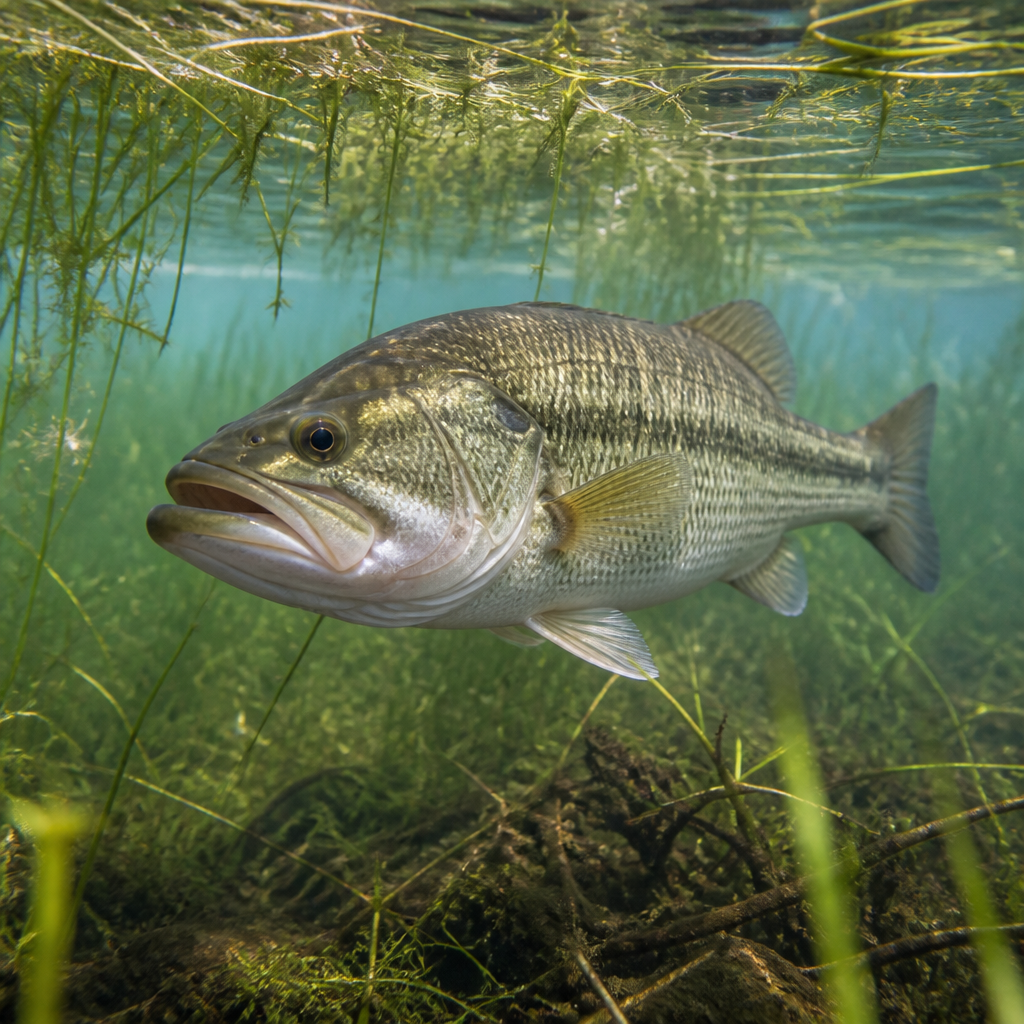
Smallmouth bass often prefer weighted streamers and craw patterns fished near structure. Crayfish naturally stay low, so a lightly jigged craw with bead-chain or dumbbell eyes is more convincing than a fly that rides high. Carp can also be excellent targets with weighted flies, but subtlety matters. Small bead-chain or lightly weighted nymphs, crayfish, and worm patterns land softer on flats while still getting to the bottom. In stillwater trout fisheries, balanced leeches, chironomids, and boobies in some regions each use weight differently to maintain depth and posture within a static presentation.
Seasonal adjustment comes down to speed, oxygen, and food availability. Cold water usually rewards deeper, slower presentations. Warm water often allows more aggressive retrieves, but oxygen-rich structure still concentrates fish. Matching weighted fly choice to these seasonal shifts makes specialized tactics consistent instead of random.
Common mistakes and how to correct them
The most common mistake with weighted flies is using too much weight for the water. Heavy flies catch fish, but they also create splash, snag constantly, and drift unnaturally if the leader cannot turn them over cleanly. Another frequent problem is choosing bulky patterns when a slim dense fly would sink faster and drift better. Competitive anglers learned long ago that profile and density often matter more than sheer size in pressured trout water.
Many anglers also separate fly choice from rig mechanics, which is a mistake. A perfect weighted nymph will still fish poorly behind a leader that is too short, too thick, or attached to an indicator set at the wrong depth. Likewise, a weighted streamer stripped too fast in cold water may never give fish time to commit. Hook quality deserves attention as well. Jig hooks, barbless competition hooks, and heavy-wire streamer hooks all behave differently under load. Matching hook gap and wire strength to species and fly size prevents missed strikes and bent hardware.
Finally, anglers often fail to adapt during the day. If fish are ticking the fly but not eating, lighten the pattern or change color. If the drift never reaches bottom, increase density before adding external shot. If snagging becomes constant, switch to a point-up jig style. Weighted flies work best when they are treated as adjustable tools, not fixed solutions.
Building a specialized weighted-fly strategy
A strong weighted-fly strategy starts by connecting techniques instead of learning them in isolation. Build a small system: one set of slim tungsten nymphs for contact fishing, one set of moderate beadheads for indicator rigs, one group of jig flies for snag-prone bottoms, and a practical streamer selection covering baitfish, leech, and sculpin movements. Then organize decisions around water type: riffles, seams, slots, pools, banks, and stillwater edges. This hub structure makes it easier to branch into detailed topics such as euro nymphing leaders, high-stick drifts, balanced stillwater setups, or streamer retrieve theory.
The key takeaway is simple. Weighted flies give anglers precise depth control, better contact, and more convincing movement, which are the foundations of specialized fly fishing success. They are not just heavier versions of standard patterns; they are purpose-built tools for reaching fish efficiently and presenting food naturally in demanding conditions. Learn what each style of weight does, match it to current and species, and adjust throughout the day based on feedback from the drift. If you want better results across advanced techniques and strategies, start by refining your weighted fly selection and how you fish it on the water.
Frequently Asked Questions
What is a weighted fly, and when should you use one?
A weighted fly is any fly pattern tied with built-in mass so it sinks on its own and reaches the strike zone faster than an unweighted imitation. That added weight can come from bead heads, cone heads, tungsten beads, lead or nonlead wire wraps, dumbbell eyes, weighted underbodies, or dense materials incorporated into the fly’s body. The main purpose is simple: help the fly get down quickly and stay in the feeding lane where trout and other game fish are actively holding. In rivers, that often means near the bottom, behind structure, along seams, or in deeper buckets where fish conserve energy while waiting for food to drift past.
You should use weighted flies whenever depth, current speed, or water temperature makes it hard to present a natural drift with a standard unweighted pattern. They are especially effective in fast runs, pocket water, plunge pools, deep riffles, tailouts with stronger flow than they appear to have, and during cold-water periods when fish tend to hold deeper and feed less aggressively. Weighted flies are also useful when fishing from a drift boat, high-sticking tight-line nymph rigs, probing under cut banks, or targeting fish that are hugging the substrate. In stillwater, a weighted fly can help you reach suspended or deeper fish more efficiently, especially when wind or drift makes precise depth control difficult.
The key advantage is not just sinking faster, but improving control over presentation. A properly weighted pattern reduces the need for excessive external split shot, can create a more direct connection to the fly, and often leads to better strike detection. That said, weighted flies are not always the automatic best choice. In shallow water, slow slicks, or situations where fish are feeding just under the film, too much weight can cause snagging, unnatural movement, or missed opportunities. The best anglers think of weighting as a presentation tool, not just a way to get deeper, and choose it based on current speed, target depth, fly size, and how quickly they need the imitation to enter the feeding zone.
How do you choose the right amount of weight for a fly?
Choosing the right amount of weight starts with understanding the relationship between water depth, current speed, and the amount of time your fly has to sink before it reaches the fish. In fast water, a fly needs more mass because current pushes it downstream before it can drop to the proper level. In deeper water, it needs enough weight to descend efficiently without forcing you to cast far above the holding lie. In slower or shallower water, lighter weighting usually produces a more natural drift and reduces the chance of hanging bottom constantly. The goal is not to fish the heaviest fly possible, but to use enough weight to put the pattern where fish are feeding while preserving drift quality and strike sensitivity.
A practical way to evaluate weight is to watch how the fly behaves during the first third of the drift. If it never appears to touch the lower portion of the water column in a deep run, you likely need more weight, a shorter cast, a more upstream angle, or a thinner leader system. If it ticks bottom occasionally, that is often a good sign that you are in the right zone. If it hangs up every cast, the fly is probably too heavy for the depth and speed, or your drift angle is too steep. Many anglers adjust in small increments by switching from brass to tungsten bead patterns, changing bead size, selecting flies with wire underbodies, or pairing a heavily weighted point fly with a lighter dropper.
Pattern style matters as much as raw mass. A slim nymph with a tungsten bead often sinks faster than a bulkier fly of similar total weight because it creates less water resistance. Likewise, dumbbell eyes can make a fly ride hook point up, which affects how it drifts around rocks and structure. When deciding on weight, also consider the method you are using. Euro nymphing often benefits from compact, dense flies that sink immediately and maintain direct contact. Indicator rigs may require a mix of fly weight and external weight depending on depth and mending distance. In all cases, the best choice is the lightest fly that still consistently reaches and stays in the feeding zone.
What are the most effective weighted fly patterns for rivers and streams?
The most effective weighted patterns in moving water are usually those that combine rapid sink rate, a realistic profile, and reliable fish-triggering movement. Bead-head pheasant tails, hare’s ears, stonefly nymphs, perdigons, copper johns, caddis pupa, jig nymphs, and weighted scuds are among the most productive and versatile options. Each pattern fills a slightly different role. Pheasant tails and hare’s ears imitate a broad range of mayfly and general nymph forms. Stonefly nymphs excel in larger freestone systems and pocket water where fish expect a substantial food item near the bottom. Perdigons are outstanding when you need a slim, dense fly that cuts through current quickly. Copper johns offer flash, segmentation, and weight, making them effective attractor-style searching flies in many conditions.
Jig-style weighted flies deserve special mention because they have become extremely important in modern nymphing. Tied on jig hooks with slotted tungsten beads, they ride point up and reduce snagging while maintaining excellent bottom contact. That makes them ideal for rocky runs, pocket water, and technical drifts where you want depth without losing flies constantly. Weighted scuds and sowbugs are especially valuable in tailwaters, spring creeks, and fertile systems where crustaceans are a major food source. Bead-head caddis pupa can be deadly during caddis activity, particularly when fish are feeding subsurface but not obviously rising.
The best weighted pattern is ultimately the one that matches both the food source and the fishing conditions. In rough, deep, fast water, dense anchor flies like tungsten perdigons or weighted stoneflies are often hard to beat. In moderate flows, bead-head naturals may give a softer, more convincing presentation. In stained water, heavier attractor nymphs with flash or hot spots can help fish locate the fly. Many experienced anglers carry the same basic imitations in multiple weight classes rather than relying on a single version. That approach lets you keep the profile fish want while adjusting sink rate to suit the specific run, depth, and speed in front of you.
How do you fish weighted flies effectively without constantly snagging bottom?
Fishing weighted flies effectively is a matter of controlled bottom contact, not uncontrolled dragging. A common misconception is that if a weighted fly is good, more bottom contact must be better. In reality, the best drifts usually involve the fly traveling just above the rocks, occasionally ticking them, and then continuing naturally downstream. Constant snagging means the presentation is too deep, too slow relative to the current, or poorly aligned with the water column. To avoid that, focus on matching fly weight to the run, adjusting your casting angle, and maintaining as much natural drift as possible with minimal slack.
One of the most effective tactics is to shorten the distance between you and the fly. Whether you are tight-line nymphing or fishing under an indicator, less line on the water gives you better control over sink rate and drift depth. Cast slightly upstream or upstream-and-across, allow the weighted fly to sink early, then track it at the speed of the current instead of pulling it. If you lead the fly too aggressively, it lifts and swings unnaturally. If you lag behind too much, it sinks excessively and wedges into rocks. The sweet spot is steady tracking that maintains contact without dragging. Occasional light taps on the bottom are usually ideal.
Rig design also helps reduce snags. Jig hooks with tungsten beads ride hook point up and are excellent around broken rock and woody structure. A two-fly setup can be arranged with a heavier point fly and a lighter dropper so the anchor fly gets depth while the upper fly fishes slightly higher. Leader length and tippet diameter matter too; thinner tippet cuts through water better and helps flies sink, while excessively long leaders can create too much slack and reduce strike detection. If you are hanging up repeatedly, first try changing angle and drift control before immediately downsizing weight. Many bottom snags are caused by presentation errors rather than the fly itself. The goal is purposeful contact with the lower water column, not grinding the fly through the riverbed.
Are weighted flies better than adding split shot, or should you use both?
Weighted flies and split shot each solve the depth problem in different ways, and the best choice depends on the type of water, the presentation you want, and how quickly conditions are changing. A weighted fly offers a cleaner, more integrated setup. Because the weight is built into the pattern, the fly tends to sink in a more direct, cohesive way, and the overall rig often casts more smoothly than a heavily shot-laden leader. Weighted flies can also improve strike detection because there is less slack and hinge effect between the added weight and the fly itself. In many situations, especially when tight-line nymphing or fishing moderate depths, a properly selected weighted fly is all you need.
Split shot becomes especially useful when you need flexibility. If depth or current changes from run to run, external weight lets you adapt without changing flies constantly. It can also help when you want to fish a lightly weighted or unweighted natural pattern