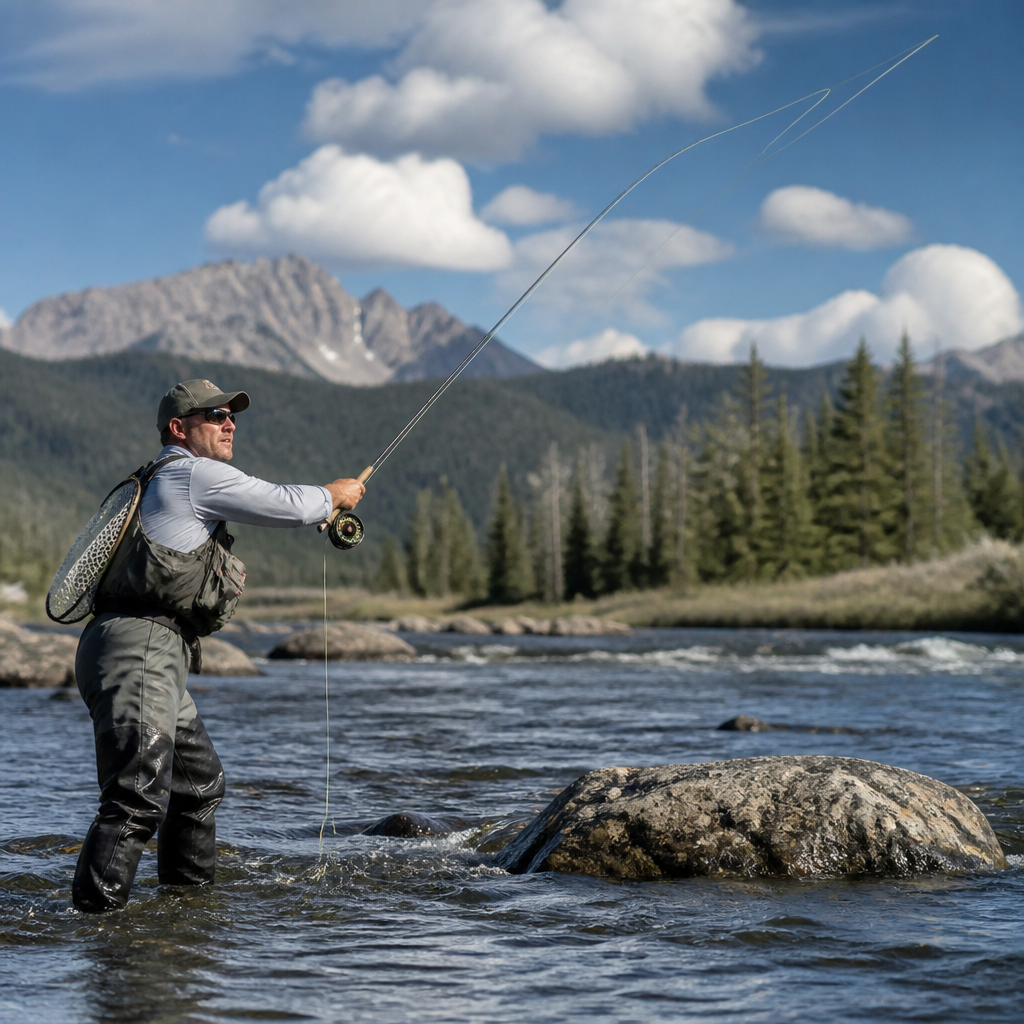
Matching the hatch with nymphs is one of the most reliable ways to catch trout because most of a trout’s feeding happens below the surface, where aquatic insects spend the majority of their lives drifting, ascending, or clinging to the streambed. In practical fly fishing terms, “match the hatch” means selecting a fly that resembles the insects trout are actively eating in size, shape, color, behavior, and depth at a specific moment. When anglers talk about nymphs, they usually mean subsurface imitations of mayflies, caddis, stoneflies, midges, and other aquatic invertebrates, though the term also gets used more broadly to include larvae, pupae, and small attractor patterns fished under the same methods. This matters because trout are efficient feeders, not art critics. They do not require exact replicas every day, but they often reject flies that miss the key trigger points. Over years of guiding and fishing technical tailwaters, freestones, and spring creeks, I have found that the anglers who consistently solve difficult days are not the ones carrying the most flies. They are the ones who can identify what stage of insect life is available, choose the right profile, and present it where trout expect to see food. That is the core of matching the hatch with nymphs, and it turns a vague idea into a repeatable strategy.
What matching the hatch with nymphs really means
At its most useful, matching the hatch with nymphs is not about perfect imitation of every anatomical detail. It is about narrowing the problem in the correct order. Start with species group, then life stage, then size, then color, then behavior. If trout are feeding on baetis nymphs, a slim olive size 18 pattern with a natural drift usually outfishes a chunky size 12 stonefly no matter how realistic the stonefly looks. If fish are keyed on caddis pupae ascending in the water column, a dead-drifted bottom-hugging pattern may be ignored even if the color is right. The first question is always, “What are trout eating now?” and the second is, “How are those insects moving?”
Several insect groups dominate nymph fishing. Mayfly nymphs include baetis, pale morning duns, sulphurs, and many larger clinger species. Caddis are technically larvae and pupae, but in practical river language they belong in the same conversation because they are common subsurface food. Stoneflies are larger, often more important in rough freestones than in spring creeks, and remain available to trout year-round. Midges are tiny but critical on tailwaters and winter fisheries. Scuds, sowbugs, cranefly larvae, worms, and eggs are not always part of a classic hatch, yet they can be essential additions to a match-the-hatch system because trout often switch to the most abundant drift item, not the insect anglers hoped would emerge.
Depth is the most underappreciated part of this process. Insects are not equally available throughout the water column. Many nymphs drift near the bottom because current dislodges them from rocks, weeds, or substrate. Others become vulnerable during pre-emergence and ascent, when gases build under the shuck and the insect rises toward the surface. Trout may feed within inches of the bottom in the morning, halfway up during a nymph migration, and just under the film before a hatch. When anglers say they are matching the hatch but keep changing flies instead of changing weight or indicator depth, they often miss the real problem.
Read the water, read the drift, read the trout
Before opening the fly box, read the feeding situation. Watch for rise forms, but also watch for subtle signs that point to nymph activity. Fish holding deep in moderate current and making short side-to-side movements are often taking drifting nymphs near the bottom. Fish suspended just below riffles or seam lines may be intercepting emergers. Birds feeding over the water, shucks on rocks, and insects crawling on your waders all provide direct clues. On many rivers, especially those with clear flows, the best hatch-matching tool is not the seine but your observation over five quiet minutes.
The drift tells you what trout can eat efficiently. Pocket water allows less inspection time, so impressionistic flies and attractor nymphs can work. Flat glides and spring creeks give trout longer looks, increasing the importance of exact size, slimmer profiles, finer tippet, and drag-free drifts. Tailwaters often support dense populations of small mayflies and midges, which means matching size 20 and 22 insects becomes more important than on a brawling freestone where a size 10 stonefly may dominate. Water temperature also matters. Trout generally feed more selectively during stable conditions and more opportunistically during cold snaps, runoff edges, or off-color flows.
One habit that improves decisions quickly is checking for confidence clues on every fish. If trout repeatedly eat on the first pass but only in one seam, location and depth were the key variables. If fish follow but refuse, profile or movement may be wrong. If you tick bottom occasionally but never hook up, try a smaller fly in the same lane before adding more weight. If your top fly gets ignored but the dropper is eaten, note whether the lower pattern matched size and silhouette better. In practice, successful hatch matching is less about one perfect guess and more about making fast, informed adjustments.
Identify the main aquatic insects and their key trigger points
Trout usually key on a few visual triggers rather than every detail. For mayfly nymphs, the key cues are body shape, swimming or clinging posture, color tone, and size. Baetis nymphs are slim, active swimmers, typically olive to brown, and often effective in sizes 16 through 20. Clinger mayflies such as many March Brown types are flatter and wider, with darker mottling and stronger legs. A Pheasant Tail often covers general mayfly impressions, but dedicated baetis patterns with slender abdomens and darker wingcases often outperform it during selective feeding.
Caddis require a different approach because larvae and pupae behave differently. Larvae are often wormlike and bottom-oriented, especially green rock worms in fast water. Pupae are transitional and vulnerable, moving toward the surface with a curved body and trapped gas that can create sparkle. That is why soft hackles, caddis pupae with antron shucks, and patterns with a bit of flash excel near hatch time. Stoneflies are larger, heavier-bodied, and common in sizes 4 through 12 depending on species. Their segmented bodies, dark wing pads, and strong silhouette matter more than exact color. On many western freestones, a rubberlegs-style pattern remains effective because it suggests stoneflies with enough movement to trigger fish.
Midges and small winter insects test discipline. Trout can feed heavily on chironomid larvae and pupae when little else is active, especially below dams where stable temperatures support year-round populations. Larvae are thin and simple, often black, red, cream, or olive. Pupae show more segmentation and gas sheen. Many anglers fish too large and too fast in these conditions. On technical rivers, a size 22 zebra midge or thread midge on light tippet can be the true match even when larger flies feel more practical.
| Insect group | Typical subsurface stage | Common sizes | Key traits to match | Reliable fly examples |
|---|---|---|---|---|
| Baetis mayflies | Nymph, emerger | 16-20 | Slim olive profile, active drift | RS2, Barr’s Emerger, slim Pheasant Tail |
| Caddis | Larva, pupa | 12-18 | Green or tan body, ascending movement | Green Rock Worm, Czech nymph, soft hackle pupa |
| Stoneflies | Nymph | 4-12 | Bulky silhouette, dark wing pads, depth | Pat’s Rubber Legs, Kaufmann Stone |
| Midges | Larva, pupa | 18-24 | Tiny size, narrow body, subtle sheen | Zebra Midge, thread midge |
| Scuds and sowbugs | Crustacean | 12-18 | Curved shape, gray or olive tones | Ray Charles, simple scud pattern |
Choose patterns by profile, stage, and confidence range
A smart nymph box is organized around coverage, not sheer quantity. I separate patterns into searching flies, hatch-specific flies, and confidence backups. Searching flies are broad imitators that match several food types well enough to find active fish. A Hare’s Ear, Walt’s Worm, Pheasant Tail, and simple perdigon can all fill this role depending on river type. Hatch-specific flies are narrower tools used when trout become selective. Think slim baetis nymphs, unweighted caddis pupae, tiny midge pupae, or exact-size scuds on fertile tailwaters. Confidence backups include patterns that may not be exact but solve practical problems, such as hot-spot perdigons for depth and visibility or jig flies that reduce snags and stay in the feeding lane longer.
Profile should drive most fly choices. If the natural insect is thin, choose a thin imitation even if the color is only close. If the natural is curved, segmented, and translucent, use a pattern with those signals. Bead color, ribbing, flash level, and hotspot placement can all help, but they should support the main silhouette rather than replace it. This is why many modern competition-style nymphs work so well. They may not look lifelike in your hand, yet they achieve the exact sink rate and body shape needed to resemble available food in current.
Weight is part of pattern choice, not a separate afterthought. Tungsten beads, lead wraps, slim bodies, and jig hooks all change how a fly enters the feeding zone. If naturals are drifting low, choose flies that reach bottom quickly without excessive split shot. If trout are feeding on ascending pupae, use a lighter pattern or a dropper that can lift naturally at the end of the drift. Matching the hatch fails when anglers match appearance but not position. A perfect baetis imitation six inches above the fish is still a poor match.
Presentation strategies that make the match believable
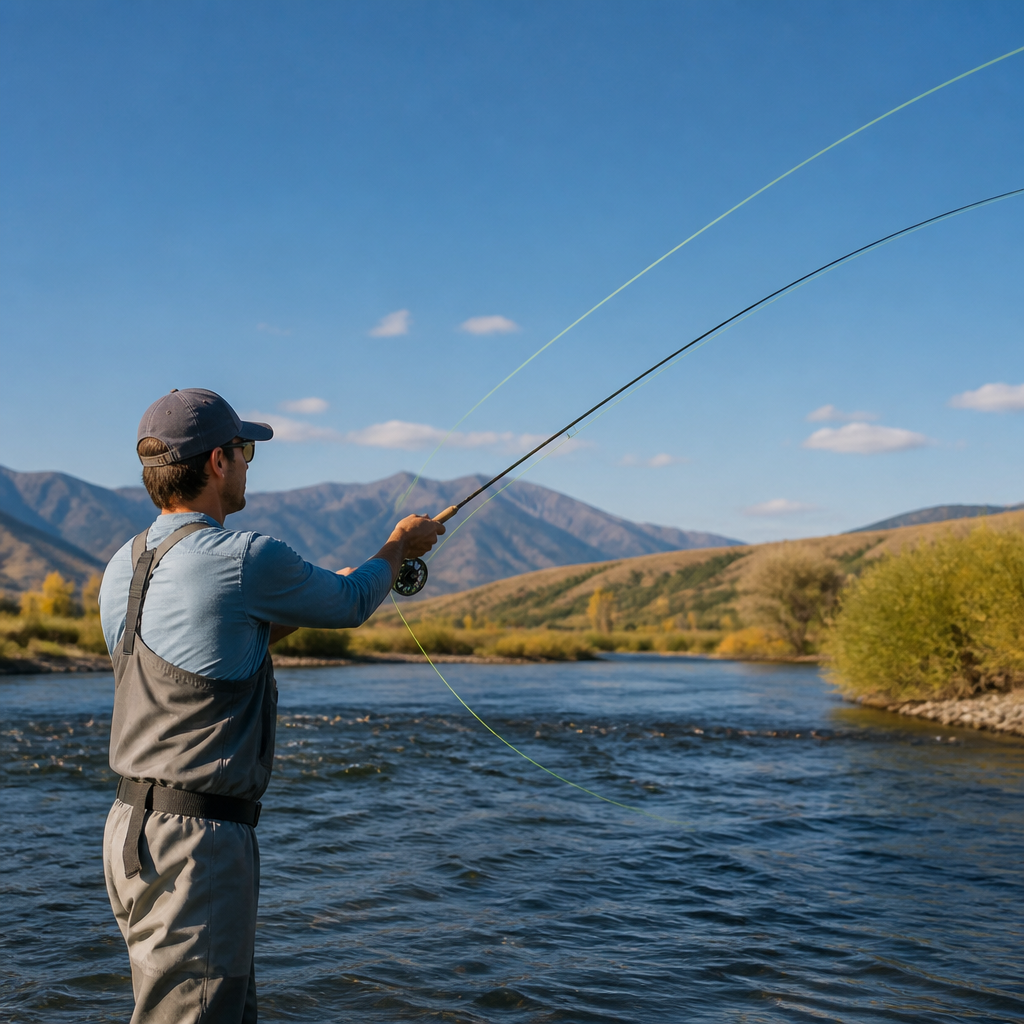
Once the fly is right, presentation determines whether trout accept it. The baseline method is a dead drift at the same speed as the current carrying natural insects. That means controlling drag with mends, leader angle, and line management so the fly drifts freely. Indicator rigs, tight-line methods, and dry-dropper systems can all work, but each should be selected based on depth, current complexity, and the level at which trout are feeding. On broad runs with mixed currents, an indicator often gives better depth control and strike detection. In pocket water or short seams, tight-line nymphing maintains direct contact and lets you adapt instantly to changing depth.
Emergence changes everything. Many strong hatches begin with trout feeding subsurface on insects that have not yet reached the top. During these windows, adding movement can outperform a strict dead drift. A slight lift at the end of the drift, a swung soft hackle below an indicator rig, or an unweighted emerger above a heavier anchor fly can imitate a caddis pupa or mayfly ascending toward the film. I have seen difficult fish ignore bottom flies for an hour, then eat immediately when a lighter baetis emerger was added twelve inches above the point fly.
Rigging should reflect the target food, not habit. A two-fly setup allows one anchor and one imitative trailer. For example, on a baetis day, a small perdigon can deliver a size 18 olive nymph to the correct depth. During caddis activity, a heavy larva below and a sparse pupa above often covers both available stages. Split shot belongs far enough from the flies to avoid killing movement, yet close enough to maintain depth. Strike indicators should suspend the flies naturally, not drag them. Good presentation is simply making your imitation arrive where the natural would arrive, at the speed the natural would travel.
Build a practical match-the-hatch process on the river
The most consistent anglers follow a repeatable process. First, inspect the streamside environment: rocks, weeds, seams, surface shucks, and any insects on the water. Second, sample the drift with a small seine or by checking the first fish caught. Third, estimate where in the water column those insects are vulnerable. Fourth, choose one searching fly and one specific fly that match the likely food. Fifth, adjust depth before changing patterns. Sixth, narrow size and stage if trout show selective behavior. This system prevents random fly changes and keeps decisions tied to evidence.
As a hub approach for the broader match-the-hatch topic, remember that nymphing connects directly to dry-fly fishing, emerger fishing, streamer adjustments, and seasonal strategy. Early spring often means small mayflies, midges, and cold-water depth control. Late spring expands the menu with caddis, stoneflies, and PMDs. Summer adds terrestrial crossovers, trico nymphs, and low-water selectivity. Fall brings baetis again and encourages trout to feed steadily on subsurface insects between sparse surface events. Winter reduces bug diversity in many rivers, which makes small midge and mayfly imitations even more important.
No article can turn every hatch into an easy day, because rivers change, insects vary by watershed, and trout break rules. Still, matching the hatch with nymphs remains the best framework for making sense of subsurface feeding. Focus on the dominant insect, vulnerable stage, correct size, realistic profile, proper depth, and believable drift. Carry patterns that cover the major groups, organize them by role, and let observation guide your changes. If you want to improve your catch rate under almost any trout-fishing condition, start each outing by asking a simple question: what is drifting right now, and how can I make my nymph behave the same way?
Frequently Asked Questions
What does “matching the hatch” with nymphs actually mean?
Matching the hatch with nymphs means choosing a subsurface fly that closely imitates the insects trout are feeding on beneath the surface at that exact time. Unlike dry-fly fishing, where anglers focus on adults floating on top, nymph fishing is about imitating the underwater stages of aquatic insects such as mayflies, caddisflies, stoneflies, and midges. Because trout do most of their feeding below the surface, this approach is often one of the most consistent and productive ways to catch fish.
In practical terms, matching the hatch goes beyond simply picking a fly labeled “mayfly nymph” or “caddis larva.” The best matches account for five key factors: size, shape, color, behavior, and depth. Size is usually the most important, since trout often key in on a narrow food profile. Shape refers to whether the insect is slender like a Baetis nymph, bulky like a stonefly, or curved like a caddis larva. Color helps refine the match, especially in clear water, but exact shades are often less critical than silhouette and size. Behavior matters because some insects drift freely, some crawl, and others ascend toward the surface before hatching. Depth is equally important, since a perfect imitation won’t work if it’s not presented where trout are feeding.
When anglers truly match the hatch with nymphs, they are not just imitating an insect’s appearance. They are imitating its role in the drift and its position in the water column. That is what makes the technique so effective and why successful nymph anglers spend as much time observing the river as they do changing flies.
How do I identify which nymph pattern trout are feeding on?
The most reliable way to identify what trout are eating is to observe the water and the insects in or around it. Start by turning over a few rocks in shallow current and looking for aquatic insects clinging to the underside. Pay attention to their size, body shape, color, and abundance. You can also use a small aquarium net or seine to sample drifting insects. If trout are feeding actively, check whether there are nymphs, emergers, or larval forms moving through the current. Streamside clues matter too: if you see adult mayflies on the water or caddis fluttering above riffles, the subsurface stages of those insects are likely relevant.
Once you gather that information, narrow your fly choice by prioritizing the most important characteristics. First match the size as closely as possible. Then choose a pattern with a similar silhouette. For example, if you find slim olive nymphs, a Pheasant Tail or a small olive mayfly imitation may be appropriate. If you find plump, dark stoneflies under rocks in fast water, a heavier stonefly nymph is a better fit. If caddis larvae are abundant, green or tan caddis patterns can be very effective. During many hatches, trout may focus more on emergers rising in the water column than on bottom-dwelling nymphs, so be ready to adjust if your dead-drifted flies aren’t producing.
If direct observation is difficult, let trout behavior guide you. Fish holding deep and feeding steadily often suggest bottom-oriented nymphing opportunities. Refusals, short takes, or a complete lack of interest may indicate your pattern is close but not quite right in size, weight, or color. In many cases, small changes make a big difference. A one-size adjustment, a slimmer profile, or a fly that rides slightly higher in the drift can turn an unproductive session into a successful one.
Which nymph patterns are the most dependable for matching common trout food?
A well-rounded nymph box should include versatile patterns that imitate the major categories of aquatic insects trout commonly eat. Among the most dependable are Pheasant Tail nymphs, Hare’s Ear nymphs, Prince nymphs, stonefly nymphs, caddis larvae, Zebra Midges, and soft hackle or emerger-style patterns. These flies work because they either imitate specific insects well or suggest a broad range of subsurface food forms in a convincing way.
The Pheasant Tail is one of the best general mayfly nymph imitations ever designed. Its slim profile and natural coloration make it especially effective during mayfly activity, including Blue-Winged Olive and other small olive hatches. The Hare’s Ear is more impressionistic and can pass for many different insects, including mayfly nymphs, caddis pupae, and even general drifting invertebrates. Prince nymphs are not always exact matches, but they are highly effective attractor-style nymphs and can suggest stoneflies or larger mayfly nymphs in broken water.
For larger food items, stonefly nymphs are essential, particularly in freestone rivers where trout expect substantial subsurface meals. Caddis larvae and pupae are equally important, especially in streams with prolific caddis populations. Green caddis patterns are classic producers in many waters. Zebra Midges shine in tailwaters, spring creeks, and cold-water systems where tiny midge larvae and pupae are available year-round. Soft hackles and emerger nymphs are invaluable when insects are transitioning upward through the water column and trout are feeding just below the surface.
The key is not to carry hundreds of patterns, but to carry strong representations of the main insect groups in a range of sizes, colors, and weights. A smaller, well-chosen selection tied to common hatches on your local water will usually outperform an oversized box full of random choices.
How important are presentation and depth compared to the exact nymph pattern?
Presentation and depth are often more important than achieving a perfect visual match. Trout feeding on nymphs usually have limited time to inspect a drifting fly, especially in current, so the fly must first get into the strike zone and move naturally. Even an excellent imitation can fail if it drifts above the fish, swings unnaturally, or moves at a different speed than the surrounding current. By contrast, a more generic nymph pattern can be very successful if it is the right size, gets down to the fish, and behaves like real food.
Depth is especially critical because trout conserve energy by feeding where food is most accessible. In many situations, nymphs travel close to the bottom, and trout position themselves there to intercept them. If your flies are not ticking the lower part of the water column occasionally, there is a good chance they are riding too high. Adding split shot, choosing a heavier fly, lengthening the leader, or adjusting your indicator can all help. During active hatches, however, nymphs and emergers may rise through mid-depth or just under the surface, and trout may shift upward to feed on them. That is why understanding insect behavior is so important.
Natural drift is the other major factor. Good nymph presentation means minimizing drag and allowing the fly to move at the same speed as the current around it. Techniques such as dead drifting under an indicator, tight-line nymphing, and high-sticking are all designed to improve contact and control while preserving a realistic drift. In short, the best results come from combining a reasonable imitation with the correct depth and a drag-free presentation. If you are close on the pattern but excellent on the drift, you will often catch fish.
What are the best strategies for adjusting my nymph setup when trout are not responding?
When trout are not responding, the smartest approach is to make systematic changes instead of switching flies randomly. Start with depth, because it is the most common problem in nymph fishing. If you are not getting occasional contact near the bottom or seeing subtle pauses in the indicator, add weight or lengthen your drift. If you suspect fish are feeding higher in the column during an emergence, remove a little weight or switch to a lighter, more mobile pattern. Small depth adjustments often solve what appears to be a fly-selection problem.
Next, evaluate size and profile. If your current nymph seems too large or bulky compared to what is available in the water, scale down. Trout frequently become selective during dense hatches and may ignore flies that are only slightly oversized. If your imitation is too slim or too generic, try a pattern with a more distinct silhouette, such as a cased caddis, a stonefly, or a curved midge pattern. Color changes can help too, especially in clear water or on pressured streams, but they usually matter after you have addressed size and depth.
It also helps to change the type of imitation based on insect behavior. If a standard dead-drifted nymph is not working during visible hatch activity, switch to an emerger or soft hackle that suggests movement and ascent. If fish are in faster water, a heavier anchor fly paired with a smaller dropper can improve both depth and realism. In slower or more technical water, longer leaders, finer tippet, and subtler flies may produce more takes.
Finally, pay attention to where trout are holding. If one seam, riffle edge, or tailout is unproductive, relocate before overhauling your entire setup. Sometimes the issue is not the fly at all, but the feeding lane. The best nymph anglers troubleshoot