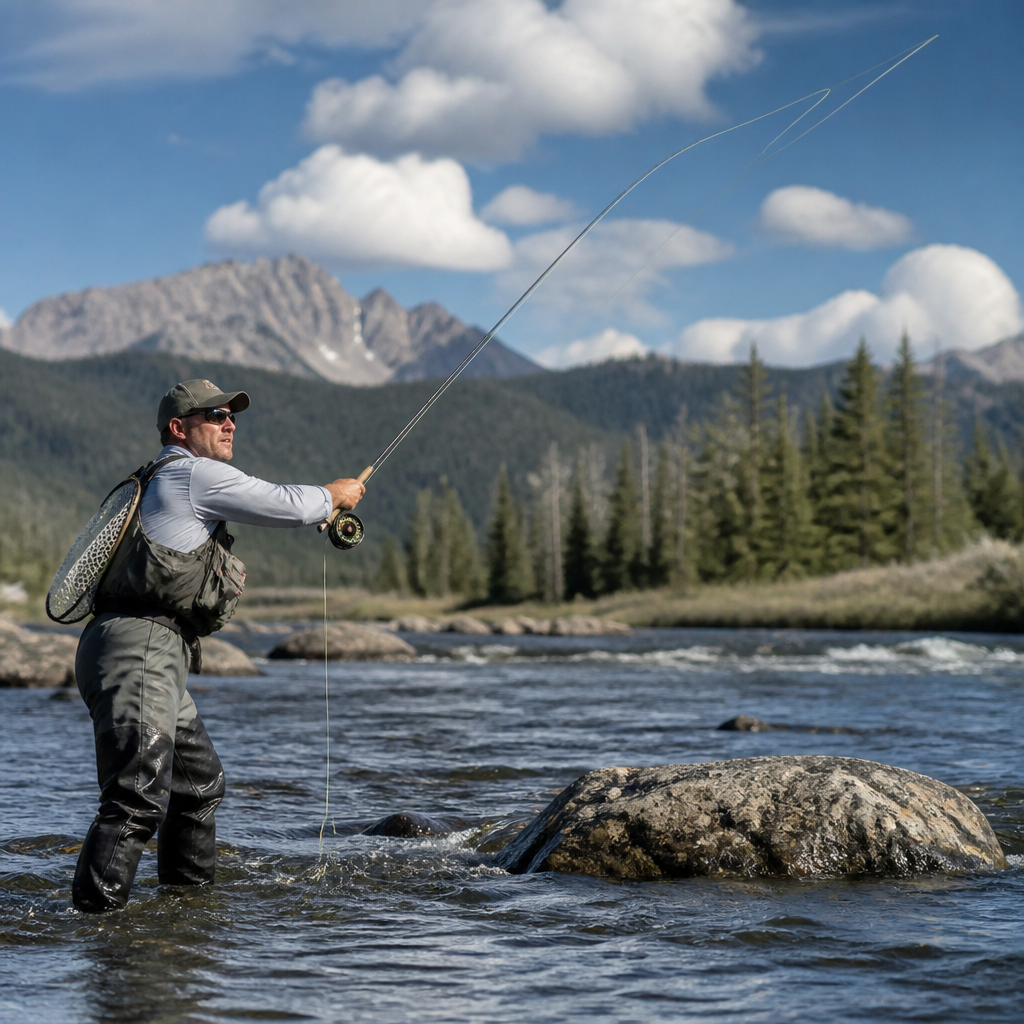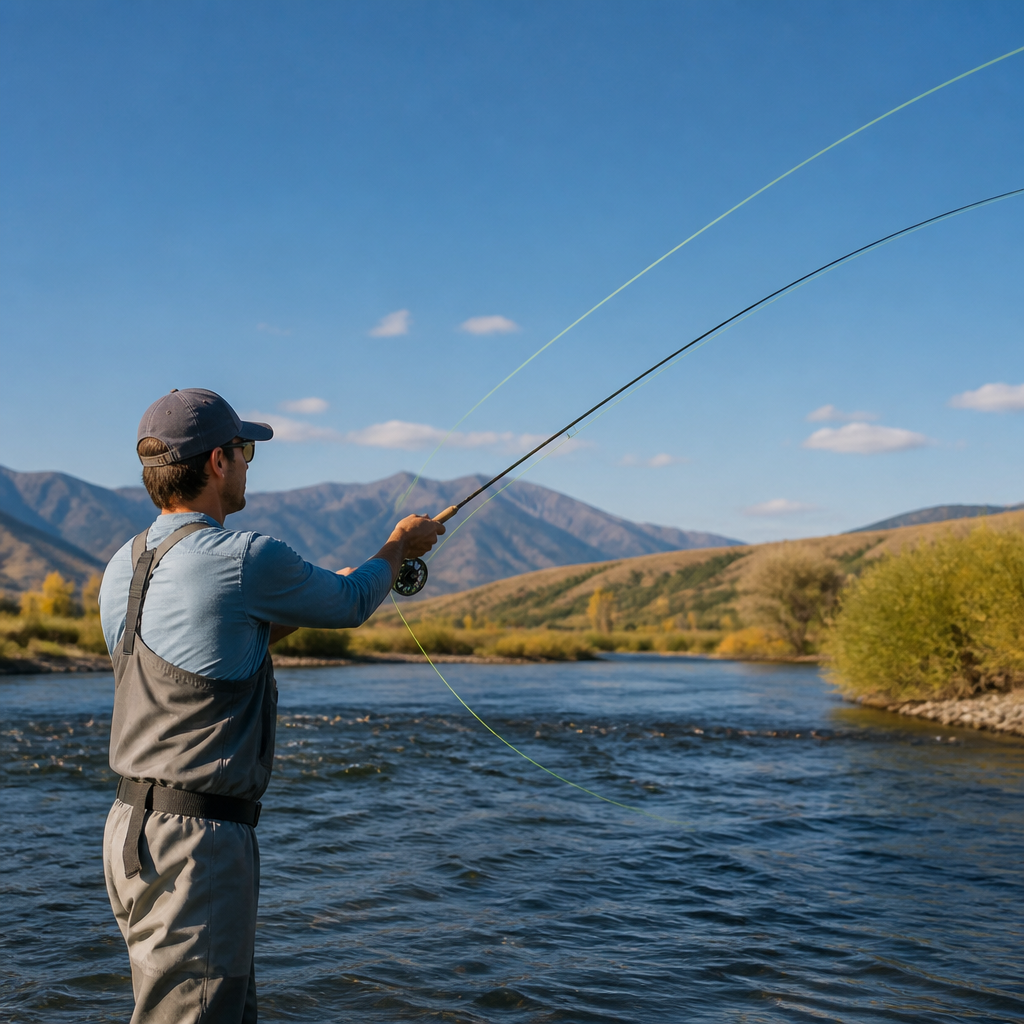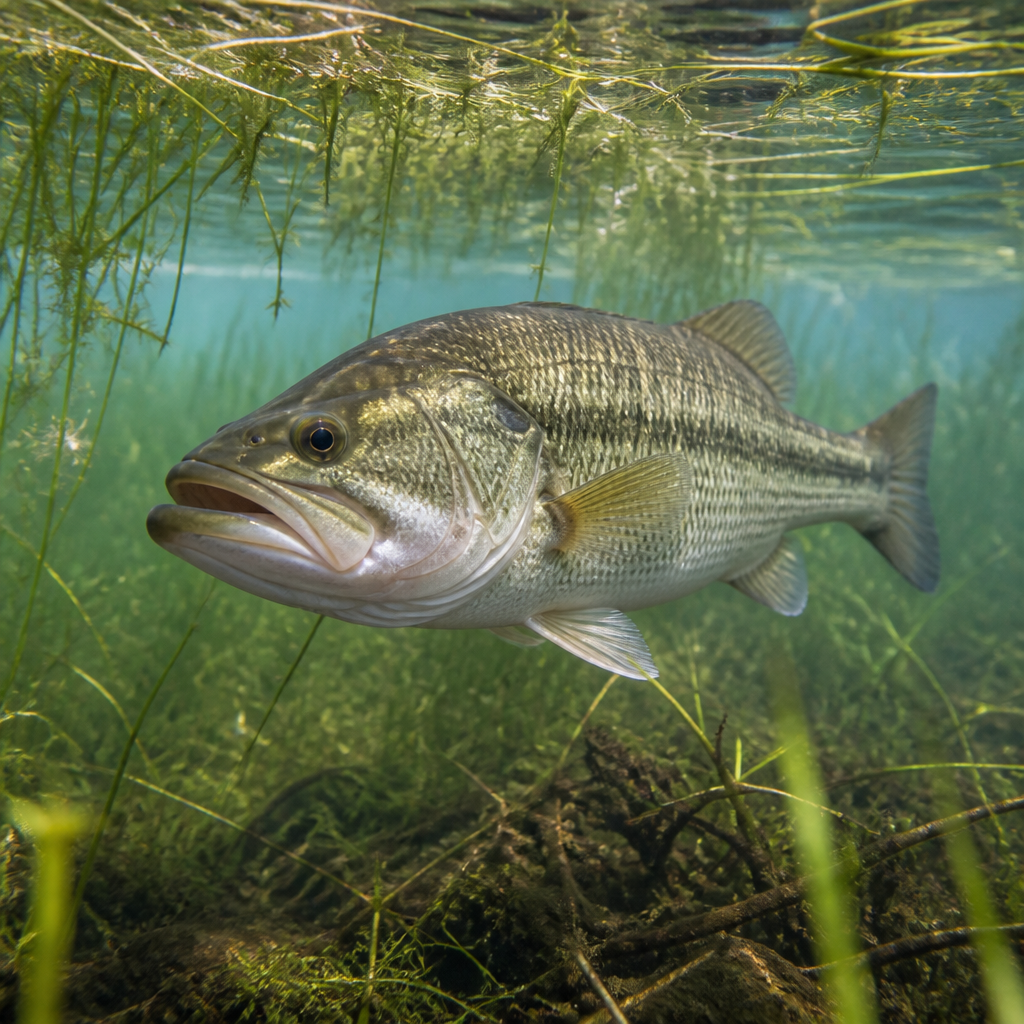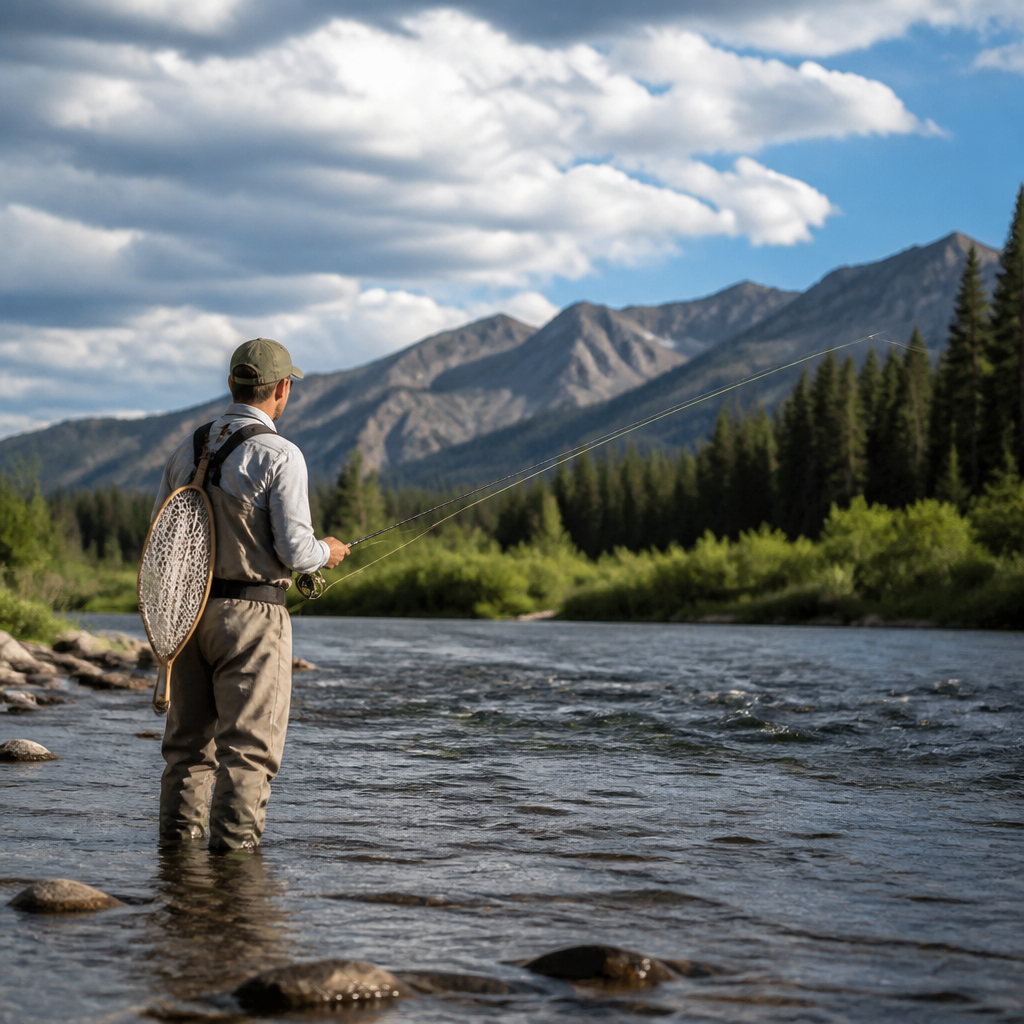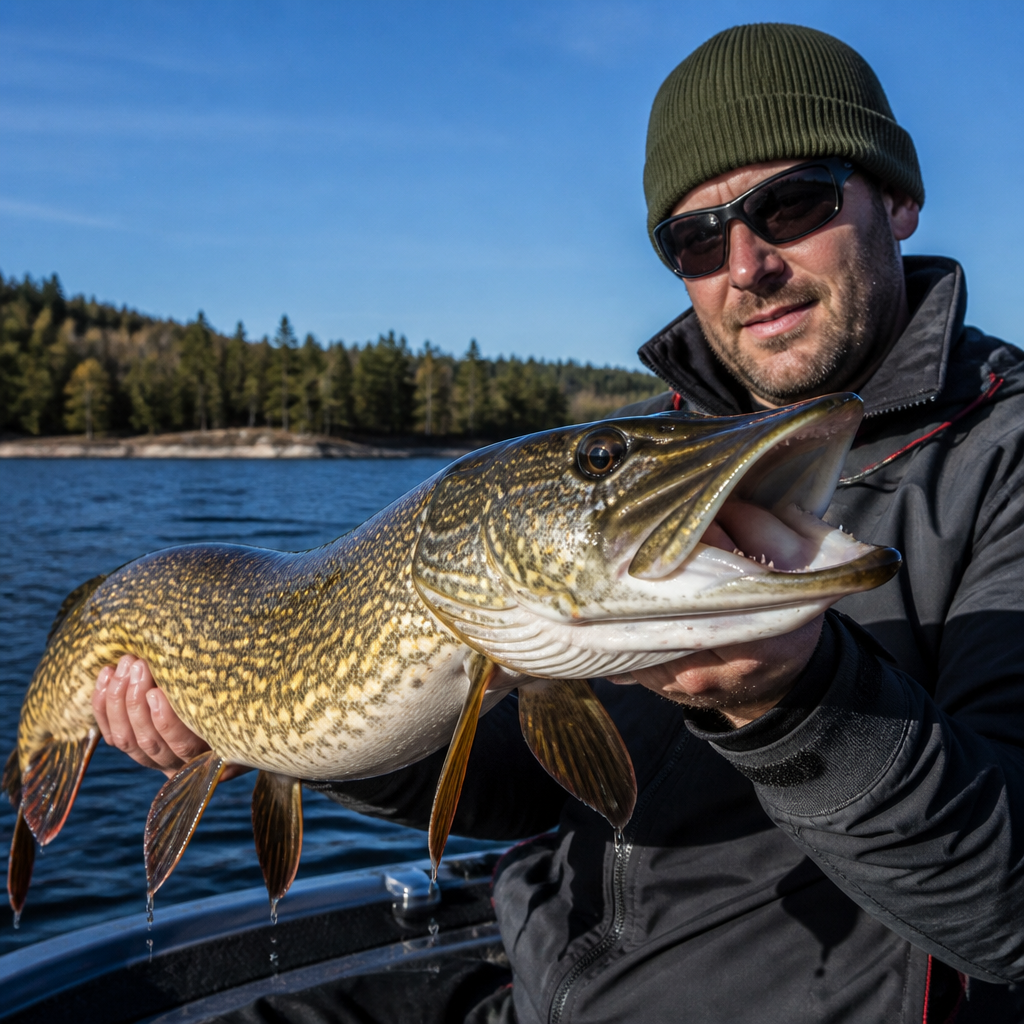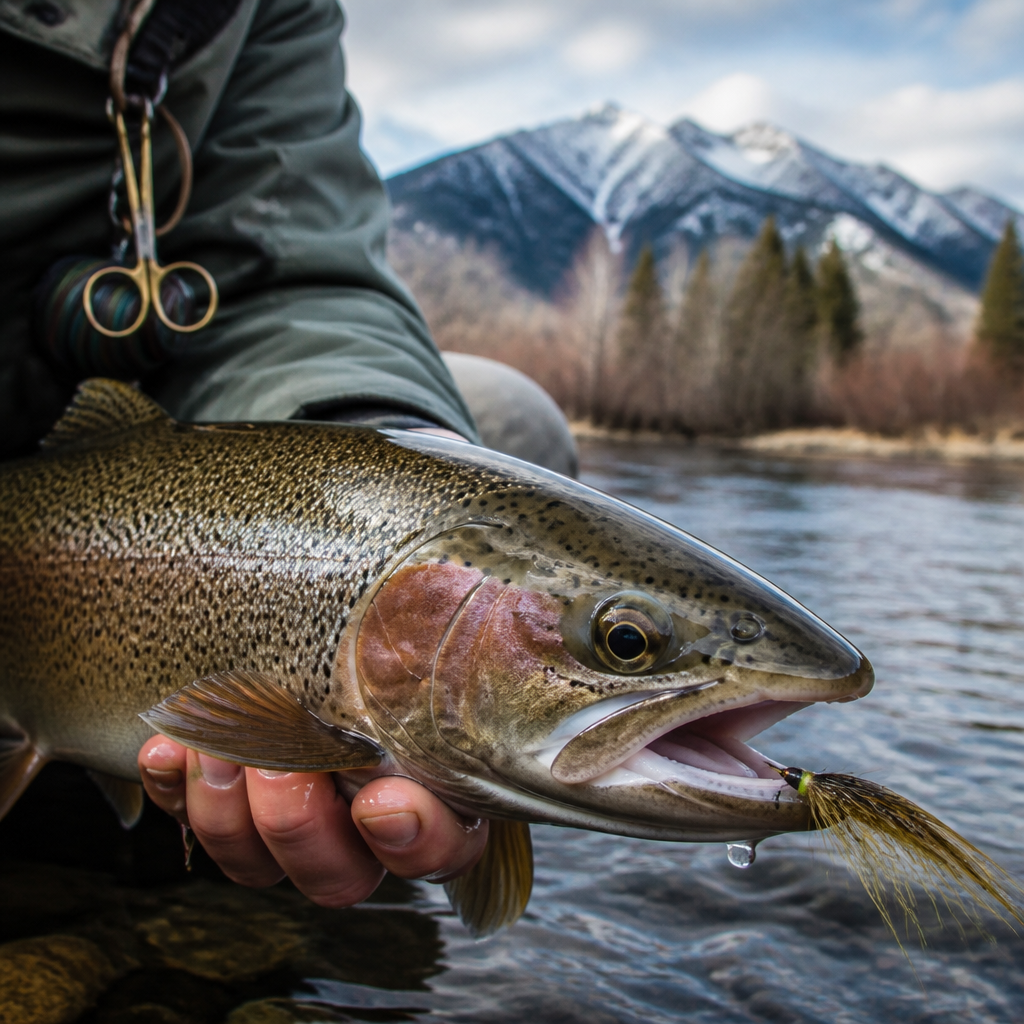
Matching the hatch with streamers sounds contradictory at first, because the phrase usually belongs to dry flies, nymphs, and visible insect stages. In streamer fishing, however, the same core idea applies: present a fly that matches the size, profile, behavior, depth, and urgency of the prey fish are actively hunting. I have used this approach on trout rivers, smallmouth creeks, and stillwaters, and it consistently outperforms random lure selection. Anglers who understand match the hatch in streamer terms stop thinking only about color and start reading the entire feeding situation.
In practical terms, matching the hatch with streamers means imitating forage, not emerging insects. That forage may be sculpins, dace, shiners, juvenile trout, leeches, crayfish, lamprey, or baitfish pushed against banks by current. Predatory fish key on narrow windows of opportunity, and they often become selective in ways many anglers miss. A brown trout feeding on stunned white baitfish after a dam release may ignore dark bottom-hugging patterns. A smallmouth pinned to a rocky ledge may eat only crawfish-profile streamers stripped in short hops. The hatch, in this context, is any concentrated prey event.
This matters because streamer fishing is frequently treated as a searching method rather than a precise one. Searching is useful, but precision catches more fish, especially larger fish that feed efficiently. When you identify what prey is available, how it moves, and where predators intercept it, your fly choice and presentation become deliberate. You can fish slower when prey is slow, more aggressively when fish are chasing, and deeper when forage is near bottom. That combination of observation and imitation is what turns streamer fishing from hopeful casting into a repeatable system.
Key terms help clarify the system. Profile is the overall shape and bulk a fish perceives in the water. Size includes both actual length and apparent mass. Action refers to how the fly swims, pulses, or darts. Depth zone is the part of the water column where prey and predators meet. Retrieve cadence is the rhythm of strips, pauses, and rod movement. Trigger points are features such as a hot spot, eye, flash, or sudden directional change that provoke a strike even when the imitation is not perfect. Mastering these terms makes every adjustment easier.
What “Match the Hatch” Means in Streamer Fishing
For streamer anglers, matching the hatch means matching five elements at once: prey species, prey condition, movement pattern, holding depth, and light environment. Fish rarely inspect a streamer the way a trout inspects a size 20 mayfly, but they absolutely discriminate between targets that look vulnerable and targets that look wrong. I have watched trout slide behind a fly, refuse, then immediately crush the same pattern in a smaller size with a slower swing. The fish did not suddenly become aggressive; the second presentation finally matched what they expected to see.
Prey condition is one of the most overlooked factors. Not every baitfish swims like a healthy minnow. During cold water periods, many forage fish move slowly and suspend. After heavy rain, sculpins and crayfish get displaced and tumble near bottom. During reservoir drawdowns, young-of-year baitfish often collect along shallow edges and flash erratically when harassed. If your streamer has the right color but the wrong posture or speed, it misses the hatch. Articulated flies, jig-style hooks, weighted heads, and sparse unweighted patterns each solve different prey-condition problems.
Predators also change their strike logic based on energy economics. Large brown trout, pike, and bass prefer prey that offers a strong calorie return with limited risk. That is why a six-inch streamer may outperform a three-inch one in high water, yet the opposite happens in low, clear conditions. Matching the hatch is partly matching the decision model of the fish. When natural forage is abundant and small, predators often narrow their focus. When forage is scattered or disoriented, they become more opportunistic and willing to chase larger impressions.
Read the Water Before You Change the Fly
The best streamer anglers do not begin with fly changes; they begin with evidence. Scan the banks for fleeing minnows, check eddies for stunned bait, flip over streamside rocks for crayfish size, and watch whether birds are feeding on shallow fry. In rivers, current seams, undercut banks, logjams, and tailout shelves reveal where prey collects and where predators ambush. In lakes, look at weed edges, drop-offs, inflow mouths, and wind-driven shorelines. Matching the hatch starts with habitat because habitat tells you what food is likely available.
Water clarity and flow are equally important. In clear water, fish can evaluate profile and retrieve closely, so proportion and natural movement matter most. In stained water, silhouette, vibration, and depth become more important than exact coloration. High flows often push forage tight to structure and reduce chase distance. Low flows can concentrate fish in deeper lies where they examine a fly longer. I routinely ask three questions before tying on a streamer: what prey is present, where is it traveling, and how much time will the fish have to inspect it?
Time of day also shifts the hatch. At dawn and dusk, larger predators often leave cover and hunt baitfish in shallower water. Midday may favor bottom-oriented prey such as sculpins or crayfish, especially under bright skies. Seasonal timing matters even more. Spring runoff favors large, visible, heavily weighted streamers near banks and soft edges. Summer often brings smaller baitfish, faster retrieves, and low-light windows. Fall is the classic trophy period because trout become territorial and baitfish populations are substantial. Winter demands slower presentations, reduced fly bulk, and precise depth control.
Choose the Right Streamer Pattern for the Forage
Pattern selection should follow forage type, not habit. If fish are eating sculpins, choose broad-headed, bottom-oriented flies tied with deer hair, wool heads, or sculpin helmets. If they are eating shiners or dace, use slimmer baitfish profiles with lateral flash and a more horizontal swim. If leeches are common, rabbit-strip streamers or balanced leech patterns often outperform articulated baitfish. Crayfish imitations need a compact body, subtle claws, and a retrieve that crawls or hops. A generic streamer catches fish, but a forage-specific streamer catches fish more consistently.
Hook and weighting style matter as much as dressing materials. Jig hooks with slotted tungsten beads ride point-up and slip through rocks when matching sculpins or crayfish. Unweighted or lightly weighted streamers excel when predators are feeding on suspended fry. Coneheads add pulse and jigging motion but can make a baitfish look too aggressive in cold water. Articulated designs increase length without requiring oversized hooks, which improves hookups on short strikes. I often carry the same forage profile in three sink rates because depth control is usually the deciding variable.
| Forage | Best Streamer Traits | Typical Depth Zone | Effective Retrieve |
|---|---|---|---|
| Sculpin | Wide head, mottled color, point-up hook | Bottom and near structure | Short strips with pauses and bottom contact |
| Shiner or dace | Slim profile, flash, lateral movement | Midwater to shallow edges | Steady strip with occasional burst |
| Leech | Soft flowing materials, minimal flash | Slow margins, weeds, drop-offs | Hand-twist or slow even pull |
| Crayfish | Compact body, muted tones, jigging weight | Rocky bottom | Hop, drag, and pause |
| Juvenile trout or fry | Natural baitfish shape, translucent tones | Shallows, current seams, lake edges | Erratic strip to imitate panic |
Color should confirm the imitation, not dominate your thinking. Olive, black, white, tan, and gray cover most streamer needs because they map cleanly to real forage and maintain good visibility under changing light. White is excellent when predators are on baitfish or when overcast skies reduce contrast. Olive and tan fit sculpins, dace, and young perch patterns. Black creates the strongest silhouette at dawn, dusk, or in dirty water. When anglers talk about “secret colors,” they usually mean a color that fit local forage and conditions better on that day.
Presentation, Retrieve, and Depth Control
If fly choice is half the equation, presentation is the other half. A perfect sculpin pattern stripped quickly through the middle of the water column is no longer matching a sculpin hatch. The retrieve must mirror how prey actually moves when threatened, feeding, or displaced. Bottom prey should stay near bottom. Injured baitfish should wobble, stall, and change speed. Healthy minnows in open water can justify a faster, more linear strip. Most refusals in streamer fishing come from incorrect speed or depth rather than the wrong material blend.
Depth control begins with line selection. A floating line with weighted streamer works well in shallow runs, over grass, or when swinging bankside structure. Sink-tip lines are the standard river tool because they keep the fly in the strike zone without dragging the entire line underwater. Full sinking lines dominate lakes and deep pools where a consistent level track matters. Leaders should generally be shorter and stronger than trout dry-fly leaders. I commonly fish 0X to 2X for trout streamers and heavier for bass or pike because direct contact improves turnover and hook penetration.
Retrieve cadence should match fish mood and prey behavior. For cold water trout on leeches, a slow hand-twist or inching strip may be ideal. For bait-chasing smallmouth, sharp strips with brief pauses can trigger reaction strikes. On rivers, mends and rod angle influence the swim as much as the strip itself. A downstream swing can make a streamer appear like a fleeing baitfish crossing current. Upstream presentations let the fly sink and then rise naturally at the end of the drift. Add deliberate pauses. Predators often strike exactly when the fly stalls and looks vulnerable.
Build a Repeatable Streamer Matching System
The most reliable way to match the hatch with streamers is to work through a sequence every time you arrive on the water. First, identify the dominant forage by observation, local reports, and seasonal knowledge. Second, select a streamer that matches profile and approximate size. Third, choose a line and weight system that keeps the fly in the correct depth zone. Fourth, test two or three retrieves that imitate the likely prey behavior. Fifth, adjust one variable at a time. This process prevents random changes and helps patterns emerge quickly.
Keep records. A simple log with water temperature, clarity, flow level, forage observed, fly used, line type, and successful retrieve will teach you more than memory alone. Over several seasons, you will notice that certain conditions repeatedly favor certain prey imitations. For example, many tailwaters produce on white baitfish streamers during generation pulses, while freestone rivers often favor olive sculpin patterns after rain. Those are not superstitions; they are forage-based relationships. Once documented, they become a durable advantage that shortens the learning curve on familiar and new water alike.
As a hub strategy, streamer match-the-hatch knowledge connects directly to specialized topics you should continue exploring: reading seasonal forage cycles, choosing sink-tip densities, fishing articulated streamers, targeting trophy trout after dark, and selecting bass streamers by habitat. The central lesson is consistent across all of them. Big fish do not simply eat big flies; they eat prey they can identify, intercept, and profit from. Match that prey in shape, depth, movement, and context, and streamer fishing becomes far more predictable. Next time you fish, study the food first, then tie on the fly that truly fits it.
Frequently Asked Questions
Can you really “match the hatch” with streamers, or is that just a dry-fly concept?
Yes, you absolutely can match the hatch with streamers, and in many situations it is one of the most effective ways to fish. The phrase is traditionally associated with matching visible insect stages, but the underlying principle is much broader: give fish something that closely resembles what they are actively feeding on. With streamers, that usually means imitating baitfish, sculpins, leeches, crayfish, juvenile trout, perch fry, shiners, or other larger prey. Instead of focusing on wings, tails, and body segmentation like you would with a mayfly or caddis pattern, you shift your attention to size, profile, color, swimming action, depth, and speed.
That distinction matters because predatory fish often key in on a very specific forage type. Trout in a river may be chasing young-of-the-year baitfish along cutbanks. Smallmouth in a creek may be feeding heavily on crayfish near rock structure. In stillwater, fish may be cruising weed edges looking for leeches or suspended minnows. If you tie on a random streamer without considering what the fish are actually hunting, you may still get occasional reaction strikes, but you are not stacking the odds in your favor. Matching the hatch with streamers means paying attention to what the ecosystem is offering and then presenting a fly that fits that feeding window.
In practice, this approach leads to better decisions. You start asking more useful questions: Are fish chasing slim baitfish or ambushing bottom-oriented prey? Are they targeting small forage by the dozens or larger meals one at a time? Is the prey moving quickly in open water, or hugging structure? Those answers determine whether you should fish a sparse minnow pattern, a bulky sculpin, an articulated baitfish, a leech, or a crayfish imitation. So while the terminology sounds unusual at first, the concept is exactly the same as classic hatch matching: observe, identify the food source, and choose a fly and presentation that best matches it.
What should I pay attention to when trying to match forage with a streamer?
The most important factors are size, profile, behavior, depth, and movement. Color matters, but it is often less important than many anglers assume. Start with size because predators frequently lock onto a certain prey length. If the river is full of two-inch fry and you are casting a five-inch articulated streamer, you may be offering the wrong meal. On the other hand, when larger trout are keyed on sculpins or juvenile baitfish in the three- to four-inch range, downsizing too much can make your fly look insignificant. Matching the general size of available prey is often the first major improvement an angler can make.
Profile is next. A long, narrow baitfish does not look like a short, broad sculpin, and fish recognize that difference quickly. If the prey is streamlined and silvery, use a slimmer pattern that suggests that shape. If fish are eating bulky bottom-huggers, choose a wider-headed or heavier-profile streamer. Then think about behavior. This is where streamer anglers separate themselves from people simply casting and stripping blindly. Baitfish tend to dart, pause, panic, and change direction. Leeches undulate steadily. Crayfish scoot backward along the bottom. Sculpins often make short bursts and then settle. Your retrieve should reflect the prey as much as the fly itself does.
Depth is equally critical. You can have the perfect imitation, but if it is riding three feet above the strike zone, it is not really matching anything that matters. Use fly line density, sink tips, weighted flies, and casting angles to put the fly where the prey naturally lives. Finally, consider urgency. Injured, trapped, or disoriented prey often triggers the most aggressive response. Sometimes a perfect visual imitation is less important than making the fly behave like vulnerable food. When you combine those factors rather than obsessing over color alone, your streamer choices become much more deliberate and much more effective.
How do I figure out what fish are feeding on before I choose a streamer?
Good streamer selection starts with observation. Before you make your first cast, take a minute to study the water. Look for schools of baitfish in the margins, around weed beds, near bridge pilings, or along soft current seams. Watch for fleeing minnows, flashes in shallow water, or predators pushing bait to the bank. In rivers, turn over a few rocks along the edge and inspect the shallows for sculpins, crayfish, dace, or juvenile fish. In lakes and ponds, pay attention to weed lines, drop-offs, and surface disturbances that may reveal cruising or suspended forage. If you land a fish, note whether it spits up bait, crayfish parts, or other prey. Those clues are often more valuable than any generic fly recommendation.
Bird activity can help too. Diving birds, herons, kingfishers, and even nervous baitfish showers can signal where forage is concentrated. Water clarity and season also provide strong hints. In spring, many systems have small baitfish and fry emerging as key food sources. During warmer months, crayfish and larger minnows often become more important, especially for bass and bigger trout. In fall, trout may become especially aggressive toward juvenile fish and larger protein-rich meals. If the water is cold, prey often moves more slowly, so your streamer choice and retrieve should reflect that. If the water is warm and fish are actively chasing, a more animated presentation can be exactly right.
Do not overlook local knowledge either. Fly shops, guides, and experienced regulars often know whether fish are keyed on shiners, sculpins, perch fry, leeches, or crayfish in a given system. That information gives you a head start, but you should still confirm it on the water. The best streamer anglers build a habit of gathering evidence continuously. They do not pick a fly only because it is popular or confidence-inspiring. They choose it because it fits the available forage and the mood of the fish on that day. That mindset is what turns “matching the hatch” from a slogan into a practical decision-making tool.
Does matching the hatch with streamers matter more than retrieve and presentation?
Both matter, but presentation often determines whether a good pattern actually gets eaten. You can choose a streamer that looks nearly perfect, but if you move it unnaturally or fish it at the wrong depth, you may still be ignored. Conversely, a fly that is only a rough match can be very effective if it behaves like vulnerable prey. This is especially true with predatory fish that respond to movement, erratic action, and opportunities to ambush. In other words, matching the hatch with streamers is not just about appearance. It is about presenting a believable prey item in a believable way.
Think about how different forage moves. A sculpin pattern should not usually be stripped like a fast-swimming baitfish in mid-column. It should often be allowed to drop, crawl, hop, or make short bursts near the bottom. A minnow imitation may need quick strips, sudden pauses, or directional changes that suggest panic. A leech pattern can be deadly on a slower hand-twist retrieve or a steady strip-pause cadence. If fish are following but not committing, that is often a presentation issue rather than a fly-selection issue. Change retrieve speed, pause length, stripping rhythm, rod angle, or sink time before you abandon the pattern entirely.
The best approach is to blend imitation with trigger. Start with a streamer that closely matches the prey fish are likely targeting, then fish it in a way that emphasizes weakness, escape, or exposure. Predators rarely want to waste energy chasing something healthy and difficult to catch when an easier target is available. Your job is to make your fly look like that easier target. So yes, matching the hatch matters, but it reaches full value only when your retrieve, line choice, casting angle, and depth control all support the illusion. In streamer fishing, the fly and the presentation are partners, not separate decisions.
How should I adjust streamer size, color, and action in different water conditions?
Water clarity, light levels, current speed, and fish mood should all influence how closely and how aggressively you match the available forage. In clear water, fish usually get a long look at the fly, so size and profile become especially important. This is where a careful match often shines. Natural colors such as olive, black, tan, white, gray, and muted baitfish tones tend to perform well because they resemble real prey without looking exaggerated. In these conditions, overly large or overly bright flies can sometimes put fish off unless they are specifically feeding on larger forage or reacting out of aggression.
In stained or turbulent water, visibility drops and fish often rely more on silhouette, vibration, and movement. That is when darker patterns, stronger contrast, flash accents, and slightly larger profiles can help the fly stand out. You are still matching the hatch, but you may need to exaggerate key features so fish can find the fly. For example, if small baitfish are present in off-color water, you might choose a pattern that keeps the same general shape but adds more bulk or contrast. In very low light, black often creates the strongest silhouette. In bright conditions over shallow flats, a more subtle and