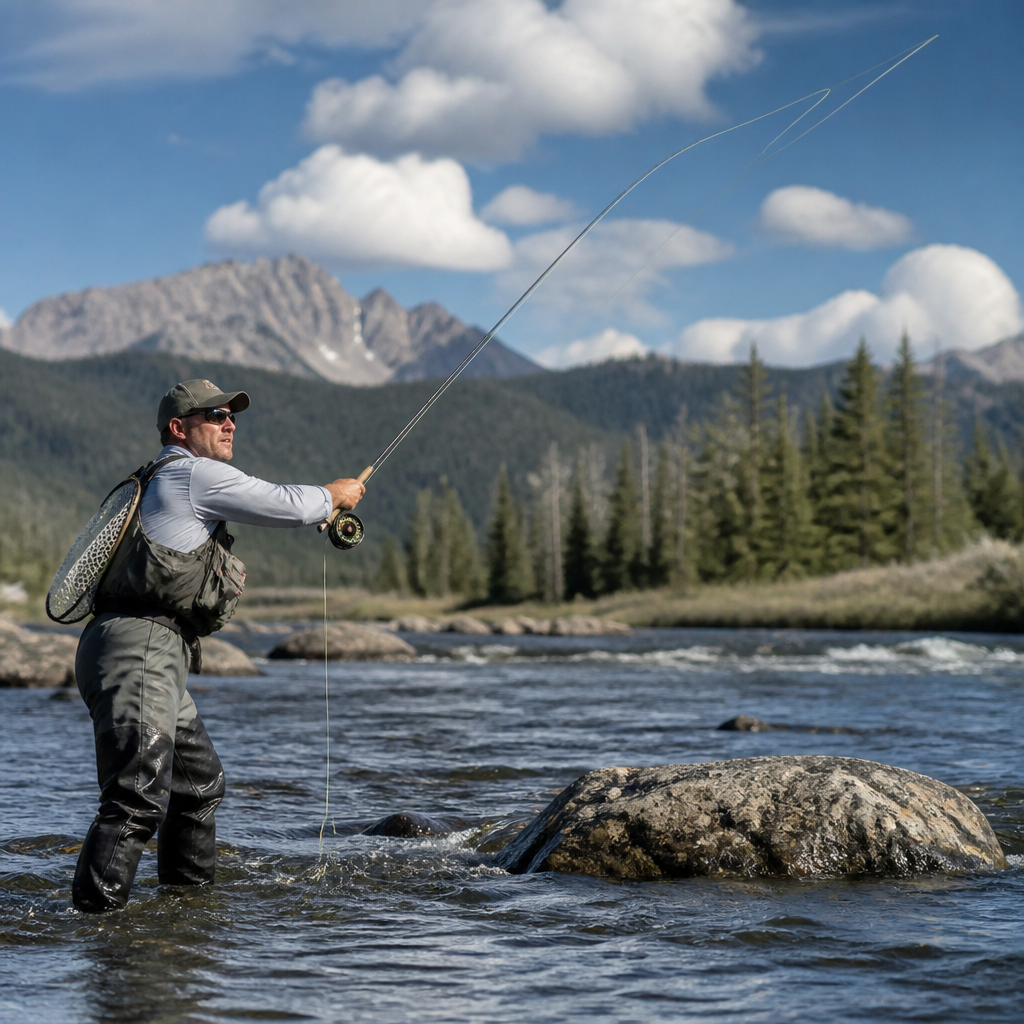
Matching the hatch in rivers is the practice of selecting and presenting a fly that closely imitates the insects, crustaceans, or baitfish trout and other river fish are actively eating at a given moment. It sounds simple, yet in real fishing it combines entomology, observation, fly selection, presentation, and constant adjustment. I have spent enough dawns kneeling beside riffles and enough evenings sorting spent mayflies from my net to know that the phrase is often misunderstood. Anglers hear it and assume success depends only on choosing the right pattern. In truth, the hatch match includes size, silhouette, color, stage of life, behavior, and drift.
For river anglers, this matters because feeding fish rarely make random decisions. During a concentrated emergence, trout can key on one insect stage so tightly that they ignore flies drifting inches away if the profile is wrong. A size 16 Blue-Winged Olive emerger may be taken confidently while a size 16 dun is refused repeatedly, even though both represent the same species. Rivers also change by season, flow, temperature, and light, which means the productive food source can shift from midges in winter to caddis in spring, sulfurs in summer, and tiny olives in fall. Matching the hatch is therefore less a rigid rule than a disciplined decision process.
As a hub topic within techniques and strategies, this guide covers the core system every river angler should know: how to read feeding behavior, identify common insect groups, choose flies by stage, adapt to difficult conditions, and avoid the mistakes that cause refusals. If you understand those pieces, you can branch confidently into nymphing, dry-fly fishing, streamer tactics, or technical tailwater fishing and still make sound hatch-based choices.
What matching the hatch really means on rivers
The clearest definition is this: imitate the food item fish are selecting, in the form they are most vulnerable, at the depth and speed where fish expect to see it. That is broader than simply tying on a fly that resembles an adult insect. In many rivers, trout eat far more nymphs and emergers than fully winged adults. A hatch may be visible overhead while fish continue feeding subsurface because drifting nymphs are easier calories than insects escaping the water.
Consider a classic spring caddis event. New anglers often notice adults skittering over the surface and immediately tie on a high-floating elk hair caddis. Sometimes that works. Just as often, the better choice is a pupa pattern swung near the surface because trout are intercepting ascending insects before they emerge. The same principle applies to mayflies. During a Hendrickson hatch, fish may first take nymphs dislodged in faster seams, then emergers trapped in the film, and only later settle into rhythmic rises on duns. Matching the hatch means identifying that feeding window precisely.
It also means understanding selectivity. Trout do not inspect every imitation like jewelers, but in clear rivers under steady feeding they develop a narrow search image. They begin recognizing a consistent size, outline, and behavior. If naturals are size 20 midges drifting flush in slow water, a bushy size 16 dry with visible hackle is a different object entirely. This is why anglers who “nearly match” often struggle in technical water.
How to read the river before choosing a fly
Good hatch matching starts before the fly box opens. Watch the water for at least a few minutes. Rising fish tell you more than surface insects alone. Splashy rises often indicate caddis or baitfish chasing. Gentle sips suggest mayflies, emergers, or midges in soft water. Porpoising backs commonly point to subsurface feeding on emergers just under the film. If fish are not rising, turn over rocks, use a small seine or aquarium net, and inspect streamside spider webs or your waders for clinging insects.
Location matters as much as identification. Riffles often produce mayfly nymphs and caddis pupae; soft edges collect spinners and crippled insects; foam lines concentrate drift; tailouts reveal the most selective fish because currents are even and visibility is high. On many freestone rivers I begin by checking three zones: a shallow riffle for nymph shucks, a seam for active rises, and a slow eddy for spent adults. Those three observations usually narrow the menu quickly.
Time and weather refine the decision. Blue-Winged Olives frequently hatch under overcast skies and moderate temperatures. Pale Morning Duns often emerge from late morning into afternoon depending on elevation and season. Midges can hatch year-round, especially on tailwaters with stable temperatures. A sudden flow bump from a dam, however, may reduce dry-fly activity and push fish back to subsurface feeding. Hatch matching works best when observation, river type, and seasonal expectations support each other.
Key river insects and the stages fish target
Most hatch decisions revolve around a small set of food categories. Mayflies have nymph, emerger, dun, and spinner stages. Trout commonly feed on nymphs before emergence and on emergers trapped in the surface film because both are slow and vulnerable. Caddis progress from larva to pupa to adult. In rivers, the pupa is often the key stage, especially when it rises quickly toward the surface. Stoneflies are larger and important both as nymphs and adults; their nymphs migrate toward shore before hatching, creating productive near-bank fishing. Midges dominate many winter and tailwater systems, with larvae, pupae, and tiny adults all relevant.
Terrestrials and non-insect food also belong in the hatch conversation. Ants, beetles, hoppers, inchworms, scuds, sowbugs, cranefly larvae, and small baitfish can become primary food items depending on river type. On some fertile spring creeks, scuds matter more than headline mayfly hatches. On larger western rivers in late summer, hopper patterns are not random attractors; they match a seasonal food source blown from bankside grass.
| Food source | Most important stage | Typical clue on the water | Useful fly category |
|---|---|---|---|
| Mayflies | Emerger | Soft sips, noses breaking film | Comparadun, sparkle emerger, slim nymph |
| Caddis | Pupa | Quick rises, occasional splashy takes | Soft hackle, pupa, sparse adult |
| Stoneflies | Nymph | Fish tight to banks or heavy seams | Weighted stonefly nymph |
| Midges | Pupa | Tiny rings in slow water | Midge pupa, Griffith’s Gnat, cluster |
| Terrestrials | Adult | Bank-focused rises, windy afternoons | Ant, beetle, hopper |
When anglers ask which hatch matters most, the answer is the one fish are easiest to catch during. River trout usually prefer the most abundant food that costs the least energy to eat. Vulnerable stages win because they drift predictably and cannot escape quickly.
Choosing flies by size, silhouette, color, and behavior
Size is usually the first filter and often the most important. If naturals are size 18 and you fish a size 14, color accuracy will not save you. I carry a streamside magnifier because many insects, especially olives and midges, appear larger on the water than they are in hand. Once size is right, silhouette becomes critical. A sparse CDC emerger presents a low, trapped profile; a parachute dry sits differently; a heavily hackled pattern may ride unrealistically high on flat water.
Color matters, but not in the cartoon sense many catalogs imply. Trout respond more to tone and contrast than to perfect pigment matching. Olive, gray, tan, cream, brown, and black cover most river situations if the shape is correct. Abdomen shading, wing opacity, and thorax contrast can still make a difference on clear spring creeks. For example, sulfur hatches often fish best with pale yellow to creamy patterns that avoid bright artificial lemon tones.
Behavior is the forgotten factor. A dead-drifted mayfly dun should not skate. A caddis adult can skitter effectively. A spinner should lie flush and motionless. A caddis pupa can be deadly on a rising swing at the end of the drift. These movement cues tell fish whether the imitation is natural. During PMD hatches on technical rivers, I have seen fish refuse perfect-looking dries until I switched to an emerger with a trailing shuck and a slightly sunken abdomen. The fly looked less finished and more edible.
Presentation strategies that complete the match
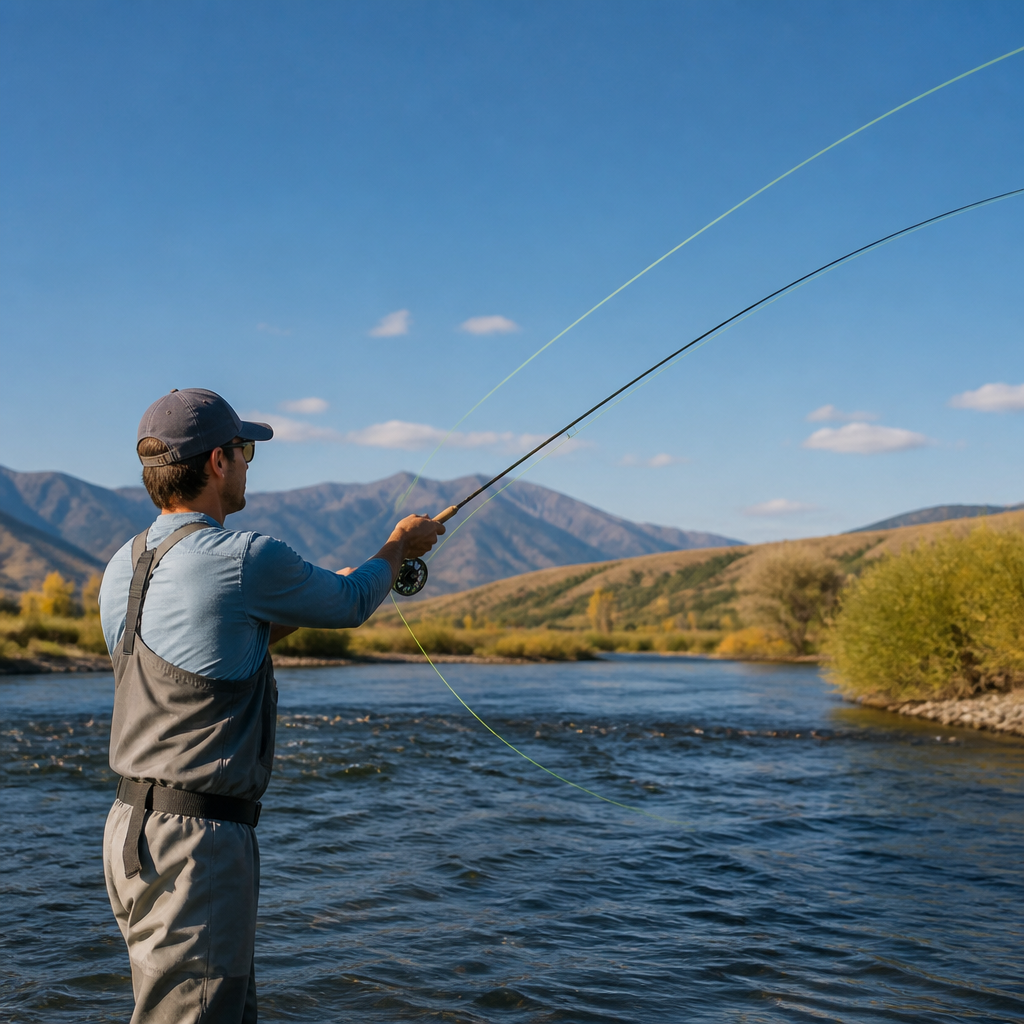
A correct fly with poor presentation is not a hatch match. Drag is the main reason good imitations fail. River currents create micro-drag when faster lanes pull line or leader ahead of the fly. On calm tailouts, even slight unnatural movement is enough to trigger refusals. Reach casts, slack-line presentations, aerial mends, and longer leaders all help preserve a natural drift. In pocket water, by contrast, fish have less inspection time, so close-range drifts and quick repositioning matter more than absolute delicacy.
Depth control matters for subsurface stages. If fish are feeding on Baetis nymphs near the bottom before a hatch, an unweighted fly greased for film fishing misses the zone. If trout are taking emergers inches below the surface, a heavily weighted nymph can pass too deep. Split shot, tungsten beads, fluorocarbon tippet, and suspension indicators are tools, not fixed systems. Adjust them until the fly travels where the naturals travel.
Presentation also includes angle. Upstream drifts give the most natural look to many dry flies and nymphs. Across-and-down swings excel for caddis pupae and soft hackles because they imitate ascent and movement. Downstream presentations can be deadly to selective fish when you need the first view to be the fly, not the leader, but they demand long fine tippets and careful line control. The match is complete only when imitation and drift agree.
Seasonal river strategy and common mistakes
Season shapes hatch timing and fish behavior. In winter, think small and slow: midges, tiny olives, and deep nymphing windows during the warmest part of the day. In spring, runoff can limit visibility, but pre-runoff periods often produce major mayfly and caddis activity. Summer brings reliable morning and evening hatches, plus terrestrial opportunities when aquatic insect activity fades in bright afternoon light. Fall often revives blue-winged olives, Mahogany Duns in some regions, and opportunistic feeding before cold water slows metabolism.
River type changes the equation. Freestones usually reward broader imitation and strong presentation because current diversity creates short reaction windows. Spring creeks and tailwaters demand exact size and stage matching because fish see steady food and clearer water. Limestone streams often support rich bug populations and difficult trout that punish drag. Pocket water streams may let a general attractor succeed outside a hatch, but once fish key on tiny olives in a slick seam, precision returns.
The most common mistakes are predictable. Anglers change flies too quickly without observing fish behavior. They identify the species but ignore the stage. They focus on color while missing size. They cast at rising fish before checking for drag lanes. They overlook spent spinners in evening light and keep fishing upright duns. They assume every refusal means the fly is wrong when the real issue is tippet thickness, glare, or approach angle. The best river anglers troubleshoot in order: feeding lane, stage, size, profile, then color.
Building a practical match-the-hatch system
A reliable system keeps decisions simple under pressure. Carry a compact seine, a small floatant and desiccant kit, split shot in several sizes, and patterns that cover major stages rather than dozens of minor variations. For mayflies, that means slim nymphs, emergers, low-riding duns, and spent spinners in key sizes. For caddis, include pupa patterns, soft hackles, and sparse adults. For midges, carry larvae, pupae, clusters, and tiny dries. For stoneflies, stock weighted nymphs and a few adults for bankside action. Add terrestrials for summer and a couple baitfish patterns for opportunistic streamer windows.
Keep records. My most useful hatch notebook notes water temperature, cloud cover, flow level, insect size, and the stage fish preferred. Over time, patterns emerge. A particular river may produce BWOs at 48 to 55 degrees on cloudy afternoons or heavy caddis flights after evening flow stabilization. Those details sharpen future choices far more than memory alone.
The real benefit of matching the hatch is confidence rooted in evidence. You stop guessing and start reading cause and effect on the water. The river tells you what fish are eating, where they are feeding, and how selective they are. Your job is to observe carefully, simplify the clues, and respond with the right stage, size, and presentation. Use this guide as your hub, then apply it one river session at a time: watch first, identify second, fish third, and let the hatch lead every decision.
Frequently Asked Questions
What does “matching the hatch” really mean in river fly fishing?
Matching the hatch means choosing and fishing a fly that closely resembles what trout or other river fish are actively feeding on at that specific time and place. In practice, that goes far beyond simply tying on “a mayfly” or “a caddis.” Fish often key in on a narrow slice of available food: a certain insect species, a particular life stage, a specific size, an exact color tone, or even the way the food drifts, wiggles, emerges, or struggles on the surface. A hatch can include nymphs drifting below the film, emergers trapped just under the surface, duns riding high, spinners falling spent, or even non-insect foods like scuds, sowbugs, crayfish, and minnows depending on the river.
This is why the phrase is often misunderstood. New anglers sometimes assume matching the hatch is mostly about fly appearance, but experienced river anglers know it is equally about timing, behavior, and presentation. A nearly perfect imitation fished at the wrong depth or with drag across the current is often less effective than a simpler pattern presented naturally. The fish are responding to the total package: silhouette, size, profile, movement, position in the water column, and drift speed. In many situations, size and behavior matter more than exact color, and in technical conditions, the difference between success and refusal can come down to whether your fly is an emerging insect rather than a fully hatched adult.
At its core, matching the hatch is a process of observation and adjustment. You watch the water, inspect the air, look under rocks, use a seine or net, study rise forms, and note where fish are feeding. Then you make an informed guess, fish it well, and refine your choice based on what the trout tell you. That mindset is what turns the concept from a slogan into a practical river strategy.
How do I figure out what river fish are eating when I arrive at the water?
Start by slowing down and observing before you cast. Many anglers wade in too quickly and miss the clues. Stand back from the bank and look for rises, swirls, flashes, or fish holding in feeding lanes. Watch the air for adults hovering, egg-laying, or drifting downstream. Check rocks in shallow riffles for nymphs or larvae, and look along eddies and seams for shucks, spent spinners, or drifting insects. If you carry a small aquarium net or fine-mesh seine, sweep it through the current and inspect what comes up. Even a quick sample can tell you whether the river is loaded with small olive nymphs, pale mayflies, caddis larvae, midges, or something else entirely.
Next, pay attention to where in the water column the feeding seems to be happening. Splashy rises often suggest caddis or fish chasing emergers near the surface. Gentle sips can indicate trout taking mayfly duns or spent spinners. If fish are not visibly rising but seem active, they may be feeding subsurface on nymphs or larvae drifting just off the bottom. Turn over a few rocks in different speeds of water to compare what insects are present in the riffles versus softer edges. In rivers, food availability can vary by micro-habitat, and fish often station themselves where current delivers the most vulnerable prey.
Finally, narrow your choices based on three practical filters: size, stage, and silhouette. Exact species identification is useful, but not always necessary. If the naturals are small, slim, olive-bodied insects in the 18 to 20 range, that tells you far more than simply calling them “mayflies.” Ask yourself: Are the fish eating nymphs, emergers, adults, or spent insects? Are the naturals buoyant, trapped, swimming, or dead-drifting? Once you answer those questions, choose a fly that matches the general look and behavior, then test it with a natural presentation. The best river anglers build their answer from clues, not guesses.
Is matching size more important than matching color and pattern?
In many river situations, yes—size is often the first and most important match to get right. Trout can be surprisingly tolerant of small color differences yet extremely selective about profile and scale. If fish are feeding on tiny size 20 blue-winged olives and you offer a size 14 attractor, you are asking them to ignore a clear mismatch. The silhouette the fish sees from below, especially in surface feeding situations, is heavily influenced by body length, width, and how the fly sits in or on the film. A fly that is close in color but clearly too large or too bulky often gets refused.
After size, the next priority is usually life stage and overall profile. A slim emergent mayfly, a tufted caddis pupa, and a fully upright dun all look different to a trout even if they come from the same hatch. This is why anglers sometimes become frustrated when they “matched the bug” but still cannot get takes. They matched the species category but not the stage the fish were actually targeting. Fish feeding confidently just under the surface may ignore every high-floating dry you own until you switch to an emerger or cripple pattern that better reflects what is most vulnerable.
Color still matters, but usually within a narrower range than many anglers assume. Tone and contrast can be critical in clear water and bright light, especially during sparse hatches when fish inspect the fly carefully. Olive versus brown, cream versus sulfur yellow, or black versus gray can make a difference. But if you are forced to prioritize, think in this order: size first, stage second, silhouette third, color fourth, and fine pattern details after that. That hierarchy will solve far more river situations than obsessing over exact naming conventions or tiny tying differences.
What should I do when I think I have the right fly but the fish still refuse it?
When fish refuse a fly that looks correct, the problem is often presentation rather than selection. Start with drag. On rivers, conflicting current speeds can make even a well-chosen fly skate unnaturally across the surface or pull subsurface at the wrong speed. Adjust your position, your casting angle, the length of your leader, or add slack to achieve a more natural drift. Mend earlier, cast from a better lane, or target a shorter drift window where you can maintain control. If you are nymphing, verify depth before changing patterns. A perfect imitation drifting a foot above the feeding zone may as well be invisible.
If the drift is clean and refusals continue, reassess the life stage. Fish may not be eating the obvious adults at all. During many hatches, the most vulnerable stage is the emerger, pupa, or cripple rather than the fully hatched insect. Switching from a standard dry to a low-riding emerger, soft hackle, or unweighted nymph can transform the situation immediately. The same logic applies subsurface: if fish are feeding on ascending caddis pupae and you are dead-drifting a bottom-hugging nymph, you are imitating the wrong behavior even if the pattern itself looks close.
Then make smaller refinements. Go down a size. Lighten or darken the fly. Trim hackle if it sits too high. Add floatant to one fly but not another to change how it rides. Lengthen tippet in clear, slow water. In pressured rivers, fish often respond better to less flash, finer tippet, and a subtler silhouette. Also consider whether the fish are feeding on something else entirely, such as tiny midges mixed into a larger hatch. The key is disciplined troubleshooting: change one variable at a time and let the fish give you feedback. That method is far more effective than cycling randomly through your fly box.
Do I always need an exact imitation, or can general attractor patterns still work in rivers?
No, you do not always need an exact imitation. General patterns and attractors can be extremely effective, especially when fish are opportunistic, the water is slightly off-color, multiple food sources are present, or no concentrated hatch is underway. In many freestone rivers, trout see a broad menu moving past them and often respond to flies that suggest life rather than duplicate one exact insect. A well-presented attractor dry, a versatile pheasant-tail style nymph, a hare’s ear, a soft hackle, or a generic caddis imitation can cover a lot of water and catch fish consistently when selectivity is low.
Where exact matching becomes more important is during selective feeding. Spring creeks, tailwaters, clear low flows, flat slicks, and heavy angling pressure all tend to increase the need for precision. When trout have abundant food and enough time to inspect it, close matching in size, stage, and posture matters far more. During a spinner fall, for example, a trout may ignore flashy general patterns and take only low-profile spent insects of a certain size. During a midge hatch, a difference of one hook size can be enough to matter. So the answer depends less on dogma and more on conditions and fish behavior.
The most practical approach is to think of matching the hatch as a spectrum. Start broad when the situation allows it. Use confidence patterns to search, prospect, and locate willing fish. But once you see