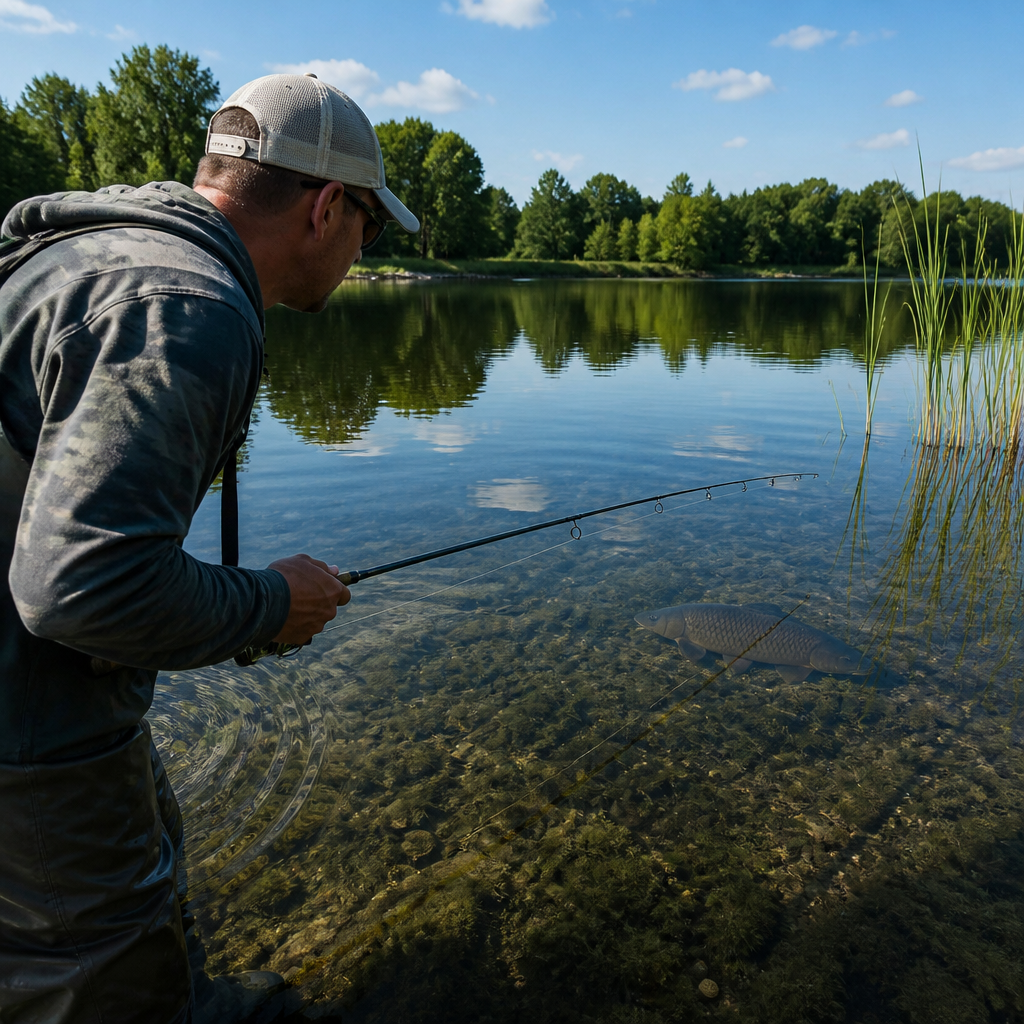
Sight fishing for carp is one of the most visual, demanding, and rewarding ways to catch freshwater fish because it replaces blind casting with deliberate observation, precise presentation, and immediate feedback from the fish itself. In simple terms, sight fishing means locating individual carp in clear or shallow water, reading their body language, and placing a bait or fly where that fish is most likely to feed without being alarmed. As a subtopic within broader carp fishing techniques and strategies, it matters because it teaches anglers how carp behave in real conditions, not just how they respond to a rig dropped into an unseen area. Over years on shallow flats, estate lakes, canals, and floodplain margins, I have found that anglers who learn sight fishing become better at stalking, bait placement, watercraft, and fish handling across every carp discipline.
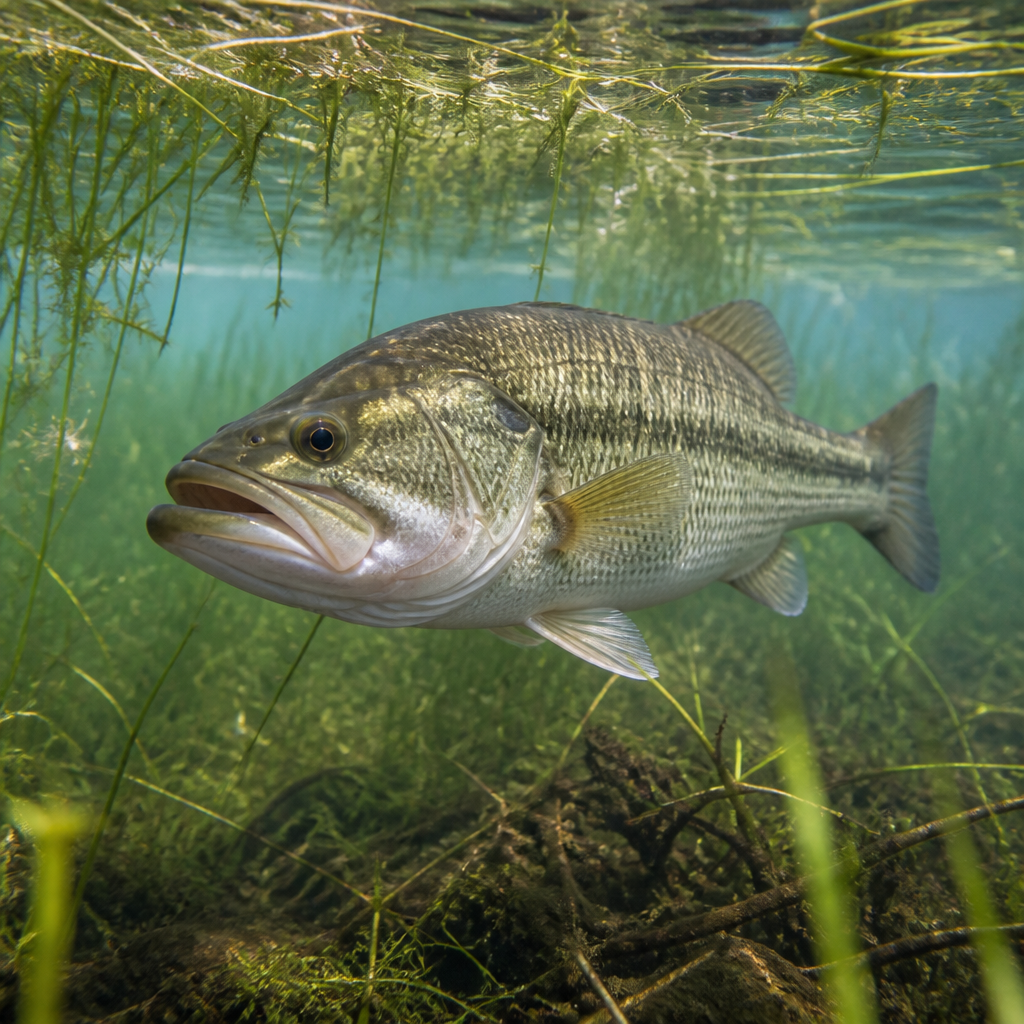
Carp are especially suited to this style because they often feed in skinny water, tail over weeds, cruise reed lines, patrol warm margins, and reveal their intent through subtle movements. Common carp, mirror carp, and grass carp can all be sight fished, although their feeding posture, speed, and caution vary. A feeding common rooting in silt behaves very differently from a cruising grass carp sliding along weed edges. Understanding those differences helps anglers choose the right approach, whether that means freelining bread, presenting a small bottom bait, or leading a fish with a fly. The appeal is obvious: you are not waiting for alarms to sound; you are solving a moving puzzle in real time, often at close range.
Sight fishing for carp also has practical value beyond excitement. It lets you identify productive zones, evaluate fish size before casting, avoid casting at inactive fish, and reduce wasted time on poor water. Because you can watch the fish react, you quickly learn how light angle, bank position, line splash, hook size, bait density, and retrieve speed influence results. That feedback loop accelerates learning faster than many static methods. For anglers building a complete carp playbook, sight fishing is the hub skill that connects stalking, seasonal water reading, bait selection, stealth, and landing strategy into one highly refined technique.
How to Find Sight-Fishable Carp
The first step is not casting; it is locating fish you can realistically catch. The best sight fishing water combines visibility, accessible margins, and carp that enter shallow zones to feed or warm. Productive venues include clear gravel pits, park lakes with shelves, canals with stable edges, reservoirs with flooded grass, and rivers during lower, clearer conditions. In spring, warming margins often hold carp by late morning. In summer, early and late light can reveal cruisers along pads, reeds, and overhanging trees. After warm rain, flooded edges and softened margins can concentrate feeding fish. Polarized glasses are mandatory, not optional, because they cut surface glare and reveal shape, movement, and bottom features invisible to the naked eye.
When I scout a lake for sight fishing, I move slowly and stop often. Rushing past likely water is the easiest way to miss stationary fish. Look for tailing, mud puffs, subtle dorsal fins, waving reeds, shadows moving against pale bottoms, and surface disturbances that are too deliberate to be wind. Elevated positions help: a small bank rise, a dock, or even standing back from the edge can improve the angle into the water. Sun position matters as much as water clarity. With the sun at your back, fish stand out better; staring into reflected light can make even clear water unreadable. Wind can help by pushing food into margins, but heavy chop ruins visibility and forces shorter, closer presentations.
Not every visible carp is worth targeting. A fish that is actively tailing, tipping down, mouthing debris, or slowly quartering a margin is catchable. A fish moving with purpose, high in the water column, often ignores perfect presentations. Spawning carp are usually a poor ethical and tactical target because they are preoccupied and easily stressed. Resting fish can spook at line shadow alone. The more precisely you classify behavior, the better your conversion rate. In practice, sight fishing success comes less from spotting more carp than from choosing the right carp to cast at.
Reading Carp Behavior Before You Cast
Body language is the central skill in sight fishing for carp. Feeding fish show rhythm. They pause, angle downward, flare pectorals, tip their heads, and move with short, investigatory bursts. Their path may be slow but purposeful, especially over dark silt, sparse weed, or mussel patches. Cruising fish look smoother and less interested in the bottom; they travel on a line and pass through a zone rather than work it. Suspended fish can appear lazy, but many are simply inactive. Agitated fish tighten up immediately: fins lock, speed changes, the body rolls slightly away, or the fish drifts off its line. Learn those tells and you can avoid wasting casts that only educate fish.
Feeding lane recognition is equally important. Many carp repeat routes along reed seams, inside turns, undercut banks, or the edge where hard bottom meets soft silt. If you see one fish use a lane, expect others to use it too, especially on waters with regular patrol patterns. I often wait several minutes just to confirm direction before presenting. Casting instantly at the first glimpse feels proactive, but patient observation usually produces a higher-percentage shot. The goal is not to land a bait near a carp; the goal is to place it where the carp will naturally intercept it without detecting danger.
Distance, angle, and lead are all behavior dependent. A rooting carp can accept a bait dropped inches from its head if the entry is soft and the line settles away. A wary cruiser may need the bait placed several feet ahead so it discovers it on its own. Grass carp often require longer leads and less intrusive line. In stained shallows, sound can trigger more spooks than sight, while on bright, calm flats, the opposite is true. The best anglers adjust their presentation to the fish’s mood, not to a fixed rule they read once.
Gear That Improves Stealth and Control
The ideal sight fishing outfit balances finesse with enough authority to land powerful fish quickly in shallow water. For conventional tackle, a 7- to 9-foot light or medium-light rod with a progressive action gives accurate short casting and protects lighter hook holds. Reels in the 2500 to 4000 size range are practical, smooth, and light enough for active stalking. Main line choice depends on cover. In open clear margins, 10- to 15-pound braid with a fluorocarbon leader offers sensitivity and precise bait control. Around rocks, timber, or zebra mussels, straight fluorocarbon or a tougher copolymer can be the safer choice because abrasion, not stretch, becomes the limiting factor.
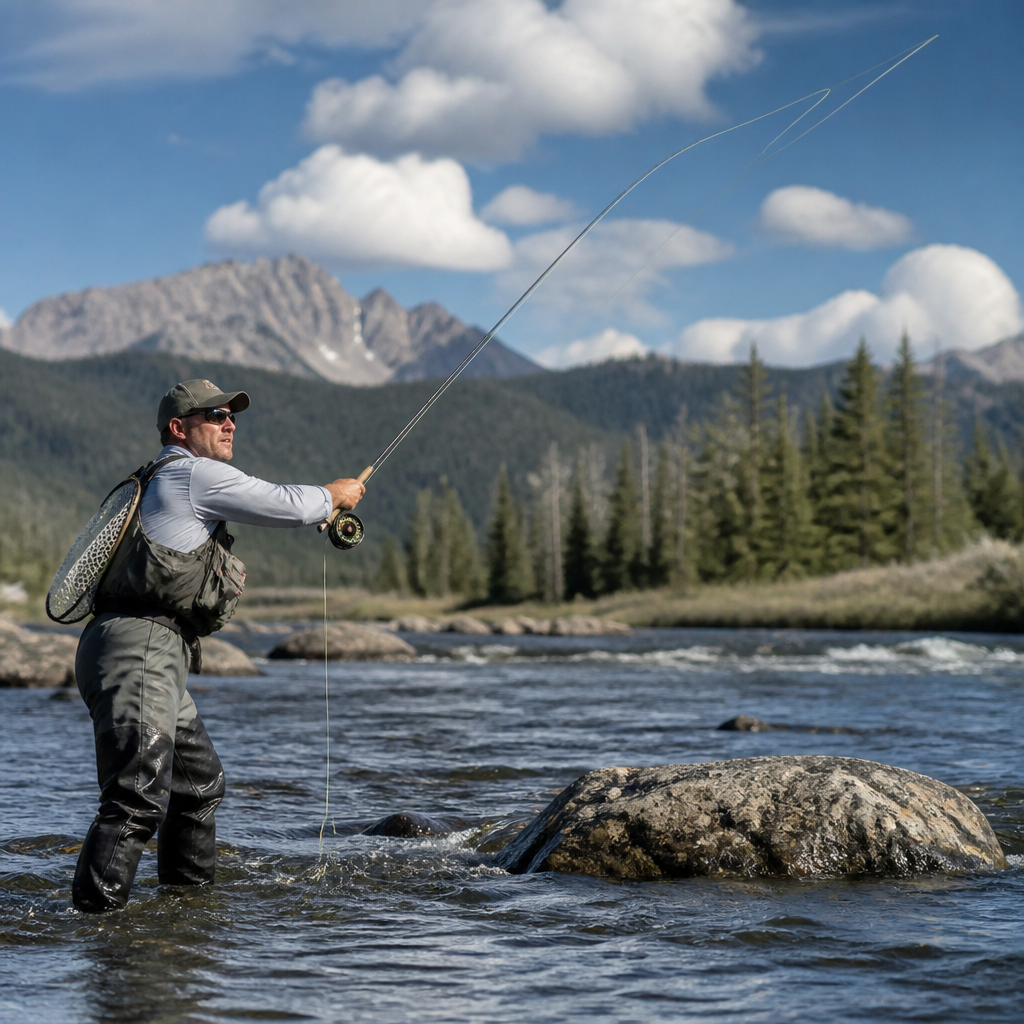
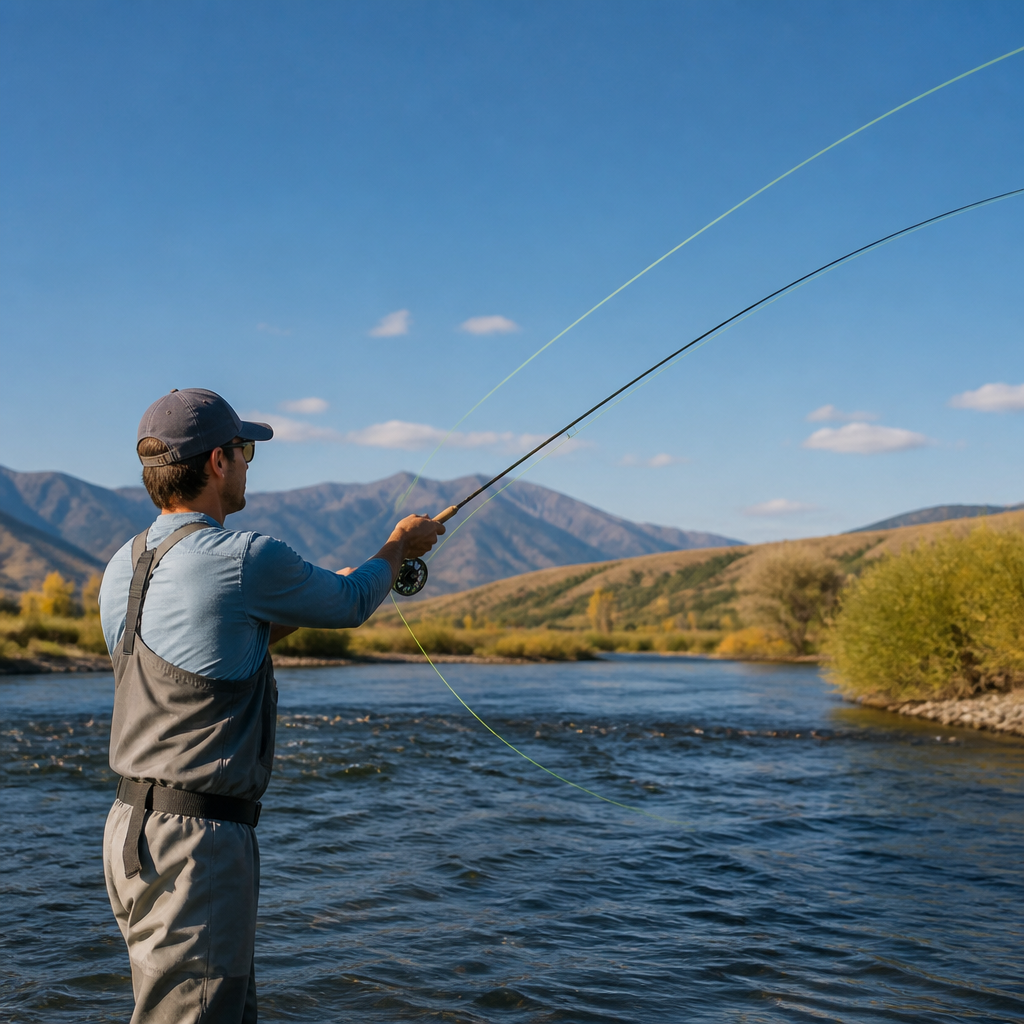
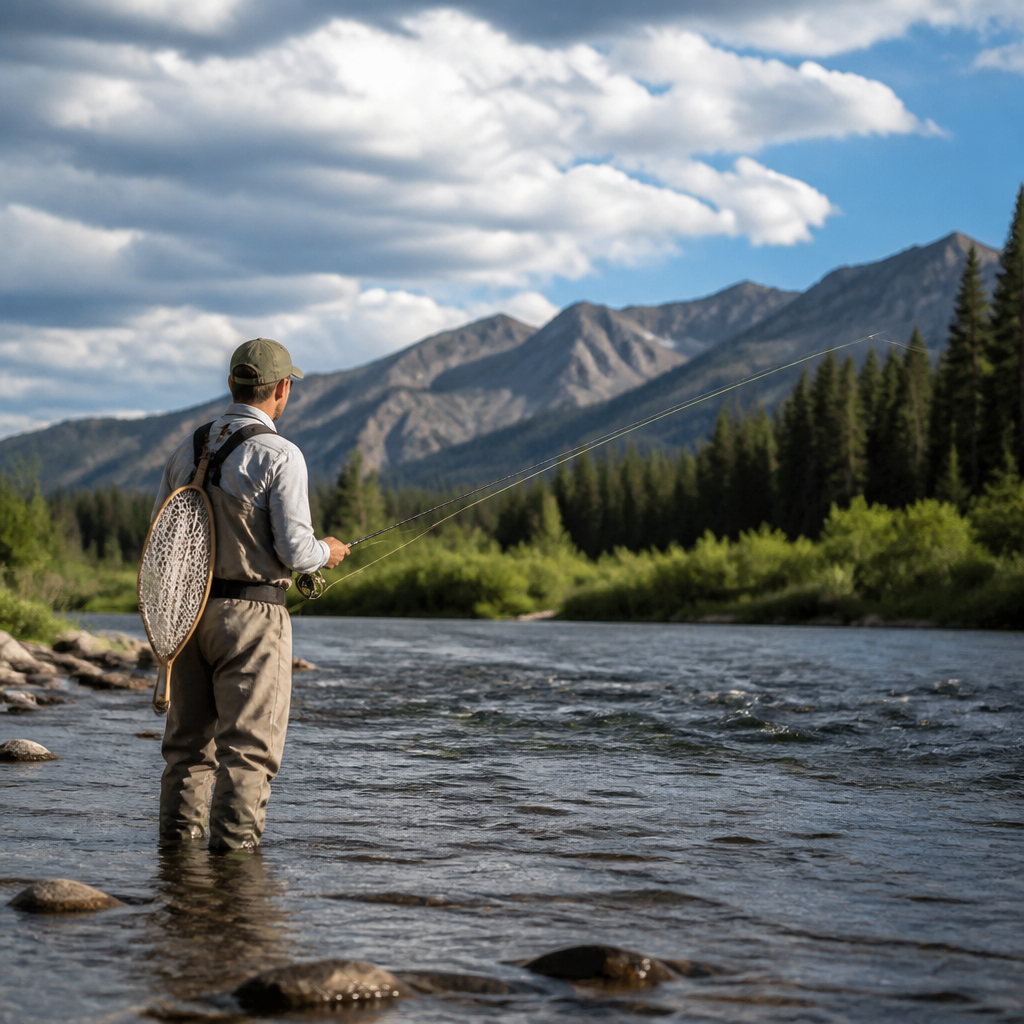
Terminal tackle should stay simple. Small, sharp hooks in sizes 6 through 10 suit bread, corn, worms, small boilies, and natural baits. Split shot, tiny inline leads, freelining, and unweighted presentations all have a place. The common mistake is over-rigging. Heavy leads slap the surface, stiff leaders kick unnaturally, and large hardware creates visual noise around the bait. For fly anglers, 6- to 8-weight rods, strong reels, weight-forward floating lines, and stout leaders around 0X to 2X are standard because carp fight hard and often require accurate, short-range shots. Carp flies should land softly and sink at a controlled rate, matching the depth and fish attitude.
| Condition | Recommended Setup | Why It Works |
|---|---|---|
| Clear, calm margins | Light rod, braid main line, long fluorocarbon leader, freelined bread or light hookbait | Quiet entry, excellent strike detection, minimal visual disturbance |
| Shallow silt with tailing fish | Small hook, pinched shot or tiny lead, balanced corn or worm | Lets the bait settle naturally where rooting fish can find it |
| Weedy edges | Medium-light rod, abrasion-resistant line, slightly stronger hook pattern | Improves fish control before it buries into cover |
| Fly presentation to cruisers | 7- or 8-weight fly rod, floating line, lightly weighted carp fly | Places the fly ahead of the fish with subtle sink and easy line management |
Beyond rod and reel, several accessories make a major difference. Polarized lenses with amber or copper tints improve contrast in many freshwater situations, while gray lenses can help in very bright conditions. Drab clothing reduces your silhouette. A compact landing net with a wide mouth shortens fight time when a fish circles in tight quarters. Forceps, a wet unhooking mat where required, and a camera ready before the cast all reduce fish stress. Experienced sight anglers travel light because mobility catches more carp than carrying every accessory in the garage.
Presentation Techniques That Get Eats
Presentation is where sight fishing for carp becomes technical. The most reliable rule is to cast to where the fish is going, not where it is now. For bottom-feeding fish, drop the bait softly a foot or two ahead, then let the fish discover it naturally. If the fish is moving faster, increase the lead. If it is tailing with its head buried, a closer drop can be effective because the fish is already committed. With freelined bread, keep line off the fish’s path and resist moving the bait too much. Bread excels when carp are looking up or casually browsing the surface film, especially in park waters where they recognize human food items.
On the bottom, corn, worm, small boilies, and soft pellets all catch fish, but each solves a different problem. Corn is visible, light, and familiar; worms create scent and motion; trimmed boilies resist nuisance species; pellets can match heavily fed commercial waters. If fish are suspicious, downsizing often helps more than changing flavor. For fly fishing, the classic mistake is stripping the fly like a bass lure. Most carp flies should be set down calmly, allowed to sink, and moved only with tiny nudges or not at all. Carp usually eat on confidence, not chase. Watch the fish, not the line. A slight head dip, gill flare, or white mouth flash is often the only take signal you get.
Line management decides many outcomes. Keep as much line off the water as practical, especially near the fish. Mend or reposition only when the fish is not looking toward the line path. On very close shots, kneeling or side-arming the cast reduces skyline exposure. If the fish notices the entry and shifts away, do not force the issue. Let it settle or wait for the next fish. Repeated poor shots educate carp quickly, particularly on pressured lakes. The best presentation is the one the fish never associates with danger until the hook is already set.
Stealth, Hookset, and Landing Strategy
Stealth begins before you reach the bank. Heavy footsteps, tackle clatter, abrupt shadows, and rod tips waved over the water will spook shallow carp long before the cast. Move low, use shoreline cover, and approach from downsun or with background vegetation when possible. On hard banks, set gear down gently. In some situations, backing away from the edge and making a longer but safer presentation is smarter than standing close for an easy shot. Silence matters most on still days when shallow water amplifies pressure waves and impact noises.
Hooking carp cleanly requires restraint. With bait fishing, do not strike at every mouth movement. Wait until the fish has actually taken the bait and turned or tightened the line. With fly fishing, a firm strip-set is usually better than lifting the rod because it drives the hook without pulling the fly away too early. Once connected, side pressure is your best tool. Keep the fish’s head turned away from reeds, dock posts, and weed beds. Short fights are healthier for carp, especially in warm water when dissolved oxygen can be lower and recovery slower. Use tackle strong enough to finish the job efficiently.
Landing and fish care are part of the technique, not an afterthought. Have the net ready before you cast. Lead the fish over the rim headfirst; do not stab at it. Wet your hands, support the fish properly, and minimize time on shore. In hot weather, keep the fish partly in the water while organizing scales or camera gear. If your venue has specific carp care rules, follow them strictly. A sight-fishing culture that values fish welfare preserves access and protects the fish that make the sport possible.
Seasonal Patterns and Common Mistakes
Season changes carp visibility and mood. In early spring, sunny protected margins can warm several degrees faster than open water, drawing carp into surprisingly skinny areas by midday. Late spring can be exceptional before spawning begins. Summer offers the most visual opportunities, but bright overhead sun can make fish wary and boat traffic can push them off the edges. In autumn, clear water and stable afternoons often produce good stalking as carp feed before winter. Winter sight fishing is possible in mild climates, especially in clear canals and sheltered ponds, but fish usually move slower and demand more delicate presentations.
The most common mistake is casting too soon. Anglers spot a fish, panic, and throw without reading direction, speed, or mood. The second mistake is making too much disturbance, whether from splashy casts, heavy tackle, or poor positioning. Third is targeting uninterested fish instead of waiting for active feeders. Another frequent problem is staring at the bait instead of the carp; you learn more from the fish’s reaction than from any float, line twitch, or imagined take. Finally, many anglers underplay local pressure. Carp on urban park lakes often react differently from fish on low-pressure farm ponds, so confidence gained on one venue must be recalibrated on another.
Sight fishing for carp rewards patience, sharp observation, and disciplined presentation more than brute force or complicated rigs. Learn to find catchable fish, read their body language, carry simple gear that supports stealth, and place baits where carp can feed naturally without alarm. Those skills will improve every part of your broader carp fishing strategy, from stalking margins to choosing productive water on difficult days. If you want to become a more consistent carp angler, spend your next session walking first, watching longer, and casting only when the fish tells you the moment is right.
Frequently Asked Questions
What is sight fishing for carp, and why is it different from traditional carp fishing?
Sight fishing for carp is the practice of locating individual fish in clear or shallow water, watching their behavior, and then making a deliberate presentation to that specific fish. Instead of casting into a likely area and waiting for carp to find the bait, you actively hunt for visible targets. That is what makes it so different from traditional carp fishing methods, which often rely on prebaiting, static rigs, and patience over long periods. With sight fishing, success depends on observation, stealth, timing, and accuracy just as much as it depends on bait choice or tackle.
What makes this approach especially rewarding is the immediate feedback it provides. You can often see whether a carp is relaxed, feeding, cruising, suspicious, or completely uninterested. That body language tells you whether to cast, where to place the bait, and how subtle your presentation needs to be. In many cases, the angler is making real-time decisions based on the fish’s angle, speed, tail movement, head position, and reaction to the bait landing nearby.
It is also more demanding than many forms of static carp fishing because mistakes are quickly punished. A sloppy cast, heavy footstep, poor approach angle, or bait splashing too close can send a fish bolting out of the area. On the other hand, when you get everything right and watch a carp tip down and feed on your bait, the experience is incredibly visual and satisfying. That combination of hunting, reading water, and precise execution is why sight fishing for carp has become such a respected and addictive technique among freshwater anglers.
How do you find carp and read their behavior when sight fishing?
Finding carp starts with understanding where they are most visible and most comfortable. Clear margins, shallow flats, backwaters, canals, lake edges, weed lines, mud bays, and slow-moving river sections are all prime areas. Early morning and late afternoon often provide good light angles, while calm conditions make spotting fish easier because surface glare and chop are reduced. Polarized sunglasses are essential because they cut glare and help you distinguish fish shapes, shadows, bottom contours, and subtle movements that would otherwise be easy to miss.
Once you locate a fish, the next step is interpreting what it is doing. A slowly cruising carp with a steady path may be catchable if you can predict its line of travel and place a bait ahead of it. A fish that is tailing, tipping down, stirring silt, or moving methodically along the bottom is usually in a feeding mood and often offers the best opportunity. Carp that are basking near the surface, moving nervously, or changing direction abruptly are generally less reliable targets because they are either not feeding or are already on alert.
Small details matter. If a carp’s pectoral fins are relaxed and it is moving naturally, that often indicates confidence. If it flares, pauses, stiffens, or shifts away from a lure or bait, something in the presentation has warned it. Mud clouds, bubbles, swaying reeds, and subtle wakes can also reveal fish that are not fully visible. Experienced sight anglers learn to identify “sign” as much as actual fish. Reading behavior well allows you to avoid wasting casts on low-percentage targets and focus instead on fish that are likely to eat if approached properly.
What are the best techniques for presenting bait or flies to visible carp without spooking them?
The best presentation is usually the least intrusive one that still gets noticed. In most cases, you do not want to cast directly on top of the fish. A better approach is to place the bait slightly ahead of the carp’s path or just off to the side of where it is feeding so the fish can encounter it naturally. The exact distance depends on the carp’s speed, direction, and mood, but subtlety is critical. A soft entry is often more important than raw casting distance, because a loud splash can instantly ruin the opportunity.
For bottom-feeding carp, the goal is often to drop the bait where the fish will reach it within a few seconds. If you are using conventional bait, let it settle and avoid moving it too much unless the fish seems to need a visual cue. If you are fly fishing for carp, short strips or tiny movements can be enough to bring the fly to life without making it look unnatural. Carp typically reward calm, precise presentations, not aggressive retrieves. In fact, overworking the bait is one of the most common mistakes beginners make.
Your position and approach also affect presentation success. Stay low, move slowly, and use bank cover, vegetation, shadows, or elevation to your advantage. Whenever possible, approach from downsun or with the wind helping rather than hurting your line control and visibility. Cast only when you have a clear plan. Randomly firing at every fish you see often leads to spooked targets and lost opportunities. The most consistent sight anglers treat each fish as a separate problem to solve: where is it going, what is it doing, and how can the bait appear naturally in that feeding window? That disciplined mindset is what turns sightings into hookups.
What gear is best for sight fishing for carp?
The ideal gear for sight fishing for carp balances stealth, control, and enough power to handle strong fish in shallow water. For conventional tackle, many anglers prefer a light to medium spinning setup with a sensitive rod that can cast small baits accurately while still protecting lighter lines. A rod in the 7- to 8-foot range is a common choice because it offers reach, casting control, and shock absorption during close-range fights. Pair it with a smooth-drag reel, since carp make powerful runs and weak drag performance often leads to pulled hooks or broken line.
Line selection matters a great deal. Braided main line offers sensitivity and casting efficiency, but many sight anglers use a fluorocarbon leader for lower visibility and better abrasion resistance around rocks, weed stems, and snags. In ultra-clear or pressured water, straight fluorocarbon can also be effective because of its stealth. Hook size and terminal tackle should match the bait and conditions, but a simple, clean presentation usually outperforms anything bulky or complicated when fish are in full view and easy to spook.
For fly anglers, a rod in the 6- to 8-weight range is commonly used depending on fish size, wind, and fly size. A weight-forward floating line is often the most practical for shallow-water work, and leaders should be long enough to present delicately while still allowing accurate turnover. Carp flies typically imitate natural food such as nymphs, crayfish, worms, or small bottom-dwelling organisms, and they are often tied to land softly and sink predictably.
Beyond rod and reel, a few accessories are non-negotiable. Polarized sunglasses are arguably the most important piece of sight fishing equipment because if you cannot see fish well, you cannot fish effectively. Neutral-colored clothing helps you blend into the surroundings, while a landing net with a fish-friendly mesh is useful for controlling big carp quickly and safely. Many anglers also benefit from wearing quality wading boots or lightweight footwear for quiet movement along margins and shallows. In sight fishing, the best gear is not always the heaviest or most expensive; it is the gear that lets you spot fish, present accurately, and fight them efficiently without creating unnecessary disturbance.
What are the most common mistakes beginners make when sight fishing for carp, and how can they avoid them?
The most common mistake is moving too fast. Beginners often get excited as soon as they spot a fish and rush the approach, rush the cast, and rush the retrieve. Carp are highly sensitive to vibration, sudden movement, and unnatural presentations, so this impatience usually ends with a fish spooking. A better habit is to pause as soon as you see the fish, study its direction and behavior, and then make one thoughtful cast rather than several reactive ones. Sight fishing rewards composure far more than speed.
Another frequent mistake is casting too close to the fish. Many anglers assume the bait needs to land right in front of the carp’s face, but that often creates too much splash or forces the fish to react defensively. Leading the fish by a small margin or dropping the bait into its feeding lane is usually much more natural. Similarly, beginners often strip or move the bait too aggressively. Carp are not usually looking for something racing away. Most of the time, restrained movement or no movement at all is more convincing.
Poor fish selection is another issue. Not every visible carp is a realistic target. Fish that are cruising fast, sitting high in the water, or acting tense are often difficult to catch no matter how well you cast. New anglers improve much faster when they focus on carp that are actively feeding or showing clear bottom-oriented behavior. Learning to say “that fish is not worth casting to” is a major step forward.
Many beginners also underestimate the importance of light, angle, and visibility. They fish into glare, stand too upright on the bank, or ignore how their shadow falls across the water. These small details can make fish vanish or become wary before a cast is ever made. Finally, tackle mistakes such as using overly heavy rigs, dull hooks, or poorly set drags can cost fish even after a perfect presentation. Avoiding these problems comes down to preparation and discipline: sharpen hooks, simplify the rig, keep a low