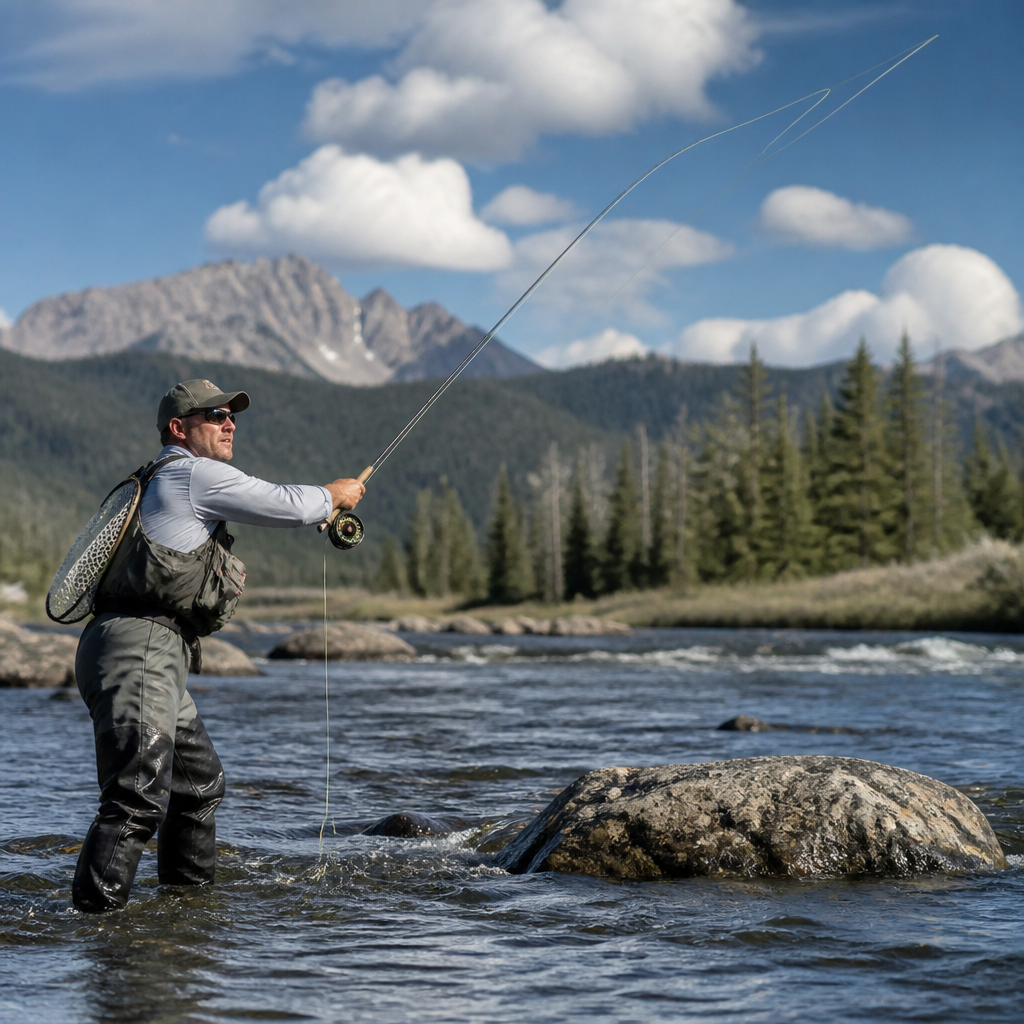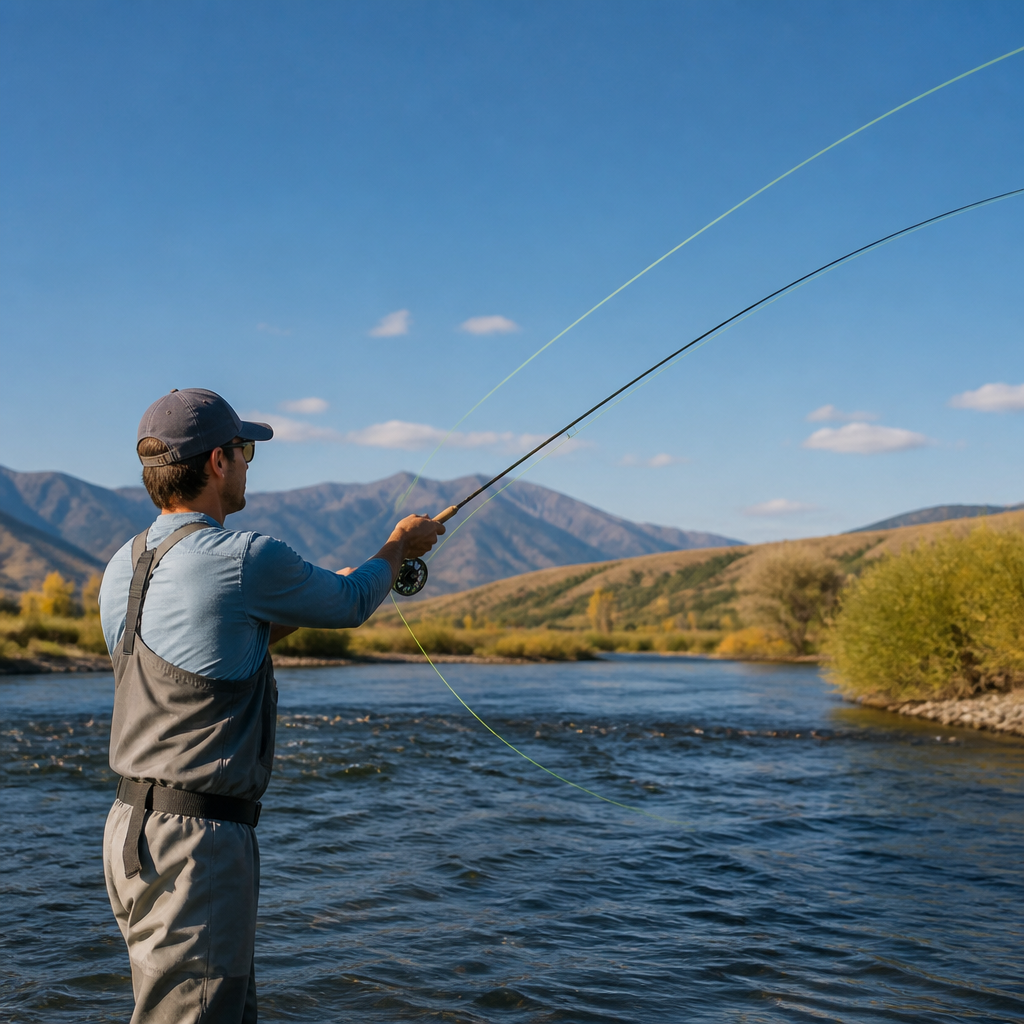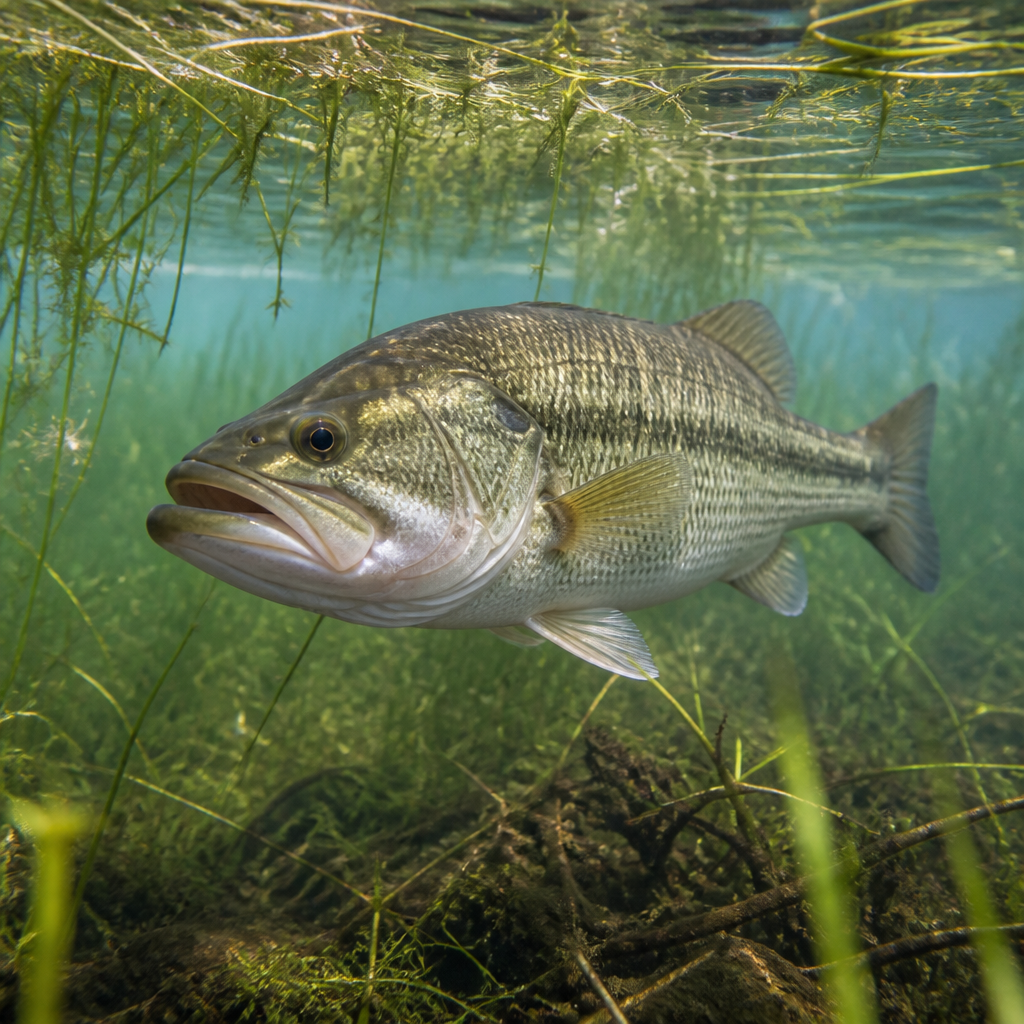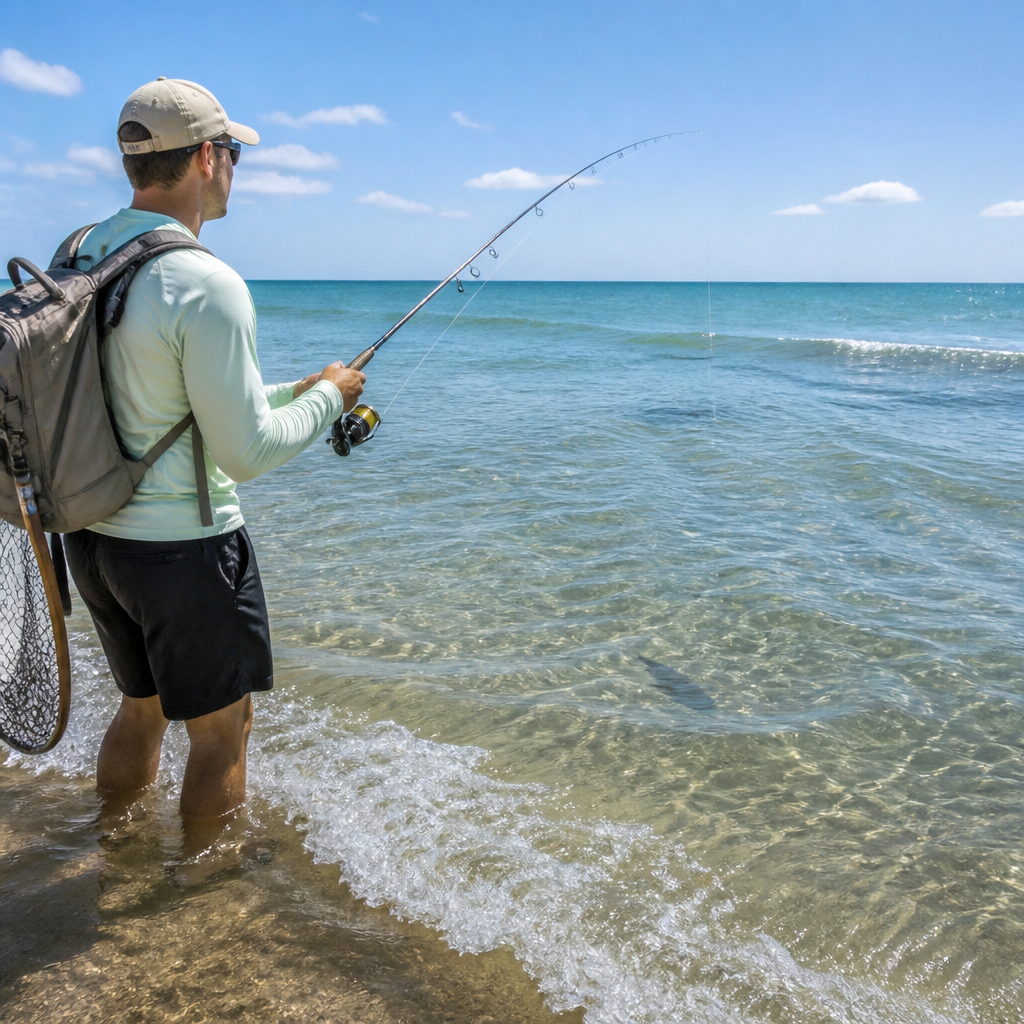
Sight fishing in the surf is one of the most visual, technical, and rewarding ways to catch saltwater game fish from shore. Instead of blind casting into likely structure, the angler actively looks for fish, reads water movement, tracks bait behavior, and delivers a precise presentation at the right angle and speed. In practical terms, sight fishing means seeing the fish itself, spotting its shadow, wake, push, tail, or nervous water, then making an intentional cast based on what that fish is doing. In the surf, that challenge is amplified by glare, wave energy, suspended sand, shifting bars, and fish that often appear for only a second.
This style matters because it turns surf fishing from a static waiting game into a mobile, decision-driven hunt. I have spent enough dawn tides walking outer bars and knee-deep troughs to know that success usually comes from observation before casting. Anglers who learn to identify travel lanes, bait concentrations, light conditions, and fish posture routinely outperform those who simply fan-cast every pocket. Sight fishing also forces better fundamentals: quieter wading, tighter line control, smarter lure selection, and greater awareness of safety in moving water. For beginners, it offers a direct path to understanding surf ecology. For advanced anglers, it creates opportunities for selective targeting of species, sizes, and feeding moods. As a hub topic within techniques and strategies, sight fishing connects water reading, stealth, gear setup, lure presentation, timing, and species behavior into one highly transferable skill set.
At its core, successful sight fishing in the surf depends on three linked abilities: seeing clearly, interpreting what you see, and responding quickly with the right cast. Good optics without fish knowledge are not enough. Great casting without stealth is not enough. The anglers who excel combine polarized vision, tidal awareness, and presentation discipline. They know when a striped bass is cruising with purpose versus sliding lazily in a trough, when a redfish push signals active feeding, and when a flash in a wave face is only mullet turning in the wash. They also understand that the surf is dynamic. The same beach can offer clear, fishable windows one day and unfishable, sanded-up water the next. Learning sight fishing therefore means learning how surf systems work, then matching gear and technique to those windows.
How sight fishing works in the surf
Sight fishing in the surf starts with conditions, not tackle. Clean to moderately clear water is the basic requirement because visibility drives every downstream decision. Light winds, lower suspended sediment, manageable surf height, and sun angles that reduce glare all improve your odds. On many beaches, the best windows occur on calm mornings, during neap-like periods between heavy weather events, or on stretches protected by points, bars, jetties, or islands that filter wave energy. Incoming tides often bring cleaner ocean water over inside flats, while a dropping tide may expose bars and force fish into troughs where they are easier to locate. There is no universal rule, but visibility always dictates whether true sight fishing is possible.
What you are looking for is not only the whole fish. In the surf, fish often reveal themselves indirectly. A V-wake moving parallel to shore can indicate striped bass pinning sand eels. A coppery push in shin-deep water may be redfish on a clean Gulf flat. Sudden sprays of anchovies, mullet splitting unnaturally, or a patch of water that bulges against the grain of the waves can all betray predators. I tell new anglers to scan for anomalies: anything that moves differently from the surf itself deserves attention. Fish create contrast through motion, color, shape, and pressure. Sometimes you cast at a tail; more often you cast at a clue.
Positioning is equally important. Instead of standing high and casting long by default, work to gain the best viewing angle. Slightly elevated sand cuts, firm bars, and the down-sun side of a trough can reveal fish that disappear when viewed straight into glare. Walking slowly with the sun over one shoulder often improves definition. On beaches with broad inside flats, I prefer to pause every twenty or thirty steps and let the water settle visually before moving again. Constant stomping and blind casting reduce both visibility and fish confidence. The surf rewards patience measured in seconds, not inactivity measured in hours.
Reading water, light, and fish behavior
Reading surf water for sight fishing means identifying structure that funnels fish close enough to see. Focus first on troughs, holes, seams, rip outflows, washouts beside bars, and tapering points where waves bend and lose shape. These places concentrate bait and create softer travel lanes. In the Northeast, striped bass often cruise the landward edge of an outer bar where whitewater meets greener trough water. Along the Gulf Coast, redfish and jack crevalle may slide the first gut on clear mornings, using the wash to corner shrimp and mullet. On Atlantic beaches, snook commonly hold near cuts and drain mouths where current delivers food. Different species favor different positions, but all exploit edges.
Light controls what you can detect. Midday sun can be excellent if the water is clear and the wind is light because direct overhead light penetrates shallow troughs well. Early and late periods produce more fish movement in many regions, but they also create low-angle glare. The solution is not simply “fish sunrise.” It is to fish the side of the beach and the water depth where you can actually see. Amber, copper, and rose polarized lenses each have uses, yet lens color matters less than optical quality, fit, and scratch-free clarity. Cheap lenses can darken the world without separating fish from bottom. High-quality polarization reduces reflected glare so shadows, bait pods, and subtle pushes stand out.
Behavior tells you how to present. A fish moving steadily with a defined path is easier to target than a fish milling in the wash. Cruising fish usually respond best to a cast placed ahead of the line of travel, then retrieved across or slightly away from the fish’s face. Fish that are rooting, tipping down, or repeatedly circling bait can accept a more stationary presentation. Speed is critical. Most missed opportunities come from landing too close, moving the lure too fast, or changing direction when the fish is already tracking. If the fish flares, wakes hard away, or turns off at the last second, your angle or pace was wrong. If it follows but does not commit, downsize, soften the entry, or switch from a noisy topwater to a subtle soft plastic.
Essential gear for sight fishing in the surf
Your gear for sight fishing in the surf should prioritize visibility, mobility, and precision over maximum casting distance. A 7-foot to 8-foot 6-inch medium or medium-light spinning rod covers most situations because it loads well with smaller lures, allows accurate short-to-medium casts, and remains manageable while walking. For larger striped bass beaches or windy days, an 8-foot 6-inch to 9-foot medium rod may be the better compromise. Pair it with a 3000 to 5000 size spinning reel with a smooth drag and strong line management. I prefer reels with rigid frames and sealed drags because surf spray and fine sand expose weak tolerances quickly.
Braided line in the 10- to 20-pound class gives the sensitivity and slim diameter needed for controlled presentations. Add a fluorocarbon leader sized to species and clarity: 15 to 20 pounds for school bass, snook, and slot reds in clear water; 25 to 30 pounds around abrasive structure, larger fish, or bluefish-adjacent situations where bite-offs are likely. Lure selection should center on baits you can place softly and manipulate precisely. Paddle tails on light jigheads, weightless or lightly weighted jerk shads, minnow plugs, small walk-the-dog topwaters, and bucktails with streamlined trailers all belong in the kit. Gold spoons remain exceptional for redfish in bright, shallow surf because they flash without demanding a fast retrieve.
Polarized sunglasses are not optional; they are primary equipment. Choose wraparound frames that block side light, and carry a microfiber cloth because salt spray ruins visual contrast. Wading boots or surf shoes with secure traction matter more than many anglers expect. You cannot make a calm, accurate cast if you are bracing against every wave. A compact sling or belt system keeps pliers, leader spools, clips, and a small lure selection accessible without forcing you back to a cart. Keep the load light. Sight fishing is active, and excess gear slows decision-making.
| Gear Item | Best Choice | Why It Helps |
|---|---|---|
| Rod | 7′ to 8’6″ medium spinning | Accurate casts, good lure control, easy mobility |
| Reel | 3000 to 5000 sealed spinning reel | Handles spray, smooth drag for close-range fights |
| Main line | 10 to 20 lb braid | Long casts, sensitivity, quick hooksets |
| Leader | 15 to 30 lb fluorocarbon | Low visibility and abrasion resistance |
| Sunglasses | High-quality polarized wraparounds | Reduces glare and reveals fish movement |
| Lures | Soft plastics, minnow plugs, spoons, bucktails | Precise, natural presentations in shallow water |
Techniques, presentations, and stealth
The best sight fishing techniques in the surf begin before the cast. Approach from downcurrent or with the waves at your side when possible so your outline and pressure wave are less obvious. Avoid sudden splashes, especially in ankle- to knee-deep water where fish can feel displacement through their lateral line. When you spot a fish, do not rush the cast just because the window feels brief. Take one extra beat to judge speed, angle, and where the fish will be when your lure lands. A cast six feet ahead of a moving fish is usually better than a cast on its head. In calm water, I often aim even farther ahead and work the lure into the lane naturally rather than forcing a reaction strike.
Presentation should match prey and water energy. In smooth troughs, a subtle paddle tail swum just above bottom can look exactly like a disoriented mullet or peanut bunker. In foamy whitewater, a bucktail or minnow plug gives fish a stronger silhouette and stays trackable. Topwater is effective when fish are actively corralling bait, but it is often overrated in clear, shallow surf where fish inspect closely. Many refusals happen because the bait enters too loudly or tracks unnaturally across the wave face. Soft entries and controlled retrieves catch more fish than dramatic splashdowns.
Hookset timing changes with lure type and visibility. With single-hook soft plastics and jigs, a firm sweep after you feel weight is enough. With trebled plugs, resist the urge to cross their eyes at the visual strike; keep reeling until the rod loads. Fight angles matter too. Because fish are often hooked close, side pressure helps steer them away from waves that can throw slack and dislodge hooks. Land fish efficiently, revive them in moving water when needed, and reset fast. Productive schools often continue moving through a lane for only a few minutes.
Species patterns, common mistakes, and strategy links
Sight fishing opportunities differ by species. Striped bass in clear surf often show as dark bars, shoulders, or pushing wakes on sand eel, spearing, or mullet feeds; they can be surprisingly shallow, especially along bar edges in low light or cloudy conditions. Redfish are among the most visible targets because of their copper coloration, tailing behavior, and tendency to root in skinny water. Snook often appear silver and angular, holding just outside crashing waves before sliding in to ambush bait. Pompano are harder to sight individually but can be targeted by reading clean water, small troughs, and bait concentration where they feed. Bluefish, ladyfish, and jacks usually advertise themselves through speed and surface disruption. Knowing the species in front of you changes lure size, leader choice, and how close you can stand.
The most common mistakes are predictable. Anglers move too quickly, cast too often, and mistake bait for predators. They wear poor optics, ignore sun angle, or overcarry gear that limits mobility. They also cling to long-cast surf habits when the fish are twenty feet away. Another frequent error is failing to connect sight fishing with broader surf strategy. This subtopic should lead you into adjacent skills: reading beach structure, timing tides, selecting lures for forage, handling fish in current, and planning sessions around weather windows. Build those links deliberately. Keep notes on clarity, tide stage, species seen, and productive presentations. Over a season, patterns emerge that are far more reliable than memory.
Sight fishing in the surf rewards anglers who treat observation as the first and most important technique. Clear water, manageable light, quality polarized glasses, and a mobile setup create the foundation. From there, reading structure, recognizing fish signals, and making calm, accurate presentations turn brief visual chances into landed fish. The advantage is not only more hookups. You gain a sharper understanding of how game fish use bars, troughs, current seams, and bait movement in real time. That knowledge improves every other form of surf fishing, even on days when visibility disappears.
As the hub for sight fishing within techniques and strategies, this topic should anchor your approach to related decisions on tides, structure, lure profiles, and species-specific behavior. Start simple: choose one clear morning, travel light, watch more than you cast, and focus on one kind of visual cue such as wakes along a trough edge. Record what you see and how fish react. With repetition, the surf becomes readable instead of random. Apply these sight fishing techniques and gear principles on your next session, and build from direct observation rather than guesswork.
Frequently Asked Questions
What exactly is sight fishing in the surf, and how is it different from regular surf fishing?
Sight fishing in the surf is a highly visual approach to shoreline fishing where the angler actively searches for fish or clear signs of fish before making a cast. Instead of repeatedly casting into a trough, rip, bar, or pocket based only on structure and probability, you are looking for specific evidence such as a fish’s body, shadow, wake, push, tail, flash, or the nervous water created when predators move through bait. The entire process is more deliberate. You are not just covering water blindly; you are reading the scene in real time and making a precise presentation to a target you have identified.
This makes sight fishing far more technical than standard surf fishing. Success depends on water clarity, light angle, wave height, tide movement, and your ability to interpret subtle surface clues quickly. It also changes how you position yourself. Rather than planting yourself in one productive area and fan-casting, you are usually walking, scanning, stalking, and waiting for a window to present the lure or fly without spooking the fish. In many cases, the first cast is the best cast, so accuracy and timing matter as much as lure choice.
Another major difference is how fish behavior drives the presentation. In regular surf fishing, an angler may fish likely zones thoroughly and let fish come to the lure. In sight fishing, you are often reacting to a fish that is already moving, feeding, cruising, or tracking bait. That means you must lead the fish correctly, choose the right retrieve speed, and cast at an angle that looks natural. It is a method that rewards observation, patience, stealth, and decision-making, which is why many anglers consider it one of the most engaging and rewarding ways to target saltwater game fish from shore.
What are the best conditions for sight fishing in the surf?
The best conditions for sight fishing in the surf usually combine clean water, manageable wave energy, good sun angle, and enough elevation or clarity to distinguish fish from the bottom. Calm to moderate surf is generally preferred because excessive whitewater makes it difficult to pick up subtle signs like shadows, wakes, and bait spraying. Water clarity is critical. Even lightly stained water can still be fishable if the fish are pushing hard or tailing in shallow water, but the cleaner the water, the better your odds of spotting fish early and making a measured cast.
Lighting is equally important. Bright conditions are often ideal if the sun is at your back or off your shoulder, because glare management becomes easier and you can see deeper into the water. Early morning and late afternoon can be productive for fish activity, but low-angle light can also make it harder to see into the surf if glare is strong. Many experienced anglers watch both the weather and the sun position, choosing stretches of beach that allow them to scan effectively rather than staring directly into reflected light. Polarized sunglasses are essential here, not optional.
Tidal stage can make a major difference as well. Lower stages of the tide often expose bars, troughs, cuts, and shallow feeding lanes where fish become easier to spot, while incoming water may push bait and predators into tight, visible zones along the beach. The ideal tide depends on the species and beach layout, but movement generally helps because active water concentrates life. Wind should be considered too. Light onshore or crosswind can be manageable, but heavy chop and glare from wind-riffled water make visual tracking much harder.
Finally, the best conditions are not just environmental; they are situational. Beaches with lighter-colored sand bottoms, defined troughs, scattered bait, and areas where fish naturally move through skinny water are far more sight-fishing friendly than dark, featureless, heavily churned beaches. If you can clearly distinguish bottom contour, detect bait behavior, and identify movement before the wave face obscures it, you are in the kind of conditions where sight fishing can really shine.
What gear works best for sight fishing in the surf?
The best gear for sight fishing in the surf balances casting precision, stealth, sensitivity, and enough power to control fish in moving water. For most situations, a medium-light to medium spinning setup in the 7- to 9-foot range is ideal because it offers good line control, accurate casting, and enough reach to work over shallow bars and troughs without being excessively cumbersome. A rod that is too heavy can reduce casting finesse and make subtle presentations less natural, while a rod that is too light may struggle when surf energy increases or larger fish show up unexpectedly.
Reels should be smooth, saltwater-capable, and matched with braided line that allows long casts and immediate connection to the lure. Many anglers prefer 10- to 20-pound braid for most sight-fishing applications because it cuts wind reasonably well, transmits lure action clearly, and helps with quick hooksets at distance. Leader choice matters too. Fluorocarbon or a clear monofilament leader in an appropriate breaking strength gives some abrasion resistance and lower visibility. The exact leader size depends on the species and water clarity, but many surf sight anglers lean lighter than they would for blind casting because fish in clear, shallow water can be wary.
Lure selection should focus on visibility, control, and realism. Soft plastics on light jigheads, paddle tails, jerk shads, small swimbaits, bucktails, spoons, and compact topwaters are all productive depending on species and conditions. The key is choosing lures that can be landed softly, tracked naturally, and adjusted in speed without blowing out of the strike zone. In shallow, clear surf, subtle presentations often outperform oversized or overly aggressive offerings. Color should match water clarity and forage, but profile and behavior are usually more important than exact shade.
Beyond rod, reel, and lure, a few accessories are truly critical. High-quality polarized sunglasses are arguably the most important piece of sight-fishing gear because they allow you to actually find fish. A hat with a dark underbrim helps reduce glare. Wading boots or sandals with secure footing can improve mobility and safety on shifting sand and shell. A small, streamlined tackle setup is better than hauling excess gear, because sight fishing is active and mobile. The more efficiently you can move, scan, and present, the more opportunities you will convert.
How do you spot fish in the surf and make the right cast without spooking them?
Spotting fish in the surf starts with training your eyes to read indirect signs, not just obvious body shapes. In clear, shallow water, you may see the fish itself, but more often you will notice a dark shadow sliding over pale sand, a V-shaped wake, a push of water, a sudden flash, a tail tip, or bait behaving nervously. Watch for schools of bait that tighten suddenly, spray toward shore, or move with unusual urgency. Predatory fish rarely appear in isolation from the rest of the scene. The water, bait, birds, and wave rhythm all provide clues, and the best sight anglers learn to process those clues quickly.
Positioning is a huge part of not spooking fish. Move slowly, avoid unnecessary splashing, and keep a low profile when fish are close. Many surf species are surprisingly sensitive in skinny water, especially when the beach is calm and visibility is high. Try to keep the sun advantage if possible so you can see fish before they see you. Rather than walking straight at suspected activity, angle your approach and stop early enough to make a controlled cast. Rushing in usually shortens the window and increases the chance of putting the fish down.
The cast itself should be based on the fish’s direction and speed. In most cases, you do not want to hit the fish on the head or throw directly into its path at the last second. Instead, lead the fish enough that your lure enters the water softly ahead of it and slightly off to the side, then begin a retrieve that intersects its line naturally. The right lead distance depends on water depth, surf noise, fish pace, and lure sink rate. A fast-moving fish in broken water can tolerate a more aggressive cast than a slow cruiser in ankle-deep clear water.
Retrieve control is where many opportunities are won or lost. Match the lure speed to what the fish appears to be doing. If it is actively chasing bait, a more assertive presentation can trigger a reaction. If it is cruising and inspecting, a subtle glide or slow swim may be better. Watch the fish’s body language after the cast. If it turns, tracks, accelerates, or flares on the lure, stay smooth and resist the urge to overwork it. If it ignores the lure completely, the issue may be angle, speed, depth, or simply that the fish was not feeding. Good sight fishing is part stalking, part casting, and part instant feedback adjustment.
What are the biggest mistakes anglers make when sight fishing in the surf?
One of the most common mistakes is moving too fast and trying to force opportunities. Sight fishing rewards patience and awareness, but many anglers walk quickly, cast at every suspicious ripple, and fail to pause long enough to actually read the water. In the surf, fish can appear and disappear between waves, and the angler who stops, scans, and anticipates movement often sees far more than the one who is always in motion. Slowing down also helps with stealth, which matters much more than many shore anglers